When Was Viagra Invented, and What Was It Originally For?
- GPhC registered UK pharmacy with independent prescriber review
- Online consultation with UK registered prescribers before any treatment is supplied
- Genuine, UK sourced medication dispensed after a clinical assessment
- Clear, transparent process from consultation through to delivery
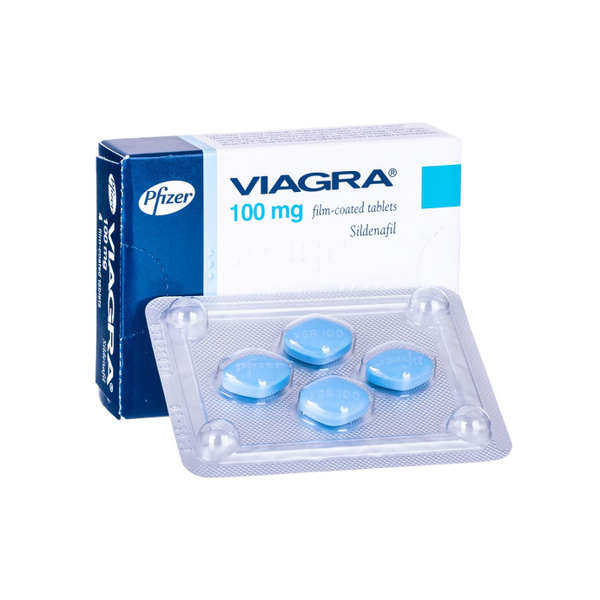
Pfizer Viagra is the branded sildenafil medicine developed by Pfizer: first synthesised in 1989 as a potential treatment for angina, then redirected after early 1990s trials showed it was more effective for erectile dysfunction, and formally approved as a licensed medicine in 1998.
For people in the UK who want a clear account of how Viagra was developed and what its medical role is today, this guide sets out the verifiable timeline: Pfizer's role in creating it, what it was originally intended to treat, how its effect on ED was identified, when it received regulatory approval, and the licensed uses associated with Viagra now. That background matters if you are researching ED treatments and want to understand why Viagra became an established option in healthcare, using the medicine's official history and regulatory record rather than the more colourful, harder-to-verify anecdotes that often circulate alongside this story.
Who Made Viagra? Pfizer's Role
Viagra was developed and is manufactured by Pfizer, and the discovery work took place at the company's research facility in Sandwich, Kent, in the UK. The compound that became sildenafil was first synthesised by Pfizer researchers in 1989 as part of a programme investigating potential cardiovascular treatments.
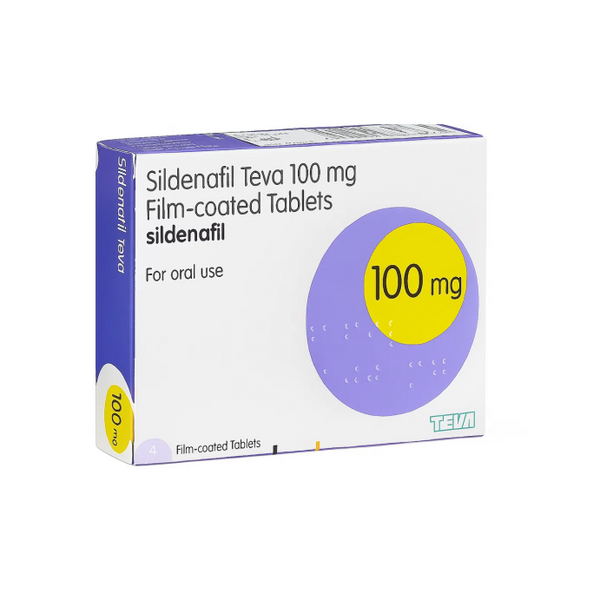
Pfizer remains the manufacturer and marketing authorisation holder for branded Viagra in the UK today. Other, separately licensed manufacturers now also produce generic sildenafil, containing the same active ingredient, once patent protection on the original branded product ended.
This origin at a UK research site is a detail that often gets lost in the broader, more well known American cultural association with medicine. The compound that became one of the best known medicines in the world began as laboratory research on a specific enzyme pathway, at a facility in Kent, rather than starting out with erectile dysfunction as any part of the research goal. The eventual medicine's global reach and recognition stand in fairly striking contrast to how narrowly focused, and specifically cardiovascular, its earliest research aims actually were.
When Was Viagra Invented? The Discovery Timeline
Viagra's story runs across roughly a decade, from an initial cardiovascular research programme in the late 1980s to a licensed ED medicine by 1998. It did not happen in one single moment, it developed in stages, each one changing the direction of the project.
1989: The Compound Is First Synthesised
The compound that would become sildenafil was first synthesised by Pfizer researchers in 1989, as part of a research programme aimed at developing a selective inhibitor of an enzyme called PDE5, investigating PDE5 inhibition as a potential treatment for angina and other cardiovascular conditions.
This research sat within a broader effort at the time to find new approaches to cardiovascular disease by targeting the nitric oxide and cGMP signalling pathway in blood vessels, a pathway that plays a role in relaxing smooth muscle and widening blood vessels throughout the body, not just in the heart. Selectivity for PDE5 specifically, rather than related enzymes elsewhere in the body, was the key scientific goal at this stage, since a more selective compound was expected to produce fewer unwanted effects elsewhere.
Early 1990s: An Unexpected Drug Discovery During Clinical Trials
Clinical trials testing the compound as a potential angina treatment did not show the cardiovascular benefit researchers had hoped for. During these trials, however, researchers identified a different, unexpected effect on erectile function. Recognising this as a distinct and significant finding, Pfizer redirected the research programme away from angina and towards developing the compound specifically as a treatment for erectile dysfunction, then a largely unmet medical need with few effective, licensed options.
This shift was not an overnight decision. It required Pfizer to design and run an entirely new set of clinical trials, this time specifically assessing sildenafil as a treatment for erectile dysfunction rather than angina, gathering the evidence a genuinely new licensed use would require, rather than simply relabelling the existing angina research and moving straight to market.
1998: Viagra Is Approved
Following further clinical trials specifically for erectile dysfunction, Viagra received regulatory approval in 1998 as the first oral treatment for erectile dysfunction. In the UK, Viagra's marketing authorisation was first granted on 14 September 1998, making it the first licensed oral treatment for erectile dysfunction to become available. Clinical trials have demonstrated that sildenafil is effective for many men with ED, although some men do not respond adequately to treatment.
Timeline at a Glance
| Year | Development |
|---|---|
| 1989 | Compound (UK-92,480) first synthesised at Pfizer's Sandwich, Kent research facility, targeting potential cardiovascular uses, including angina |
| Early 1990s | Clinical trials for angina show limited cardiovascular benefit but an unexpected effect on erectile function |
| 1998 | Viagra approved and licensed as an oral treatment for erectile dysfunction, UK marketing authorisation granted 14 September 1998 |
| 2017 | Viagra Connect (sildenafil 50mg) reclassified from prescription-only to pharmacy medicine status in the UK |
Why This Erectile Dysfunction Discovery Mattered
Before Viagra, ED treatments included options such as intracavernosal injections, vacuum erection devices and other approaches, many of which were more invasive or less convenient than an oral tablet. Viagra's approval in 1998 introduced an entirely new, oral treatment category for a condition that had previously been difficult to treat and, for many men, difficult to discuss with a doctor at all.
This is also a reasonably well known example of a medicine being repurposed after an unexpected clinical trial finding, something that has happened with a handful of other medicines across the history of pharmaceutical research too. It illustrates a genuine, if unusual, part of how some medicines reach the market: not always through a straight line from an initial research goal to an approved use, but sometimes through a documented, carefully studied change of direction once real clinical trial evidence pointed somewhere else.
It is worth being clear about what this does and does not mean for how medicine is regulated today. However unusual its discovery route, Viagra went through the same rigorous clinical trial and licensing process required of any medicine before approval, specifically for erectile dysfunction, not simply carried over from the earlier angina research. The unexpected finding changed the research direction, it did not shortcut the evidence needed to support a new licensed use.
What Was Viagra Originally Made For?
Viagra's active ingredient, sildenafil, was originally investigated as a potential treatment for angina and other cardiovascular conditions. The research aimed to determine whether PDE5 inhibition could produce useful cardiovascular effects, including effects relevant to angina.
This is genuinely the original, intended use case, not a myth or exaggeration. The medicine we now know as Viagra exists at all because a cardiovascular research programme did not go as originally planned.

Why Did It Not Work for Its Original Purpose?
Sildenafil simply did not lower blood pressure or relieve angina symptoms as effectively as Pfizer's researchers had hoped, based on the clinical trial results at the time. Although sildenafil did not provide the hoped-for benefit as an angina treatment, researchers observed a notable effect on erectile function during the clinical trials, leading Pfizer to investigate ED as a new therapeutic use.
This is why sildenafil is now licensed for erectile dysfunction rather than angina specifically. It also explains a related fact worth knowing: because sildenafil's blood-pressure-lowering effect is real, even though it was not strong enough for angina on its own, the medicine is contraindicated with nitrate medicines used for heart conditions today. Combining the two can cause a dangerous, excessive drop in blood pressure. That is also why anyone with contraindications or urgent symptoms needs prompt medical review, especially if there are signs of low blood pressure, heart attack, stroke, or sudden hearing loss.
This point is worth sitting with, because it is easy to assume the "failed" angina research was simply discarded. In reality, the cardiovascular effect that made sildenafil disappointing as a stand-alone angina treatment is the same underlying effect that makes it genuinely dangerous to combine with nitrate medicines today. The original research programme did not fail to teach researchers anything, it directly shaped one of the most important safety warnings attached to the medicine as it exists now.
Sildenafil's Cardiovascular and Pulmonary Arterial Hypertension Use Today
Sildenafil never entirely left cardiovascular medicine. Although it did not succeed as an angina treatment, sildenafil is licensed today, under a different brand and at different doses, to treat pulmonary arterial hypertension (PAH), a condition affecting blood pressure in the arteries of the lungs, quite different from the conditions the compound was originally investigated for.
This is a genuinely separate, distinctly licensed medicine, not a repurposed Viagra tablet, and it is not an ED treatment. It represents something closer to a return to sildenafil's original cardiovascular research direction, just for a more specific, better understood condition than researchers were originally targeting in the 1980s.
There is a certain symmetry to this. The same active ingredient that was found to be too weak an angina treatment in the early 1990s turned out, years later, to have a genuine, licensed use in a different cardiovascular condition entirely, once researchers understood its effects more precisely. Both uses trace back to the same underlying PDE5-inhibiting mechanism discovered during that original 1980s research programme.
From Discovery to Generic Sildenafil: A Licensed UK Medicine Today
Since its 1998 UK authorisation, Branded Viagra remains a prescription-only medicine in the UK, while Viagra Connect (sildenafil 50mg) is available as a Pharmacy medicine following pharmacist assessment. In 2017, Viagra Connect (sildenafil 50mg) was reclassified from prescription-only to pharmacy medicine status in the UK, allowing it to be supplied by a pharmacist following a consultation, without needing a full prescription. Viagra Connect is the Pharmacy medicine version of branded sildenafil 50mg available in the UK following pharmacist assessment.
Sildenafil use also became widespread, with nearly 3 million prescriptions in England in 2016.
The medicine's core purpose has stayed the same throughout: helping blood flow increase to the penile in response to sexual stimulation for men with erectile dysfunction. What has changed over more than two decades is the range of licensed options now available, including other PDE5 inhibitor medicines with their own separate active ingredients, and the routes through which a genuine, licensed medicine can now be accessed.
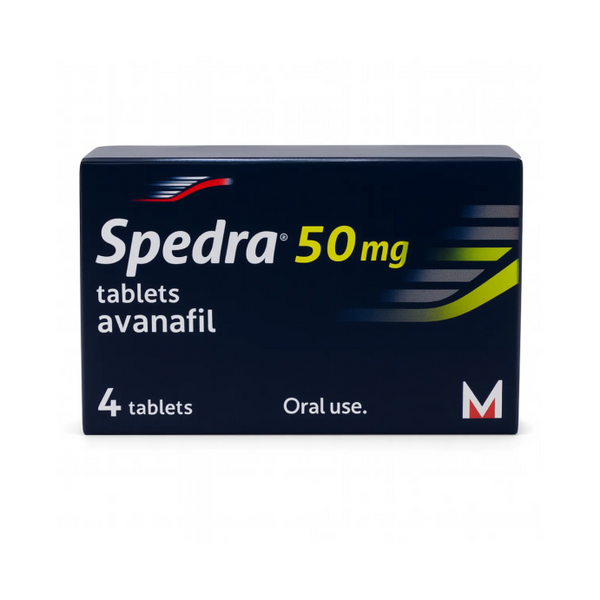
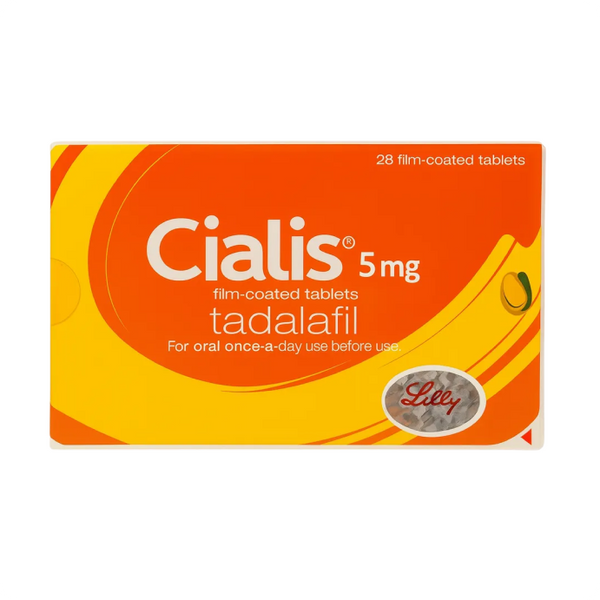
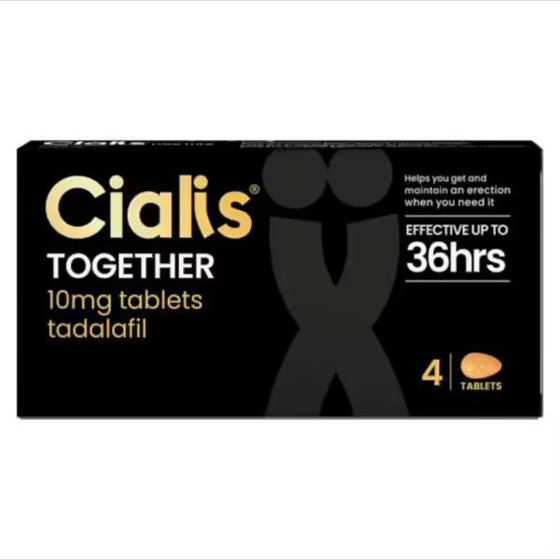
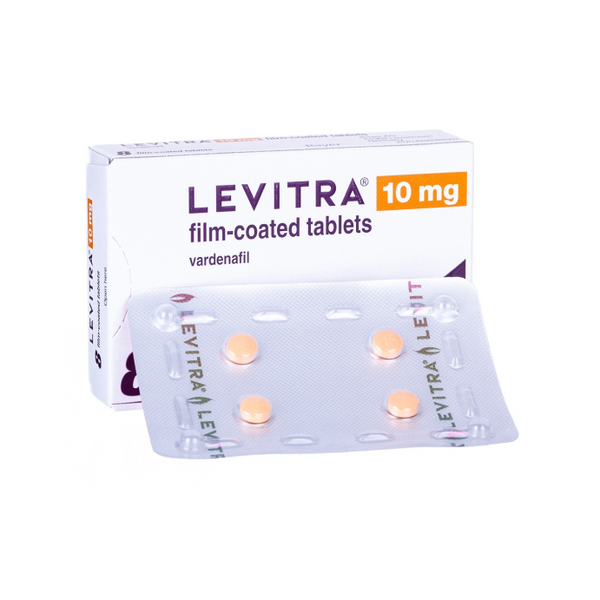
Sildenafil's success also opened the door to a wider PDE5 inhibitor medicine class. In the years following Viagra's approval, other manufacturers developed and licensed their own distinct PDE5 inhibitor medicines, including tadalafil, vardenafil and avanafil, each with a different active ingredient but working through the same underlying mechanism first identified during that original 1980s cardiovascular research. None of these later medicines are Viagra or contain sildenafil, they are separate, independently developed and licensed medicines that emerged once the PDE5 mechanism itself was better understood.
Medical Disclaimer
This article is for general historical information only and is not a substitute for individual medical advice. Historical and developmental details are provided for context and do not affect current UK licensing, dosing or safety information for sildenafil, which is set out in the medicine's official product information. Treatment suitability depends on an individual clinical assessment, and any medicine should only be used under the guidance of an appropriately qualified, UK registered prescriber.
Frequently Asked Questions
Who invented Viagra?
When was Viagra invented?
When was Viagra developed?
When was Viagra created?
What was Viagra originally made for?
Why was Viagra changed from a heart medicine to an ED treatment?
Is Viagra still used to treat heart conditions?
Who makes Viagra?
When was Viagra approved in the UK?
Is the story about Viagra's discovery exaggerated?
Viagra Ingredients: Active Ingredient & Full List
Cialis 5mg Once Daily: How the Daily Dose Works
Related Posts


Viagra Pharmacy UK: How Sildenafil Supply Works

Do You Need a Prescription for Viagra in the UK?

Can You Buy Viagra Over the Counter in the UK?


Viagra Price UK: Understanding Sildenafil Costs