



Acid reflux can be uncomfortable, frustrating and difficult to ignore, especially when it happens after meals or keeps you awake at night. You may notice a burning feeling in your chest, a sour taste in your mouth, or the feeling that food is coming back up.
Occasional acid reflux is common and often settles without causing lasting problems. However, symptoms that happen regularly, disturb your sleep, affect your daily life or do not improve may need medical advice.
This guide explains what acid reflux is, what causes it, the symptoms to look out for, lifestyle changes that may help and the treatment options available. It also explains when you should speak to a healthcare professional and how to find a suitable solution for your symptoms.
What is acid reflux?
Acid reflux happens when stomach contents move backwards into the oesophagus. The oesophagus is the tube that carries food and drink from your mouth to your stomach.
A ring of muscle called the lower oesophageal sphincter sits between the oesophagus and stomach. It normally opens to let food and drink into the stomach, then closes to help keep stomach contents in place.
If this muscle relaxes at the wrong time or does not close properly, stomach acid and other contents can travel upwards. Because the oesophagus is not designed to handle stomach acid in the same way as the stomach, irritation and uncomfortable symptoms may develop.
The terms acid reflux, heartburn and gastro-oesophageal reflux disease (GORD) are often used together, but they have different meanings:
- Acid reflux describes the movement of stomach contents into the oesophagus.
- Heartburn is the burning feeling that reflux can cause, usually in the chest.
- Gastro-oesophageal reflux disease (GORD) is a longer-term condition in which reflux happens frequently or causes complications.
You can experience occasional acid reflux without having GORD.
What are the symptoms of acid reflux?
Acid reflux does not feel exactly the same for everyone. Some people mainly notice heartburn, while others experience symptoms in their mouth, throat or upper stomach.
Common symptoms include:
- A burning feeling in the chest, often called heartburn
- A sour or bitter taste in the mouth
- Food or liquid coming back up into the mouth
- Frequent burping
- Nausea
- Bloating or discomfort in the upper abdomen
- Feeling unusually full after eating
Reflux can also affect the throat. Some people experience a persistent cough, a hoarse voice, frequent throat clearing or a feeling that something is stuck in their throat.
These symptoms can also be caused by other conditions. If they continue, become worse or are difficult to explain, speak to a GP or another healthcare professional.
What causes acid reflux?
Acid reflux usually has more than one possible cause. It may be linked to how much you eat, when you eat, pressure on your stomach, certain lifestyle habits or changes in the way the lower oesophageal sphincter works.
Eating large meals
A very full stomach can increase pressure inside the abdomen. This may make it easier for stomach contents to move back into the oesophagus.
Eating shortly before bed
Reflux can be more likely when you lie down soon after eating. Giving yourself time between your evening meal and bedtime may help reduce symptoms.
Being overweight
Extra pressure around the abdomen can increase the chance of reflux for some people. However, acid reflux can affect adults of any body size.
Pregnancy
Hormonal changes during pregnancy can relax the lower oesophageal sphincter. As the womb grows, it can also place more pressure on the stomach. Together, these changes can make reflux more common.
Smoking
Smoking may affect the normal function of the lower oesophageal sphincter and can make reflux more likely.
Alcohol
Alcohol can trigger or worsen reflux symptoms in some people. The effect varies from person to person.
Hiatus hernia
A hiatus hernia happens when part of the stomach moves upwards through an opening in the diaphragm. This can make it easier for stomach contents to travel into the oesophagus.
Certain medicines
Some medicines may contribute to reflux or make existing symptoms worse. If you think a medicine is affecting you, speak to a pharmacist, GP or prescriber. Do not stop prescribed treatment without professional advice.
Changes in the lower oesophageal sphincter
Sometimes, the lower oesophageal sphincter relaxes more often than it should. This can allow reflux to happen even when there is no clear trigger.
What can trigger acid reflux?
Some foods and drinks are more likely to trigger reflux symptoms, although triggers are different for everyone. Common examples include fatty or fried foods, spicy meals, chocolate, coffee, alcohol, fizzy drinks, citrus fruits and tomato-based foods.
You do not necessarily need to avoid all these foods. A food that causes symptoms for one person may not affect someone else. Instead, pay attention to your own patterns. A simple food and symptom diary can help you work out which foods or drinks may be contributing to your symptoms.
Why is acid reflux worse after eating or at night?
Reflux often happens after meals because the stomach becomes fuller and pressure inside it increases. This can make it easier for stomach contents to move upwards.
Symptoms may also become worse at night. When you lie flat, gravity is less able to help keep stomach contents in the stomach. This is why some people notice heartburn, a sour taste or throat irritation when they go to bed.
You may find it helpful to:
- Eat smaller meals if large meals trigger symptoms.
- Avoid very large meals late in the evening.
- Stay upright after eating.
- Avoid eating shortly before bedtime.
- Notice which foods and drinks appear to worsen your symptoms.
These changes may reduce symptoms for some people, but they do not guarantee relief.
How acid reflux happens
Food normally travels down the oesophagus and into the stomach. The lower oesophageal sphincter then helps keep stomach contents from moving backwards.
If the valve relaxes at the wrong time or does not close properly, stomach acid and other contents can move upwards. This can irritate the oesophagus and cause symptoms such as heartburn, regurgitation, a sour taste or throat irritation.
How is acid reflux diagnosed?
A GP or other healthcare professional can often assess acid reflux by asking about your symptoms and medical history. They may ask when your symptoms happen, how often they occur, what seems to trigger them and whether any treatments have helped.
Not everyone needs further testing. If your symptoms are persistent, unusual or linked to warning signs, additional investigations may be recommended.
Possible tests include:
- Gastroscopy: A thin camera is used to examine the oesophagus and stomach.
- Reflux monitoring: This measures acid levels or reflux episodes in the oesophagus over a period of time.
The tests you need will depend on your symptoms and your healthcare professional's assessment.
Before choosing a treatment, it helps to think about how your symptoms affect you. Do they happen only after a heavy meal, several times a week, or most nights? Do you mainly have heartburn, or do you also experience a sour taste, coughing or food coming back up? These details can help a pharmacist or GP suggest a more suitable approach.
How is acid reflux treated?
The right treatment depends on how often your symptoms happen, how severe they are and whether you have any other health conditions. Some people only need occasional relief, while others may need a longer-term treatment plan.
Lifestyle changes
Changes to meal timing, portion sizes and personal triggers may help reduce reflux. Cutting down on alcohol if it triggers symptoms, stopping smoking and managing weight where appropriate may also be useful.
Lifestyle changes can support treatment, but they do not work for everyone and should not be treated as a guaranteed cure.
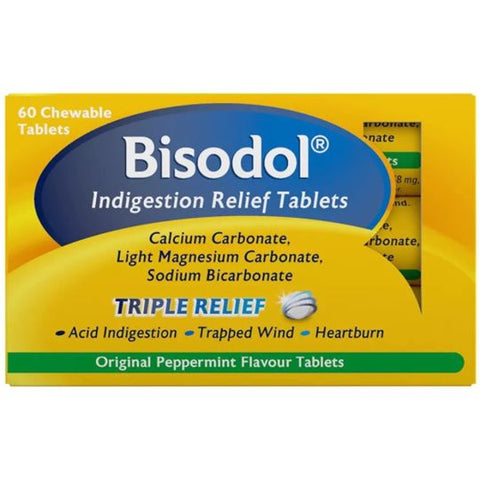
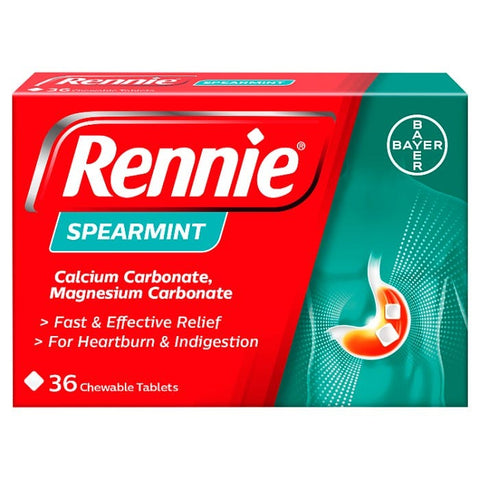
Antacids
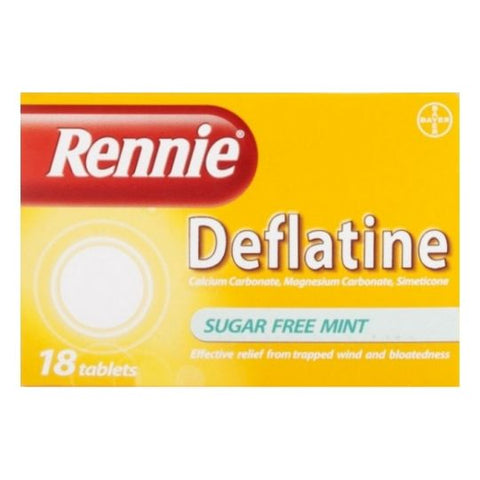
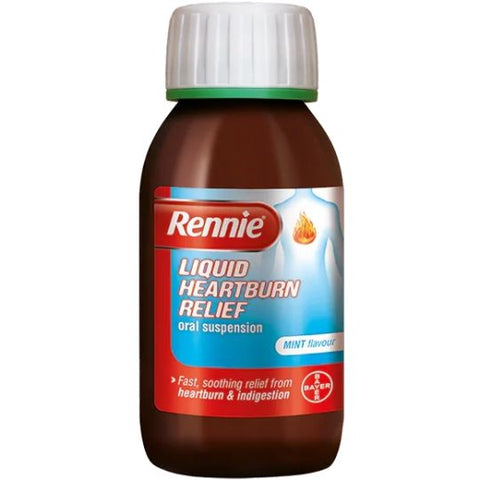
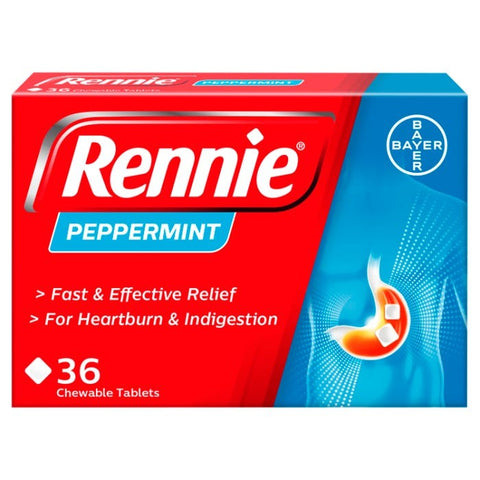
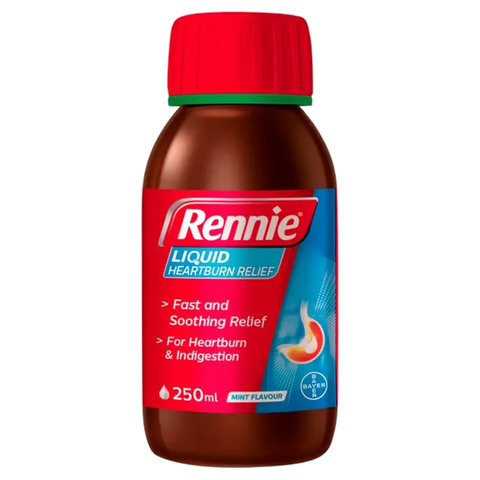
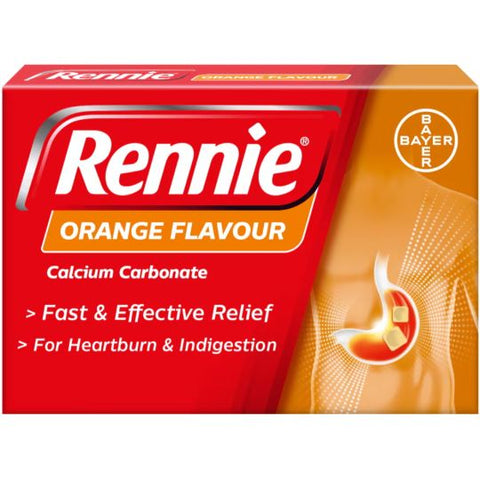
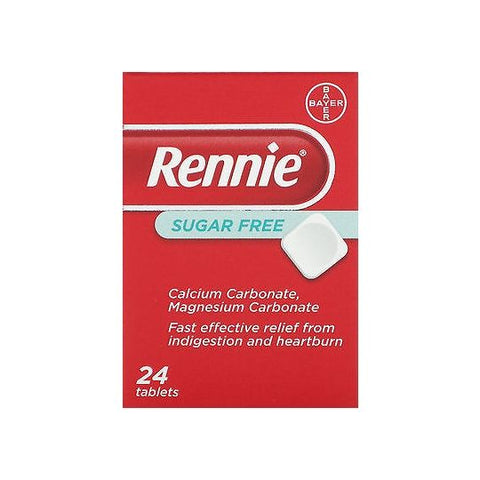
Antacids work by neutralising stomach acid. They can provide relatively quick relief from occasional symptoms, although their effects may not last as long as those of some other treatments.
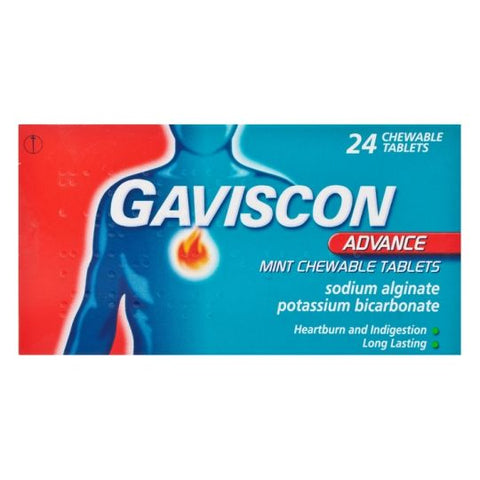
Alginates
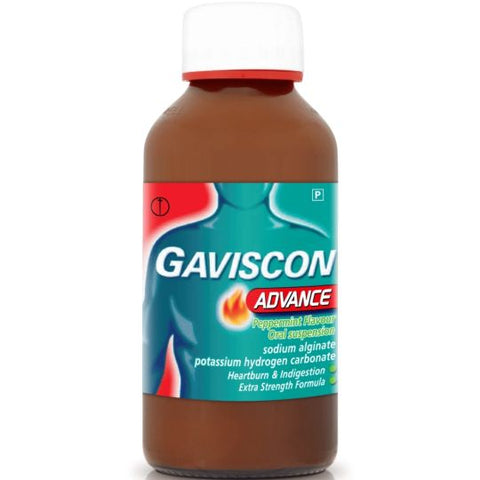
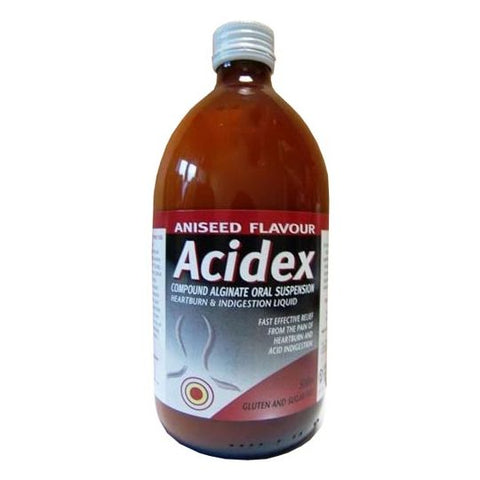
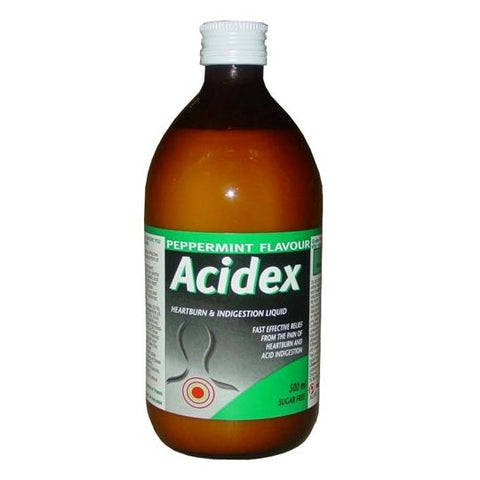
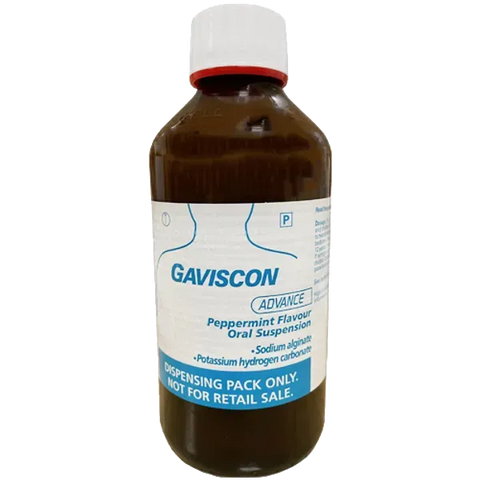
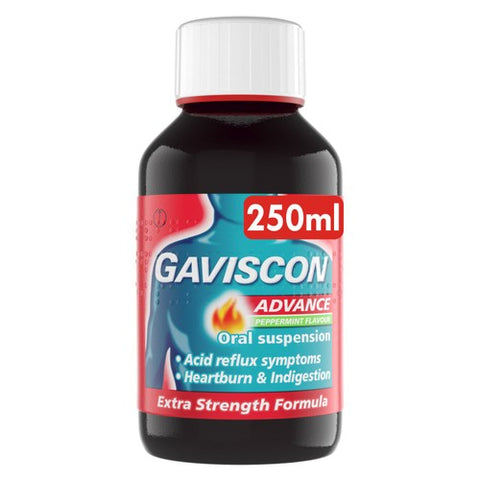
Alginates form a protective layer on top of the stomach contents. This barrier can help reduce the movement of reflux into the oesophagus and may be useful for symptoms after meals or when lying down.
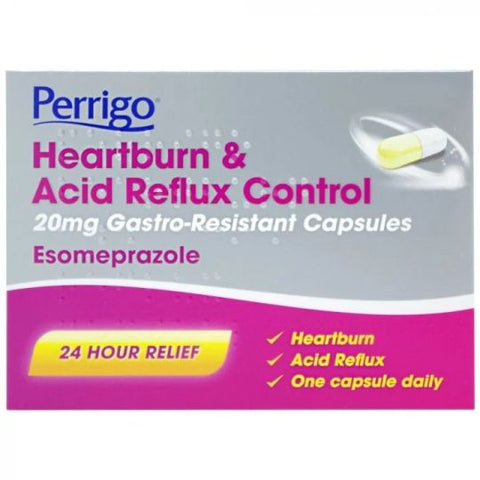
Proton pump inhibitors (PPIs)
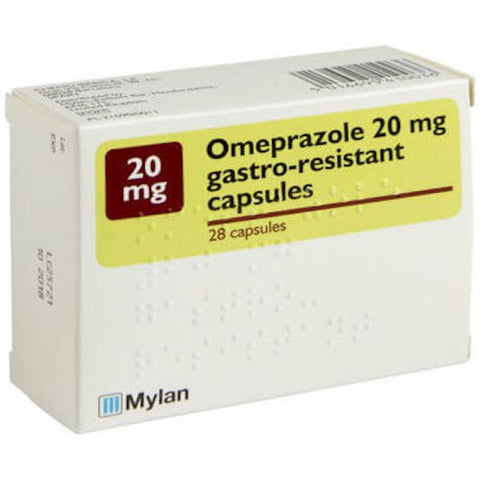
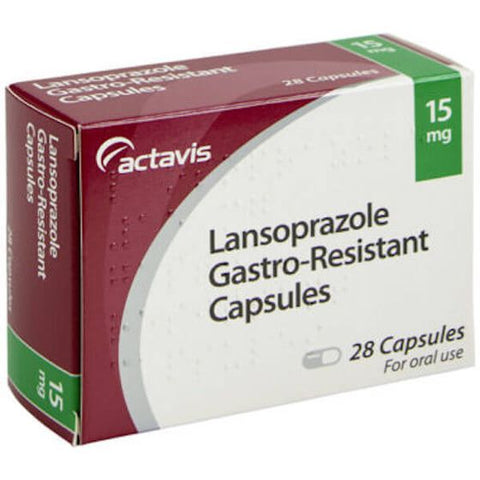
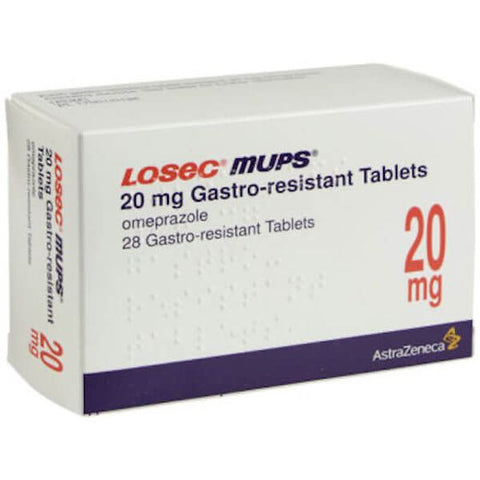
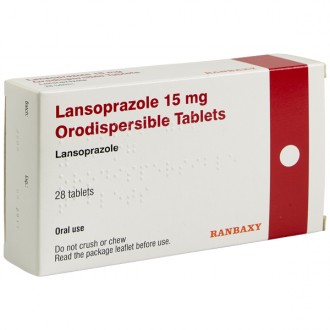
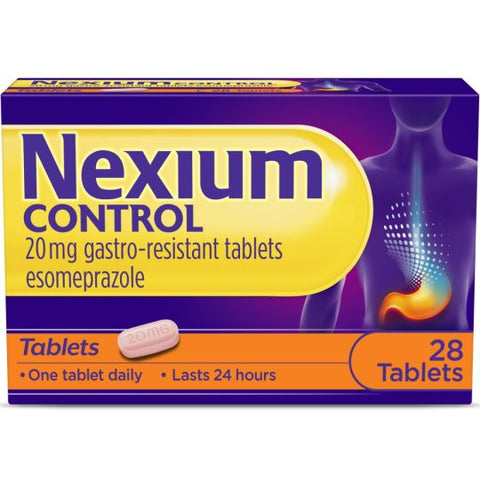
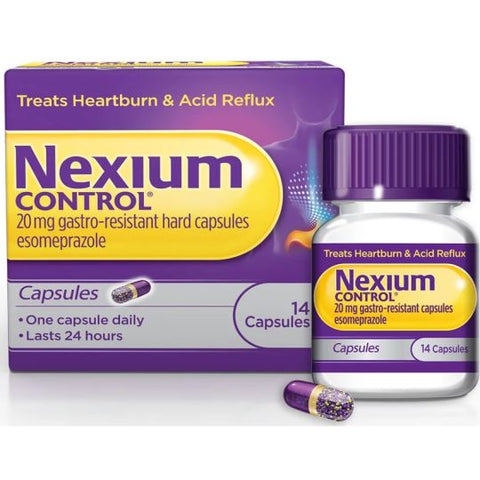
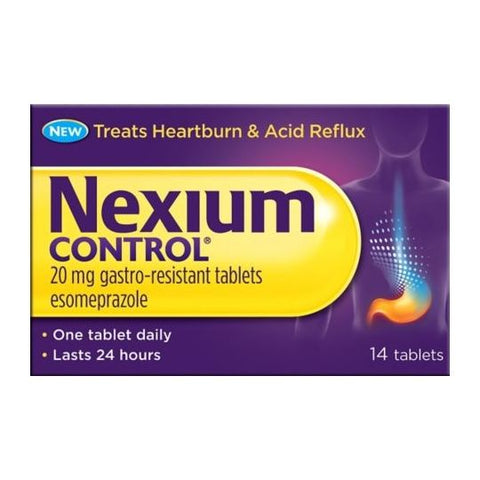
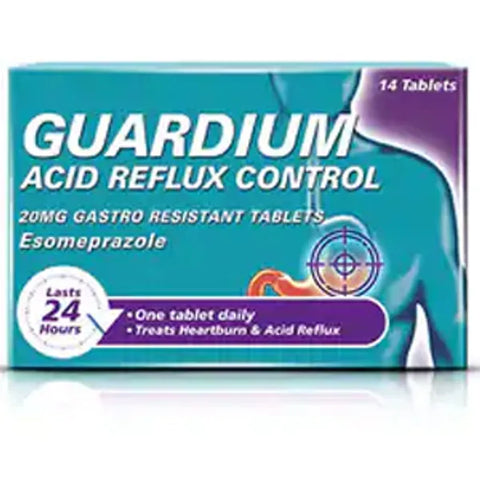
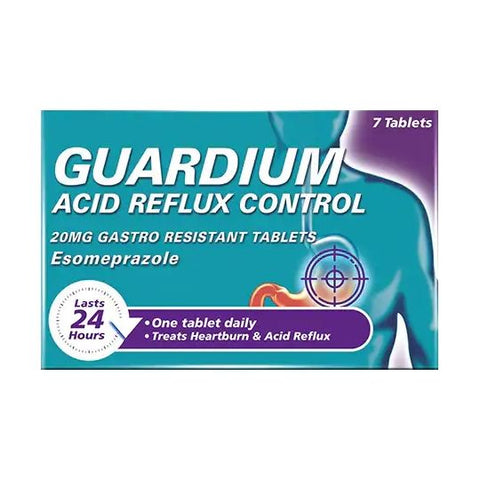
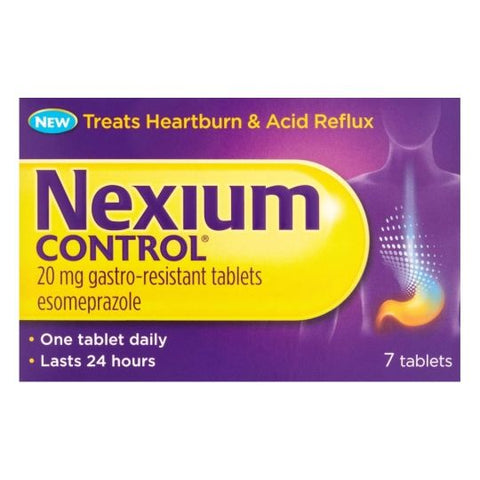
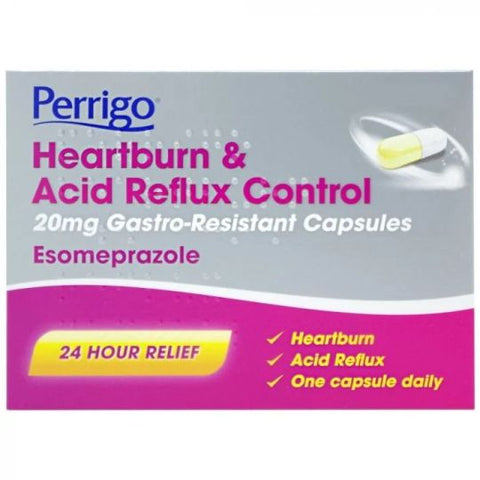
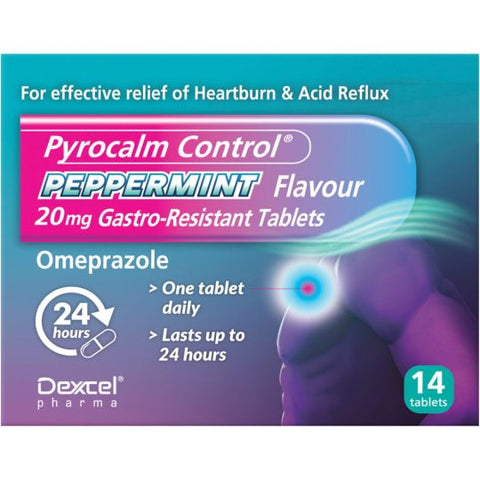
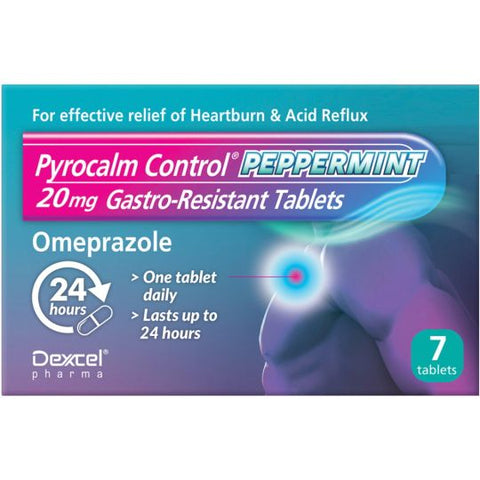
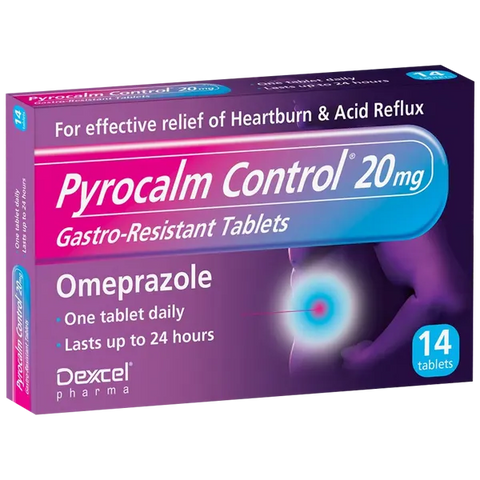
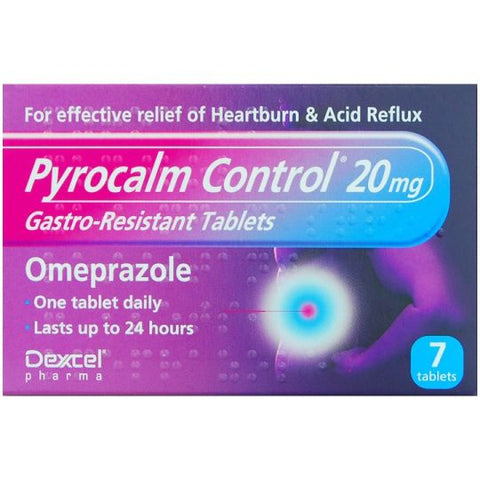
Proton pump inhibitors, also known as PPIs, reduce the amount of acid produced by the stomach. Examples include omeprazole and lansoprazole.
They are often used when reflux symptoms are frequent, persistent or troublesome. The most suitable medicine and treatment length depend on your symptoms and individual circumstances.
Other treatments
A healthcare professional may consider other medicines or treatment approaches in certain situations. There is no single acid reflux tablet or medicine that is suitable for everyone.
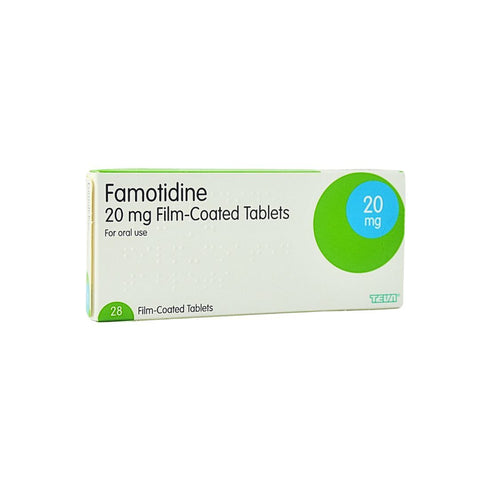
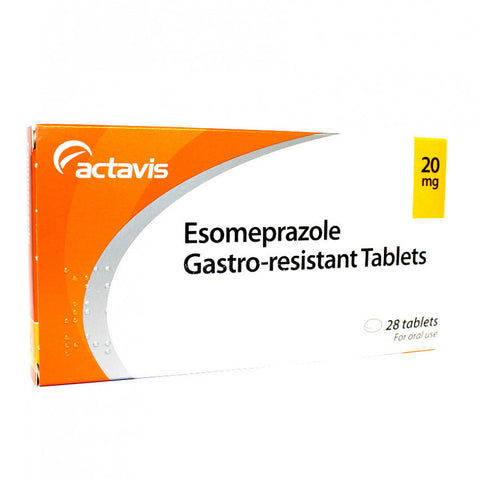
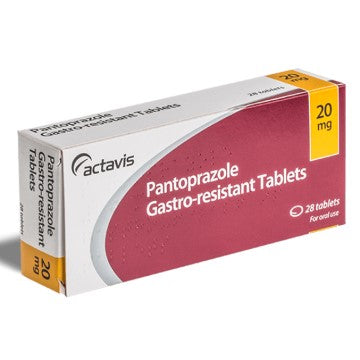
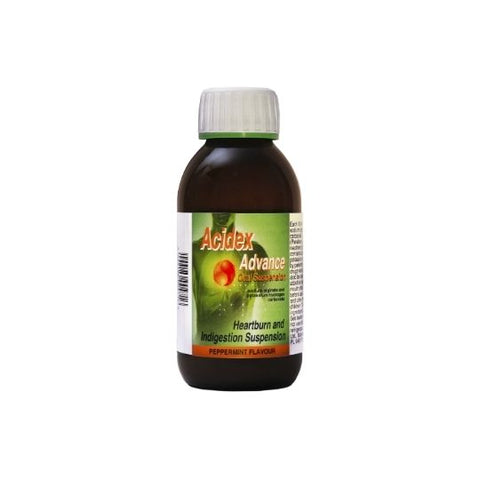
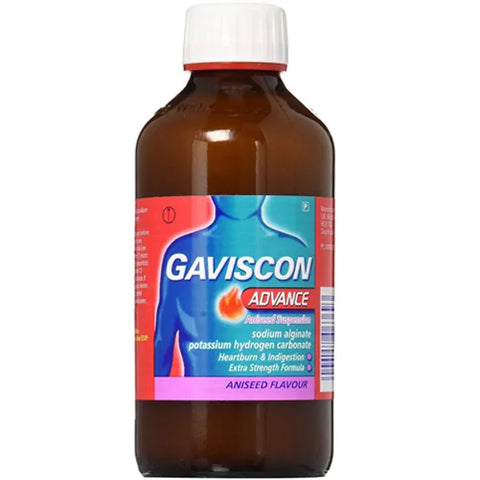
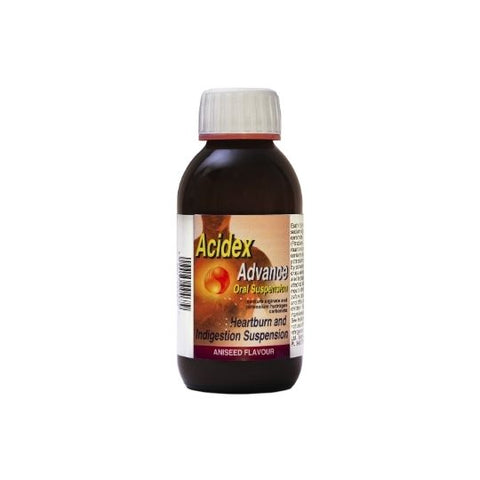
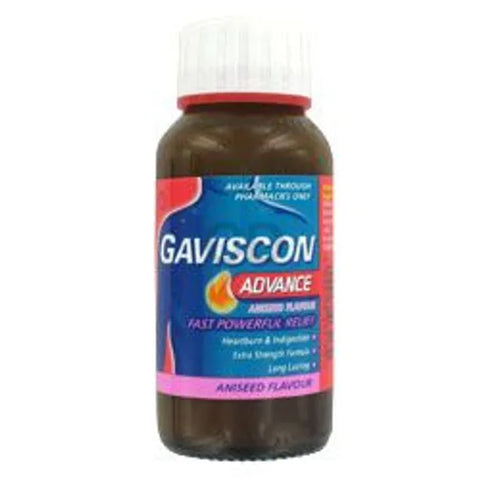
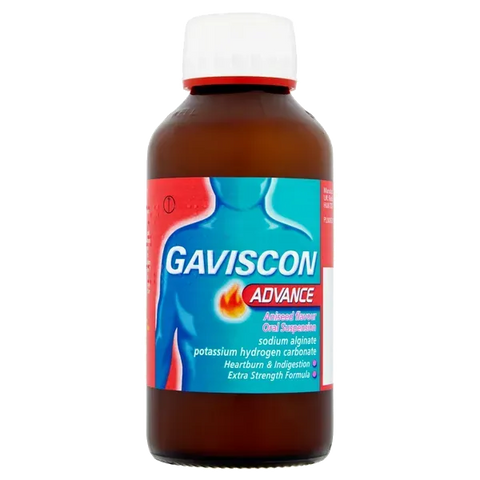
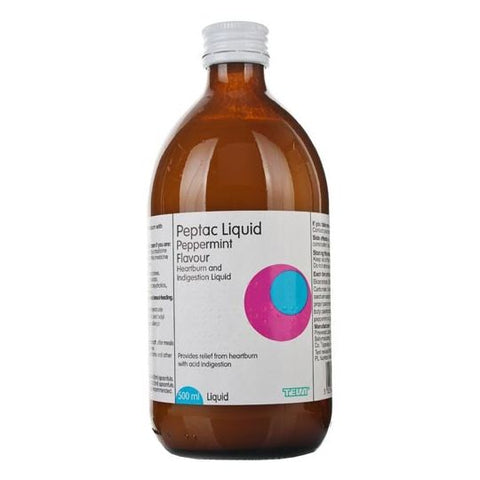
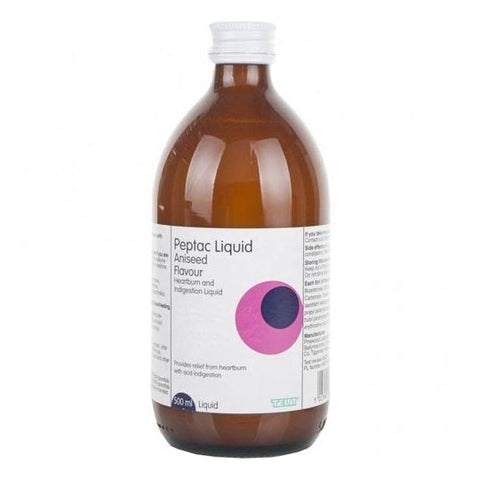
The products listed on this page may help with particular symptoms or treatment needs. Always read the product information and follow the recommended directions. If you are unsure which option is appropriate, speak to a pharmacist or another healthcare professional.
Lifestyle changes that may help
Small changes to your daily routine may make reflux easier to manage. You could try eating smaller meals, having your evening meal earlier and staying upright after eating. It may also help to identify personal trigger foods rather than removing large groups of foods from your diet.
If alcohol makes your symptoms worse, reducing your intake may help. Stopping smoking and managing your weight where appropriate may also reduce symptoms for some people.
These steps are not a guaranteed cure. If reflux continues despite lifestyle changes, you may need advice about medicines or further assessment.
What foods should you avoid with acid reflux?
There is no single acid reflux diet that works for everyone. Foods often linked with symptoms include fatty or fried foods, spicy meals, chocolate, coffee, alcohol, citrus fruits, fizzy drinks and tomato-based foods.
Instead of avoiding every possible trigger, try to notice what affects you personally. Recording what you eat, when you experience symptoms and how severe they are may help you identify useful patterns.
It is also important to avoid making unnecessary food restrictions. If you are unsure how to change your diet, a GP or dietitian can offer guidance.
Acid reflux and weight
Weight can affect reflux for some people because extra pressure around the abdomen may make it easier for stomach contents to move upwards.
However, acid reflux can happen at any body size. Being overweight does not mean that you will definitely experience reflux, and people who are not overweight can also have symptoms.
If weight is one of the factors contributing to your reflux, gradual and sustainable weight management may help. Any changes should be appropriate for your health and personal circumstances.
Acid reflux during pregnancy
Heartburn and acid reflux are common during pregnancy. Hormonal changes can relax the lower oesophageal sphincter, while the growing womb can place more pressure on the stomach. Symptoms may become more noticeable later in pregnancy.
If you are pregnant and want to use medicine for reflux, speak to your pharmacist, midwife, GP or another suitable healthcare professional first. They can help you choose an option that is appropriate for your circumstances.
Can acid reflux cause chest pain?
Yes. Acid reflux can cause burning, discomfort or pain in the chest. However, chest pain should not automatically be assumed to be caused by reflux.
Seek urgent medical attention if you experience severe or unexplained chest pain, particularly if it happens with breathlessness, sweating, faintness or pain that spreads to your arm, jaw, neck or back.
These symptoms may have causes that need urgent assessment.
When should you speak to a GP?
You should speak to a GP if your symptoms keep returning, become worse, affect your sleep or daily activities, or do not improve with treatment.
You should also seek medical advice if you have difficulty swallowing, feel that food is getting stuck, experience persistent vomiting or lose weight without trying. Vomiting blood or passing black, tar-like stools requires urgent medical assessment.
Do not ignore symptoms that are new, persistent or unusual for you.
Can acid reflux cause complications?
Many people with occasional reflux never develop complications. However, long-term or poorly controlled reflux can sometimes cause problems.
These may include:
- Oesophagitis: Inflammation of the oesophagus.
- Narrowing of the oesophagus: Scarring can make the passage narrower and may cause swallowing difficulties.
- Barrett's oesophagus: Changes to the lining of the lower oesophagus.
These complications are not inevitable. If they are identified, they can often be monitored and managed by a healthcare professional.
Can acid reflux go away?
Occasional reflux may settle on its own, particularly when a trigger is removed or eating habits change. Some people experience symptoms only during certain periods, such as pregnancy, stressful times or after changes to their diet.
Other people have recurring symptoms that need longer-term management or medical assessment. The right approach depends on how often your symptoms occur, how severe they are and how they affect your everyday life.
Key points about acid reflux
Acid reflux happens when stomach contents move backwards into the oesophagus. Heartburn is one of its most common symptoms, but reflux can also affect the mouth and throat.
Triggers vary from person to person. Large meals, eating before bed, alcohol, smoking and certain foods may contribute to symptoms. Lifestyle changes and treatments such as antacids, alginates and PPIs may help, depending on your needs.
If symptoms keep returning, affect your sleep or daily life, become worse or do not improve, seek medical advice. Get urgent help for severe or unexplained chest pain, vomiting blood or black, tar-like stools.


