Topical ED Treatments: A Complete UK Guide
- Sorts the choice by why tablets were ruled out, because that changes the answer
- Covers the full non oral picture, including routes most pages leave out entirely
- Explains which situations a topical route genuinely solves and which it does not
- Sets out the three supply routes and what each one requires of you
If you are reading this, tablets are probably already off the table. The useful question is why.
There are three reasons people rule tablets out, and they lead to three completely different answers. For one of them, a topical treatment is genuinely the thing that was designed for your situation. For the other two, changing the format is unlikely to solve anything on its own.
Sorting out which reason applies to you takes about a minute, and it will save you from working through products that were never going to help.
This page also covers something most pages on this topic skip. Topical is not the same as non oral. There are routes beyond creams and gels, and knowing they exist changes the picture if the surface options are not enough.
Key things to know
- Why tablets were ruled out determines what should come next
- Topical products are one part of the non oral picture, not the whole of it
- The licensed topical medicine exists for people who cannot take or do not respond to tablets
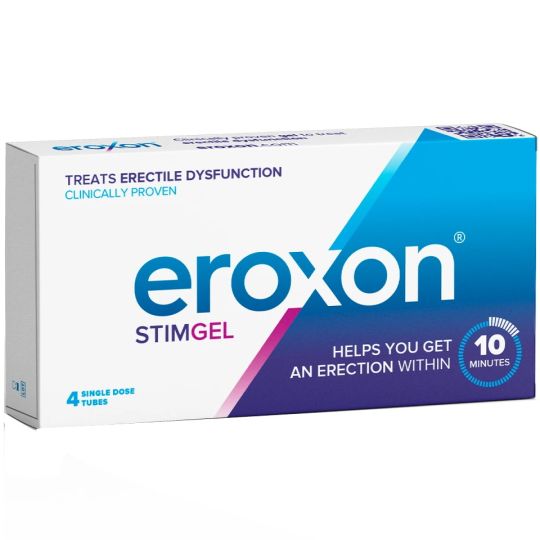
- The non prescription topical product is a device and contains no drug
- If tablets simply did not work, a change of format alone is unlikely to fix that
- Treatment suitability depends on an individual clinical assessment
The three reasons tablets get ruled out
One: you cannot take them
This is the reason topical treatment was developed for, and it is a large group.
Oral treatments in this class carry real restrictions. They are contraindicated with nitrates. UK evidence summaries also record restrictions where blood pressure sits below 90/50 or above 170/100, after a recent cardiovascular event, and in severe liver or kidney impairment.
Nitrates in particular matter here, because they are common in people with heart conditions, and heart conditions overlap heavily with the population affected by erection difficulty. That restriction is absolute rather than a caution.
UK evidence summaries position the licensed topical medicine for exactly this group, describing it as an option for "men who cannot tolerate or have contraindications to oral treatment with PDE5 inhibitors or in whom PDE5 inhibitors are ineffective".
Two: they did not work
This is the most common reason and the one where format is least likely to be the answer.
UK evidence summaries note that "it has been suggested that about 40% of men discontinue their first line PDE5 inhibitor therapy because of lack of efficacy". Four in ten is a large minority.
Here is the part worth sitting with. If a tablet did nothing, the delivery method was probably not the problem. The medicine reached your bloodstream perfectly well. Something further along did not respond.
Switching to a cream or a gel changes how the treatment is delivered. It does not change the reason a treatment was not enough. Sometimes a different mechanism helps, which is a real possibility worth exploring with a prescriber, but it is a different conversation from a format preference.
Three: you would rather not
This is a legitimate reason and it deserves a straight answer rather than a lecture.
Some people do not want a medicine circulating in their bloodstream. Some found the headache, flushing or nasal congestion that tablets commonly cause more trouble than the benefit. Some simply dislike the planning, since tablets are generally taken between twenty five minutes and an hour ahead.
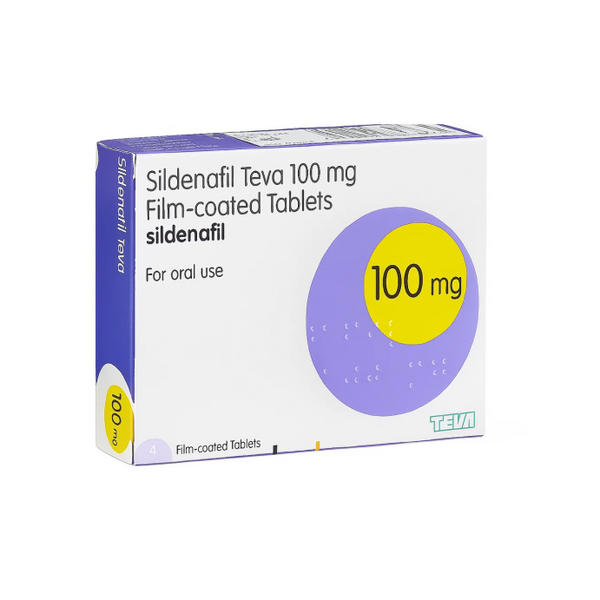
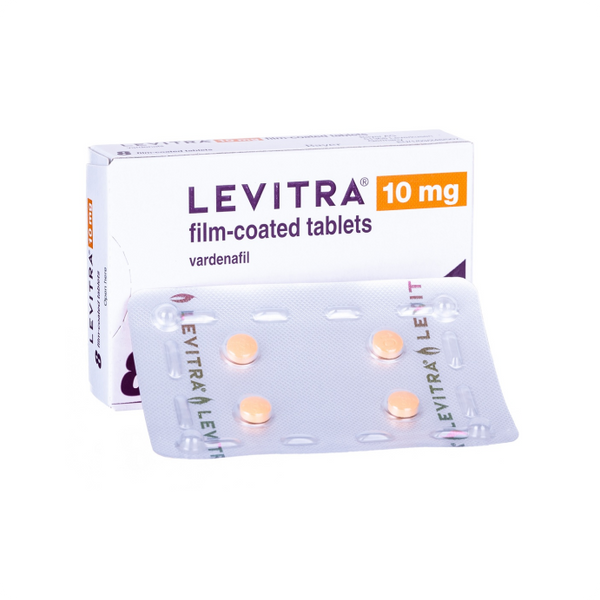
If preference is your reason, you have more options than you probably think, and they are not all topical. Two oral medicines can now be supplied by a pharmacist without a prescription after an assessment, and one is available as a film that dissolves on the tongue rather than a tablet to swallow.
Before settling on a format, it is worth seeing the non oral ED options alongside the oral ones rather than in isolation.
The full non oral picture
Most pages on this subject cover creams and gels and stop. That leaves out routes that exist, are licensed, and matter if the surface options are not enough. Topical treatments for erectile dysfunction bypass the digestive system, reducing systemic side effects often seen with oral medications. These topical gels and creams work by relaxing the smooth muscles and expanding blood vessels locally in the penile tissue, increasing blood flow to help achieve an erection. For example, Vitaros cream, containing alprostadil, is a licensed topical cream that provides a rapid onset of action within 5 to 30 minutes and lasts for 1 to 2 hours. It is effective in up to 83% of men with mild to moderate or severe ED, including those with underlying health conditions such as high blood pressure or benign prostatic hypertrophy.
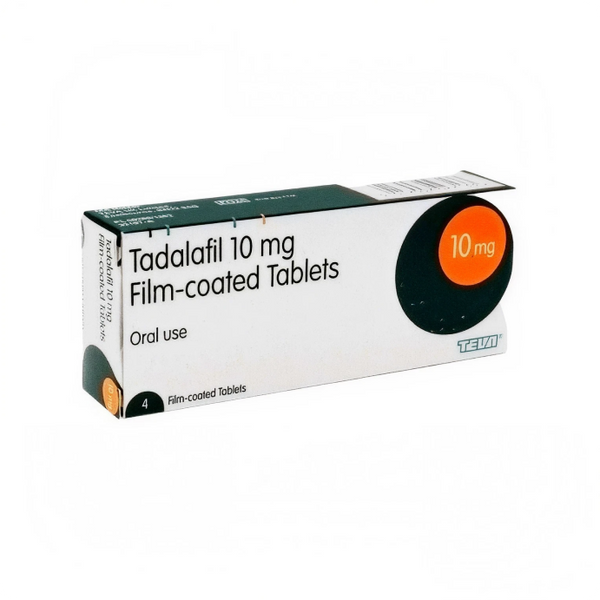
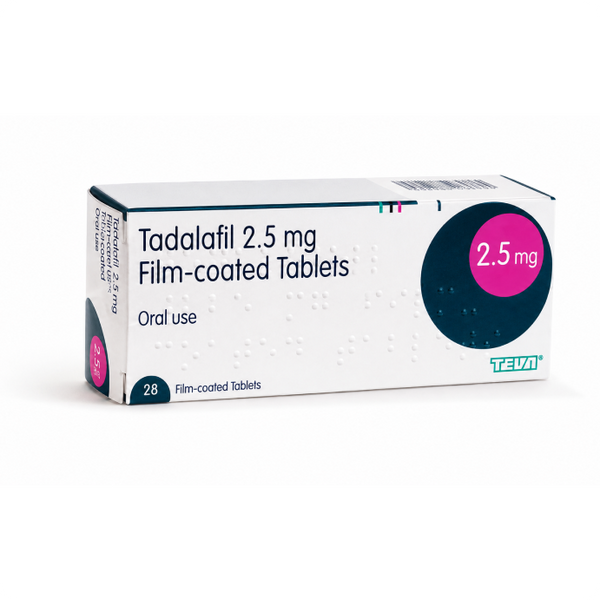
In contrast, other oral ED medications like Viagra Connect and tadalafil require systemic absorption and take longer to work, typically 30 to 60 minutes. Some men experience side effects with oral medications, including headache, flushing, or interactions with other drugs, which topical creams can avoid. However, local side effects such as mild burning or penile pain may occur with topical creams. It is important to apply the cream properly to the glans penis using the supplied applicator and to wash hands afterward to avoid transferring excess cream to partners, which could impact vaginal pH or cause irritation.
Topical: applied to the skin
Two things sit here, and they are not variations on each other.
A medical device works by a physical effect at the application site. UK guidance defines a device as something that does not achieve "its principal intended action in or on the human body by pharmacological, immunological or metabolic means", with that action "typically fulfilled by physical means". It contains no drug and needs no prescription.
A licensed topical medicine contains alprostadil and works pharmacologically. It is prescription only.
Injected and urethral routes
These exist, they are licensed, and they are the part of the picture usually left out.
UK evidence summaries describe the licensed cream as "an alternative route of administration to intracavernosal or intraurethral formulations", noting that "some men may prefer this less invasive option".
Read that carefully, because it tells you something important. Intracavernosal means injected directly into the erectile tissue. Intraurethral means a small pellet inserted into the urethra. Both are established routes using the same active ingredient as the cream.
Why that context matters
It explains why a cream was developed at all. Before it existed, someone who could not take tablets faced an injection or a urethral pellet as the alternatives.
It also tells you the topical route is the gentlest option in a family rather than the only non oral thing available. If a cream or gel is not enough, more exists, and it is a conversation with a prescriber rather than a dead end.
Non drug routes
Vacuum devices and, in some cases, surgical options also sit outside the oral route. They are not topical and they are not medicines, but they belong in an honest picture of what non oral means.
These are firmly a clinical conversation rather than something to research and order, which is why this page names them rather than covering them in depth.
The reason for naming them at all is that "no tablets" is often treated as the end of the list, when in practice it is the start of a different one. A prescriber has more to offer than a search engine does here, and that gap is wider in this area than in most.
The routes side by side
| Route | What it is | Prescription | How invasive |
|---|---|---|---|
| Topical device | Physical stimulus at the surface | Not needed | Applied to the skin |
| Topical medicine | Alprostadil cream | Required | Applied to the skin |
| Urethral | Pellet into the urethra | Required | Inserted |
| Intracavernosal | Injection into erectile tissue | Required | Injected |
| Vacuum device | Mechanical | Varies | External device |

How topical treatments actually work
Topical treatments for erectile dysfunction work by targeting the penile tissue directly. The licensed cream contains alprostadil topical cream, which is a vasodilator that increases blood flow by relaxing the smooth muscles and expanding blood vessels at the site of application. This process allows more blood to enter the corpora cavernosa, facilitating an erection suitable for intercourse. Unlike oral ED tablets, topical treatments bypass the digestive system, reducing the risk of drug interactions and systemic side effects.
The medical device gel, on the other hand, works through stimulating nerve endings by creating temperature changes on the skin surface, which promotes blood flow through physical stimulation. This requires sexual stimulation to be effective, as it acts at the beginning of the erection process rather than during the maintenance phase. Applying Vitaros cream properly to the glans penis ensures the active ingredient penetrates effectively, leading to clinically meaningful improvements in men with moderate ED.
The device: stimulus at the surface
The gel is applied to the head of the penis and rubbed in. Volatile components evaporate quickly, cooling the skin sharply, and the skin then rewarms.
That temperature change stimulates the nerve endings concentrated in that area, feeding into the signalling that starts an erection. Nothing is absorbed into the bloodstream, and no enzyme is blocked.
It works at the beginning of the process rather than in the middle, which is why it suits difficulty in getting the sequence started more than difficulty further along it.
The medicine: blood vessels at the site
Alprostadil works differently. UK evidence summaries describe it as "chemically identical to prostaglandin E1", noting that it "causes vasodilation of blood vessels in the erectile tissue of the corpora cavernosa and an increase in intracavernosal artery blood flow, resulting in an erection".
That is a drug action on the blood vessels themselves. It has a real UK evidence base, including randomised controlled trials enrolling 1,732 men across 82 centres over twelve weeks, measured on the International Index of Erectile Function.
Where other concerns sit alongside this, including a premature ejaculation service assessment, an online consultation with UK registered prescribers can look at the whole picture rather than one symptom.
Who can use topical treatments
The device
Because it contains no drug, there is no systemic interaction to check. The limits are about the skin and about whether the mechanism matches your problem.
Do not apply it to broken, sore, inflamed or infected skin, or if you have reacted to it before. Speak to a prescriber first if your difficulty came on suddenly, is constant rather than variable, or arrived alongside other symptoms.
The licensed cream
This one needs a prescriber, and the assessment is the point rather than the obstacle.
A product that widens blood vessels requires someone to check your circulation, your blood pressure, your other medicines and your history. That assessment also catches something a product cannot. Erection difficulty shares risk factors with cardiovascular disease and can be an early manifestation of arterial and peripheral vascular disease, because the vessels involved are narrow and show the effects before larger ones do.
Treatment suitability depends on an individual clinical assessment, and results vary between individuals.
Where topical routes have less to offer
Both topical options have limits worth knowing before you start.
- Established vascular disease significantly restricting blood flow
- Nerve damage following pelvic surgery
- Long standing diabetes with nerve involvement
- Significant hormonal causes
- Difficulty that is complete and constant rather than variable
None of that means nothing can be done. It means the right treatment acts where your problem is, and that is a decision for a prescriber rather than a product page.
Side effects across the topical routes
Because these products act where they are applied, the expected unwanted effects are local rather than systemic.
For the licensed cream, UK evidence recorded penile burning in 23.0 per cent of users, genital pain in 17.5 per cent and redness in 11.3 per cent, with most resolving within two hours. Those figures belong to that cream specifically and must not be applied to any other product.
The same evidence recorded treatment related events in 6.5 per cent of partners, all transient and resolving within two hours. Transfer to a partner is a genuine consideration with any topical product, which is why washing your hands is part of the method and why the supplied instructions specify contact time.
Prescription, pharmacy or neither
Three supply routes exist in the UK and they ask different things of you.
| Route | What it covers | What you do |
|---|---|---|
| No prescription | The topical medical device | Buy from a registered pharmacy |
| Pharmacy supply | Two oral medicines | Assessment with a pharmacist, no prescription |
| Prescription | The licensed cream, injected and urethral routes, most oral treatment | Consultation with a prescriber |
Notice that only one of those three involves no conversation at all, and it is the one covering the product that contains no drug. That is not a coincidence. The more a product does inside your body, the more someone needs to know about you first.
It also means that avoiding a prescription does not mean avoiding an assessment. Two of the three routes involve one either way, and the assessment is the same piece of work whoever carries it out. What changes is who does it and how quickly, not whether it happens.
One thing to check whichever route you use. Only pharmacies on the General Pharmaceutical Council register are legally operating in Great Britain. Find the registration number on the pharmacy's website, search the regulator's register by name or number, and if the pharmacy does not appear, do not buy from it. EveryDayMeds is a GPhC registered pharmacy, registration number 9012878.
Anyone weighing a non oral route against sildenafil tablet options should reach that decision through an assessment, because the reason tablets were ruled out is what determines whether a different format helps.
Medical Disclaimer
This page is general information about non oral and topical options for erection difficulty in the UK. It is not a diagnosis, a prescription or a recommendation to use any particular product, and it does not replace advice from a pharmacist or prescriber who knows your history. Figures quoted are attributed to the specific medicines they were recorded for and must not be applied to any other product. Always read the instructions supplied with any product before use.
Erection difficulty can be an early sign of a cardiovascular or metabolic condition. If yours began suddenly, is constant, or appeared alongside chest discomfort or breathlessness, arrange a clinical assessment. Seek urgent care the same day for an erection lasting more than four hours, chest pain, or sudden loss of vision or hearing.
Frequently Asked Questions
What are topical ED treatments?
Products applied to the skin rather than swallowed. Two exist in the UK: a medical device that works by a physical effect at the application site and contains no drug, and a licensed prescription cream containing alprostadil that widens blood vessels in the erectile tissue.
Do topical ED treatments work?
The licensed cream has a real UK evidence base with defined populations, trial duration and outcome measures. The device works by a different mechanism and reaches the market by a route that produces no published regulator verdict. Whether either helps you depends on the cause of your difficulty, and results vary between individuals.
How do topical ED treatments work?
The device evaporates quickly, cooling then rewarming the skin, which stimulates the nerve endings that feed into the signalling behind an erection. The licensed cream works pharmacologically instead, dilating the blood vessels in the erectile tissue to increase blood flow.
What if I cannot take tablets?
That is the situation the licensed topical medicine was developed for. UK evidence positions it for men who cannot tolerate oral treatment, have contraindications to it, or do not respond to it. Bring the reason you cannot take tablets to your consultation, because it directly shapes what should be offered.
Is there an ED treatment without tablets?
Yes, several. Topical products, urethral and injected routes using the same active ingredient as the cream, and non drug options such as vacuum devices. Most require a prescription. The topical device does not, because it contains no drug.
Topical or oral, which is right for me?
It depends on why oral is not working for you. A clinical contraindication points toward topical. A preference about format has several answers, including a film that dissolves rather than a tablet to swallow. Tablets failing to work usually points toward reassessing the cause rather than changing format.
Who should not use topical ED treatments?
Anyone with broken, sore, inflamed or infected skin in the area, and anyone who has reacted to the product before. Speak to a prescriber first if the difficulty began suddenly, is constant, or came alongside chest discomfort, breathlessness or other new symptoms.
What are the side effects of topical ED treatments?
Local skin effects at the application site are the expected category, usually short lived. Transfer to a partner is possible with any topical product. The specific profile for any product is in the instructions supplied with it.
Can I get topical ED treatment over the counter?
The medical device, yes, because it contains no drug. The licensed cream, no, because it acts pharmacologically and requires a prescription. Anything else claiming to treat erection difficulty without a licence or a device marking is not a legitimate option.
Do I still need to see anyone if a topical product works?
It is worth it. A product that relieves the symptom does not tell you whether something underlying needs attention, and erection difficulty can be an early sign of a condition that matters in its own right.
How to Use Eroxon Gel: Application and Technique
Erection Gel UK: How to Choose Between Your Options
Related Posts

Does Eroxon Gel Work? What the Evidence Shows

ED Gels for Men UK: What Works and What Does Not

Erection Creams UK: Licensed, Unlicensed and Why