Vardenafil Overdose: Symptoms, Risks and What to Do
A vardenafil overdose can occur when more is taken than prescribed, or when doses are repeated more often than recommended. For standard film-coated tablets, that means going beyond the authorised maximum of 20mg once per day.
Taking more than the prescribed dose does not reliably produce a stronger or faster effect. It increases exposure to the medicine and raises the likelihood or severity of adverse effects.
UK patient information states that men who take too much vardenafil may experience more side effects than usual, or severe back pain, and should tell their prescriber.
This guide explains what counts as an overdose, the symptoms and complications to watch for, the warning signs needing urgent assessment, and what to do afterwards.
Key things to know
- The authorised maximum is 20mg once per day, and your own prescribed maximum may be lower
- Severe back pain is the effect most clearly documented in overdose data
- Interactions can create excessive exposure without taking extra tablets
- Do not take another dose, or another PDE5 inhibitor, after taking too much
- The absence of symptoms does not mean an excessive dose was safe
- There is no specific antidote, and management is supportive
What Counts as an Overdose
For ordinary erectile dysfunction treatment, taking more than the dose prescribed for you, or taking vardenafil more often than authorised, should be regarded as excessive dosing.
The standard authorised regimen is:
- Usual starting dose: 10mg
- Lower dose: 5mg
- Maximum standard dose: 20mg
- Maximum frequency: once per day
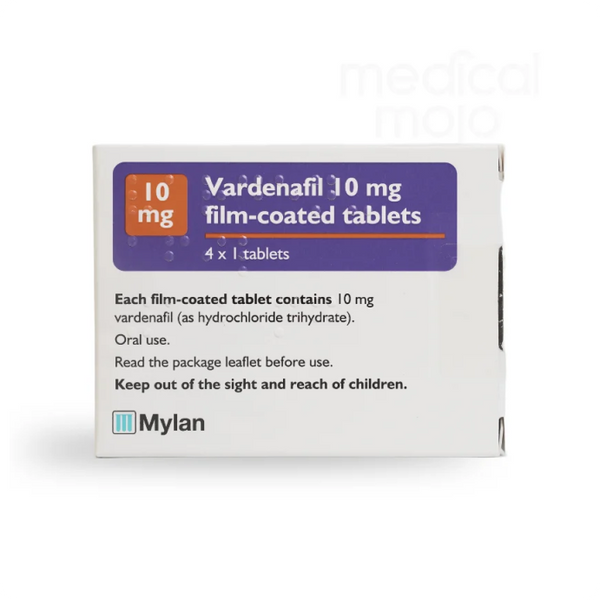
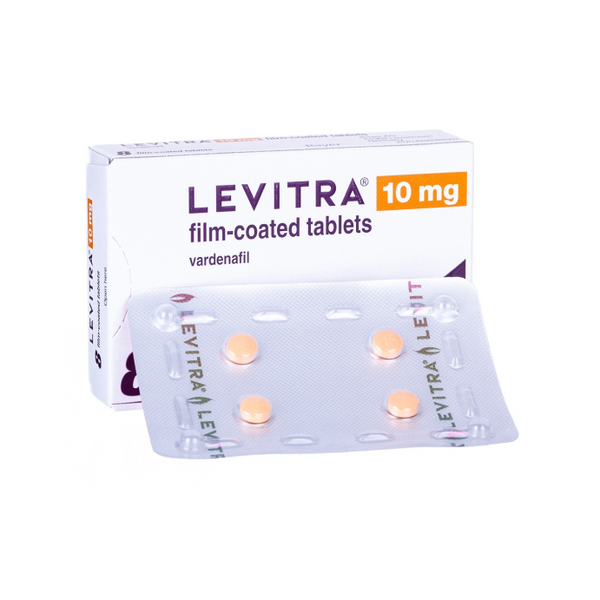
Vardenafil is available in different forms, including standard tablets and an orodispersible form. The orodispersible version is available only at 10mg, so assessment depends on formulation rather than tablet count alone.
Taking additional tablets during the same day because the first dose did not appear to work is not an authorised way to improve treatment.
Your Own Maximum May Be Lower
Someone's prescribed maximum may be below 20mg because of their age, liver function, other medicines or interactions.
With erythromycin or clarithromycin, for example, UK product information states that vardenafil should not exceed 5mg.
So excessive exposure cannot always be defined simply as more than 20mg.
Is 20mg Itself an Overdose?
Not automatically. It is the maximum recommended standard dose for an adult assessed as suitable for that strength.
But 20mg can still be inappropriate for someone prescribed 5mg or 10mg, with moderate liver impairment, using an interacting medicine, with particular cardiovascular risks, or specifically advised not to use the maximum.
The correct dose is the one prescribed for you, not simply the highest strength available.
What About More Than 20mg?
That is above the recommended standard dose and should not be used as routine treatment.
Official UK overdose studies have investigated higher amounts, but under controlled research conditions. They do not establish that higher doses are safe for self-treatment.
Prescribing information reports that single doses up to 80mg were tolerated in volunteer studies without serious adverse reactions, and that repeated administration of 40mg twice daily resulted in cases of severe back pain.
The correct reading is not that 80mg is safe. It is that limited controlled data exist, while the authorised maximum remains 20mg once per day.
Symptoms and Effects
There is no single symptom that confirms an overdose. UK patient information says excessive dosing may cause more side effects than usual, or severe back pain.
Because an overdose intensifies the medicine's established effects, symptoms may include headache, flushing, dizziness, nasal congestion, indigestion, back or muscle pain and visual disturbances.
The presence or absence of symptoms should not be used to decide whether a potentially excessive dose was safe.
Back and Muscle Pain
Severe back pain is the effect most clearly documented in official overdose data. When vardenafil was given at 40mg twice daily during overdose research, severe back pain occurred, although no associated muscle or neurological toxicity was identified in those cases.
The patient leaflet likewise warns that men taking too much may experience severe back pain.
Do not assume that pain after an excessive dose is harmless simply because similar reactions occurred reversibly in healthy research volunteers. Real-world risk may differ for someone with cardiovascular disease, kidney or liver impairment, or taking interacting medicines.
Vision
Vardenafil's established profile includes visual disturbance, and official high-dose data have reported abnormal vision following substantial exposure.
UK product information also includes serious visual events among reported adverse reactions, including non-arteritic anterior ischaemic optic neuropathy, a condition affecting the optic nerve.
A sudden decrease or loss of vision in one or both eyes is not an ordinary overdose symptom to monitor at home. It requires prompt medical assessment.
Hearing
Sudden hearing loss has been reported in association with PDE5 inhibitors including vardenafil, and tinnitus and vertigo are also recognised adverse reactions.
Sudden significant hearing reduction, hearing loss or related ear symptoms after excessive dosing requires prompt assessment.
Blood Pressure and Fainting
Vardenafil has vasodilating effects and can lower blood pressure. Low blood pressure is an established adverse reaction, and the risk becomes more important when combined with another medicine that lowers it.
Symptoms suggesting a significant fall include dizziness, weakness, light-headedness and fainting. Fainting and low blood pressure are both recognised effects, and can be amplified by interacting medicines such as alpha blockers or riociguat.
Anyone experiencing fainting or severe dizziness after taking excessive vardenafil should seek urgent medical attention. Loss of consciousness requires emergency attention.
Heart
Vardenafil has been associated with reported cardiovascular events, although these reports do not establish that the medicine caused every event.
It also has a recognised effect on the QT interval, which is why particular caution applies to people with congenital QT prolongation or taking certain antiarrhythmic medicines.
Chest pain, fainting or severe palpitations require urgent assessment.
Prolonged Erection
A prolonged, painful erection is a recognised serious adverse effect of PDE5 inhibitor treatment.
An erection that is painful, or lasts four hours or longer, requires emergency medical treatment, because prolonged pressure can damage erectile tissue and potentially cause permanent problems.
Taking more vardenafil should never be used as an attempt to prolong the medicine's effect.

How Overdoses Happen
Taking Two Tablets
The answer depends on the strength. Two 5mg tablets equal 10mg, and two 10mg tablets equal 20mg. Those totals fall within authorised strengths, but that does not make taking two tablets appropriate if your prescription said one.
Two 20mg tablets equal 40mg, which is above the maximum recommended dose.
If you accidentally take more than your prescribed dose, do not take any further vardenafil, and seek medical advice.
Taking It Twice in One Day
The authorised maximum frequency is once per day. Taking another dose later the same day creates greater exposure even if several hours have passed.
Do not calculate when vardenafil is safe to redose based on its half-life. The recommended frequency already takes pharmacology, effectiveness and safety into account.
If a second dose has already been taken accidentally, contact a healthcare professional and do not take any more.
Redosing After a Weak Response
A weak response does not necessarily mean there was too little medicine.
Common causes of apparent treatment failure include poor timing, a high-fat meal delaying onset, inadequate stimulation, an inappropriate dose, interactions, or an underlying cause of erectile dysfunction.
Taking an additional tablet on the same day increases side effects without addressing the actual reason.
After a Heavy Meal
A high-fat meal can delay vardenafil's onset, so someone may incorrectly assume the tablet has failed and take another.
The delayed first dose has not disappeared. It may still be absorbing, and taking another tablet can then produce excessive overall exposure.
Never compensate for delayed onset by taking an additional dose.
Through Interactions
You do not need to swallow several tablets to develop unusually high vardenafil concentrations.
Vardenafil is metabolised mainly through CYP3A4, and medicines that strongly inhibit that enzyme can substantially reduce its clearance. Official interaction studies showed very large increases in exposure with potent inhibitors, which is why some combinations are contraindicated and others require substantial dose reduction.
UK product information identifies ketoconazole, itraconazole, ritonavir, indinavir, erythromycin and clarithromycin among the clinically relevant interactions.
Tell your prescriber about both regular and temporary medicines.
Grapefruit
UK prescribing information states that grapefruit and grapefruit juice are expected to increase vardenafil concentrations, and that the combination should be avoided.
Grapefruit does not usually create the same exposure as swallowing multiple tablets, but it makes levels less predictable.
Combining With Another PDE5 Inhibitor
Do not do this independently. Current vardenafil information says combinations with other erectile dysfunction treatments have not been adequately studied, and are not recommended.
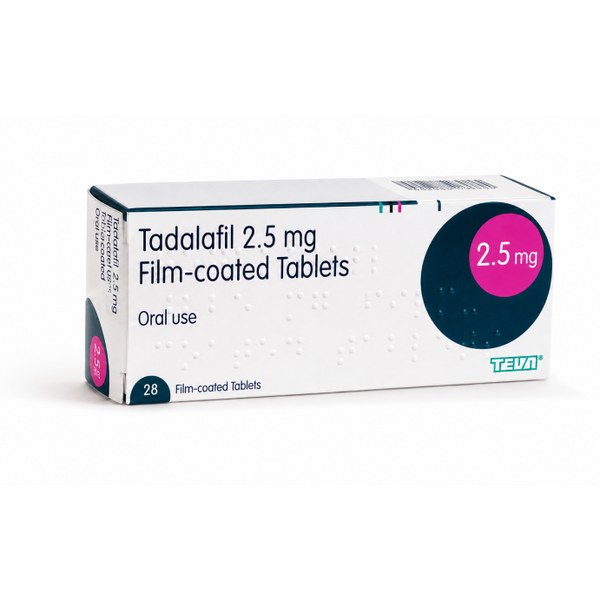
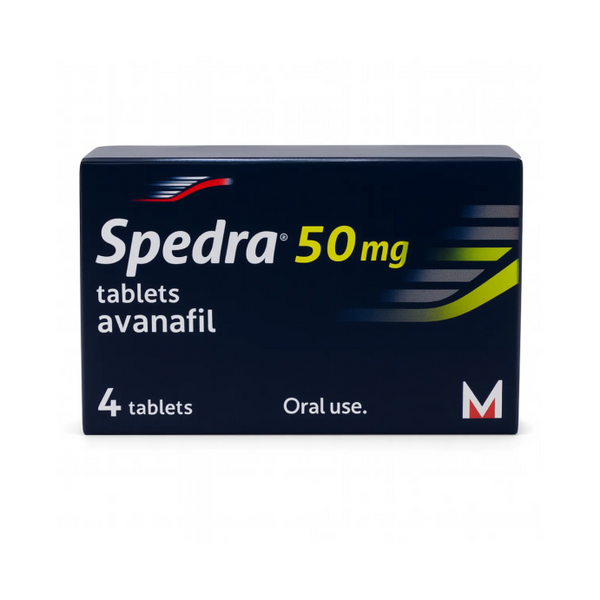
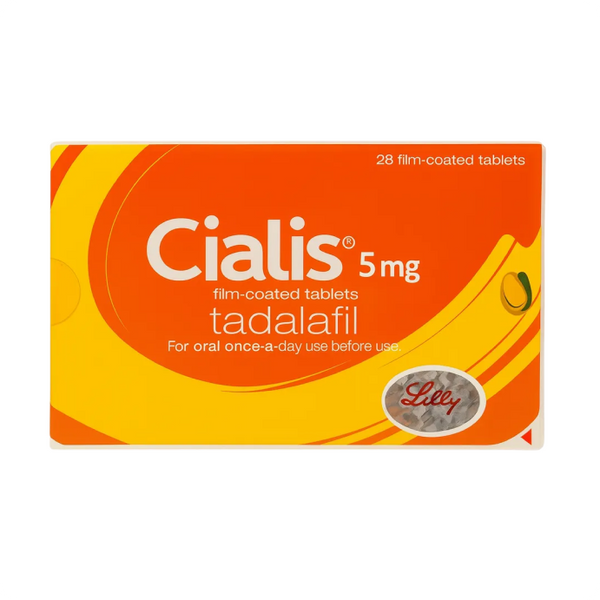
Adding sildenafil, tadalafil, avanafil or another vardenafil formulation creates additional exposure.
If one treatment is not working, the appropriate next step is a clinical review rather than stacking medicines.
Nitrates
Vardenafil must not be taken with nitrate medicines or nitric oxide donors, because it can enhance nitrate-related blood pressure reduction.
This matters particularly during an overdose, because someone with chest pain might ordinarily use a nitrate.
If chest pain develops after taking vardenafil, tell emergency healthcare professionals that you have taken it. Do not take a nitrate for chest pain after taking vardenafil unless they specifically instruct you to.
Who Is at Greater Risk
Kidney Disease
Severe kidney impairment affects how vardenafil is used. Prescribing information recommends considering a lower 5mg starting dose in severe impairment.
End-stage kidney disease requiring dialysis is listed as a contraindication. Because dialysis does not effectively remove vardenafil, kidney disease is particularly relevant when excessive exposure occurs.
Liver Disease
Vardenafil is metabolised in the liver, and authorised dosing is lower in liver impairment.
A 5mg starting dose should be considered in mild or moderate impairment, and the maximum recommended dose in moderate impairment is 10mg rather than 20mg.
Someone with liver impairment could therefore exceed their recommended dose without exceeding the general 20mg adult maximum.
Older Adults
UK product information states that increasing to 20mg in adults over 65 should be considered carefully according to individual tolerability.
At the 20mg dose, older adults experienced higher frequencies of headache and dizziness than younger patients in clinical data.
This is another reason not to think of 20mg as the correct dose for everyone.
Alpha Blockers
Alpha blockers and vardenafil both have vasodilating effects, and product information states that using them together can cause symptomatic low blood pressure in some patients.
Anyone using an alpha blocker who has accidentally taken too much vardenafil should make sure that medicine is mentioned when seeking advice.
What to Do
Do not take any further vardenafil. UK patient information advises telling your prescriber after taking more than you should.
If there is concern about poisoning, NHS guidance says to obtain medical advice immediately. Call 999 or go to A&E for serious symptoms, including loss of consciousness, breathing problems or seizures. If you are unsure whether the amount taken is harmful, contact NHS 111 for urgent advice.
Keep the packaging available so clinicians can identify the strength and product.
Do Not Induce Vomiting
Do not try to make yourself vomit unless a healthcare professional specifically instructs you to.
NHS poisoning guidance advises against inducing vomiting, because it can cause additional harm. Seek professional advice instead.
Is There an Antidote?
UK prescribing information does not describe a specific antidote. Treatment is based on standard supportive measures according to the person's condition, which may involve observation and treatment of symptoms such as cardiovascular effects or severe pain.
The precise management depends on dose, symptoms, timing, other medicines and underlying health conditions.
Dialysis is not expected to meaningfully accelerate clearance, because vardenafil is highly bound to plasma proteins and is not substantially eliminated unchanged through urine.
How Long It Stays in the Body
The duration depends on dose, metabolism, liver function, kidney function and interacting medicines.
High-dose exposure cannot safely be estimated by multiplying the usual treatment window, and interactions can prolong exposure considerably. Product information reports that ritonavir significantly prolonged vardenafil's half-life in an interaction study.
Anyone with excessive exposure should follow clinical advice rather than deciding they are safe after an arbitrary number of hours.
When It Is an Emergency
Urgent assessment is particularly important if excessive vardenafil is followed by:
- Severe dizziness or fainting
- Chest pain
- Loss of consciousness
- Serious breathing difficulty
- Seizure
- Sudden major visual or hearing changes
- Severe abnormal heart symptoms
- An erection lasting four hours or longer
Do not wait for symptoms to become severe if you are concerned about the amount taken, or about an important interaction.
The Key Takeaway
Standard treatment has a clear upper limit: 20mg maximum, no more than once per day. Taking more does not guarantee a stronger or faster response.
Official overdose research has involved doses higher than the authorised maximum, but those results should not be used to create a personal safe-overdose threshold. Healthy volunteers tolerating high single doses under controlled conditions does not make those amounts appropriate outside research.
Risk can also increase without taking several tablets. Potent CYP3A4 inhibitors can substantially increase exposure, while nitrates and riociguat can create dangerous blood pressure interactions.
If excessive vardenafil has already been taken, do not take another dose or another PDE5 inhibitor. Seek medical advice rather than trying to judge from symptoms alone.