How Is Erectile Dysfunction Treated? A Complete Guide to Your Options
Erectile dysfunction treatment usually includes lifestyle changes, PDE5 inhibitor tablets, vacuum erection devices, specialist options such as alprostadil, and psychological support, with the right choice depending on an individual clinical assessment. Erectile dysfunction (ED) is a common sexual health condition in men, particularly in those over 40, and treatment can often improve symptoms.
For men experiencing ED and looking for clear, safe information about their options, this guide explains how treatment decisions are actually made, what erectile dysfunction symptoms can point to, which first-line medical treatments are commonly used, when device-based or specialist treatments may be considered, and where psychological support fits in. It also covers what to expect if your first treatment does not work, how other health conditions can change the best option, and why starting treatment safely with proper prescribing matters, so you can have an informed conversation with a UK-registered prescriber rather than guessing where to start.
Key Things to Know
- There is no single "best" treatment for erectile dysfunction. The right option depends on the underlying cause, your general health and your own preference.
- Treatment starts with an assessment, not a prescription. Skipping straight to a tablet can mean that relevant underlying health problems are not identified or addressed.
- Lifestyle changes are a real treatment option, not just background advice.
- PDE5 inhibitor tablets are first-line, but they are not the only effective option, and it is common to need a different approach.
- Non-drug options exist for men who do not respond to tablets, including devices and specialist treatments.
- No treatment should be started without an individual clinical assessment, and no legitimate treatment can promise a guaranteed result.
How Erectile Dysfunction Treatment Decisions Are Made
Erectile dysfunction is generally assessed when erection problems keep happening. The prescriber weighs up the likely cause (physical, psychological or a mix of both), your broader health, including cardiovascular risk and the fact that ED can sometimes be an early sign of cardiovascular disease, any relevant testosterone concerns, the medicines you already take, and what matters most to you, before recommending a starting point.
This is why treatment suitability depends on an individual clinical assessment rather than picking an option off a list. Two men with the same symptom, and even the same age and background, can end up with two entirely different, equally appropriate treatment plans, because the assessment is looking at the whole picture, including your medical and sexual history, rather than the symptom in isolation.
Erectile Dysfunction Treatment, Lifestyle Factors, and Other Health Conditions
Erectile dysfunction can occur alongside other health conditions, and a treatment plan needs to take account of whatever else is going on with your health.
Diabetes and high blood pressure are both closely linked to erectile dysfunction and are also managed with their own medicines, some of which can themselves affect erectile function, so a prescriber needs the full picture of what you are taking rather than treating the erectile dysfunction as a standalone issue. In some cases, certain medications can cause ED or worsen erection problems, so a treatment review may include checking whether anything you already take is contributing.
High cholesterol is also relevant because it is associated with vascular disease, which can affect erectile function.
Mental health matters too. Where low mood, anxiety, performance anxiety or a diagnosed mental health condition is part of the picture, a treatment plan should account for that as much as the physical side, since stress and emotional strain can affect sexual function, and some medicines used for mental health conditions can themselves contribute to erectile dysfunction. Where anxiety, relationship strain or confidence issues are involved, psychosexual counselling may also form part of treatment, and stopping or changing medicines is never something to do without speaking to the prescriber managing that condition first.
Lifestyle Changes as a Genuine Treatment
Lifestyle change is often mentioned as an afterthought, but it is a legitimate first step in its own right, particularly where the underlying cause is linked to blood vessel health. Stopping smoking, reducing alcohol intake, becoming more physically active and losing excess weight where relevant can all improve erectile function, sometimes enough to improve symptoms substantially and sometimes alongside another treatment.
How Long Lifestyle Changes Take to Help
Improvement is gradual rather than immediate, generally building over weeks to months rather than days, and results vary between individuals. This is why lifestyle change is usually recommended alongside another treatment rather than as something to try alone while waiting to see what happens, particularly if the difficulty is affecting your confidence or relationships in the meantime.
First-Line Medical Treatment: Oral Medications and PDE5 Inhibitor Tablets
How PDE5 Inhibitor Tablets Work
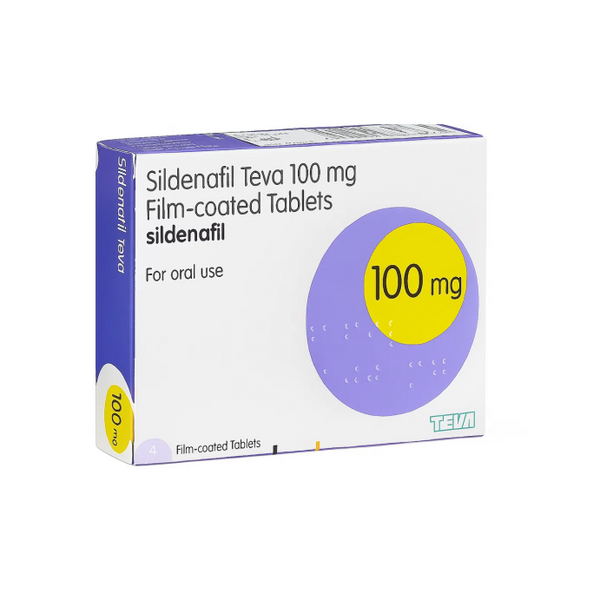
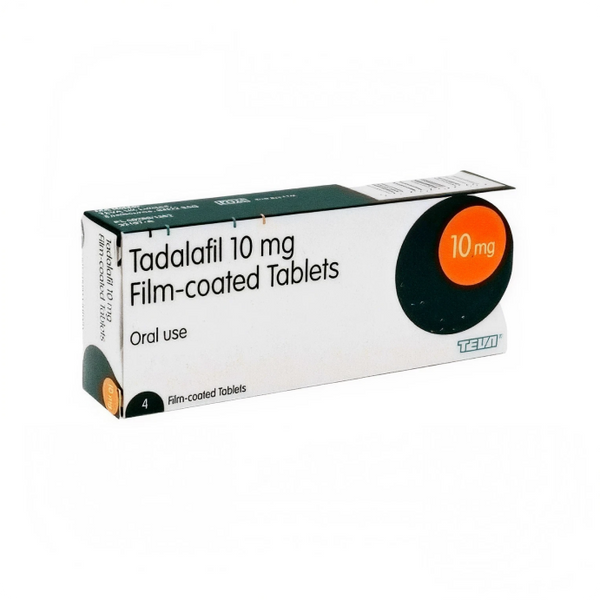
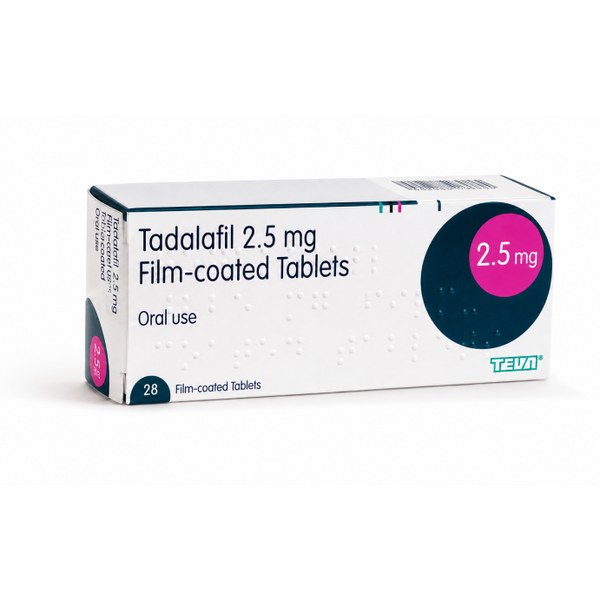
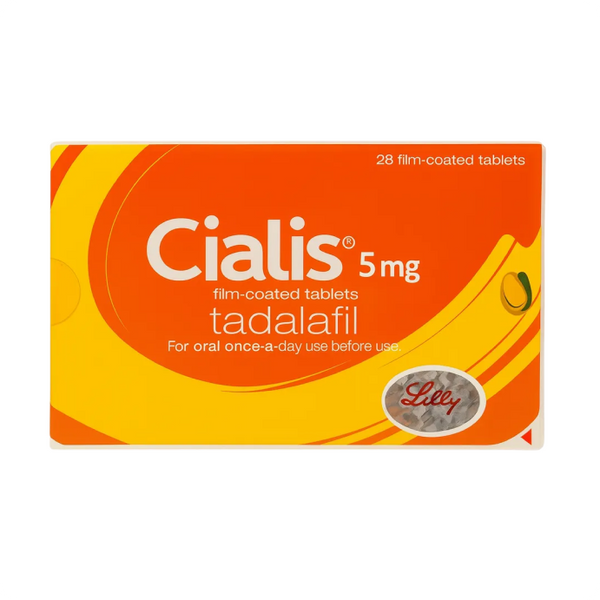
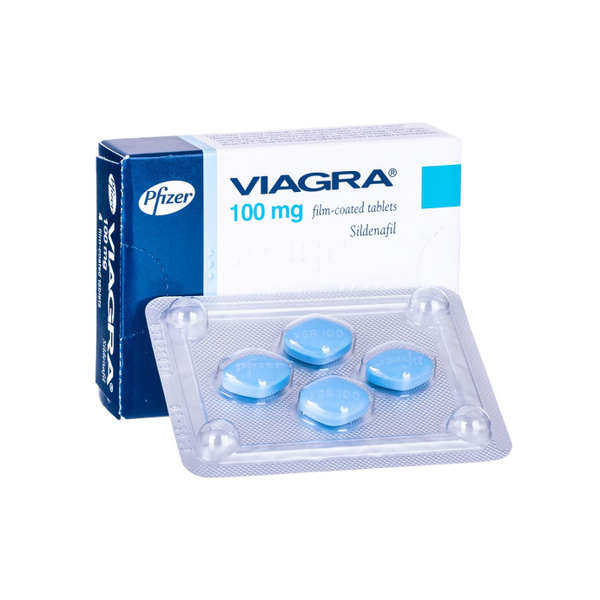
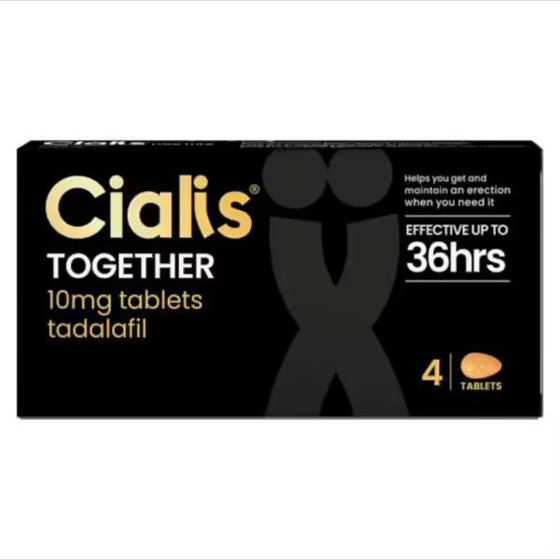
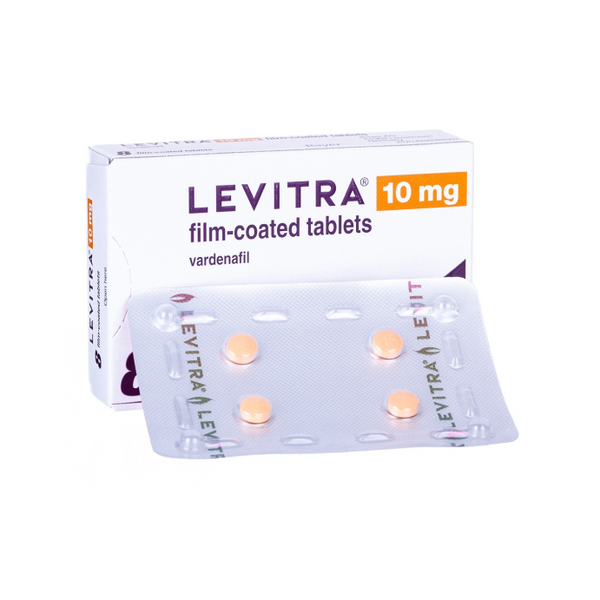
Tablets such as sildenafil and tadalafil are oral medications that belong to a class of medicine called PDE5 inhibitors. Rather than creating an erection on their own, they support the body's natural response to sexual stimulation by increasing blood flow to the penis, which is why they only work when combined with it. PDE5 inhibitors are effective for many men, although individual response varies according to the medicine, dose, cause of ED and how the medicine is used. Sildenafil is usually taken about 1 hour before sex and its effects generally last for several hours.
What If Tablets Do not Work?
Some men stop their first prescribed tablet because it is not effective enough for them or because of side effects. This is not a dead end. This does not necessarily mean that treatment will not work. A prescriber can review the dose, how the medicine is being used, consider another PDE5 inhibitor or discuss another treatment option.
When Tablets Are Not Suitable
PDE5 inhibitors are not appropriate for everyone. Men taking certain medications, particularly nitrates, should not take them, and some heart conditions need to be assessed first. This is exactly why a proper clinical assessment, not a quick self-selected purchase, needs to happen before any tablet is prescribed.
Non-Drug and Device-Based Treatments
Vacuum Erection Devices
A vacuum erection device draws blood into the penis mechanically, using a hand or battery-operated pump, and a constriction ring then holds that blood in place. Published evidence suggests that vacuum erection devices can produce erections suitable for intercourse in a high proportion of men. It is a genuine option for men who cannot or would rather not take tablets. The device should be used according to the manufacturer's instructions, including any safety limits.
Pelvic Floor Exercises
Pelvic floor exercises may help some men with erectile dysfunction and can be used alongside other treatments.
Combining Treatments
Treatments are not always an either-or choice. It can be appropriate to combine approaches, such as continuing lifestyle changes while using a tablet, or adding psychological support alongside a physical treatment where stress or anxiety is part of the picture. A good treatment plan is reviewed and adjusted over time rather than fixed at the first appointment.
Specialist and Second-Line Treatments
Alprostadil: Injection, Urethral Pellet or Cream
Alprostadil works differently to PDE5 inhibitors: it acts directly on the penile erectile tissue and does not depend on the same mechanism as PDE5 inhibitors. It is available as a self-administered injection, a small pellet inserted into the urethra, or a cream, and may be started under specialist supervision, particularly when the injectable form is used. Alprostadil can be effective for many men, although response varies by formulation and individual circumstances. Alprostadil should only be combined with other ED treatments if specifically advised by a healthcare professional.
Hormone Treatment for Low Testosterone
Where an assessment finds low testosterone is contributing to erectile dysfunction, addressing that hormonal imbalance directly, rather than only treating the erection itself, can be part of the plan. This is one reason a proper assessment may include testosterone testing where clinically appropriate. Treating the underlying cause can sometimes achieve more than a tablet aimed at the symptom alone, and the two approaches are not mutually exclusive.
Shockwave Therapy: An Emerging Option
Low-intensity shockwave therapy is offered by some specialist clinics as a treatment aimed at improving penile vascular function. Evidence for it is still developing and it is not yet an established first-line treatment in the UK, so if you are considering it, it is worth discussing the current evidence and realistic expectations with a specialist rather than treating it as a proven alternative to established options.
Surgical Treatment: Penile Implants
For men where other treatments have not worked, a penile implant is a surgical option available through specialist referral. This is generally considered only after other routes have been tried, since it is a more involved procedure, and is discussed in detail with a specialist rather than something suitable to explore from a general information page.
Psychological and Relationship-Based Treatment
Where stress, anxiety or relationship factors are contributing to erectile dysfunction, either as the main cause or alongside a physical one, psychological support such as structured talking therapy or couples-based counselling is a genuine treatment route, not a last resort. It can also help break a pattern in which one difficult episode creates worry that contributes to further erection difficulties.
Setting Realistic Expectations
Treatment aims to improve erectile function and sexual satisfaction, but the degree of improvement varies between individuals. Individual results vary, and a treatment that needs adjusting is not necessarily a sign that treatment has failed. That is a normal part of the process, not a sign that treatment has failed, and a prescriber who reviews and adjusts your plan is doing exactly what a proper treatment pathway should look like.
How to Start Erectile Dysfunction Treatment Safely
A safe way to start treatment is with a proper assessment from a UK-registered prescriber, whether that happens in person or through an online consultation, rather than buying medication from an unverified source.
Always check that any online pharmacy is GPhC-registered before ordering, since counterfeit erectile dysfunction medication is a genuine risk with unregulated sellers, and counterfeit versions can contain the wrong dose, the wrong ingredient, or nothing effective at all.
An online consultation can cover many of the same questions as an in-person appointment, including your medical history, current medicines, lifestyle and relevant risk factors, although an online assessment cannot provide every physical examination or investigation.
Treatment also is not something to set and forget. If a treatment stops working as well as it did, if your health changes, or if you start a new medicine, it is worth going back to your prescriber to have the plan reviewed rather than simply persisting with something that is no longer the right fit.
| Treatment | Type | What to expect |
|---|---|---|
| Lifestyle changes | Non-drug | Improvement may take weeks to months |
| PDE5 inhibitor tablets (e.g. sildenafil, tadalafil) | First-line medical treatment | Effective for many men. Individual response varies |
| Vacuum erection device | Non-drug, device-based | Can produce an erection suitable for intercourse in many men |
| Alprostadil | Specialist/alternative treatment | Effective for many men, route and response vary |
| Shockwave therapy | Emerging, evidence still developing | Evidence remain developing |
| Penile implant | Surgical | Specialist treatment when other options are unsuitable or unsuccessful |
| Psychological support | Psychological treatment | Depends on the underlying psychological or relationship factors |
Treatment suitability and individual results vary, and the evidence base differs between treatment options.
Medical Disclaimer
This page is for general information only and is not a substitute for a one-to-one clinical assessment. It does not cover every possible treatment, interaction or contraindication, and it should not be used to self-diagnose or to start, stop or change any medicine. Erectile dysfunction can be linked to underlying health conditions. Persistent or recurrent erection difficulties should be assessed by an appropriately qualified healthcare professional. If you experience an erection lasting more than 4 hours, this is a medical emergency: seek immediate care at A&E or call 999.
Frequently Asked Questions
Q: How is erectile dysfunction treated?
Q: What is the best treatment for erectile dysfunction?
Q: Can erectile dysfunction be treated without medication?
Q: How long does erectile dysfunction treatment take to work?
Q: What happens if my first erectile dysfunction treatment does not work?
Q: Is surgery ever needed for erectile dysfunction?
Q: Does shockwave therapy work for erectile dysfunction?
Q: Can lifestyle changes alone treat erectile dysfunction?
Q: Is erectile dysfunction treatment a permanent cure?
Q: How do I start treatment for erectile dysfunction?
Q: Is it safe to buy erectile dysfunction treatment online?
Q: Can erectile dysfunction treatment be combined with medicines I already take?
Erectile Dysfunction Cure: Can ED Be Cured Permanently?
Impotence Treatment: What Actually Works
Related Posts


Cheap Tadalafil UK: How to Compare Prices Safely