Vardenafil Hydrochloride Trihydrate: What This Name Actually Means
Vardenafil hydrochloride trihydrate is a specific chemical form of vardenafil used in pharmaceutical products. It describes the active substance more precisely rather than referring to a different medicine.
This page explains what each part of the name means, why this particular form is used in tablets, how it relates to the everyday name, and where the full term appears in technical and regulatory documents.
Knowing the exact chemical form helps you read medicine information more confidently, and confirms that the technical name refers to the same active ingredient used in prescribed vardenafil products.
Key things to know
- Vardenafil hydrochloride trihydrate is the specific salt and hydrate form used in actual tablets, including Levitra
- Hydrochloride refers to the salt form, and trihydrate to three water molecules incorporated into the crystal structure
- This is not a different medicine. It is the precise chemical description of the same active ingredient
- The form was chosen because it is more stable and consistent for manufacturing than the free base form
- A USP Reference Standard exists for vardenafil hydrochloride, used for quality testing rather than for taking directly
What the Name Describes
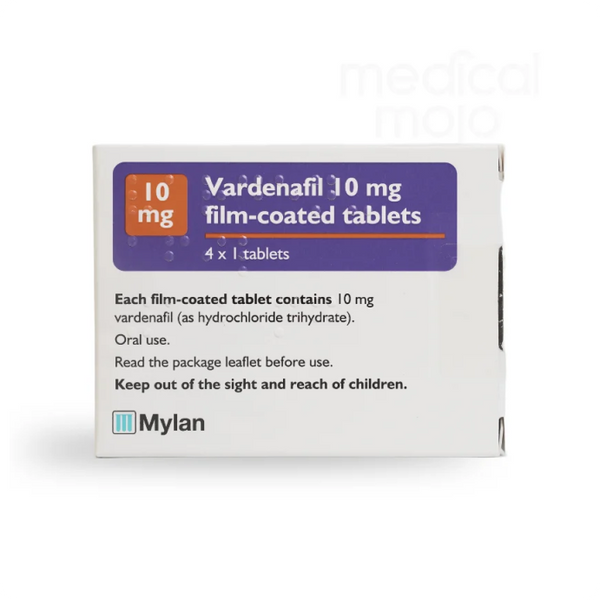
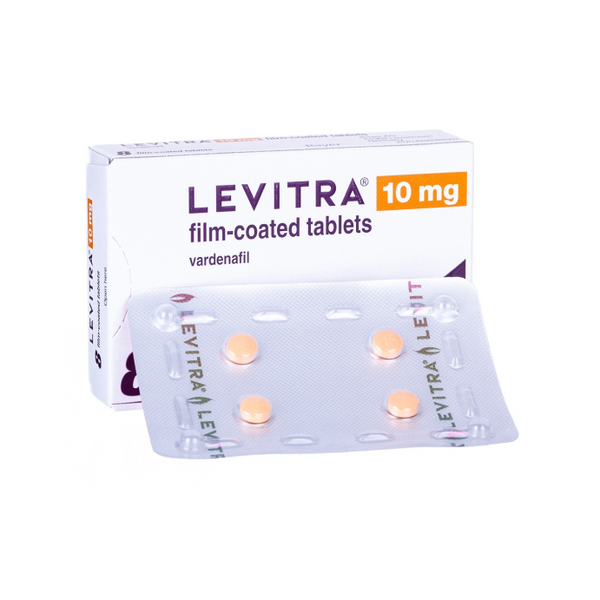
Vardenafil hydrochloride trihydrate is the chemical form actually used to manufacture oral tablets, including both branded Levitra and generic versions.
When you take a vardenafil tablet, this is the precise form of the active ingredient it contains, even though packaging typically says only vardenafil for simplicity.
Breaking It Down
Each part of the name describes something specific.
| Term | What it means |
|---|---|
| Vardenafil | The active medicine itself, responsible for the effect |
| Hydrochloride | The salt form, combined with hydrochloric acid for stability |
| Trihydrate | Three water molecules incorporated into the crystal structure |
Together, these describe the exact chemical form used in the finished tablet, rather than three separate ingredients combined into one product.
Is It the Same Medicine?
Yes, entirely.
Vardenafil hydrochloride trihydrate refers to a specific chemical form of the active substance vardenafil. In patient-facing information, the shorter name is generally used instead.
A Familiar Comparison
If the idea of a medicine having a full technical name alongside its everyday one feels unfamiliar, it helps to think of it the way you would any product with a more precise specification behind it.
Table salt is chemically sodium chloride, and most people only ever use the everyday term, even though the fuller description exists and matters in scientific or manufacturing contexts.
Vardenafil hydrochloride trihydrate works the same way. Vardenafil is what nearly everyone says and sees, while the fuller name sits behind it for contexts where that level of precision matters.
Why Medicines Have Both Names
Nearly every medicine has this two-tier naming pattern.
A short, everyday name is used for prescriptions, packaging and general conversation, while a longer chemical name identifies the exact substance for scientific, regulatory and manufacturing purposes.
That is not a marketing choice or an attempt to obscure anything. It is simply how pharmaceutical naming works across essentially every licensed medicine.
Where You Might See It
You may encounter the fuller name in technical, pharmaceutical or scientific documentation, including some laboratory and regulatory materials.
Patient-facing information will usually just say vardenafil.
Why This Particular Form Is Used
Pharmaceutical companies do not typically use a medicine's raw, unmodified chemical form directly in tablets.
The choice of a particular salt and crystalline form matters for properties such as stability and manufacturability. The hydrochloride trihydrate form has specifically been identified and used for preparing the oral tablets on the market, rather than being one of several equally common alternatives.
Why Not Any Salt Form Would Do
Manufacturers do not simply pick a salt form and move on.
Compounds like vardenafil can exist in multiple crystal structures, some considerably more stable than others. The trihydrate form has been established as the one suited to reliable, consistent manufacturing at scale.
This kind of development work happens behind the scenes for essentially every tablet medicine, even though it is rarely visible in packaging or patient information. That is exactly why the specific form matters even when the everyday name does not reflect it.
Consistency Between Batches
One practical benefit of using a precisely defined chemical form is that it supports consistency between different manufacturing batches, and between different manufacturers.
Whether a tablet comes from one generic manufacturer or another, both are required to use the same defined form and meet the same quality standards.
That is part of why properly licensed vardenafil tablets can be relied on to behave consistently regardless of manufacturer, and it is exactly what a regulatory framework and recognised quality standards are designed to protect.
The Same Applies Across the Class
Vardenafil is not unique in having a more technical name behind its everyday one.
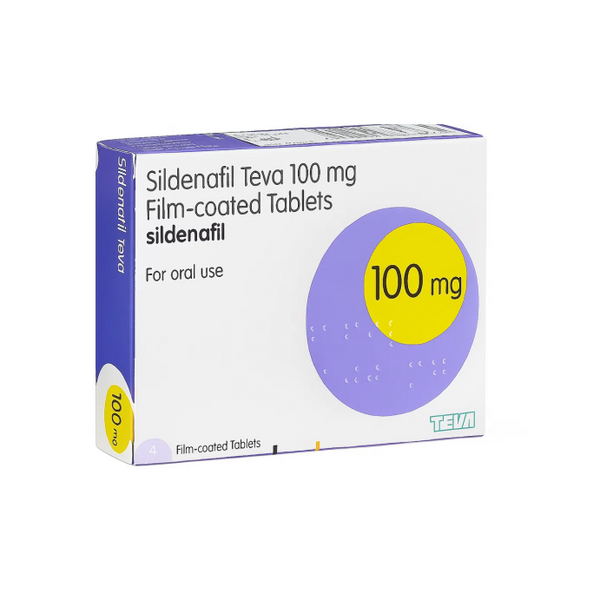
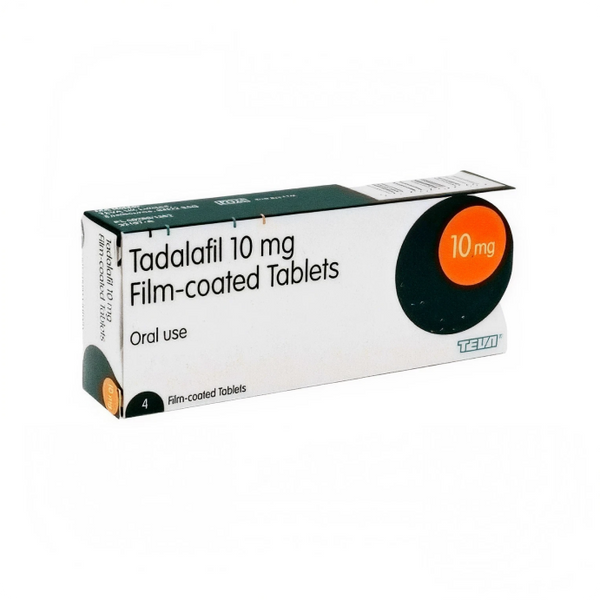
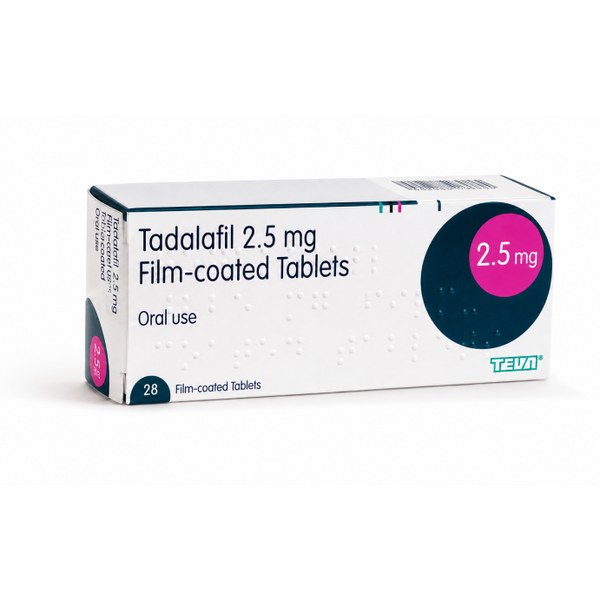
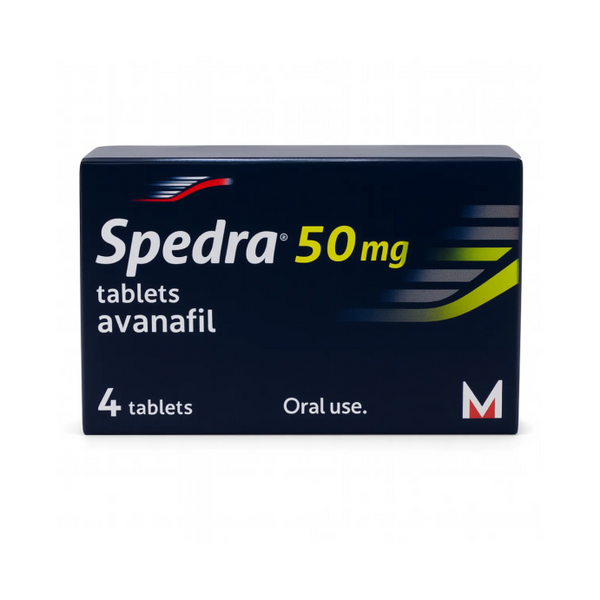
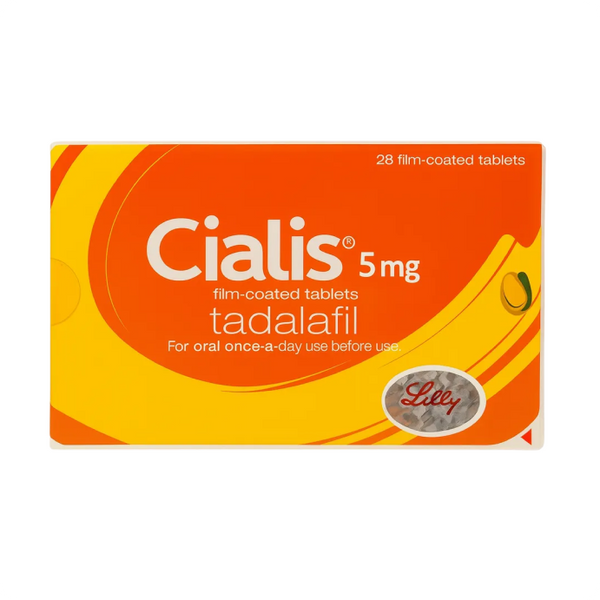
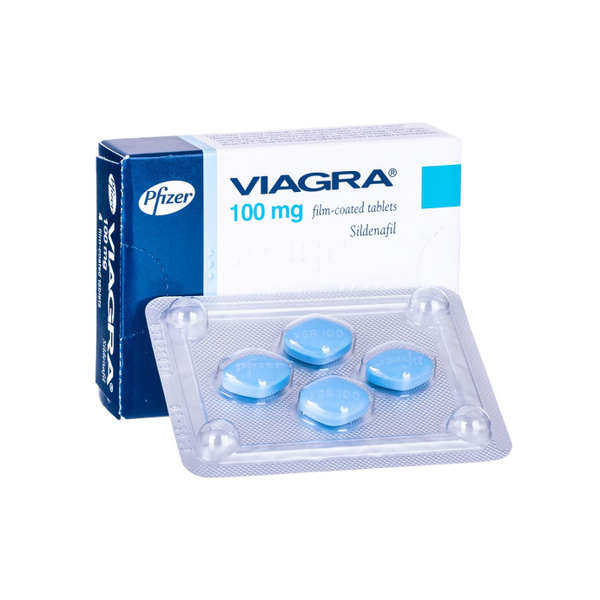
The other PDE5 inhibitors licensed for erectile dysfunction, including sildenafil and tadalafil, are also formulated using their own specific salt forms for the same manufacturing reasons.
Recognising this as a standard feature of pharmaceutical naming, rather than something unusual to vardenafil, removes any sense that it is being treated differently from more familiar medicines.
The USP Monograph
A USP monograph is a published quality and identity standard, set by the United States Pharmacopeia, that manufacturers and testing laboratories use to confirm a substance is what it claims to be, at the purity and consistency expected of it.
USP Reference Standards are used for laboratory testing and quality control rather than for direct human use.
Is USP the Only Relevant Standard?
No. The United States Pharmacopeia is one of several recognised pharmacopeial bodies worldwide, alongside the British Pharmacopoeia and the European Pharmacopoeia, each publishing their own monographs.
A medicine's UK licensing does not depend on a USP monograph existing. But its presence is a useful indicator of how widely recognised and standardised vardenafil hydrochloride is as a defined pharmaceutical substance.

Does the Name Affect Dosing or Safety?
No. Using the fuller chemical name does not create a different dosing regimen.
When a tablet is described using its full chemical name, the strength still refers to the amount of vardenafil in the formulation. The usual starting dose is 10mg, adjusted according to effectiveness and tolerability.
Vardenafil is generally taken 25 to 60 minutes before sexual activity, and should not be taken more than once in any 24-hour period. Dose adjustments may be needed depending on your other medicines and any existing conditions.
Side Effects
Common side effects include headache, which affects more than 1 in 10 people, and flushing.
Avoid grapefruit juice while taking vardenafil, and bear in mind that a high-fat meal may delay how quickly it starts working.
Seek medical attention if you are concerned about any reaction. Chest pain or sudden loss of vision needs immediate attention.
If You Are Researching This Professionally
If you have arrived here through formal research, coursework or professional interest rather than a personal treatment question, the same core facts apply.
This is the specific salt and hydrate form used in oral tablet manufacturing, subject to pharmacopeial recognition through its monograph.
For data such as molecular weight, solubility or crystalline structure, an official regulatory document or a pharmaceutical reference source is the right place to look. What is written here is a plain-language starting point rather than a substitute for that level of technical detail.
Medical Disclaimer
This page is for general information only and is not a substitute for a one-to-one clinical assessment. It does not cover every individual circumstance, and should not be used to self-diagnose or to start, stop or change any medicine.
An erection lasting more than four hours is a medical emergency. Seek immediate care by calling 999 or attending A&E.