Avanafil or Tadalafil: Which ED Medicine Suits You Better?
Tadalafil and avanafil are both prescription PDE5 inhibitors used to treat erectile dysfunction. The main difference is simple: avanafil tends to work faster, while tadalafil lasts much longer.
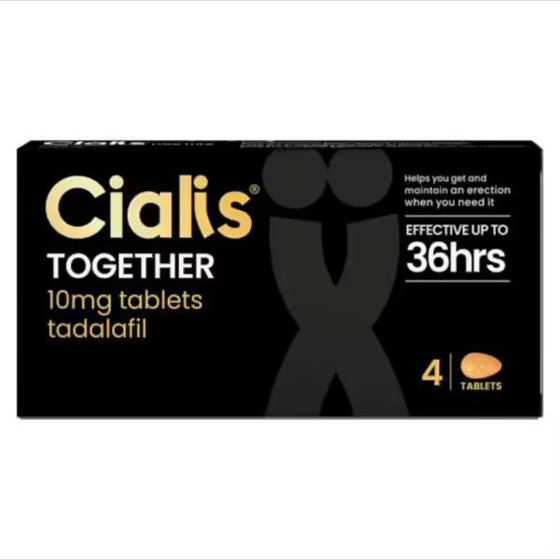
Avanafil is the active ingredient in Spedra, designed as a relatively fast-acting on-demand treatment. Tadalafil is longer acting, with a response window of up to 36 hours, and is also available as a once-daily option.
Neither is universally better. The more useful question is whether you prioritise faster planned onset or longer-lasting flexibility.
Key things to know
- Avanafil has the shorter pre-dose interval, at 15 to 30 minutes against at least 30 for tadalafil
- Tadalafil has the longer window, up to around 36 hours after a dose
- Tadalafil has an established 5mg once-daily regimen. Avanafil does not
- Food can delay avanafil. Tadalafil's absorption is not meaningfully affected
- Back pain and muscle aches are more characteristic of tadalafil
- Neither may be combined with nitrates or riociguat
Quick Comparison
| Feature | Tadalafil | Avanafil |
|---|---|---|
| Medicine class | PDE5 inhibitor | PDE5 inhibitor |
| Common starting dose | 10mg on demand | 100mg on demand |
| Other standard doses | 5mg daily, 20mg on demand | 50mg, 200mg |
| Typical timing | At least 30 minutes beforehand | About 15 to 30 minutes beforehand |
| Peak concentration | Around 2 hours | Around 30 to 45 minutes |
| Approximate half-life | 17.5 hours | 6 to 17 hours |
| Response window | Up to 36 hours | Shorter on-demand profile |
| Daily option | Yes, 5mg daily | No standard daily regimen |
| Food effect | Minimal | High-fat food may delay absorption |
| Stimulation required | Yes | Yes |
The pharmacokinetic contrast is substantial. Tadalafil reaches peak concentration later and stays in the body longer, while avanafil is absorbed more rapidly and designed for a shorter interval between the tablet and anticipated activity.
Tadalafil
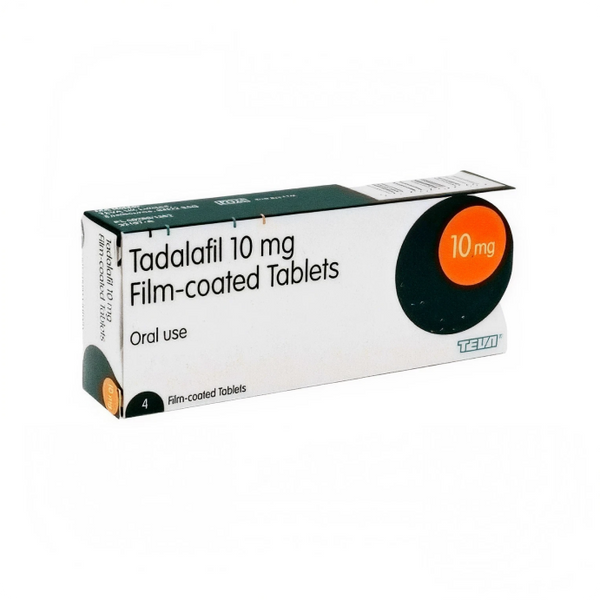
For on-demand use, the usual starting dose is 10mg, which may be increased to 20mg if 10mg is not sufficiently effective. It can be taken at least 30 minutes beforehand, and should not normally be taken more than once per day.
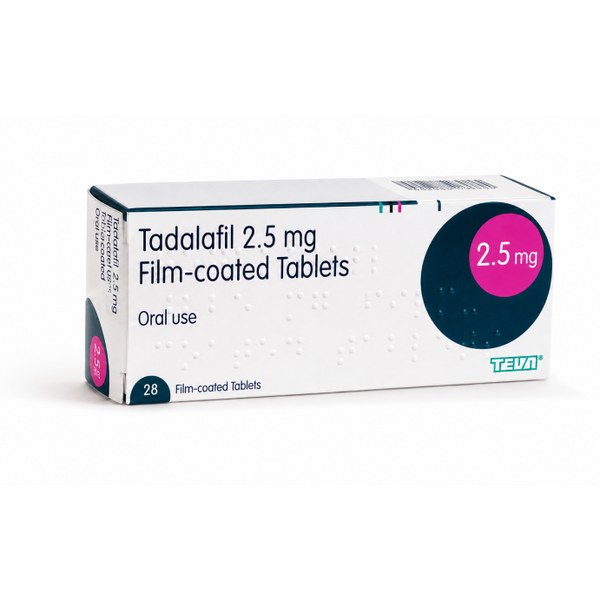
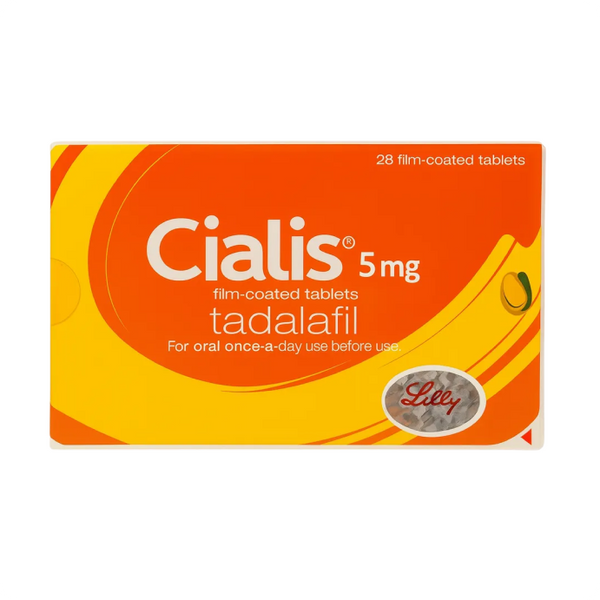
Tadalafil also has a recognised lower-dose daily regimen of 5mg once daily, with possible reduction to 2.5mg according to tolerability. That daily option is one of its biggest practical differences from avanafil.
It is also licensed for benign prostatic hyperplasia in some settings.
Avanafil
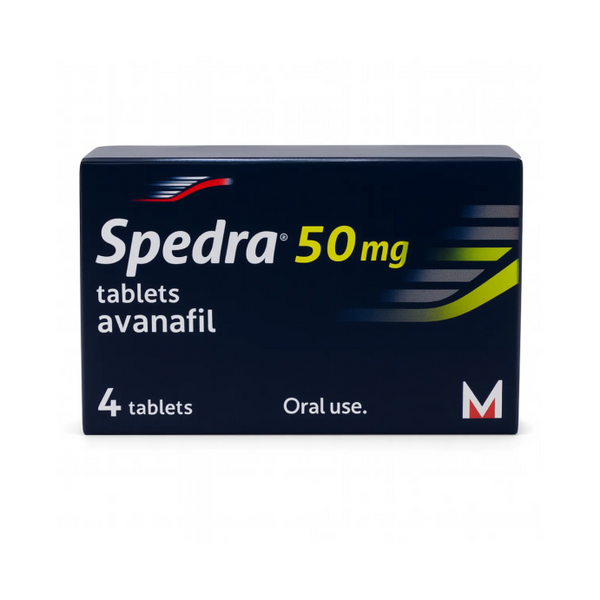
The normal starting dose is 100mg, taken approximately 15 to 30 minutes before anticipated activity. Depending on response, it may be reduced to 50mg or increased to a maximum of 200mg.
The standard maximum frequency is once per day. Avanafil was specifically developed with relatively rapid absorption in mind.
Comparing the Milligrams
The milligram amounts are very different, but that does not mean avanafil is ten times weaker. They are different medicines with different chemical potency.
Avanafil 100mg and tadalafil 10mg are the respective usual starting doses, but they are not mathematically equivalent. They contain different medicines, with different absorption rates, different half-lives and different duration profiles.
The same applies at the top of each range. Neither maximum strength should automatically be used first. Treatment normally begins at the standard starting dose and is adjusted according to effectiveness and tolerability.
Onset and Duration
Which Works Faster?
Avanafil has the shorter standard pre-dose interval.
Avanafil 100mg is normally taken 15 to 30 minutes beforehand, and clinical studies have shown successful responses beginning at around 15 minutes for some men. That does not mean everyone responds within exactly 15 minutes.
Tadalafil is usually taken at least 30 minutes beforehand, and can begin supporting a response from around then, although peak effectiveness occurs later.
So someone prioritising the shortest planned wait may prefer avanafil. Onset should not be treated like a stopwatch, though. Individual response varies with metabolism, dose, food, alcohol, the underlying cause and other medicines.
Peak Blood Levels
Avanafil reaches maximum plasma concentrations in approximately 30 to 45 minutes in the fasted state. Tadalafil reaches peak concentration at around two hours.
That is a major reason avanafil can be used closer to anticipated activity.
Which Lasts Longer?
Tadalafil, clearly. Its response window can extend up to approximately 36 hours after an on-demand dose, while avanafil has a shorter profile.
That does not mean an erection lasts continuously for 36 hours. It means tadalafil may continue to help the body's normal response during that period when stimulation occurs, and the strength of effect may vary throughout the window.
The reason is tadalafil's long elimination half-life, at approximately 17.5 hours against 6 to 17 hours for avanafil. Half-life is the time required for the amount in the bloodstream to fall by about half, so a medicine that leaves the body slowly has a prolonged window.
Does Longer Mean Better?
No. Longer duration is only an advantage if it is what you want.
You may prefer tadalafil for less precise timing, a longer response window, treatment spanning more than one occasion, or the daily option.
You may prefer avanafil for a shorter pre-dose interval, rapid absorption, or a more clearly on-demand pattern.
Daily or On Demand
Tadalafil has a recognised 5mg once-daily regimen, sometimes reduced to 2.5mg depending on tolerability. That may suit men who want less connection between dosing and activity, and the suitability of ongoing daily treatment should be reviewed periodically.
Avanafil is primarily on demand. Its maximum frequency is once per day, but that is not the same as an established continuous daily regimen. A once-daily maximum and once-daily maintenance treatment are different things.
For Frequent Use
Tadalafil may be more convenient for men who anticipate frequent activity, because the daily regimen allows relatively stable exposure without timing every dose.
Someone who uses treatment only occasionally may not need a daily medicine, so avanafil remains a reasonable option.
For Occasional Use
Both can be used on demand.
Avanafil may appeal to someone wanting a shorter interval between the tablet and anticipated activity. Tadalafil may appeal to someone wanting a much longer window after a single dose.
There is no requirement to choose the longest-lasting medicine simply because it exists.

Food and Alcohol
Tadalafil has the clearer advantage with food. Its absorption is not meaningfully affected by meals, so there is no need to plan treatment around eating.
For avanafil, a high-fat meal can delay the time at which it reaches peak concentration.
Alcohol affects both. It can increase dizziness and blood-pressure-lowering effects with any PDE5 inhibitor, particularly with heavy consumption, and heavy drinking makes erectile function less reliable in its own right. Moderation is sensible with either.
Side Effects
Their patterns differ.
Tadalafil is particularly associated with headache, indigestion, back pain, muscle aches, flushing and nasal congestion.
Avanafil is commonly associated with headache, flushing and nasal congestion, with less common effects including dizziness, blurred vision, indigestion, nausea, back pain and palpitations.
Not everyone experiences these. Reported rates differ between the medicines, but direct comparison is difficult because the figures come from different studies at different doses, and individual tolerability varies considerably.
The Distinctive Differences
Back pain is more strongly associated with tadalafil. Someone who repeatedly experiences troublesome back pain may discuss another PDE5 inhibitor with their prescriber.
Indigestion also has a stronger association with tadalafil. Avanafil can cause digestive symptoms, but they are generally less prominent in its profile.
Headache can occur with both. Some comparative summaries report a lower rate with avanafil, although a person who gets headaches on one may or may not have the same problem on the other.
Which Is More Effective?
Both are effective PDE5 inhibitors. Current guideline evidence does not establish a clinically meaningful overall difference in effectiveness between the available options.
Individual responses can still vary, so the practical choice should not be based on effectiveness rankings alone.
Matching to Your Priorities
Avanafil may suit you if you prioritise:
- A 15 to 30 minute standard pre-dose interval
- Rapid absorption
- A clearly on-demand approach
- Avoiding tadalafil's associated back or muscle pain
Tadalafil may suit you if you prioritise:
- An up-to-36-hour response window
- Less precise timing
- The 5mg daily option
- Not having to think about meal timing
- Frequent treatment
Neither option is universally superior.
Safety and Interactions
Nitrates and Riociguat
Both are contraindicated with nitrate medicines and nitric oxide donors, because the combination can cause potentially dangerous blood pressure lowering. This is the most important safety rule for either medicine.
Because tadalafil has a long half-life, its interaction with nitrates can remain clinically relevant for longer. That matters particularly for anyone using medicines for angina, or who might require emergency nitrate treatment. Always tell emergency healthcare professionals if you have taken tadalafil recently.
Neither should be combined with riociguat either, which can cause symptomatic low blood pressure.
CYP3A4 Interactions
Both are predominantly metabolised through the CYP3A4 enzyme system.
For avanafil, some medicines can substantially increase exposure, including certain antifungals, antibiotics and antivirals. With some of these, avanafil may be unsuitable or require a dose adjustment.
For tadalafil, some medicines increase concentrations and side-effect risk, while others reduce exposure and make it less effective.
Your complete medication list should be reviewed before either is prescribed.
Taking Them Together
Do not independently combine them. Both are PDE5 inhibitors, and combining them is not recommended, because their combined safety and effectiveness have not been established and additive blood-pressure-lowering effects are possible.
If one is not working adequately, treatment should be reviewed rather than stacked.
Switching Between Them
Switching is possible after an appropriate clinical review.
A poor response or troublesome side effects with one does not automatically mean the other will behave the same way, in either direction.
Before switching, it is sensible to review the dose, timing, food, alcohol, other medicines, whether stimulation was adequate, and the underlying causes.