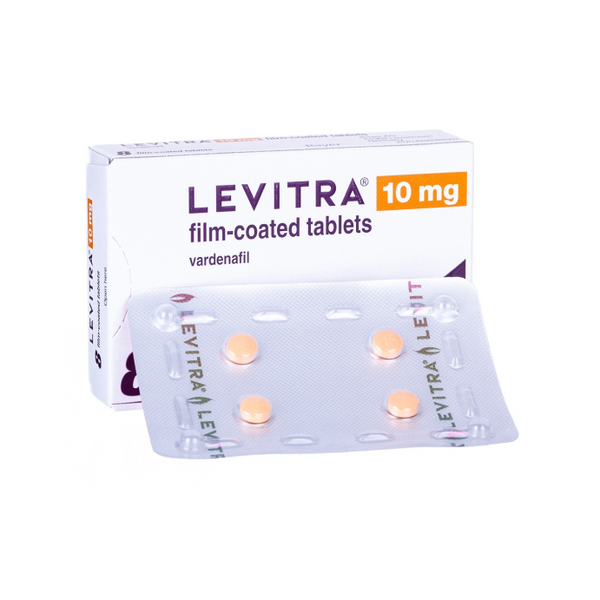
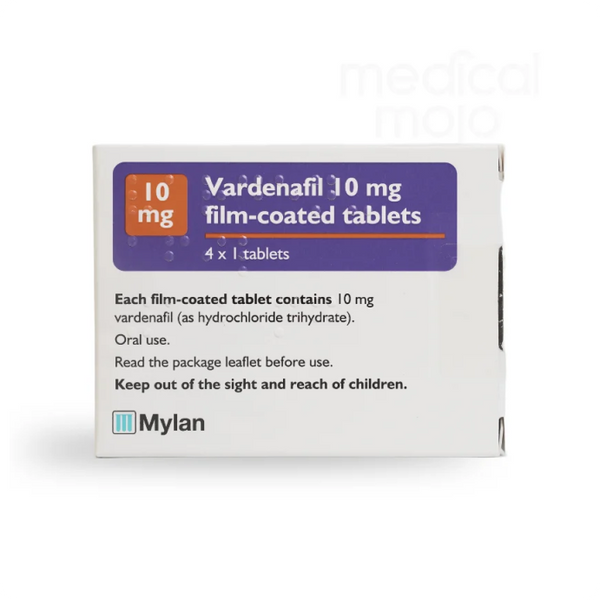
What Is Tadalafil? A Straightforward Answer
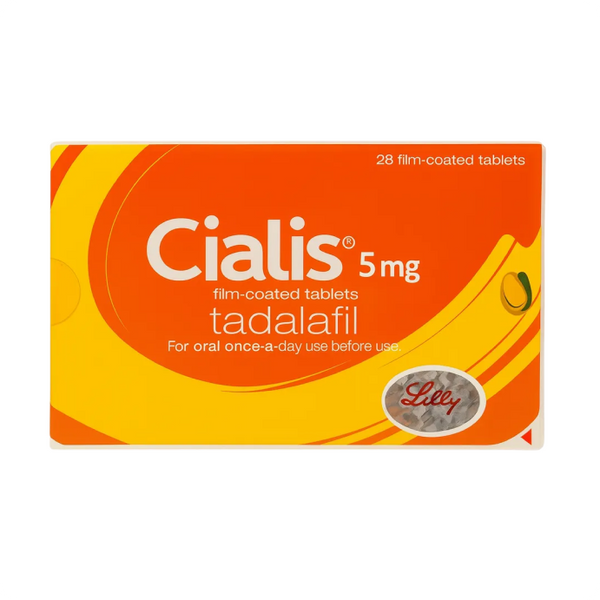
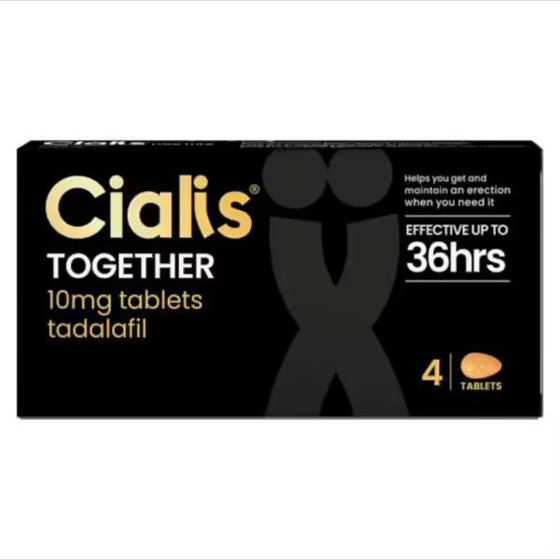
Tadalafil is a prescription-only medicine used to treat erectile dysfunction, most commonly known by its brand name, Cialis.
If you have seen the name on a prescription, a medicine pack or in a conversation with a healthcare professional, this page gives a clear explanation of what it is and how it is used.
It covers what tadalafil does, how it works, why it is sold under both a generic name and a brand name, whether you need a prescription in the UK, and the main safety points to be aware of.
Key things to know
- Tadalafil is a prescription-only medicine used to treat erectile dysfunction
- It is the active ingredient behind the brand name Cialis. Both refer to the same medicine
- It supports the body's natural response to stimulation rather than replacing it
- Genuine access always requires a proper clinical assessment, whichever route you use
The Short Answer
Tadalafil is a prescription-only medicine used to treat erectile dysfunction. It belongs to a class of medicines called PDE5 inhibitors, and it is most commonly known by its brand name, Cialis.
If you encountered the word somewhere and simply wanted to know what it is, that is the essential answer.
If You Have Seen It on a Prescription or Packaging
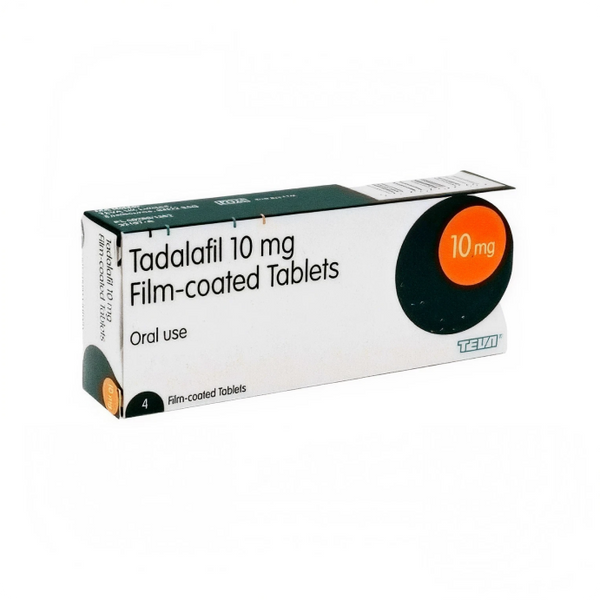
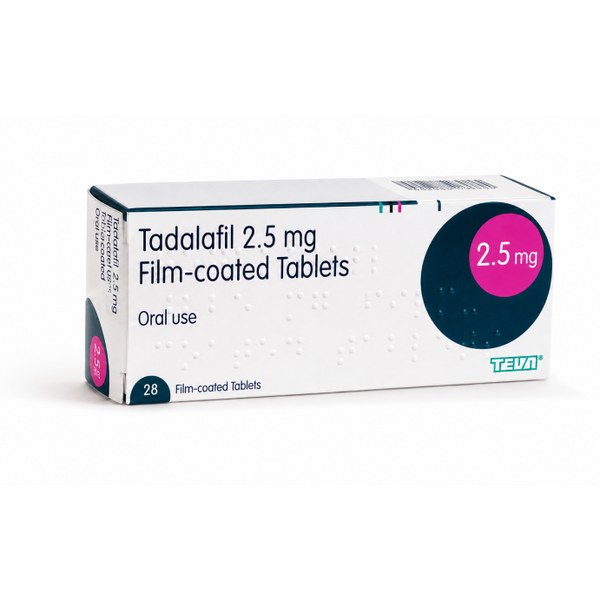
If tadalafil is the name printed on something you have been prescribed, that simply means you have the generic name for the medicine, rather than the branded name you might be more familiar with.
Both contain tadalafil as the active ingredient, so there is nothing different or unexpected about seeing this name rather than the brand.
If a Prescriber or Pharmacist Mentioned It
If tadalafil came up in conversation, it is simply the clinical name for the medicine being discussed.
It is used because it is the precise, unambiguous term regardless of which brand or generic version is ultimately dispensed. That is a normal part of how the medicine is discussed professionally.
If You Have Seen It Online Without Explanation
Medical websites and product information often use the generic name without explaining it in simple terms, so you are not alone in wondering.
Put simply: tadalafil is a prescription medicine used to treat erectile dysfunction, and Cialis is one of the brand names it is sold under.
What It Is Used For
Tadalafil is used mainly to treat erectile dysfunction. It is also prescribed for benign prostatic hyperplasia, sometimes called an enlarged prostate, where it can help relieve symptoms such as difficulty urinating. In some cases it is used to treat high blood pressure in the lungs.
It works by relaxing blood vessels and increasing blood flow to the penis during sexual stimulation.
You still need to be sexually stimulated for it to work. It supports erections rather than desire, which remains a separate part of the process.
How It Works, in Plain Terms
Tadalafil helps a natural chemical signal in the body last longer than it normally would, which increases blood flow during stimulation.
It does not create that response on its own. It works alongside your body's existing process rather than replacing it.
It typically starts working within 30 to 60 minutes, and can last up to around 36 hours.
How It Is Taken
Tadalafil can be taken as needed, or as a lower-dose daily treatment, with daily use sometimes starting at 2.5mg.
When used as needed, take it at least 30 minutes before sexual activity. Do not take more than one tablet in any 24-hour period, and the maximum recommended on-demand dose is 20mg.
If you take it daily and miss a dose, take it when you remember, unless it is nearly time for the next one. Do not take a double dose.

Key UK Facts
Tadalafil is prescription-only in the UK rather than available over the counter. A genuine purchase always requires a proper clinical assessment first, whether through a GP, a private prescriber or a regulated online provider.
Dispensing is handled by a GPhC-registered pharmacy, and that standard applies consistently regardless of which route you use.
Before You Take It
Tell your prescriber about your other medicines, any health conditions and your medical history. Not everyone should take tadalafil, and your prescriber may recommend a lower dose or advise that it is not suitable for you.
Nitrate medicines and amyl nitrite must not be combined with tadalafil, because the combination can cause a dangerous drop in blood pressure.
You should also avoid grapefruit juice while taking it.
Side Effects
Tadalafil is generally safe when prescribed appropriately, although up to 1 in 10 people may notice side effects.
Common ones include headache, flushing, muscle aches and dizziness.
For fuller guidance, read the patient information leaflet supplied with your medicine.
Should You Be Worried if You Have Just Been Prescribed It?
No. It simply means you have been prescribed a well-established, common treatment for erectile dysfunction under its generic name.
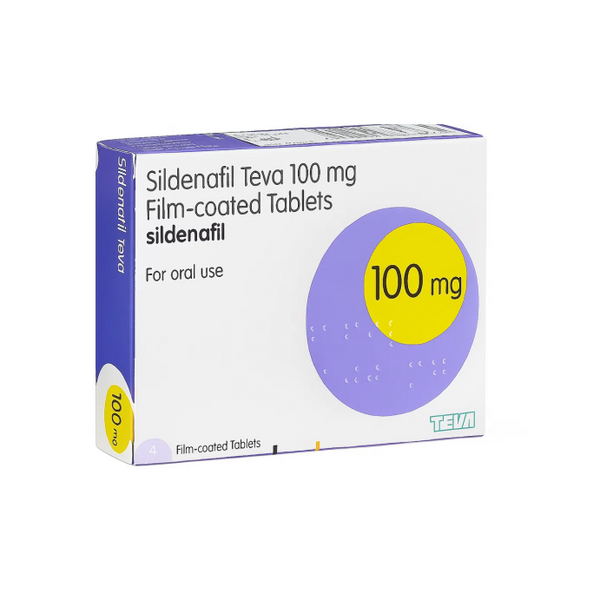
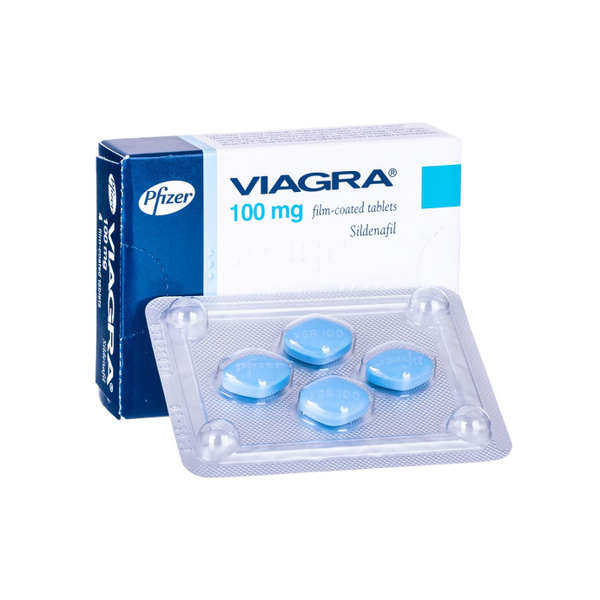
One thing that distinguishes tadalafil from some alternatives is how long it can last. Sildenafil is another medicine used in similar situations, and is also a PDE5 inhibitor.
If You Want the Fuller Picture
This page is deliberately a quick, direct answer rather than a comprehensive guide.
For fuller detail on dosing, side effects, duration and how UK access works, a more thorough overview covers it in depth.
| If you are asking because | Here is what matters |
|---|---|
| You have seen it on a prescription or label | It is the generic name for the same medicine as Cialis |
| A prescriber or pharmacist mentioned it | It is the standard clinical term used professionally |
| You came across it while researching | It is a prescription medicine for erectile dysfunction |
| You want the fuller picture | A more detailed guide covers dosing options, safety checks and access |
Medical Disclaimer
This page is for general information only and is not a substitute for a one-to-one clinical assessment. It does not cover every individual circumstance, and should not be used to self-diagnose or to start, stop or change any medicine.
An erection lasting more than four hours is a medical emergency. Seek immediate care by calling 999 or attending A&E.