Vardenafil (Levitra) Side Effects: Common and Serious Reactions
Vardenafil can cause side effects, although not everyone taking it will experience them.
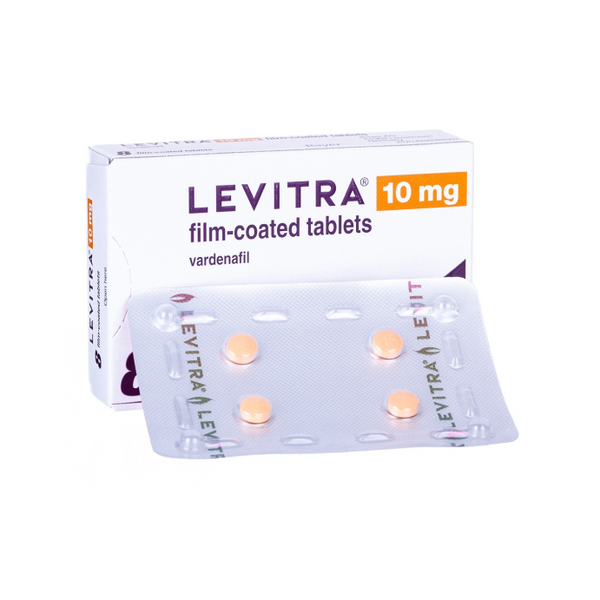
Levitra is the brand name historically associated with vardenafil, so searches for Levitra side effects and vardenafil side effects refer to the same active medicine.
The most frequently reported side effect is headache, which UK-authorised product information classifies as very common, meaning it may affect more than 1 in 10 people. Dizziness, flushing, a blocked or runny nose and indigestion are classified as common, affecting up to 1 in 10.
Most reactions reported in clinical trials were temporary and mild to moderate. But rare or serious effects can occur, including prolonged erections, sudden changes in vision or hearing, significant allergic reactions and serious skin reactions.
This guide explains the common, uncommon and serious effects, how dose, age and interactions affect risk, and when to seek medical help.
Key things to know
- Headache is the most common side effect, classified as very common
- Most reported reactions were temporary and mild to moderate
- Serious effects are rare but need urgent attention rather than waiting out
- Risk can depend on dose, age, other medicines and existing conditions
- Vardenafil must never be combined with nitrate medicines
- Suspected side effects can be reported through the MHRA Yellow Card Scheme
Are Levitra and Vardenafil Side Effects the Same?
Yes. Levitra is a brand name for vardenafil, so the medicine-related side effects come from the same active ingredient.
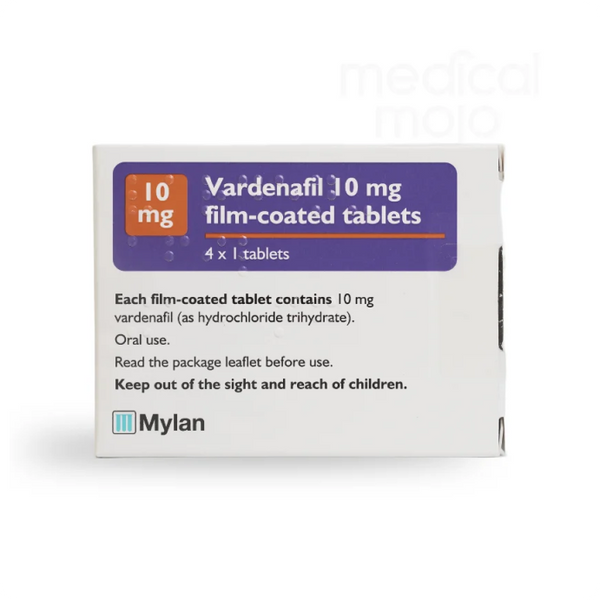
Generic vardenafil tablets may look different from older branded tablets, because manufacturers can use different colours, shapes, coatings, markings and inactive ingredients. The side effect profile comes from the active ingredient rather than the appearance.
UK medicine listings continue to include authorised 5mg, 10mg and 20mg vardenafil products.
Common Side Effects
UK patient information divides side effects according to how frequently they have been reported.
Very common, affecting more than 1 in 10 people: headache.
Common, affecting up to 1 in 10 people: dizziness, flushing, a blocked or runny nose, and indigestion.
European urology guidance provides comparative trial estimates at the highest recommended dose.
| Effect | Approximate frequency |
|---|---|
| Headache | 16% |
| Flushing | 12% |
| Nasal congestion | 10% |
| Indigestion | 4% |
| Dizziness | 2% |
| Abnormal vision | Under 2% |
These are population-level estimates and cannot predict whether any particular person will develop a side effect.
Headache
Headache is the most commonly reported effect, classified as very common.
It relates partly to vardenafil's effects on blood vessels, since the medicine works by improving blood flow. For most people it is temporary and mild to moderate.
If headaches are severe, unusual, persistent or repeatedly interfere with treatment, discuss them with a prescriber or pharmacist rather than changing the dose yourself.
Flushing
Flushing may feel like warmth in the face, facial redness, or a temporary sensation of heat.
It results from blood vessel dilation and generally resolves as the medicine's effect decreases.
Blocked or Runny Nose
Nasal congestion is a common effect, described in the patient leaflet as a blocked or runny nose.
Sinus congestion can also occur, although it is classified as uncommon rather than common.
Indigestion
Indigestion, medically described as dyspepsia, is a common effect.
Other gastrointestinal symptoms are classified as uncommon, and can include reflux, stomach discomfort, diarrhoea, nausea, vomiting and dry mouth.
Dizziness
Dizziness matters because vardenafil can influence blood pressure.
Product information advises understanding how vardenafil affects you before driving or operating machinery, because dizziness and abnormal vision have both been reported.
If you feel dizzy, sit or lie down, avoid driving, and avoid activities where faintness could create a risk. Severe dizziness, fainting or symptoms suggesting significant low blood pressure need medical assessment.
Uncommon Side Effects
Uncommon means a reaction may affect up to around 1 in 100 people. UK product information lists effects across several body systems:
- Sleep disturbance and sleepiness
- Numbness, tingling or unusual sensations
- Visual disturbances, altered colour vision, eye redness or discomfort, sensitivity to light
- Tinnitus and vertigo
- Palpitations and a faster heart rate
- Breathlessness
- Sinus congestion, reflux, stomach pain, diarrhoea, nausea, vomiting, dry mouth
- Rash or redness
- Back pain, muscle pain, muscle cramps and increased muscle tone
- Feeling generally unwell
- Increased erection
Having one uncommon side effect does not mean others will follow.
Vision
Visual effects classified as uncommon include visual disturbance, changes in colour vision, eye redness, eye pain or discomfort, and sensitivity to light.
More serious visual problems have also been reported. UK product information includes reports of non-arteritic anterior ischaemic optic neuropathy, a condition affecting the optic nerve, and other sudden visual defects.
Patient information warns that partial, sudden, temporary or permanent decreases or loss of vision, and distorted, dimmed or blurred central vision, have been reported with unknown frequency.
If your eyesight changes significantly after taking vardenafil, stop taking it and seek immediate medical advice. A sudden decrease or loss of vision should not be treated as an ordinary temporary side effect, since delayed assessment can increase the risk of permanent damage.
A minor temporary visual disturbance and a sudden major loss of vision are not the same situation, but any sudden or severe change warrants urgent assessment.
Hearing
Tinnitus and vertigo are classified as uncommon. Sudden deafness is listed with an unknown frequency.
Sudden hearing reduction or loss should be assessed promptly, particularly alongside dizziness or ringing in the ears.
Back Pain and Muscle Pain
Back pain, muscle pain, increased muscle tone, muscle cramping and increased creatine phosphokinase are all classified as uncommon.
If muscle pain becomes severe, persists, or occurs alongside other concerning symptoms, seek professional advice.
Rash
Skin redness and rash are classified as uncommon, and photosensitivity reactions as rare.
A mild rash should still be discussed with a healthcare professional, particularly if it appears shortly after starting a new medicine.
A rapidly worsening rash, blistering, skin peeling, or involvement of the mouth, eyes or other mucous membranes is far more serious and needs urgent attention.

Rare and Serious Reactions
Prolonged Erection
An increase in erection is listed as uncommon, while priapism, a prolonged erection that does not resolve normally, is rare.
An erection lasting four hours or longer requires urgent medical treatment, because prolonged pressure can damage penile tissue and potentially cause permanent problems with erectile function.
Do not wait for it to resolve by itself once it has reached the four-hour threshold.
A longer erection is not a sign the medicine is working better. The aim of treatment is an erection of appropriate firmness when required, not an abnormally prolonged one.
Cardiovascular Effects
Palpitations and a faster heart rate are classified as uncommon.
Rare cardiovascular events listed in authorised information include angina, myocardial infarction and ventricular tachyarrhythmias. Sudden death has been reported with an unknown frequency.
These reports do not mean vardenafil causes every cardiovascular event occurring after treatment. People using ED medicines may already have cardiovascular risk factors, which is exactly why cardiovascular suitability is assessed before treatment.
Chest pain after taking vardenafil needs urgent medical assessment. Tell emergency healthcare professionals that vardenafil has been taken, because nitrate medicines must not be combined with it. Never self-treat chest pain with a nitrate after taking vardenafil.
Blood Pressure
Hypotension is listed as a rare effect, and hypertension is also listed as rare.
Blood pressure effects become particularly important when vardenafil is combined with other medicines that lower blood pressure. The most important example is nitrate treatment.
Fainting, medically described as syncope, is classified as rare. It may indicate a significant blood pressure change or another problem, and should be assessed.
Anyone with significant blood pressure problems should not rely on the side effect table alone. Blood pressure and cardiovascular history form part of deciding whether vardenafil is suitable in the first place.
Serious Skin Reactions
Stevens-Johnson syndrome and toxic epidermal necrolysis, both rare but potentially life-threatening, have been reported in association with vardenafil.
Symptoms can include a rapidly spreading rash, blistering, peeling skin, sores affecting the mouth or eyes, fever or feeling severely unwell.
Where symptoms suggest either reaction, prescribing information states that vardenafil should be stopped immediately and never restarted in that patient.
Allergic Reactions
Allergic swelling and angioedema are classified as uncommon, and allergic reaction as rare.
Seek emergency help for swelling of the lips, tongue, face or throat, severe difficulty breathing, a rapidly developing widespread rash, or collapse.
Penile Bleeding
Penile haemorrhage has been reported after PDE5 inhibitor use, including vardenafil, although the frequency cannot currently be estimated reliably. Blood in semen and blood in urine have also been reported.
Unexpected bleeding should be discussed with a healthcare professional, particularly if it persists or occurs alongside pain.
What Affects Your Risk
Dose
Greater exposure can increase the likelihood or severity of some reactions.
That is one reason treatment normally begins at 10mg, with adjustment to 5mg or 20mg according to both effectiveness and tolerability, rather than automatically starting at the highest strength.
If 10mg works adequately, increasing to 20mg simply because it is available may expose you to more medicine without meaningful additional benefit. The best dose is the lowest clinically appropriate one that provides an adequate response.
Age
At the 20mg dose, clinical data showed higher frequencies of two effects in people aged 65 and over.
| Effect at 20mg | Aged 65 and over | Younger adults |
|---|---|---|
| Headache | 16.2% | 11.8% |
| Dizziness | 3.7% | 0.7% |
Age can also coincide with cardiovascular disease, kidney impairment, liver problems, multiple medicines and greater susceptibility to blood pressure changes, all of which influence how well a medicine is tolerated.
Other Medicines
Vardenafil is metabolised predominantly through the liver enzyme CYP3A4. Medicines that inhibit that enzyme can increase vardenafil concentrations, which increases the risk of adverse effects.
Important interaction groups include:
- Nitrate medicines and nitric oxide donors. Contraindicated. Both influence pathways that lower blood pressure, and combining them can cause dangerous hypotension. This applies to regular nitrate treatment and to medicines used only occasionally for chest pain
- Riociguat. Also contraindicated
- Alpha blockers. Both lower blood pressure, so the combination can increase dizziness, light-headedness, weakness and faintness. Anyone already taking one generally needs careful dose assessment rather than automatically starting at a standard or maximum strength
- Potent CYP3A4 inhibitors, including certain antibiotics and antifungals. These slow the removal of vardenafil from the body, and prescribing information requires dose restriction with some of them
- Certain medicines affecting heart rhythm
Mention recent or temporary medicines during a consultation, not only long-term treatment. Providing a complete list before treatment is essential.
Grapefruit
Grapefruit can inhibit CYP3A4 in the gut and may increase vardenafil exposure, so grapefruit and grapefruit juice are generally best avoided.
That is especially relevant when other medicines are also affecting CYP3A4 metabolism.
Food
Food is more clearly associated with changes in absorption timing than with a direct increase in side effects.
A high-fat meal can delay absorption and reduce the peak concentration of standard film-coated tablets.
Do not compensate for a delayed response after a heavy meal by taking another tablet. The maximum remains one dose in any 24-hour period.
Alcohol
Alcohol can contribute to dizziness, impaired judgement, dehydration and changes in blood pressure. It can also independently make erectile function less reliable.
Heavy drinking therefore makes it harder to tell whether symptoms such as dizziness or a poor response are coming from vardenafil, the alcohol, or both. Moderation is sensible.
What to Do About Side Effects
How Long They Last
There is no single duration for every effect.
Clinical trial reactions were generally described as transient and mild to moderate, meaning many resolve as exposure to the medicine falls. Vardenafil's plasma half-life is approximately 4 hours.
But duration is not determined by half-life alone. A mild headache may resolve relatively quickly, while a serious reaction needs assessment regardless of how long ago the tablet was taken.
Mild or Troublesome Effects
For mild temporary symptoms such as headache, flushing or nasal congestion, monitor how you feel and follow the advice supplied with your medicine.
If effects are repeatedly troublesome, speak with your prescriber or pharmacist. Treatment may need a lower dose, a medication review, or a different option.
Do not independently reduce, increase or combine doses without advice.
When to Seek Urgent Help
Seek urgent medical attention for:
- An erection lasting four hours or longer
- Sudden major loss or reduction of vision
- Sudden hearing loss
- Chest pain
- Fainting
- Severe breathing difficulty
- Significant swelling of the face, lips, tongue or throat
- A severe blistering or peeling skin reaction
- Signs of stroke or another major neurological event
Stroke warning symptoms described in patient information include sudden weakness or numbness, one side of the face dropping, confusion, speech difficulty and sudden visual problems. These require emergency attention regardless of whether vardenafil was taken.
Reporting Side Effects
Suspected adverse effects can be reported through the MHRA Yellow Card Scheme. Anyone can submit a report, and proof that the medicine definitely caused the reaction is not required.
A Yellow Card report records a suspected reaction rather than a proven one. The MHRA notes that spontaneous reports may involve true medicine effects or events that would have occurred anyway, so report numbers cannot be used to calculate how commonly an effect occurs. For established frequencies, authorised product information is the better source.
The scheme does not provide treatment advice, so a suspected side effect should still be discussed with a healthcare professional when medical advice is needed.
The Key Takeaway
Most reactions reported with vardenafil in clinical trials were temporary and mild to moderate. Headache is the most common, with dizziness, flushing, nasal congestion and indigestion also common.
The important distinction is between expected temporary effects and rare warning symptoms needing urgent care.
An erection lasting four hours or longer, sudden vision or hearing loss, chest pain, severe allergic symptoms or a severe blistering skin reaction should never simply be waited out.