Tadalafil and Vardenafil Combination: Can You Take Them Together?
Online reviews of combining these two medicines point to mixed experiences, but the evidence-based answer is clear.
Combining tadalafil and vardenafil is not a routine or standard treatment for erectile dysfunction, and current UK prescribing information advises against taking them together because safety and effectiveness have not been established.
Both belong to the same class, phosphodiesterase type 5 inhibitors, usually shortened to PDE5 inhibitors. Taking them together can increase their combined effects on blood vessels and blood pressure.
There is, however, one recent development worth knowing about.
Key things to know
- Do not independently combine tadalafil and vardenafil
- UK prescribing information for both medicines advises against combining them with other ED treatments
- A 2026 conference abstract reported encouraging preliminary results from a small supervised pilot study
- Preliminary is the operative word. The researchers themselves called for larger randomised trials
- Neither medicine should be taken with nitrates, individually or together
- If one medicine has not worked, the first step is checking how it was used rather than adding a second
The Current Position
Under current UK medicine guidance, you should not independently combine tadalafil and vardenafil.
Both inhibit PDE5 and have vasodilating effects. Combining them increases overall PDE5 inhibition and may increase the likelihood of adverse effects including:
- Low blood pressure
- Dizziness or light-headedness
- Headache
- Flushing
- Palpitations
- Fainting
- Prolonged erections
Medicine-interaction references classify the tadalafil and vardenafil interaction as major, because using them together can cause excessive blood pressure reduction.
The UK prescribing information is more straightforward still. Authorised tadalafil products advise patients not to take tadalafil with another PDE5 inhibitor, and vardenafil information states that combinations with other ED treatments are not recommended, because safety and effectiveness have not been established.
Is There a Combination Tablet?
No. There is no UK-authorised combined tadalafil and vardenafil tablet, and no routine licensed dosing regimen for the combination.
Be cautious of websites offering unusual combined formulations. A product containing two PDE5 inhibitors should not be assumed to be an authorised UK medicine simply because both ingredients individually have recognised medical uses.
What the 2026 Research Found
In June 2026, a conference abstract in The Journal of Sexual Medicine reported a prospective pilot study involving 62 men who had not responded adequately to a single PDE5 inhibitor after multiple attempts.
The study evaluated a clinician-supervised regimen combining daily tadalafil with on-demand vardenafil over 12 weeks.
Average IIEF-5 scores, from a validated questionnaire used to assess erectile function, increased from 11.2 to 18.9. Erection Hardness Scores increased from 2.1 to 3.4. Seventy-four per cent of participants met the study's definition of a clinical response, and patient satisfaction reached 84%.
The side effects reported were headache, flushing, nasal congestion and indigestion.
Why This Does Not Change the Advice
Three things matter about how that evidence should be read.
It is a conference abstract rather than a full peer-reviewed paper. Abstracts present preliminary findings and carry less weight than a published study that has been through full review.
It was a small pilot without a large control group. Sixty-two participants, with no parallel comparison showing whether the combination outperformed another optimised treatment strategy.
The authors said so themselves. They concluded that controlled randomised trials are required to confirm the apparent benefit and to establish standardised treatment protocols.
So the evidence is best described as promising but preliminary. It should not be read as support for anyone taking tadalafil independently adding vardenafil, or the reverse.
Does It Show the Combination Works Better?
Not reliably. The study recruited men who had already responded inadequately to single-medicine treatment, and reported improvement afterwards.
Without a large randomised comparison group, it is difficult to determine how much of that improvement came from the combination itself rather than from continued treatment, better treatment education, improved adherence, psychological confidence, study participation or natural variation in response.
Satisfaction of 84% in a 62-person pilot also cannot establish the same result across a broader population.
Why Anyone Considers Combining Them
The main reason researchers are investigating this is persistent erectile dysfunction despite correctly used single-medicine treatment.
Some men do not get an adequate response from one PDE5 inhibitor. Possible explanations include:
- Severe vascular erectile dysfunction
- Diabetes-related blood vessel or nerve changes
- Significant endothelial dysfunction
- Previous pelvic surgery
- Incorrect timing
- Food delaying absorption
- An inadequate dose
- Hormone deficiency
- Psychological factors
The Theoretical Attraction
The interest comes from the two medicines having different pharmacokinetic profiles.
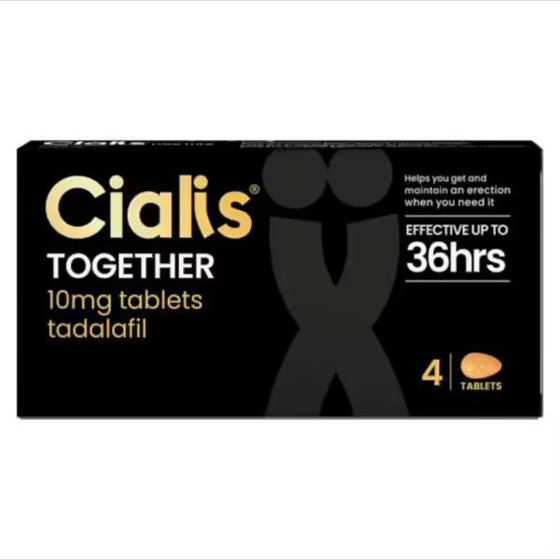
Tadalafil is long acting, with a half-life of approximately 17.5 hours. An on-demand dose can support erectile responsiveness for up to around 36 hours, and it can also be prescribed at 5mg once daily in selected patients.
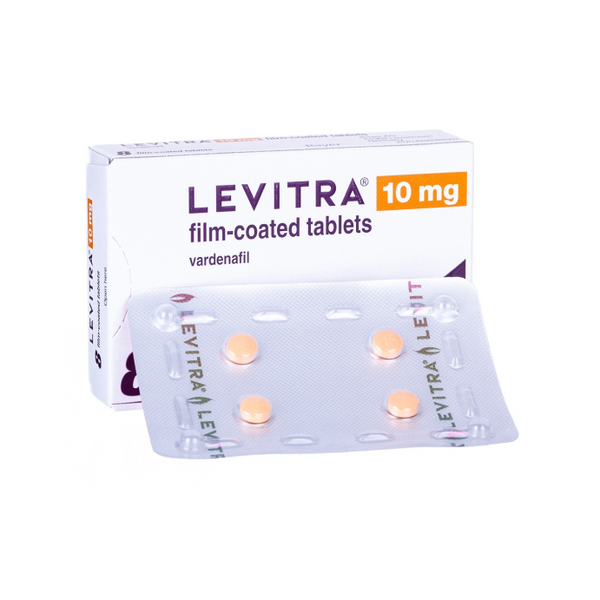
Vardenafil is shorter acting, with a half-life of approximately 4 hours and effects generally lasting around 4 to 5 hours. On-demand treatment is usually taken 25 to 60 minutes before sexual activity.
Researchers have explored whether tadalafil's longer duration combined with vardenafil's shorter dosing window might help selected men who do not respond adequately to one medicine alone. That remains an area of investigation.
What Guidelines Actually Say
European urology guidance recognises that combination approaches may occasionally be considered in refractory or difficult-to-treat erectile dysfunction, while emphasising that the data remain limited.
The guideline lists several investigational or specialist strategies, including PDE5 inhibitors with vacuum erection devices, with topical treatments, alongside shockwave therapy, and daily tadalafil with an on-demand shorter-acting PDE5 inhibitor.
Its example for dual PDE5 treatment refers to daily tadalafil combined with on-demand sildenafil, and explicitly describes the evidence base as limited.
That distinction matters. The guideline is describing possible specialist management of treatment-resistant erectile dysfunction, not routine self-treatment.

The Specific Risks
Blood Pressure
Both medicines act on the same nitric oxide and cGMP pathway.
PDE5 normally breaks down cGMP. Inhibiting it allows cGMP to remain active for longer, causing smooth muscle relaxation and vasodilation. That effect is useful in erectile tissue, but vasodilation also occurs elsewhere in the cardiovascular system.
Using two PDE5 inhibitors may therefore create an additive vasodilating effect, potentially reducing blood pressure more than either alone. Possible symptoms include light-headedness, dizziness, weakness and fainting.
That matters particularly in anyone who already has relatively low blood pressure, or takes other medicines that lower it.
Nitrates
Neither tadalafil nor vardenafil should be used with nitrate medicines, even individually. The combination can cause severe hypotension, and adding a second PDE5 inhibitor would not make that interaction safer.
Anyone taking medicines for chest pain or angina should make sure their prescriber knows exactly what they use before any ED medicine is considered.
Blood Pressure Medicines and Alpha Blockers
Blood pressure treatment does not automatically rule out a PDE5 inhibitor, but it requires individual assessment.
European guidance states that PDE5 inhibitors used alongside standard antihypertensive medicines may cause small additional decreases in blood pressure, usually modest. Combining two PDE5 inhibitors plus antihypertensive treatment is a different pharmacological situation, and should not be assumed safe on the basis of evidence from single-medicine treatment.
Alpha blockers and PDE5 inhibitors both have vasodilating properties. Guidance recognises that using them together can alter haemodynamic parameters, so adding a second PDE5 inhibitor increases complexity further.
Prolonged Erection
Both medicines carry a warning about prolonged erection, which can damage the penis if not treated promptly.
An erection lasting four hours or longer requires immediate medical attention, even if it is not painful.
Kidney and Liver Function
Both medicines rely on metabolism and elimination processes that organ impairment can alter.
Tadalafil exposure can increase in some kidney and liver conditions, and vardenafil dosing also needs adjustment or avoidance in certain circumstances. Combining them could therefore produce less predictable exposure.
Anyone with significant kidney or liver impairment should have ED treatment individually assessed rather than experimenting with combinations.
CYP3A4 Interactions
Both medicines are affected by CYP3A4, an enzyme involved in metabolising medicines.
Strong CYP3A4 inhibitors can substantially increase tadalafil exposure, and certain inhibitors can significantly increase vardenafil concentrations too.
Because of that, combining either medicine with an interacting medicine requires careful clinical assessment. Using two PDE5 inhibitors alongside such a medicine has not been adequately studied.
Common Side Effects
Headache, flushing, nasal congestion and indigestion are recognised effects of both medicines individually.
Because the combination has not been adequately studied, its overall adverse-effect profile cannot be predicted reliably from the individual medicines' side effect rates. Whether taking both together makes any of these more likely is simply not established.
Can You Alternate Them Instead?
Do not create an alternating schedule independently.
Tadalafil remains in the body far longer than vardenafil, with a half-life of approximately 17.5 hours against approximately 4 hours.
That means taking vardenafil many hours after tadalafil does not necessarily mean the tadalafil has gone. Someone cannot safely assume that having taken tadalafil yesterday allows vardenafil today, since the amount remaining depends on dose, timing, metabolism, kidney function, liver function and any interacting medicines.
A prescriber needs to consider actual medicine exposure rather than which calendar day each tablet was swallowed.
What to Do Instead
Check the Basics First
European guidance recommends checking whether a PDE5 inhibitor has been prescribed correctly, used correctly and obtained as a licensed medicine before labelling someone a non-responder.
- Was the medicine taken correctly? Sildenafil, vardenafil and avanafil can all be delayed by high-fat meals
- Was enough time allowed? Different PDE5 inhibitors have different onset profiles
- Was the prescribed dose appropriate? Underdosing can produce apparent treatment failure
- Was sufficient stimulation present? PDE5 inhibitors do not automatically produce an erection
- Was the medicine genuine and licensed? Unregulated medicine may contain an unreliable dose
- Could an underlying condition be contributing? Low testosterone, diabetes, cardiovascular disease, neurological conditions and psychological factors can all affect response
Correcting these can sometimes restore effectiveness without combining anything.
Consider Switching Before Combining
People respond differently to individual PDE5 inhibitors despite their similar mechanism.
European guidance states that limited evidence suggests some patients may respond better to one than another, although strong randomised evidence supporting switching remains limited.
A prescriber may therefore consider trying an alternative single medicine before exploring anything more complex.
Could Low Testosterone Be the Issue?
In appropriately diagnosed men, yes.
European guidance notes that men with confirmed hypogonadism who respond poorly to PDE5 inhibitors may experience improved erectile function when testosterone deficiency is appropriately treated.
That does not mean testosterone should automatically be added to ED treatment. Testosterone deficiency requires both symptoms and appropriate biochemical confirmation, and treatment needs monitoring.
Other Established Options
Several alternatives exist for persistent erectile dysfunction, and European guidelines include vacuum erection devices, intra-urethral or topical alprostadil, intracavernosal injection treatment, and specialist surgical options for selected patients.
The choice depends on the underlying cause, medical history, treatment preferences and previous response.
A second oral PDE5 inhibitor is not the only possible next step, and any change should follow a clinical review rather than self-experimentation.
How Much Weight to Give Online Reviews
Reviews of this combination are limited and should be interpreted cautiously.
Forum discussions include people reporting that they combined low-dose tadalafil with vardenafil and experienced improved erections or relatively mild side effects. Others report differences in headaches, nasal congestion, duration or perceived effectiveness.
These are anecdotes. They do not establish:
- What medicine the person actually received
- Whether the reported dose was accurate
- Whether a clinician supervised treatment
- The person's cardiovascular health
- What else they were taking
- Their blood pressure before or after
- Whether adverse effects were fully reported
- Where the product came from, or whether it was genuine
Why They Are Potentially Misleading
People who post online are a self-selected group. Someone who gets an excellent response may be more likely to post enthusiastically, while someone experiencing a serious complication may never post at all.
There is also no guarantee that reviewers accurately report their medicine, dose, diagnosis or health history, and some posts describe approaches that fall outside authorised prescribing guidance.
Clinical evidence should therefore carry considerably more weight than testimonials when assessing a combination involving two prescription medicines from the same class.
Frequently Asked Questions
Can tadalafil and vardenafil be taken together?
Can the combination lower blood pressure?
Can combining tadalafil and vardenafil cause headaches or flushing?
Can tadalafil and vardenafil together cause priapism?
Can I take vardenafil the day after tadalafil?
Is tadalafil longer acting than vardenafil?
Should I combine them if tadalafil alone does not work?
Should I combine them if vardenafil does not work?
Can you combine tadalafil or vardenafil with nitrates?
Can tadalafil and vardenafil be combined with blood-pressure medicines?
What do online combination reviews say, and are they reliable?
What are the alternatives if one PDE5 inhibitor does not work?
Is Vardenafil Better Than Viagra? Why the Brand Name Confuses This Question
Vardenafil Side Effects: Levitra Risks & Safety Guide
Related Posts