Vardenafil Half-Life: What It Means and Why It Matters
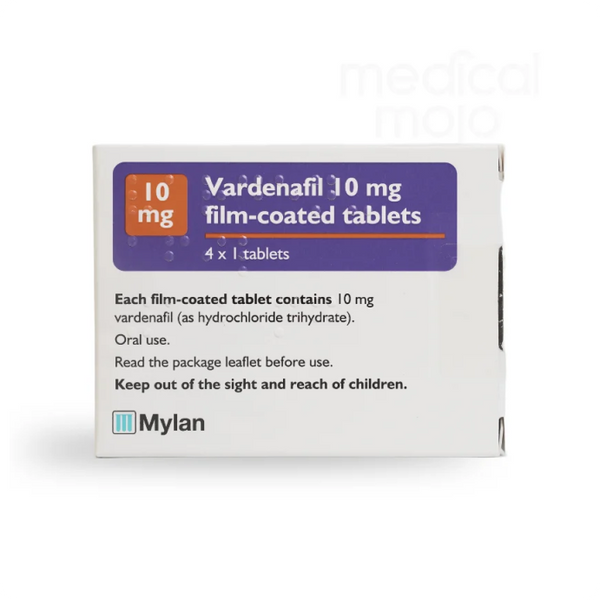
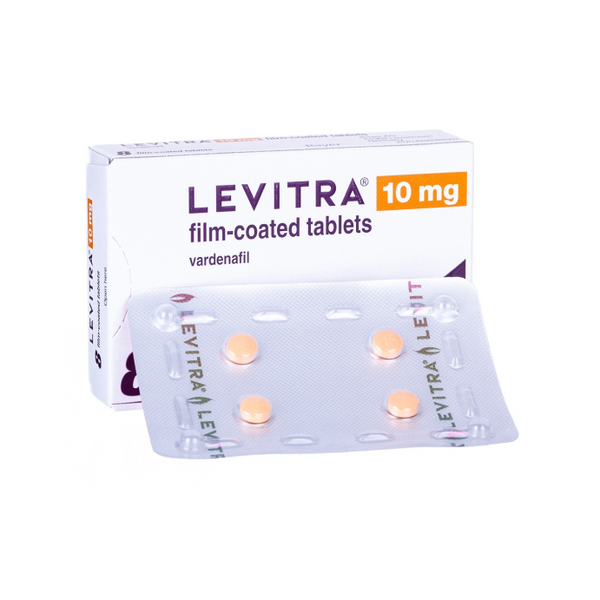
Vardenafil has a half-life of roughly 4 to 5 hours in healthy adults, meaning the amount in your blood falls by half over that time. But that figure alone does not tell the full story.
This page explains what vardenafil's half-life means in practice, how it relates to how long the medicine works, why it is taken no more than once a day, which interactions can prolong it, and how individual factors such as age affect it.
Key things to know
- Vardenafil's half-life is roughly 4 to 5 hours in healthy adults
- Half-life describes how quickly blood levels fall. It is not the same as how long the effect lasts
- Certain medicines can greatly extend vardenafil's half-life
- It explains why vardenafil should not be taken more than once in 24 hours
- Your prescriber takes this into account. It is not something you need to calculate yourself
What Half-Life Means
Half-life is the time it takes for the concentration of a medicine in your blood to fall by half. It is a standard measure used for almost every medicine, describing how a medicine is cleared from the body over time rather than how long you will notice its effects.
It is worked out through studies where blood samples are taken at intervals after a dose and the vardenafil level is measured, then analysed to see how quickly it falls. Those studies also show vardenafil usually reaches its peak blood level within about 30 minutes to 2 hours of a dose.
How Half-Life Relates to How Long It Works
The two are related, but distinct. Vardenafil is taken as needed, usually 25 to 60 minutes before sexual activity, and it only works with sexual stimulation.
Its effect generally lasts around 4 to 5 hours, although this varies between people. A medicine can stay in the body after its main effect has passed, and it can still have an effect as blood levels fall, since a clinical response does not need levels to stay at their peak.
How Long Vardenafil Stays in the Body
It usually takes several half-lives for a medicine to be mostly cleared, so vardenafil can remain in the body for up to around 24 hours after a dose, well after its main effect has passed.
Vardenafil is processed mainly by the liver and removed largely in the faeces. About 91 to 95% of a dose leaves the body this way, and about 2 to 6% in urine.

Why It Is Taken No More Than Once a Day
Vardenafil should not be taken more than once in any 24-hour period. That gives the body time to clear most of the previous dose before another is taken, avoiding a build-up over successive doses. Understanding half-life helps explain why the limit exists, rather than it feeling like an arbitrary rule.
Medicines That Extend the Half-Life
This is the most important practical point. Medicines that block CYP3A4, the liver enzyme mainly responsible for processing vardenafil, can greatly extend how long it stays in the body.
The clearest example is ritonavir, an HIV medicine, which has been shown to extend vardenafil's half-life to around 26 hours, compared with the usual 4 to 5. Vardenafil must not be taken with certain HIV medicines, including ritonavir, and other interacting medicines, such as some antifungals and antibiotics, may need a lower dose. Grapefruit juice can also increase vardenafil levels.
Vardenafil must never be taken with nitrate medicines, because the combination can cause a dangerous fall in blood pressure. An assessment covering all your current medicines, including unregulated supplements, is how these interactions are caught.
Does Age Affect It?
Yes. In studies, older men had higher vardenafil exposure than younger men. Age and liver or kidney function can all influence how a medicine is processed, which is one reason a lower starting dose may be considered for some people.
Why You Do Not Need to Calculate It
Half-life is a technical detail that informs prescribing behind the scenes, particularly dosing frequency and interaction safety. You are not expected to track or apply it yourself. Knowing roughly what it means simply helps the dosing guidance make sense.
Vardenafil is used to treat erectile dysfunction. The dose and how it suits you are decided during your assessment.
Seek urgent medical attention for chest pain, sudden changes in vision or hearing, or an erection lasting four hours or longer.
Medical Disclaimer
This page provides general information about vardenafil's half-life. It does not provide personalised prescribing or dosing instructions. Treatment suitability depends on an individual clinical assessment, and individual response varies.