Erectile Dysfunction in Your 50s: What Is Going On and What Helps
- Online consultation with UK-registered prescribers to identify what's behind your symptoms
- GPhC-registered pharmacy dispensing genuine, UK-sourced medication
- A proper clinical assessment before any treatment is recommended
- Ongoing clinical support if your treatment plan needs to change
Erectile difficulty becomes more common with age, but ED in your 50s is not simply something you have to accept as part of getting older. Physical, vascular, hormonal, medication-related and psychological factors can all contribute, often in combination, so persistent changes in erection quality are worth assessing rather than automatically attributing them to age.
For men in their 50s who are dealing with erectile dysfunction and want clear answers about why it is happening and what to do next, the issue can extend beyond intercourse itself. ED can be associated with cardiovascular health, metabolic conditions, hormonal factors, prostate or urinary symptoms, medication effects and psychological factors, so a proper assessment can help identify what may be contributing.
This guide explains what tends to be different about erectile dysfunction (ED) in your 50s compared with your 40s, how physical and psychological causes can overlap, what to expect from a proper medical assessment, and how treatment options are chosen. It also looks at the role of blood pressure, cholesterol, diabetes, hormones, prostate issues, and partner communication, so you can understand the problem properly and decide on the next step with more confidence.
Key Things to Know
- Physical and vascular factors may become more relevant with age, although psychological factors can still contribute.
- This is not an inevitable part of ageing. Many cases have contributing factors that can be identified and addressed.
- Your 50s is often when existing health conditions such as high blood pressure, high cholesterol or diabetes are already established, and these matter more directly to erectile function at this stage.
- A proper assessment matters more, not less, at this age, since it can catch or better manage an underlying condition alongside the erectile difficulty itself.
- Effective treatment remains available regardless of age or cause.
How Is ED in Your 50s Different From Your 40s?
The factors contributing to erectile dysfunction can change with age, but there is no single pattern that applies to everyone. Vascular, metabolic, medication-related and other physical factors may become more relevant as people get older, particularly when conditions such as high blood pressure, diabetes or high cholesterol are present.
Where your 40s were often a genuine mix of early physical factors and life-stage psychological ones, your 50s tends to be where the physical side has had more time to become established and more clearly relevant. If you have read a general breakdown of the age-related pattern already, this is the more detailed version specifically for this decade, covering what is genuinely different about it rather than repeating the same overview.
Psychological factors do not disappear in your 50s. Stress, relationship difficulties, anxiety and other life circumstances can still contribute to ED, either on their own or alongside a physical cause. A physical difficulty can also create anxiety about future sexual experiences, adding a psychological element even when a physical factor initially triggered the problem.
This is why it is better to assess the individual pattern rather than assume that ED is either physical or psychological based on age alone.
Why Physical Causes Deserve Particular Attention Now
Erectile dysfunction can sometimes be an early sign of cardiovascular disease or increased cardiovascular risk, and by your 50s, this connection is worth taking seriously rather than treating as a background possibility.
Atherosclerosis and other forms of vascular disease can reduce the blood flow needed for an erection.
PDE5 inhibitors enhance the natural signalling pathway that helps increase blood flow into the erectile tissue during sexual stimulation.
If you do not have a diagnosed condition, a new pattern of erectile difficulty at this age is a useful prompt to have your broader cardiovascular health properly assessed rather than addressing the erectile difficulty in isolation. This works in both directions too: good management of an existing cardiovascular condition can genuinely support erectile function over time, so raising the erectile difficulty as part of that ongoing management, rather than treating it as a separate conversation, tends to be the more useful approach.

Hormonal Changes in Your 50s
Testosterone levels can gradually decline with age, although the extent varies considerably between individuals. Low testosterone can contribute to reduced sexual desire and may also contribute to erectile difficulties in some men, but it is not usually the sole explanation for a sudden or significant change in erections.
If symptoms such as reduced libido, low energy or other features suggest that low testosterone could be relevant, a clinician may consider hormone testing as part of the wider assessment. Other causes can produce similar symptoms, so it is better to assess the overall picture rather than assume that age-related testosterone changes are responsible.
Prostate Health Becomes More Relevant
Prostate and urinary conditions become more common with age, and both the conditions themselves and some treatments used for them may be relevant to sexual function.
This is covered in much more detail, including which specific medications matter and why, in a dedicated guide, since it is a genuinely common overlap at this age worth understanding properly rather than in passing here. If you are experiencing both urinary symptoms, such as a weaker stream or more frequent urination, and erectile difficulty, mentioning both together at your assessment gives a more complete picture than raising either in isolation, especially as ED can sit alongside other symptoms of prostate or urinary conditions.
Is Erectile Dysfunction Inevitable at This Age?
No. While it becomes more common, it is still not the typical experience for most men, and even where it does occur, it is generally explainable and treatable rather than something to simply accept.
Persistent erection problems are worth assessing because potentially addressable factors such as medication effects, cardiovascular risk factors or psychological issues may be contributing.
Persistent erection problems in your 50s are worth assessing rather than dismissing as normal ageing, because if the actual cause is something readily addressed, such as a medication side effect or a manageable vascular risk factor, treating it as an unavoidable part of ageing means missing a straightforward fix that was available the whole time.
Weight and Activity Levels Matter More Cumulatively
Long-term patterns of physical activity, weight, smoking and alcohol use can affect cardiovascular and metabolic health, which in turn can influence erectile function.
This works both ways: it means lifestyle factors carry more weight in explaining a current difficulty, but it also means genuine improvement in these areas at this age can still make a real difference, since regular aerobic exercise helps improve blood flow, eating a heart-healthy diet supports vascular health, and losing weight can improve erectile dysfunction symptoms as well as support better heart health and sexual health. Stopping smoking can help by reducing further damage to blood vessels, and cutting back alcohol can also improve symptoms.
There is no cutoff age beyond which this stops being true, and starting now is still genuinely worthwhile even if the habits being changed go back decades.
Medication Is Often Part of the Picture by Now
Some medicines used for conditions such as high blood pressure, cholesterol problems or depression can contribute to erectile difficulty as a side effect.
Alcohol, illegal drugs and recreational drugs can also play a part or interact with treatment, so they should be mentioned during assessment. This is worth raising specifically at your assessment, including how long you have been on each medication and whether the erectile difficulty coincided with starting or changing any of them, rather than assuming your prescribed medicines or other substances are unrelated by default.
Bringing a current list of everything you take, including anything not obviously related, tends to make this part of the assessment considerably more useful than trying to recall it from memory in the moment.
What a Proper Assessment Looks Like at This Age
A clinician may review your medical history, current medications, lifestyle, cardiovascular risk and any existing health conditions. A physical examination or blood tests may be appropriate depending on your symptoms and overall assessment, and testosterone testing may be considered when symptoms suggest it could be relevant.
If you already have conditions such as diabetes, high blood pressure, cardiovascular disease or sleep apnoea, mention these as part of the assessment. Looking at the wider health picture can help identify factors that may be contributing to the erectile difficulty rather than treating the symptom in isolation.
Erectile Dysfunction Treatment Options in Your 50s
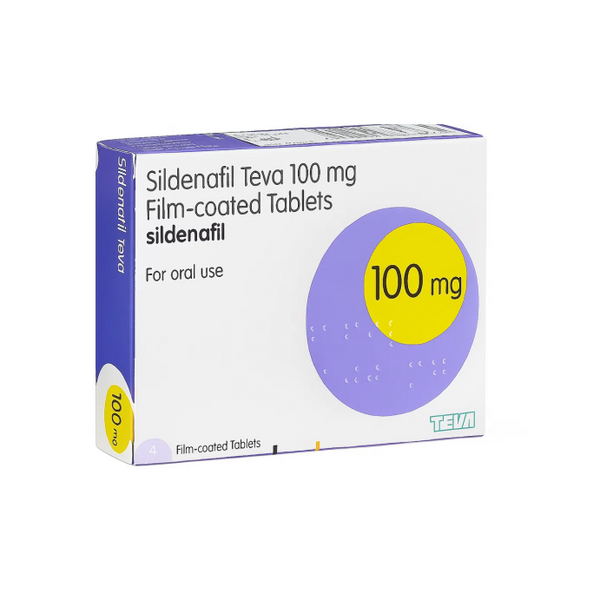
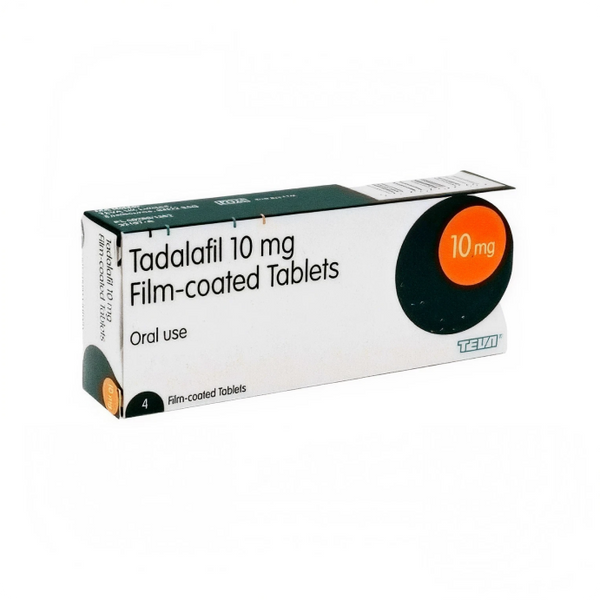
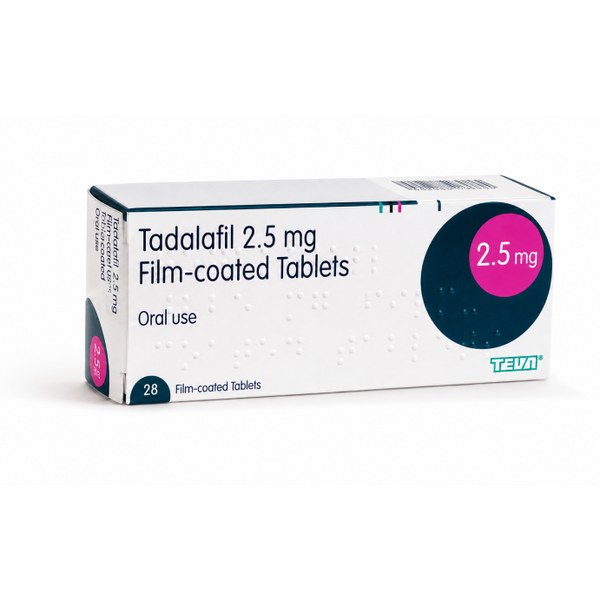
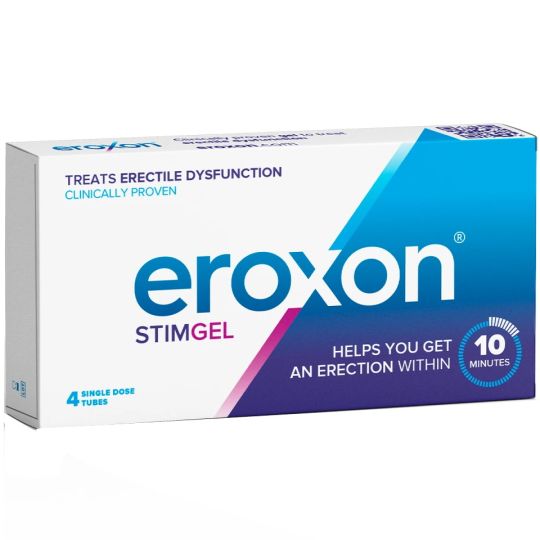
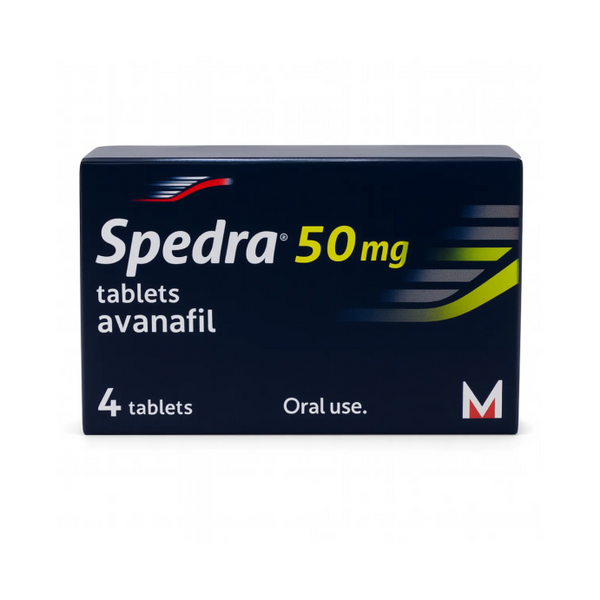
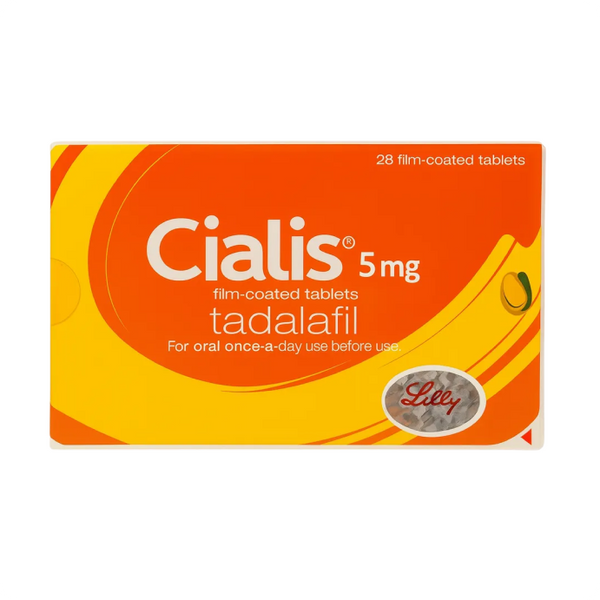
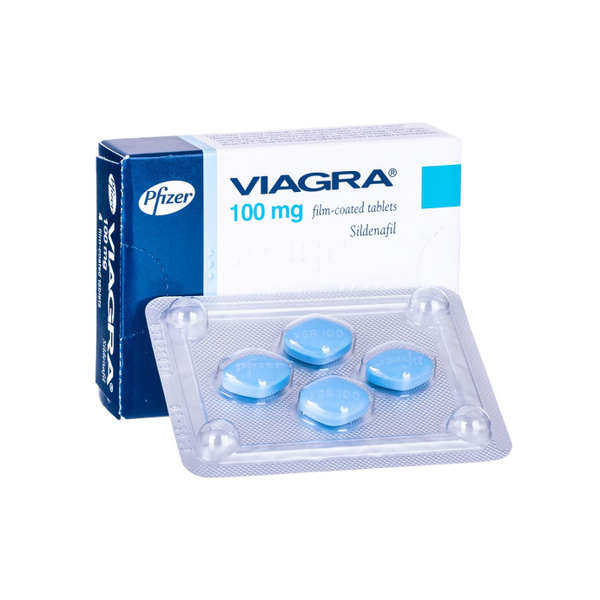
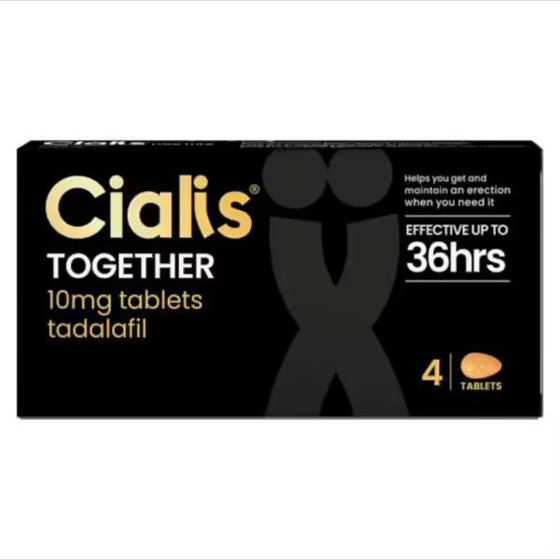
The standard range of ED treatments remains relevant in your 50s, including PDE5 inhibitors such as sildenafil and tadalafil, vacuum erection devices and, where appropriate, other treatments such as alprostadil or penile implants. Which option is suitable depends on the underlying factors, your other health conditions, medicines you take and your response to treatment.
PDE5 inhibitors can support the natural erectile response when sexual stimulation is present. Vacuum devices work mechanically to draw blood into the erectile tissue and may be useful when tablets are unsuitable or ineffective. Alprostadil acts more directly on the erectile tissue and may be considered when oral treatment is not suitable or has not worked sufficiently. Penile implants are a specialist surgical option that may be considered when other treatments are unsuitable or unsuccessful.
Where conditions such as high blood pressure or diabetes are contributing, managing those conditions is also an important part of the overall approach. Lifestyle changes can be continued alongside medical treatment where appropriate.
| Factor | How it typically shows up in your 50s | What helps |
|---|---|---|
| Vascular health | Often an established, diagnosed condition by this age | Managing the condition directly, alongside ED treatment |
| Hormonal factors | Hormonal changes may become more relevant with age | Hormone testing where clinically appropriate |
| Prostate health | Increasingly common from this age onwards | Assessment covering both prostate and erectile symptoms together |
| Medication | Often several regular medications by now | Reviewing timing and alternatives with your prescriber |
| Psychological factors | Still genuinely relevant, not replaced by physical causes | Addressed alongside physical factors, not instead of them |
Talking to Your Partner at This Stage
Erectile difficulty in your 50s can arrive alongside other changes in your relationship, family life, or general routine, making it understandable if it feels like more than a purely physical issue even when the underlying cause is straightforward.
Being open with a partner rather than avoiding the topic may help reduce pressure and misunderstandings for most couples, as relationship issues can otherwise add extra strain, especially when ED is already present.
Experiencing this in your 50s is not automatically a sign of a broader issue. Dedicated counselling or therapy can help when stress, mental health concerns, or intimate difficulties are involved, and managing stress through therapy can ultimately improve erectile function.
Medical Disclaimer
This page is for general information only and is not a substitute for a one-to-one clinical assessment. It does not cover every possible cause and should not be used to self-diagnose or to start, stop or change any medication. If you experience an erection lasting more than 4 hours, this is a medical emergency: seek immediate care at A&E or call 999.
Frequently Asked Questions
Q: Is erectile dysfunction normal in your 50s?
Q: What causes erectile dysfunction in your 50s?
Q: Is erectile dysfunction in your 50s different from your 40s?
Q: Can losing an erection at 50 be a sign of cardiovascular disease?
Q: Does testosterone drop more in your 50s?
Q: Can an enlarged prostate cause erectile problems at 50?
Q: Is erectile dysfunction at 50 permanent?
Q: What tests happen at an ED assessment in your 50s?
Q: Can medication for blood pressure or cholesterol cause erectile dysfunction in your 50s?
Q: Are psychological causes still relevant to ED in your 50s?
Q: What treatment works best for ED in your 50s?
Q: Should I see a prescriber even if I think it is just my age?
Q: Can lifestyle changes still help erectile dysfunction in your 50s?
Q: How is erectile dysfunction different in your 50s compared to your 60s and beyond?
Q: Can starting treatment in your 50s still make a real difference?
How Long Does Spedra 100mg Last? Onset and Timing
Erectile Dysfunction in Your 30s: Causes & Treatment
Related Posts


Viagra Pharmacy UK: How Sildenafil Supply Works

Do You Need a Prescription for Viagra in the UK?

Can You Buy Viagra Over the Counter in the UK?


Viagra Price UK: Understanding Sildenafil Costs