ED and Hypertension: How High Blood Pressure Affects Erections
Yes, high blood pressure can cause ED, and there are two important routes to consider. The condition itself can damage the arteries an erection depends on, and some of the medicines used to treat it can also contribute. That is why erectile dysfunction and hypertension appear together so often, and why the fix is rarely a single change.
There is a second reason this matters. The NICE evidence summary lists high blood pressure among the physical causes of erectile dysfunction and notes that ED may be an early manifestation of coronary artery and peripheral vascular disease. Difficulty with erections can sometimes be a reason to check your blood pressure, particularly if it has not been measured recently.
This page explains the connection between hypertension and ED, which medicines are involved, what changes about treatment when your blood pressure is raised, and the interactions that matter.
Key things to know
- High blood pressure can damage blood vessels, including the arteries that supply erectile tissue. That is the main route from hypertension to ED.
- Some blood pressure medicines contribute separately. The NICE evidence summary names antihypertensive drugs among the causes of erectile dysfunction.
- ED can sometimes prompt a blood pressure check, particularly when hypertension has not previously been diagnosed. GOV.UK reported in March 2024 that around 3 in 10 people with high blood pressure in England remain undiagnosed, equating to 4.2 million people.
- High blood pressure often causes no obvious symptoms, so erection difficulty can sometimes be a reason to have your blood pressure checked.
- Well controlled high blood pressure does not usually rule out ED treatment. Uncontrolled high blood pressure can make you unsuitable for pharmacy supply of certain ED medicines, including sildenafil 50 mg.
- ED medicines must never be combined with nitrates, and there is a specific rule about alpha blockers.
- Never stop a blood pressure medicine yourself to find out whether it is the cause.
Can high blood pressure cause ED?
Yes. High blood pressure and erectile dysfunction are linked through the arteries, and the link runs in the direction you would expect: sustained raised pressure damages blood vessels, and erections depend entirely on blood vessels working properly.
The NICE evidence summary on erectile dysfunction identifies hypertension among the physical causes, alongside diabetes and radical prostatectomy. It also lists the risk factors erectile dysfunction shares with cardiovascular disease: lack of exercise, obesity, smoking, high cholesterol and metabolic syndrome.
So the answer to "does high blood pressure cause ED" is yes, but with a qualification. It is rarely the only factor. High blood pressure is rarely the only possible contributor to ED. Other factors can include weight, inactivity, alcohol, smoking, cardiovascular risk factors and medicines. Hypertension and erectile dysfunction usually arrive together as part of a wider vascular picture rather than as a single cause and effect.
How high blood pressure damages the erection mechanism
Sustained high pressure damages the endothelium, the thin inner lining of blood vessels. That lining is where nitric oxide is produced, and nitric oxide is an important signalling molecule involved in starting and maintaining an erection.
The sequence works like this. Nerve signals prompt the endothelium to release nitric oxide, which raises a chemical called cyclic GMP. Cyclic GMP relaxes the smooth muscle in the artery walls, blood flows into the erectile tissue, and the expansion compresses the veins that would otherwise drain it.
Damage to the blood-vessel lining can impair nitric oxide signalling, reducing smooth-muscle relaxation and blood flow into the erectile tissue. Over time, the arteries also become stiffer and narrower, limiting the volume of blood that can reach the erectile tissue even when nerve signals remain normal.
Why the penile arteries show it first
The arteries supplying the penis are relatively small, so changes in vascular function may affect erections before cardiovascular disease becomes clinically obvious.
That is the mechanical explanation behind the NICE observation that erectile dysfunction may be an early manifestation of coronary artery and peripheral vascular disease. This is one proposed explanation for why ED can sometimes appear before clinically recognised cardiovascular disease.
It also explains why treating the symptom alone is a missed opportunity: if raised pressure is damaging those arteries, it is damaging others too.
Is ED a sign of high blood pressure?
It can be, and this is the most practically useful thing on this page. Because hypertension itself often causes no obvious symptoms, ED can sometimes be a reason to have your blood pressure checked.
GOV.UK reported in March 2024 that high blood pressure affects an estimated 32% of adults, that approximately 3 in 10 of those remain undiagnosed, equating to 4.2 million people in England, and that the condition "rarely has any symptoms". The same publication described it as one of the largest known risk factors for cardiovascular disease, which causes one in four deaths in England.
Put those together: a common condition, usually silent, affecting nearly a third of adults, with millions undiagnosed. Erection difficulty may instead be a sign of underlying vascular risk, which is why checking blood pressure and other cardiovascular risk factors can be appropriate.
What to do if you have not had your blood pressure checked
Get it measured before assuming the cause is anything else. It is quick, and it changes what happens next in two ways: it may explain the difficulty with erections, and it may reveal a condition that requires treatment regardless.
NICE sets treatment targets rather than a single normal figure. For people under 80, the target is a clinic reading below 140/90 mmHg, or below 135/85 mmHg on ambulatory or home monitoring. For people aged 80 and over, the targets are below 150/90 mmHg in the clinic and below 145/85 mmHg in ambulatory or home monitoring.
NICE considers a clinic reading of 180/120 mmHg or more to be severe hypertension requiring prompt assessment for target-organ damage. Same-day specialist review is needed if there are signs or symptoms requiring urgent referral.
If you are diagnosed with high blood pressure, your healthcare provider will discuss options to treat high blood pressure, which may include lifestyle changes such as adopting a healthy diet and regular exercise. In some cases, high blood pressure medication or blood pressure drugs may be prescribed to help lower your blood pressure and reduce the risk of complications like heart attack or stroke.
Monitoring your blood pressure regularly and adhering to prescribed antihypertensive therapy is essential for overall health and to prevent complications related to high blood pressure. If you experience any new symptoms or side effects from blood pressure drugs, inform your healthcare provider promptly to adjust your treatment plan safely.
The link between ED and high blood pressure: two separate routes
The connection between hypertension and ED runs through two independent pathways, and confusing them is why many men get stuck. One is the disease, the other is the treatment. Understanding which applies to you decides what actually helps.
| Route | What happens | What helps |
|---|---|---|
| The condition itself | Raised pressure damages the artery lining, reducing nitric oxide and narrowing vessels | Lowering blood pressure, lifestyle change, time |
| The medicines | Certain classes reduce erectile function through their own mechanisms | A prescriber review of which class you are on |
| Shared risk factors | Weight, inactivity, smoking, cholesterol drive both conditions | Addressing the risk factor treats both |
| The anxiety layer | Learning you have a heart risk factor is itself worrying, and anxiety interferes separately | Assessment, information, sometimes short term treatment |
Most men have more than one route in play. That is why "I started tablets for blood pressure and this began" and "my arteries are the problem" are often both true at once.
High blood pressure and impotence: the same question in an older word
Impotence is the older term for erectile dysfunction, so everything here about high blood pressure and impotence applies equally. The link between hypertension and impotence is the same arterial link in different vocabulary.
The word is worth retiring for one reason. "Impotence" sounds like a fixed state, whereas ED caused by raised blood pressure is usually a treatable circulation problem with a specific mechanism behind it.
Which blood pressure medicines can cause ED?
Some classes are more associated with erectile dysfunction than others, and the NICE evidence summary on erectile dysfunction names antihypertensive drugs among the causes. The class you are in matters, which is why this is a conversation worth having rather than a reason to stop treatment.
NICE sets out blood pressure treatment in steps. Step 1 treatment is usually an ACE inhibitor or ARB, or a calcium-channel blocker, depending on factors such as age, type 2 diabetes and family origin. Step 2 adds a second of those or a thiazide-like diuretic. Step 3 combines all three. Step 4 may add low-dose spironolactone when potassium is 4.5 mmol/L or less, or an alpha blocker or beta blocker when potassium is above 4.5 mmol/L.
| Class | Where it sits in NICE steps | Relevance to erectile function |
|---|---|---|
| Thiazide-like diuretics | Steps 2 and 3 | Long recognised as contributing in some men |
| Beta blockers | Step 4, or for other indications | Long recognised as contributing in some men |
| ACE inhibitors | Step 1 onwards | Less commonly implicated |
| Angiotensin receptor blockers | Step 1 onwards | Less commonly implicated |
| Calcium channel blockers | Step 1 onwards | Less commonly implicated |
| Alpha blockers | Step 4 | Important for a different reason, see the interaction section below |
The practical point is that the medicines most associated with the problem are not usually the first ones prescribed. If your difficulty began after starting or changing a blood pressure medicine, that timing is worth discussing with your prescriber.
Never stop a blood pressure medicine to test this
This is the most important safety message on the page. Stopping antihypertensive treatment without medical advice can cause your blood pressure to rise and may increase your cardiovascular risk. Uncontrolled hypertension is considerably more dangerous than erectile dysfunction.
What to do instead:
- Write down when the difficulty started and what changed in your prescriptions in the weeks before.
- Take the full list to your prescriber, including anything bought without a prescription.
- Ask specifically whether a different class within the same step is an option.
- Ask what your last readings were and whether you are at target.
- Give any change several weeks before judging the result.
A prescriber may be able to switch you to another suitable medicine if a particular drug appears to be contributing to ED.
ED treatment when you have high blood pressure
Well controlled high blood pressure does not usually prevent ED treatment. Uncontrolled high blood pressure can affect whether certain ED medicines can be supplied through a pharmacy, although treatment decisions depend on the individual medicine and clinical circumstances.
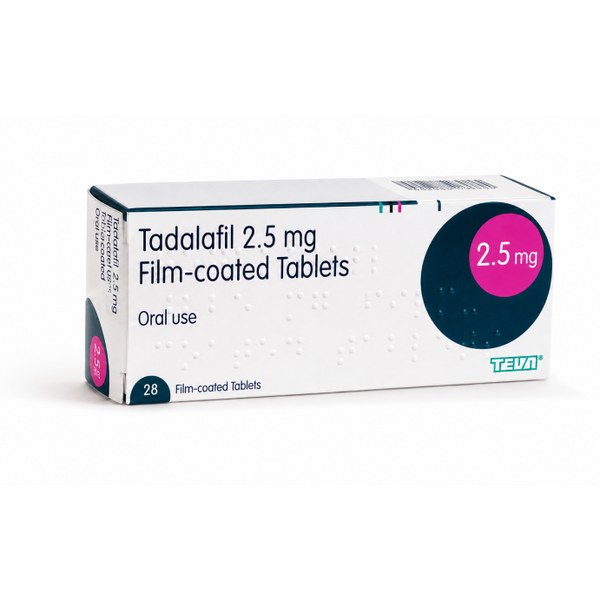
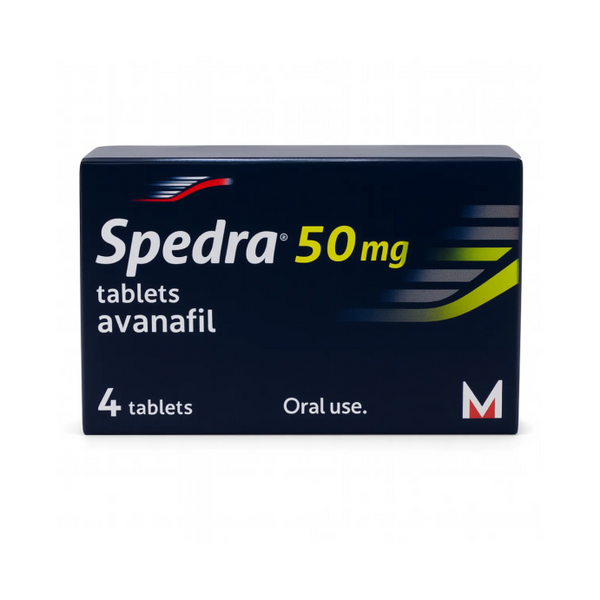
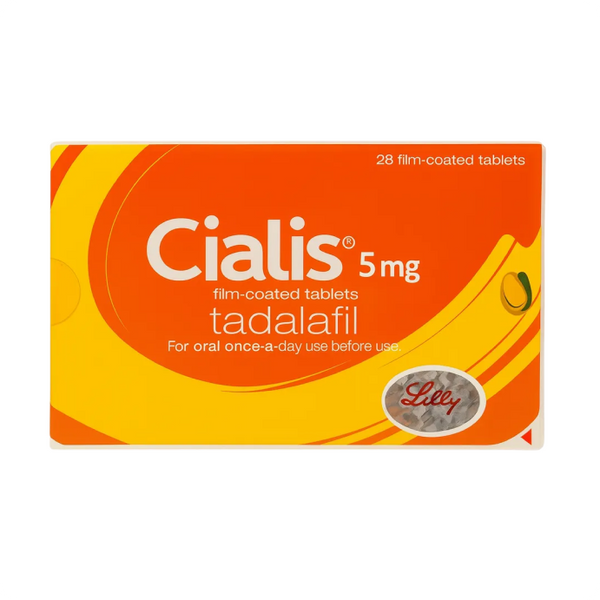
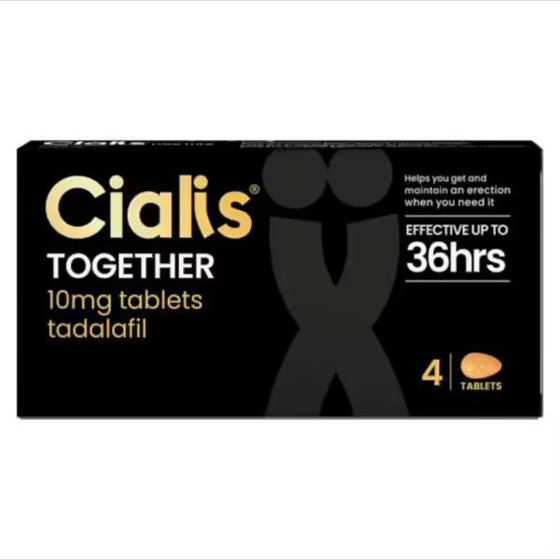
The NICE evidence summary describes first line drug treatment for erectile dysfunction as an oral PDE5 inhibitor: avanafil, sildenafil, tadalafil or vardenafil. These work by slowing the breakdown of cyclic GMP, which is the same step that raises blood pressure.
Controlled compared with uncontrolled hypertension
MHRA assessment documentation for pharmacy supply of sildenafil 50mg states that men "with uncontrolled hypertension (high blood pressure), moderate to severe valvular disease" are not suitable for supply. The same documentation indicates that men with "asymptomatic controlled hypertension" and mild valvular disease may be considered suitable, provided other criteria are met.
That is a meaningful distinction for anyone seeking treatment while managing blood pressure. Being on antihypertensive medication is not itself a barrier. Having blood pressure that is not yet under control is.
Blood pressure should be assessed and managed alongside the ED. Whether an ED medicine is suitable depends on your blood pressure, cardiovascular health, other medicines and individual risk factors.
The alpha blocker rule
MHRA documentation states that "use of sildenafil at the same time as alpha-blocker medicines may lead to symptomatic hypotension in a few susceptible individuals". It goes further for pharmacy supply, stating that the product "must not be supplied to men taking CYP3A4 inhibitors and alpha-blockers, and these men should be referred to their doctor".
Alpha blockers appear at step 4 of NICE hypertension treatment and are also used for prostate symptoms, so this affects a substantial group of older men. Both medicines lower blood pressure, and together the combined effect can be more than expected.
This does not make the combination impossible. It makes it a prescriber decision requiring assessment, not something to arrange through a route designed for straightforward cases.
Nitrates: the absolute contraindication
MHRA documentation states that using PDE5 inhibitor medicines at the same time as nitrates or nitric oxide donors, such as glyceryl trinitrate, isosorbide mononitrate or nicorandil, "can lead to a dangerous fall in blood pressure".
This matters disproportionately here, because men with high blood pressure are more likely to also have angina, and nitrates are used for angina. The interaction applies whether the nitrate is taken regularly or only occasionally for chest pain.
PDE5 inhibitors must not be taken together with nitrates or nitric oxide donors because the combination can cause a dangerous fall in blood pressure. If you have taken a PDE5 inhibitor and later need emergency treatment with nitrates, tell the medical team which medicine you took and when.
Other exclusions worth knowing
The MHRA sets out further exclusions where sildenafil 50mg or tadalafil 10mg is supplied by a pharmacist: severe cardiovascular disorders, high cardiovascular risk, liver failure, severe kidney failure, a history of vision loss or an inherited eye disease, and certain interacting medicines.
Treatment suitability depends on an individual clinical assessment. Your prescriber will determine the appropriate treatment, and these medicines should only be used under the supervision of an appropriately qualified prescriber. Results vary between individuals.
Do ED treatments work if high blood pressure is the cause?
Generally yes, though the evidence shows response varies with how much vascular damage has accumulated. PDE5 inhibitors can improve erectile function by enhancing the cGMP pathway involved in erections, even when vascular problems contribute to ED.
MHRA documentation for sildenafil 50mg records that more than 8,000 patients aged 19 to 87 took part in the trial programme, with the safety profile based on more than 9,000 patients across more than 70 double blind, placebo controlled studies. In fixed dose studies, improved erections were reported by 62% on 25mg, 74% on 50mg and 82% on 100mg, against 25% on placebo.
The honest caveat comes from a related population. In avanafil trials described in the NICE evidence summary, response on the main effectiveness endpoint was 57.1% for avanafil 100mg against 27.0% for placebo among 646 randomised participants in a general population, but 34.4% against 20.5% among 390 men with diabetes. Where vascular and nerve damage is more established, response is lower.
PDE5 inhibitors can be effective, although response varies between individuals and may be affected by the underlying causes of ED. That is an argument for getting blood pressure controlled sooner rather than later. One further point: MHRA documentation records 40.8% reporting improved function after the first dose, rising to 78.4% after several doses.
A single disappointing attempt does not necessarily mean that sildenafil will not work. In the evidence reviewed by the MHRA, some men reported improvement after the first dose, while others improved only after several doses.
For more on how these medicines work and their legal status, see our guide to what an ED pill is and how ED pills work.
How to improve blood pressure and erections at the same time
The changes that lower blood pressure are largely the same ones that improve erectile function, so ED and blood pressure can be addressed with one set of actions rather than two.
The NICE evidence summary states that all men with erectile dysfunction should receive appropriate counselling on risk reduction and lifestyle modification, particularly taking exercise or losing weight. Both of those also lower blood pressure.
What helps both
- Reaching and holding a healthier weight. Reduces blood pressure and addresses one of the shared risk factors NICE names. Where excess weight is a significant driver, structured weight management targets the cause of both conditions rather than either symptom.
- Regular physical activity. Lowers blood pressure and improves the vascular function erections depend on.
- Reducing excessive alcohol intake can lower blood pressure and may also benefit erectile function.
- Reducing salt intake. Acts on blood pressure directly.
- Stopping smoking. Protects the artery lining that produces nitric oxide.
- Treating cholesterol. NICE names high cholesterol among the shared risk factors.
These changes usually take time, but they address cardiovascular and metabolic risk factors that can contribute to both conditions.
What does not help
Supplements marketed specifically for blood pressure or erections should not be treated as substitutes for licensed medical treatment. Products bought from unregulated sources may also contain undeclared or incorrect ingredients.
In February 2026 the MHRA reported seizing around 19.5 million doses of illegal erectile dysfunction pills between 2021 and 2025, stating that such products "may contain no active ingredient, the wrong dose, hidden drugs or toxic ingredients". Its Criminal Enforcement Unit added that unlicensed ED medicines can be especially dangerous for people with heart disease or high blood pressure.
You can check your eligibility for erectile dysfunction treatment through an online consultation with UK registered prescribers, and a legitimate service will ask about your blood pressure and current medicines before making any decision.
Red flags: when to seek help promptly
Do not manage this alone if any of the following apply:
- A clinic blood pressure reading of 180/120 mmHg or more, which NICE considers severe hypertension requiring prompt assessment for target-organ damage. Same-day specialist review is needed if there are signs or symptoms that indicate an urgent problem.
- Chest pain, breathlessness or palpitations, especially on exertion.
- Pain in the calves or thighs when walking that eases with rest.
- Book a medication review if ED began after starting or changing a blood pressure medicine.
- Severe dizziness, fainting or light headedness, particularly if you take an alpha blocker.
- Sudden loss of vision, or sudden hearing loss.
- An erection lasting more than four hours, known as priapism, which needs urgent medical attention.
The fifth point deserves attention in this group. Feeling faint after taking an ED medicine alongside blood-pressure treatment should be discussed promptly with a healthcare professional, particularly if you take an alpha blocker.
On the fourth, a Drug Safety Update published on 11 May 2026 strengthened MHRA warnings for finasteride and dutasteride, used for prostate enlargement and hair loss, stating that erectile dysfunction is among the side effects that may persist even after treatment is stopped.
If you also take medicines for prostate symptoms, include these in your medication list because some can contribute to sexual side effects or interact with ED treatment.
If you are unsure whether this will settle on its own, our guide to whether ED goes away on its own sets out the timelines by cause.
Medical Disclaimer
This article is general information and does not replace personalised medical advice. It gives no dosing instructions and should not be used to self prescribe, self medicate, or to start, stop or change any medicine, including blood pressure medication.
Erectile dysfunction linked to high blood pressure can have several contributing causes, some of which need medical investigation. Suitability for any treatment depends on an individual clinical assessment by an appropriately qualified prescriber, who will consider your medical history, current medicines, blood pressure control and cardiovascular health. Results vary between individuals.
If you experience chest pain, an erection lasting more than four hours, sudden vision loss or sudden hearing loss, seek urgent medical attention. A clinic blood pressure reading of 180/120 mmHg or more requires prompt assessment for possible target-organ damage, with same-day specialist review if there are relevant symptoms or signs.
Frequently Asked Questions
Q: Can high blood pressure cause ED?
Q: Does high blood pressure cause ED directly, or is it the medication?
Q: Can hypertension cause erectile dysfunction even if I feel fine?
Q: Can ED be a sign of high blood pressure?
Q: What is the link between ED and high blood pressure?
Q: Which blood pressure tablets cause impotence?
Q: Should I stop my blood pressure medicine if it is causing ED?
Q: Can I take ED medication with high blood pressure?
Q: Can I take ED medication with alpha blockers?
Q: Can I take ED medication with nitrates?
Q: Will ED caused by high blood pressure go away if I control my blood pressure?
Q: Do ED tablets raise or lower blood pressure?
Q: Does hypertension cause erectile dysfunction in younger men?
Q: What should I do first if I have ED and high blood pressure?
Early Signs and Symptoms of Erectile Dysfunction (ED)
How to Improve Erectile Dysfunction: What Actually Works
Related Posts


Cheap Tadalafil UK: How to Compare Prices Safely