ED Treatment: What Actually Works and How It is Chosen
- Online consultation with UK-registered prescribers to find the right option for you
- Registered UK pharmacy, with discreet and secure ordering
- A range of licensed treatment options, offered only where clinically appropriate
- Honest, evidence-led guidance covering every stage of treatment, not just tablets
ED treatment covers more ground than most men expect before they look into it. Tablets are the most familiar option, but they are one part of a wider picture that includes non-drug treatments, lifestyle steps, and addressing whatever is actually driving the difficulty. What is right for one man is not automatically right for another, since ED treatment for men depends heavily on the underlying cause, general health, and personal preference, which is why a proper assessment sits at the centre of all of it.
This guide covers the full range of ED treatment options, how they are chosen, what is new in the field, and what you can do yourself alongside any treatment you have.
Key things to know
- ED treatment includes tablet options, non-drug options, and addressing underlying causes, not just one route.
- The right treatment depends on what is causing the difficulty, which is why an assessment comes before treatment, not after.
- Tablets are not the only effective option, non-drug treatments can work as well or better for some men.
- Whether ED resolves permanently depends on the underlying cause, not on which treatment you choose.
- Lifestyle steps and clinical treatment work best together, not as alternatives to each other.
How ED Treatment Works: The Assessment Comes First
Effective ED treatment starts with working out what is likely driving the difficulty, since that shapes everything that follows. A GP, pharmacist or online prescriber will typically ask about the pattern of your symptoms, your medical and sexual history, general health, current medicines, and lifestyle factors such as smoking and alcohol, and may check blood pressure or arrange blood tests depending on what comes up.
This matters because erection problems can sometimes point to underlying health conditions such as heart disease, so treating the wrong thing, or jumping straight to a tablet without understanding why the difficulty is happening, often means missing something that needs its own attention.
What an Online Assessment for ED Treatment Involves
If you go the online route rather than seeing a GP in person, the process is still built around a genuine assessment rather than a formality. It typically involves answering questions about your symptoms, general health, current medicines, relevant medical history, sexual history and risk factors, not just ticking a basic checklist, which a UK-registered prescriber then reviews individually before deciding whether a treatment is appropriate and, if so, which one.
A legitimate service will sometimes say no, or ask follow-up questions, rather than approving every request automatically, since that is what makes it a real clinical assessment rather than just an order form.
How Long Does ED Treatment Take to Work?
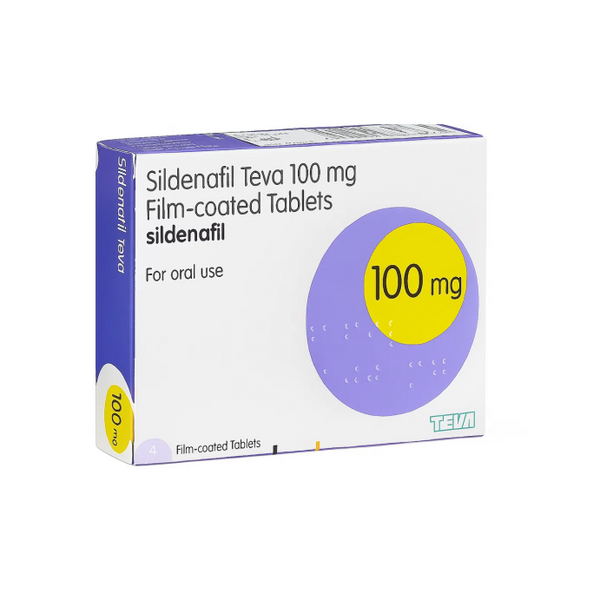
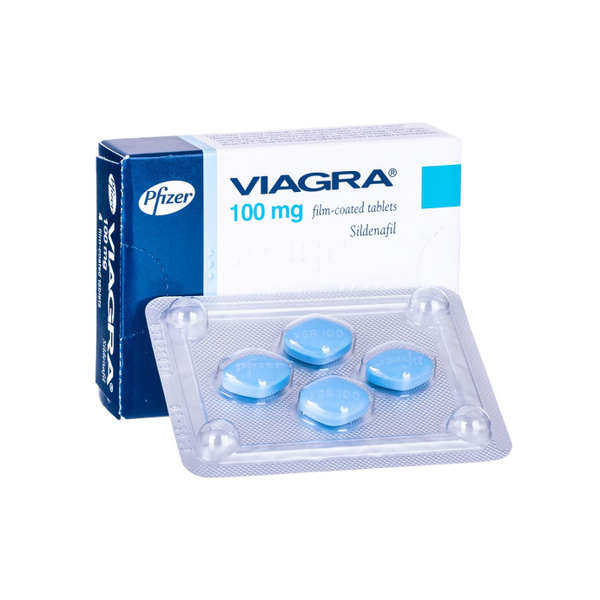
This varies by treatment type. Oral medicines generally work within the same session, but timing varies by product. Sildenafil is usually taken about 1 hour before sex and can continue to work for around 4 to 5 hours, although individual responses vary. Non-drug options like vacuum devices can also act quickly at the point of use.
Lifestyle and underlying-cause treatment is different: improvements from stopping smoking, losing weight, or better managing a condition like diabetes typically build over weeks to a few months rather than appearing immediately, which is worth knowing so you do not judge a lifestyle-based approach against the timeline of a tablet.
Getting Started With ED Treatment
If you are not sure where to begin, the practical starting point is usually the same regardless of what eventually helps: a proper assessment, whether that is with a GP, a pharmacist, or an online prescriber. From there, treatment might mean a tablet, a non-drug option, addressing an underlying condition, lifestyle changes, or some combination, decided based on your particular circumstances rather than worked out through trial and error on your own.
There is no need to try everything yourself first before it is "worth" getting help, and there is no need to wait for symptoms to become severe before looking into it either.
Tablet Treatments (PDE5 Inhibitors)
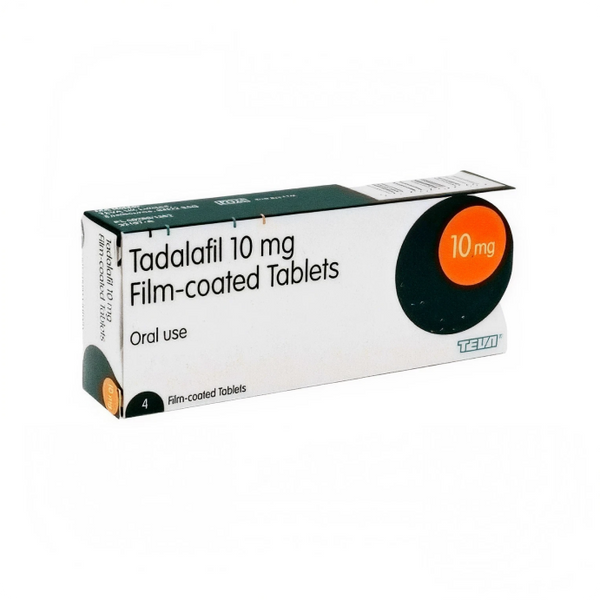
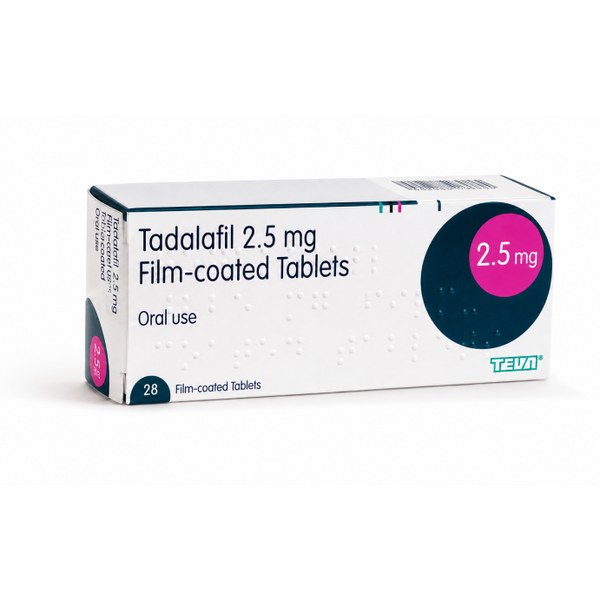
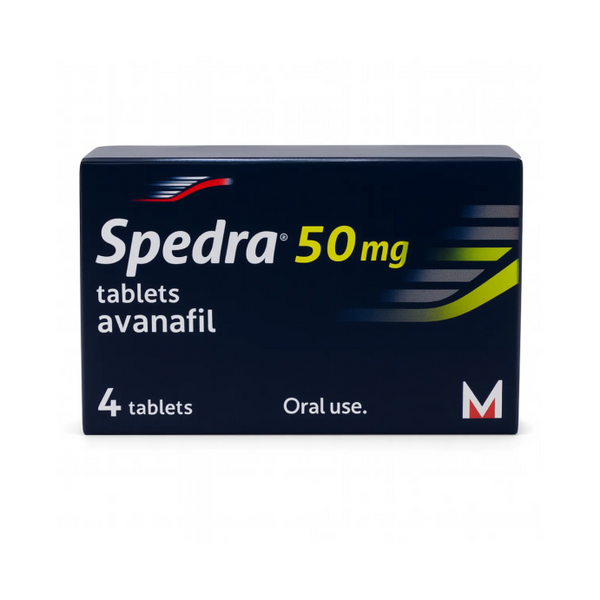
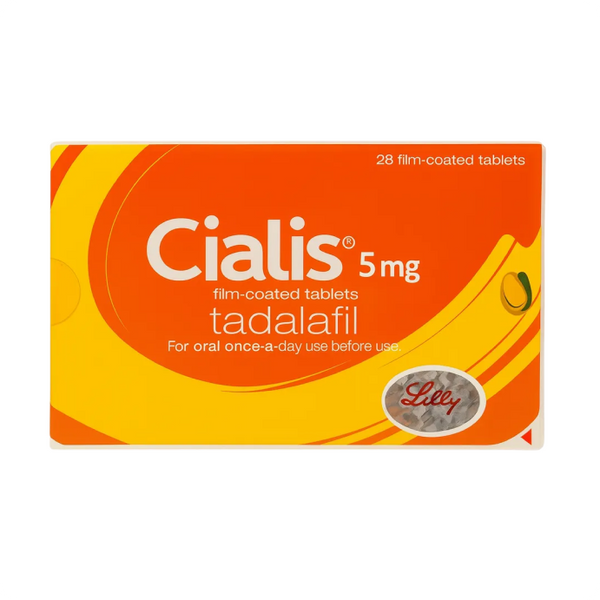
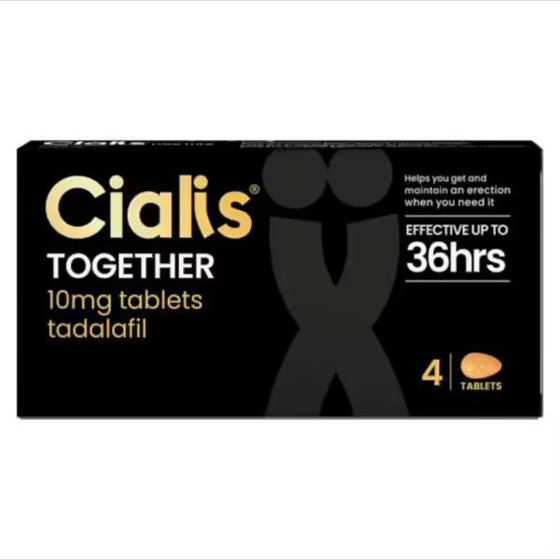
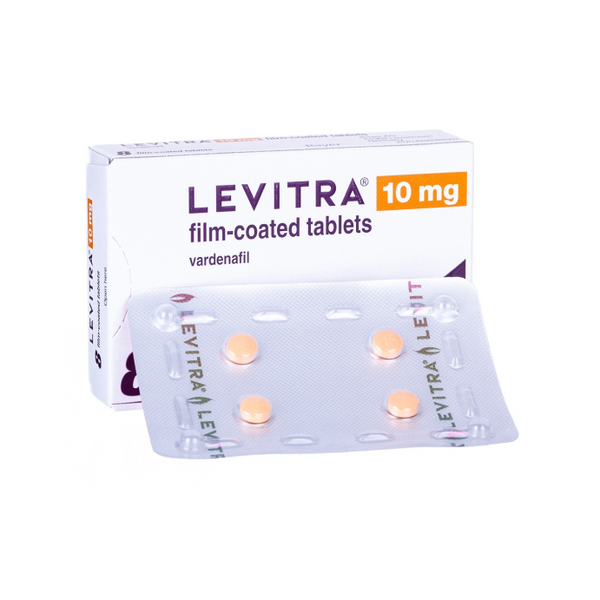
Tablet treatments, known clinically as PDE5 inhibitors, are the most commonly used first-line prescribed option among oral medications. They work by supporting the body's natural erectile response rather than creating one artificially, which is why they require sexual stimulation and help increase blood flow to the penis by improving penile blood flow rather than causing an erection directly. Taken before intercourse, they are prescribed following an appropriate assessment, with the specific medicine and dose depending on your individual circumstances.
PDE5 inhibitors are effective for many men, although response varies between individuals and can depend on the medicine, dose, timing and correct use. Some men may stop or change their first tablet treatment because it does not work well enough for them or because of side effects. That is a normal part of finding the right fit, not a sign that treatment has failed or that nothing else is available.
Non-Tablet Treatment Options
Vacuum erection devices
A vacuum erection device draws blood into the penis mechanically, with a constriction ring then used to help maintain the erection. The ring helps keep the penis firm enough for intercourse and can help some men get an erection without medication.
Published evidence puts response rates as high as 90%, genuinely comparable to, and in some comparisons higher than, tablet treatments.
The trade-off tends to be acceptability and the mechanics of use rather than effectiveness, which is worth knowing if you assumed tablets were simply "the best" option by default.
Alprostadil
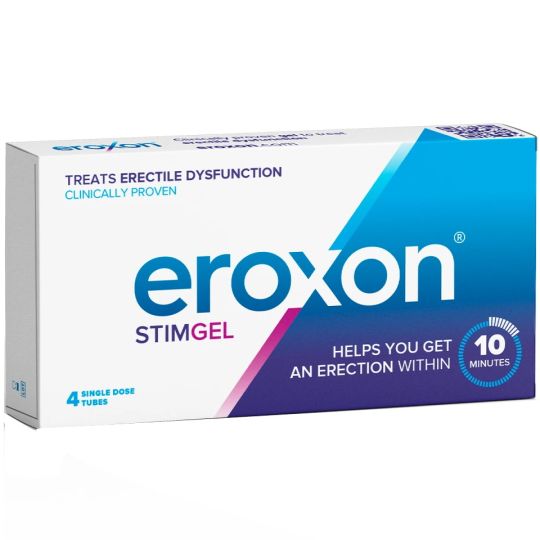
Alprostadil works differently from PDE5 inhibitors: it acts directly on the erectile tissue rather than relying on the body's own arousal signal, which means it can be an option where tablets are not suitable or have not worked. Depending on the formulation and where it is available, it can be used as a small pellet inserted into the urethra, as a topical cream, or as an injection into the erectile tissue. Injection treatment should only be started after professional instruction, with the first use supervised by a clinician where appropriate.
Intracavernosal alprostadil can produce erections in more than 70% of men in published studies. Intraurethral alprostadil can start working within around 10 to 15 minutes, although response varies. Alprostadil should only be combined with other ED treatments if specifically advised by a healthcare professional. Side effects can include pain and, rarely, a prolonged or painful erection that needs urgent medical attention.
What is Latest in Erectile Dysfunction Treatments?
If you have seen mentions of newer approaches, it is worth knowing where things genuinely stand rather than taking marketing claims at face value. Low-intensity shockwave therapy is the most talked-about emerging option: it remains outside routine UK care, evidence is still developing, and studies so far have generally involved men with mild-to-moderate ED, with results limited by small sample sizes and short follow-up periods.
Regulatory marking on a device (UKCA or CE marking) confirms that the relevant regulatory requirements have been met, it does not by itself prove that the treatment is effective for ED. It is worth treating "latest" or "breakthrough" claims around any ED treatment with some scepticism until an option is properly established, rather than assuming newer automatically means better. Some newer approaches are still limited to research settings or clinical trials rather than established routine care.
Treating Underlying Causes and Related Health Conditions
Because ED is often linked to wider health, treatment sometimes involves more than a direct ED-specific option:
- Diabetes, high blood pressure and high cholesterol are all linked to ED through their effect on blood vessels, so managing these conditions well is part of managing ED itself, not a separate issue
- Hormone levels, particularly when low testosterone is suspected, are sometimes assessed and testosterone replacement therapy is considered only if blood tests confirm levels are genuinely low
- Medicines for other conditions, including some used for blood pressure or mood, can contribute to ED, so reviewing current medicines with a prescriber is sometimes part of the picture
- Mental health, including anxiety, stress and low mood, is treated as a legitimate treatment target in its own right, not a lesser explanation for the difficulty
Surgical Options (Last Resort): Penile Implants and More
Penile implants are a surgical treatment considered only when other treatments have not worked or are not suitable. It is a last-resort route arranged with specialist input rather than something offered early in treatment, and it is not something a general guide like this needs to cover in detail, beyond confirming it exists as an option if you reach that point with a specialist.
What You Can Do Yourself Alongside Treatment
Lifestyle steps are not a lesser alternative to clinical treatment, they are part of effective ED treatment for most men, whether used alone for milder cases or alongside a prescribed option. Steps with genuine evidence behind them include stopping smoking, moderating alcohol, regular physical activity, losing excess weight where relevant, pelvic floor exercises (particularly effective where an erection starts normally but does not hold), and managing stress. A diet high in fruits and vegetables can also help improve erectile dysfunction, and maintaining a slimmer waistline is linked with better erectile function.
Managing stress may also mean getting extra support, as counseling can help reduce performance anxiety in men, and psychosexual counseling can help with intimacy or self-esteem issues with a partner. These typically show results over weeks to months rather than days, and continuing them alongside any clinical treatment generally supports better results.
Supplements marketed specifically for ED are worth approaching with caution. They are not regulated as medicines, reliable evidence for most of them is limited or absent, and some can interact with other medicines or health conditions. Some products sold for ED may also contain hidden ingredients, including unapproved active substances that can cause dangerously low blood pressure. If you are tempted to try one, mention it to a pharmacist first.
Is There a Permanent ED Treatment?
Whether ED resolves for good depends on the cause, not on which treatment you pick. Erectile dysfunction, meaning difficulty getting or being able to maintain an erection suitable for intercourse, may improve for the long term where a specific, removable trigger is involved, such as a particular medicine, heavy drinking, or a period of high stress, sometimes without needing ongoing treatment.
Where the cause is an ongoing condition, such as diabetes or cardiovascular disease, ED is usually something that is managed long-term rather than permanently cured outright, in the same way the underlying condition itself is managed. Be wary of anything that promises a universal permanent fix regardless of cause, since that is not how ED treatment genuinely works.
ED Treatment for Different Men
What is driving erectile dysfunction (ED), and what treatment is likely to prioritise, can genuinely differ, from one man to another. Premature ejaculation can also coexist with ED and may need separate attention.
Stress, anxiety, lifestyle factors and relationship difficulties can contribute to ED in younger and older men alike, while conditions such as diabetes and cardiovascular disease can contribute at any age. Where a physical component is involved, tablets or non-drug options may be considered alongside management of the underlying condition. Where psychological factors are important, psychological or psychosexual support may also form part of treatment.
This is part of why men's health services built around an individual assessment tend to serve men better than a one-size-fits-all product.
Combining Treatments
For many men, the most effective approach combines lifestyle changes with oral medications or other medical treatments as part of treatment for erectile dysfunction.
Different erectile dysfunction treatments may be combined based on response and suitability.
You do not need to "earn" clinical treatment by trying lifestyle changes first for months, starting both together is a reasonable and common approach if that is what you would prefer.
Staying Safe: Avoiding Counterfeit Medicines
ED treatment is a category in which counterfeit and unlicensed medicines can be a concern, so it's worth knowing the warning signs of an unsafe source: no assessment or prescription where one is required, ED medicines advertised openly without appropriate clinical checks, pressure tactics or unrealistic delivery promises, and no verifiable UK pharmacy registration.
Prescription-only ED medicines should be supplied through a legitimate pharmacy following an appropriate clinical assessment and prescription where required.
When to Seek Help Sooner Rather Than Later
Most ED symptoms are not an emergency, but a few situations need more urgent attention. An erection that is painful and lasts more than 3 to 4 hours needs urgent medical care because prolonged erections can cause permanent damage if not treated quickly.
If ED occurs alongside chest pain, severe breathlessness, fainting or other symptoms suggesting a medical emergency, particularly during physical activity or intimacy, call 999.
Medical Disclaimer
This article is for general information and educational purposes only. It is not intended to replace professional medical advice, diagnosis, or treatment. Erectile dysfunction can have different underlying causes, and the most appropriate treatment depends on your individual health, medical history, medicines, and circumstances. Speak to a qualified healthcare professional before starting, stopping, or changing any treatment. If you have sudden or severe symptoms, or an erection lasting more than 3 to 4 hours, seek urgent medical attention.
Frequently Asked Questions
Q: What is the most effective ED treatment?
Q: How is ED treatment for men decided?
Q: Do I need tablets, or are there other options?
Q: What is the latest treatment for ED?
Q: Can ED be treated permanently?
Q: Can I treat ED at home without other treatments?
Q: Do supplements marketed for ED actually work?
Q: Does ED treatment differ for older vs younger men?
Q: Can lifestyle changes alone be enough?
Q: How do I know if a source of ED medicine is safe?
Q: How long does ED treatment take to start working?
Q: Do I need to try lifestyle changes before I am allowed treatment?
What Causes Impotence? Understanding Erectile Dysfunction
How to Fix ED: Why There is No One Universal Fix
Related Posts


Cheap Tadalafil UK: How to Compare Prices Safely