Erectile Dysfunction and Reproductive Health in Your 30s: Why It Happens and What to Do
Experiencing erectile dysfunction in your 30s can be unexpected, particularly because erection problems are often associated with older age. However, Erectile dysfunction can affect men in their 30s, although it becomes more common with age. Being in your mid-30s does not rule out either physical or psychological causes.
Erectile dysfunction means repeatedly having difficulty getting or maintaining an erection. An occasional problem does not necessarily indicate ED. Stress, tiredness and excessive alcohol can temporarily affect erections, and occasional difficulties are common. Persistent or recurring problems are more important to investigate, especially for men in their 30s who want to understand what may be causing ED, whether it points to a wider health issue, and what treatment options are available.
If you are experiencing erectile dysfunction in your mid-30s, it should not automatically be dismissed as anxiety or assumed to be an unavoidable part of getting older. Blood-vessel health, diabetes, high blood pressure, cholesterol, obesity, medicines, hormones, smoking, psychological wellbeing, certain medical conditions and other underlying health issues can all contribute, and many cases involve more than one factor.
Current European urology guidance recognises the association between ED and cardiovascular risk, including in younger men. That is why this article focuses on the main causes of ED in your 30s, related physical and psychological factors, when to see a doctor, how ED is assessed, lifestyle changes that may help, and the treatment options available. Persistent ED is worth assessing rather than simply treating in isolation, because early assessment can support both sexual health and overall health.
Is Erectile Dysfunction Normal in Your 30s?
Erectile dysfunction can happen in your 30s, but persistent ED should not simply be considered "normal" because of your age.
ED becomes more common as men get older, particularly after 40, but age is only one risk factor.
A man aged 32, 35 or 38 can develop ED because of physical health conditions, psychological factors, medicines or lifestyle factors. Research examining younger men with ED has found that both organic physical causes and psychological factors can be relevant, rather than ED in younger men being exclusively psychological.
The key distinction is between an occasional erection problem and a recurring pattern.
One difficult occasion following a stressful week, lack of sleep or excessive alcohol does not automatically indicate erectile dysfunction. If the difficulty keeps happening, becomes increasingly frequent or continues for an extended period, clinical assessment becomes more appropriate.
Causes of Erectile Dysfunction in Your Mid-30s
There is rarely one answer that applies to every man.
An erection requires coordinated activity involving blood vessels, nerves, hormones and psychological processes. Problems with blood circulation can reduce flow to the penis, while issues affecting the nervous system can disrupt the signals needed for arousal and erectile function.
Possible contributors include:
- Stress, anxiety or depression, which can lower sex drive, depression can also reduce libido and contribute to ED
- High blood pressure or high cholesterol
- Diabetes and metabolic problems
- Obesity or physical inactivity
- Smoking
- Excessive alcohol
- Sleep problems
- Hormone abnormalities, including low testosterone levels, hormonal imbalance can also affect thyroid hormone, reduce sex drive, and impair the physical mechanism needed for an erection
- Neurological conditions
- Certain medicines
- Cardiovascular and blood-vessel conditions
- Pelvic injury or previous surgery
European guidelines emphasise that the causes of erectile dysfunction are commonly multifactorial, meaning several of these factors may contribute at the same time.
For example, a man in his mid-30s might have mild vascular risk factors together with work-related stress. An initial physical reduction in erection quality can then create anxiety about future erections, causing psychological factors and physical problems to reinforce one another, so assessment should focus on the root cause rather than assuming a single explanation.

Can Stress Cause Erectile Dysfunction in Your 30s?
Yes.
Stress is one of the common temporary causes of erection problems identified by the NHS. Anxiety and depression, along with other mental health issues, can also contribute to persistent erectile dysfunction, and low self esteem or stress related triggers may make symptoms show up more in certain situations.
Your 30s can bring significant pressures involving work, finances, relationships, family responsibilities and sleep. When psychological stress becomes persistent, it may interfere with the processes required for a reliable erection.
A vicious cycle can also develop.
An erection difficulty happens once. You then worry that it will happen again. That worry makes it more difficult to relax during the next occasion, increasing the likelihood of another problem.
However, being stressed does not prove that ED is psychological. Physical and psychological causes frequently overlap, which is why persistent symptoms should not automatically be attributed to anxiety without considering general health.
Can Anxiety Cause ED in Your Mid-30s?
Yes. Anxiety disorders are recognised risk factors for erectile dysfunction, and anxiety can affect sexual performance while also creating broader performance issues, not just erection reliability.
Some men notice that erections are reliable in certain circumstances but difficult in others. Others continue to experience spontaneous or morning erections while having difficulties during intimate activity.
Patterns like these can provide useful information during an assessment, but they cannot establish the cause by themselves. Psychological issues, mental health conditions, and relationship issues can all contribute.
A man can have anxiety and an underlying physical contributor to ED at the same time.
For that reason, a proper assessment by a healthcare provider generally considers psychological wellbeing alongside cardiovascular health, medication, lifestyle and other medical factors.
Can Poor Cardiovascular Health Cause ED in Your 30s?
Yes, and this is particularly important in younger men.
Healthy erections depend heavily on healthy blood vessels and adequate blood flow to the penis. Conditions that damage blood vessels or interfere with their ability to widen can therefore contribute to ED.
Recognised risk factors include high blood pressure, abnormal cholesterol, diabetes, obesity, smoking and physical inactivity. Not getting enough exercise can worsen vascular health, while regular cardiovascular exercise can improve erectile function by improving circulation.
European urology guidance highlights ED as an important marker of cardiovascular health and reports that younger men, particularly those under 50, with erectile dysfunction can have increased cardiovascular risk.
This does not mean that a 35-year-old with ED automatically has heart disease. ED is more common in older men, but it can still be clinically relevant in men in their 30s.
A heart-healthy diet can reduce inflammation and support blood-vessel health relevant to erections.
It means persistent ED provides a useful opportunity to review blood pressure, blood sugar, cholesterol and other cardiovascular risk factors rather than assuming the problem exists only in the penis.
Can Erectile Dysfunction in Your 30s Be an Early Warning Sign?
Potentially.
Because the blood vessels involved in erectile function are closely linked to broader vascular health, ED can sometimes occur alongside cardiovascular or metabolic risk factors.
Current European guidelines state that erectile dysfunction is associated with cardiovascular disease and recommend assessing cardiovascular risk in men presenting with ED.
Cardiovascular risk factors may therefore be considered as part of an ED assessment, particularly when symptoms are persistent or unexplained.
For a younger man who previously had reliable erections and develops unexplained persistent ED, this makes medical assessment particularly worthwhile.
It does not mean something serious is necessarily wrong. It simply means the symptom can provide useful information about wider health.
Can High Blood Pressure Cause ED in Your 30s?
Yes.
High blood pressure can affect blood-vessel function and is a recognised risk factor for erectile dysfunction.
Hypertension does not occur only in older adults. A person can have raised blood pressure without obvious symptoms, making routine measurement important.
Some medicines used for cardiovascular conditions can also affect erectile function in certain patients.
If an erection problem starts after beginning or changing medication, discuss it with the prescriber. Do not stop blood-pressure treatment yourself.
Can High Cholesterol Cause Erectile Dysfunction at 35?
Yes. Abnormal cholesterol levels are another recognised cardiovascular risk factor associated with ED.
High cholesterol can contribute to changes in the arteries and vascular system over time. Because adequate blood flow is essential for developing and maintaining an erection, vascular changes can affect erectile function.
Someone in their 30s may have abnormal cholesterol without knowing it.
This is another reason persistent, unexplained ED can justify reviewing cardiovascular risk factors rather than assuming age makes physical causes unlikely.
Can Diabetes Cause Erectile Dysfunction in Your 30s?
Yes.
Diabetes can affect both the blood vessels and nerves involved in erections. Cambridge University Hospitals notes that vascular disease and nerve damage are important causes of ED among men with diabetes.
Type 2 diabetes can also occur alongside:
high blood pressure, abnormal cholesterol, obesity and other metabolic factors.
These conditions may compound one another.
If erectile dysfunction is accompanied by symptoms or risk factors suggesting diabetes, appropriate blood-glucose testing may form part of the clinical assessment. European guidelines recommend evaluating glucose alongside lipid profile and testosterone when looking for reversible ED risk factors.
Can Being Overweight Contribute to ED in Your 30s?
Yes.
Obesity is a recognised risk factor for erectile dysfunction and frequently occurs alongside other conditions affecting erectile health, including diabetes, high blood pressure and metabolic syndrome.
The relationship is therefore rarely as simple as excess weight directly causing every erection problem.
Weight, physical activity, cardiovascular health, hormone levels and metabolic health can interact.
Where medically appropriate, improving weight and cardiovascular fitness may form part of managing ED alongside any specific treatment required.
Can Smoking Cause Erectile Dysfunction in Your 30s?
Yes.
Smoking is an established risk factor for erectile dysfunction because of its effects on blood vessels and cardiovascular health.
This can be particularly important in a younger man who otherwise assumes that vascular ED cannot happen at his age.
Stopping smoking may therefore form part of ED management while also providing substantial benefits to cardiovascular and respiratory health.
Can Alcohol Cause ED in Your Mid-30s?
Yes, particularly temporarily.
The NHS identifies drinking too much alcohol as a common reason for occasional erection difficulties.
If erection problems happen mainly after heavy drinking, alcohol may be contributing.
Persistent ED when sober, however, deserves broader consideration.
Frequent excessive alcohol consumption may also interact with sleep, mood, cardiovascular health and other factors involved in erectile function, and cutting down to stay within 14 units a week may help if alcohol is contributing to the problem.
Can Lack of Sleep Affect Erections?
Sleep problems are recognised among factors associated with erectile dysfunction in current European guidance.
Poor sleep can also coexist with stress, fatigue, obesity and other health problems that influence erectile function.
If ED appeared during a prolonged period of inadequate sleep, improving sleep habits may be helpful, but persistent erection difficulties should not automatically be blamed entirely on tiredness.
Can Low Testosterone Cause Erectile Dysfunction in Your 30s?
Yes, but testosterone deficiency is only one possible cause.
Hormone problems are among the conditions recognised by the NHS as potential causes of recurring erection difficulties.
Low testosterone may become more relevant when ED occurs alongside other symptoms such as reduced desire, fewer spontaneous erections or other features suggesting hypogonadism.
However, ED alone does not prove testosterone is low.
Testosterone testing may be included in the assessment when clinically appropriate, particularly when ED occurs alongside symptoms suggesting testosterone deficiency.
Testosterone treatment should not be started simply because a man in his 30s has erection problems. Deficiency needs appropriate clinical and laboratory confirmation.
Can Medication Cause ED in Your 30s?
Yes.
Some medicines can contribute to erectile dysfunction. The NHS identifies medication side effects as one possible cause of erection problems, while UK hospital guidance notes that some treatments for blood pressure, depression and other conditions may affect erections, other medications, including some antidepressants, can also affect erections or sex drive.
The timing can be useful.
If your erection difficulties appeared shortly after starting a new medicine or increasing a dose, mention this during your assessment.
Do not stop prescribed medication yourself. The condition being treated may be much more important to your health than the side effect, and a clinician can determine whether an alternative is appropriate.
Does ED in Your 30s Mean Something Is Physically Wrong?
Not necessarily.
Erectile dysfunction can have:
predominantly physical causes, predominantly psychological causes, or a mixture of both.
Current European guidance specifically warns against treating organic and psychological ED as completely separate categories because mixed causes are common.
For example, a physical decline in erection quality may create anxiety. Anxiety can then worsen a problem that initially had a vascular or metabolic cause.
Likewise, significant stress may be the main initial trigger in someone who also has mildly raised blood pressure or another health risk.
This is why finding the underlying cause is more useful than attempting to diagnose yourself as having either "physical ED" or "anxiety ED."
What Are the Signs of Erectile Dysfunction in Your 30s?
The core symptoms are the same at 35 as they are at any other adult age.
ED generally involves recurring difficulty:
getting an erection, keeping an erection, or maintaining adequate firmness.
European guidance defines erectile dysfunction as persistent inability to attain and maintain an erection sufficient for satisfactory performance.
Some men notice the problem gradually.
You might initially experience erections becoming less reliable or losing firmness more easily before developing greater difficulty achieving an erection.
Others experience a sudden change, particularly when stress, anxiety, illness or medication is involved.
Neither pattern can establish the cause by itself.
Does Occasional ED at 35 Mean You Have Erectile Dysfunction?
No.
Occasionally struggling to get or keep an erection is common.
The NHS specifically states that most men occasionally experience this and that stress, tiredness or excessive alcohol are common temporary explanations.
What matters more is whether the problem:
keeps happening, becomes more frequent or continues over time.
If it was one unusual episode and normal erectile function returns, there may be little reason for concern.
Persistent or recurring symptoms deserve more attention.
What If You Still Have Morning Erections?
Having morning or spontaneous erections does not automatically rule out ED.
Information about when erections occur can help clinicians understand the pattern and possible causes, but no single observation can reliably distinguish physical from psychological ED.
A comprehensive ED assessment should include medical history, relevant psychological factors and the circumstances in which erection difficulties happen.
Therefore, "I still get morning erections" should not be used as proof that nothing physical could be contributing.
How Is Erectile Dysfunction in Your 30s Diagnosed?
Assessment usually begins with a detailed medical history to identify the underlying cause before choosing treatment options.
A healthcare professional may ask about:
when the difficulty started, how often it occurs, whether erections are difficult to achieve or maintain, medical conditions, medicines, smoking, alcohol, exercise, stress and psychological wellbeing.
Physical examination and basic health measurements may also be appropriate.
European guidance recommends considering a focused physical examination and appropriate laboratory testing, which may include blood glucose, lipid profile and total testosterone, depending on the clinical assessment.
NICE also recommends evaluating cardiovascular risk when assessing ED.
More specialised testing is generally reserved for particular circumstances rather than being required for everyone.
Should You See a Doctor About ED in Your 30s?
If erection problems keep happening, seeking a healthcare provider is sensible regardless of age.
Persistent ED is worth discussing with a healthcare professional.
For someone in their 30s, evaluation is useful for two reasons.
First, treatment can help improve erectile function.
Second, investigating ED may identify previously unrecognised problems involving blood pressure, cholesterol, diabetes, hormone levels or cardiovascular risk.
European guidance gives particular importance to cardiovascular risk assessment in younger men with erectile dysfunction.
Can Erectile Dysfunction in Your 30s Be Treated?
Yes.
Erectile dysfunction treatment depends on why ED is happening.
Current guidance recommends first identifying and managing reversible or modifiable risk factors where possible. This can include addressing cardiovascular risk, diabetes, lifestyle factors, medicines or psychological contributors.
There are several ways to treat ED, and the best approach is based on the cause. Specific treatment may then be used where appropriate to treat erectile dysfunction.
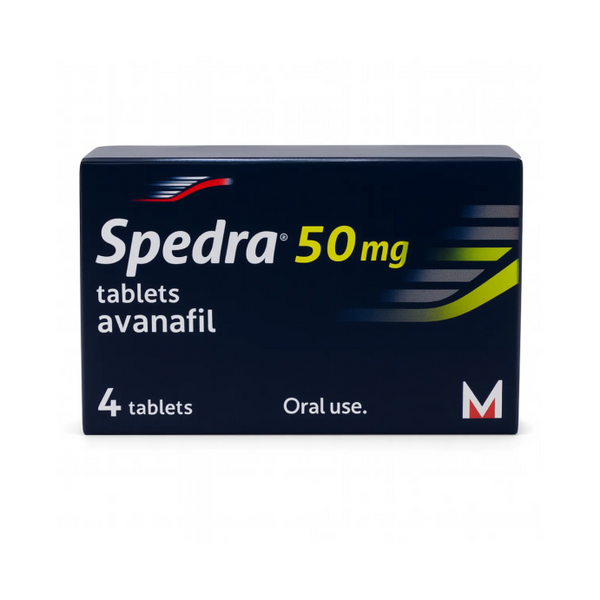
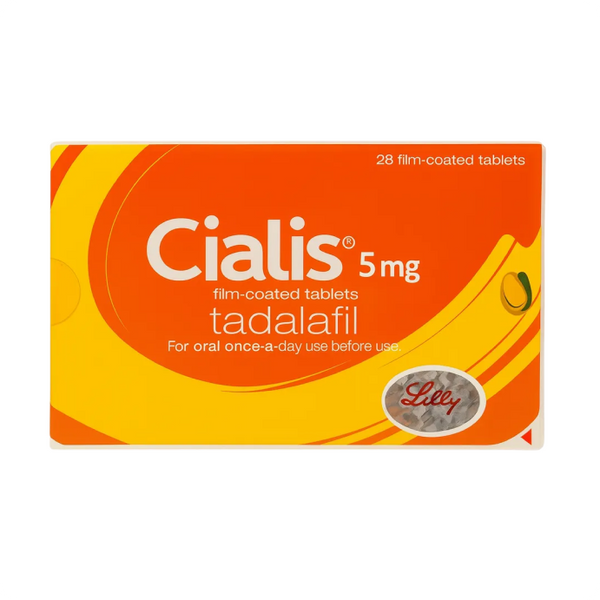
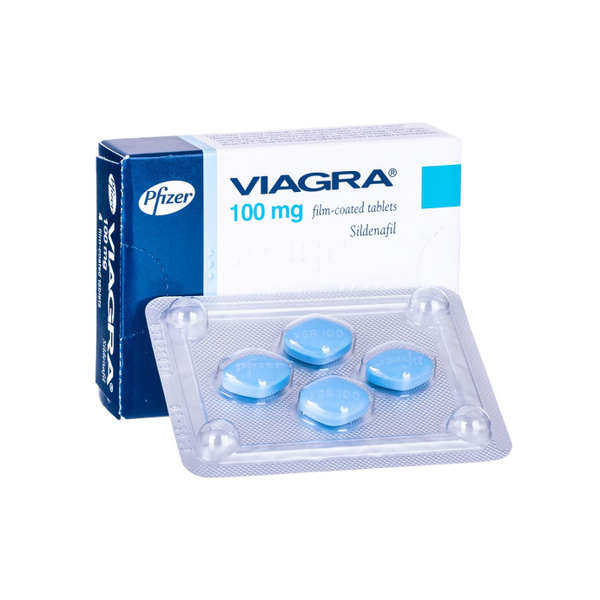
PDE5 inhibitors are established first-line medicines for many men with erectile dysfunction when they are medically suitable. Other options are available when tablets are inappropriate or ineffective.
Being in your 30s does not substantially change the fundamental treatment approach—the important issue is identifying the cause and choosing a treatment suited to your health.
Can Lifestyle Changes Improve ED in Your 30s?
They may, particularly when modifiable cardiovascular or metabolic factors are involved.
The NHS recommends measures including maintaining a healthy weight, eating well, exercising regularly, stopping smoking, moderating alcohol, avoiding illegal drugs, avoiding recreational drugs and reducing stress and anxiety as approaches that may help erection problems.
European guidelines similarly identify lack of exercise, obesity and smoking among ED risk factors.
Lifestyle changes cannot guarantee that persistent ED will disappear.
However, addressing these factors can improve general health and may improve erectile function, particularly where early vascular or metabolic problems are contributing.
Can Therapy Help ED in Your 30s?
Yes, particularly when anxiety, stress, depression or other psychological factors contribute.
The NHS notes that counselling and therapy can help when erection difficulties are associated with emotional or mental-health problems.
Therapy can also help when an originally physical erection difficulty has created persistent performance anxiety. Sex therapy may also be useful when anxiety, intimacy or relationship factors are contributing.
Treatment does not necessarily have to be either medication or psychological support. When mixed factors are involved, addressing both may be appropriate.
What Medicines Are Used for Erectile Dysfunction?
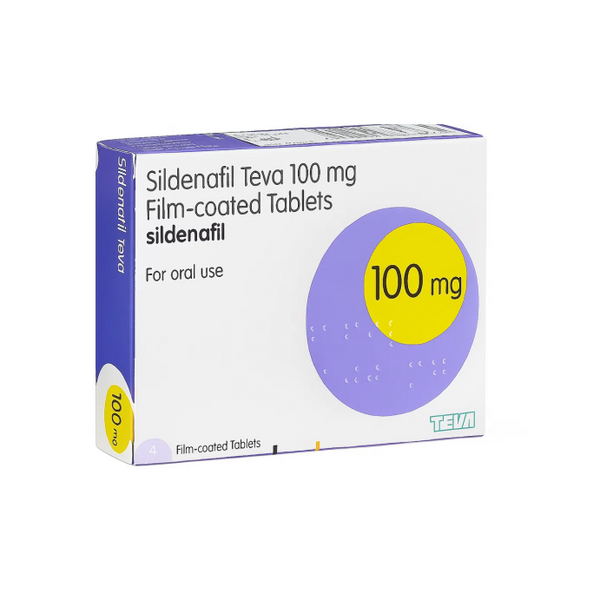
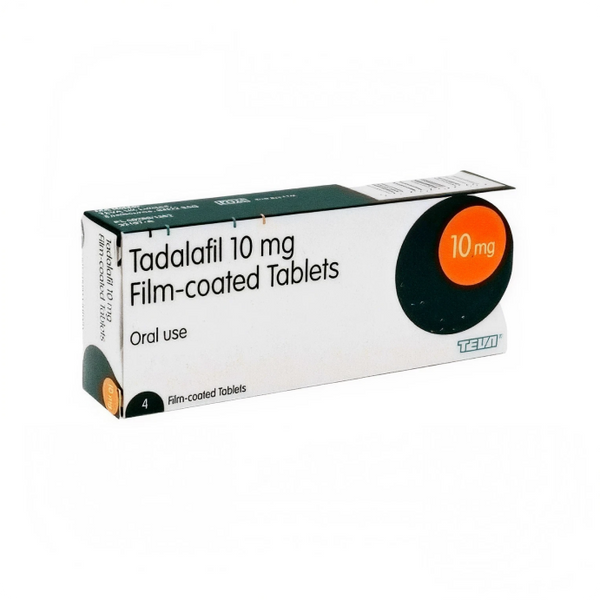
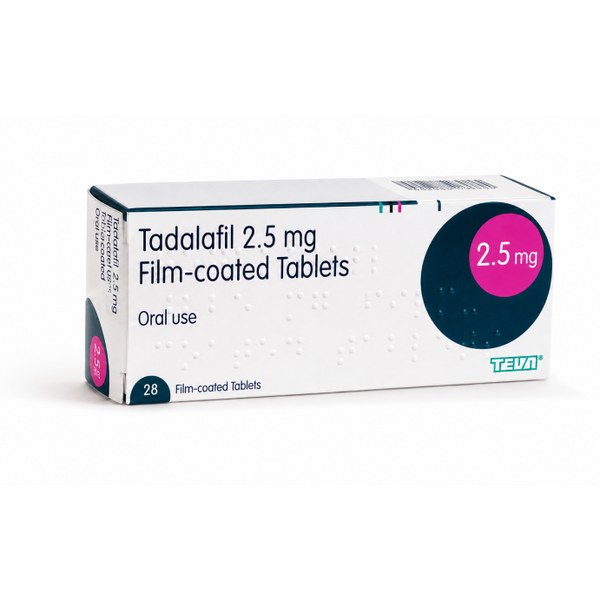
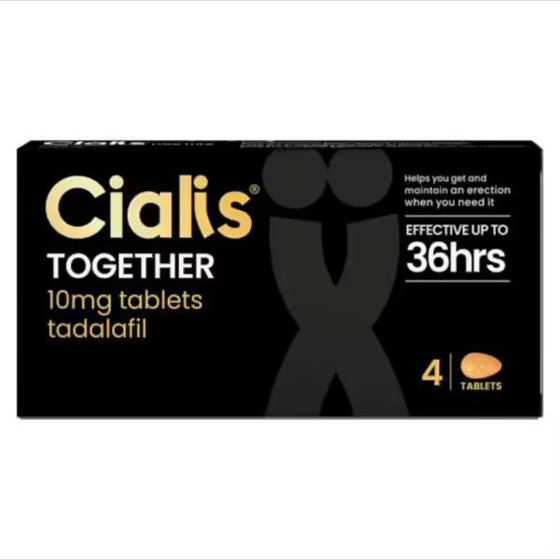
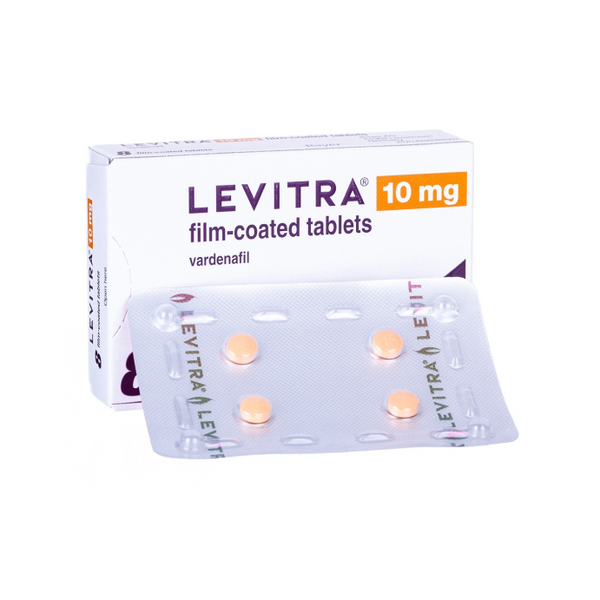
A group of medicines called PDE5 inhibitors is commonly used to treat ED. These include sildenafil and tadalafil. They support the physiological pathway that increases blood flow into erectile tissue when sexual stimulation occurs, so they do not normally produce an erection without sexual stimulation.
Tadalafil can remain effective for up to around 36 hours, providing a longer window in which sexual stimulation may result in an erection. PDE5 inhibitors can be effective for many men, but they are not suitable for everyone and may interact with other medicines or be inappropriate in some cardiovascular circumstances.
Other options are available when PDE5 inhibitors are unsuitable or do not work well enough. Vacuum erection devices work mechanically to draw blood into the erectile tissue, while alprostadil acts more directly on the erectile tissue. Medication generally manages the erectile difficulty rather than automatically curing the underlying cause, so contributing health factors should still be addressed where appropriate.
Can ED in Your Mid-30s Be Cured?
Sometimes, depending on the cause.
If ED is strongly related to a reversible factor—such as significant stress, a medication that can safely be changed or a modifiable lifestyle factor—erectile function may improve substantially when that issue is addressed.
Other cases require ongoing management.
For example, significant vascular, neurological or metabolic disease may need long-term treatment alongside specific ED therapy. Some men with severe physical problems may be offered penile implants, including inflatable implants, when other treatments fail.
There is therefore no universal permanent cure for erectile dysfunction in your 30s. Current guidance instead emphasises identifying reversible causes and choosing treatment according to the individual's underlying factors and preferences.
Frequently Asked Questions
Q: Can you have erectile dysfunction in your 30s?
Q: Is erectile dysfunction at 35 normal?
Q: What causes erectile dysfunction in your mid-30s?
Q: Is ED in your 30s usually psychological?
Q: Can stress cause ED at 35?
Q: Can high cholesterol cause ED in your 30s?
Q: Can diabetes cause ED in your 30s?
Q: Can low testosterone cause erectile dysfunction at 35?
Q: Is ED in your 30s a sign of heart disease?
Q: Can ED in your 30s go away?
Q: Should I worry about erectile dysfunction in my 30s?
Q: Can erectile dysfunction in your 30s be treated?
Q: Erectile Dysfunction in Your 30s: The Key Takeaway
Stress, anxiety and tiredness can cause temporary erection difficulties. Persistent ED, however, can also be associated with blood-vessel problems, diabetes, high blood pressure, abnormal cholesterol, obesity, smoking, medicines, hormone abnormalities and other physical conditions. Mixed physical and psychological causes are common.
One particularly important consideration for men in their 30s is cardiovascular health. Current European guidance reports an association between erectile dysfunction in younger men and increased cardiovascular risk, making persistent ED an opportunity to review wider health factors rather than treating it only as an erection problem.
If erection difficulty happens only occasionally, there may be no cause for concern. If it keeps happening, an appropriate assessment can check blood pressure, cardiovascular risk factors, diabetes risk, medicines, testosterone where indicated, lifestyle and psychological wellbeing.
Erectile dysfunction in your 30s is treatable. The most useful first step is identifying why it is happening, because treatment aimed at the underlying cause as well as the erection difficulty provides a more complete approach to long-term erectile and general health.
Erectile Dysfunction in Your 50s: What to Know
Spedra 100mg Tablets: Pack Sizes, Dosage and Price
Related Posts


Viagra Pharmacy UK: How Sildenafil Supply Works

Do You Need a Prescription for Viagra in the UK?

Can You Buy Viagra Over the Counter in the UK?


Viagra Price UK: Understanding Sildenafil Costs