Can't Get Erect? Causes, What It Means, and How to Get an Erection with ED
- Answers the question directly instead of opening with a mechanism lecture
- Separates the four patterns, cannot get erect, cannot stay erect, partial, and painful, because each means something different
- Covers pain on erection properly, which most pages ignore entirely, including when it needs urgent care
- Quotes MHRA wording that several attempts may be needed, which is why most people give up too early
If you cannot get erect, there may be a physical, psychological, medication-related or mixed cause, and many causes can be treated. That is the short answer, and it is worth having first.
Occasional difficulty is not a condition. Tiredness, alcohol, stress and illness all cause it, and it passes. What matters is the pattern. Difficulty on most occasions over weeks or months, particularly if morning erections have also become less frequent, is worth discussing with a healthcare professional because it can point to an underlying physical cause. That pattern is common, it has recognised causes, and NICE evidence summaries describe established treatment options for it.
One more thing, because it is the question people are most afraid to ask. Many men with erectile dysfunction can still get an erection some of the time, rather than losing erectile function completely. This page covers why it happens, what each pattern means, what pain on erection signals, and what helps. It also explains how mental health conditions and relationship issues can influence erectile dysfunction symptoms, and outlines available erectile dysfunction treatments including medical treatments, hormone therapy, and therapy.
Key things to know
- Occasional difficulty getting erect is normal and is not erectile dysfunction. NICE defines it as the persistent inability to attain and maintain an erection.
- Common contributors include vascular risk factors such as high blood pressure, high cholesterol and diabetes, prescribed medicines, smoking and psychological factors such as stress or anxiety.
- Many men with ED can still get an erection on some occasions, so erectile dysfunction does not necessarily mean losing erections completely.
- Struggling to get erect and struggling to stay erect can have different causes, so the distinction matters.
- Pain on erection is a separate matter from erectile dysfunction and needs assessment rather than treatment for ED.
- An erection lasting more than four hours needs urgent medical attention. The MHRA records that prolonged and sometimes painful erections lasting longer than four hours have occasionally been reported.
- Several attempts may be needed before treatment works. MHRA documentation records improvement in 40.8% of sildenafil 50mg users after the first dose, rising to 78.4% after several doses.
Why can't I get erect?
Five things account for most cases, and four of them are physical. Why can't I get hard is the same question with the same five answers.
An erection depends on coordinated nerve signals, blood flow and the erectile tissues trapping blood effectively. A problem at any of those points produces the same result, and the causes cluster into five groups.
- The arteries. The most common cause. Raised blood pressure, cholesterol and blood glucose, and smoking, damage the vessel lining, reducing the chemical signal that widens them.
- Prescribed medicines. The most reversible cause and the most frequently missed.
- Blood glucose and hormones. Diabetes affects nerves and vessels. Low testosterone and thyroid problems are less common but treatable when confirmed.
- Nerve pathways. Injury, spinal problems, diabetes over time, or treatment in the pelvic area.
- Stress and anxiety can activate the body's stress response, which can make it harder to achieve or maintain an erection.
The NICE evidence summary identifies physical causes including diabetes, high blood pressure and radical prostatectomy, alongside psychological causes and certain medicines. It states that it is important to identify any underlying disease or condition that may be causing it, which is why the first step is assessment rather than a tablet.
Is it normal to struggle to get erect sometimes?
Yes. Occasional difficulty is common at every age and is not erectile dysfunction.
NICE defines erectile dysfunction as the persistent inability to attain and maintain an erection. The word doing the work is persistent, so one difficult occasion, or a run of them during a stressful period, does not meet that definition. Three ordinary things make it more likely: alcohol, poor sleep and being unwell. If the difficulty tracks those, it usually resolves when they do.
What it means if you can not get a full erection
Partial rigidity can occur when blood flow is reduced, but it can also have psychological, medication-related or other causes.
The mechanism in plain terms: blood enters through the arteries and is held because the expanding tissue compresses the veins that would drain it. If arterial flow is reduced, the tissue fills but never reaches the pressure that seals the outflow, so the result is partial rather than absent. That matters, because the signal and the tissue work and only the volume of flow is short, which is what first line treatment addresses.
What it means if you do not get erect anymore
A complete change, sustained over months, with morning erections gone as well, is the pattern that most needs assessment rather than self management.
Two features make it more significant than partial difficulty. Morning erections occur without conscious sexual stimulation, so a persistent reduction in them can provide useful information during an assessment, although it does not by itself prove a physical cause. And a gradual, total change over months is the classic vascular pattern.
That is a reason to get blood pressure, cholesterol and blood glucose measured rather than working through the internet. The NICE evidence summary notes that erectile dysfunction may be an early manifestation of coronary artery and peripheral vascular disease, and the arteries involved are narrower, so narrowing shows there sooner.
Can you still get hard with ED?
Yes. Most men with erectile dysfunction can still get hard some of the time, and many can most of the time with treatment.
Erectile dysfunction is a spectrum, not a switch. NICE describes it as a persistent inability to attain and maintain, covering everything from occasional partial rigidity to consistent absence. If you can't get hard on some occasions and can on others, that is still within what the term covers, and most people using it are somewhere in the middle.
The trial evidence supports that. MHRA documentation for sildenafil 50mg records 40.8% reporting improved function after the first dose against 14.6% on placebo, rising to 78.4% against 46.7% after several doses.
Response is lower where nerve pathways are damaged rather than blood flow. In avanafil trials described in the NICE evidence summary, response on the main endpoint was 57.1% against 27.0% for placebo among 646 participants in a general population, but 23.4% against 8.9% among 298 men after prostate surgery. Lower, but not nothing.
Can't get or keep an erection: which is it?
Worth separating, because the two patterns point in different directions and the distinction changes the assessment.
| Pattern | What it suggests | What tends to help |
|---|---|---|
| Cannot get erect at all, morning erections gone | Possible physical cause, particularly vascular or nerve-related | Assessment first, then treatment |
| Cannot get a full erection | May reflect reduced blood flow, but other causes are possible | Usually responds well to first line treatment |
| Can get erect but cannot stay erect | Can have vascular, psychological, medication-related or other causes | Cause treatment plus first line treatment |
| Varies by occasion, fine at other times | Stress, alcohol, sleep or a situational factor | Address the driver before medicines |
Can't get hard, or can't get erect at all
If the erection does not start, the issue is at the signal or the arterial stage. Reduced or absent morning erections strengthen the case for a physical cause, since they do not depend on conscious input.
Can't stay erect
If it starts and then goes, the tissue is filling but not holding, which points towards outflow or towards adrenaline interrupting the process partway through. It is a common pattern with its own detail, covered in our guide to why you cannot keep an erection and what it means for your health.
What causes trouble getting an erection
The causes divide usefully by how reversible they are, rather than by organ system.
| Cause | Typical pattern | What may help |
|---|---|---|
| Prescribed medicine | May begin after a new medicine | Prescriber review |
| Alcohol | May be worse after drinking | Reducing alcohol |
| Poor sleep | May fluctuate with tiredness | Improving sleep |
| Stress, worry or low mood | Varies by situation, morning erections intact | Addressing psychological factors |
| Raised blood pressure or cholesterol | Gradual over months or years | Managing cardiovascular risk |
| Raised blood glucose or diabetes | May develop gradually | Diabetes management |
| Smoking | May develop gradually | Stopping smoking |
| Nerve damage | May follow injury, surgery or neurological disease | Treating the underlying condition where possible |
Read that ordering deliberately. The top four are most often missed and most likely to resolve completely, which is why assessment comes before treatment.
Medicines that cause trouble getting an erection
This is the most reversible cause, and the one people are least likely to consider.
The NICE evidence summary names antihypertensive drugs among the causes, including thiazide-like diuretics and beta blockers, which have the longest recognised association. The MHRA strengthened warnings for finasteride and dutasteride in a Drug Safety Update published on 11 May 2026, stating that difficulty having an erection is among the side effects that may persist even after treatment is stopped.
Certain prescribed medicines for high blood pressure, depression, and other medical conditions can cause erectile dysfunction as a side effect. It is important to diagnose erectile dysfunction properly to identify if medication is the underlying cause. Never stop a prescribed medicine on your own to test this. Stopping a blood pressure or heart medicine carries real risk, larger than the problem you are trying to solve. Take the question to the prescriber, who can often switch within the same treatment step.
One useful question: did anything change in your prescriptions in the year before this started?
When it is stress or worry rather than the arteries
Stress produces adrenaline, and adrenaline keeps the arteries constricted at rest. Since an erection requires those same arteries to widen, worry works directly against the mechanism rather than merely distracting from it. It is not a lesser cause or an imagined one, but a physiological process with a known pathway, and one of the more reversible causes on the list.
How to tell the difference
No test settles this, but three markers point one way or the other.
- Morning erections: Their presence may suggest that some erectile function remains intact, although they do not rule out physical causes.
- Consistency: Erections that vary considerably by situation can suggest a psychological or situational contribution, but physical and psychological factors can coexist.
- Onset: A sudden change after an identifiable stressful event may suggest a psychological contribution, while a gradual change can be seen with physical causes.
Two cautions. These often coexist, and a physical cause frequently produces worry that makes things worse. And this is not a self diagnosis exercise: if blood pressure, cholesterol and blood glucose have not been measured, they should be.
It hurts when I get erect: what that means
Pain on erection is not erectile dysfunction and should not be treated as it. It is a separate symptom with its own causes, needing assessment rather than an ED tablet.
The two get conflated constantly. Erectile dysfunction is difficulty producing or holding rigidity. Pain is a signal that something in the tissue, skin or structure needs looking at, and a medicine that improves blood flow does nothing for its cause. If it hurts to get erect, that is a reason to be seen, not a reason to buy treatment.
Peyronie's disease
Peyronie's disease is the most recognised cause of pain and bending on erection. NICE describes it as "a localised connective tissue disorder of unknown cause", involving the "formation of inelastic fibrous plaques within the erectile tissue of the penis", causing pain and making the penis bend or arc during erection.
NICE also records that it produces difficulty in attaining or maintaining erections, which is why it can look like erectile dysfunction while being something else. That overlap is why pain deserves its own assessment.
There is no NICE recommendation supporting shockwave therapy as established treatment for it. NICE examined extracorporeal shockwave therapy for Peyronie's disease and noted reported alleviation of pain and reduction of angulation, while stating that "good comparative data would be useful in establishing the efficacy of this procedure". That is a long way from an endorsement.
Peyronie's disease can be linked to underlying health conditions such as metabolic syndrome and vascular problems affecting blood vessels. It may also be associated with previous injury or inflammation in the penile area. Treatment methods focus on managing symptoms and improving function, including medication, injections, and in some cases, surgery.
Psychogenic erectile dysfunction may coexist with Peyronie's disease, especially when pain and deformity cause anxiety or distress. Addressing mental health problems alongside physical treatment can improve outcomes.
Lifestyle factors such as smoking and recreational drugs can worsen blood vessel health and contribute to erectile dysfunction impotence, including conditions like Peyronie's disease. Quitting smoking and avoiding illegal drugs are recommended.
Pelvic floor exercises are not a primary treatment for Peyronie's disease; treatment depends on the symptoms, degree of curvature and impact on sexual function. However, these are adjuncts rather than primary treatments for Peyronie's disease.
If you are experiencing pain or curvature during an erect penis, it is important to seek assessment from a healthcare professional to determine the cause and appropriate treatment.
Priapism: an erection lasting more than four hours
An erection lasting longer than four hours is a medical emergency and needs immediate attention, whether or not it is painful.
The MHRA records that prolonged and sometimes painful erections lasting longer than four hours, known as priapism, have occasionally been reported with sildenafil, and that anyone experiencing this should seek immediate medical assistance. Do not wait to see if it resolves. Prolonged erections can damage the tissue permanently, and the window in which that is avoidable is measured in hours.
Other reasons it hurts to get erect
Several other causes exist, and none is diagnosable from a website. They include tightness or inflammation of the foreskin, infection, inflammation of the prostate, previous injury, and skin conditions. The practical point is the same for all: pain, a lump, a change in shape, swelling, discharge or fever needs a clinical assessment. Treatment for erectile dysfunction is not the answer to any of them, and taking it may delay finding out what is.
How to get an erection with ED
Two things together: treat what is causing it, and use treatment that increases blood flow. NICE evidence summaries emphasise addressing lifestyle and possible underlying causes alongside appropriate treatment. The NICE evidence summary states that all men with erectile dysfunction should receive appropriate counselling on risk reduction and lifestyle modification, particularly taking exercise or losing weight, and a separate NICE evidence summary states that addressing lifestyle and other possible causes must precede or accompany drug treatment. Read that carefully: before or alongside, not instead of.
What to do first
Four steps, in this order, before concluding anything has failed.
- Get the basics measured. Blood pressure, cholesterol and blood glucose. If these have never been checked, this is the most valuable step on the page.
- Review your medicines with a prescriber. Particularly anything started in the year before the change. Do not stop anything yourself.
- Deal with alcohol and sleep. Both change quickly and both can resolve the problem outright when they are the driver.
- Get regular activity and work towards a healthier weight. The two changes NICE names specifically, acting on the arteries over months.
How to get hard with ED using treatment
Through an assessment, then first line treatment if it is appropriate for you.
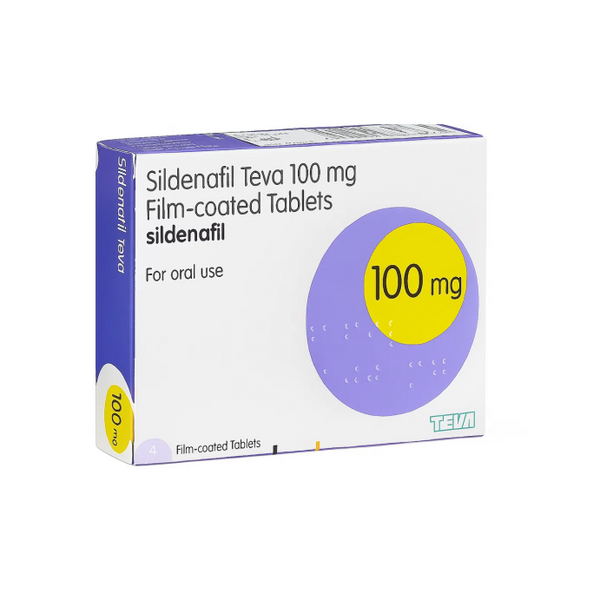
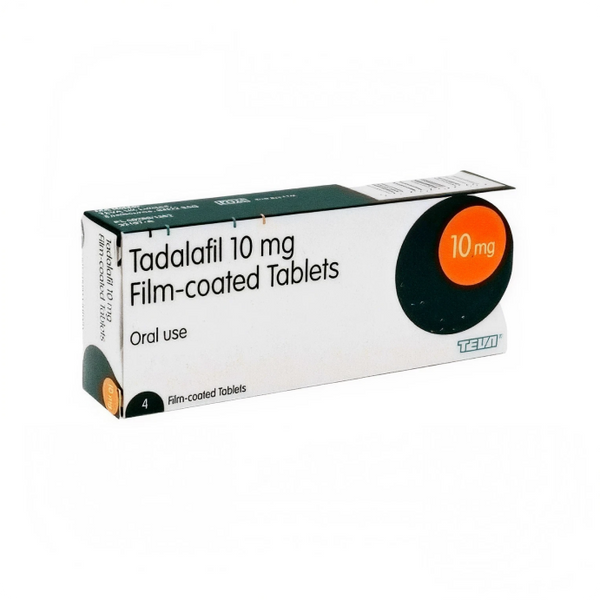
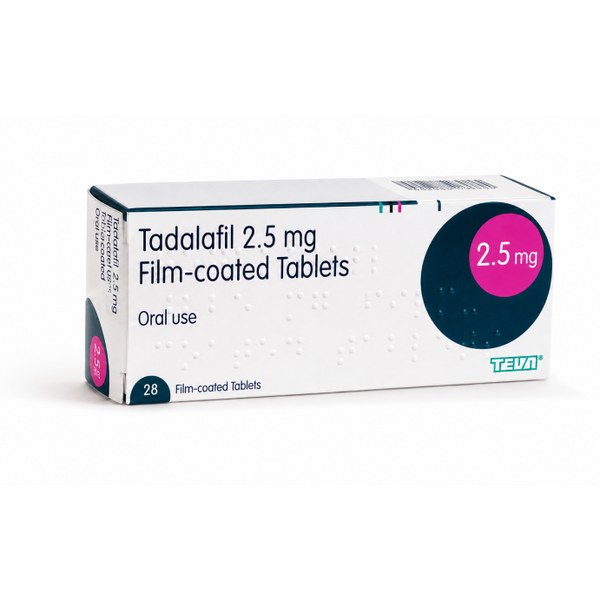
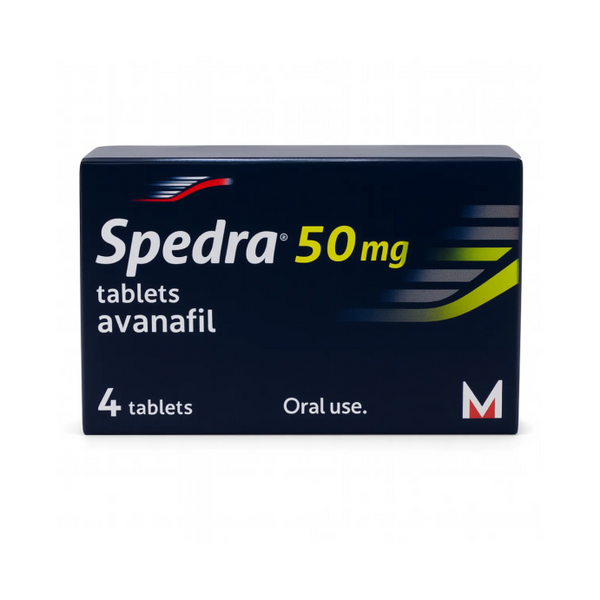
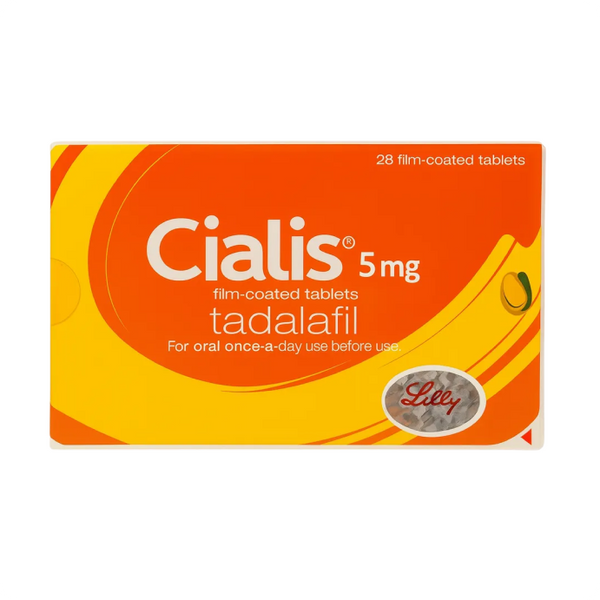
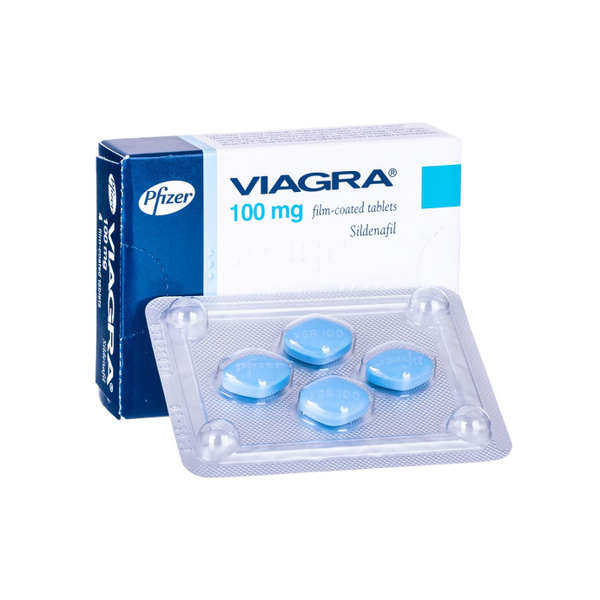
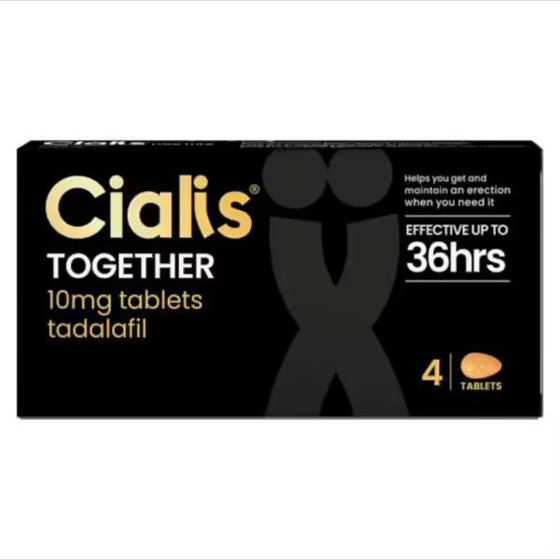
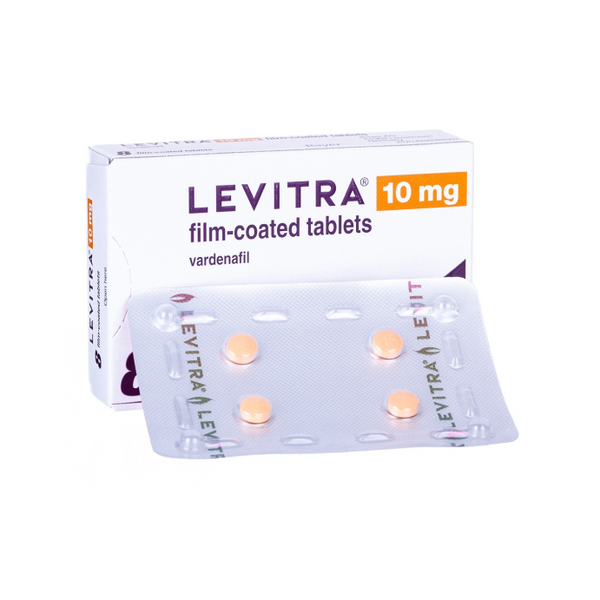
The NICE evidence summary describes first line drug treatment as an oral PDE5 inhibitor, naming avanafil, sildenafil, tadalafil and vardenafil. These medicines do not create the signal. They slow the enzyme that ends an erection so the body's own signal goes further, which is why they work even when blood flow is reduced.
Treatment suitability depends on an individual clinical assessment, and these medicines should only be used under the supervision of an appropriately qualified prescriber. Results vary between individuals.
One absolute limit. The MHRA states that sildenafil cannot be used at the same time as nitrates or nitric oxide donors, because the combination can lead to a dangerous fall in blood pressure. If you take a nitrate such as glyceryl trinitrate or isosorbide mononitrate, this group of medicines is not an option, and no dose makes it one. Never stop a heart medicine in order to take one.
Other treatments include vacuum pumps, which create a vacuum to increase blood flow to the penis and are successful in 90% of cases. Alprostadil injections or urethral suppositories may be offered if PDE5 inhibitors are not effective, with injections successful in 85% of men who do not respond to pills.
For some men with severe or treatment-resistant erectile dysfunction, penile prostheses, including inflatable implants, may be considered. They are surgical treatments and carry risks such as infection and mechanical problems. They are generally considered when other treatment options have failed or when a permanent solution is wanted.
Testosterone treatment may be considered when clinically significant testosterone deficiency has been confirmed and treatment is appropriate. Other hormonal or medical conditions should be treated when they are identified as contributing to ED.
Lifestyle changes play a crucial role in improving erectile dysfunction. Quitting smoking, reducing alcohol intake, managing weight, and regular exercise can improve blood vessel health and reduce risk factors. Men who cycle for long periods may benefit from taking breaks and ensuring their bicycle setup does not place excessive pressure on the perineal area.
If you are taking medication that may contribute to erectile dysfunction, such as certain antihypertensives used to treat high blood pressure, discuss alternatives with your healthcare provider rather than stopping medication yourself.
Using an online doctor service can provide convenient access to assessment and prescription for erectile dysfunction medications under the supervision of UK registered prescribers, ensuring safe and appropriate treatment.
Why repeated attempts matter
Because the regulator says several may be needed, and most people stop after one.
MHRA documentation for sildenafil 50mg states that patients "may need to take Sildenafil 50 mg a number of times on different occasions" before achieving an erection, with a maximum of one tablet in a day. The figures follow that pattern: 40.8% after the first dose, rising to 78.4% after several.
So a single disappointing attempt is not evidence that treatment does not work. It is one point in a sequence the regulator's own documentation expects to take several tries. Never take more than one tablet in a day to speed this up, and never double up on a missed occasion.
Addressing underlying causes such as mental health issues, including depression and performance anxiety, is essential alongside treatment. Psychological factors often contribute to male dysfunction and can be managed with therapies like cognitive behavioural therapy or sessions with a trained therapist.
Lifestyle factors also play a significant role. Conditions like atherosclerosis, which is the narrowing of blood vessels, can reduce blood flow and cause erection problems. Physical problems such as nerve damage from spinal cord injury or cancer treatments may also affect the nervous system pathways necessary for an erection firm enough for penetrative intercourse.
Medical treatments to manage erectile dysfunction include PDE5 inhibitors enhance the body's natural erection response and require sexual stimulation to work. Vacuum pumps and alprostadil injections are additional options when oral medications are not effective.
Maintaining a healthy lifestyle by quitting smoking, reducing alcohol intake, managing weight, and regular exercise can improve vascular health and reduce the risk of dysfunction. Men who cycle extensively might consider breaks to reduce pressure on the pelvic area.
Consulting healthcare professionals through the national health service or private clinics ensures safe diagnosis and treatment tailored to individual health needs. A thorough history helps identify contributing factors and guides appropriate interventions.
Using unregulated supplements or products purchased outside of licensed pharmacies is unsafe and not recommended. Avoid unregulated medicines or products bought from unauthorised sources. Use prescription treatments only as directed by an appropriately qualified prescriber.
Repeated attempts with prescribed treatments, combined with addressing physical and psychological causes, offer the best chance of restoring function and improving overall wellbeing.
What will not help
Worth stating plainly, because a great deal is sold on this topic.
- Supplements and foods marketed for ED are not established treatments in NICE guidance. NICE instead highlights lifestyle measures such as exercise and weight management.
- Tablets bought outside a regulated pharmacy. In February 2026 the MHRA reported seizing around 19.5 million doses of illegal erectile dysfunction pills between 2021 and 2025, stating that such products "may contain no active ingredient, the wrong dose, hidden drugs or toxic ingredients", and that unlicensed products can be especially dangerous for people with heart disease or high blood pressure.
- Waiting to see if it resolves, where the pattern is gradual and total. A persistent or worsening pattern can be a sign of an underlying vascular or other medical condition, so it is worth getting assessed rather than simply waiting indefinitely.
- A higher dose without assessment. Suitability and strength are clinical decisions, not purchasing ones.
When to get checked rather than manage it yourself
Seek advice promptly if any of the following apply:
- Pain when you get erect, or a lump, swelling or change in shape or curvature
- An erection lasting more than four hours, which needs urgent medical attention
- Chest pain, breathlessness or palpitations, especially on exertion
- Pain in the calves or thighs when walking that eases with rest
- A change within weeks of starting a new medicine
- Unexplained weight loss, excessive thirst or frequent urination
- Persistent low mood, or thoughts of harming yourself
- A complete change sustained over months, with morning erections absent
The cardiovascular items are there for a reason. The NICE evidence summary notes that erectile dysfunction may be an early manifestation of coronary artery and peripheral vascular disease, so this symptom can be the first noticeable sign of a circulation problem.
To find out whether treatment is appropriate for you, alongside the steps on this page, you can check your eligibility for erectile dysfunction treatment through an online consultation with UK registered prescribers. EveryDayMeds is a GPhC registered pharmacy, and clinical assessment happens before supply.
Medical Disclaimer
This article is general information and does not replace personalised medical advice. It gives no dosing instructions and should not be used to self-diagnose, self-prescribe, self-medicate, or to start, stop or change any medicine.
Difficulty getting an erection can have several causes, some needing medical investigation. Pain on erection is a separate symptom requiring clinical assessment rather than treatment for erectile dysfunction. Suitability for any treatment depends on an individual clinical assessment by an appropriately qualified prescriber, who will consider your medical history, current medicines and cardiovascular health. Results vary between individuals.
Never take more than the prescribed amount of any medicine, and never take an extra tablet to make up for one that did not appear to work.
If you experience chest pain, an erection lasting more than four hours, sudden vision loss or sudden hearing loss, seek urgent medical attention.
Frequently Asked Questions
Why can't I get erect?
I can't get erect anymore. What does that mean?
Is it normal to struggle to get erect sometimes?
Can you get hard with ED?
Why can't I get a full erection?
Why does it hurt when I get erect?
What should I do if an erection lasts more than four hours?
Can medicines cause trouble getting an erection?
How do I get an erection with ED?
How long does it take for ED treatment to work?
Can I take ED treatment if I take heart medication?
ED Treatment Options: How the Right One Is Chosen
ED in Young Men: How Common It Is and Why
Related Posts


Cheap Tadalafil UK: How to Compare Prices Safely