ED in Young Men: How Common It Is, What Causes It, and How to Fix It
- Publishes the actual UK figure for the young end of the age range, and says plainly where no figure exists.
- Covers causes specific to this age group, including medicines and substances older men rarely take.
- Explains why reversibility is higher in young men, and why the warning matters more rather than less.
- Quotes MHRA wording that anyone with ED should have a clinical review within six months.
ED in young men is less common than in older men, but it is not rare, and it is more likely to be reversible. Those three things are the honest summary, in that order.
The figure worth knowing is this. A European population study cited in the NICE evidence summary found erectile dysfunction in 19.2% of men aged 30 to 80, with a steep age related increase from 2.3% at the young end to 53.4% at the old end. So at around 30, roughly one man in forty. Common enough that you are not unusual, uncommon enough that it deserves looking into.
There is a second reason for that. In an older man, erectile dysfunction is often the expected result of years of accumulated vascular change affecting blood vessels and blood flow. In a young man, there may be an identifiable and potentially reversible cause, such as a medicine, substance, stress, poor sleep or an underlying health condition. Finding the cause early can make treatment more straightforward. This page covers how common it is, what causes it at this age, whether it can be reversed, and what medical treatments and lifestyle changes to treat erectile dysfunction are available.
Key things to know
- Erectile dysfunction in young men is real and recognised. NICE defines it as the persistent inability to attain and maintain an erection, at any age.
- The NICE evidence summary cites a prevalence of 2.3% at the young end of a 30 to 80 age range. NICE publishes no separate figure for men in their twenties.
- Some causes of ED in younger men may be identifiable and potentially reversible, particularly medicines, substances, alcohol, sleep problems and psychological factors.
- Some causes are specific to this age group, including medicines for hair loss and substances taken for training.
- Psychological factors such as stress and anxiety can affect the body's sexual response and make it harder to achieve or maintain an erection.
- MHRA documentation states that all men with erectile dysfunction should be advised to consult their doctor within six months for a clinical review.
- Treatment is for adults. MHRA documentation for sildenafil states it is for men aged 18 years and older and is not intended for men under 18.
Is ED common in young men?
Less common than in older men, but common enough that most men who experience it are not unusual. The published figures put the young end of the adult range at around 2.3%.
That comes from a European population study cited in the NICE evidence summary, which found erectile dysfunction in 19.2% of men aged 30 to 80 with an age related increase from 2.3% to 53.4%. A separate study it cites found 52% of men aged 40 to 70 reporting some degree of it. Read the 2.3% carefully: it applies to the youngest men in that study, not to men in their twenties, and it describes persistent difficulty rather than the occasional kind.
ED in young men statistics: what the UK data actually shows
Less than most pages claim, and this is worth saying plainly.
| Figure | What it actually measures | Source |
|---|---|---|
| 19.2% | Prevalence across men aged 30 to 80 | European population study cited by NICE |
| 2.3% | Prevalence at the young end of that 30 to 80 range | Same study |
| 53.4% | Prevalence at the old end of that range | Same study |
| 52% | Some degree of erectile dysfunction, men aged 40 to 70 | Separate study cited by NICE |
What is not in that table matters. The study NICE cites starts at 30, so there is no NICE prevalence figure for men in their twenties. Percentages presented online as official statistics for that group are not drawn from NICE or MHRA sources. That is a genuine gap rather than a hidden number, and anyone quoting a precise figure for men under 30 should be asked where it came from.
Can a 20 year old have ED?
Yes. Erectile dysfunction has no minimum age, and the NICE definition does not include one.
What differs at 20 is the likely cause, not the possibility. Established arterial narrowing takes years to develop, so ED at 25 or at 20 shifts the probability towards causes that act quickly: a medicine, a substance, alcohol, sleep, stress, or an undiagnosed condition such as diabetes.
One age limit does apply, and it applies to treatment rather than diagnosis. MHRA documentation for sildenafil states that it is for adult men aged 18 years and older, and not intended for men under 18 years of age.
How common is ED in your 20s?
No UK regulator publishes a figure for erectile dysfunction in 20s, and that is the accurate answer.
What the existing data allows is this. Prevalence at around 30 sits near 2.3% and rises with age rather than falling, so the figure for the twenties is lower. It is not zero, and the men it affects are not an anomaly.
Occasional difficulty is a different thing. NICE defines erectile dysfunction as persistent inability to attain and maintain an erection, so a run of difficult occasions during exams, a stressful job or heavy drinking does not meet that definition and usually resolves when the cause does.
Erectile dysfunction in 30s and what changes by then
By 30 there is a published figure, around 2.3% for persistent difficulty, and from there it climbs steadily rather than jumping.
The thirties are where the causes begin to shift. Blood pressure, cholesterol, weight and blood glucose start appearing, and long term prescriptions become more common. So while a man of 22 most likely has a specific removable cause, a man of 38 may have the beginnings of the vascular pattern that dominates later life. That is useful rather than discouraging, because the earlier a vascular contribution is found, the more can be done about it.
What causes ED in young men
The causes divide into four groups, and the first two matter far more here than in older men.
ED in young men causes, grouped by reversibility
| Cause group | Examples | Potentially reversible? |
|---|---|---|
| Substances and medicines | Hair-loss medicines, some antidepressants, anabolic steroids, recreational drugs, alcohol | Sometimes |
| Lifestyle and state | Poor sleep, heavy drinking, high stress, low mood, weight gain | Often can improve |
| Undiagnosed conditions | Diabetes, thyroid problems, testosterone deficiency, raised blood pressure | Depends on the underlying condition |
| Structural and nerve | Injury, surgery, spinal problems, Peyronie's disease | Varies |
Most of the reversible causes sit at the top. That is why erectile dysfunction in a young man is a better prospect than the same symptom at 70, and why assessment matters more than a quick prescription.
Why do young men get ED? The physical causes
Physical ED can happen when a condition, medicine or other factor interferes with the processes involved in achieving an erection.
An erection needs a nerve signal reaching the pelvis, arteries able to widen, and enough hormonal drive to start the process. In a young man all three are usually intact, so the question is what is interfering. The NICE evidence summary identifies physical causes including diabetes and high blood pressure alongside psychological causes and certain medicines, and states that it is important to identify any underlying disease or condition that may be causing it. MHRA documentation makes the same point from the other direction, noting that erectile dysfunction "can be associated with a number of contributing conditions, e.g. hypertension, diabetes mellitus, hypercholesterolemia or cardiovascular disease". Those conditions are less likely at 25, but not impossible, and finding one early is valuable.
Other contributing factors include unhealthy diet, too much alcohol, illegal drugs, and lack of enough exercise, all of which can affect overall health and blood flow to the penis. High cholesterol and thyroid hormone imbalances can also play a role in erectile problems. Physical problems such as injuries to the pelvic area or spinal cord issues may cause erection trouble by disrupting nerve signals.
A thorough physical exam can help identify underlying health conditions that contribute to erectile dysfunction. Identifying and treating these medical conditions early can improve response and reduce risk factors for more serious health problems.
Medicines young men take
Two groups come up repeatedly here, and both are easy to overlook because they are not prescribed for anything to do with erectile function.
Medicines for hair loss. The MHRA strengthened safety warnings in May 2026 concerning finasteride and dutasteride. The update highlights the risk of sexual dysfunction with finasteride, including the possibility that it may persist after treatment is stopped. Finasteride is widely taken by men in their twenties and thirties for hair loss, which makes this the most age relevant warning on the page.
Antidepressants and other long term prescriptions. Erectile difficulty is a recognised effect of several medicine groups. If the change began within weeks of starting something new, that timing is the most useful clue you have.
Never stop a prescribed medicine on your own to test this. Take the question to the prescriber, who can often review or switch.
Anabolic steroids and other substances
This is the cause most specific to young men, and the one least often discussed honestly.
GOV.UK documentation on anabolic steroids records that "some users also self-report erectile dysfunction both during 'on' cycles and 'off' cycles". It also states that "many anabolic steroids when used at sufficient dose can suppress endogenous testosterone production", and that recovery after stopping "can take a varying number of months".
Two points follow. The effect is not limited to while you are taking them, which is the common assumption. And recovery is measured in months rather than weeks.
Anabolic steroids are controlled as Class C substances under the Misuse of Drugs Act 1971. Alcohol and recreational drug use also contribute, and both are more common in this age group.
If any of this applies, say so at the consultation. It changes the assessment, and withholding it means the assessment is done on incomplete information.
ED in young men psychological causes
Psychological ED is a real physical response, not something imagined or "all in your head". Stress, anxiety and low mood can affect the body's sexual response and make it harder to achieve or maintain an erection.
Stress, anxiety and low mood produce adrenaline, which acts on the sympathetic nervous system and keeps the arteries in erectile tissue constricted at rest. An erection requires those same arteries to widen, so worry does not merely distract, it works directly against the mechanism through a known pathway.
The NICE evidence summary lists psychological causes alongside physical ones rather than as a lesser category. In young men they are proportionally more likely, because the physical causes that dominate later life have not had time to develop.
There is also a feedback element. A physical cause produces a difficult occasion, that produces worry about the next one, and the worry then contributes independently. It is not a character failing, and breaking the loop usually needs the physical side addressed too.
Psychological issues such as anxiety and depression are common mental health conditions that can affect erectile function. These mental health issues may reduce libido and interfere with the response cycle, contributing to erectile dysfunction. Relationship problems and low self confidence can also exacerbate these difficulties.
Counselling or cognitive behavioural therapy (CBT) and therapy are effective psychological treatments that help address performance anxiety and relationship issues. They support men in managing mental health conditions and psychological issues that affect erectile performance.
Lifestyle factors like alcohol consumption can worsen erectile issues by affecting blood flow and nerve signalling. Reducing alcohol intake is a recommended step in treating ED. Similarly, managing stress and improving overall mental health can alleviate symptoms.
In summary, psychological causes are a root cause of erectile dysfunction in many younger people, and addressing mental health conditions alongside physical factors offers the best chance of restoring satisfactory intercourse and improving performance.
How to tell physical from psychological
No single sign can reliably distinguish physical from psychological ED, but some patterns can provide useful clues.
- Morning erections: Having them does not rule out a physical cause, while having fewer or no morning erections does not prove that the cause is physical.
- Consistency: Erections that vary considerably between situations can suggest a psychological or situational contribution, but physical and psychological factors can coexist.
- Onset: A sudden change after a stressful event may suggest a psychological contribution, while a gradual change can also occur with physical causes.
These factors are clues rather than a diagnosis. If ED is persistent, a clinical assessment is still appropriate.
Is ED curable in young men?
Sometimes, particularly when a reversible cause can be identified and addressed.
The word cure needs care, because it depends on the cause. Three realistic outcomes:
- Full resolution. This can happen when a clear, reversible cause is identified and addressed. Common in young men, because medicine, substance, alcohol and sleep related causes are all more prevalent at this age.
- Resolution with the condition treated. Where an undiagnosed condition such as diabetes or raised blood pressure is behind it, controlling that improves the outlook.
- Managed rather than cured. Where a structural or nerve cause exists, treatment helps without removing the cause. Less common at this age but not absent.
None is failure. Persistent ED is worth assessing rather than simply waiting indefinitely, particularly when there may be a treatable underlying cause.
Can young men reverse ED?
Frequently, and the odds are better than most young men assume.
Reversibility depends mainly on the underlying cause. ED related to a medicine, substance, alcohol use, poor sleep or psychological factors may improve when the contributing factor is addressed. When ED is related to an underlying medical, nerve or structural condition, treatment may improve function without completely removing the cause.
How to fix ED in young men
Two things in sequence: find and remove what is causing it, then treat what remains if treatment is appropriate. NICE is explicit that the first part is not optional. The NICE evidence summary states that all men with erectile dysfunction should receive appropriate counselling on risk reduction and lifestyle modification, particularly taking exercise or losing weight, and a separate NICE evidence summary states that addressing lifestyle and other possible causes must precede or accompany drug treatment. Before or alongside, not instead of.
Step one: get the causes checked
- Blood pressure, cholesterol and blood glucose: If these have never been checked, discuss whether they should be measured.
- A full list of everything you take: Include prescribed medicines, hair-loss treatments, training substances, recreational drugs and alcohol.
- Sleep and stress: Review whether poor sleep, stress, anxiety or low mood may be contributing.
- Thyroid and testosterone testing: These may be considered when symptoms or clinical assessment suggest they could be relevant.
Step two: deal with the reversible things
- Stop or review any contributing substance, with a prescriber where a prescription is involved.
- Reduce excessive alcohol intake, which can contribute to erectile difficulties.
- Improve sleep, particularly if poor sleep or sleep deprivation is contributing.
- Get regular physical activity, one of the two changes NICE names specifically.
- Reach and hold a healthier weight, the other one.
- Get any diagnosed condition properly controlled.
What is absent is deliberate. Supplements and foods marketed for ED are not established treatments in the NICE evidence summaries used here.
ED in young men treatment
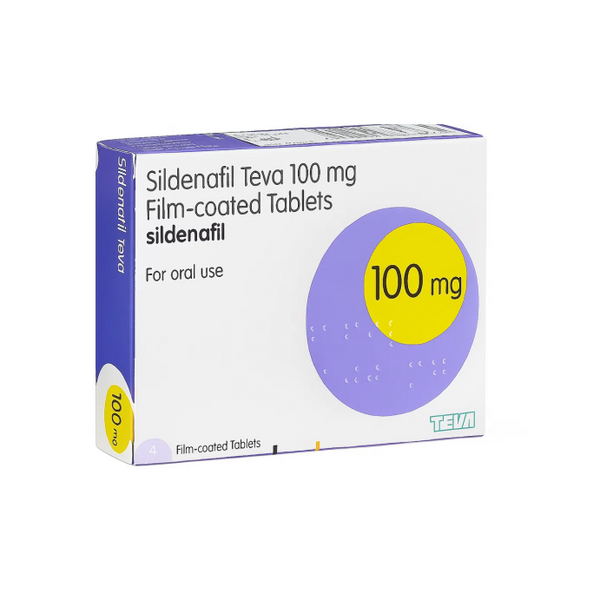
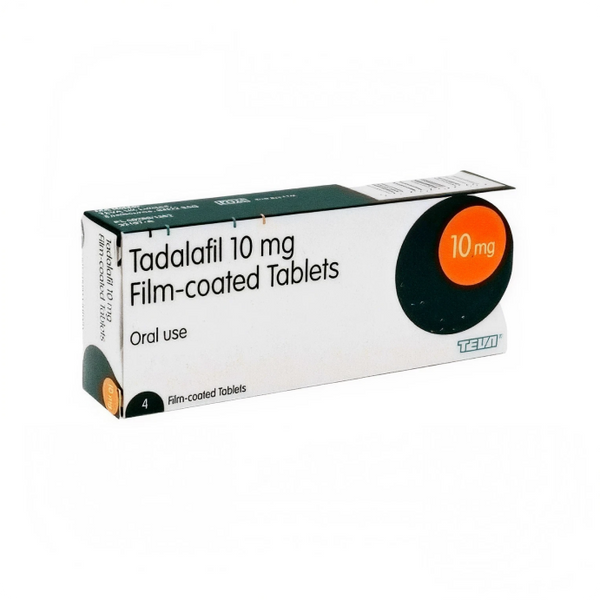
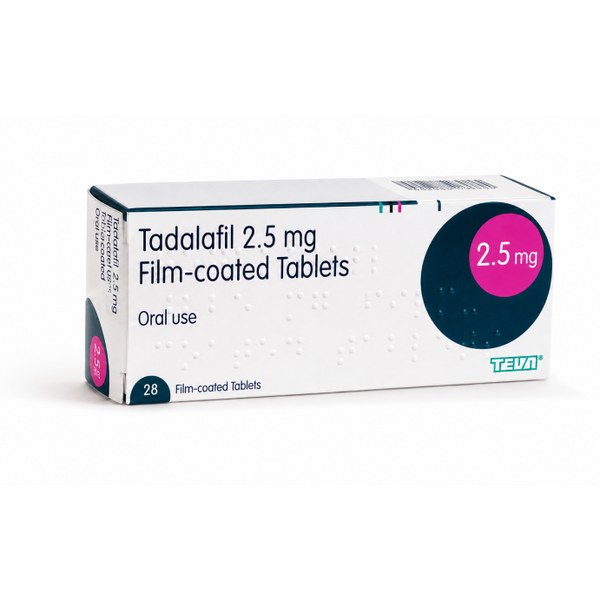
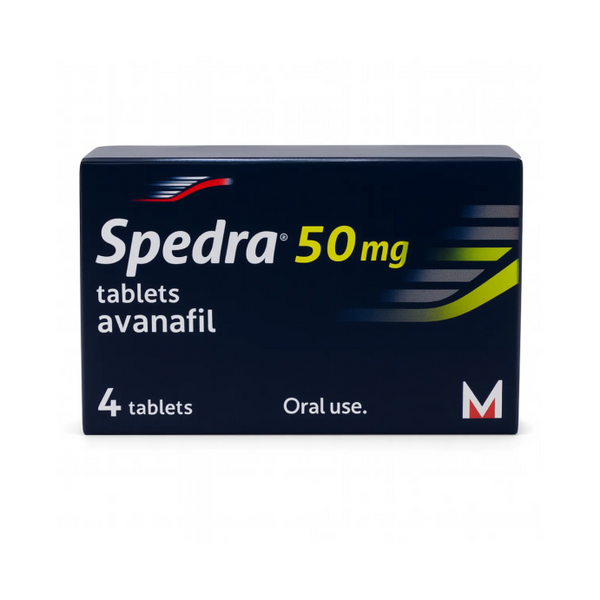
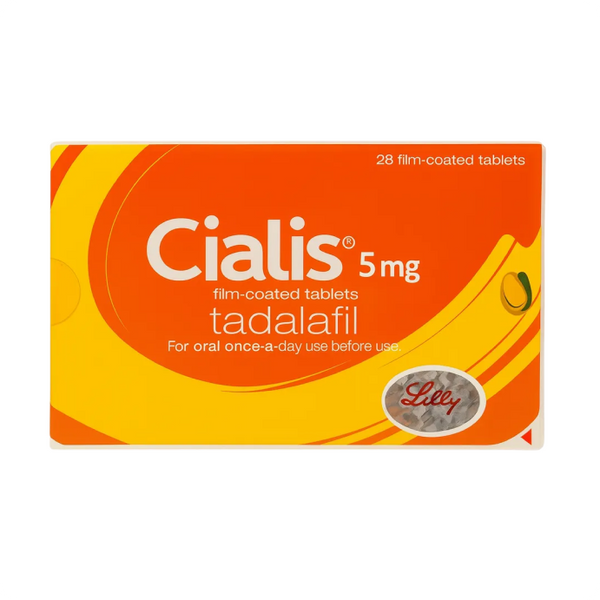
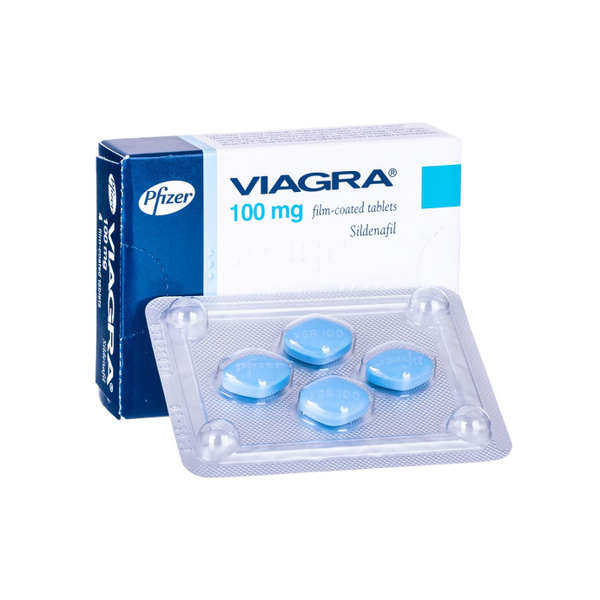
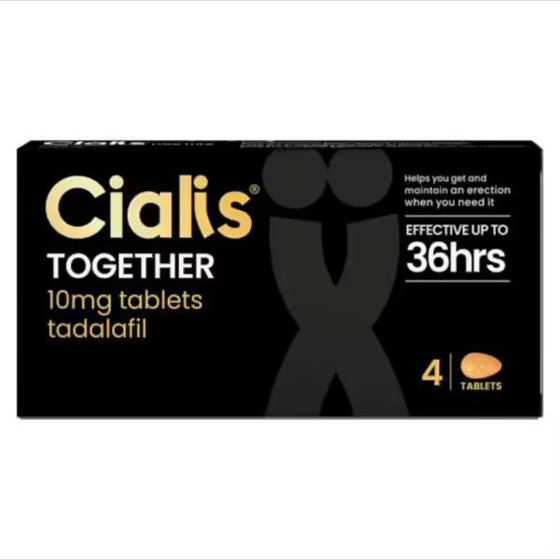
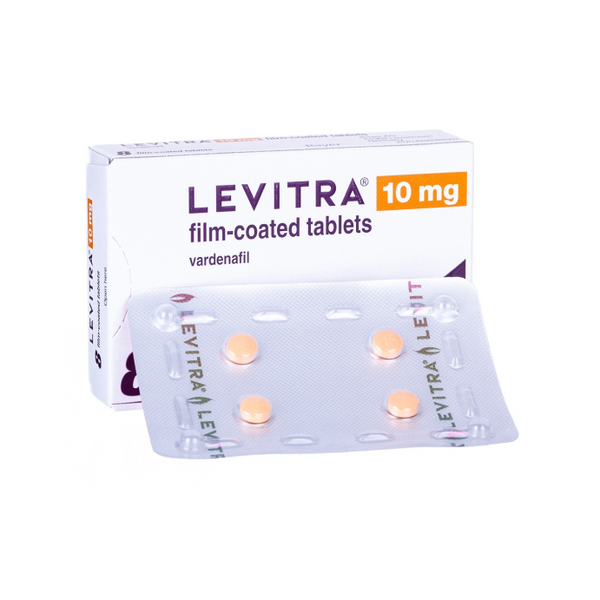
ED treatment for young men follows the same pathway as for anyone else. Where treatment is appropriate, the NICE evidence summary describes first line drug treatment as an oral PDE5 inhibitor, naming avanafil, sildenafil, tadalafil and vardenafil.
These medicines do not create the signal. They inhibit PDE5, helping the body's natural erection signal last longer and increasing blood flow to the penis during sexual stimulation. Three things a young man should know before assuming treatment is the answer.
It is for adults. MHRA documentation for sildenafil states it is for men aged 18 years and older and is not intended for men under 18.
Several attempts may be needed. MHRA documentation for sildenafil 50mg states that patients "may need to take Sildenafil 50 mg a number of times on different occasions" before achieving an erection, with a maximum of one tablet in a day. The figures reflect that: 40.8% after the first dose against 14.6% on placebo, rising to 78.4% against 46.7% after several. Never take more than one tablet in a day, and never double up.
Some medicines rule it out. The MHRA states that sildenafil cannot be used at the same time as nitrates or nitric oxide donors, because the combination can lead to a dangerous fall in blood pressure. It also states that patients taking alpha blockers must be advised to consult their doctor before taking it.
Treatment suitability depends on an individual clinical assessment, and these medicines should only be used under the supervision of an appropriately qualified prescriber. Results vary between individuals.
The six month review rule
MHRA documentation states that all men with persistent erectile dysfunction should have their symptoms and underlying health assessed rather than relying on treatment alone. That applies whatever your age, and it matters more in a young man rather than less, because treatment relieves the symptom without addressing what produced it. If the cause is an undiagnosed condition, a tablet that works can mask an early signal for years. The review is what stops that happening.
Why ED in a young man matters more, not less
Because the symptom carries the same information at any age, and a young man has more time in which that information is useful.
The NICE evidence summary notes that erectile dysfunction may be an early manifestation of coronary artery and peripheral vascular disease, and MHRA documentation lists hypertension, diabetes mellitus, hypercholesterolemia and cardiovascular disease among conditions it can be associated with. The arteries supplying erectile tissue are narrower, so narrowing shows there sooner.
At 65 that early warning arrives late. At 25 it arrives decades before anything else would have prompted a check. That is the strongest argument for treating this as a health question rather than an embarrassing one.
MHRA documentation also notes that treatments for erectile dysfunction are not recommended for men who feel very breathless or experience chest pain on light or moderate activity. If that describes you, the priority is a cardiovascular assessment rather than an ED prescription, whatever your age.
Red flags: when to get checked rather than manage it yourself
Seek advice promptly if any of the following apply:
- Breathlessness or chest pain on light or moderate activity
- Palpitations, or chest pain at any time
- Pain when you get an erection, or a lump, swelling or change in shape or curvature
- An erection lasting more than four hours, known as priapism, which needs urgent medical attention
- A change within weeks of starting a new medicine
- Unexplained weight loss, excessive thirst or frequent urination, which can indicate undiagnosed diabetes
- Persistent fatigue alongside the change
- Persistent low mood, or thoughts of harming yourself
- Reduced or absent morning erections sustained over months
To find out whether treatment is appropriate for you, alongside the steps on this page, you can check your eligibility for erectile dysfunction treatment through an online consultation with UK registered prescribers. EveryDayMeds is a GPhC registered pharmacy, and clinical assessment happens before supply.
Medical Disclaimer
This article is general information and does not replace personalised medical advice. It gives no dosing instructions and should not be used to self-diagnose, self-prescribe, self-medicate, or to start, stop or change any medicine.
Erectile dysfunction at any age can have several causes, some needing medical investigation. Suitability for any treatment depends on an individual clinical assessment by an appropriately qualified prescriber, who will consider your medical history, current medicines and cardiovascular health. These medicines should only be used under the supervision of an appropriately qualified prescriber. Results vary between individuals.
Treatment is for adults. MHRA documentation for sildenafil states it is for men aged 18 years and older and is not intended for men under 18 years of age.
Never take more than the prescribed amount of any medicine, and never take an extra tablet to make up for one that did not appear to work.
If you experience chest pain, an erection lasting more than four hours, sudden vision loss or sudden hearing loss, seek urgent medical attention.
Frequently Asked Questions
Is ED common in young men?
Can a 20 year old have ED?
What causes ED in young males?
Is ED curable in young men?
Can young men reverse ED?
Is ED in young men psychological?
Can medicines for hair loss cause ED?
Can anabolic steroids cause ED?
How to fix ED in young men?
Should a young man with ED see someone even if treatment works?
Can't Get Erect? Causes and What It Means
How Long Does ED Last? Recovery Timelines
Related Posts


Cheap Tadalafil UK: How to Compare Prices Safely