Erectile Dysfunction Treatment Options: How the Right One Is Chosen
- Answers the real question: there is no single right treatment, and this page explains what does decide it.
- Sets out all the options, from tablets to devices to surgery, with UK regulatory status against each.
- Names the six factors a prescriber actually weighs, so the decision stops being a guess.
- Says plainly which widely sold treatments are not supported by NICE guidance or UK-authorised evidence for erectile dysfunction.
There is no single treatment that suits everyone with erectile dysfunction. What exists is a clear order of options, and a short list of things about you that decide which option comes first.
NICE evidence summaries describe oral treatment with selective phosphodiesterase type 5 (PDE5) inhibitors: sildenafil, tadalafil, vardenafil and avanafil as the usual first-line pharmacological treatment. These medicines work by enhancing the effect of the body's natural erection signal, increasing blood flow to the penis when a man is sexually stimulated. Tadalafil has a longer duration of action than the other commonly used PDE5 inhibitors, offering a longer window for sexual activity.
NICE evidence summaries also describe vacuum erection devices and alprostadil as alternative options, while penile prostheses may be considered when pharmacological treatment has failed or when a man wants a permanent solution.
So the useful question is not which treatment wins. It is which of those steps you are at, and which option inside that step fits your other medicines, your other conditions, including underlying health conditions such as cardiovascular disease, diabetes, digestive and kidney diseases, and how you would actually use it. This includes consideration of medical history, mental health conditions, and lifestyle factors like quitting smoking and maintaining a healthy weight. That is what this page answers.
Key things to know
- No medicine in this group can be described as better than the others as a general statement. They differ in how they are taken and how long they act.
- NICE names four PDE5 inhibitors as the first line: avanafil, sildenafil, tadalafil and vardenafil.
- Your other medicines matter more than any comparison table. Nitrates rule out this whole group of tablets.
- NICE states that identifying an underlying disease or condition comes first, and that lifestyle counselling should accompany treatment.
- One tablet not working is not the same as the group failing. MHRA documentation for sildenafil 50mg records 40.8% reporting improved function after the first dose, rising to 78.4% after several doses.
- Options exist beyond tablets: vacuum devices, alprostadil by injection, into the urethra or as a cream, and implant surgery.
- Supplements and foods marketed for erectile dysfunction are not recommended as established treatments in NICE guidance. Their availability for sale does not mean they have been shown to be effective treatments for ED.
What are the treatment options for erectile dysfunction?
These are the main treatment approaches described in NICE evidence summaries and related UK guidance.
| Option | What it is | UK status |
|---|---|---|
| Cause and lifestyle treatment | Treating blood pressure, cholesterol, blood glucose, reviewing medicines, activity and weight | Comes first, alongside everything else |
| PDE5 inhibitor tablets | Avanafil, sildenafil, tadalafil, vardenafil | First line drug treatment |
| Vacuum erection device | A device that draws blood into the tissue mechanically | Named by NICE as a further option |
| Alprostadil | Given by injection into the tissue, into the urethra, or as a cream | Named by NICE as a further option |
| Implant surgery | A device placed inside the body permanently | For men who do not respond to medicines, or who want a permanent solution |
| Vascular procedures | Widening narrowed pelvic arteries | Not routine. NICE restricted angioplasty and stenting to research use |
Two things are missing from that table on purpose. Supplements and foods sold for erectile dysfunction are absent because none has UK regulatory evidence behind it.Shockwave therapy is not included among the established ED treatment options described in the NICE sources used here. .
Why there is no single most effective treatment
Because effectiveness depends on which part of the process has failed, and that differs between people.
An erection depends on coordinated nerve, blood-vessel and hormonal processes, as well as psychological and other factors. They cannot repair a damaged nerve pathway, and they cannot lower a raised blood glucose. So the same medicine produces very different results in different people, and the difference is the person, not the medicine.
The clearest published illustration comes from avanafil trials described in the NICE evidence summary. Response on the main effectiveness endpoint was 57.1% for avanafil 100mg against 27.0% for placebo among 646 randomised participants in a general population. Among 298 men after prostate surgery, the same medicine at the same dose gave 23.4% against 8.9%.
Same drug. Same dose. Less than half the response rate. Nothing about the medicine changed, only who was taking it.
What "most effective" actually measures
It usually measures a trial average, and an average hides the range.
A trial result of 57.1% does not mean a treatment works 57% for everyone. It means a majority of participants met a defined endpoint and a substantial minority did not. That is why a comparison of headline percentages between medicines is a weak basis for choosing one, particularly when the trial populations differ.
The honest reading is that PDE5 inhibitors help a majority of men who take them properly, that response is lower where nerve damage is involved, and that individual results vary. Treatment suitability depends on an individual clinical assessment.
Erectile symptoms can vary widely, including difficulty getting or maintaining an erection. Penile pain or changes in shape or curvature may point to a different or additional condition and should be assessed.
Diagnosing erectile dysfunction involves a healthcare professional taking a detailed medical history, including any current medications that may cause ED, psychological conditions, or use of recreational drugs and illicit drugs that could affect erectile function. Blood tests and urine tests may be used to check hormone levels, such as testosterone, and to identify other contributing factors.
Treating erectile dysfunction often involves addressing these underlying conditions first. For example, managing blood pressure, cholesterol, and blood glucose can improve blood vessels health and improve erectile dysfunction symptoms. Lifestyle changes such as quitting smoking, limiting alcohol intake, and exercising to strengthen pelvic floor muscles can also improve blood flow and overall health.
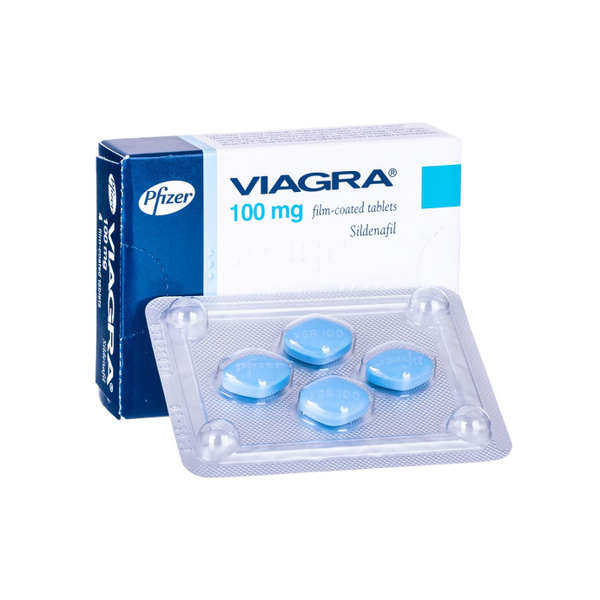
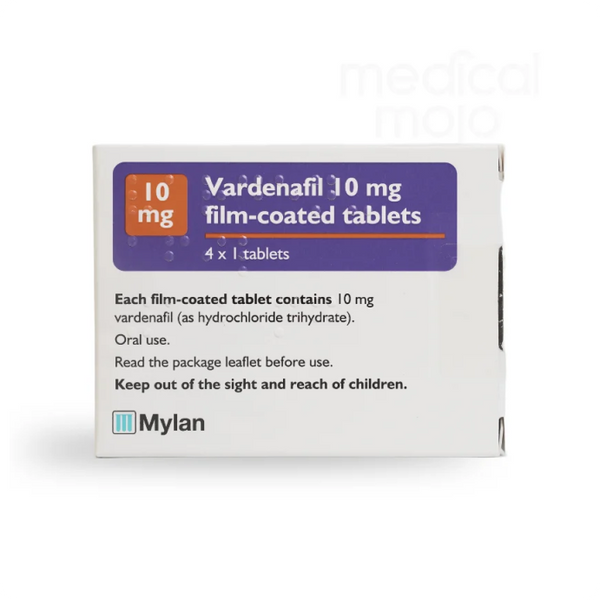
Where medical treatments are appropriate, PDE5 inhibitors such as generic treatments including sildenafil tablets, tadalafil, vardenafil, and avanafil (spedra) are commonly prescribed. These medications work by improving blood flow to the penis and require stimulation to be effective. Viagra tablets and viagra connect are examples of sildenafil products available in the UK, with generic forms offering cost-effective alternatives.
If PDE5 inhibitors are not suitable, other treatments include vacuum erection devices (penis pumps), alprostadil administered by injection or as a urethral suppository, and in some cases, testosterone replacement therapy may be considered if low testosterone is diagnosed.
Psychological conditions such as stress or anxiety can cause psychogenic ED, and in these cases or counselling may be recommended to help improve symptoms. Premature ejaculation can also coexist with erectile dysfunction and may require separate treatment.
In cases where other treatments have failed, penile implants offer a surgical option with high satisfaction rates, though they carry risks such as infection and mechanical failure.
Overall, the most appropriate treatment depends on individual factors including other medications, underlying conditions, and personal preferences. A healthcare professional will guide the choice of treatment to improve erectile dysfunction effectively and safely.
First line treatment: the PDE5 inhibitor tablets
Four medicines make up first line drug treatment: avanafil, sildenafil, tadalafil and vardenafil. All four work the same way, by slowing the enzyme that ends an erection so the body's own signal goes further.
Because the mechanism is shared, the choice between them is not usually about power. It is about timing, duration, how the tablet fits into your week, and what else you take.
How the four tablets differ
| Medicine | Also available as | The practical difference |
|---|---|---|
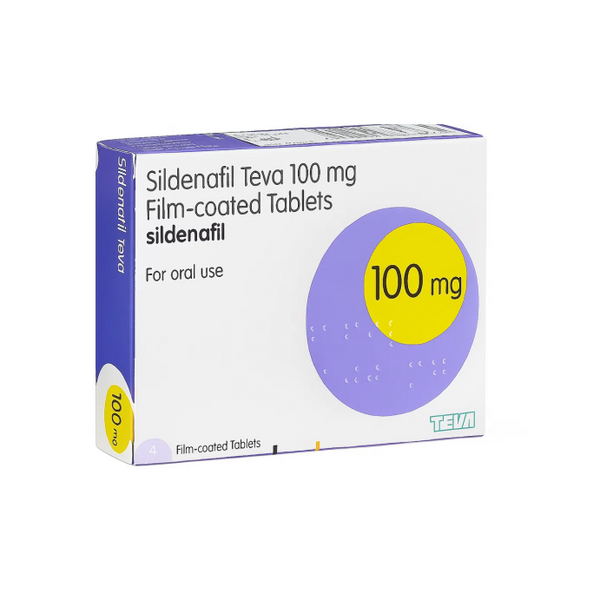
| Sildenafil | Generic tablets | The longest established of the group, taken as needed |
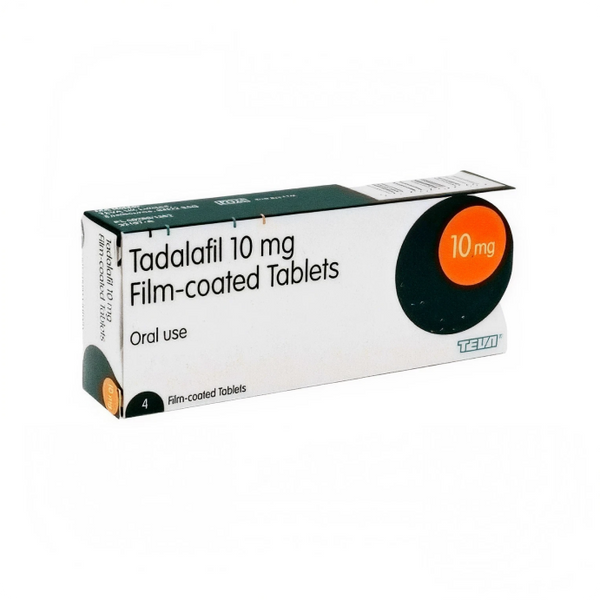
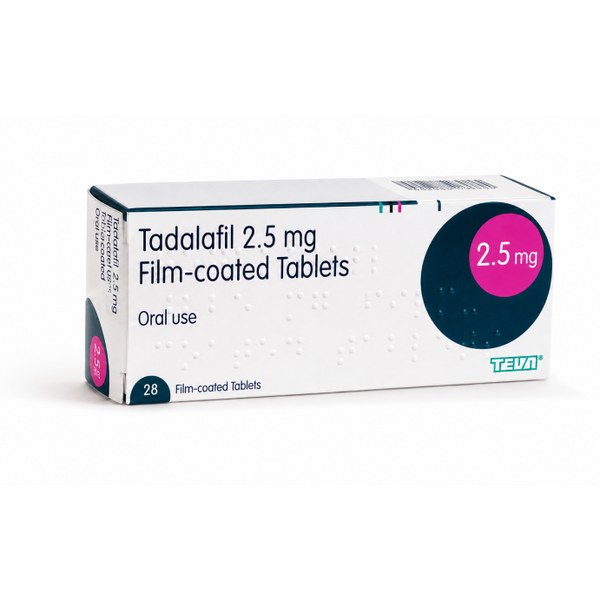
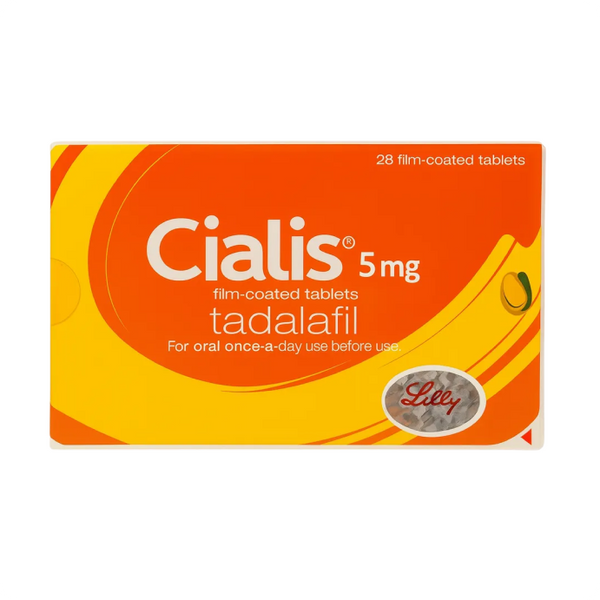
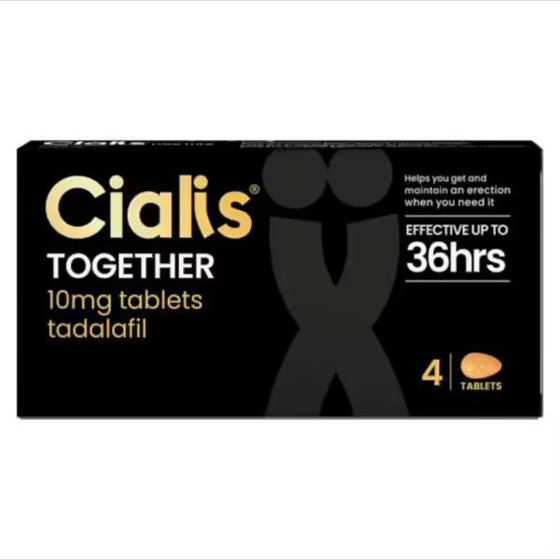
| Tadalafil | On demand tablets, and a lower strength daily tablet | Acts for considerably longer than the others, and the daily option removes timing from the decision |
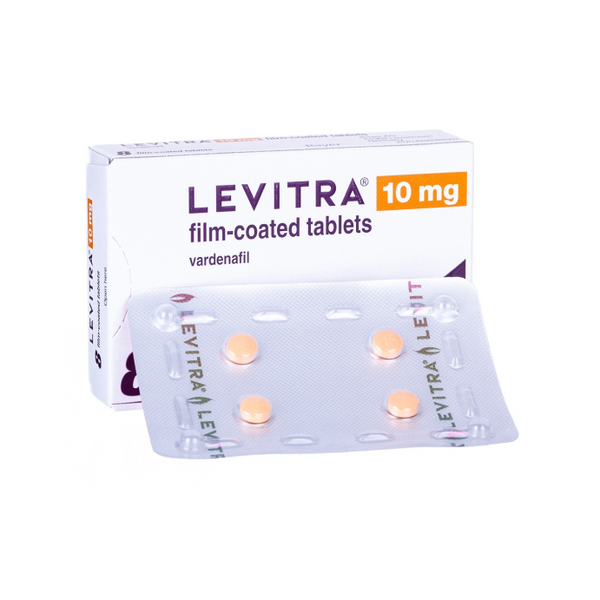
| Vardenafil | Generic tablets | Taken as needed, similar profile to sildenafil |
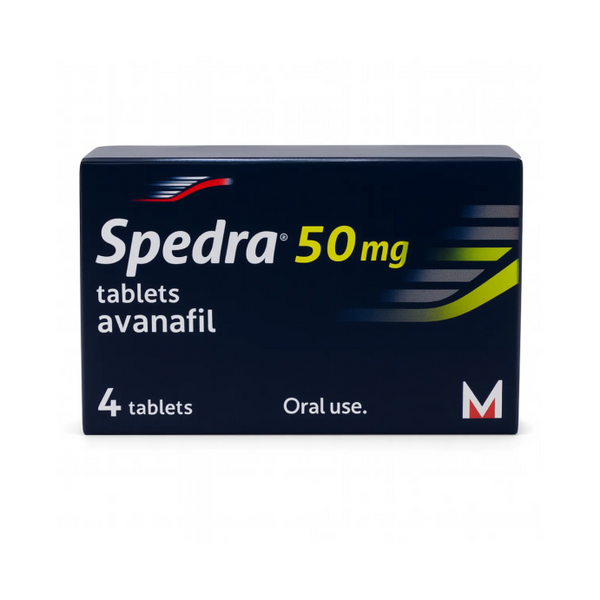
| Avanafil | Branded tablets only in the UK | The newest of the four, taken as needed |
Sildenafil
Sildenafil is one of the most established medicines in this group and is taken when needed rather than daily.
MHRA documentation for sildenafil 50mg records 40.8% of users reporting improved function after the first dose, rising to 78.4% after several doses. That rise is the single most useful figure on this page, and it is the reason nobody should judge this treatment on one attempt.
Tadalafil, on demand and daily
Tadalafil is the option that changes the shape of treatment rather than just the strength. It acts for a much longer period than the other three, which means the tablet and the occasion do not have to be closely timed.
It also comes in a lower strength daily form. Taken daily, timing stops being a factor at all. Some men strongly prefer that, and others prefer not to take something every day. Neither preference is wrong, and it is a legitimate part of the decision rather than a detail.
Vardenafil
Vardenafil is taken as needed and sits close to sildenafil in how it is used. It is a reasonable option where sildenafil has not suited someone, because although the mechanism is shared, individual tolerance differs between medicines in the same class.
Avanafil
Avanafil is the newest of the four and is named in the NICE evidence summary alongside the other three as first line. In the UK it is available as a branded tablet rather than a generic, which affects cost rather than clinical position.
Its trial data is the clearest in the group for showing how much the underlying cause matters, because the same trials reported both a general population and a post prostate surgery group.
What the trial evidence shows, and what it does not
It shows that this class helps a majority of men. It does not show that any one of the four is superior for everyone.
The NICE evidence summary places all four at the first line without ranking them. Where NICE has published figures, they come from separate trials in different populations, so they are not a like for like comparison. Anyone presenting a league table of these medicines is comparing numbers that were never designed to be compared.
What the evidence does establish is the pattern: better response where blood flow is the problem, lower response where nerve pathways are damaged, and improvement across repeated use rather than on a single attempt.
Side effects of PDE5 inhibitors can include headaches and flushing. It is important to discuss any existing medical and history with your healthcare professional, as certain medications or conditions affecting the central nervous system may influence treatment suitability. A thorough history helps identify potential causes of erectile dysfunction and guides the choice of ed treatment.
Lifestyle factors also play a role: healthcare providers often suggest lifestyle modifications such as quitting smoking, limiting alcohol intake, maintaining a slimmer waistline, and engaging in regular aerobic exercise to improve erectile function. These suggest lifestyle changes can positively affect male dysfunction and erection problems.
Counselling may be recommended when psychological factors contribute to erectile dysfunction symptoms. For some men, pelvic surgery or certain medications can be underlying causes, which should be identified during assessment. Clinical trials continue to explore new treatments, but current evidence supports the effectiveness of PDE5 inhibitors, vacuum erection devices, alprostadil, and implants as established options.
How a prescriber chooses between the treatment options
Several factors can influence which treatment is appropriate, including your medicines, other health conditions, likely cause, preferences and previous treatment.
The six things that decide it
- Your other medicines. This is the first check and the one that can rule out the whole class. Nitrates such as glyceryl trinitrate and isosorbide mononitrate, and medicines that stimulate guanylate cyclase, must not be combined with PDE5 inhibitors. Some alpha blockers need care.
- Your other conditions. Heart disease, low blood pressure, recent stroke, significant liver or kidney problems and certain eye conditions all affect suitability.
- The likely cause. NICE states it is important to identify any underlying disease or condition that may be causing erectile dysfunction. A vascular cause, a nerve cause and a medicine related cause point in different directions.
- How you would use it. On demand or daily is a genuine choice, not a technicality, and the answer changes which medicine fits.
- What you have already tried. Including how many times, which is where most apparent failures turn out to be too few attempts.
- Cost over time. Legitimate to weigh, but last on the list rather than first.
Notice that only one of those six is about the medicine. That is why the question of which treatment to have has no answer in the abstract and a clear answer after an assessment.
When tablets are not suitable at all
Where a nitrate is prescribed, PDE5 inhibitors are not an option, and no dose adjustment makes them one. The same applies to guanylate cyclase stimulators. This is an absolute limit rather than a caution, and it is the main reason a prescriber needs your full medicine list before anything else.
In that situation the conversation moves to the options in the next section. Never stop a prescribed heart medicine in order to take an erectile dysfunction tablet.
Treatment options beyond tablets
Three groups, all named by NICE, and all worth knowing about before anyone concludes that treatment has failed.
Vacuum erection devices
A vacuum erection device draws blood into the erectile tissue mechanically, using negative pressure, with a ring used to retain it. NICE names vacuum erection devices among the treatment options.
It appeals to men who cannot take the tablets, particularly where a nitrate rules them out, because it does not have the drug interactions associated with PDE5 inhibitors. It requires practice, and some men find it acceptable while others do not. The point is that it is reversible, so trying it costs nothing permanent.
Alprostadil
Alprostadil is a medicine given directly to the tissue rather than swallowed. NICE names three routes: intracavernosal injection into the erectile tissue, intraurethral administration, and a topical cream.
It works differently from the tablets, which is why it can help where they have not. The routes are more involved than swallowing a tablet, and that practical reality is why it usually follows rather than precedes them. Any use is under the supervision of an appropriately qualified prescriber.
Surgery
Implant surgery places a device inside the body that produces rigidity mechanically. The NICE evidence summary states that surgical implantation of a device "may be considered in men who fail pharmacotherapy or who want a permanent solution".
It is intended as a permanent treatment, so it is generally considered only after other options have failed or when a man wants a permanent solution. Vascular procedures are a separate matter: NICE assessed angioplasty and stenting for erectile dysfunction that had not responded to standard treatment and concluded that the evidence was "inadequate in quantity and quality", stating that the procedure "should only be used in the context of research".
EveryDayMeds does not provide surgical treatment. Surgery is arranged through a specialist service.
What about treatments sold without a prescription
Many products marketed without a prescription for erectile dysfunction are not established treatments in NICE guidance, and the fact that a product is sold does not by itself show that it is effective for ED.
Supplements, foods and devices sold for erectile dysfunction
None appears in NICE guidance as a treatment for erectile dysfunction. What NICE does name is lifestyle change: the evidence summary states that all men with erectile dysfunction should receive appropriate counselling on risk reduction and lifestyle modification, particularly taking exercise or losing weight.
So the honest position is that the free interventions have regulatory backing and the paid supplements do not. That is the opposite of how the market is arranged.
Shockwave therapy and injection procedures
Shockwave therapy has no NICE guidance supporting it for erectile dysfunction. Shockwave therapy, stem-cell treatments and platelet-rich plasma injections are not among the established ED treatments described in the NICE sources used here. Being available privately is not the same as being evidenced.
There is also a safety dimension to buying outside a regulated route. In February 2026 the MHRA reported seizing around 19.5 million doses of illegal erectile dysfunction pills between 2021 and 2025, stating that such products "may contain no active ingredient, the wrong dose, hidden drugs or toxic ingredients", and that unlicensed products can be especially dangerous for people with heart disease or high blood pressure.
What the treatment options cost
Cost is one factor among six, and it belongs after suitability rather than before it. The figures below are standard prices at this pharmacy, shown so the comparison is concrete.
| Treatment | Pack | Standard price |
|---|---|---|
| Sildenafil tablets | 25mg, 4 tablets | £3.59 |
| Sildenafil tablets | 50mg, 8 tablets | £6.79 |
| Sildenafil tablets | 100mg, 4 tablets | £4.04 |
| Tadalafil tablets, on demand | 10mg, 4 tablets | £8.49 |
| Tadalafil tablets, daily | 5mg, 28 tablets | £21.59 |
| Vardenafil tablets | 5mg, 4 tablets | £25.19 |
| Vardenafil tablets | 10mg, 4 tablets | £26.99 |
| Vardenafil tablets | 20mg, 4 tablets | £29.69 |
Prices are standard website prices at the time of writing and are subject to change. Strength is determined by your prescriber following assessment, not chosen at checkout. Generic and branded versions of the same medicine contain the same active ingredient, so where a generic exists the difference is cost rather than clinical content.
Two points worth understanding before reading anything into that table.
First, cost per tablet is not a measure of effectiveness. A medicine that suits you at a higher cost is a better outcome than one that does not at a lower cost.
Second, the daily tadalafil option is priced per tablet taken every day, so the comparison with on demand tablets depends entirely on how often treatment would be used. Work out the monthly figure for your own pattern rather than comparing per tablet prices directly.
How treatment is arranged
Through an assessment, in a fixed order. Skipping steps is what produces the wrong treatment.
- Online consultation. You complete a clinical questionnaire covering your symptoms, medical history, current medicines and cardiovascular health.
- Prescriber review. An online consultation with UK registered prescribers, who determine whether treatment is appropriate and which treatment is appropriate.
- Supply from a registered pharmacy. EveryDayMeds is a GPhC registered pharmacy, and clinical assessment happens before supply.
- Review. If the first treatment does not suit, that is information rather than failure, and the next step is a further conversation rather than a higher dose bought elsewhere.
To find out which options are appropriate for you, you can check your eligibility for erectile dysfunction treatment through an online consultation with UK registered prescribers.
Red flags: when to seek advice rather than compare treatments
Seek advice promptly if any of the following apply:
- Chest pain, breathlessness or palpitations, especially on exertion.
- Pain in the calves or thighs when walking that eases with rest.
- A change in erectile function within weeks of starting a new medicine.
- Unexplained weight loss, excessive thirst or frequent urination.
- Persistent low mood, or thoughts of harming yourself.
- Any change in the shape or curvature of the penis, or pain.
- An erection lasting more than four hours, known as priapism, which needs urgent medical attention.
The first two matter because the NICE evidence summary notes that erectile dysfunction may be an early manifestation of coronary artery and peripheral vascular disease. Erectile dysfunction can sometimes be an early marker of cardiovascular or peripheral vascular disease, so cardiovascular symptoms or risk factors should not be ignored.
One medicine note. In a Drug Safety Update published on 11 May 2026, the MHRA strengthened warnings for finasteride and dutasteride, stating that difficulty having an erection is among the side effects that may persist even after treatment is stopped. If a change follows a new prescription, raise it with the prescriber rather than stopping the medicine yourself.
Medical Disclaimer
This article is general information and does not replace personalised medical advice. It gives no dosing instructions and should not be used to self diagnose, self prescribe, self medicate, or to start, stop or change any medicine.
Comparisons here describe how treatments differ in use, not which is superior. No medicine named on this page is presented as better than another. Suitability for any treatment depends on an individual clinical assessment by an appropriately qualified prescriber, who will consider your medical history, current medicines and cardiovascular health. These medicines should only be used under the supervision of an appropriately qualified prescriber. Results vary between individuals.
EveryDayMeds does not provide surgical treatment. Surgical and device information is general and is not a description of what will happen in any individual case.
If you experience chest pain, an erection lasting more than four hours, sudden vision loss or sudden hearing loss, seek urgent medical attention.
Frequently Asked Questions
What are the treatment options for erectile dysfunction?
Which treatment for erectile dysfunction should I have?
Is one erectile dysfunction tablet more effective than another?
What is the first line treatment for erectile dysfunction?
What are the treatment options if tablets do not work?
What treatment options are there if I take heart medication?
Does the cause of erectile dysfunction change which treatment works?
Are generic erectile dysfunction tablets different from branded ones?
Is daily or on demand treatment the better option?
Do supplements or natural treatments work for erectile dysfunction?
Is shockwave therapy a recognised treatment option?
How do I find out which treatment is appropriate for me?
How to Improve Erectile Function: What Actually Works
Can't Get Erect? Causes and What It Means
Related Posts


Cheap Tadalafil UK: How to Compare Prices Safely