What Causes Male Impotence? Causes, Risk Factors and Help
- Understand the main physical and psychological causes of impotence.
- Learn how circulation, diabetes, hormones and medicines may contribute.
- Find out why persistent erection difficulties can sometimes indicate a wider health issue.
- GPhC-registered UK online pharmacy with online consultation and UK-registered prescribers.
Impotence, also known as erectile dysfunction (ED), can have many possible causes. Problems affecting blood flow, diabetes, high blood pressure, hormonal changes, neurological conditions, emotional wellbeing and certain medicines can all contribute to erection difficulties.
Importantly, impotence is usually considered a symptom rather than a disease in itself. This means that when erection difficulties repeatedly occur, understanding the underlying reason can be more useful than focusing only on the immediate problem.
There is not always one identifiable cause. Cardiovascular health, metabolic conditions, medicines, emotional factors and lifestyle can overlap. For example, someone may have high blood pressure and diabetes while also taking medicines that could affect erectile function.
If you are wondering what causes impotence in men, the most useful approach is therefore to consider your overall health and the pattern of your symptoms. Persistent or noticeably changing erection difficulties should be assessed appropriately rather than automatically attributed to age or stress.
Key Things to Know
- Impotence and erectile dysfunction refer to the same underlying erection problem.
- ED can have physical, psychological, medicine-related or mixed causes.
- Blood-vessel and cardiovascular health are important contributors.
- Diabetes and high blood pressure can increase the likelihood of ED.
- Some prescription medicines may contribute to erection difficulties.
- Anxiety, depression and persistent stress can also play a role.
- Smoking, inactivity and excess weight may increase relevant cardiovascular risk.
- Persistent ED can sometimes provide useful information about wider health.
- Treatment should be based on the likely cause and individual clinical suitability.
What Is Impotence?
Impotence is another term for erectile dysfunction, meaning a persistent or recurrent difficulty getting or maintaining an erection sufficient for satisfactory sexual activity.
An occasional erection difficulty does not necessarily mean you have ongoing ED. Temporary changes can happen for several reasons, including tiredness, stress, emotional factors or short-term changes in health.
The pattern becomes more important when the difficulty keeps happening, represents a clear change from normal erectile function or causes ongoing concern.
Because impotence is a symptom, assessment focuses on more than confirming that the problem exists. The aim is to understand what may be causing it and whether another health issue needs attention.
What Are the Main Causes of Impotence?
The possible causes of impotence can broadly be grouped into vascular, metabolic, neurological, hormonal, psychological, medicine-related and lifestyle factors.
Common contributing factors can include:
- High blood pressure
- Cardiovascular disease
- Raised cholesterol
- Diabetes
- Obesity and metabolic problems
- Smoking
- Physical inactivity
- Neurological conditions
- Hormonal disorders
- Anxiety or depression
- Some prescription medicines
These categories frequently overlap. Someone with diabetes, for example, may also have high blood pressure, raised cholesterol and excess weight. Another person may have a physical contributor alongside anxiety caused by previous erection difficulties.
This is why the question "what can cause impotence?" rarely has one simple answer.
Can Blood Vessel Problems Cause Impotence?
Yes. Problems affecting blood vessels and circulation are important physical causes of erectile dysfunction.
Normal erectile function depends partly on adequate blood flow. Conditions that damage or narrow blood vessels can therefore make it more difficult for the necessary blood flow to occur.
Atherosclerosis is one example. This involves narrowing or hardening of arteries and is associated with wider cardiovascular disease.
Factors that can affect vascular health include:
- High blood pressure
- Raised cholesterol
- Smoking
- Diabetes
- Obesity
- Physical inactivity
- Metabolic syndrome
Having erectile dysfunction does not automatically mean that someone has cardiovascular disease. However, persistent erection difficulties can sometimes provide a reason to review cardiovascular risk rather than treating the problem as completely separate from wider health.
Can High Blood Pressure Cause Impotence?
High blood pressure can contribute to erectile dysfunction because long-term cardiovascular changes may affect the blood vessels involved in normal erectile function.
The relationship can be complicated. The underlying cardiovascular condition may contribute, while some medicines used to manage health conditions can also affect erectile function in certain people.
If erection difficulties develop while you are being treated for high blood pressure, do not stop your prescribed medicine yourself. A healthcare professional can consider whether the underlying condition, treatment or another factor may be contributing.
Can High Cholesterol Contribute to Impotence?
Raised cholesterol contributes to cardiovascular risk and may therefore be relevant when assessing erectile function.
High cholesterol does not mean that ED will inevitably develop. However, it can occur alongside other risk factors such as smoking, high blood pressure, diabetes, excess weight and low physical activity.
Managing cholesterol where clinically appropriate supports wider cardiovascular health. If persistent ED occurs alongside known cardiovascular risk factors, discussing both issues during a healthcare assessment can provide a more complete picture.
Can Diabetes Cause Impotence?
Yes. Diabetes is a recognised physical condition associated with erectile dysfunction.
Over time, diabetes can affect both blood vessels and nerves. Both systems are important for normal erectile function, which helps explain why ED can occur more frequently in people with diabetes.
However, having diabetes does not mean that impotence is unavoidable.
Following your agreed diabetes management plan remains important for wider health. If persistent erection difficulties develop, mention them during an appropriate healthcare review rather than assuming they are simply something that must be accepted.
Can Metabolic Health Affect Erectile Function?
Yes. Metabolic health can influence several factors associated with erectile dysfunction.
Conditions such as obesity, abnormal blood glucose, raised blood pressure and abnormal cholesterol can occur together as part of a wider pattern of metabolic and cardiovascular risk.
This matters because erectile function depends partly on healthy circulation. Improving modifiable cardiovascular and metabolic risk factors may therefore support overall health while addressing factors that can contribute to ED.
Weight alone should never be assumed to explain every case of impotence. People across different body sizes can experience erectile dysfunction, and the underlying cause should be considered individually.
Can Hormonal Problems Cause Impotence?
Hormonal disorders can contribute to erectile dysfunction, although they represent only one possible category of causes.
It is not appropriate to assume that an erection problem automatically means a particular hormone level is abnormal. Hormonal assessment should be based on the wider clinical picture, including symptoms and medical history.
A hormonal problem can also exist alongside cardiovascular, metabolic, psychological or medication-related factors.
If a healthcare professional suspects a hormonal contributor, they can determine whether further assessment is appropriate rather than relying on symptoms alone.
Can Nerve Problems Cause Erectile Dysfunction?
Yes. Normal erectile function depends on coordinated nerve and blood-vessel function, so conditions affecting the nervous system can contribute to impotence.
Nerve-related erectile difficulties may occur alongside certain neurological conditions, injuries or other health problems affecting nerve function.
The medical history can be particularly important when a neurological cause is suspected. A healthcare professional may consider when the symptoms began, whether other neurological symptoms are present and whether another health condition could explain the change.
This highlights why impotence should not automatically be treated as a circulation problem. What causes male impotence can differ significantly from one person to another, and some men have several contributing factors at the same time.
Can Psychological and Emotional Factors Cause Impotence?
Yes. Psychological and emotional factors can contribute to impotence, either as the main cause or alongside a physical health problem.
Anxiety, depression, persistent stress and concerns about erection difficulties can all affect erectile function. Sometimes the problem can become self-reinforcing. After experiencing erection difficulties, worrying that the problem will happen again may increase anxiety and make future difficulties more likely.
This does not mean persistent impotence should automatically be labelled psychological. Physical and emotional factors can occur together, so a balanced assessment should consider both.
Can Stress Cause Impotence?
Persistent stress can contribute to erection difficulties, particularly when it affects sleep, mood and general wellbeing.
Occasional problems during a stressful period do not necessarily mean someone has ongoing erectile dysfunction. However, if difficulties repeatedly occur, it can be useful to consider stress alongside physical factors such as cardiovascular health, diabetes, medicines and metabolic health.
Reducing stress may help when it is a significant contributor, but persistent symptoms should not be dismissed as "just stress" without considering other possible causes.
Can Anxiety or Depression Contribute to Impotence?
Yes. Anxiety and depression can contribute to erectile dysfunction. They may occur independently or alongside physical causes.
Medicines used to manage some mental health conditions may also affect erectile function in certain people. This can make it difficult to determine whether the underlying condition, the treatment or a combination of factors is responsible.
Never stop prescribed medicine because you suspect it is contributing to erection difficulties. A qualified healthcare professional can review the situation and determine whether any treatment change is appropriate.
Can Medicines Cause Impotence?
Yes. Some prescription medicines can contribute to erectile dysfunction in some people.
This does not mean that every person taking a particular medicine will develop ED. It also does not mean the medicine should automatically be stopped when erection difficulties occur.
The condition being treated may itself be relevant. For example, someone taking treatment for high blood pressure may already have cardiovascular factors that contribute to ED.
If symptoms appear after starting or changing a medicine, note when the problem began and discuss it with your prescriber.
A medication review may consider:
- Which medicines you currently take
- When each medicine was started
- Whether the dose or treatment recently changed
- Whether ED existed before treatment
- Other health conditions that could contribute
- Whether another management approach is clinically appropriate
Do not reduce, skip or discontinue prescribed medicine yourself in an attempt to improve erectile function.
Can Lifestyle Factors Contribute to Male Impotence?
Yes. Lifestyle factors that affect cardiovascular and metabolic health can contribute to the overall risk of erectile dysfunction.
Important modifiable factors include smoking, physical inactivity and excess weight. These can occur alongside high blood pressure, raised cholesterol, diabetes and other cardiovascular risks.
Lifestyle should not be used to blame someone for developing ED. Even people with healthy lifestyles can experience erection difficulties.
Instead, lifestyle changes should be viewed as one part of protecting wider health and addressing potentially modifiable contributors.
Can Smoking Contribute to Impotence?
Smoking can contribute to blood-vessel damage and cardiovascular disease, making it relevant to erectile function.
Stopping smoking cannot guarantee that existing impotence will resolve, especially when several causes are present. However, removing an important cardiovascular risk factor provides substantial wider health benefits.
For someone asking what causes male impotence, smoking should therefore be considered as one possible modifiable contributor rather than assumed to be the sole cause.
Can Physical Inactivity Contribute to Erectile Dysfunction?
Physical inactivity can contribute to poor cardiovascular and metabolic health, both of which are relevant to erectile function.
Regular physical activity can support circulation, cardiovascular fitness, weight management and metabolic health.
Exercise should not be presented as a guaranteed treatment for impotence. Its role is broader: improving factors that may contribute to ED while supporting overall long-term health.
If you have a medical condition that limits physical activity, an appropriate activity plan should be considered according to your individual circumstances.
Can Impotence Have More Than One Cause?
Yes. Impotence often has more than one contributing factor, which is why identifying a single cause is not always possible.
For example, someone may have diabetes, raised blood pressure and cardiovascular risk while also experiencing anxiety about recurring erection difficulties. Another person may have an underlying health condition and take a medicine that could also affect erectile function.
A useful assessment therefore considers several areas:
- Cardiovascular and blood-vessel health
- Diabetes and metabolic factors
- Current medicines
- Neurological or hormonal factors
- Psychological and emotional wellbeing
- Modifiable lifestyle factors
These categories can overlap.
This is one reason treating only the immediate erection difficulty may not address the complete problem.
Why Can Persistent Impotence Be a Wider Health Signal?
Persistent erectile dysfunction can sometimes provide useful information about cardiovascular and metabolic health.
ED shares several risk factors with cardiovascular disease, including smoking, physical inactivity, obesity, raised cholesterol and metabolic syndrome. High blood pressure and diabetes can also contribute.
This does not mean that having impotence proves cardiovascular disease is present. However, recurring symptoms can provide a useful opportunity to consider wider risk factors.
Depending on individual circumstances, an assessment may consider:
- Blood pressure
- Cholesterol
- Blood-glucose control
- Diabetes
- Smoking
- Weight and metabolic health
- Physical activity
- Current medicines
- Wider cardiovascular risk
Looking at these areas can identify potentially manageable health factors that might otherwise have gone unnoticed.
What Helps With Impotence?
What helps with impotence depends on why the problem is occurring. There is no single management approach that suits everyone.
Potential approaches may include treating an underlying health condition, reviewing medicines, addressing modifiable cardiovascular risk factors, supporting emotional wellbeing or considering an authorised ED treatment when clinically appropriate.
The first question should therefore not simply be "Which pill should I take?" but "What is likely to be contributing to the problem?"
Treatment suitability depends on an individual clinical assessment.
Can Treating the Underlying Cause Help Impotence?
Yes. If a potentially manageable underlying factor is identified, addressing it may form an important part of treatment.
For example, appropriate management may involve improving control of diabetes, addressing cardiovascular risk factors or reviewing a medicine that may be contributing.
Lifestyle changes may also support overall health. Regular physical activity, stopping smoking and working towards a healthy weight where appropriate can address factors associated with cardiovascular and metabolic health.
However, results vary between individuals because ED can have several causes at the same time.
What Medicines Can Help With Impotence?
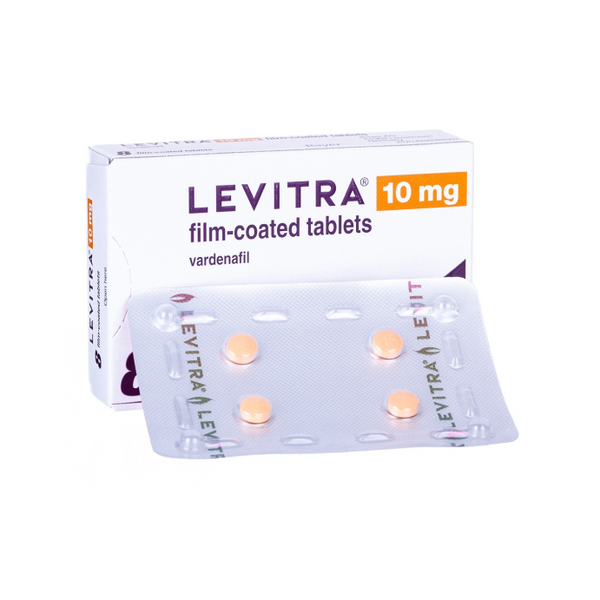
A group of medicines known as PDE5 inhibitors can be used to manage erectile dysfunction in suitable adults.
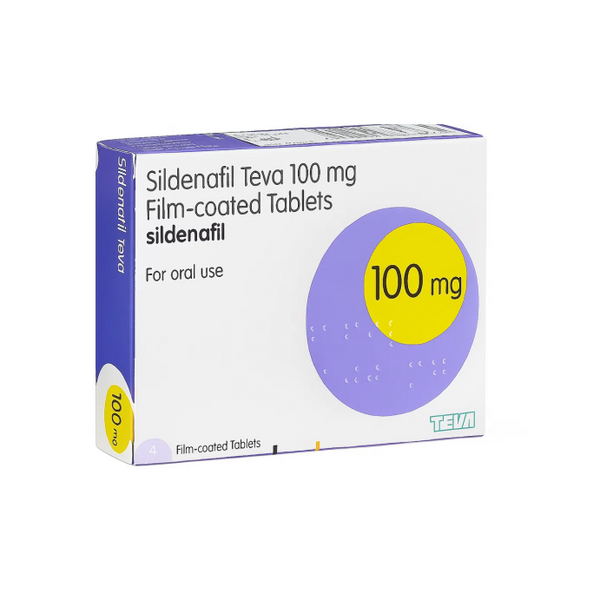
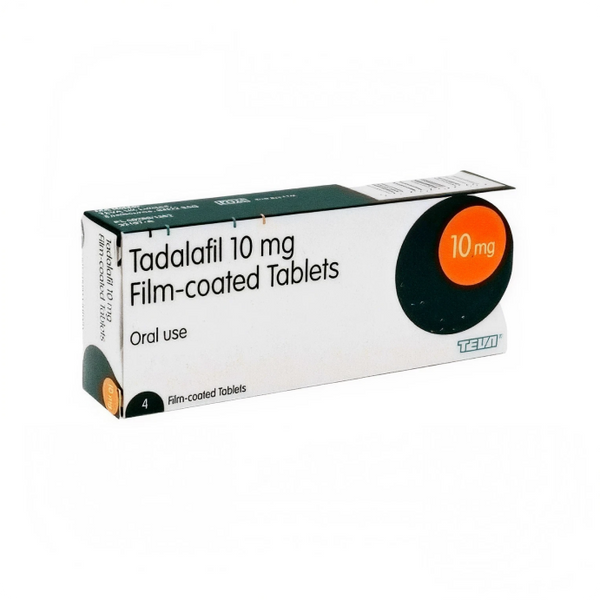
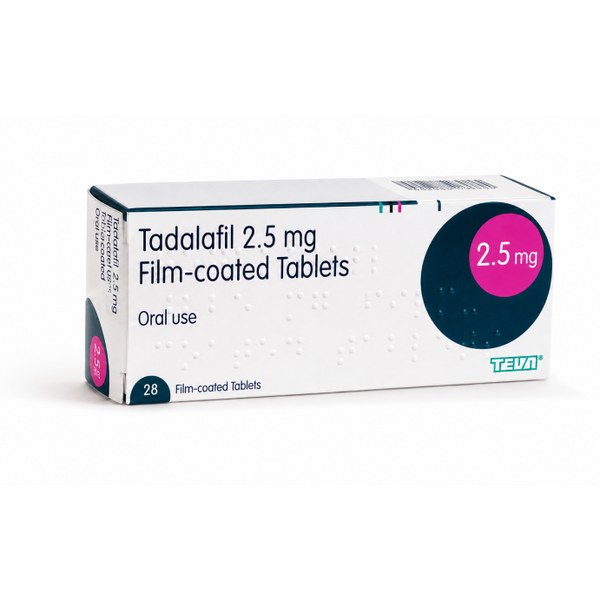
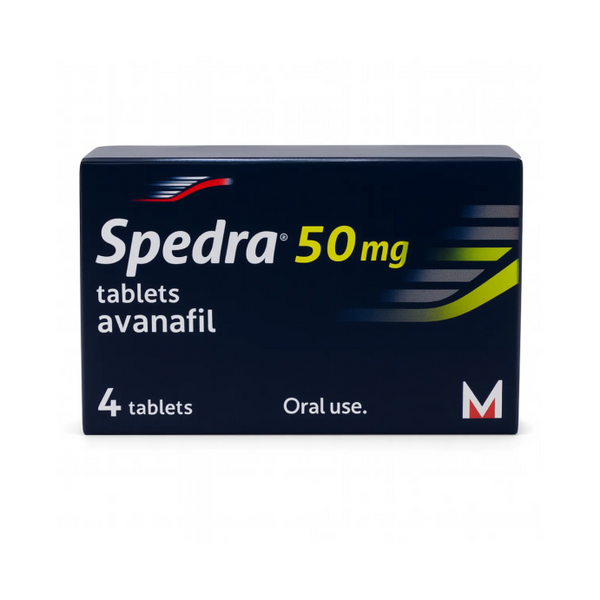
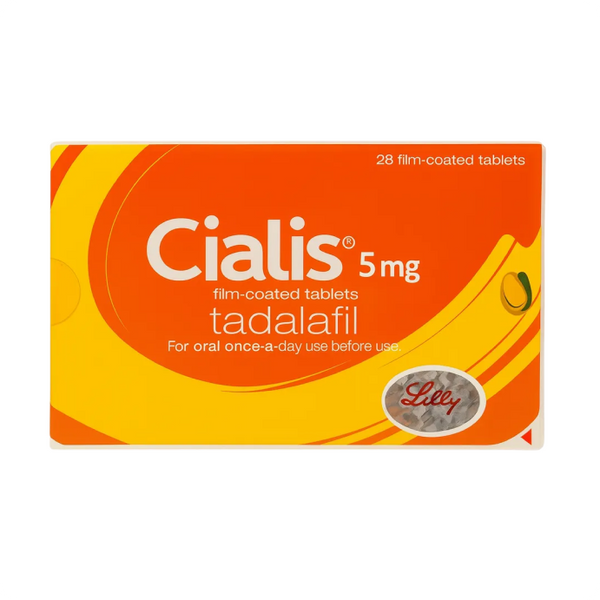
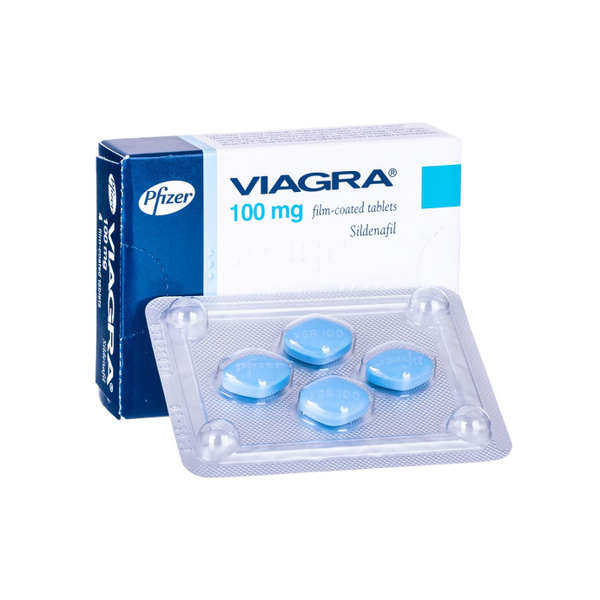
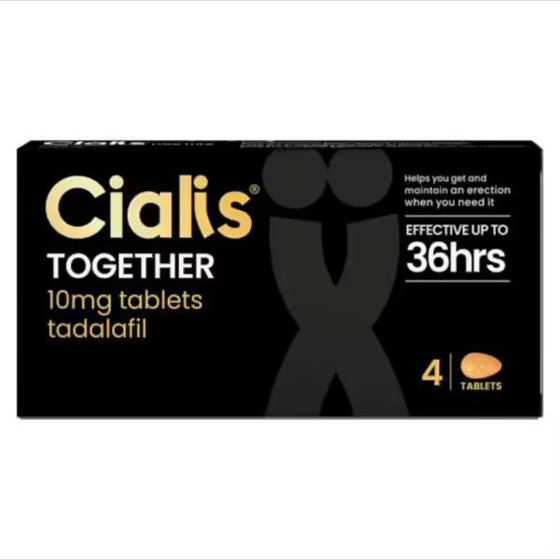
This group includes sildenafil, tadalafil, vardenafil and avanafil. These medicines have different characteristics, and treatment suitability depends on individual health circumstances.
They are not appropriate for everyone. Cardiovascular health, existing medical conditions and current medicines may affect whether a particular treatment can be used safely.
This is why the search "what is the best impotence pill?" does not have one medically responsible answer.
There is no single ED medicine that is universally appropriate. Your prescriber will determine the appropriate treatment after considering your symptoms, medical history and current medicines.
Why Isn't There One Impotence Pill That Suits Everyone?
People can respond differently to ED medicines, and individual safety considerations vary.
More importantly, medicine may manage the erection difficulty without addressing an underlying condition that contributed to it.
If someone has diabetes, high blood pressure, cardiovascular risk or significant emotional factors, these issues may still require appropriate management even when an ED medicine is suitable.
The goal should therefore be a clinically appropriate overall treatment plan, rather than simply choosing a medicine based on popularity or assuming one option is suitable for everyone.
Are There Other Treatment Options for Impotence?
Yes. Oral medicines are not the only management option for erectile dysfunction. The appropriate approach depends on the underlying cause, medical history, current medicines and individual clinical suitability.
When tablets are unsuitable or do not provide an adequate response, other approaches may be considered following clinical assessment. Psychological support may also be appropriate when anxiety, depression or other emotional factors are contributing significantly.
The important point is that treatment should follow an assessment of the likely cause. Someone with cardiovascular or metabolic contributors may need a different overall management plan from someone whose difficulties are strongly associated with emotional factors.
How Is the Cause of Impotence Assessed?
Assessment usually begins by understanding when the erection difficulties started, how often they happen and whether anything changed around the same time.
A healthcare professional may consider:
- Cardiovascular health
- Blood pressure
- Diabetes and blood-glucose control
- Cholesterol
- Current prescription medicines
- Smoking and physical activity
- Weight and metabolic health
- Psychological and emotional factors
- Possible hormonal or neurological causes
Not everyone requires the same investigations. Further assessment should be based on symptoms, medical history and relevant risk factors.
This approach helps distinguish between simply managing the symptom and identifying a potentially treatable underlying contributor.
Why Is a Medication Review Important?
A medication review can help determine whether a prescribed treatment may be contributing to impotence without unnecessarily stopping medicine that is important for another condition.
If erection difficulties began shortly after starting a medicine or changing existing treatment, tell your healthcare professional when the change occurred.
Do not skip doses, reduce the amount or stop prescribed treatment yourself. Your prescriber can assess whether the medicine is likely to be contributing and whether an alternative approach is clinically appropriate.
When Should Impotence Be Checked?
Persistent, recurring or noticeably changing erection difficulties are worth discussing with a healthcare professional.
Assessment is particularly useful when ED occurs alongside:
- Diabetes
- High blood pressure
- Raised cholesterol
- Cardiovascular risk factors
- Neurological symptoms
- Hormonal concerns
- A recent medication change
- Persistent anxiety or depression
Having ED does not prove that another serious condition is present. However, persistent symptoms can provide an opportunity to identify health factors that may benefit from assessment or management.
Can Lifestyle Changes Help With Impotence?
Lifestyle changes may help address some modifiable factors associated with erectile dysfunction, particularly those connected with cardiovascular and metabolic health.
Practical areas to consider include regular physical activity, avoiding smoking, maintaining a healthy weight where appropriate and following agreed management for diabetes, blood pressure or raised cholesterol.
These changes should not be presented as guaranteed treatments. Someone can follow a healthy lifestyle and still experience ED because neurological, hormonal, psychological, medication-related or other physical factors may be involved.
The value of lifestyle improvement extends beyond erectile function by supporting wider cardiovascular and metabolic health.
Why Should You Avoid Unregulated Impotence Medicines?
Medicines obtained through unregulated sources can carry significant risks because their contents, strength, quality and storage conditions may not be reliable.
Products advertised without appropriate checks may contain too much or too little active ingredient or undeclared substances. They may also be unsuitable for someone because of existing health conditions or other medicines.
If you are considering treatment online, use a properly regulated route where your suitability can be assessed before medicine is supplied.
A legitimate clinical assessment is particularly important for ED because some treatments are unsuitable alongside certain medicines or medical conditions.
What Should You Do If Impotence Keeps Returning?
Recurring impotence should prompt a review of the possible cause rather than repeated attempts to manage each episode without understanding why it happens.
Keep track of whether symptoms occur consistently, whether they started after a health or medication change and whether you have relevant conditions such as diabetes or high blood pressure.
A healthcare professional can then consider whether further assessment, management of an underlying condition, medication review, lifestyle changes or specific ED treatment is appropriate.
Results vary between individuals, and treatment suitability depends on an individual clinical assessment.
Medical Disclaimer
This article provides general information about impotence, possible causes and approaches that may help. It does not diagnose erectile dysfunction, identify its cause or determine whether a particular treatment is suitable for you.
Do not start, stop or alter prescribed medicine based solely on general online information.
Persistent or changing erection difficulties should be discussed with an appropriately qualified healthcare professional. Your prescriber will determine the appropriate treatment after considering your medical history, current medicines and relevant health factors.
Conclusion
Impotence can have several causes, including cardiovascular and metabolic health problems, diabetes, high blood pressure, psychological factors and certain medicines. Often, more than one factor is involved.
Because what helps with impotence depends on the underlying cause, there is no single treatment suitable for everyone. Persistent ED should be assessed by a healthcare professional to identify possible contributors and determine an appropriate management approach.
Frequently Asked Questions
Q: What is impotence?
Q: What are the main causes of impotence?
Q: What causes male impotence?
Q: Can diabetes cause impotence?
Q: Can high blood pressure cause impotence?
Q: Can anxiety cause impotence?
Q: Can medicines cause impotence?
Q: What helps with impotence?
Q: What is the best impotence pill?
Q: Can lifestyle changes help impotence?
Erectile Dysfunction by Age: What Changes as You Get Older?
Erection Problems: Causes, Meaning & Treatment UK
Related Posts


Cheap Tadalafil UK: How to Compare Prices Safely