Erectile Dysfunction by Age: How Common Is ED as Men Get Older?
- ED becomes more common with age, but it is not an inevitable part of getting older.
- Erection difficulties can occur in younger adults as well as men in middle and later life.
- Persistent ED can sometimes be linked with cardiovascular or metabolic health factors.
- GPhC-registered UK online pharmacy with online consultation and UK-registered prescribers.
Erectile dysfunction (ED) can happen at any adult age, but it becomes more common as men get older. Age itself is not the only cause. Changes in cardiovascular health, blood pressure, diabetes risk, medicines, hormone levels and emotional wellbeing can all influence erectile function over time.
Current UK government analysis estimates that around 9 million males in England have some degree of erectile dysfunction. NICE also describes ED as common and notes a clear age-related increase in prevalence and severity. Some widely cited population studies have also reported high rates of erectile dysfunction among men aged 40 to 70.
This means searches such as erectile dysfunction age 33, erectile dysfunction age 46, erectile dysfunction age 68 or erectile dysfunction age 75 should not be interpreted as fixed age thresholds. There is no particular birthday when ED starts. Instead, the likelihood generally increases as age and associated health factors accumulate.
For younger adults, recurring erection problems should not simply be dismissed because they seem "too young" for ED. Equally, older adults should not assume persistent difficulties are something they must accept without assessment, because ED can sometimes be an early indicator of underlying cardiovascular disease or other health conditions.
Key Things to Know
- Erectile dysfunction can occur at any adult age.
- Prevalence generally increases with age.
- Age does not make persistent ED inevitable.
- Cardiovascular and metabolic conditions can contribute to erection problems.
- Psychological and emotional factors may also play a role.
- Persistent or changing symptoms deserve appropriate clinical assessment.
- NICE includes erectile dysfunction as a factor relevant to cardiovascular risk assessment.
At What Age Does Erectile Dysfunction Usually Start?
There is no standard impotence age or single age when erectile dysfunction begins. Some men develop difficulties relatively young, while others maintain normal erectile function well into later life.
Age is better understood as a risk marker rather than a direct diagnosis.
As people get older, conditions that can affect circulation and nerve function become more common. These include high blood pressure, diabetes and cardiovascular disease. Medicines used to manage long-term health conditions can sometimes contribute as well.
This helps explain why the prevalence of ED tends to rise with age without making age itself the sole explanation.
NICE has cited evidence showing a steep age-related rise in ED prevalence. However, prevalence figures vary considerably depending on the population studied, how ED is defined and how symptoms are measured. A percentage from one study should therefore not be presented as a guaranteed likelihood for an individual man.
Erectile Dysfunction in Your 30s
Erectile dysfunction in your 30s is possible and should not automatically be dismissed as unusual. At this age, both physical and psychological factors may contribute.
Someone searching erectile dysfunction age 33 or erectile dysfunction age 39 may be concerned that erection difficulties indicate premature ageing. Usually, age alone provides very little explanation.
Factors worth considering include cardiovascular risk, diabetes, high blood pressure, excess weight, smoking, alcohol intake, emotional wellbeing and medicines that may affect erectile function.
Occasional difficulty does not necessarily mean someone has persistent ED. The pattern matters. A recurring change is more useful clinically than one isolated episode.
Is Erectile Dysfunction Normal at 33?
ED can occur at 33, but persistent symptoms should not simply be labelled normal because erection difficulties happen to other people.
A clinical assessment can look beyond age and consider blood pressure, cardiovascular risk factors, metabolic health, medicines and psychological factors.
This matters because NICE's cardiovascular guidance specifically includes erectile dysfunction as a factor in cardiovascular risk assessment. NICE recommends using QRISK3 for cardiovascular risk assessment because QRISK2 does not account for erectile dysfunction and may underestimate risk in this population.
What About Erectile Dysfunction at 39?
At 39, cardiovascular health and other underlying risk factors may be relevant when assessing persistent ED.
For adults approaching 40, cardiovascular health becomes increasingly relevant. QRISK3 is intended for adults aged 25 to 84 when formal 10-year cardiovascular risk assessment is appropriate.
An ED assessment may therefore create an opportunity to identify broader health risks that have not previously caused obvious symptoms.
Erectile Dysfunction in Middle Age
Middle age is when many men first become more aware of changes in erectile function. However, erectile dysfunction in middle age is often linked to broader health changes rather than age acting alone.
Blood pressure, cholesterol, diabetes risk, body weight and cardiovascular fitness can all change through this period. Some men also begin taking medicines for long-term conditions, and certain medicines can contribute to erection difficulties.
This makes middle age an important time to look at overall health rather than treating ED as an isolated symptom.
Erectile Dysfunction at Age 46: Should You Be Concerned?
Experiencing ED at 46 does not automatically mean there is a serious underlying condition. However, persistent symptoms are worth discussing with a healthcare professional.
The assessment may consider cardiovascular risk factors alongside other possible causes. NICE recommends QRISK3 when assessing cardiovascular risk in people with erectile dysfunction because ED itself is included as a risk factor within that assessment framework.
This is particularly useful information for men who otherwise feel well. Erectile dysfunction can sometimes appear alongside risk factors such as raised blood pressure, abnormal cholesterol levels, diabetes or smoking history.
The aim is not to make every episode of ED alarming. It is to avoid assuming that recurring symptoms are simply an unavoidable consequence of getting older.
How Does Erectile Dysfunction Change After Age 50?
Erectile dysfunction becomes more common after 50, but getting older does not mean erection problems are unavoidable. The increase is partly linked to health conditions and cardiovascular risk factors that become more common with age.
UK government guidance for older men's health describes erectile dysfunction as increasingly common with age. NICE also treats ED as relevant when assessing cardiovascular risk because QRISK3 includes erectile dysfunction among its risk factors.
This means a new or persistent change in erectile function in your 50s or 60s should not automatically be dismissed as ageing. Blood pressure, cholesterol, diabetes, medicines, weight and wider cardiovascular health may all be relevant.
Why Does ED Become More Common With Age?
Ageing can coincide with several changes that affect erectile function. Blood-vessel function can change with age, cardiovascular risk factors become more common, long-term conditions become more prevalent and some medicines can contribute to erection difficulties.
Common factors worth considering include:
- High blood pressure
- Raised cholesterol
- Diabetes
- Cardiovascular disease
- Smoking
- Excess weight
- Some prescription medicines
- Stress, anxiety or low mood
- Hormonal problems
These factors can overlap. For example, someone may have both cardiovascular risk factors and emotional concerns about recurring erection difficulties.
This is why age should be treated as context rather than the diagnosis itself.
Erectile Dysfunction at Age 68
Erectile dysfunction at 68 is more common than it is in younger adulthood, but it should not automatically be accepted as inevitable.
Government and population evidence shows that erectile dysfunction becomes more common with age and highlights conditions affecting blood flow, including cardiovascular disease and diabetes, among possible contributors.
At this age, an assessment may need to consider existing health conditions and medicines alongside the pattern of erection difficulties.
The important distinction is between an occasional problem and a persistent change. If erection difficulties repeatedly occur or represent a clear change from your previous erectile function, discussing them with a healthcare professional can help identify whether an underlying factor needs attention.
Does ED at 68 Always Mean Poor Cardiovascular Health?
No. Erectile dysfunction has several possible causes, so it should not be treated as proof of cardiovascular disease.
However, the connection is important enough that NICE specifically recommends QRISK3 when cardiovascular risk is formally assessed in people with erectile dysfunction. QRISK2 does not include ED and may underestimate 10-year cardiovascular risk in this group.
That makes persistent ED a useful reason to consider wider health rather than focusing only on the immediate symptom.
Erectile Dysfunction at Age 75
Erectile dysfunction is relatively common at 75, but age alone still does not explain every case.
An MHRA risk-management document summarising population studies shows a strong increase in ED incidence across older age groups. Importantly, the figures differ substantially between studies because populations, definitions and measurement methods differ.
For a 75-year-old experiencing a new change, relevant considerations may include cardiovascular health, diabetes, blood pressure, neurological conditions and current medicines.
Older adults may also take several medicines at the same time. A medication review can therefore be useful because some treatments can contribute to erectile difficulties.
Treatment suitability should always depend on an individual clinical assessment rather than age alone.
What Does the Incidence of ED by Age Actually Show?
The incidence of ED by age generally rises as men get older, but incidence and prevalence are different measurements.
Incidence describes new cases developing over a period of time. Prevalence describes how many people have the condition at a particular time or over a defined period.
This distinction matters when interpreting an erectile dysfunction age and percentage experiencing it graph. A chart showing prevalence cannot accurately be described as incidence, and figures from different studies should not be combined as though they came from one population.
An MHRA document summarising population-based studies provides a useful illustration:
| Age group | Reported incidence in one European study |
|---|---|
| 50–59 | 10 new cases per 1,000 man-years |
| 60–69 | 24 per 1,000 man-years |
| 70–78 | 64 per 1,000 man-years |
Another European study reported higher figures of 22 per 1,000 man-years at ages 50–55, 49 at ages 60–65 and 84 at ages 70–75.
The difference between these studies is itself useful information. There is no trustworthy universal percentage that can be assigned to every exact age.
Can You Give an ED Percentage for Ages 33, 39, 46, 68 and 75?
Not reliably from the available UK government and regulator evidence.
Available evidence confirms a clear age-related pattern, but it does not provide validated individual prevalence percentages for each exact age in your keyword list.
Creating values such as "X% at 33" or "Y% at 68" by interpolating between age bands would give an appearance of precision that the evidence does not support.
Erectile Dysfunction by Age: What the Evidence Tells Us
The strongest conclusion is that ED becomes more common with increasing age, but it can occur throughout adulthood and is not inevitable at any age.
A 2025 government impact assessment estimated that around 9 million males in England have some degree of erectile dysfunction. Of these, the analysis estimated approximately 4.4 million with mild symptoms, 3 million with moderate symptoms and 1.6 million with severe symptoms. The government document also makes clear that some treatment-use estimates are uncertain.
These figures demonstrate how common ED is overall, but they should not be converted into exact age-specific probabilities.
Why Do Different ED Statistics Give Different Answers?
Any graph showing erectile dysfunction prevalence by age should clearly identify what is being measured rather than presenting one smooth line that implies certainty at every age.
Results can vary according to:
- The ages included
- How erection difficulties are defined
- Whether symptoms are mild, moderate or severe
- Whether participants report symptoms themselves
- The period over which symptoms are measured
- Whether the statistic describes incidence or prevalence
- Differences in underlying health between populations
For this reason, an erectile dysfunction age and percentage experiencing it graph should clearly identify what is being measured rather than presenting one smooth line that implies certainty at every age.
Middle Age ED and Cardiovascular Risk
Persistent erectile dysfunction in middle and later adulthood can provide an opportunity to review cardiovascular health.
NICE recommends QRISK3 for formal 10-year cardiovascular risk assessment in people aged 25 to 84 without established cardiovascular disease. NICE specifically states that QRISK3 should be used for people with erectile dysfunction because QRISK2 does not include this risk factor and may underestimate cardiovascular risk.
This does not mean that ED proves someone has cardiovascular disease. It means erection difficulties can be clinically relevant when considered alongside blood pressure, cholesterol, smoking, diabetes, weight, family history and other risk factors.
For someone experiencing male health issues in middle age and erectile dysfunction, looking at the wider health picture can therefore be more useful than attributing the change to ageing alone.
What If You Are Under 40 With ED?
Being younger does not make persistent erectile dysfunction irrelevant to wider health.
Being under 40 does not automatically rule out cardiovascular or other physical contributors. Where cardiovascular risk factors are present, a healthcare professional can decide whether further cardiovascular assessment is appropriate. QRISK3 itself is intended for adults aged 25 to 84 when formal 10-year risk assessment is appropriate.
A younger adult should not assume ED automatically indicates cardiovascular disease, but recurring symptoms are still worth discussing with a healthcare professional so physical, medication-related and emotional contributors can be considered.
The same principle applies at every age: do not diagnose the cause from your age alone.
Does Erectile Dysfunction Always Need Treatment?
No. An isolated erection difficulty does not necessarily mean you have persistent erectile dysfunction or need medicine. The pattern, frequency, underlying cause and effect on your wellbeing all matter.
If difficulties keep happening, an assessment can help identify possible physical, psychological or medicine-related factors. This becomes particularly important when ED appears alongside cardiovascular risk factors such as high blood pressure, diabetes, raised cholesterol, smoking or excess weight.
Treatment suitability depends on an individual clinical assessment. The aim should be to understand the cause rather than choosing treatment based on age alone.
What Happens During an Erectile Dysfunction Assessment?
An ED assessment should consider more than the erection problem itself. A healthcare professional may ask when the difficulty started, whether it happens consistently, what medicines you take and whether you have relevant long-term health conditions.
Cardiovascular health may also need consideration. NICE recommends QRISK3 rather than QRISK2 when formally assessing cardiovascular risk in people with erectile dysfunction because QRISK3 includes ED as a risk factor.
Depending on individual circumstances, assessment may consider:
- Blood pressure
- Diabetes and metabolic health
- Cholesterol and wider cardiovascular risk
- Current prescription medicines
- Smoking and alcohol intake
- Weight and physical activity
- Emotional wellbeing
- Whether symptoms appeared suddenly or gradually
This broader approach is useful at every age. A man experiencing erectile dysfunction at age 33 may have very different contributing factors from someone experiencing it at 75.
Can Medicines Contribute to Erectile Dysfunction?
Yes. Some medicines can contribute to erection difficulties, which is why a medication review can form an important part of an ED assessment.
Do not stop a prescribed medicine yourself because you suspect it is contributing to ED. The original medicine may be important for another condition, and suddenly stopping treatment can create additional risks.
Instead, discuss the timing of your symptoms and current medicines with a qualified healthcare professional. They can consider whether a medicine could be contributing and whether an appropriate alternative or other management approach is available.
The MHRA also continues to update medicine safety information when evidence changes. This makes current medicine review more reliable than assuming that every change in erectile function is caused by age.
What Treatment Options Are Available for Erectile Dysfunction?
Treatment depends on the underlying cause, medical history and individual suitability. Age alone does not determine which option is appropriate.
Some erection difficulties may improve when contributing health or lifestyle factors are addressed. Where medicine is clinically appropriate, authorised ED treatments are also available in the UK.
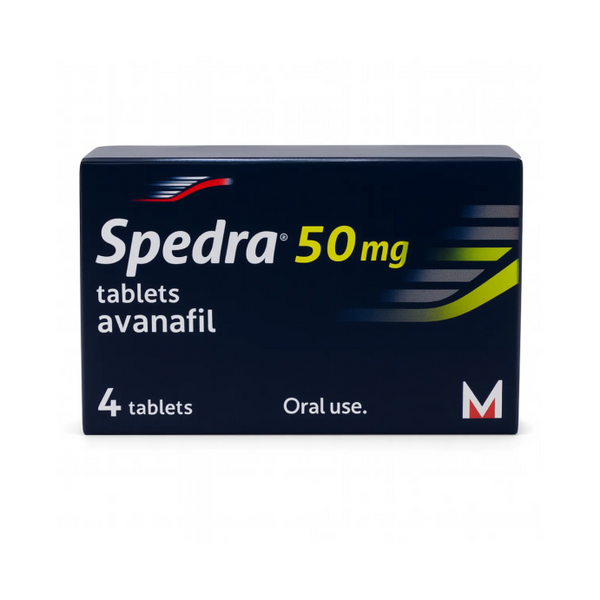
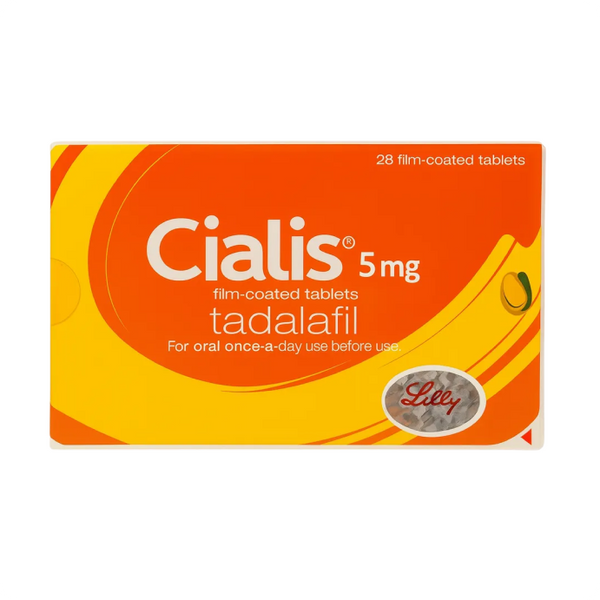
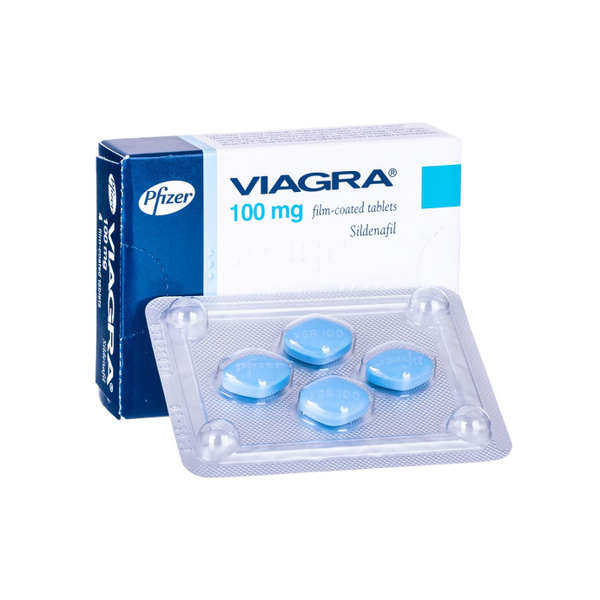
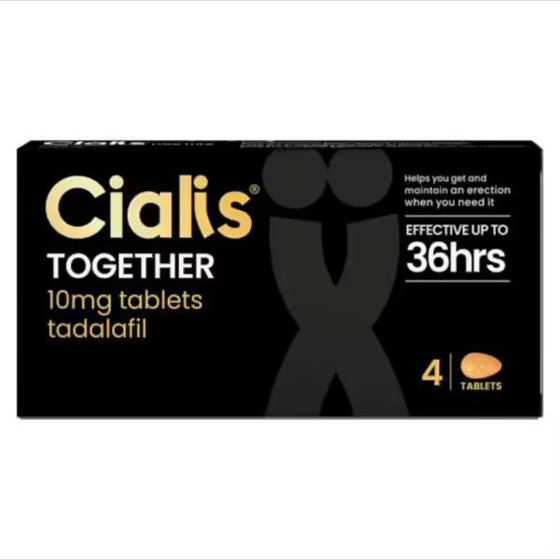
The MHRA has authorised some ED medicines for supply as Pharmacy medicines to adult men following an appropriate pharmacist assessment. Other ED medicines remain prescription-only.
This means some specific ED products can be supplied by a pharmacist without a prescription when the relevant conditions are met.
Do not assume that a treatment suitable for another person of the same age will also be suitable for you. Cardiovascular health, blood pressure, other medicines and the cause of ED can all influence treatment choice.
Does Being Older Mean ED Medicine Is Automatically Unsuitable?
No. Age by itself does not automatically rule out ED treatment.
What matters is whether a particular treatment is appropriate given your medical history, current medicines and cardiovascular health. An appropriately qualified healthcare professional can assess these factors before recommending or supplying treatment.
Equally, being younger does not automatically make treatment suitable. A man in his 30s with persistent ED may still benefit from investigating the underlying cause before deciding how the problem should be managed.
Why You Should Avoid Unregulated ED Medicines
Erectile dysfunction medicines are frequently targeted by illegal online sellers. The MHRA reported in February 2026 that approximately 19.5 million doses of illegally traded ED medicines were seized in the UK between 2021 and 2025, including 4.4 million doses during 2025 alone.
Unauthorised medicines may contain too much or too little of the claimed active ingredient, or potentially harmful undeclared ingredients. The MHRA advises people to avoid medicines offered through unknown websites, social media or messaging services and to use appropriately registered UK pharmacy services.
A low price or promise of easy access should never replace appropriate clinical checks.
When Should You Seek Medical Advice About Erectile Dysfunction?
Seek professional advice when erection difficulties repeatedly occur, represent a noticeable change from your normal function or are causing concern.
Do not assume that persistent ED is simply a normal consequence of getting older. Although prevalence rises with age, potentially modifiable factors may still contribute.
Younger adults should also avoid dismissing recurring symptoms. NICE specifically recognises erectile dysfunction as relevant to cardiovascular risk assessment, making persistent symptoms potentially useful in identifying wider health risks.
A qualified healthcare professional can assess the pattern of symptoms, relevant health conditions and current medicines before discussing suitable management.
Medical Disclaimer
This article provides general information about erectile dysfunction and age. It does not diagnose the cause of erection difficulties or determine whether treatment is suitable for an individual.
Persistent or changing symptoms should be discussed with an appropriately qualified healthcare professional. Treatment suitability depends on an individual clinical assessment, including relevant medical conditions and current medicines.
Never start, stop or alter prescribed medicine based solely on general online information.
Conclusion
Erectile dysfunction becomes more common with age, but there is no single age when ED begins and it is not an inevitable consequence of getting older.
The available UK evidence shows a clear increase across older age groups. However, exact percentages for individual ages such as 33, 39, 46, 68 and 75 cannot responsibly be generated from broad age-band data.
This distinction is important. Someone searching erectile dysfunction age 33 should not assume they are too young to experience ED, while someone searching erectile dysfunction age 75 should not assume nothing can be done because of their age.
Persistent erection difficulties can sometimes occur alongside cardiovascular and metabolic risk factors. NICE specifically includes erectile dysfunction as a factor in QRISK3 cardiovascular risk assessment because QRISK2 does not account for ED and may underestimate 10-year CVD risk in this population.
The practical message is therefore straightforward: use age as context, not as a diagnosis. If ED keeps happening, an appropriate clinical assessment can help identify contributing factors and determine whether treatment or wider health management is appropriate.
Frequently Asked Questions
Q: What age does erectile dysfunction usually start?
Q: Is erectile dysfunction common at age 33?
Q: Is erectile dysfunction normal at 39?
Q: What causes erectile dysfunction at age 46?
Q: Is erectile dysfunction common at age 68?
Q: Is erectile dysfunction inevitable at age 75?
Q: What percentage of men experience ED by age?
Q: Does erectile dysfunction mean I have cardiovascular disease?
Q: Should younger men get persistent erectile dysfunction checked?
Q: Can erectile dysfunction be treated in older men?
Types of Erectile Dysfunction: The 3 Main Categories
What Causes Impotence in Men? Causes & Treatment
Related Posts


Cheap Tadalafil UK: How to Compare Prices Safely