Erection Problems: Causes, Meaning and Treatment
Erection problems can include difficulty getting an erection, difficulty keeping one, reduced firmness or erections becoming less reliable than they were previously. When these difficulties happen repeatedly, they may be described medically as erectile dysfunction (ED). This guide is written for adult men dealing with these symptoms, especially those over 40 or those with conditions such as diabetes or cardiovascular disease who want to understand what may be causing them and what to do next.
Experiencing an occasional erection difficulty is common. Stress, tiredness, anxiety and excessive alcohol can temporarily interfere with normal erectile function, so one unsuccessful erection does not necessarily mean that something is medically wrong.
Persistent or worsening problems are different. More than 50% of men aged 40-70 experience ED, so repeated symptoms are common but still worth assessing. Blood-flow conditions, diabetes, high blood pressure, high cholesterol, hormone problems, neurological conditions, medicines and psychological factors can all contribute to erectile dysfunction, and in some men several factors are involved at the same time.
This article explains the difference between occasional erection problems and erectile dysfunction, the main physical and psychological causes, how erection problems are assessed, which treatments may help including lifestyle changes and medicines, and when professional medical advice is important. Understanding the reasons for erection problems can improve sexual wellbeing and may also help identify broader health issues such as cardiovascular disease or diabetes.
What Are Erection Problems?
An erection problem occurs when it becomes difficult to achieve or maintain an erection with enough firmness for the intended activity.
The problem can range considerably in severity. Some men cannot achieve an erection at all, while others can develop one but repeatedly lose firmness. Another person may simply notice that erections are weaker or less predictable than before.
When this happens persistently or repeatedly, healthcare professionals commonly use the term erectile dysfunction.
Erection problems are therefore not an all-or-nothing condition. You can still experience erections and have ED if maintaining adequate firmness has become consistently difficult.
What Does Erection Failure Mean?
Erection failure is not usually a separate medical diagnosis. It is an informal way of describing an erection that either does not develop as expected or cannot be maintained.
Someone using the phrase may mean:
- Being unable to achieve an erection
- Getting only a partially firm erection
- Losing an erection too quickly
- Having erections that repeatedly become unreliable
If erection failure happens once or occasionally, temporary factors such as tiredness, nervousness, anxiety or alcohol may be responsible.
When the pattern repeatedly occurs, it may meet the broader description of erectile dysfunction and deserves further assessment.
Is Erection Difficulty the Same as Erectile Dysfunction?
Not always.
Erection difficulty is a general description of having trouble with an erection. Erectile dysfunction describes a persistent or recurring problem getting or maintaining an erection.
For example, someone who occasionally struggles with an erection after a stressful day may be experiencing a temporary erection problem rather than ongoing ED.
If the difficulty:
- Keeps happening
- Becomes progressively more common
- Occurs in different circumstances
- Is affecting confidence or wellbeing
- Appears alongside other health problems
It becomes more important to investigate whether erectile dysfunction or another underlying condition is present.
What Is Penile Dysfunction?
Penile dysfunction is a broad, non-specific phrase rather than one precise diagnosis.
It may sometimes be used informally to describe erectile dysfunction, but problems affecting the penis can also include structural, neurological, vascular or other conditions.
For example, Peyronie's disease can affect penile tissue and may contribute to erectile dysfunction in some men.
Therefore, someone searching for how to cure penile dysfunction first needs to identify what type of problem is actually present.
If the main difficulty is repeatedly achieving or maintaining an erection, erectile dysfunction is the more specific medical term.
How Does a Normal Erection Work?
An erection depends on several systems working together.
Erections normally begin with sexual stimulation triggering nerve signals and chemical changes that relax blood vessels, increasing the blood supply to the penis so it becomes enlarged and firm, while mechanisms that limit blood leaving the tissue help maintain the erection. Hormones and psychological factors also influence the process.
This means erection problems can develop when something interferes with:
- Blood circulation
- Nerve signalling
- Hormone balance
- Psychological responses
- Penile structure
This complexity explains why there is no single cause, or single cure, that applies to every erection problem.
What Are the Main Erection Problem Reasons?
There are many possible erection problems reasons, but they can broadly be grouped into physical, psychological, medication-related and lifestyle factors.
UK urology guidance identifies cardiovascular disease, diabetes, hormone problems, neurological conditions, pelvic surgery or trauma that can damage the nerves and blood vessels involved in erections, anatomical abnormalities, and other physical problems among important contributors. Psychological factors can also play a significant role.
Common contributing factors include:
- Cardiovascular and blood-vessel problems
- Diabetes
- High blood pressure
- High cholesterol
- Neurological conditions
- Hormone abnormalities
- Certain medicines
- Stress and anxiety
- Depression, which is also closely related to erectile dysfunction
- Smoking
- Excessive alcohol
- Excess weight and physical inactivity
- Pelvic injury or surgery
ED can also be linked to stress and relationship issues, even when physical causes are present.
The underlying cause varies between individuals, so symptoms alone cannot always reveal what is responsible.
Can Poor Blood Flow Cause Erection Problems?
Yes. Blood-flow problems are among the most important physical causes of erectile dysfunction.
An erection requires a substantial increase in blood entering the penis. If blood vessels are narrowed, damaged or unable to respond properly, achieving adequate firmness may become more difficult.
NHS Inform identifies narrowing of blood vessels as a common cause of ED and links it with cardiovascular disease.
Conditions associated with vascular erection difficulties can include high blood pressure, high cholesterol, diabetes and cardiovascular disease.
This relationship is one reason persistent erection problems should sometimes be viewed as a broader health issue rather than simply a local problem.
Can Diabetes Cause Erection Difficulty?
Yes.
Diabetes is a well-recognised contributor to erectile dysfunction and can affect both the blood vessels and nerves needed for normal erectile function.
UK urology guidance identifies diabetes as one of the major physical conditions associated with impotence.
Diabetes can also coexist with high blood pressure, high cholesterol, obesity and other cardiovascular risk factors, meaning several mechanisms may contribute at once.
For a man with diabetes who develops persistent erection difficulties, managing the underlying metabolic condition is therefore an important part of overall ED care.
Can High Blood Pressure or Cholesterol Cause Erection Problems?
Both can contribute.
High blood pressure and high cholesterol are associated with vascular disease, and healthy blood vessels are essential for normal erections.
The NHS specifically lists both high blood pressure and high cholesterol among conditions that can contribute to recurring erection problems.
The relationship can sometimes be complicated because certain medicines may also affect erectile function.
Do not stop medication because you think it may be causing erection problems. A healthcare professional can review whether your treatment, including some prescription drugs used for conditions such as high blood pressure, could be contributing and decide whether any adjustment is appropriate.
Can Stress Cause Erection Failure?
Yes.
Stress can temporarily interfere with erection quality even in someone without an underlying physical condition.
The NHS notes that erection problems can commonly occur because of stress or tiredness, while other medical guidance also recognises anxiety, nervousness and frustration as possible temporary contributors.
Stress can also create a cycle.
A man may experience one unexpected erection problem, worry that it will happen again and become increasingly anxious during future attempts. That stress can develop into psychogenic ED or performance anxiety, sometimes alongside relationship issues, and make future erection problems more likely.
When psychological factors are important, counselling or therapy may form part of treatment.
Can Anxiety Cause Erection Problems?
Yes. Anxiety can contribute to erection difficulties.
Symptoms may sometimes be strongly linked to particular circumstances, periods of increased stress or worry about erectile performance.
However, having anxiety does not prove that an erection problem is entirely psychological.
Physical and psychological factors frequently overlap. For example, a blood-flow problem may initially reduce erection quality and then trigger anxiety, making subsequent difficulties more likely.
This is why a complete assessment generally considers both physical health and psychological wellbeing.
Can Medicines Cause Erection Difficulty?
Some oral medications and other prescription drugs can contribute to erection problems.
For example, certain antidepressants, medicines used to treat high blood pressure and some other prescription drugs may contribute to erectile dysfunction.
Medication-related ED is recognised in UK clinical guidance, and a medical assessment usually includes reviewing current treatments.
If your erection difficulties began after starting a new medicine or changing a dose, discuss the timing with your prescriber.
Certain medical treatments can also affect sexual function.
You should not stop a prescribed medicine without medical advice. Depending on the medicine and condition being treated, a clinician may decide to alter the dose, switch treatment or manage the erection problem separately.
Can Smoking Cause Erection Problems?
Smoking can increase the likelihood of vascular erectile difficulties because it damages cardiovascular and blood-vessel health.
BAUS includes smoking habits among the lifestyle factors assessed when investigating erectile dysfunction, and NHS guidance recommends stopping smoking as one measure that may help with ED.
Stopping smoking cannot guarantee that an existing erection problem will disappear, particularly if there are other underlying causes.
However, it can reduce an important modifiable cardiovascular risk factor.
Can Alcohol Cause Erection Failure?
Yes, especially in larger amounts.
Drinking too much alcohol is one of the common temporary reasons identified by the NHS for difficulty getting or maintaining an erection.
An isolated problem after drinking does not necessarily mean that a man has erectile dysfunction.
If difficulties occur repeatedly, even without alcohol, or alcohol consumption is frequent or excessive, the broader pattern is worth assessing.
Why Am I Having Erection Problems at 40?
Searches for "erection problems at 40" are common because men often wonder whether erection difficulties automatically become normal at this age.
Erectile dysfunction does become more common with increasing age, and current BAUS patient guidance identifies it as a common problem among men over 40.
However, turning 40 does not mean persistent erection failure should simply be accepted as inevitable.
Many conditions that influence erectile function become more common during midlife, including:
- High blood pressure
- High cholesterol
- Diabetes
- Excess weight
- Cardiovascular disease
- Medication use
Stress, anxiety and lifestyle factors may also contribute.
Persistent erection problems around age 40 can therefore be useful motivation to review both erectile function and general health rather than assuming age alone is responsible.
Are Erection Problems Normal After 40?
They become more common, but persistent ED should not be dismissed as a normal consequence of ageing.
UK urology guidance states that erectile dysfunction becomes more common with increasing age. It also emphasises that ED may be associated with conditions such as obesity, high blood pressure, high cholesterol and diabetes.
Age often acts indirectly because the health conditions and risk factors that cause erectile problems become more prevalent over time.
This distinction is important because some contributing factors can be identified, treated or modified.
Can Younger Men Have Erection Problems?
Yes.
Erectile dysfunction is not restricted to middle-aged or older men.
Stress, anxiety, diabetes, cardiovascular risk factors, neurological conditions, medicines, lifestyle factors and hormone abnormalities can affect younger adults too.
Younger men should therefore not automatically assume that recurring erection failure is purely psychological.
If the problem continues, clinical assessment can help determine whether there is an identifiable cause.
Can Erection Problems Be a Sign of Heart Disease?
Sometimes.
Erectile dysfunction and cardiovascular disease share several underlying risk factors, particularly problems affecting blood vessels.
BAUS advises that ED can sometimes be a sign of illnesses such as heart disease or diabetes, while NHS Inform similarly notes that erectile dysfunction may occasionally be the first indication of a more serious health condition.
This does not mean that everyone with an erection problem has heart disease.
However, persistent ED deserves particular attention when it occurs alongside:
- High blood pressure
- High cholesterol
- Diabetes
- Smoking
- Obesity
- Known cardiovascular disease
A clinician can assess whether cardiovascular risk evaluation is appropriate.
How Are Persistent Erection Problems Assessed?
Assessment generally begins with a medical history rather than immediately requiring specialist tests.
A clinician may ask:
- When erection difficulty began
- Whether the problem started gradually or suddenly
- Whether you can achieve an erection but struggle to maintain it
- Whether morning erections still occur
- What medicines you take
- Whether you smoke or drink alcohol
- Whether stress or anxiety may be contributing
- Whether you have conditions such as diabetes or cardiovascular disease
BAUS guidance states that assessment may also include blood pressure, height and weight measurements, physical examination and routine blood tests.
Blood testing may be used to investigate factors such as cholesterol, blood glucose, hormone abnormalities or other underlying health concerns when clinically appropriate.
Can Erection Problems Be Cured?
Sometimes, but "erection problems cure" is not a one-treatment-fits-all concept.
Whether erectile function can return without ongoing treatment depends largely on the cause.
For example, improvements may occur when the contributing problem involves:
- Medication that can safely be changed
- Poorly controlled cardiovascular risk factors
- Smoking
- Excess weight
- Stress or anxiety
- Another treatable underlying condition
NHS guidance recommends treating underlying causes where possible. This may involve changing a contributing medicine under medical supervision, treating high blood pressure or high cholesterol, addressing hormone problems or using counselling where emotional or mental-health factors are involved.
Other forms of erectile dysfunction may require ongoing treatment rather than having a permanent cure.
How to Cure Penile Dysfunction Safely
If by penile dysfunction you mean recurring difficulty getting or maintaining an erection, the safest approach is to determine the underlying cause first.
There is no single home method, supplement or medical treatment that permanently cures every case.
Treatment usually follows two broad goals:
1. Treat contributing causes where possible.
This can include improving cardiovascular health, managing diabetes, reviewing medicines or treating psychological factors.
2. Improve erectile function directly when needed.
Several established treatments are available when underlying changes alone are not sufficient. NHS guidance notes that treatment can usually help erectile dysfunction.
What Treatments Are Available for Erection Problems?
Treatment depends on the underlying cause, medical history and severity of the problem.
Options can include:
- Lifestyle changes
- Better management of underlying medical conditions
- Psychological support
- Oral ED medicines
- Vacuum erection devices
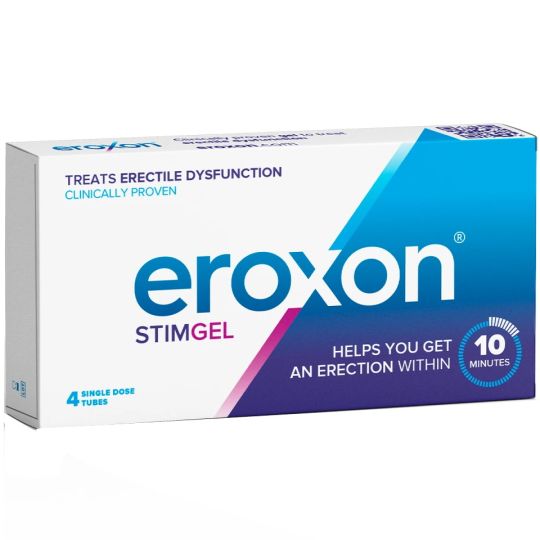
- Locally administered medicines
- Specialist treatments in selected cases
UK urology guidance generally considers oral tablets a first treatment option for many men when they are medically suitable.
If tablets are unsuitable or ineffective, other established options can be considered after clinical assessment.
Which Tablets Are Used for Erection Problems?
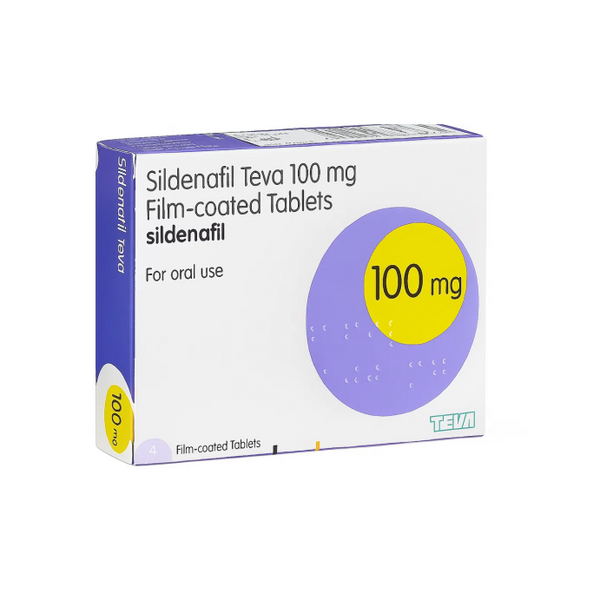
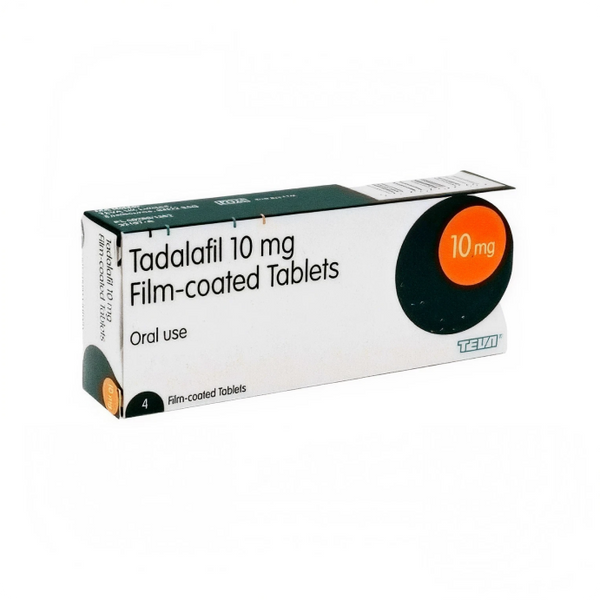
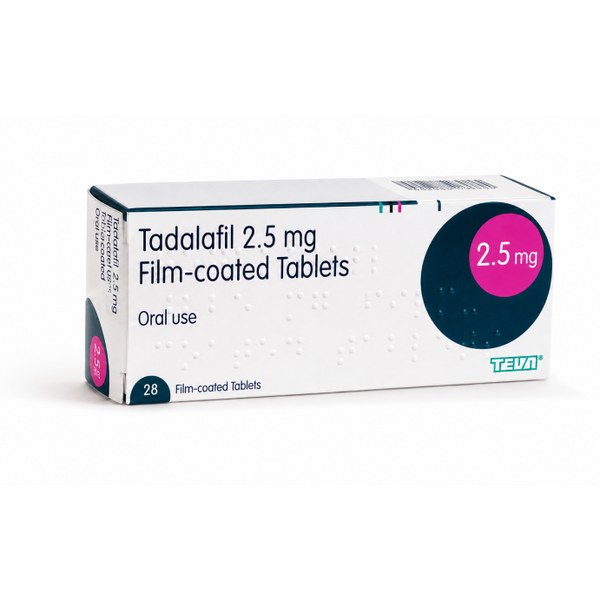
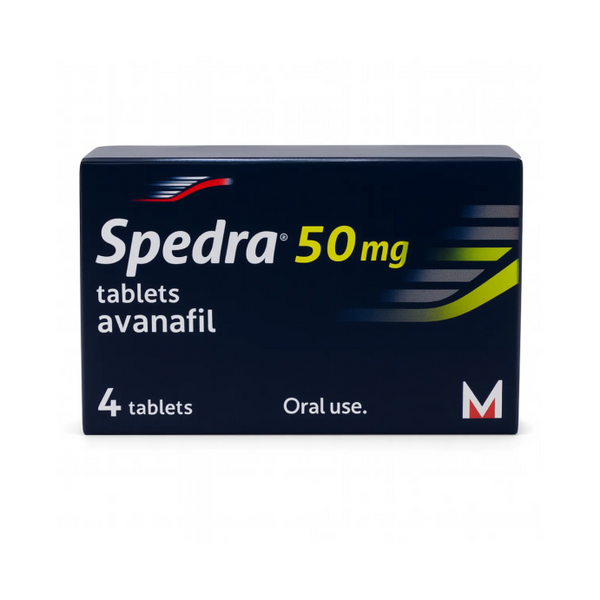
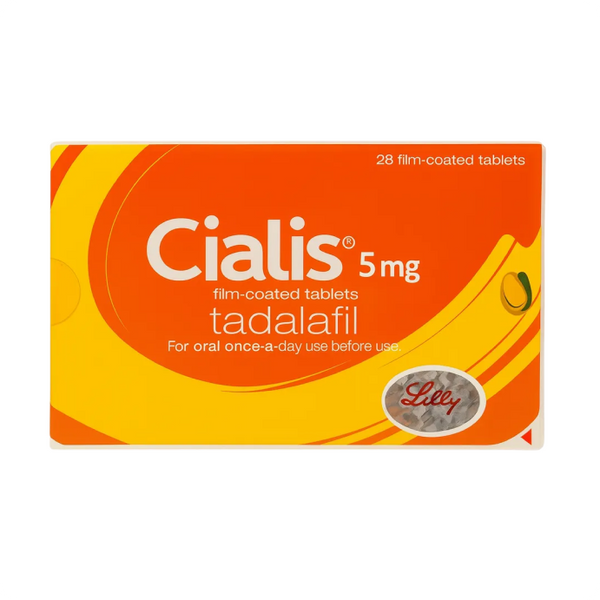
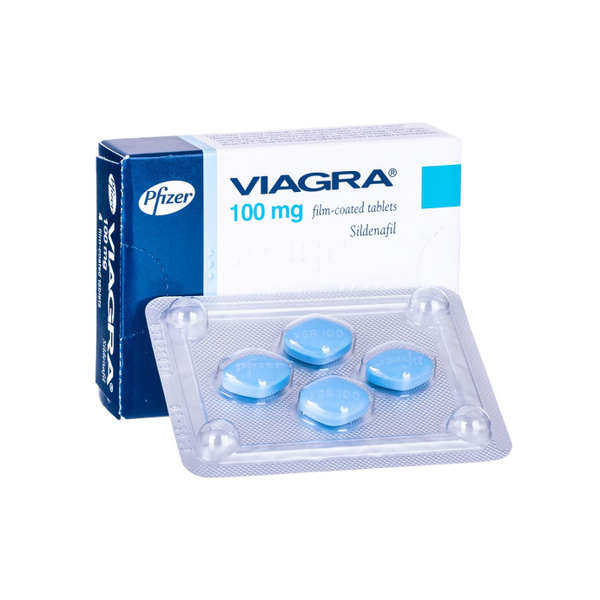
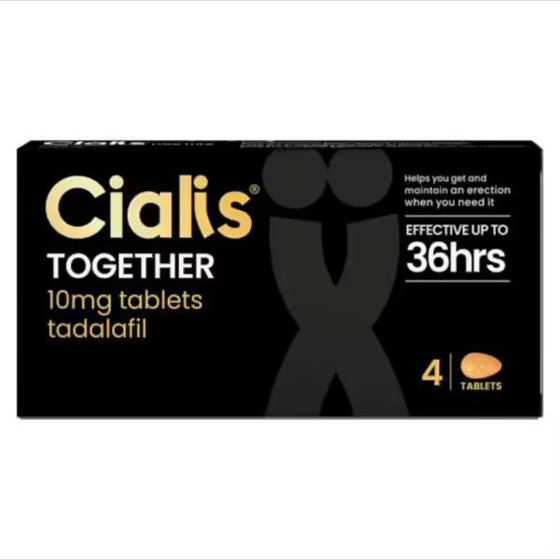
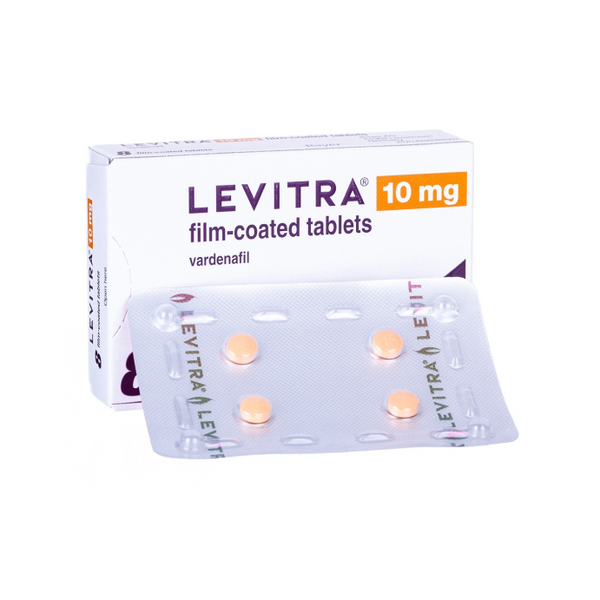
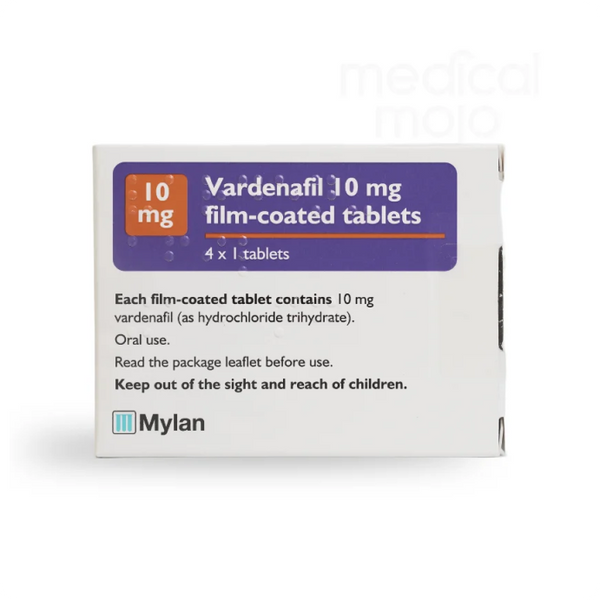
Medicines called PDE5 inhibitors are commonly used to treat erectile dysfunction.
Examples include:
- Sildenafil
- Tadalafil
- Vardenafil
- Avanafil
These medicines improve the physiological response involved in an erection by increasing blood flow.
They do not necessarily cure the underlying reason for erection difficulty.
For example, if diabetes or vascular disease is contributing, medication may improve erections while the underlying condition still requires appropriate management.
PDE5 inhibitors are also not suitable for everyone. In particular, BAUS guidance states that they should not be used with nitrate medicines prescribed for angina or heart disease.
Can Lifestyle Changes Improve Erection Problems?
Yes, particularly when modifiable cardiovascular or metabolic factors contribute.
The NHS recommends measures including:
- Losing weight if overweight
- Stopping smoking
- Eating a healthy diet
- Exercising regularly
- Reducing stress and anxiety
as approaches that can sometimes help erectile dysfunction.
BAUS guidance also highlights increasing activity, stopping smoking, controlling high blood pressure and managing blood glucose as helpful lifestyle measures.
Lifestyle improvements cannot guarantee a cure, but they can support erectile health while also benefiting general cardiovascular and metabolic health.
What If Erection Tablets Do Not Work?
A lack of response to one treatment does not mean that erection problems cannot be managed.
First, a healthcare professional may review whether the medicine is appropriate and being used correctly.
If oral medication remains ineffective, causes unacceptable side effects or cannot safely be used, other approaches may be considered. BAUS lists vacuum devices, injectable treatments and specialist options among alternatives used when tablets are unsuitable or unsuccessful.
Treatment can therefore be adjusted according to the individual's medical circumstances.
Do Vacuum Pumps Help Erection Problems?
Vacuum erection devices can help some men achieve and maintain an erection.
They work by creating negative pressure around the penis, encouraging blood to enter erectile tissue. A constriction ring may then be used to help retain the erection.
A vacuum device generally manages the erection problem when needed rather than permanently correcting an underlying vascular, neurological or psychological cause.
It may be considered particularly when oral medicines are unsuitable or have not worked adequately.
When Should You Seek Help for an Erection Problem?
Occasional erection difficulties caused by tiredness, stress or excessive alcohol are usually not a cause for alarm.
Consider speaking with a healthcare professional if:
- Erection difficulty keeps happening
- Erections are becoming progressively weaker
- You repeatedly lose erections
- The problem appeared after starting medication
- You have diabetes, high blood pressure or high cholesterol
- Symptoms followed pelvic surgery or injury
- Erection problems are affecting your wellbeing
- You are concerned about an underlying medical condition
Persistent ED can sometimes provide an opportunity to identify previously unrecognised diabetes or cardiovascular disease, so recurrent problems should not simply be ignored.
Erection Problems: The Key Takeaway
Erection problems can range from occasional difficulty getting an erection to persistent erection failure, reduced firmness or repeatedly losing an erection.
Temporary erection difficulty is common and may result from stress, tiredness, anxiety or excessive alcohol. Persistent problems can have more significant underlying causes, including cardiovascular disease, diabetes, high blood pressure, high cholesterol, neurological conditions, medicines and psychological factors.
Erection problems also become more common after age 40, but they should not automatically be dismissed as a normal or unavoidable consequence of getting older.
There are no universal erection problems cured because treatment depends on the cause. Lifestyle improvements, management of underlying conditions, psychological support, oral ED medicines, vacuum devices and other treatments can all have a role.
If erection difficulty continues, identifying why it is happening is usually more useful than simply trying to improve the erection itself. An appropriate assessment can help identify treatable causes, check broader health risks and determine which treatment is suitable.
Frequently Asked Questions
What is an erection problem?
What does erection failure mean?
What causes erection difficulty?
Why can I get an erection but not keep it?
Are erection problems at 40 normal?
Can stress cause erection problems?
Can erection problems be cured?
Can high blood pressure cause erection problems?
Can diabetes cause erection failure?
Can medication cause erection difficulty?
Is penile dysfunction the same as erectile dysfunction?
Should I worry if erection problems only happen occasionally?
What Causes Impotence in Men? Causes & Treatment
ED Exercises: What Genuinely Helps and How to Do It
Related Posts


Cheap Tadalafil UK: How to Compare Prices Safely