Types of Erectile Dysfunction: The 3 Main Categories Explained
- The genuine clinical classification, not just a vague "physical vs psychological" split
- Breaks down the five recognised subtypes within organic ED, rarely covered elsewhere
- A practical self-check pattern that helps distinguish likely type before assessment
- Online consultation with UK-registered prescribers
Erectile dysfunction is commonly described as having three broad categories: organic (physical), psychogenic (psychological), and mixed, a combination of both. Organic causes become increasingly common with age, although physical and psychological factors often overlap. In practice, physical and psychological factors often overlap, rather than fitting neatly into a single category.
Understanding which type, or combination, applies to you matters because it genuinely shapes what's likely to help, this guide breaks down each category properly, including the subtypes within organic ED that most guides skip over entirely.
Key things to know
- ED falls into three recognised categories: organic (physical), psychogenic (psychological), and mixed.
- Organic ED can have several different underlying causes, including vascular, neurogenic, hormonal, structural and medication-related causes.
- Mixed ED, involving both physical and psychological elements together, is genuinely common, not a rare in-between case.
- Whether erections occur during sleep or on waking can provide a useful clue about the pattern of ED, but it cannot determine the cause on its own.
- The type identified during assessment genuinely influences which treatment approach is likely to help most.
The Three Main Types of ED
| Type | What it means |
|---|---|
| Organic (physical) | Caused by a physical issue, blood flow, nerves, hormones, structure, or medication |
| Psychogenic (psychological) | Caused by psychological factors such as stress, anxiety, relationship difficulties or low mood are the main contributors |
| Mixed | A combination of physical and psychological factors together, genuinely common, especially with age |
This three-way classification is a useful clinical framework for understanding ED. It is not a strict, always-clean split, many men move between categories over time, or have a physical cause that is then compounded by anxiety about it, but it is a genuinely useful starting point for understanding your own situation.
Organic (Physical) ED: The Most Common Category
Organic ED means a physical issue is affecting the body's ability to achieve or maintain an erection. This becomes more common with age, since several of its underlying causes, particularly vascular and hormonal changes, become more prevalent over time. It is not one single thing, though. Organic ED can arise from several different physical or medication-related causes, including vascular, neurogenic, hormonal and structural problems.
Vascular (Blood Flow) ED
Vascular problems are among the most common physical contributors to ED. Blood flow issues can cause erectile dysfunction, and vascular ED happens when that flow into and retention within the erectile tissue is impaired, often because of narrowed or damaged blood vessels. High blood pressure, high cholesterol, and reduced circulation generally are all relevant risk factors, since the blood vessels supplying the penis are relatively small and can be among the first affected when circulation is compromised more broadly.
Vascular ED can sometimes be an early marker of underlying cardiovascular disease or cardiovascular risk, which is one reason it deserves appropriate assessment. Heart disease is one of the clearest examples of an underlying health condition linked with this pattern. ED and cardiovascular disease share important vascular risk factors, so ED can sometimes prompt assessment of overall cardiovascular health.
Neurogenic ED
This subtype arises when conditions impair nerve signal transmission to the penis, disrupting the signals that trigger and maintain an erection. Damage or disruption to these signals, whether from a central nervous system condition, spinal injury, or nerve damage following certain types of pelvic or abdominal surgery, can prevent the physical process from starting or completing properly, even when blood flow itself is normal.
Diabetes is an important cause of ED and can contribute through nerve damage, known as diabetic neuropathy, as well as through vascular and metabolic effects. ED can sometimes prompt assessment for previously unrecognised conditions such as diabetes.
Hormonal ED
Testosterone plays a genuine role in erectile function, and low testosterone is a recognised, checkable cause of ED for some men. Other hormonal imbalances, including thyroid conditions, can also contribute. Where clinically appropriate, blood tests can help identify hormonal contributors such as low testosterone or thyroid problems, rather than assuming ED is purely a blood-flow or psychological issue.
Hormonal causes are sometimes overlooked precisely because they can present alongside other, more commonly assumed causes, low energy and low mood, which often accompany low testosterone, can themselves look like a purely psychological picture if hormone levels are not specifically checked. This is a genuine reason a proper assessment matters more than working through categories by assumption alone.
Structural ED
Structural causes involve a physical change to the tissue of the penis itself. Peyronie's disease, a condition where scar tissue forms inside the penis and can cause curvature, is the main recognised example, and can make erections painful or physically difficult in a way that's genuinely distinct from a blood flow or nerve issue. This subtype often needs a specific type of assessment and specialist input, rather than a general ED treatment.
Drug-Induced ED
Several commonly prescribed medications list ED as a recognised side effect, including some blood pressure medications, some antidepressants, and certain other prescription drugs. This is a genuinely identifiable subtype, since ED that begins clearly after starting a new medication is a useful clue. Never stop or adjust a prescribed medication yourself because of this, this is something to raise with whoever prescribed it, who can consider whether an alternative might suit you better.
It's worth being specific that this is a genuine, listed side effect for certain drugs, rather than a vague possibility, patient information leaflets for relevant medications typically disclose this directly. If you notice a clear timing link between starting a new prescription and the onset of ED, mentioning this explicitly at your next review, rather than waiting to be asked, helps your prescriber connect the two properly.
Psychogenic (Psychological) ED
Psychogenic ED occurs when the underlying physical mechanism is intact, but psychological factors, most commonly performance-related anxiety, general stress, relationship difficulties, or low mood, prevent it from functioning normally. Broader mental health issues, including depression, can also lead to erection problems by affecting desire, arousal, and confidence around sexual intercourse. Anxiety triggers a stress response in the body that works directly against the process an erection depends on, which is why this category is a genuine physiological effect, not simply "being in your head" in a dismissive sense.
A recognisable pattern with this type: erections may occur normally during sleep, on waking, or in other unrelated moments, but be inconsistent specifically in situations where performance concern is present.
Psychogenic ED occurs when psychological factors such as performance anxiety, stress, relationship difficulties or low mood are the main contributors to erection problems.
A pattern in which erections occur during sleep or on waking but become difficult in situations involving performance concern can suggest that psychological or situational factors are contributing. It does not, however, rule out a physical cause.
Mixed ED: Why Most Cases Involve Both
Mixed ED means both physical and psychological factors are genuinely contributing together, and this is a common, not unusual, presentation, particularly in older men.
A typical pattern looks like this: a physical cause, for example early vascular changes, creates occasional difficulty, which then triggers anxiety about it happening again, and that anxiety compounds the original physical issue further.
Recognising this combined pattern matters, since addressing only one side, treating the physical cause without acknowledging the anxiety it's created, or vice versa, often leaves part of the problem unaddressed.
It is genuinely common for the balance between the two elements to shift over time within the same person. Someone might start with a purely physical, mild vascular issue, and if it is not addressed or discussed openly, the psychological component can grow to become the larger barrier, even after the original physical cause has been treated.
This is exactly why a proper assessment reviews both elements together, rather than assuming the original cause remains the dominant one indefinitely.
A Common Misconception Worth Addressing
It is worth directly correcting an assumption that shapes how a lot of men think about this: that psychogenic ED is somehow "not real" ED, or a lesser category compared with a physical cause. This is not accurate. The stress-response mechanism involved in psychogenic ED is a genuine, measurable physiological process, not an imagined or exaggerated one, and it responds to genuine, evidence-based approaches in the same way a physical cause responds to its own appropriate treatment.
Treating one category as more legitimate than another is not clinically accurate, and can itself add to the anxiety that is often part of the picture in the first place.
Similarly, an organic cause being identified does not mean psychological factors are irrelevant, and a psychological cause being identified does not mean there is nothing physically to check. The three-category framework is a starting point for a proper, individual assessment, not a box to fit yourself into and stop looking further.
How the Type Is Identified
A proper clinical assessment is what actually identifies which type or combination applies to you, considering your medical history, current medications, lifestyle factors, and the specific pattern of your symptoms. One practical, genuinely useful self-observation beforehand: if erections occur during sleep or on waking but are less reliable in situations involving performance concern, this can suggest that psychological or situational factors are contributing.
If difficulty occurs consistently across different situations, including when waking, a physical contributor may be more likely and is worth investigating.
This is not a substitute for assessment, but it is a genuinely useful starting observation to mention to whoever assesses you, rather than something to self-diagnose from.
Does the Type Affect Which Treatment Works?
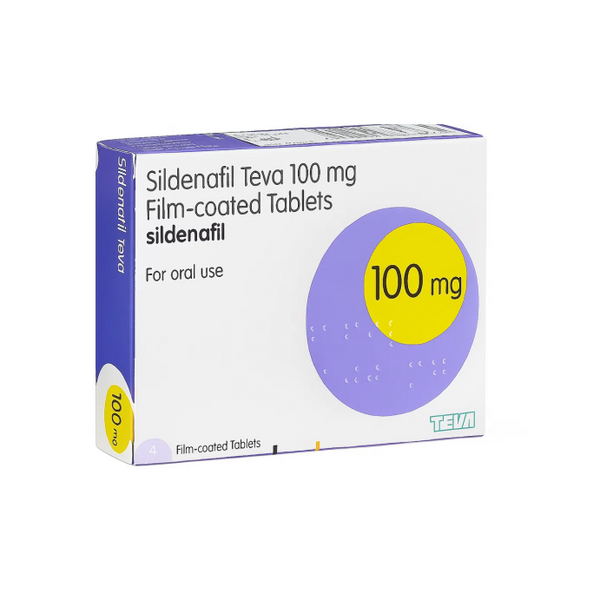
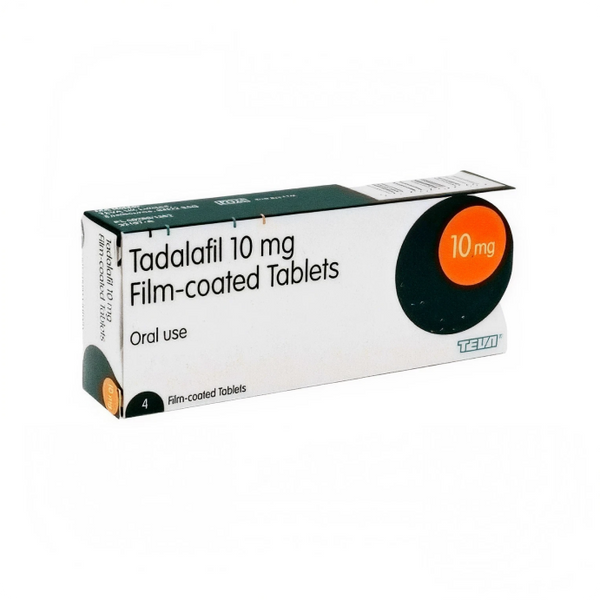
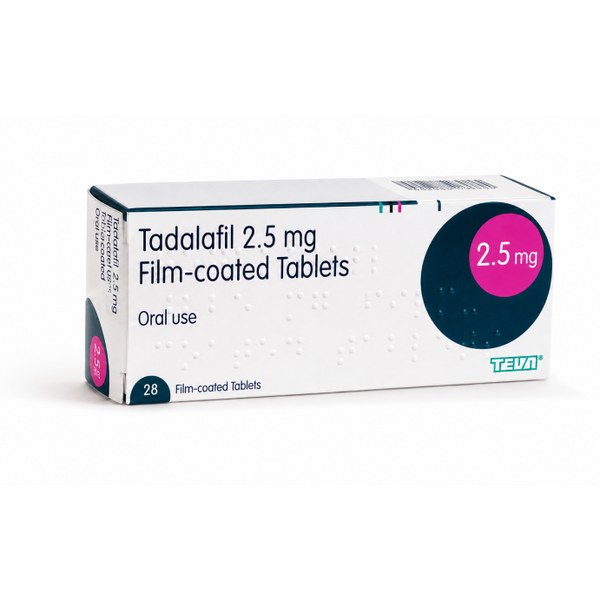
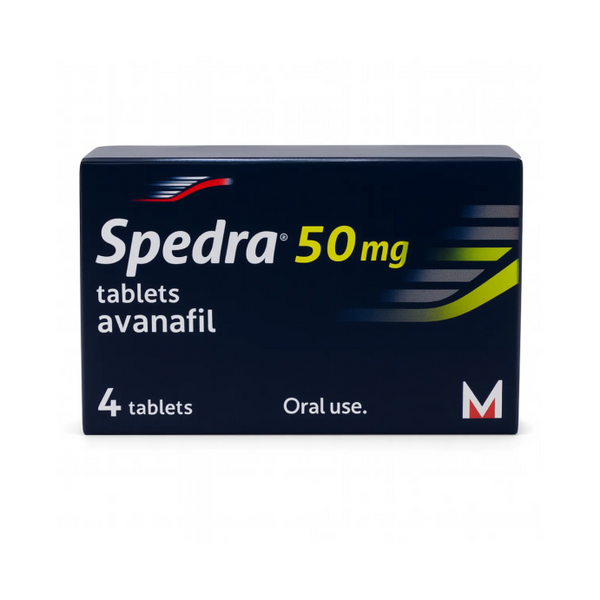
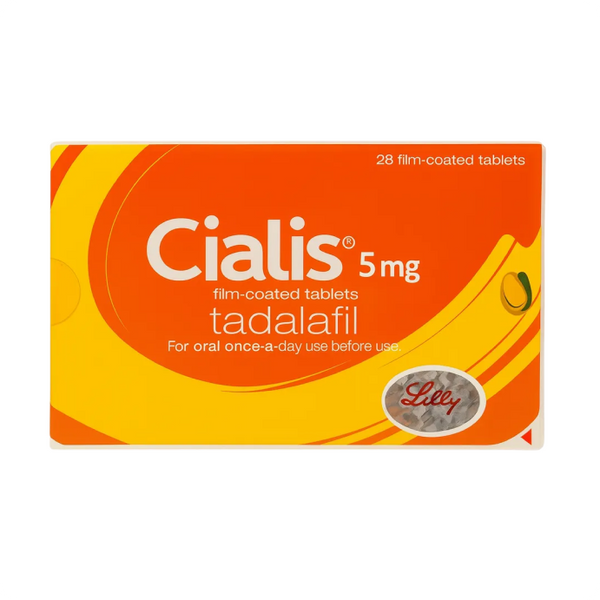
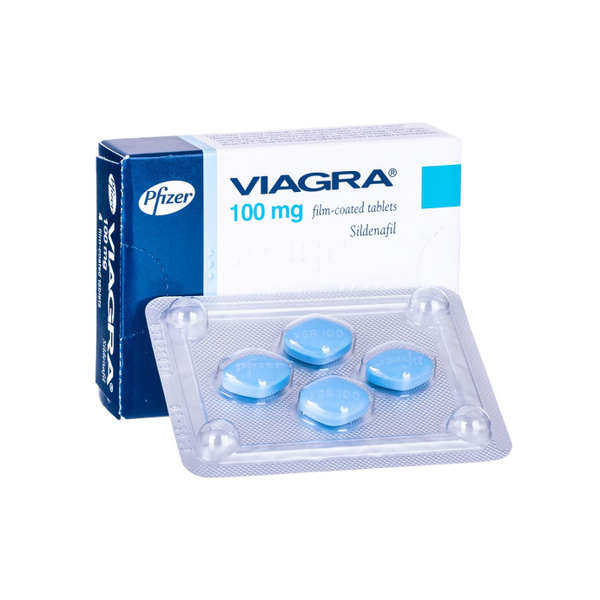
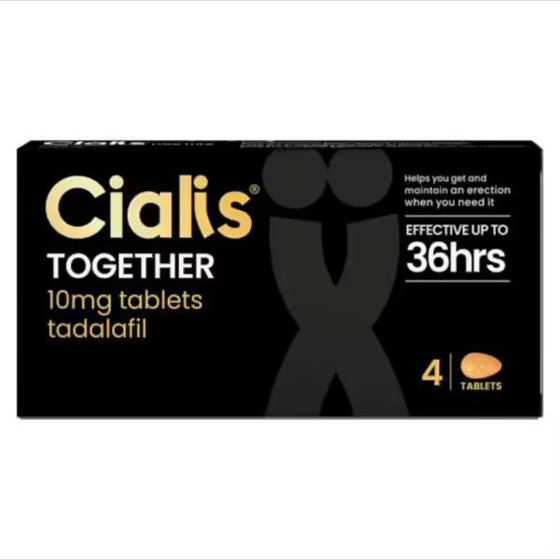
Yes, genuinely. While PDE5 inhibitors enhance the erectile response by supporting the nitric oxide–cGMP pathway and are effective for many men. Vacuum erection devices can be effective for many men and provide a drug-free treatment option. Alprostadil injections can produce erections in a high proportion of appropriately selected men. These treatments can be effective for many men with organic or mixed ED, although suitability and response vary between individuals.
The specific subtype identified can still point toward additional, more targeted steps.
Hormonal ED may specifically benefit from addressing the underlying hormone imbalance itself. Testosterone treatment may be considered when clinically confirmed testosterone deficiency is contributing to ED.
Structural ED, such as Peyronie's disease, typically needs a distinct specialist assessment beyond standard ED treatment. Drug-induced ED may resolve, partially or fully, once an alternative medication is found, something only the original prescriber can safely arrange. Where other options are unsuitable or ineffective.
Penile implants can provide very high patient and partner satisfaction when other treatments have failed or are unsuitable, but they are an invasive treatment generally considered after other options.
Psychogenic ED often benefits significantly from directly addressing the psychological factor, through counselling and therapy or open discussion with a partner, sometimes alongside a physical treatment as a confidence-building bridge while the underlying anxiety is worked through.
Mixed ED generally benefits most from addressing both elements together, rather than one in isolation, and lifestyle changes, including weight management, can also improve symptoms. Treatment suitability, whichever type applies to you, depends on an individual clinical assessment, this isn't something to self-select based on a type you have identified yourself.
Age and the Changing Balance of Types
The likely balance between organic and psychogenic factors genuinely shifts across a man's life, worth knowing rather than assuming one pattern applies at every age. Psychological and situational factors can play a larger role in ED in younger men, although physical causes can occur at any age. Since major organic risk factors like long-standing vascular disease have had less time to develop. In older men, organic causes, particularly vascular and hormonal, become proportionally more common, though psychological factors, including anxiety about age-related changes themselves, genuinely remain relevant too.
This is not a rule to self-diagnose from, plenty of younger men have a genuine organic cause, and plenty of older men have a predominantly psychological one, but its useful context for why a proper assessment does not simply assume a category based on age alone.
Red Flags Regardless of Type
- A sudden or persistent change in erectile function without an obvious explanation.
- Chest pain, significant breathlessness, or other concerning cardiovascular symptoms occurring alongside ED require prompt medical attention.
- Symptoms that could indicate hormone problems, such as persistent low energy, reduced libido or other changes alongside ED, which may warrant medical assessment.
- Penile pain, curvature, or a lump, worth assessing specifically rather than assuming it fits the standard ED categories
- Difficulty that persists for several weeks regardless of which type seems most likely
Any of these are genuine reasons to seek a proper clinical assessment promptly, rather than trying to self-categorise and self-manage indefinitely.
Medical Disclaimer
This page provides general information about the types of erectile dysfunction. It is not a substitute for personalised medical advice. Treatment suitability depends on an individual clinical assessment. Your prescriber will determine the appropriate treatment for you. Results vary between individuals. Never stop or change a prescribed medication without speaking to whoever prescribed it. If you experience chest pain, significant breathlessness or other severe symptoms alongside ED, seek urgent medical attention.
Frequently Asked Questions
Q: How many types of ED are there?
Q: What are the different types of erectile dysfunction?
Q: What is the most common type of ED?
Q: Can you have more than one type of ED at once?
Q: Is ED always physical after a certain age?
Q: Can psychological ED turn into physical ED?
Q: What test identifies the type of ED?
Q: Does the type of ED affect treatment options?
Q: What is drug-induced ED?
Q: Can erections during sleep tell you what type of ED you have?
Q: Is psychogenic ED less serious than organic ED?
Q: Can diabetes cause a specific type of ED?
Q: Can medication side effects cause ED?
How to Improve Erectile Dysfunction: What Actually Works
Erectile Dysfunction by Age: What Changes as You Get Older?
Related Posts


Cheap Tadalafil UK: How to Compare Prices Safely