How to Improve Erectile Dysfunction: Evidence-Based Ways to Improve Symptoms
- Real response-rate data across every major treatment type, not just tablets.
- Explains why nearly 4 in 10 men give up on their first treatment too soon.
- A free, evidence-based first step most guides skip entirely.
- Online consultation with UK-registered prescribers.
Erectile dysfunction, difficulty getting or keeping an erection firm enough for sexual activity, is common, particularly as men get older. Improving it usually means addressing whatever is contributing to it, whether that is a physical factor such as blood flow, a psychological factor such as stress, or often a combination of both.
This guide covers what genuinely helps, in the order it is worth trying, with real numbers rather than vague reassurance.
Key things to know
- ED often has identifiable contributing factors, whether physical, psychological, or both, and understanding these can help guide treatment.
- Cardiovascular health, weight, alcohol, smoking and sleep all have genuine evidence linking them to erectile function.
- Pelvic floor exercises are a free, low-risk option that may help some men improve erectile function.
- Some men stop their first PDE5 inhibitor because they feel it is not working, but this does not necessarily mean that ED treatment has failed.
- Response rates vary significantly by treatment type, tablets are not the only, or even the most effective, option for everyone.
What Actually Causes ED (and Why It Matters for What Helps)
ED has three broad categories of cause, physical, psychological, and mixed, and which one applies to you genuinely changes what's likely to help. Physical causes include reduced blood flow (often linked to cardiovascular disease, high blood pressure, or diabetes), nerve damage, low testosterone, and certain medications. Psychological causes include stress, anxiety, and low mood, and performance anxiety and stress frequently contribute to erectile dysfunction. Understanding the causes of erectile dysfunction matters because persistent symptoms can reflect something underlying physical as well as emotional factors.
A useful pattern worth knowing: If erections happen normally on waking or at other times but are inconsistent during sexual activity, this can suggest that psychological or situational factors are contributing. It does not, however, rule out a physical cause.
A gradual decline over months or years can be more suggestive of an underlying physical contributor, while a sudden change linked to a stressful event may suggest a psychological or situational factor. In practice, both can occur together.
In reality, many men experience both together, physical difficulty creates anxiety about it happening again, which then makes the problem worse, a genuine, well-recognised feedback loop.
Lifestyle Changes With Genuine Evidence Behind Them
Several lifestyle factors have real, evidence-based links to erectile function, worth prioritising before or alongside any medical treatment, since they address root causes rather than just symptoms.
Cardiovascular Health and Exercise
An erection depends on healthy blood flow, which is exactly why cardiovascular health and erectile function are so closely linked. Regular aerobic exercise improves circulation, supports healthy blood vessels, and has been associated with better erectile function in multiple studies. This does not require intense training. Consistent moderate activity, such as brisk walking, cycling or swimming, can support cardiovascular health and erectile function.
Weight, Diet and Blood Sugar
Excess weight, particularly around the abdomen, is associated with factors that can affect erectile function, including metabolic health, testosterone levels and blood-vessel function.
Losing excess weight also reduces the risk of diabetes and cardiovascular disease.
A heart-healthy diet supports cardiovascular health and may also improve erectile function, particularly when it helps address excess weight and other cardiovascular risk factors.
Type 2 diabetes and poorly controlled blood sugar are also strongly linked to ED, since high blood sugar can damage the blood vessels and nerves involved.
Managing weight, blood sugar and conditions such as hypertension and diabetes can be an important part of improving erectile dysfunction because these are recognised contributors for many men.
Alcohol and Smoking
Both have genuine, direct links to erectile function.
Alcohol is a nervous system depressant and can interfere with the physical process of achieving an erection, particularly in larger amounts. Limiting excessive alcohol intake can reduce one potential contributor to erection difficulties.
Smoking damages blood vessels over time, directly impairing the blood flow an erection depends on. Quitting smoking can improve vascular health and may improve erectile function over time.
Avoiding illegal drugs and recreational drugs can also help, as they may worsen erectile function.
Sleep
Poor sleep, particularly untreated sleep apnoea, is associated with ED and may contribute through hormonal and cardiovascular effects, partly through effects on testosterone and partly through the broader cardiovascular strain poor sleep places on the body. If you snore heavily, wake unrefreshed, or have been told you stop breathing during sleep, this is worth raising with a doctor as a potential contributing factor, not just a separate issue.
Managing the Psychological Side
Anxiety activates the body's stress response, which can interfere with the physical processes needed for an erection. This creates a genuinely self-reinforcing cycle: difficulty leads to anxiety about future difficulty, which makes the next occasion more likely to be difficult too.
Breaking this cycle often matters as much as any physical intervention. Open communication with a partner can reduce pressure and make it easier to address performance anxiety and reduce performance pressure. Structured approaches like cognitive behavioural therapy, which can help with psychological ED causes, and therapy are also worth considering.
If stress or low mood feels like the dominant factor for you, counselling or therapy can help address psychological barriers to erectile function and support better mental health. This can be especially important when mental health issues are part of the picture, and seeking mental health support is a legitimate, evidence-supported treatment path in its own right, not a lesser alternative to a physical one.
It is worth recognising a specific, common pattern here: a single difficult occasion can sometimes develop into a recurring pattern when anxiety about it happening again adds further pressure.
Recognising this pattern for what it is, a feedback loop rather than a fixed physical problem, is sometimes the single most useful piece of information a man can have, since it reframes an isolated incident as exactly that, rather than evidence of an ongoing condition.
Pelvic Floor Exercises: The Free First Step Most Guides Skip
Pelvic floor exercises are a low-cost option that may help some men improve their ability to maintain an erection.
The pelvic floor muscles, specifically the ischiocavernosus and bulbospongiosus, help maintain blood within the erectile tissue once an erection has started.
If erections start normally but fade during sexual activity, pelvic floor exercises may be worth trying, although this pattern can have several possible causes.
These are the muscles you use to stop yourself passing urine or wind. Use that sensation only to identify the muscles, rather than repeatedly stopping your urine flow during urination.
Regularly contracting and releasing them, similar in principle to pelvic floor exercises used for other purposes, is a free, low-risk, evidence-supported approach worth trying, particularly if the fading pattern above sounds familiar, and pelvic floor exercises can also improve control during ejaculation in cases such as premature ejaculation. Pelvic floor exercises may also help with some other aspects of male sexual function.
When Lifestyle Changes Are not Enough: Medical Treatment Options
Several effective treatments for erectile dysfunction are available. The best option depends on the cause of ED, your health, other medicines, and your preferences. Response rates vary between studies and should not be used as a direct ranking of which treatment is "best".
| Treatment type | Evidence on effectiveness |
|---|---|
| Vacuum erection devices | Effective for many men, response varies between studies |
| Intracavernosal alprostadil (injection) | Effective for many men, including some who do not respond to tablets |
| PDE5 inhibitor tablets | Effective for many men, with response varying by drug and individual |
| Intraurethral alprostadil (pellet) | An alternative option when other treatments are unsuitable or not preferred |
As a broad benchmark, PDE5 inhibitors improve erections in about 70% of men, even though the exact figure varies by drug and dose. This is worth sitting with, since it runs counter to the usual assumption that a tablet is automatically the strongest option. Vacuum pumps are effective for 90% of men with ED, so the real trade-off between treatments is acceptability and practicality, not necessarily effectiveness.
PDE5 Inhibitor Tablets
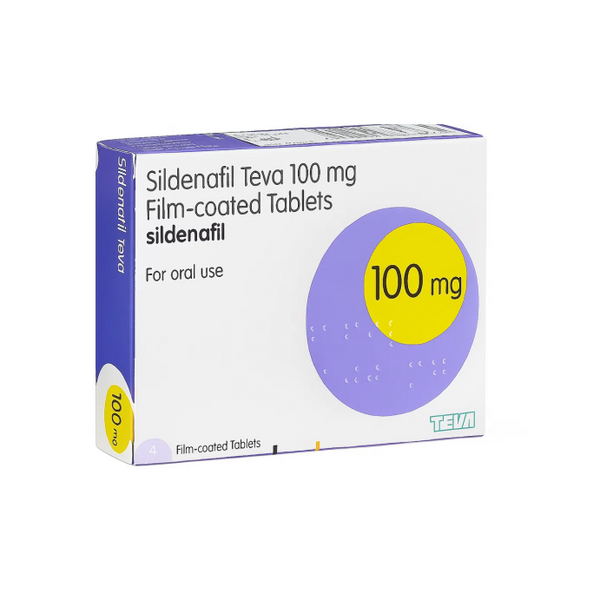
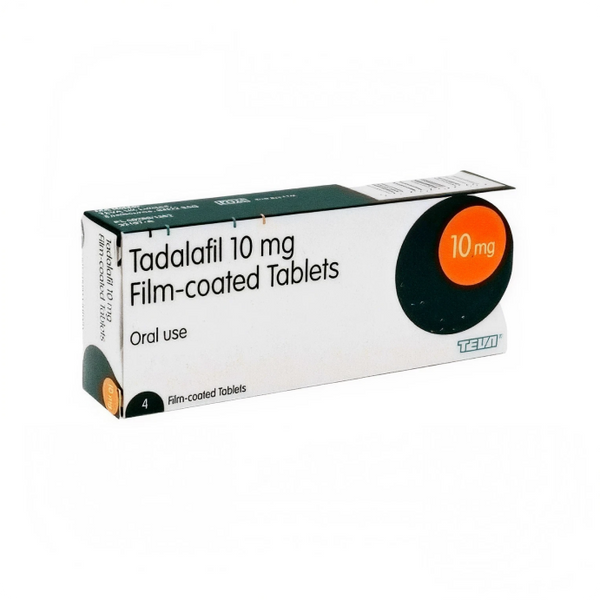
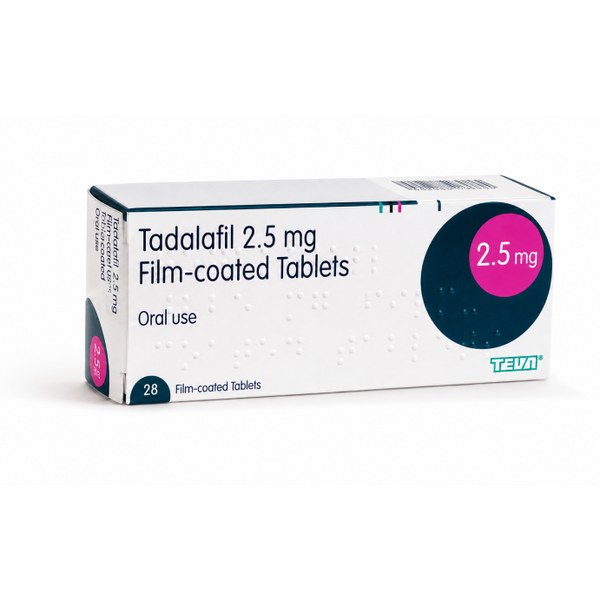
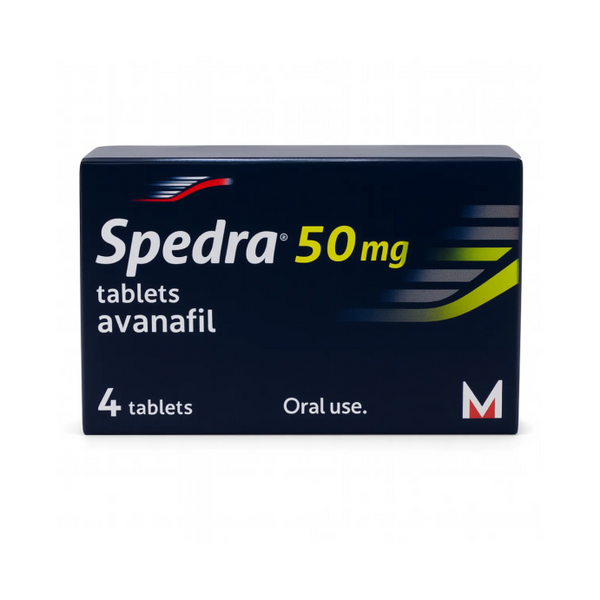
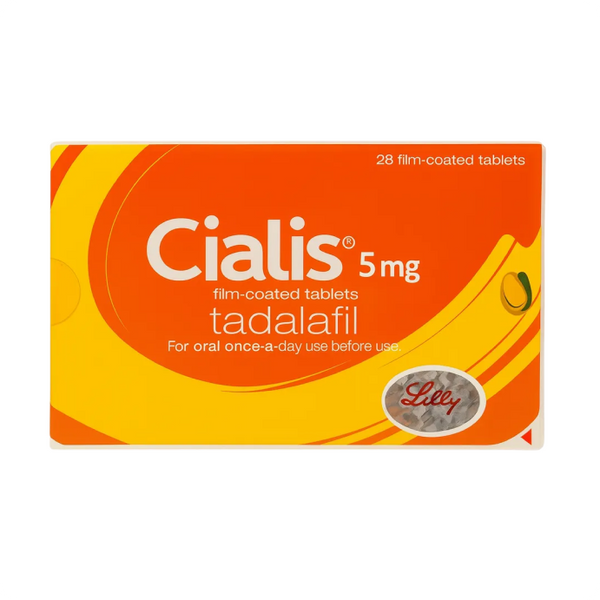
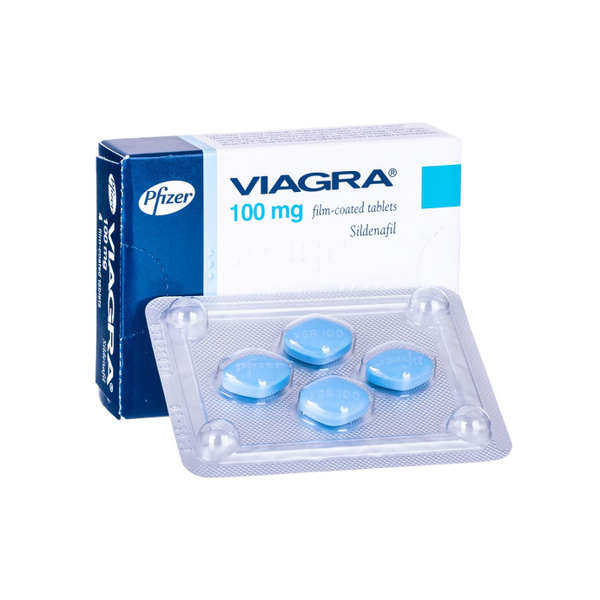
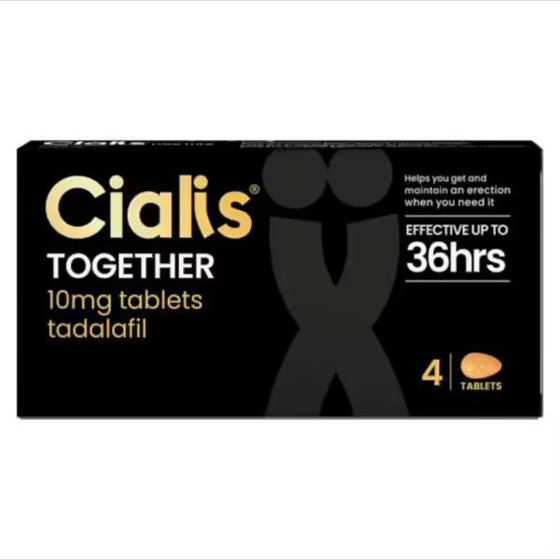
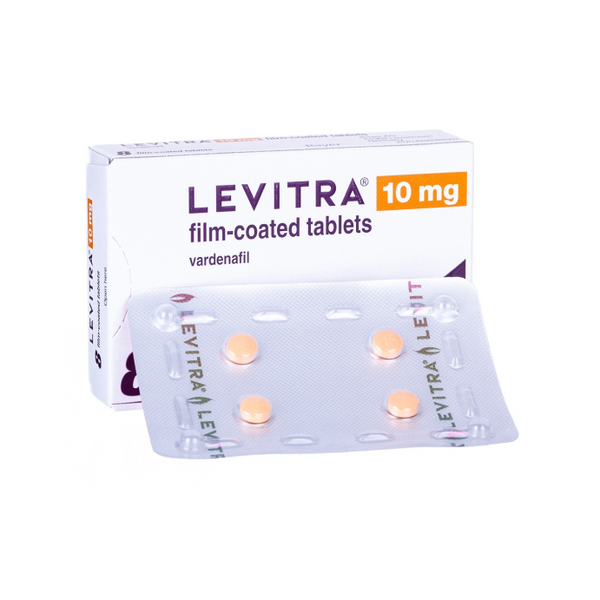
This is the most familiar treatment category: these prescription drugs help increase blood flow and support improved erections, but only in response to stimulation. They are erectile dysfunction medicines, not a way to create desire on their own.
Several different PDE5 inhibitors are available, and they are not interchangeable in every respect, some differ meaningfully in how long they remain effective and whether food affects how they work.
PDE5 inhibitors improve erections in many men, although response varies between individuals and between medicines.
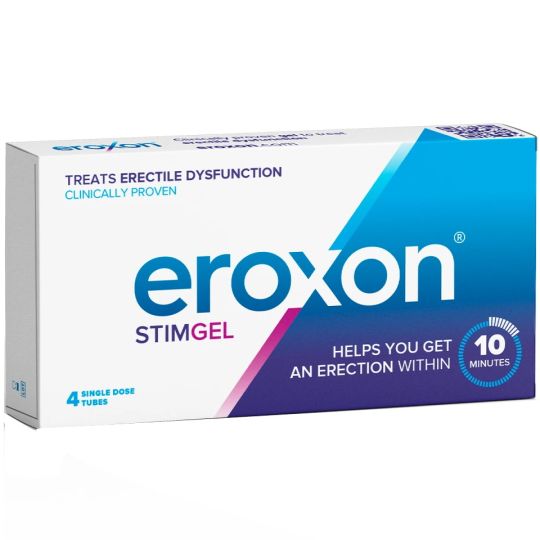
Treatment suitability, and which specific option might suit you, depends on an individual clinical assessment, this is not something to self-select without one, since there are genuine contraindications, particularly for people on certain heart medications. Do not combine them with unregulated or over-the-counter products marketed for ED without checking with a healthcare professional, as these products may contain undeclared or unsafe ingredients.
Vacuum Erection Devices
A vacuum erection device, also called a penis pump, mechanically draws blood into the penis, with a constriction ring then used to help maintain an erection.
Vacuum erection devices can be effective for many men with ED and are a drug-free option for those who cannot take PDE5 inhibitors or prefer not to use medicines.
These carry a genuinely high response rate and are drug-free, making them a genuine option for men who can not take PDE5 inhibitors for medical reasons, or who prefer a non-drug approach. A device with a proper vacuum limiter is important for safety, this is exactly the kind of detail worth confirming as part of a genuine assessment rather than an unverified purchase.
Alprostadil: Injection, Pellet, or Cream
Alprostadil works differently to PDE5 inhibitors, it acts directly on the erectile tissue rather than relying on your body's own arousal-triggered nitric oxide signal, which means it can work even when that signal pathway itself is impaired.
It is available as a self-injection delivered directly into the penis with a very fine needle. Alprostadil injections can produce erections in a high proportion of appropriately selected men. Another formulation is a small pellet inserted into the urethra, the tube that carries urine.
This is often used when oral treatment is unsuitable or ineffective, although intracavernosal injections can also be an alternative first-line option for appropriately informed patients.
Alprostadil should not be combined with other ED treatments unless specifically advised by an appropriate healthcare professional. If testing and clinical assessment show testosterone deficiency, testosterone replacement therapy may be considered, but that is a different treatment approach from alprostadil.
Shockwave Therapy: What's Actually Proven
Low-intensity shockwave therapy is a newer treatment option that is not part of routine NHS care. It is not a part of routine NHS care. A 2025 systematic review covering 21 randomised controlled trials and 1,357 men found some benefit for mild-to-moderate ED, though the certainty of this evidence is limited by small individual studies and generally short follow-up periods.
It is also worth knowing that focused and radial pressure-wave devices are genuinely different technologies, evidence for one does not automatically transfer to the other, and that a device carrying UK regulatory registration is a safety and manufacturing standard, not itself proof that it works. This is a reasonable option to discuss with a prescriber, but the evidence base is still developing, worth knowing before treating it as an established, proven treatment.
Why Many Men Give Up on Treatment Too Early
This is genuinely worth knowing. Some men discontinue their first PDE5 inhibitor because they feel it is not working. This does not necessarily mean that the treatment category has failed.
It can also reflect how the medicine was taken, including factors such as food, alcohol, timing, dose or sexual stimulation, depending on the specific medicine.
Some men can still get an erection at times but struggle to maintain one consistently, which is why technique and fit matter before judging the treatment.
Before concluding a whole category of treatment does not work for you, a proper review of exactly how it was used, and whether an alternative within the same category or a different treatment type entirely might suit you better, is genuinely worth having, rather than assuming nothing will help.
Underlying Health Conditions Worth Ruling Out
Erectile dysfunction can sometimes be an early indicator of an underlying health problem rather than an isolated sexual issue, which is precisely why a genuine clinical assessment, rather than self-treatment alone, matters.
Cardiovascular disease is the most significant example, as erection problems can sometimes point toward heart disease or coronary heart disease. The blood vessels supplying the penis are smaller than those supplying the heart, so blood flow problems sometimes show up here first. ED can sometimes appear before clinically recognised cardiovascular disease. Type 2 diabetes, low testosterone, and certain neurological and hormonal conditions are also genuine, checkable underlying causes.
A proper assessment helps diagnose erectile dysfunction through your medical history, lifestyle, cardiovascular risk factors, physical examination.
Where appropriate, blood tests may be used to look for contributing factors such as low testosterone or thyroid problems, rather than treating ED purely as an isolated symptom to manage.
This is genuinely worth taking seriously rather than skipping past. Improving ED symptoms directly, through lifestyle changes or a specific treatment, is valuable in its own right, but if an underlying condition like diabetes or cardiovascular disease is driving erectile dysfunction, addressing that condition properly matters for your broader health and overall health, not just for erectile function specifically. A proper assessment is what connects these two things, rather than treating the symptom in isolation.
A Realistic Timeline for Improvement
It is worth setting realistic expectations, since improvement generally is not immediate for lifestyle-based changes specifically. Cardiovascular and circulation-related benefits from exercise and dietary change generally build gradually over weeks to months of consistent effort.
Weight loss, where relevant, follows a similarly gradual timeline. Psychological factors can sometimes shift more quickly, particularly once the anxiety-reinforcement cycle described above is recognised and addressed directly, but this varies considerably between individuals.
Medical treatments, by contrast, generally act much faster once a suitable option and dose have been confirmed through a proper assessment, this is one of the genuine advantages of combining lifestyle change with an appropriate medical option where needed, rather than treating them as alternatives to choose between.
Red Flags: When to Seek Assessment Promptly
- A sudden or persistent change in erectile function, particularly without an obvious explanation.
- Chest pain, breathlessness, or other symptoms alongside difficulty with erections, this combination needs prompt medical attention.
- ED alongside other symptoms of low testosterone, such as reduced energy or low mood.
- Difficulty that has persisted for several weeks despite lifestyle changes, especially if it may reflect an underlying physical cause rather than a temporary fluctuation.
None of these are reasons to feel alarmed specifically, but they are genuine reasons to seek a proper clinical assessment rather than continuing to self-manage indefinitely.
Medical Disclaimer
This page provides general information about improving erectile dysfunction. It is not a substitute for personalised medical advice. Treatment suitability depends on an individual clinical assessment. Your prescriber will determine the appropriate treatment for you. Results vary between individuals. If you experience chest pain, breathlessness, or a prolonged erection lasting several hours, seek urgent medical attention.
Frequently Asked Questions
Q: How can I improve erectile dysfunction naturally?
Q: How long does it take for lifestyle changes to improve ED?
Q: Can erectile dysfunction be reversed?
Q: What is the most effective treatment for ED?
Q: Why isn't my ED medication working?
Q: Can stress alone cause erectile dysfunction?
Q: Do pelvic floor exercises really help with ED?
Q: Is erectile dysfunction a sign of a more serious health problem?
Q: Does losing weight improve erectile dysfunction?
Q: When should I see a doctor about erectile dysfunction?
Q: Can a single difficult occasion turn into ongoing ED?
Q: Is it normal to experience erectile difficulty occasionally?
ED and High Blood Pressure: The Link, and What Helps
Types of Erectile Dysfunction: The 3 Main Categories
Related Posts


Cheap Tadalafil UK: How to Compare Prices Safely