Comparing the Four Licensed Erectile Dysfunction Tablets in the UK
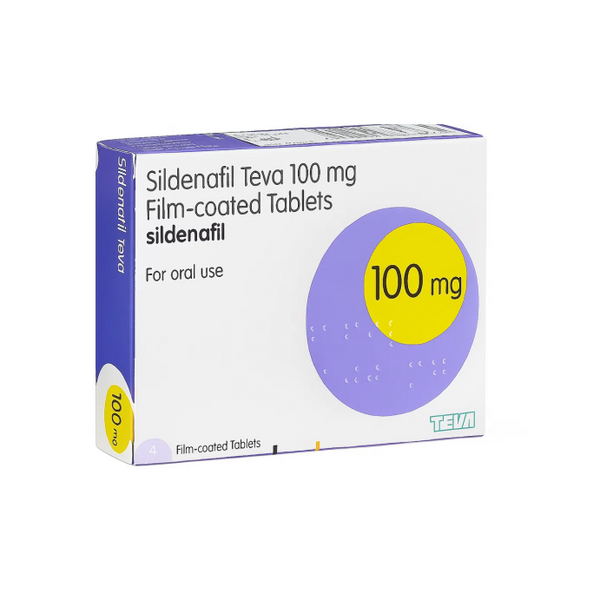
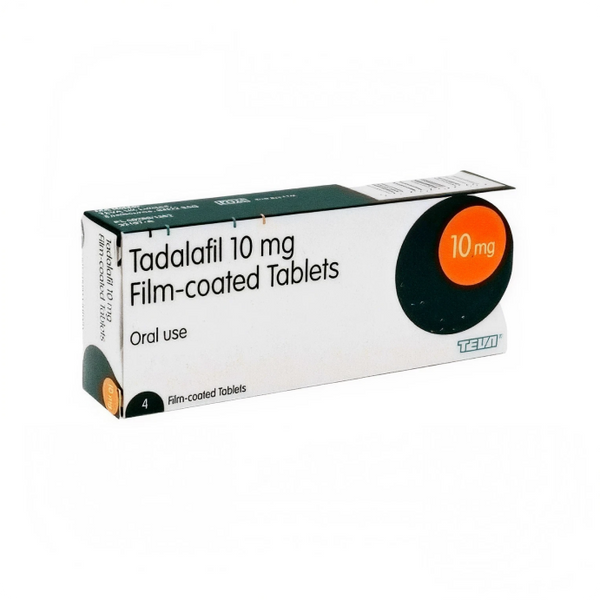
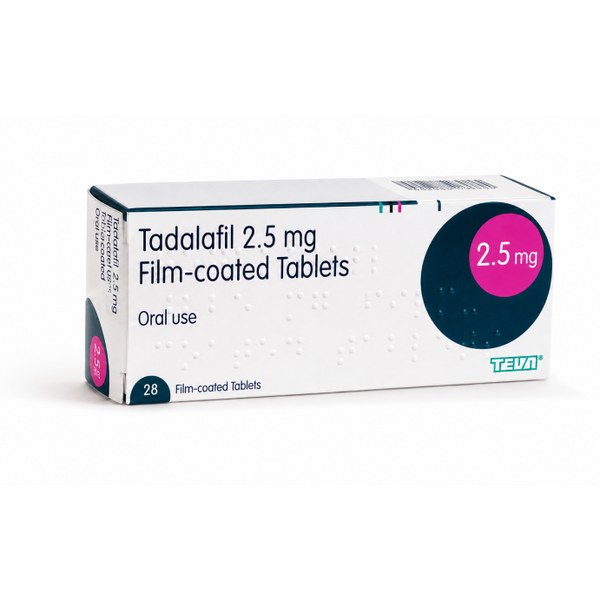
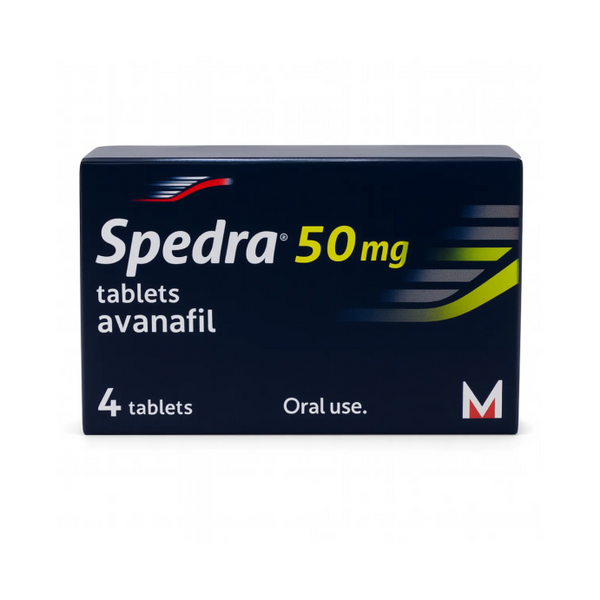
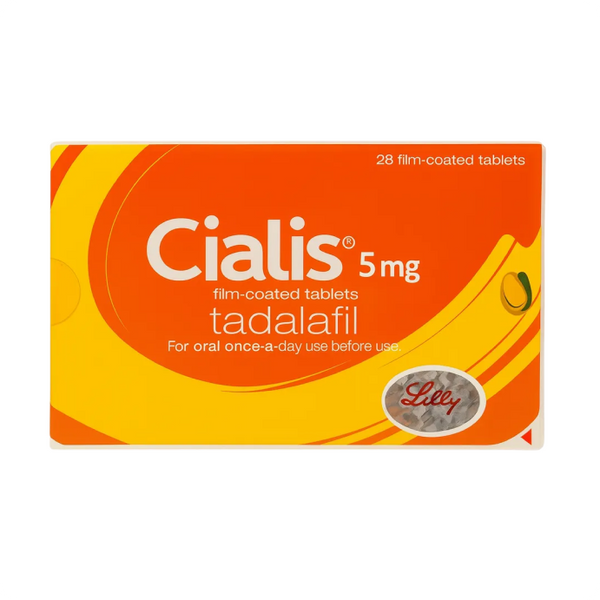
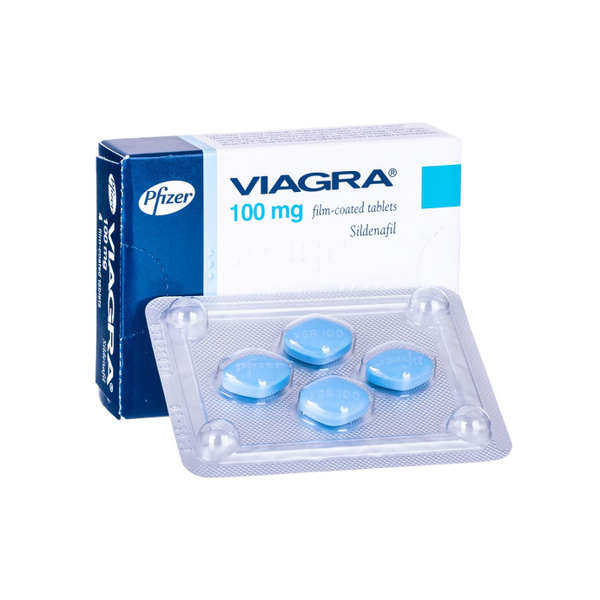
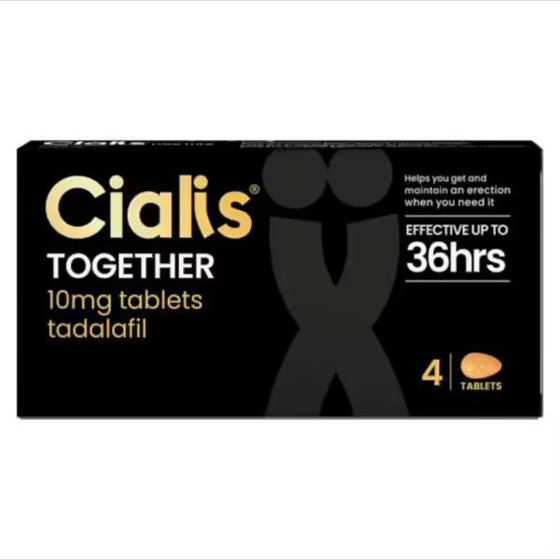
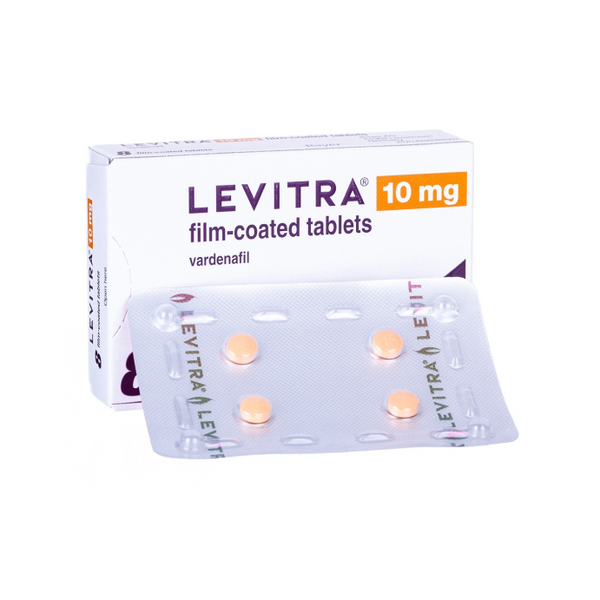
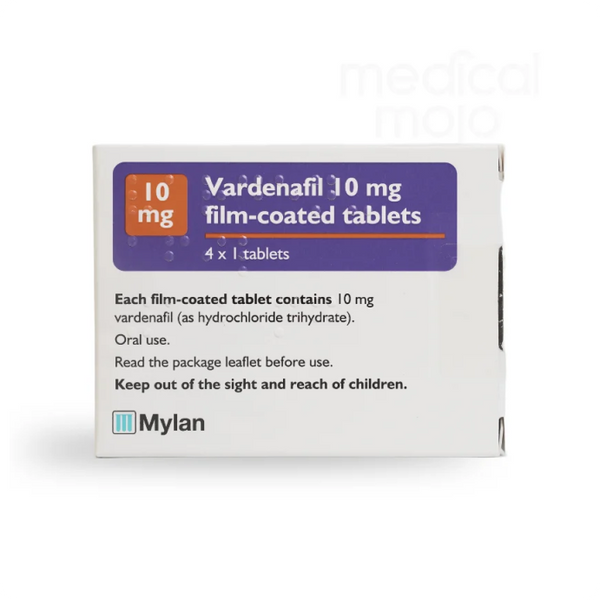
Sildenafil, tadalafil, vardenafil and avanafil all belong to the same class, PDE5 inhibitors, and all treat erectile dysfunction. They share important similarities, but their product information differs on timing, food effects and side effects, and those differences can matter when a prescriber chooses between them.
This page sets them side by side using figures from each medicine's own UK product information. No figure is carried across from one medicine to another, which sounds obvious but is the most common mistake in comparisons like this.
Key things to know
- All four are PDE5 inhibitors. Vardenafil and avanafil are prescription-only, while sildenafil and tadalafil each have one pharmacy-medicine product alongside their prescription versions
- All four must never be taken with nitrates or nitric oxide donors. That rule does not vary
- The documented onset figures are close: avanafil at around 15 minutes in one study, tadalafil as early as 16 minutes, and sildenafil at a median of 25 minutes when taken fasting
- Tadalafil is the only one whose absorption is not affected by food
- Tadalafil is the only one with a recorded effectiveness window, up to 36 hours. The others are described by half-life, which measures something different
- Treatment suitability depends on an individual clinical assessment, which no comparison table can replace
What All Four Have in Common
All four block an enzyme called PDE5, which normally breaks down a messenger called cGMP. Leaving more cGMP in place lets the smooth muscle in blood vessel walls relax, so the vessels supplying the penis fill more readily during sexual stimulation. None of them works without stimulation.
Because they act on the same pathway, their side effects overlap considerably. Headache, flushing and nasal congestion are reported with more than one of them.
The Four Compared
Every figure below comes from UK product information for that specific medicine.
| Feature | Sildenafil | Tadalafil | Vardenafil | Avanafil |
|---|---|---|---|---|
| Documented timing | Median onset 25 minutes, fasting | Effective from as early as 16 minutes | Peak blood level at 30 to 120 minutes, median 60 | Effective at around 15 minutes in one study |
| Usual timing beforehand | About an hour | At least 30 minutes | 25 to 60 minutes | 15 to 30 minutes |
| Duration measure recorded | Effect continuing 4 to 5 hours | Effectiveness maintained up to 36 hours | Half-life about 4 to 5 hours | Half-life about 6 to 17 hours |
| Half-life | 3 to 5 hours | 17.5 hours on average | 4 to 5 hours | 6 to 17 hours |
| Effect of food | Peak delayed by 60 minutes, and reduced by 29% | Not affected by food | A very high-fat meal slows absorption, but total amount unchanged | Onset may be delayed |
| Very common side effects | Headache | None recorded | Headache | None recorded |
| Common side effects | Dizziness, flushing, nasal congestion, nausea, indigestion, visual colour changes, blurred vision | Headache, indigestion, flushing, back pain, muscle pain, nasal congestion | Flushing, dizziness, nasal congestion, indigestion | Headache, flushing, nasal congestion, back pain, dizziness, sinus congestion |
| Nitrate contraindication | Applies | Applies | Applies | Applies |
| Form that dissolves in the mouth | 50mg orodispersible film | None | 10mg orodispersible tablet | None |
Onset: How Quickly Each One Works
Avanafil showed effectiveness at around 15 minutes in one study, tadalafil from as early as 16 minutes, and sildenafil at a median of 25 minutes when taken fasting. For vardenafil, the product information records peak blood levels at 30 to 120 minutes, and a usual timing of 25 to 60 minutes beforehand.

Why These Figures Cannot Settle Which Is Fastest
The numbers come from four separate development programmes, with different study designs, endpoints and definitions of onset, and none compared the four directly. A figure of 15 minutes from one programme and 16 from another does not show that one acts faster, because they were never measured the same way.
There is a second reason to hold any ranking loosely. Onset in a study population is not onset in you, and food shifts it for three of the four.
Onset Is Not the Same as Peak
These are different events, and they are often confused. Tadalafil reaches its peak blood level at about 2 hours, but shows effectiveness from 16 minutes. Avanafil peaks within 30 to 45 minutes when taken fasting. None of them waits for the peak to start working.
Duration: Why the Figures Need Care
This is the most misunderstood part of any comparison, and the error is in the measurement rather than the numbers.
Tadalafil's product information records effectiveness maintained up to 36 hours, which is an effectiveness window established in a study. Sildenafil's records an effect continuing 4 to 5 hours, alongside a half-life of 3 to 5 hours. Vardenafil records a half-life of about 4 to 5 hours, and avanafil a half-life of about 6 to 17 hours.
Half-life is the time it takes for the amount in the body to fall by half. It measures how the body clears a medicine, not how long it works. Setting a 36-hour window against a 4-to-5-hour half-life, and concluding that one lasts seven times longer, compares two different quantities.
What 36 Hours Describes
It describes a window within which tadalafil still worked. It does not describe a continuous effect for a day and a half.
In practice, it means tadalafil removes the need to time a tablet closely to an occasion. That is a real difference from the other three, and the reason it suits some people and not others. It is not a claim that its effect is stronger. Tadalafil also has a licensed daily option for people who need treatment regularly.
Avanafil's Wide Half-Life Range
Avanafil's half-life is reported as a range of about 6 to 17 hours. These values vary between individuals and study conditions, so the range does not predict what will happen for any one person.
Food: An Important Difference
If one difference matters most for day-to-day use, it is this.
Tadalafil is not affected by food, and can be taken with or without a meal.
Sildenafil is affected. Taken with food, its peak is delayed by an average of 60 minutes, and reduced by 29%.
Vardenafil is affected by a very heavy meal specifically. A meal containing 57% fat slows absorption, though the total amount absorbed is unchanged, and a meal containing 30% fat makes no difference.
Avanafil may take longer to start working if taken with food.
Side Effects: Where the Profiles Differ
Most of the side effects are shared, because the mechanism is shared, but a few differences stand out.
Visual Effects Are a Sildenafil Feature
Sildenafil is the only one of the four whose common side effects include visual colour changes and blurred vision. They do not appear in the common lists for the other three. Anyone who has had visual disturbance on sildenafil has a specific, documented reason to raise it at review.
Back and Muscle Pain Are Tadalafil and Avanafil Features
Back pain appears in the common side effects for tadalafil and avanafil, and muscle pain for tadalafil. Neither appears in the common lists for sildenafil or vardenafil.
Dizziness Differs
Dizziness is common with sildenafil, vardenafil and avanafil, but uncommon with tadalafil, meaning at least 1 in 1,000 but fewer than 1 in 100 people.
A Specific Vardenafil Caution
Vardenafil carries a caution about heart rhythm, known as the QT interval, in people with certain heart conditions or taking certain medicines.
Planned Use and Unplanned Situations
This is the practical question beneath most comparisons, and the answer follows from the timing and food figures rather than preference.
Tadalafil's food-independent absorption and longer window may suit people who would rather not time treatment closely around sexual activity. The shorter-acting options may suit people who prefer a defined window around a particular occasion. Neither approach is better. They suit different circumstances, and your prescriber will decide what is right for you.
If One Does Not Work
If a medicine does not seem to work, review how it was taken, and whether anything else affected the result, before considering a change.
Switching is a normal clinical step, and it is a prescriber's decision. Bring specific information: which medicine, what happened, how long beforehand you took it, whether you had eaten, whether alcohol was involved, and how many occasions you are describing. That turns a switch into a reasoned change rather than a guess.
Do not take a higher dose, or combine PDE5 inhibitors, to make up for a disappointing result unless a prescriber specifically tells you to.
How a Prescriber Chooses
- Your medicines. Nitrates and nicorandil rule out all four. An alpha blocker, particularly doxazosin, changes the picture
- Your heart health and blood pressure. Uncontrolled high blood pressure and low blood pressure are contraindications in their own right
- Kidney and liver function, which can affect the choice or dose
- Whether use is likely to be planned or unpredictable, which is where timing and food differences matter
- What you have tried before, and what happened, which is often the most useful single piece of information
- Other conditions, and any relevant surgery
None of those is visible in a comparison table, which is why the table cannot make the decision.
What This Comparison Cannot Tell You
- The onset figures come from four separate programmes with different designs, so they do not establish a ranking
- Duration is recorded differently across the four, so tadalafil's 36-hour figure and the others' half-lives are not directly comparable
- No product information establishes that any one is more effective than another in the general population
- Nothing here predicts an individual response. Results vary between individuals
Safety
All four are used to treat erectile dysfunction. None may be taken with nitrate medicines, because the combination can cause a dangerous fall in blood pressure.
Seek urgent medical attention for chest pain, sudden changes in vision or hearing, or an erection lasting four hours or longer.
Medical Disclaimer
This page provides general information comparing the four licensed erectile dysfunction tablets in the UK. It does not provide personalised prescribing or dosing instructions. Treatment suitability depends on an individual clinical assessment, and individual response varies.