Latest Treatments for Erectile Dysfunction: What is New in 2026?
The most significant change in UK erectile dysfunction treatment in 2026 is not a new drug. It is a new way of taking an old one. In April 2026 the MHRA confirmed a sildenafil 50mg orodispersible film, an orodispersible film that dissolves on the tongue, as a pharmacy medicine, so a pharmacist can supply it after an assessment without a prescription.
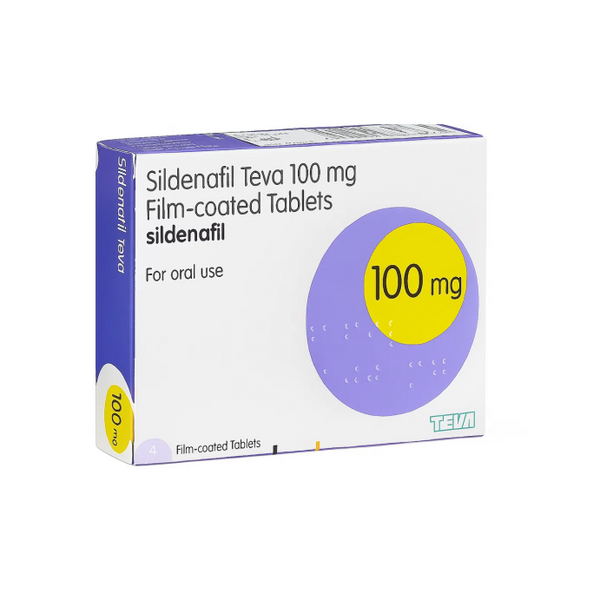
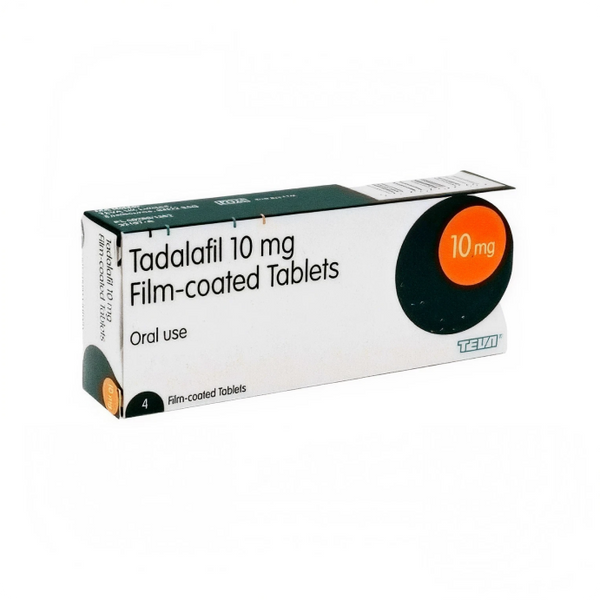
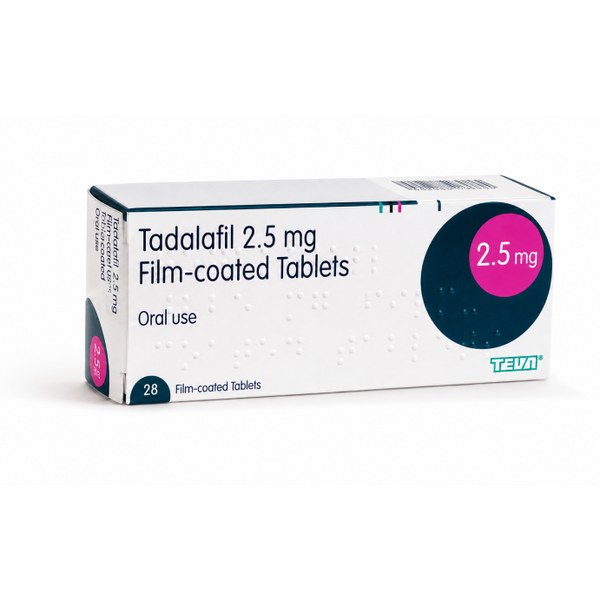
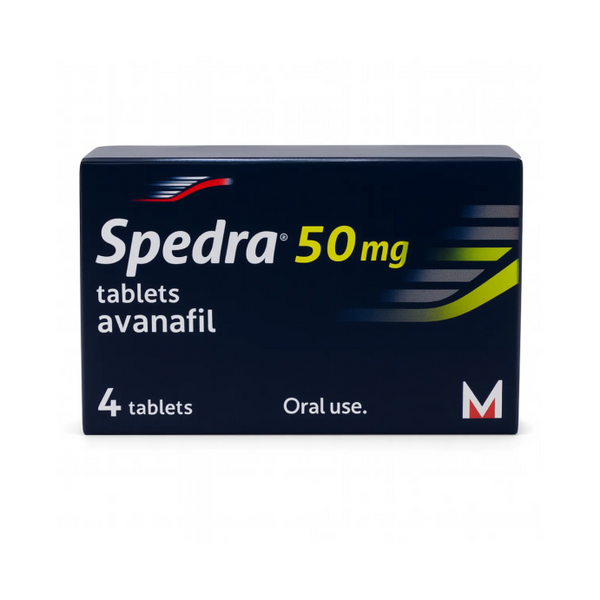
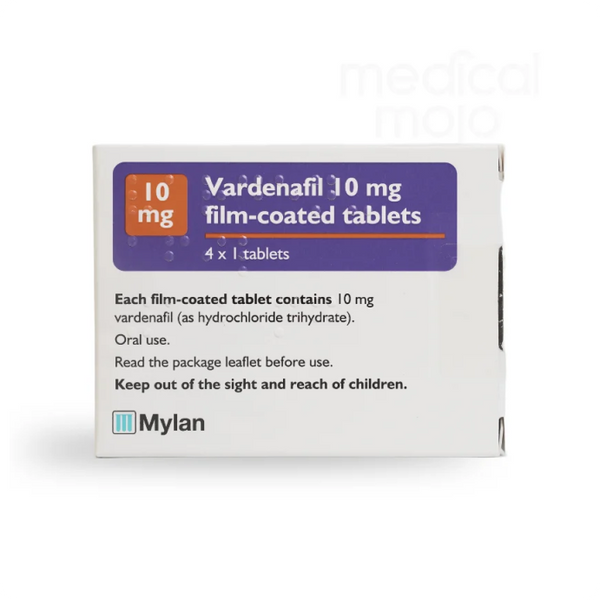
No new class of erectile dysfunction medicine has been identified in the UK in 2026. The established oral PDE5 inhibitors remain sildenafil, tadalafil, vardenafil and avanafil. What has genuinely changed is how some men can access established treatment.
This page sets out the new treatments for erectile dysfunction that are real, what the evidence supports, what shockwave therapy can and cannot claim in the UK, and how to tell a real advance from a marketing one.
Key things to know
- No new class of ED medicine has been licensed in the UK. The advances are in format and access, not chemistry.
- In April 2026 the MHRA confirmed a sildenafil 50mg orodispersible film as a pharmacy medicine, supplied after a pharmacist assessment.
- Three licensed products can now be supplied without a prescription: sildenafil 50mg tablets from 2017, tadalafil 10mg from 2023, and the sildenafil film from 2026.
- NICE evidence summaries describe first-line drug treatment as usually being an oral PDE5 inhibitor: avanafil, sildenafil, tadalafil or vardenafil.
- NICE has published guidance on shockwave therapy for Peyronie's disease, not for erectile dysfunction, and judged the efficacy evidence inadequate even there.
- In May 2026 the MHRA strengthened warnings about sexual dysfunction associated with finasteride, which may persist after treatment is stopped, and issued precautionary updated warnings for dutasteride.
- Newer is not automatically better. Sildenafil's licensing evidence covers more than 9,000 patients across more than 70 placebo controlled studies.
What is the latest treatment for erectile dysfunction in 2026?
One thing is genuinely new, and it is a formulation change rather than a new medicine. A sildenafil 50mg orodispersible film has moved to pharmacy supply, providing another way for eligible men to access an established licensed treatment.
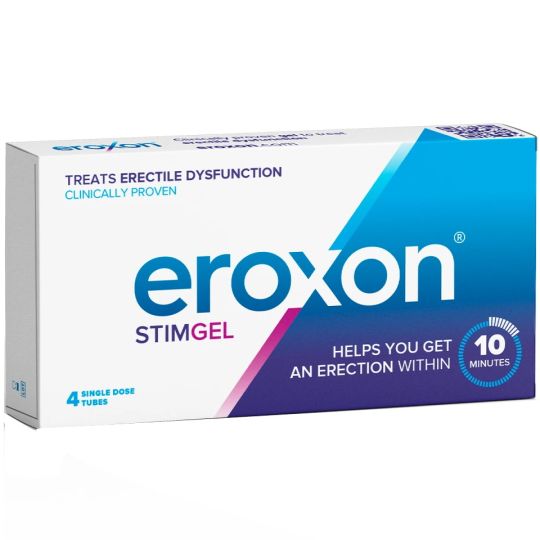
Many other treatments being marketed as a 2026 breakthrough are either an existing medicine in a different formulation, an emerging treatment without established UK guidance for ED, or an unlicensed product.
Overview of current medical treatments
Licensed oral medications remain a cornerstone of treatment for erectile dysfunction. PDE5 inhibitors enhance the nitric oxide–cGMP pathway, helping relax smooth muscle and increase blood flow into the penis.
These oral drugs stimulate blood flow and support physiological processes essential for normal erections. Oral medications such as sildenafil, tadalafil, vardenafil, and avanafil are widely used to treat ED symptoms effectively.
Non-invasive options and devices
Vacuum erection devices are an established non-drug treatment option and can help produce an erection sufficient for sexual activity.
These devices use a vacuum to draw blood into the penis, often combined with a tension ring to maintain an erection sufficient for intercourse. Vacuum devices are effective for many men and are considered safe when used properly under healthcare professional guidance.
Emerging and experimental therapies
Experimental treatments like stem cell therapy and gene therapy are under clinical trials aiming to regenerate penile tissue and stimulate blood flow by creating new blood vessels. Platelet-rich plasma injections are also being studied for their potential to repair damaged erectile tissue and improve function. However, these regenerative therapies remain investigational for ED and should not be presented as established licensed treatments.
Surgical options for treatment-resistant cases
For men who do not respond to or cannot use other treatments, penile implant surgery is an established specialist option. Implants, including inflatable or malleable types, are surgically inserted into the penis to allow controlled erections.
Importance of addressing underlying health conditions
ED can be a symptom of underlying health conditions such as cardiovascular disease, diabetes, or nerve injury. A healthcare provider will typically conduct a physical exam and review health history to identify contributing factors. Managing these health conditions alongside treatment choices improves overall health and treatment outcomes.
Lifestyle and combined approaches
Lifestyle changes can complement medical treatment. Vacuum erection devices are an established treatment option, while shockwave therapy remains an area of uncertainty for ED.
Summary
While no new class of ED medication has emerged in 2026, advances in formulation and access, along with ongoing research into regenerative and non-invasive treatments, provide men with a broad range of options. Always consult a licensed provider or healthcare professional to determine the best treatment choice based on individual health status and preferences.
The sildenafil melt: a genuinely new format
In a communication dated 27 April 2026, the MHRA set out that a sildenafil citrate 50mg orodispersible film had been reclassified from a prescription only medicine to a pharmacy medicine. It is a pale red film taken from its pouch with a dry finger, placed on the tongue and allowed to disintegrate, with or without water.
The practical advantage is convenience: the orodispersible format does not require water. The active ingredient and its established pharmacological action remain unchanged.
Why this counts as an advance rather than a gimmick: an orodispersible format needs no water, removing a practical barrier for people who dislike swallowing tablets. The active ingredient and the evidence behind it are unchanged.
What has not changed: the drug class
All four licensed UK oral treatments are PDE5 inhibitors, meaning they block an enzyme called phosphodiesterase type 5. That lets a signalling chemical called cyclic GMP build up, which increase cGMP signalling and promote smooth-muscle relaxation in the corpus cavernosum.
NICE's avanafil evidence summary describes oral PDE5 inhibitors as the usual first-line pharmacological treatment, assuming there are no contraindications or significant drug interactions.
What changed, and when
Most "new ED treatments" searches carry a year attached, so here is the honest year by year picture. Real change is rare, and it clusters around access rather than pharmacology.
| Year | What actually changed in the UK |
|---|---|
| 2017 | MHRA announced the reclassification of Viagra Connect (sildenafil 50mg) from prescription-only to Pharmacy medicine, pharmacy availability followed in 2018 |
| 2020 to 2022 | No change to the licensed treatment options or their legal classification |
| 2023 | MHRA announced tadalafil 10mg reclassified to a pharmacy medicine, with a maximum of one tablet daily and a maximum pack of 8 |
| 2024 to 2025 | No new licensed oral ED medicine identified. MHRA continued enforcement against illegal and unlicensed ED medicines. |
| 2026 | Sildenafil 50mg orodispersible film confirmed as a pharmacy medicine in April. MHRA strengthened finasteride and dutasteride warnings in May |
If you searched for new ED treatments in 2021, 2022, 2024 or 2025 and found pages promising breakthroughs, that is the gap between marketing and the regulatory record. Nothing new was licensed in those years.
Which ED treatments are licensed in the UK?
Four oral medicines are licensed, differing in speed and duration rather than in how they work. Three products are now available from a pharmacist after an assessment.
| Medicine | Typically taken before it is needed | How long the effect lasts | Legal status in 2026 |
|---|---|---|---|
| Sildenafil, tablet | About 1 hour, median onset 25 minutes | Usable up to 4 hours after taking | 50mg is a pharmacy medicine |
| Sildenafil, orodispersible film | Dissolves on the tongue, no water needed | As for the 50mg tablet | 50mg is a pharmacy medicine |
| Tadalafil, on demand | About 25 to 30 minutes | Maintained for up to 36 hours | 10mg is a pharmacy medicine |
| Tadalafil, daily | Taken every day, not before an occasion | Continuous once established | Prescription only |
| Vardenafil | About 25 to 30 minutes | Shorter acting | Prescription only |
| Avanafil | About 30 minutes | Shorter acting | Prescription only |
Onset and duration figures are drawn from MHRA reclassification documents and the NICE evidence summary on avanafil. Product-specific prescribing information should be used for current dosing and administration details.
How well do the licensed treatments work?
Well for most men, and the evidence base is unusually large. MHRA documentation for sildenafil 50mg records more than 8,000 patients aged 19 to 87 in the trial programme, with the safety profile based on more than 9,000 patients across more than 70 double blind, placebo controlled studies. In fixed dose studies, improved erections were reported by 62% on 25mg, 74% on 50mg and 82% on 100mg, against 25% on placebo. These figures come from fixed-dose clinical studies and should not be interpreted as a guarantee of individual response.
For avanafil, the NICE evidence summary describes three 12 week randomised trials measured on each trial's main effectiveness endpoint:
| Trial population | Participants randomised | Placebo | Avanafil 100mg | Avanafil 200mg |
|---|---|---|---|---|
| General population | 646 | 27.0% | 57.1% | 57.0% |
| Men with diabetes | 390 | 20.5% | 34.4% | 40.0% |
| Men after prostate surgery | 298 | 8.9% | 23.4% | 26.4% |
A 52 week extension study of 712 participants recorded 66.6% on the same endpoint. Read those figures honestly: the medicines clearly beat placebo, but response falls sharply where nerves have been damaged. Results vary between individuals.
Why a first attempt is a poor guide
MHRA documentation for sildenafil 50mg records that 40.8% reported improved function after the first dose, compared to 14.6% on placebo. After several doses, this rose significantly to 78.4% versus 46.7% on placebo. Evaluating any treatment, new or established, based on a single use can provide an inaccurate impression of its effectiveness.
Is there a new ED medication or a new ED pill?
No new ED medicine with a different mechanism has been identified in the UK treatment landscape reviewed for this article. Searches for a new ED pill or a breakthrough ED treatment are largely met by content recycling the same four medicines under new headlines.
That is not a reason for pessimism. It reflects how well the existing class performs.
Enhancing Treatment Accessibility and Convenience
The real progress in 2026 lies in improved accessibility and user-friendly formulations. The introduction of the sildenafil 50mg orodispersible film, which can be taken without water, represents a convenience improvement for men who find tablets difficult to swallow.
Combining Therapies to Improve Function
Combining oral PDE5 inhibitors with non-drug options such as vacuum erection devices can be considered in appropriate patients. Low-intensity shockwave therapy remains an emerging treatment for ED, with uncertainty about its clinical effectiveness.
Future Treatments on the Horizon
Research continues into novel mechanisms including melanocortin receptor agonists and guanylyl cyclase activators, which may offer alternative pathways to improve erectile function. Although these remain experimental, ongoing clinical trials may lead to new licensed options in coming years.
Importance of Professional Assessment
Proper medical evaluation remains essential before starting any treatment. Healthcare providers assess underlying health conditions, medication interactions, and individual suitability to ensure safe and effective use of ED treatments.
Summary
While no new ED drugs have been licensed in the UK in 2026, advances in formulation, combined therapies, and future treatment research provide promising avenues. Men experiencing erection troubles should consult qualified clinicians to explore the best evidence-based options tailored to their needs.
Why "breakthrough" headlines rarely mean a new medicine
Four things get reported as breakthroughs when they are not:
- A new formulation of an existing drug. A melt, a chewable or a spray changes convenience, not the active ingredient or the evidence.
- A reclassification. Moving a medicine from prescription to pharmacy supply changes access. The medicine is identical.
- An early stage study. Research at conference stage is years from a licence, and most never reach one.
- An unlicensed treatment sold privately. Availability is not approval.
For a new medicine, a genuine regulatory advance would normally involve an appropriate UK marketing authorisation or a significant regulatory change to an existing authorised product.
Shockwave therapy for ED: what the UK evidence actually says
Low intensity shockwave therapy is widely marketed in the UK as a non drug treatment for erectile dysfunction, but NICE has not published guidance recommending it for that use, and it is not a licensed medicine.
NICE does not have guidance recommending low-intensity shockwave therapy for erectile dysfunction. Its relevant extracorporeal shockwave guidance concerns Peyronie's disease, not ED. That guidance concluded that "current evidence on the safety of extracorporeal shockwave therapy (ESWT) for Peyronie's disease appears adequate. However, the evidence on the efficacy does not appear adequate to support the use of this procedure without special arrangements for consent and for audit or research."
NICE also noted "the lack of controlled data and agreement regarding relevant endpoints", and that placebo response made the evidence difficult to interpret.
Two conclusions follow. NICE has not endorsed shockwave therapy for erectile dysfunction, and where it has examined shockwave therapy for a related condition, it found the efficacy evidence inadequate.
Is shockwave therapy regulated?
The devices are regulated as medical devices, under a different regulatory framework from medicines. Meeting the relevant safety and performance requirements for a medical device does not mean that a UK health technology body has established its clinical effectiveness for erectile dysfunction.
That distinction is worth understanding before spending money. "MHRA registered device" and "clinically proven treatment" are not the same claim.
Questions worth asking before paying for shockwave therapy
- What is the total cost of a full course, and how many sessions does that assume?
- What happens if there is no improvement, and is any part refundable?
- Who assesses you first, and are they qualified to identify a cardiovascular cause?
- Is the clinic claiming a cure, and on what published evidence?
- Has anyone checked your blood pressure, cholesterol and blood glucose?
A clinic should assess the possible causes and relevant cardiovascular risk factors before recommending a course of treatment.
Non drug treatment for ED and other alternatives
Several non-drug options exist and are established alternatives rather than new treatments. NICE describes alprostadil as an alternative for men who cannot tolerate PDE5 inhibitors, have contraindications to them, or in whom they are ineffective.
| Option | What it is | Where it sits |
|---|---|---|
| Alprostadil | Applied or injected locally rather than swallowed | Alternative where oral treatment is unsuitable or ineffective |
| Vacuum devices | A pump that draws blood into the tissue mechanically | Long established, drug free, prescriber guidance needed |
| Penile implants | Surgically placed devices | Considered where other options have failed |
| Lifestyle change | Exercise, weight loss, stopping smoking, alcohol reduction | NICE evidence summaries support risk reduction and lifestyle modification for men with ED |
| Shockwave therapy | Device based, delivered privately | No NICE guidance supporting it for ED |
In the NICE evidence summary on alprostadil, 18% of trial participants were men in whom PDE5 inhibitors had been ineffective, a reminder that non response to tablets is common enough to plan for rather than a dead end.
Is there a new treatment for ED without pills?
Not a newly licensed one. The non pill options available in 2026 remain consistent with previous years, and the genuinely new development is a format that removes the need for water rather than the need for medicine.
Treatments such as stem-cell injections and platelet-rich plasma remain investigational for ED and are not established licensed ED treatments in the UK. Supplements marketed for ED are not licensed medicines for treating the condition.
Alternative treatments for ED: what to be careful about
Herbal capsules and supplements marketed for erectile dysfunction sit outside the licensed treatment group entirely. The MHRA's Criminal Enforcement Unit has stated that unlicensed products "may contain no active ingredient, the wrong dose, hidden drugs or toxic ingredients", and that unlicensed ED medicines can be especially dangerous for people with heart disease or high blood pressure.
In February 2026 the MHRA reported seizing around 19.5 million doses of illegal erectile dysfunction pills between 2021 and 2025, including 4.4 million in 2025 alone.
Advances in ED treatment: what has genuinely improved
The clearest advances in ED treatment since 2017 have been in how quickly someone can reach a licensed option safely, rather than in what that option is.
Over the counter ED pills in the UK
Searches for over the counter ED pills UK have a precise answer. Three licensed products can be supplied by a pharmacist without a prescription, following an assessment. Nothing in this category is off the shelf.
- Sildenafil 50mg tablets. Reclassified from prescription only to pharmacy medicine, announced 28 November 2017, for men over 18. Pharmacists assess whether treatment is appropriate and whether a GP consultation is needed.
- Tadalafil 10mg. Reclassified on 14 March 2023, with limits of one tablet daily and a maximum pack size of 8.
- Sildenafil 50mg orodispersible film. Confirmed as a pharmacy medicine on 27 April 2026, with the same one dose daily maximum.
Everything else, including higher strengths, daily tadalafil, vardenafil and avanafil, remains prescription only.
What a legitimate online consultation involves
A proper consultation asks about your symptoms, heart conditions and blood pressure, all current medicines with specific questions about nitrates, liver and kidney health, and any eye conditions or previous vision loss. You should also be able to be declined, because a service that approves everyone is not assessing anyone.
The MHRA advises using only UK registered pharmacies, including online pharmacies displaying the official green cross logo, and avoiding social media, messaging apps and unknown websites. Verify any pharmacy against the General Pharmaceutical Council register before ordering.
You can check your eligibility for erectile dysfunction treatment through an online consultation with UK registered prescribers.
What ED treatments cost in the UK
Cost varies by medicine, strength and pack size. The figures below are standard EveryDayMeds prices, with cost per tablet calculated from the pack price so you can compare like with like.
| Treatment | From price |
|---|---|
| Sildenafil Teva | £3.99 |
| Tadalafil On Demand | £8.49 |
| Tadalafil Daily | £23.99 |
| Vardenafil | £27.99 |
| Spedra (Avanafil) | £22.99 |
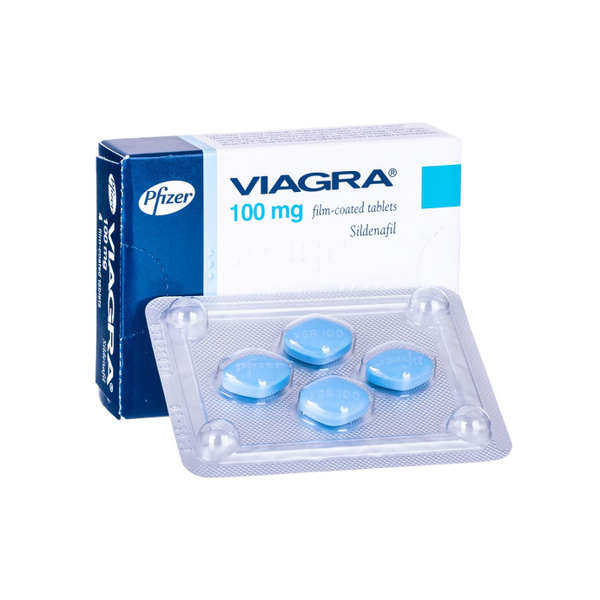
| Viagra | £28.99 |
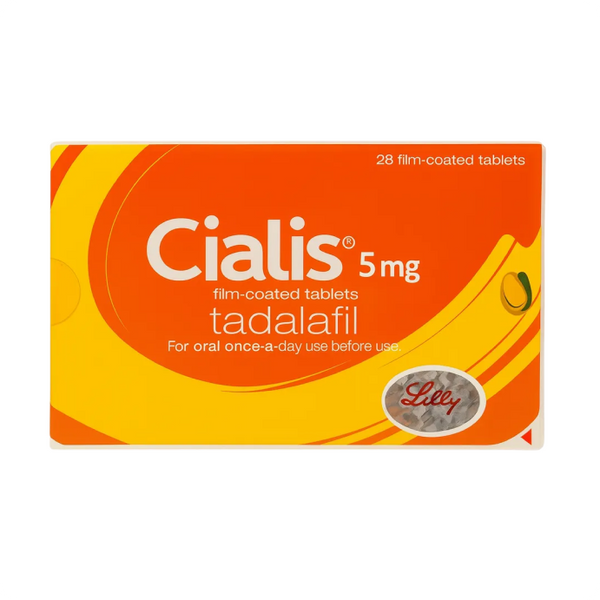
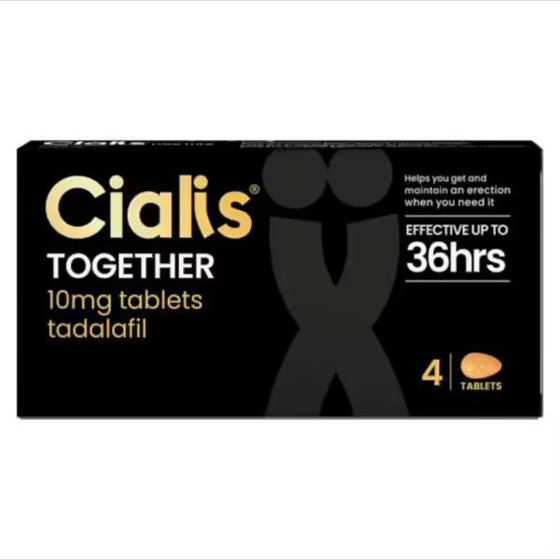
| Cialis | £44.99 |
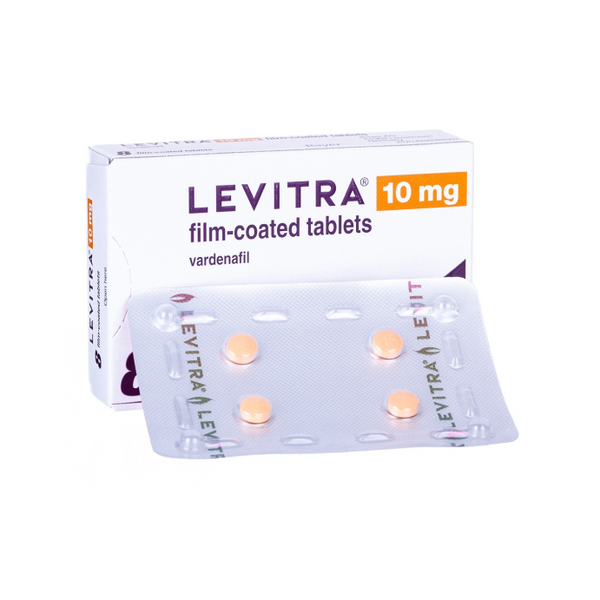
| Levitra | £32.99 |
Prices are correct at the time of writing and subject to change. Suitability depends on a clinical assessment.
For more on the medicines themselves, see our guide to what an ED pill is and how ED pills work.
Are the licensed ED treatments safe?
Licensed erectile dysfunction treatments have a well established safety profile when supplied after a proper assessment, but they are not suitable for everyone and they interact dangerously with some heart medicines. That is why they are pharmacy or prescription medicines rather than general sale items.
MHRA product information sets out specific contraindications and situations in which pharmacist supply is inappropriate. These include certain severe cardiovascular conditions, severe hepatic impairment, severe renal impairment, previous NAION-related vision loss, and important medicine interactions. The exact criteria depend on the product.
Who should not take them
The MHRA sets out clear exclusions where sildenafil 50mg or tadalafil 10mg is supplied by a pharmacist. Supply should not be made to anyone with severe cardiovascular disorders, high cardiovascular risk, liver failure, severe kidney failure, a history of vision loss or an inherited eye disease, or certain interacting medicines.
The critical interaction is with nitrates. MHRA documentation states that taking these medicines alongside nitrates or nitric oxide donors, such as glyceryl trinitrate, isosorbide mononitrate or nicorandil, can lead to a dangerous fall in blood pressure. Guanylate cyclase stimulators are also contraindicated.
Treatment suitability depends on an individual clinical assessment, and these medicines should only be used under the supervision of an appropriately qualified prescriber.
Red flags: when to seek help promptly
- Chest pain, breathlessness or palpitations.
- Pain in the calves or thighs when walking that eases with rest.
- ED that began within weeks of starting a new medicine.
- Sudden loss of vision, or sudden hearing loss.
- An erection lasting more than four hours requires urgent attention.
The first two matter because the NICE evidence summary notes that erectile dysfunction shares risk factors with cardiovascular disease and may be an early manifestation of coronary artery and peripheral vascular disease. Chasing the newest treatment while leaving that unchecked is the wrong order of priorities.
On the third point, in a Drug Safety Update published on 11 May 2026 the MHRA strengthened warnings concerning sexual dysfunction associated with finasteride, which may persist after treatment is stopped. It also introduced precautionary updated warnings for dutasteride.
Medical Disclaimer
This article provides general information and does not replace personalised medical advice. It does not include dosing instructions and should not be used to self-prescribe or self-medicate.
Erectile dysfunction treatments available in the UK are either pharmacy or prescription-only medicines. Suitability, choice of medicine, and dosage depend on an individual clinical assessment by a qualified healthcare professional, who will review your medical history, current medications, and cardiovascular health. Treatment outcomes can vary between individuals.
Treatments mentioned here as unlicensed are not approved for erectile dysfunction in the UK and are not recommended. If you experience chest pain, an erection lasting more than four hours, sudden vision loss, or sudden hearing loss, seek urgent medical attention immediately.
Frequently Asked Questions
Q: What is the newest treatment for ED in 2026?
Q: Are there any new ED treatments this year?
Q: Is there a new ED medication or new ED drug?
Q: Does shockwave therapy for ED work?
Q: Is shockwave therapy for ED available on prescription?
Q: What is the latest ED medication available without a prescription?
Q: Is there a new treatment for ED without pills?
Q: Are modern ED treatments better than older ones?
Q: Which ED treatment is the most effective?
Q: How long do ED pills take to work?
Q: How long do ED pills last?
Q: Are ED pills safe?
Q: How do I avoid fake ED treatments online?
Can ED Go Away? Causes, Recovery and When to Get Help
Why Do I Have Difficulty Keeping an Erection? Causes and What Helps
Related Posts


Cheap Tadalafil UK: How to Compare Prices Safely