Why Do I Have Difficulty Keeping an Erection and What It Means for Your Health
If you can get an erection but cannot keep one, several mechanisms may be involved, including changes in blood flow, difficulty maintaining smooth-muscle relaxation, or psychological factors such as anxiety. Most of those causes are treatable.
It is also worth taking seriously beyond the immediate problem. The NICE evidence summary notes that erectile dysfunction shares risk factors with cardiovascular disease and may be an early manifestation of coronary artery and peripheral vascular disease. Difficulty maintaining an erection can sometimes be an early sign that cardiovascular risk factors need attention.
This page explains why it happens, what it means for your health, what genuinely helps, what the evidence says about exercises and foods, and when to stop trying to fix it yourself.
Erectile dysfunction can have physical causes such as cardiovascular disease, high blood pressure, diabetes and obesity, as well as psychological causes including anxiety, stress and depression. Lifestyle factors and some medicines can also contribute.
Assessing these factors can help identify the cause and guide treatment. PDE5 inhibitors are commonly used medicines for ED, while other options such as alprostadil or penile implants may be considered when appropriate.
Chronic illnesses can restrict blood flow or damage nerves necessary for an erect penis, while mental health conditions like depression and anxiety can reduce desire and interfere with nerve signalling.
Lifestyle factors such as alcohol consumption, recreational drug use and smoking can also affect blood vessels and nerve function and may contribute to erectile dysfunction.
When experiencing erectile dysfunction, it is important to assess underlying health conditions and mental health issues. Addressing these can fix erectile dysfunction naturally or through medical treatments. Erectile dysfunction medications such as PDE5 inhibitors enhance the nitric oxide–cGMP pathway, helping increase blood flow into the erectile tissue when sexual stimulation is present.
Lifestyle improvements like regular exercise, weight loss, and quitting smoking are also recommended to increase blood flow and improve overall health.
If you are experiencing erectile dysfunction, it is advisable to consult with a healthcare professional to diagnose erectile dysfunction properly, identify any underlying cause, and discuss appropriate treatment options. The NHS provides guidelines and support for managing erectile dysfunction and related health conditions.
Key things to know
- Getting an erection and keeping one involve slightly different mechanisms, so difficulty with one and not the other is a useful clue.
- Losing an erection part way through can reflect changes in blood flow, difficulty maintaining smooth-muscle relaxation, or interruption of the nerve signals involved in maintaining an erection.
- The NICE evidence summary cites the European Association of Urology definition of erectile dysfunction as the persistent inability to attain and maintain an erection sufficient for satisfactory sexual performance. Occasional difficulty is not necessarily ED.
- The NICE evidence summary describes ED as a possible early manifestation of coronary artery and peripheral vascular disease.
- The NICE ED evidence summary names taking exercise and losing weight. It does not specifically recommend pelvic floor exercises for erectile dysfunction.
- Anxiety can interfere with erections through increased sympathetic activity and the release of stress hormones, which can work against the physiological processes needed to maintain an erection.
- Some medicines contribute. In May 2026 the MHRA strengthened warnings that sexual dysfunction associated with finasteride may persist after treatment is stopped and issued precautionary updated warnings for dutasteride.
Why can't I keep an erection?
Because keeping an erection requires the arteries to stay relaxed and the outflow to stay restricted, and either can fail even when the initial response works fine. An erection is a state that has to be actively maintained, not a single event.
The sequence runs like this. Nerve signals release nitric oxide into the erectile tissue. Nitric oxide raises a chemical called cyclic GMP, which relaxes the smooth muscle in the penile arteries. Blood flows in, the tissue expands, and that expansion compresses the veins that would normally drain it. An enzyme called PDE5 breaks cyclic GMP down again, which is how the erection ends.
Losing an erection can occur when smooth-muscle relaxation is not maintained, blood flow is insufficient to sustain rigidity, or the nerve and psychological signals involved in maintaining the erection are disrupted.
What losing an erection part way through usually means
It usually means the maintenance phase is failing rather than the initial response.
It can provide a useful clue about the possible causes, but it does not identify the cause on its own.
If you get an erection reliably but lose it within a few minutes, several factors may be involved, including difficulty maintaining smooth-muscle relaxation, changes in blood flow, or anxiety.
If it fades gradually at the same point each time and morning erections have also become less firm, a physical cause may be worth assessing. If it happens unpredictably, with some occasions unaffected and morning erections unchanged, situational factors such as alcohol, tiredness, stress or worry may be contributing.
Getting one compared with keeping one
| Pattern | What it suggests | What usually helps |
|---|---|---|
| Difficulty getting one at all, gradually worsening | Possible vascular, neurological or other physical cause | Medical assessment and treatment of contributing factors |
| Gets one, loses it quickly, morning erections normal | Situational, psychological or physical factors | Address the trigger, assess if persistent |
| Gets one, loses it, morning erections reduced too | Physical factors may be contributing | Medical assessment |
| Varies completely between occasions | Situational or psychological factors may contribute | Address alcohol, sleep, stress and anxiety |
| Started within weeks of a new medicine | Possible medication effect | Prescriber review, never stop it yourself |
These are patterns, not diagnoses. Mixed pictures are common, which is why self assessment beyond this point is unreliable.
What does it mean for your health?
Persistent difficulty keeping an erection is a circulation symptom and should be treated as one. The NICE evidence summary lists the risk factors erectile dysfunction shares with cardiovascular disease: lack of exercise, obesity, smoking, high cholesterol and metabolic syndrome, and identifies diabetes and high blood pressure among the physical causes.
That overlap is not a coincidence. Erectile dysfunction and cardiovascular disease share several vascular risk factors, and ED can sometimes occur before clinically apparent cardiovascular disease.
This is why assessing cardiovascular risk factors can be as important as treating the erection problem itself.
What to get checked
Five things, none of them elaborate:
- Blood pressure, both because raised pressure damages arteries and because some medicines for it contribute.
- Cholesterol, through a lipid profile.
- Blood glucose or HbA1c, because diabetes is an established risk factor for ED and glucose abnormalities may otherwise go undetected.
- Your full medicine list, including anything bought without a prescription.
- A morning testosterone level, where there are symptoms or signs suggesting testosterone deficiency, such as reduced libido or other features of hypogonadism. It is not routine for everyone.
If difficulty is persistent or recurring, it is worth having it assessed rather than managing it alone.
How to keep an erection longer: what actually works
The changes with real evidence behind them improve arterial health or remove what actively interferes. No technique can reliably replace assessment and treatment when an underlying medical problem is responsible.
The NICE evidence summary states that all men with erectile dysfunction should receive appropriate counselling on risk reduction and lifestyle modification, particularly taking exercise or losing weight.
Effective management also involves controlling underlying physical health conditions such as high blood pressure, diabetes, and coronary heart disease, which can affect blood flow and nerve function necessary for maintaining an erection. Managing high blood pressure, diabetes and other underlying conditions can be an important part of improving overall health and addressing contributing factors.
Psychological factors such as anxiety or stress can contribute to erectile dysfunction and may be addressed through psychological support, counselling or other appropriate treatment.
Medications prescribed to treat erectile dysfunction (ED medication) such as PDE5 inhibitors improve erectile function by enhancing the physiological pathway that increases blood flow into the penis during sexual stimulation.
Lifestyle changes remain important: stopping smoking, reducing alcohol, managing weight and increasing physical activity can improve cardiovascular health and address risk factors associated with ED.
Understanding your full medical and medication history, including any treatment for high blood pressure or coronary heart disease, is important to identify factors that affect erections and guide appropriate treatment.
What helps keep an erection
In rough order of how much difference each tends to make:
- Reviewing your medicines.
- Reducing alcohol.
- Regular physical activity.
- Reaching and maintaining a healthier weight.
- Stopping smoking.
- Managing blood pressure, cholesterol and blood glucose.
- Protecting sleep. Poor sleep and tiredness can affect sexual function and overall wellbeing.
Notice what is not on that list: no supplement or specific food is recommended by the NICE ED evidence summary. Its clearest lifestyle recommendations are exercise and weight loss.
Exercises to keep an erection: what the evidence supports
General physical activity has evidence behind it. Specific exercises marketed for erections mostly do not, at least not in UK guidance.
The NICE evidence summary names taking exercise and losing weight as the lifestyle changes men with erectile dysfunction should be counselled on. It does not name pelvic floor exercises, and no NICE guidance recommends them for erectile dysfunction.
That does not mean pelvic floor training is useless. It means the claim that it is a proven fix is not supported by UK guidance, and pages presenting it as established deserve caution.
What the evidence supports is unglamorous. Regular aerobic activity improves the vascular function erections depend on, and resistance work supports weight management. Both work on longer-term health rather than providing an immediate solution.
Foods that help keep an erection: an honest answer
No particular food is recommended by NICE as a treatment for maintaining an erection. Popular claims about watermelon, dark chocolate, beetroot or pomegranate should therefore be treated cautiously.
What does have support is indirect and slower. NICE names high cholesterol and metabolic syndrome among the risk factors erectile dysfunction shares with cardiovascular disease, so a dietary pattern that improves cholesterol and supports weight loss addresses two named risk factors. That operates over months and through arterial health, not through any single ingredient eaten beforehand.
Two points matter more than food choice. A high-fat meal can delay absorption of sildenafil, which may delay its onset. Food effects vary between PDE5 inhibitors. And alcohol taken with a meal works against the erection directly.
How to keep an erection naturally
For many men this is realistic, if the cause is reversible. Difficulties related to alcohol, stress, poor sleep, weight or a medicine may improve when that contributing factor is addressed, although the response varies between individuals.
Where the cause is established arterial narrowing or nerve damage, natural approaches improve the trajectory rather than fixing the immediate problem. Both are worth doing.
How to keep an erection without medication
Work through the reversible causes that apply to you and give changes enough time to have an effect rather than judging them after a few days.
How to maintain an erection without pills
Work through the reversible causes that apply to you, giving each a fair trial of several weeks rather than days:
- Alcohol.
- Sleep. Restoring consistent sleep improves signalling and hormone levels.
- Nicotine. Stopping smoking reduces ongoing cardiovascular risk and can support vascular health over time.
- Stress and low mood. Treating the underlying state lifts the interference.
- Weight and activity. Slowest to show, largest long term effect. Where excess weight is a significant driver, structured weight management addresses a cause rather than a symptom.
- Medicines. Ask the prescriber, and never stop one yourself to test whether it is responsible.
Why alcohol deserves separate mention
Alcohol can contribute to erection difficulties by affecting blood pressure, nervous-system function and sleep. Watch for difficulty that appears mainly on occasions involving alcohol and improves when you drink less. That pattern can be a useful clue that alcohol is contributing.
How to keep an erection when nervous
Anxiety can interfere with erections through increased sympathetic activity and stress hormones, which can work against the physiological processes needed to maintain an erection.
Breaking the worry loop
The loop is predictable. A few difficult occasions create worry, worry raises adrenaline, and raised adrenaline makes the next occasion harder. A temporary problem becomes self-sustaining, and the original trigger may have gone months ago.
What helps break it:
- Removing the test. The loop feeds on each occasion being an assessment. Reducing that framing lowers the adrenaline.
- Cutting alcohol. Many people drink to settle the nerves, which worsens the underlying problem.
- Treating the underlying anxiety or low mood rather than only its effect here.
- Getting a physical cause ruled out. Uncertainty is itself a major source of anxiety, and an assessment often resolves more than it finds.
- Short term treatment, sometimes used to interrupt the loop while the underlying stress is addressed. That is a prescriber's decision, not a self management step.
One useful check: if morning erections are normal and difficulty only occurs when it matters to you, anxiety is very likely a major component.
How to keep an erection after 50 and 60
Erection difficulty becomes more common with age, but age alone is rarely the whole explanation, and treating it as inevitable is the costliest mistake in this area.
The NICE evidence summary cites a European population study finding erectile dysfunction in 19.2% of men aged 30 to 80, with a steep age related increase from 2.3% to 53.4%. A separate study found 52% of men aged 40 to 70 reported some degree of erectile dysfunction.
The rise with age is real and steep, but it tracks the rise in vascular disease, diabetes and medicine use across the same decades. Age is associated with a higher prevalence of ED, while vascular disease, diabetes, medicines and other health conditions can also become more common with age.
| What changes with age | What it means practically |
|---|---|
| Arteries stiffen and narrow | Filling and holding become less efficient |
| Blood pressure and cholesterol rise | More men are on medicines that can contribute |
| Type 2 diabetes becomes more common | Nerve and vessel effects add to the picture |
| Recovery between sexual activity may change | This is different from persistent ED |
| Prostate treatment becomes more common | Some treatments affect erectile function directly |
How to keep an erection after 50
In men over 50 with new difficulty, it is worth reviewing potentially modifiable factors such as blood pressure, weight, alcohol, smoking and medicines.
How to keep an erection after 60
The proportion with an established vascular component rises, so the balance shifts from reversible to manageable. That is not the same as untreatable, and assessment becomes more valuable rather than less. If you have had prostate surgery, the cause of ED and the likelihood of treatment response can be different, particularly where the nerves involved in erections have been affected.
What is the best way to keep an erection?
There is no single best way, because the right approach depends on which part of the process is failing. The useful first step is identifying the cause, not selecting a remedy. If the cause is alcohol, reducing it works and nothing else needs to. If it is a medicine, a prescriber review works. If it is anxiety, addressing the loop works. If a vascular cause is identified, lifestyle change improves the trajectory and treatment manages the symptom.
So the ways to keep an erection that hold up are cause specific, and the tips to keep an erection that circulate online mostly are not. Supplements and unassessed treatments should not be relied on as substitutes for identifying and treating the underlying cause.
When medication is the right answer
When a reversible cause has been addressed and difficulty persists, or when the cause is vascular and unlikely to reverse. Medication manages the symptom while the underlying issue is worked on.
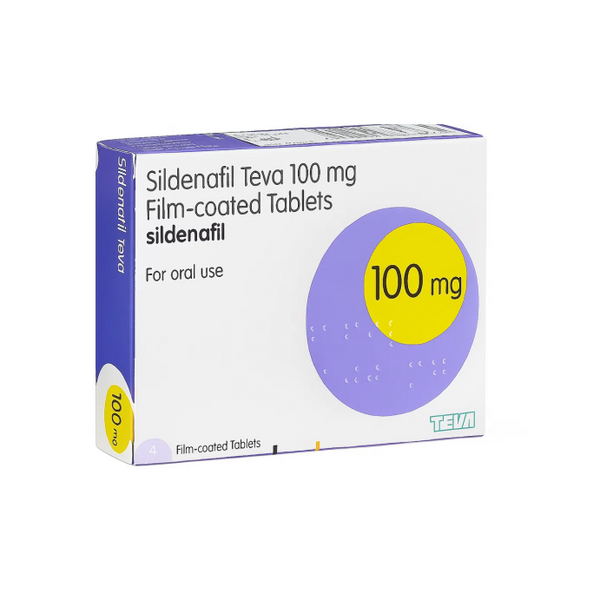
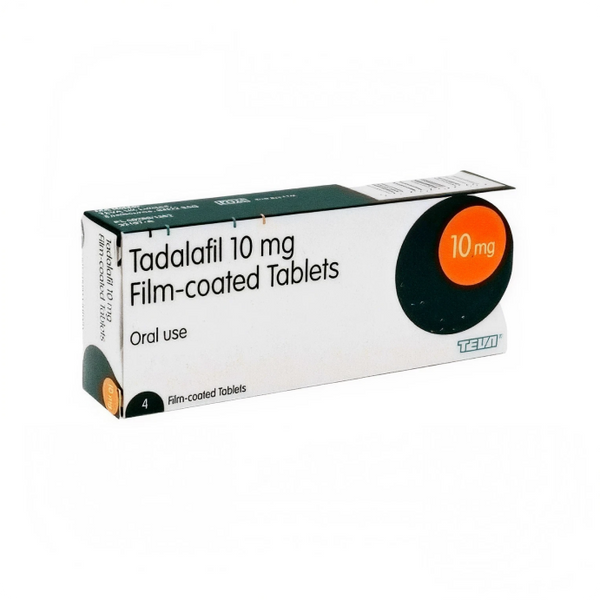
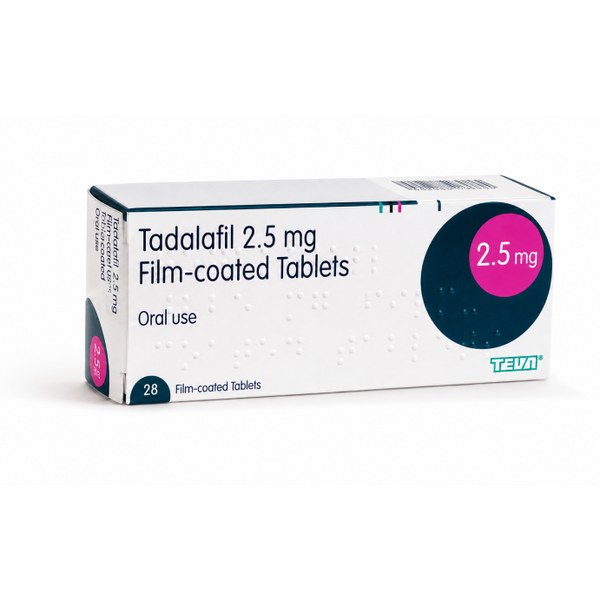
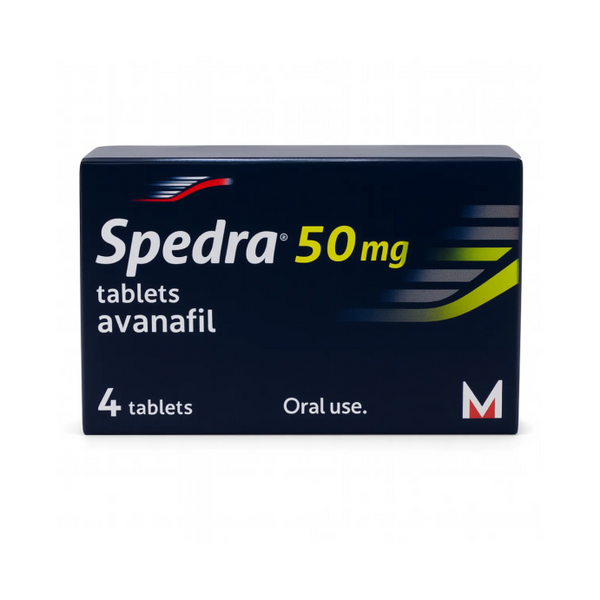
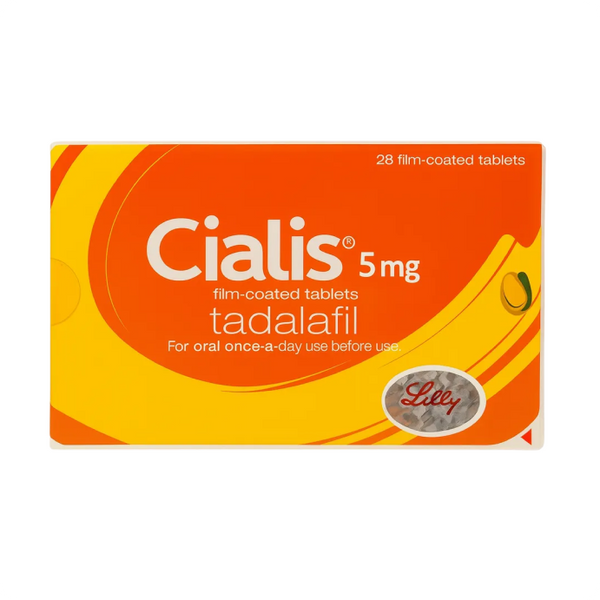
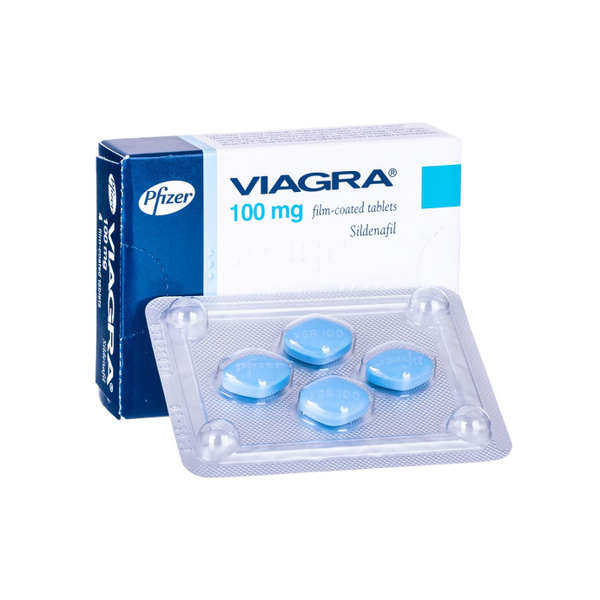
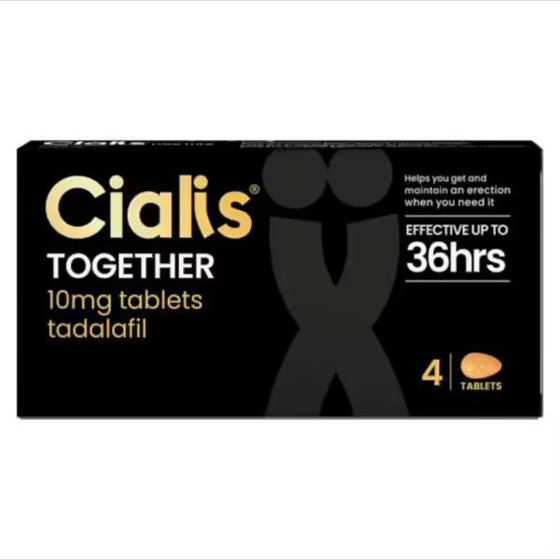
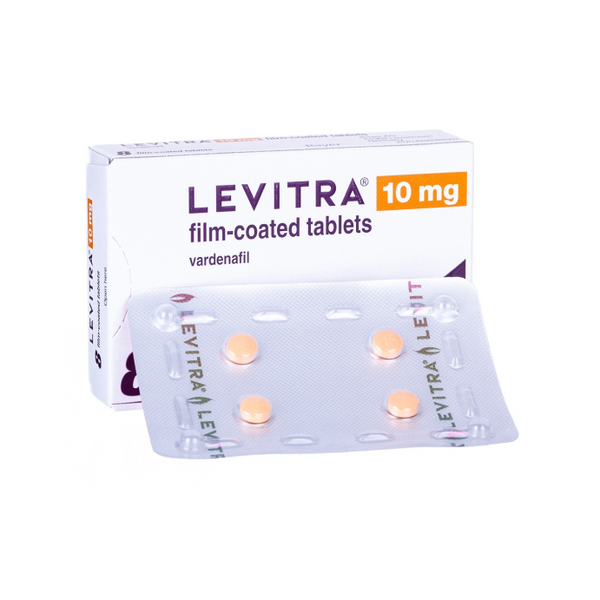
The NICE evidence summary cites European guidance describing oral PDE5 inhibitors as the usual first-line drug treatment: avanafil, sildenafil, tadalafil or vardenafil.
How do ED pills work, and how long do ED pills last?
They work directly on the maintenance mechanism, which is why they help with holding an erection rather than only starting one. By slowing the breakdown of cyclic GMP, they keep the arteries relaxed for longer.
MHRA product information describes sildenafil as being taken about one hour before sexual activity, while tadalafil can maintain efficacy for up to 36 hours. The medicines differ in onset and duration.
On effectiveness, MHRA documentation records more than 8,000 patients aged 19 to 87 in the sildenafil trial programme, with the safety profile based on more than 9,000 patients across more than 70 double blind, placebo controlled studies. In fixed dose studies, improved erections were reported by 62% on 25mg, 74% on 50mg and 82% on 100mg, against 25% on placebo.
One point worth knowing before judging any treatment: MHRA documentation records 40.8% reporting improved function after the first dose, rising to 78.4% after several doses. A single disappointing attempt is a poor guide.
For more on the medicines themselves, see our guide to what an ED pill is and how ED pills work. If you are unsure whether this will resolve by itself, our guide to whether ED goes away on its own covers timelines by cause.
Are ED pills safe?
The MHRA product information sets out specific contraindications and situations where pharmacist supply is inappropriate. These include certain severe cardiovascular conditions, severe liver or kidney impairment, particular eye conditions and important medicine interactions. The exact criteria depend on the medicine and product.
The critical interaction is with nitrates. MHRA documentation states that taking these medicines alongside nitrates or nitric oxide donors, such as glyceryl trinitrate, isosorbide mononitrate or nicorandil, can lead to a dangerous fall in blood pressure. Guanylate cyclase stimulators are also contraindicated.
Treatment suitability depends on an individual clinical assessment, and these medicines should only be used under the supervision of an appropriately qualified prescriber. Results vary between individuals.
You can check your eligibility for erectile dysfunction treatment through an online consultation with UK registered prescribers, and a legitimate service will decline anyone for whom treatment is not appropriate.
Red flags: when to get checked promptly
Do not work on this alone if any of the following apply:
- Chest pain, breathlessness or palpitations, especially on exertion
- Pain in the calves or thighs when walking that eases with rest
- Difficulty that began within weeks of starting a new medicine
- Unexplained weight loss, excessive thirst or frequent urination alongside it
- Persistent low mood, or thoughts of harming yourself
- Any change in the shape or curvature of the penis, or pain
- An erection lasting more than four hours, known as priapism, which needs urgent medical attention
The first two matter because of the vascular overlap already described. Erection difficulty can be the first noticeable symptom of a circulation problem, which is a reason to act rather than feel embarrassed.
On the third, a Drug Safety Update published on 11 May 2026 strengthened MHRA warnings concerning sexual dysfunction associated with finasteride, which may persist after treatment is stopped. It also introduced precautionary updated warnings for dutasteride. Never stop a prescribed medicine on your own.
Buying tablets online without an assessment removes the step that would catch a cardiovascular cause. In February 2026 the MHRA reported seizing around 19.5 million doses of illegal erectile dysfunction pills between 2021 and 2025, stating that such products "may contain no active ingredient, the wrong dose, hidden drugs or toxic ingredients".
Medical Disclaimer
This article is general information and does not replace personalised medical advice. It should not be used to self-prescribe, self-medicate, or to start or stop any medicine.
Difficulty maintaining an erection can have several causes, some needing medical investigation. Suitability for any treatment depends on an individual clinical assessment by an appropriately qualified prescriber, who will consider your medical history, current medicines and cardiovascular health. Results vary between individuals.
If you experience chest pain, an erection lasting more than four hours, sudden vision loss or sudden hearing loss, seek urgent medical attention. If you are struggling with your mood, speak to a healthcare professional.
Frequently Asked Questions
Q: Why can't I keep an erection?
Q: How can I keep an erection longer?
Q: How can I maintain an erection naturally?
Q: How do I keep an erection without medication?
Q: What exercises help you keep an erection?
Q: What foods help keep an erection?
Q: How do I keep an erection when I am nervous?
Q: Why do I lose an erection part way through?
Q: Is difficulty keeping an erection a sign of heart problems?
Q: How do I keep an erection after 50?
Q: How do I keep an erection after 60?
Q: What is the best way to keep an erection?
Q: Can a medicine I take be causing this?
Q: When should I see someone about it?
New ED Treatments 2026: What Has Actually Changed
Early Signs and Symptoms of Erectile Dysfunction (ED)
Related Posts


Cheap Tadalafil UK: How to Compare Prices Safely