Can ED Go Away on Its Own? Causes, Recovery and When to Seek Help
Yes, ED can go away on its own, and often does when the cause is temporary. ED that follows a stressful period, a new medicine, heavy drinking, or badly disrupted sleep may improve once that trigger is addressed. ED caused by blood vessel damage, nerve damage, or long-standing diabetes is less likely to resolve without addressing the underlying cause.
So the useful question is not whether ED goes away. It is which kind you have. This page explains when ED may go away on its own, what can affect recovery, how to tell whether yours is improving, when it is less likely to clear up without help, and the warning signs that mean you should get checked rather than wait. It also covers erectile dysfunction self care tips and discusses treatments for erectile dysfunction, including lifestyle changes to increase blood flow and medical options like PDE5 inhibitors, vacuum pumps, and penile implants.
Key things to know
- ED with a clear, recent trigger is more likely to improve when the trigger is addressed.
- ED that has come on slowly over months or years is more likely to have an underlying physical contribution and should be assessed rather than simply left to resolve.
- NICE describes erectile dysfunction as the inability to attain and/or maintain an erection sufficient for satisfactory sexual performance. Occasional difficulty does not necessarily mean ED.
- The NICE evidence summary notes that ED may be an early manifestation of coronary artery and peripheral vascular disease. That makes persistent ED a reason for a health check.
- Some medicines cause ED. In May 2026, the MHRA strengthened warnings about finasteride and dutasteride. Sexual dysfunction associated with finasteride may persist after treatment is stopped.
- Tablets such as PDE5 inhibitors treat erectile difficulties but do not necessarily address the underlying cause of ED. Addressing the cause can change the longer-term outlook.
Can ED go away on its own?
Yes, sometimes, particularly when the cause is temporary and is addressed. ED is a symptom, not a disease in itself, so whether it goes away depends on what is driving it.
Think of it as two groups. In the first, something reversible has interfered with a normal system: stress, alcohol, sleep loss, a new medicine, low mood, illness. Remove it and normal function usually returns.
In the second, the system itself may be affected by problems such as narrowed arteries, nerve injury after surgery, or long-term high blood sugar. These causes are less likely to resolve without addressing the underlying problem, although erectile function can sometimes improve with appropriate treatment.
The NICE evidence summary is explicit that addressing lifestyle and other possible causes of ED must precede or accompany any drug treatment, which only makes sense because causes genuinely can be modified.
When is ED likely to be temporary?
ED may be more likely to have a temporary or situational component when several of the following are present:
- It started suddenly, over days or a couple of weeks.
- You can point to something that changed at around the same time.
- It is inconsistent, so some occasions are unaffected.
- Morning erections still happen, which can be a useful clue that erections remain possible in some circumstances.
- You are otherwise well, with no diagnosed heart, blood pressure or blood sugar problem.
That pattern can suggest a functional or situational contribution, although it does not by itself rule out an underlying physical cause.
Temporary erectile dysfunction can result from stress, alcohol excess, sleep deprivation, or new medicines. These factors affect the nervous system and impair the ability to get an erection by disrupting the signals that stimulate blood flow to the penis.
Recognising these factors early and addressing underlying health conditions or lifestyle factors may improve erectile function and can be an important part of management. Maintaining erectile function depends on adequate blood flow and proper nerve signalling, both of which can be compromised temporarily.
If you experience sudden erection problems but retain morning erections, this may suggest that erections are still possible in some circumstances, although it does not by itself identify the cause or rule out a physical problem.
Erectile dysfunction is more likely to need assessment if morning erections have become consistently weaker or absent, or if erection problems persist despite removing an obvious temporary trigger.
In such cases, diagnosing erectile dysfunction with a healthcare professional is essential to identify causes of erectile dysfunction affecting blood vessels or nerves.
Can ED go away by itself, and when does it not?
ED can sometimes go away by itself when a temporary or reversible factor is contributing. It is less likely to resolve without treatment when an underlying physical problem affecting blood vessels or nerves is contributing.
An erection depends on nerve signals releasing nitric oxide into the erectile tissue, relaxing the smooth muscle in the arteries so blood can fill it. Stress hormones, alcohol and sleep loss interfere with that signalling without harming the tissue, so removing them lets the system work again. Atherosclerosis and nerve injury can affect the structures involved in erections and are less likely to resolve without addressing the underlying cause.
The NICE evidence summary identifies physical causes including diabetes, high blood pressure and radical prostatectomy, alongside psychological causes and certain medicines. It also lists risk factors shared with cardiovascular disease: inactivity, obesity, smoking, high cholesterol and metabolic syndrome.
These risk factors can contribute to ED but can often be improved or managed through appropriate treatment and lifestyle changes.
What morning erections tell you
Morning erections can provide useful information about the pattern of your erectile difficulties, although they are not a diagnostic test. They are a rough indicator that the nerves and arteries are still working.
If they continue as normal but difficulty occurs at other times, this may suggest a situational or psychological contribution, although physical causes are not ruled out. If they have become weaker, less frequent or absent over the same period, that may indicate that further assessment is appropriate.
This is a pattern, not a test. Poor sleep alone reduces morning erections, so judge it over weeks rather than a single morning.
Does ED go away, and how long does it take?
There is no single timeframe, because duration follows the cause. The table gives realistic ranges rather than one figure.
| Cause | Typical pattern | What may happen? |
|---|---|---|
| Short lived stress or a difficult period | May improve as the trigger settles | Often improves |
| Alcohol excess | May improve after reducing alcohol | May improve |
| Sleep deprivation or shift work | May improve when sleep is restored | May improve |
| A new medicine | Depends on the medicine and whether it can be changed | May improve. Review with prescriber. |
| Low mood or anxiety | May improve as the underlying problem improves | May improve |
| Smoking, excess weight, inactivity | Improvement may take longer with sustained change. | May improve with risk-factor modification. |
| Type 2 diabetes | Depends on glucose control and other factors | Erectile function may improve with management |
| Established artery narrowing | Usually requires management of the underlying cardiovascular risk | Less likely to resolve without treatment |
| Nerve damage after prostate surgery | Recovery varies and may take months or longer | Some recovery may occur, but it varies |
A practical rule: if difficulty has been persistent or recurring for around three months, it is no longer worth simply waiting to see whether it passes. That is a reasonable point to have it assessed.
Does sudden ED go away?
Sudden ED can be associated with a recent change in circumstances, particularly stress, medication, alcohol, sleep disruption, low mood or illness, although sudden-onset ED does not rule out a physical cause.
Two caveats. Sudden ED after starting a medicine needs a conversation with the prescriber, not a wait. And sudden ED alongside chest pain, breathlessness or leg pain on walking needs prompt medical attention, because together those point at circulation.
Sudden onset compared with gradual onset
| Feature | May suggest a reversible/situational contribution | May warrant assessment for an underlying cause |
|---|---|---|
| Onset | Days to weeks | Months to years |
| Consistency | Varies between occasions | Affects most or all occasions |
| Morning erections | May be preserved | May be reduced |
| Obvious trigger | Often identifiable | Often none |
| Likelihood of resolving alone | May be higher | Low without addressing the cause |
This table describes patterns, not a diagnosis. Mixed pictures are common, and a physical cause can begin during a stressful period, which makes self assessment unreliable.
Does ED go away as you get older?
No. ED becomes more common with age, but it should not automatically be dismissed as an inevitable part of ageing. The NICE evidence summary cites a European population study that found erectile dysfunction in 19.2% of men aged 30 to 80, with prevalence increasing from 2.3% to 53.4% across the age range. A separate study cited by NICE found that 52% of men aged 40 to 70 reported some degree of erectile dysfunction.
These figures show that ED is common, but age alone does not explain why an individual develops it. Whether ED improves depends more on its underlying cause than on age itself. Some cases linked to temporary factors such as stress, disrupted sleep, alcohol or medicines may improve when those factors are addressed, while ED associated with underlying vascular, neurological, hormonal or other health problems is less likely to resolve without appropriate assessment and management.
So, if you are wondering whether ED can go away naturally, whether it can be reversed, or how long it might last, there is no single answer. Some causes are treatable and reversible, while others require ongoing management. Persistent or recurrent erection problems should not simply be attributed to getting older; speaking to a healthcare professional can help identify the cause and determine whether treatment or lifestyle changes could improve erectile function.
Does impotence go away?
Impotence, the older term for erectile dysfunction, follows the same principles. Impotence triggered by temporary factors often resolves naturally. However, impotence caused by narrowed arteries, nerve damage, or chronic conditions such as poorly controlled diabetes is less likely to resolve without addressing the cause, though it often responds well to appropriate treatment. The terminology mainly influences perception, as "impotence" can imply permanence, whereas many cases are manageable and sometimes reversible.
Understanding the underlying medical and lifestyle factors is crucial. For example, reviewing your medical history and any medications you take is important since some medicines can contribute to this condition. Treatments vary depending on the cause, from lifestyle adjustments such as weight management and exercise to medical options including PDE5 inhibitors, vacuum pumps or other therapies. Early recognition and addressing contributing factors can improve outcomes significantly.
Will ED go away on its own without treatment?
Sometimes. Where a single recent trigger explains the change, ED may improve once that trigger is addressed, sometimes without medication. Where it has developed gradually alongside blood pressure, cholesterol, weight or blood sugar problems, it is less likely to resolve without addressing those contributing factors.
Mixed causes are common. A man in his fifties with a stressful year, a new blood pressure tablet and some weight gain may have several contributing factors at once.
Will ED go away if a medicine is causing it?
Frequently, once the medicine is changed, this is one of the most overlooked reversible causes. The NICE evidence summary names antihypertensive drugs among the causes. Groups that come up repeatedly include beta blockers, thiazide diuretics, some antidepressants and antipsychotics, and treatments for prostate conditions.
In a Drug Safety Update published on 11 May 2026, the MHRA strengthened warnings for finasteride and dutasteride, prescribed for hair loss and prostate enlargement. The updated guidance states that erectile dysfunction is among the side effects that may persist even after these treatments are stopped, and advises men with ongoing difficulty to contact their doctor.
Never stop a prescribed medicine on your own to find out. Stopping blood pressure or heart medication carries real risk. Take the question to the prescriber, who can review alternatives.
Can ED go away naturally?
Partly. Lifestyle change reliably improves the causes behind ED and can improve function, but it does not reliably make established ED go away on its own. Anyone promising a natural cure is overstating the evidence.
What has genuine support is narrow. The NICE evidence summary identifies lack of exercise, obesity, smoking, high cholesterol and metabolic syndrome as risk factors shared with cardiovascular disease, and states that all men with erectile dysfunction should receive appropriate counselling on risk reduction and lifestyle modification, particularly exercise or weight loss.
Regular moderate-intensity physical activity can improve cardiovascular health and may improve erectile function. A diet rich in fruits and vegetables supports vascular health and may help improve symptoms. Quitting smoking is also crucial, as tobacco use damages blood vessels and impairs circulation.
Addressing poor sleep is also sensible because sleep problems can contribute to erectile difficulties. Additionally, managing conditions such as diabetes and high blood pressure through medication and lifestyle changes can prevent further progression.
Some men may benefit from pelvic floor muscle exercises, which strengthen muscles involved in maintaining an erection. However, complementary therapies like acupuncture have limited evidence and should be approached cautiously.
It is important to avoid illicit drugs and excessive alcohol consumption, as these substances can worsen symptoms and overall health.
Consulting healthcare professionals ensures appropriate assessment and management, including consideration of testosterone treatment only where clinically confirmed testosterone deficiency is present.
What actually helps ED go away naturally
Work through the reversible causes in order of how much each contributes in your case:
- Review your medicines with the prescriber, because some medicines can contribute to ED and may be changeable.
- Stop smoking, which directly affects the arterial lining an erection depends on.
- Reduce alcohol to within recommended limits.
- Get regular physical activity, one of the two changes NICE names specifically.
- Reach and hold a healthier weight, the other one.
- Get blood pressure, cholesterol and blood glucose properly controlled.
- Address sleep and mental health, both of which can contribute to erectile difficulties.
Where excess weight is a significant driver, structured weight management targets the cause rather than the symptom.
Does ED go away after quitting smoking or cutting down alcohol?
These two have the shortest feedback loop, so do them first if either applies.
Alcohol can affect erections through several mechanisms, including effects on the nervous system and sleep, so reducing heavy alcohol intake may improve erectile function.
Smoking works more slowly, because the damage is to the blood vessels themselves. Stopping smoking reduces ongoing exposure to tobacco-related vascular damage and improves cardiovascular health, although established arterial disease may not be reversed.
Both quitting smoking and reducing alcohol intake are essential steps in improving overall health and may improve erectile function. These lifestyle changes not only improve blood flow but also contribute to overall men's health, helping to fix erectile dysfunction more effectively. Incorporating these changes alongside other erectile dysfunction treatments can significantly enhance recovery and help overcome ED symptoms.
What "naturally" honestly means
For most men with vascular ED, lifestyle change improves function and slows progression rather than restoring things fully. That is still worth doing, because it addresses the arterial health ED was signalling in the first place.
Herbal products and supplements marketed for ED are not equivalent to licensed ED treatments, and some products sold online have been found to contain undeclared prescription medicines.
Why the cause decides whether ED goes away
Causes can be grouped broadly into vascular, neurological, hormonal and psychological factors, with medicines and lifestyle factors cutting across these categories. Many men have more than one contributing factor.
How much difference the cause makes is visible in the trial data. In avanafil trials described in the NICE evidence summary, response on the main effectiveness endpoint was 57.1% for avanafil 100mg against 27.0% for placebo in a general population of 646 randomised participants, but only 23.4% against 8.9% for placebo among 298 men after prostate surgery. The different response rates illustrate that treatment response can vary substantially according to the underlying cause and clinical circumstances.
Common physical causes include atherosclerosis, which narrows blood vessels and reduces blood flow necessary for an erection. Nerve damage from surgery or spinal cord disorders can also impair the ability to achieve or maintain an erection. Hormonal imbalances, such as low testosterone, may reduce desire and affect erectile function.
Psychological factors like stress, anxiety, and depression can disrupt nerve signalling and contribute to difficulties. Medicines prescribed for other conditions, including some blood pressure drugs and antidepressants, may also cause erectile dysfunction as a side effect.
Understanding the root cause is essential for effective management and fixing erectile dysfunction. Treatments vary depending on whether the problem is primarily functional or structural, with options ranging from lifestyle changes to medical interventions.
How to tell whether your ED is going away
Judge it over weeks and across several markers, not individual occasions. Single attempts are too noisy to read anything into, and men routinely abandon something that was working because of one bad night.
Signs that may suggest it is improving:
- Morning erections are becoming more frequent or firmer.
- More unaffected occasions than a month ago.
- Improvement holding through a stressful week rather than collapsing.
- The trigger you identified has actually gone, not just eased.
Signs that suggest it may not be improving:
- Morning erections are still absent or reduced after several weeks.
- Consistency unchanged, even if individual occasions vary.
- Improvement only when circumstances are perfect.
- It has remained persistent or recurrent for around three months.
A rough weekly note for a month beats memory, which overweights recent bad occasions, and gives a prescriber something concrete to work from.
What if ED comes back after it went away?
Recurrence usually means one of three things.
The original trigger has returned. A stressful period, disrupted sleep or heavier drinking reproduces the same effect it did the first time, and this is the most common explanation.
A new cause has appeared, and a new prescription is the first thing to check.
Something underlying was always there. If ED resolved only partly the first time, or returned within weeks without an obvious reason, a gradual physical cause may have been present all along, with the trigger simply making it noticeable. That is worth assessing rather than waiting out again.
What to do if ED does not go away
If difficulty has been consistent for around three months, have it assessed rather than continuing to wait. Assessment is not automatically about starting a tablet. It is about finding the cause.
- Note the pattern. When it started, whether it was sudden or gradual, whether it varies, and whether morning erections still occur.
- List every medicine and supplement you take, including anything bought without a prescription.
- Get appropriate basic checks, which may include blood pressure, a lipid profile, HbA1c or blood glucose, and, where clinically indicated, a morning testosterone level.
- Ask about your cardiovascular risk. Persistent ED is a reason to have that formally assessed.
- Discuss treatment options once the cause is understood.
You can check your eligibility for erectile dysfunction treatment through an online consultation with UK registered prescribers, and a legitimate service will decline anyone for whom treatment is not appropriate.
Do tablets make ED go away permanently?
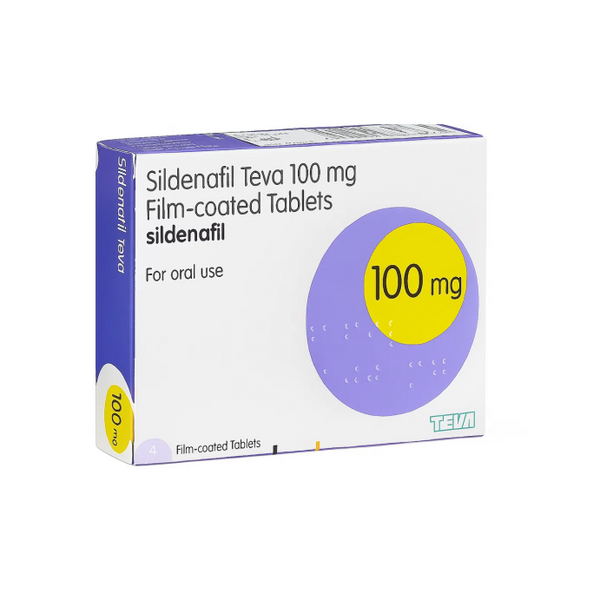
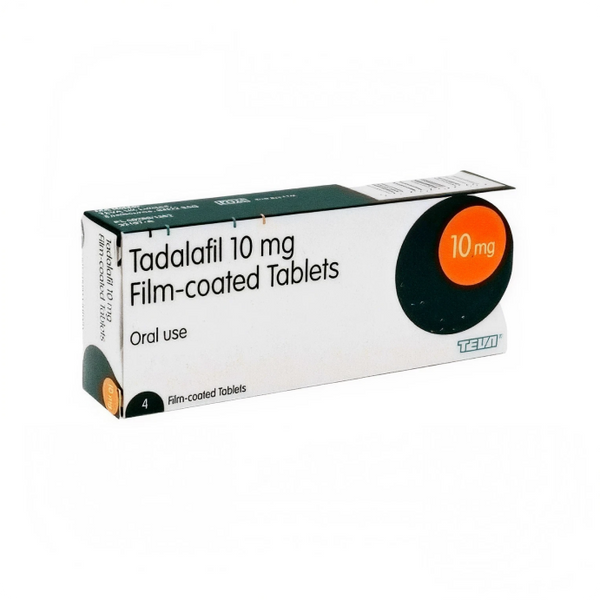
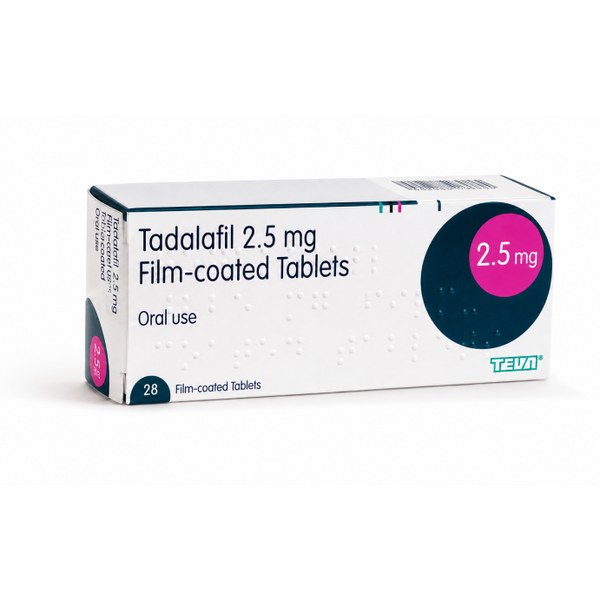
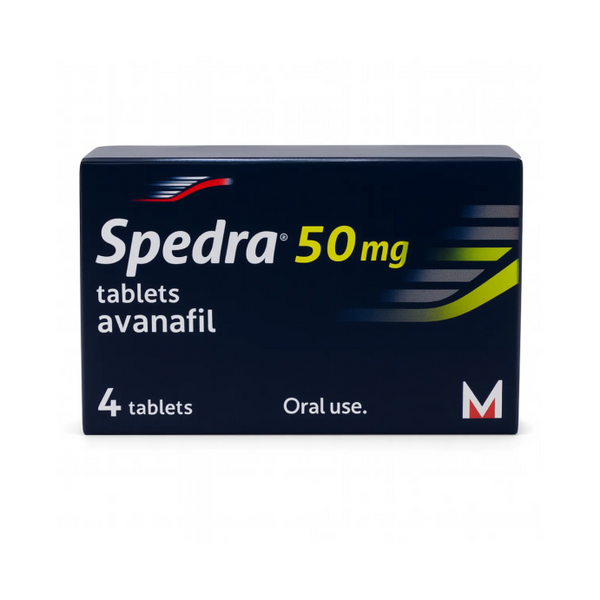
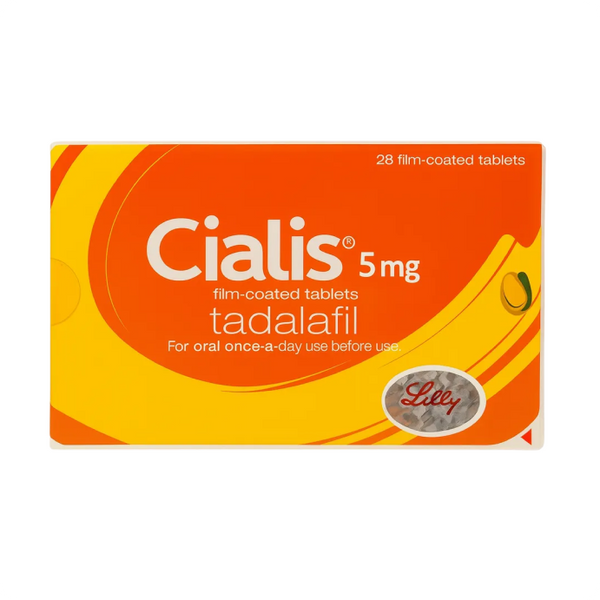
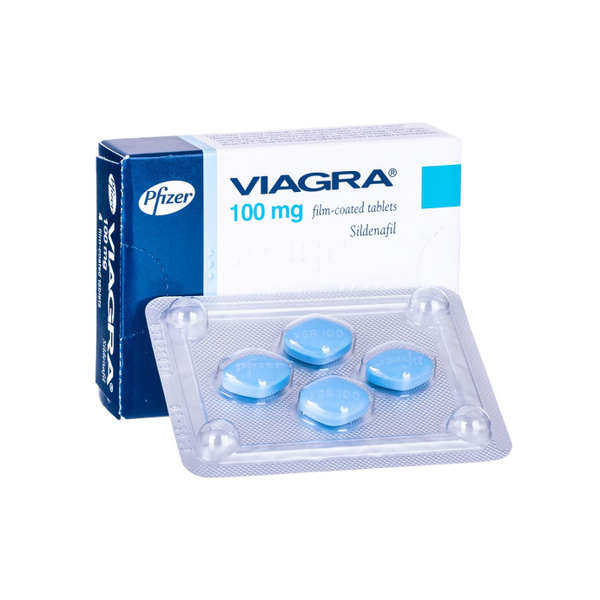
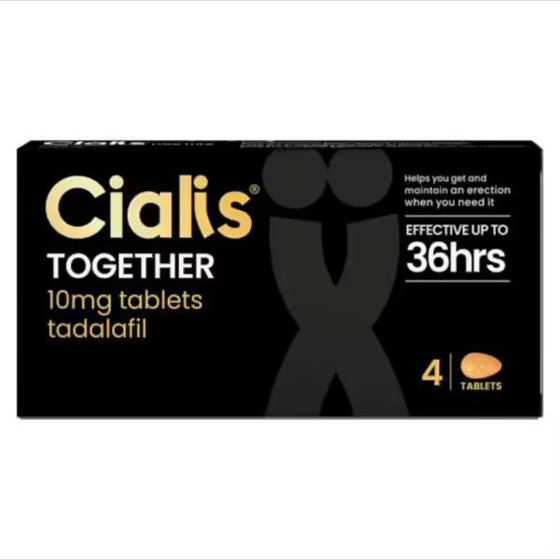
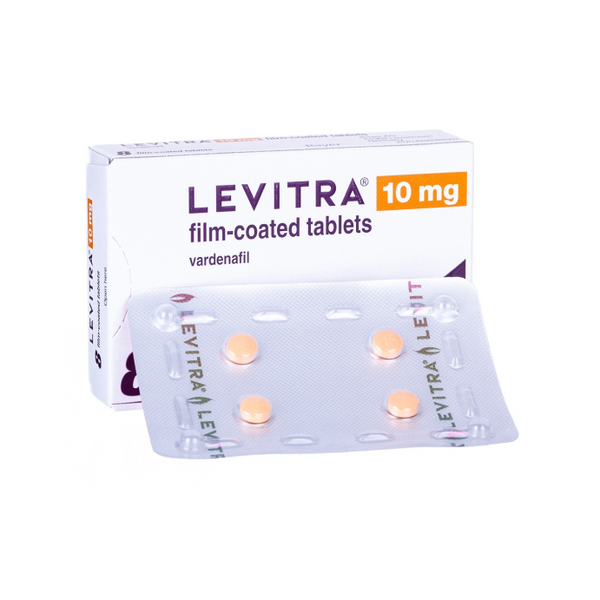
No. PDE5 inhibitors improve erectile function while their effects are active but do not generally correct the underlying cause of ED. The NICE evidence summary describes first line drug treatment as an oral PDE5 inhibitor: avanafil, sildenafil, tadalafil or vardenafil.
That is not a criticism of them. Managing a symptom well while the cause is addressed is sound medicine, but it explains why treatment alone does not change whether the condition goes away. For more, see our guide to what an ED pill is and how ED pills work.
One practical point. MHRA documentation for sildenafil 50mg records 40.8% reporting improved function after the first dose, rising to 78.4% after several doses. A single disappointing attempt is a poor guide to whether treatment suits you.
Treatment suitability depends on an individual clinical assessment. Your prescriber will determine the appropriate treatment, and these medicines should only be used under the supervision of an appropriately qualified prescriber. Results vary between individuals.
Red flags: when waiting is the wrong call
Do not wait for ED to go away if any of the following apply:
- Chest pain, breathlessness or palpitations, especially on exertion.
- Pain in the calves or thighs when walking that eases with rest, which can indicate peripheral artery disease.
- ED alongside unexplained weight loss, excessive thirst or frequent urination, which can signal undiagnosed diabetes.
- ED alongside severe or persistent low mood, particularly thoughts of self-harm.
- Any change in the shape or curvature of the penis, or a painful erection, which can indicate Peyronie's disease.
- An erection lasting more than four hours, known as priapism, which needs urgent attention.
The first two matter because the NICE evidence summary notes that erectile dysfunction shares risk factors with cardiovascular disease and may be an early manifestation of coronary artery and peripheral vascular disease. ED can be the first noticeable symptom of a circulation problem, and the same applies to the fourth bullet, where it can appear before a diabetes diagnosis.
Buying tablets online without an assessment removes the very step that would catch this. It also carries real risk: in February 2026 the MHRA reported seizing around 19.5 million doses of illegal erectile dysfunction pills between 2021 and 2025, including 4.4 million in 2025 alone.
Medical Disclaimer
This article provides general information and does not replace personalised medical advice. It does not include dosing instructions and should not be used to self-prescribe, self-medicate, or to start or stop any medication.
Erectile dysfunction can result from various causes, some requiring thorough medical investigation. Suitability for any treatment depends on an individual clinical assessment by a qualified prescriber, who will consider your medical background, current medications, and heart health. Outcomes may vary between individuals.
If you experience chest pain, an erection lasting more than four hours, sudden vision loss, or sudden hearing loss, seek urgent medical help. If you are experiencing mood difficulties, consult a healthcare professional.
Maintaining good cardiovascular health is important, as erectile problems can sometimes be an early marker of cardiovascular disease. Being physically active, maintaining a healthy weight, and managing blood pressure and cholesterol can support cardiovascular and erectile health.
Treatment options include oral medicines, vacuum pumps, and other treatments, which should be discussed with your doctor. Lifestyle changes such as quitting smoking, reducing alcohol intake, and increasing physical activity are often suggested lifestyle adjustments that improve overall health and erectile function.
Psychological support, including counselling or cognitive behavioural therapy, may be helpful when anxiety, depression or other psychological factors are contributing to erectile problems.
Consult your healthcare provider for a comprehensive evaluation and personalised advice on managing erectile dysfunction and improving your overall well-being.
Frequently Asked Questions
Q: Does ED go away?
Q: Can ED go away on its own?
Q: Will ED go away on its own?
Q: Will ED go away without treatment?
Q: Does sudden ED go away?
Q: Can ED go away naturally?
Q: Can ED go away by itself?
Q: Does ED go away on its own after stopping a medicine?
Q: Does impotence go away?
Q: How long before ED goes away?
Q: Does ED go away with age?
Q: How do I know if my ED is going away?
What Causes ED? Causes and Solutions Explained
New ED Treatments 2026: What Has Actually Changed
Related Posts


Cheap Tadalafil UK: How to Compare Prices Safely