Is Erectile Dysfunction Permanent?
Usually, no, but the honest answer to the search for a permanent ED cure is that it depends entirely on what is causing it. Most cases of erectile dysfunction in adult men respond well to treatment or improve once the underlying issue is addressed, so they are not permanent in any meaningful sense. A smaller number of cases are linked to something more lasting, such as injury, a chronic condition, hormone imbalance, or significant nerve damage, where ongoing management is more realistic than a single cure.
For men worried that their ED may be permanent, this page explains what determines which situation applies and why that distinction matters before you delay treatment or assume nothing can be done. It looks at temporary versus long-term causes, whether a head injury can be behind it, the role of hormonal and nerve-related factors, which treatments may help, and when a proper medical assessment is worth arranging.
Key things to know
- Most ED is not permanent and responds well to treatment or resolves once the cause is addressed.
- Whether it is permanent depends on the specific cause, not on how long it has been happening or how severe it feels.
- Genuine causes of longer-term or permanent ED exist, including certain injuries, chronic conditions, and significant nerve damage.
- A moderate-to-severe head injury can, in some cases, affect hormone levels involved in erectile function, though this is different from an everyday minor bump.
- Even where a cause is long-term, effective treatment is still generally available.
Is ED Usually Permanent?
No. ED can often be treated successfully, although it is not always completely reversible. Causes may include certain medicines, lifestyle factors such as smoking and excess alcohol, psychological factors such as stress or anxiety, or physical conditions that can be treated or managed.
What Determines Whether ED Is Temporary or Permanent
The deciding factor is the underlying cause, not the length of time you have had symptoms or how it feels day to day. A cause that is a specific, removable trigger tends to resolve once addressed. A cause that involves lasting structural, vascular or nerve damage tends to be longer-term or permanent, though usually still manageable with treatment.
| Type of cause | Usually temporary or reversible | Usually long-term or permanent |
|---|---|---|
| Medication-related | Yes, once the medicine is reviewed and changed | Rarely, if a lasting side effect occurred |
| Lifestyle-related (smoking, alcohol, weight) | Yes, as the behaviour changes | No |
| Psychological (stress, anxiety, a specific trigger) | Yes, once addressed | Rarely on its own |
| Diabetes or cardiovascular disease | No, but well managed long-term | Yes, managed rather than resolved |
| Significant nerve damage (surgery, injury) | Depends on severity and location | Often, if the nerve pathway is significantly disrupted |
| Structural injury to erectile tissue or blood supply | Rarely | Often |
| Hormonal, from an identifiable and correctable cause | Yes, once corrected | Sometimes, if the underlying gland damage is lasting |
Common Causes of Permanent or Long-Term ED: Blood Flow and Other Factors
Genuine longer-term causes can include diabetes affecting nerves and blood vessels, cardiovascular disease affecting penile blood flow, nerve damage following certain pelvic or spinal surgeries, significant spinal cord injury, and structural damage to the blood vessels or erectile tissue following injury. ED can also be associated with underlying cardiovascular disease and may sometimes be an early sign of vascular disease.
Can a Head Injury Cause Permanent Erectile Dysfunction?
This is a genuine question with a real, if nuanced, answer, and it deserves a proper one rather than a dismissive no.
Everyday minor bumps
An ordinary minor knock to the head is not a typical cause of ED or permanent erectile dysfunction. Pituitary problems are more clinically relevant when symptoms persist after a significant or repeated head injury.
Moderate to severe head injury
The picture is different for a more significant traumatic brain injury. This is a genuinely documented, if under-recognised, phenomenon: the pituitary gland, which regulates testosterone and several other hormones, sits in a position and has a blood supply that makes it vulnerable to disruption during significant head trauma, through direct injury, reduced blood flow, or shearing of the connections between the pituitary and the hypothalamus.
This can lead to a condition called post-traumatic hypopituitarism, which can affect testosterone production among other hormones, and testosterone plays a role in erectile function.
This has been documented after moderate-to-severe traumatic brain injury, and less commonly after repeated milder head injuries, such as in contact sports. It is often under-diagnosed because the symptoms, fatigue, low mood, reduced desire, erectile difficulty, can be mistaken for something else entirely, including the general aftermath of the injury itself.
Psychological and neurological effects
Separately from the hormonal pathway, a significant head injury can also affect mood, anxiety and the brain regions involved in arousal directly, and it is genuinely difficult to separate these effects from any hormonal contribution without a proper assessment.
When it is actually worth asking about
If you have had a genuinely significant head injury, one involving loss of consciousness, hospital treatment, or ongoing symptoms, rather than an everyday bump, and you have since noticed persistent ED alongside things like fatigue, low mood or reduced desire, it is worth specifically mentioning the head injury when you seek assessment, since this connection is easy to miss if it is not raised directly.
If the injury also affected your neck or spine
Head injuries sometimes occur alongside neck or spinal injury, which involves a different mechanism entirely, affecting the nerve pathways involved in erections rather than hormone production. If that applies to you, it is worth reading a dedicated guide on spinal injury and erectile function, since the assessment and likely cause differ from the hormonal pathway described here.
What an assessment actually involves if a head injury is relevant
If a significant head injury may be relevant, a clinician may consider blood tests for testosterone and other pituitary-related hormones, depending on the symptoms and clinical history. Persistent symptoms after head injury may warrant further investigation or referral for assessment of hypopituitarism.
Is There a Permanent ED Cure, Solution, or Treatment Options?
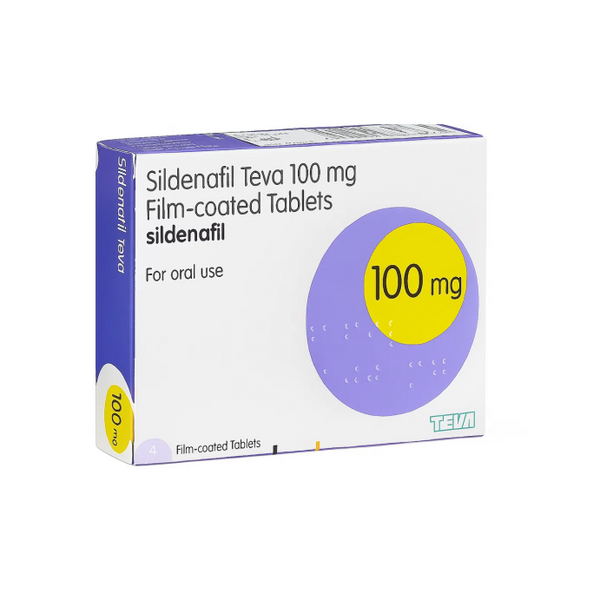
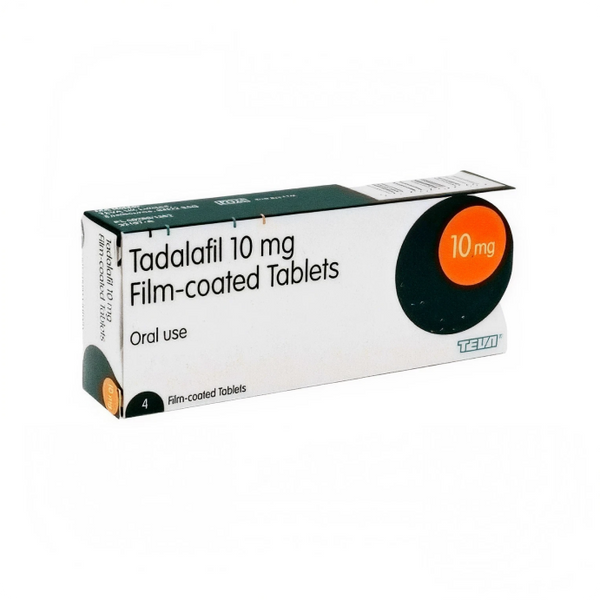
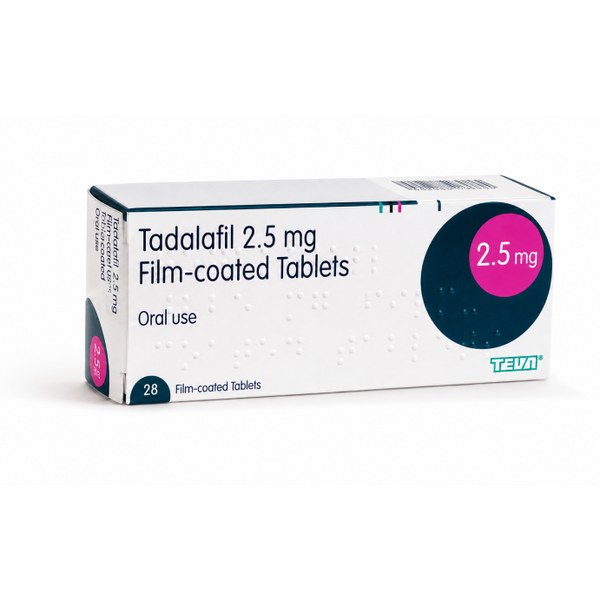
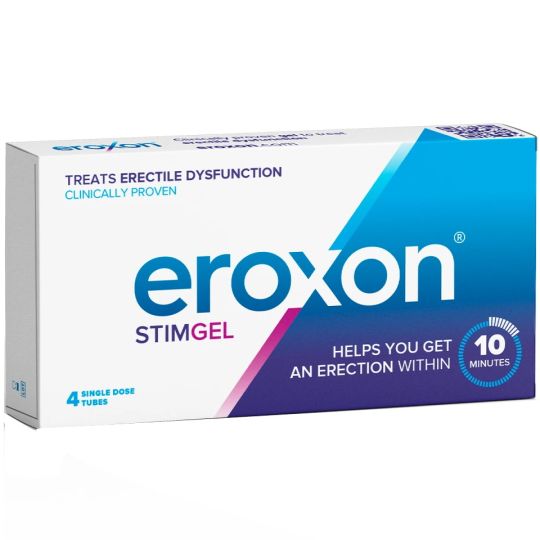
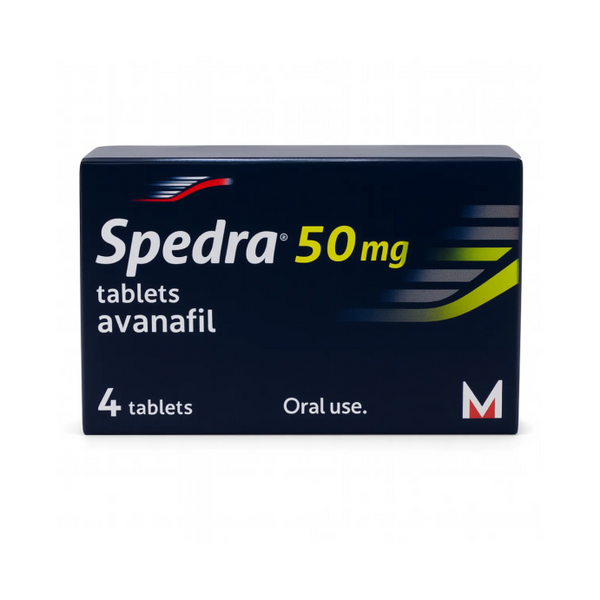
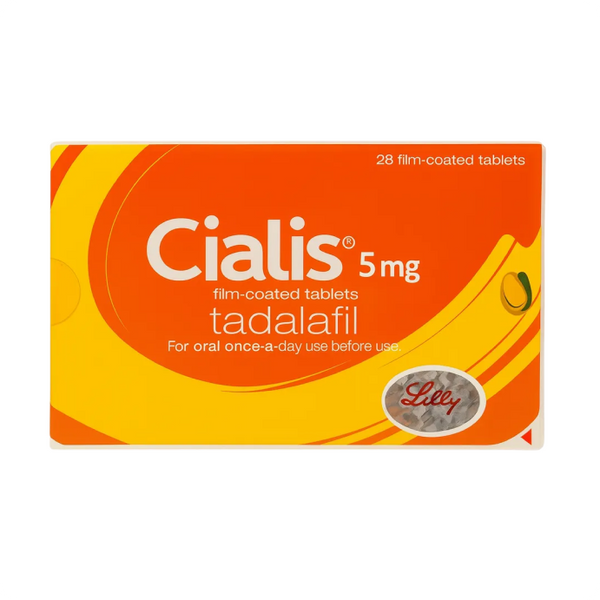
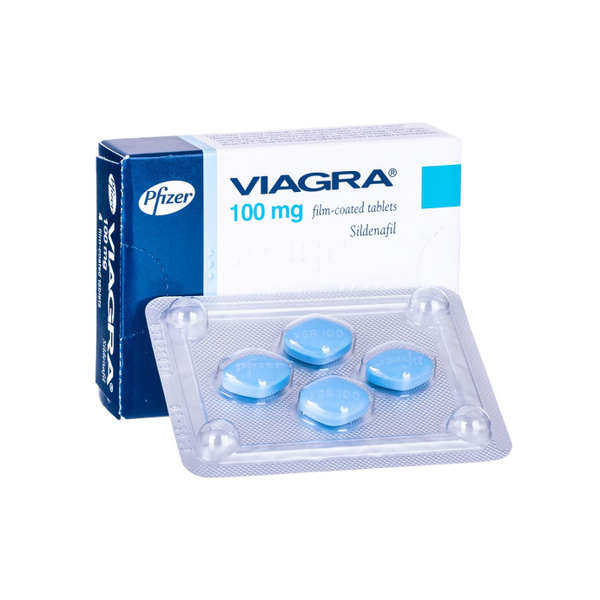
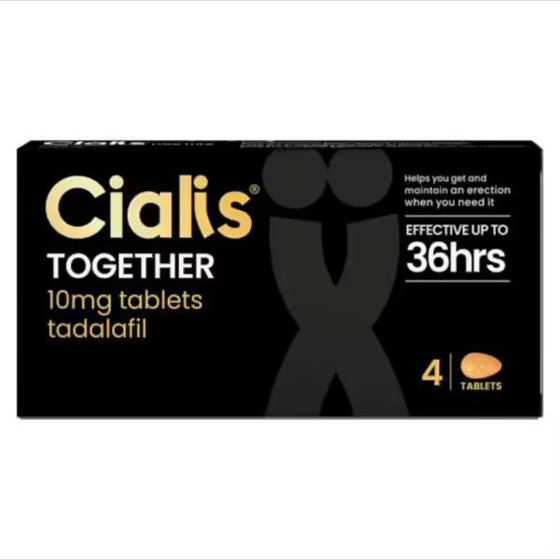
Sometimes, and again, it comes down to cause rather than to any particular product or method. Erectile dysfunction means difficulty getting or maintaining an erection suitable for intercourse, and most cases of ED are linked to factors that affect penile blood flow, so it can also reflect an underlying health condition, including heart disease, rather than only a sexual function problem. Where a removable trigger is fully addressed, resolution can genuinely be lasting. That may involve lifestyle changes that improve blood flow, properly prescribed oral medications that increase blood flow, or other medical treatments used under supervision as part of ED treatment rather than relying on over the counter medicines or unregulated supplements instead of prescription medicines.
Where an ongoing or structural cause is involved, the more accurate framing is not a single permanent cure but effective, ongoing management, effective control of symptoms and, in some cases, restoration of satisfactory erectile function just maintained through continued treatment.
If there is lasting vascular, tissue, or nervous system damage affecting the ability to get an erection and maintain an erection, no single product addresses every possible cause, so anything marketed as a universal permanent solution regardless of cause is overstating what is realistic.
When "Permanent" Is not the Right Way to Think About It
Even in situations where the underlying cause genuinely is not reversible, "permanent" can be a misleading frame if it implies nothing can be done.
A man with nerve damage from spinal injury or major surgery, for example, still has effective treatment options: prescription oral medications that improve penile blood flow, injections given with a very fine needle, a vacuum erection device, hormone therapy where appropriate, Low-Intensity Extracorporeal Shock Wave Therapy to encourage growth of new blood vessels in the penis, and other surgical procedures.
PDE5 inhibitors improve erectile responses in 70% of men. If tablets and other therapies fail, surgical treatment may be considered, including a penile implant such as inflatable implants, though some treatments can cause side effects like a painful erection. The distinction that actually matters is not curable versus permanent, it is whether effective management exists, and for the large majority of causes, including many long-term ones, it does, so be cautious of vague over-the-counter "permanent cure" products compared with properly prescribed treatment.
Common Assumptions About "Permanent" ED Worth Questioning
A few assumptions tend to attach themselves to this word unfairly. Having ED for a long time does not necessarily mean it is permanent, duration alone does not determine cause. A severe episode is not necessarily more likely to be permanent than a mild one, severity and permanence are not the same thing. And a cause being long-term does not mean nothing can be done, effective management exists for the large majority of even genuinely long-term causes. Where these assumptions do the most harm is in discouraging men from seeking an assessment at all, on the mistaken belief that a long-standing difficulty must mean nothing will help.
What to Do If You are Worried Your ED Might Be Permanent
Rather than trying to answer this from a symptom description alone, the useful next step is an assessment with a GP, pharmacist or online prescriber, covering your symptom pattern, general health, sexual history, relevant history including any significant injury, current medicines, lifestyle and wider sexual health. This is what actually identifies whether your situation is genuinely long-term, whether psychogenic ed or other emotional issues are involved, and whether treatment should also include psychological counseling when performance anxiety is part of the problem, since that can improve erectile dysfunction in those cases.

When to Seek Help Sooner Rather Than Later
Most ED symptoms are not an emergency, but a few situations need more urgent attention. An erection that is painful and lasts more than a few hours without going down needs urgent medical care. If ED occurs alongside chest pain, breathlessness or dizziness, particularly during physical activity or intimacy, treat this as urgent and seek emergency care by calling 999. If you have had a significant head injury with ongoing symptoms such as severe headache, confusion, vomiting or worsening consciousness, that itself needs urgent medical attention regardless of ED.
Medical disclaimer
This article is for general information only and is not a substitute for personalised medical advice, diagnosis or treatment. Erectile dysfunction can have several possible causes, including physical, hormonal, psychological, medication-related and cardiovascular factors. If erectile difficulties persist, speak with a qualified healthcare professional for an appropriate assessment. If you have had a significant head injury and develop ongoing symptoms such as fatigue, reduced sex drive, mood changes or erectile difficulties, mention the injury when seeking medical advice. Do not start, stop or change prescription medicines or hormone treatment without appropriate medical guidance.
Frequently Asked Questions
Is erectile dysfunction usually permanent?
Is there a permanent ED cure?
What causes permanent ED?
Can a bang on the head cause permanent erectile dysfunction?
How would I know if a past head injury is affecting my testosterone?
Is a permanent ED solution the same as a permanent ED cure?
Does having a permanent underlying cause mean treatment won't work?
Is spinal injury the same as head injury when it comes to ED?
How long does ED have to last before it is considered permanent?
Should I be worried after a minor bump to the head?
Can concussions from sport cause this over time?
What should I tell a doctor if I think a head injury might be relevant?
Chronic Pain and Erectile Dysfunction: Causes & ED Link
Male Impotence: Causes, Sudden Onset and Treatment
Related Posts


Viagra Pharmacy UK: How Sildenafil Supply Works

Do You Need a Prescription for Viagra in the UK?

Can You Buy Viagra Over the Counter in the UK?


Viagra Price UK: Understanding Sildenafil Costs