Chronic Pain and Erectile Dysfunction: The Real Connection
- Covers four genuinely distinct pathways, not just "pain is distracting"
- Addresses the medication pathway most pages on this topic miss entirely
- Separately answers the back pain and nerve pain specific keywords
- Online consultation with UK-registered prescribers
Yes, chronic pain can contribute to erectile dysfunction (ED), through several distinct pathways, not just the obvious one, and it can also reflect an underlying physical or psychological condition. Pain medication, the psychological toll of ongoing pain, reduced physical activity, and nerve pain specifically overlapping with the nerve signalling an erection depends on, can all play a role, sometimes several at once, alongside some of the causes of erectile dysfunction linked to broader health issues.
This guide covers each pathway properly, including the medication effect most guides on this topic miss entirely, and answers the back pain and nerve pain questions specifically.
Key things to know
- Chronic pain can affect erectile function through several distinct pathways, not just one general mechanism
- Certain pain medications, particularly opioids used long-term, have a genuine, documented effect on testosterone
- The psychological burden and fatigue of living with chronic pain are genuine, recognised contributing factors
- Nerve pain specifically can overlap with the nerve signalling pathway an erection depends on
- Never stop or adjust pain medication yourself, any concern about this should go through whoever prescribes it
Can Pain Genuinely Cause Erectile Dysfunction?
Yes, chronic, ongoing pain has several genuine, distinct routes to affecting erectile function, this is not a single, vague connection. Treatment for erectile dysfunction pain depends on identifying the underlying cause through proper medical diagnosis, because there is no single explanation and the relevant risk factors can differ widely from one person to another. Rather than one overarching mechanism, it is more accurate to think of chronic pain as potentially contributing through multiple, separate pathways simultaneously, which of these applies, and how significantly, varies considerably between individuals depending on the type and severity of pain, and how it is being managed, including physical problems that affect the blood vessels, blood supply, or nervous system.
The Medication Pathway
This is an important pathway that is sometimes overlooked. Certain pain medications, particularly opioid-based ones used consistently over a longer period, have a well-documented effect on testosterone production, suppressing it through their effect on the hormonal signalling pathway that regulates it. This is a recognised, named clinical phenomenon, not a vague possibility, and since testosterone plays a genuine role in erectile function, with low testosterone levels also able to reduce interest in intimacy, this medication effect can be a significant, identifiable contributor for some men managing chronic pain long-term.
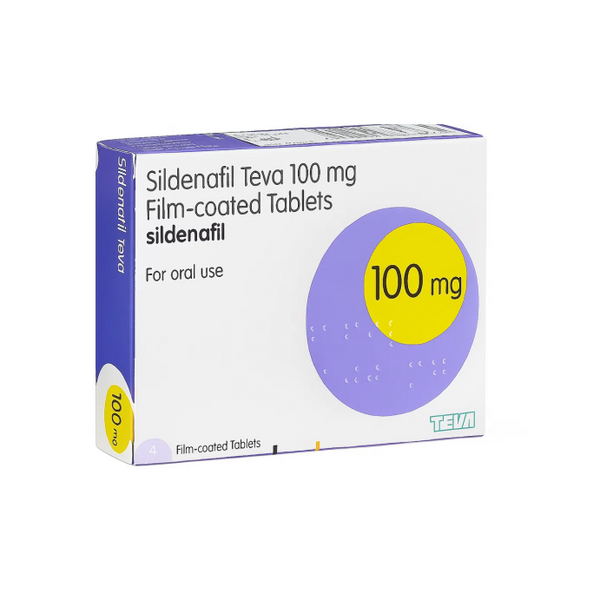
If you are taking pain medication and concerned about this, the important, non-negotiable point is: never stop or reduce it yourself. This is a conversation to have with whoever prescribes it, they can consider whether hormone levels are worth checking, whether your current medication and dose remain the right fit, or whether an alternative approach might help, all genuine, safe options that do not involve self-adjusting your pain management. Common medical treatments for ED include PDE5 inhibitors such as sildenafil, but suitability depends on reviewing current medicines. If you are taking medications for ED, this should be done under medical supervision rather than by trying to manage interactions yourself.
It is worth knowing this effect is generally dose and duration dependent, higher, longer-term use carries a greater likelihood of a meaningful effect than shorter-term or lower-dose use. This is exactly why mentioning your full pain medication history, not just what you are currently taking, is genuinely useful during an assessment, since the cumulative pattern matters, not just your current dose in isolation. It also helps to mention blood pressure medications and other medications during review, especially if you have high blood pressure.

The Psychological and Fatigue Pathway
Living with ongoing pain genuinely affects mood, energy, stress levels, and mental health over time, and these factors have a real, recognised connection to erectile function. Chronic pain is associated with higher rates of low mood and anxiety, and persistent fatigue from poor sleep, itself commonly disrupted by ongoing pain, compounds this further. Anxiety specifically triggers a stress response that works directly against the physical process an erection depends on, and anxiety and fear of pain can exacerbate erectile dysfunction symptoms. Psychological factors can also interfere with becoming aroused or maintaining interest in intimacy, not just leave you feeling generally unwell.
This pathway is worth taking seriously in its own right, as addressing the psychological and fatigue burden of chronic pain, not just the pain itself, can genuinely support erectile function as part of a broader improvement in wellbeing. When anxiety is a major contributor, cognitive behavioural therapy may also help.
It is also worth recognising how these pathways can reinforce each other over time. Poor sleep from pain worsens fatigue and mood, low mood can lower motivation for activity that would otherwise support cardiovascular health, and reduced activity can in turn worsen how pain itself feels day to day. This cycle is genuinely common among people managing chronic pain, which is why addressing wellbeing broadly, including sleep, mood, and activity together, tends to help more than focusing on any single element in isolation. Performance anxiety can also contribute to pelvic muscle tension and aching pain during intimate activity, which is one reason difficulties with erectile function can become self-reinforcing unless people communicate openly and get proper support.
The Activity and Cardiovascular Pathway
Chronic pain often reduces physical activity, sometimes significantly, and since cardiovascular fitness is closely linked to the blood flow an erection depends on, reduced activity over time can contribute to this pathway indirectly. It may also coexist with cardiovascular disease, heart disease, or vascular disease that further affect erectile function through reduced blood flow, so these are important risk factors to consider. This is not about pushing through pain to exercise, that is a decision for you and whoever manages your pain condition, but it is worth knowing this connection exists, since even modest, appropriate activity within your own limits can support cardiovascular health where it is genuinely possible.
Can Nerve Pain Specifically Cause ED?
Yes, nerve pain has a more direct route than other pain types, since the same nerve pathways that transmit pain signals can also be involved in the arousal signalling an erection depends on, with the relevant nerve signals for erections originating from sacral segments S2-S4. Where nerve pain reflects genuine, underlying nerve damage or dysfunction, rather than pain alone, this can directly affect the nerve signals needed to trigger blood flow into the erectile tissue for a penile erection, spinal cord injury or other problems affecting the spinal cord can disrupt these nerve signals and directly impair erectile function, which is a more direct mechanical overlap than the indirect pathways described above.
This is worth mentioning specifically if you have diagnosed nerve pain and are also experiencing erectile difficulty, since it points toward a genuinely different, more direct mechanism than pain in general.
Can Back Pain Specifically Cause ED?
It can, particularly where the back pain involves nerve compression or nerve root irritation, since the nerve pathways relevant to erectile function pass through this area, for example, lumbar disc herniation or spinal stenosis may compress these nerves and affect erections. Back pain without nerve involvement is more likely to contribute through the indirect pathways, medication, reduced activity, and psychological burden, described above, rather than a direct mechanical effect.
If your back pain comes with numbness, weakness, sudden loss of bladder or bowel control, or severe pain in the genital area or pelvis, seek medical advice promptly rather than treating it as routine back pain, since this can point to cauda equina, a medical emergency, and severe arterial blockage or nerve damage can also sometimes present as pelvic discomfort or aching pain. This matters because cauda equina syndrome can cause irreversible erectile dysfunction.
This distinction, between back pain with genuine nerve involvement and back pain without it, is worth being specific about if you are describing your symptoms during an assessment, since it meaningfully changes which pathway is most likely relevant, and therefore what is worth investigating first.
Pain During the Moment Itself
Active, significant pain during intimate activity can directly interfere with erections and reduce arousal through distraction and physical discomfort, rather than through a separate clinical mechanism. Local causes can include infections such as prostatitis or STIs, which may trigger pelvic or penile pain during arousal or ejaculation. Peyronie's disease involves fibrous scar tissue inside the penis and can cause painful erections or difficulty maintaining an erection sufficient for intimacy. Chronic pelvic pain syndrome can also disrupt erectile function and cause persistent pain in the pelvis or genitals. Managing pain proactively, working with whoever manages your condition to optimise your pain control, is a genuine, practical part of addressing this specific aspect.
What Genuinely Helps
| Approach | Which pathway it addresses |
|---|---|
| Reviewing pain medication with your prescriber | The medication pathway, particularly relevant with long-term opioid use |
| Addressing mood and sleep alongside pain management | The psychological and fatigue pathway |
| Appropriate physical activity, where suitable | The activity and cardiovascular pathway |
| Proper assessment of nerve-related symptoms | The direct nerve pathway, particularly for nerve or back pain |
Since several pathways can be relevant at once, a proper assessment considering your specific pain condition, medication, and overall wellbeing is more useful than assuming a single cause. It may include a detailed medical history and physical examination to identify the underlying cause, while reviewing changes in desire, arousal, and erectile function can help distinguish physical from psychological contributors.
When to Seek Assessment
If erectile difficulty has developed alongside chronic pain, particularly if it began around the same time as starting a new pain medication, or alongside worsening mood or fatigue, this is genuinely worth a proper clinical assessment or an online consultation with a UK registered prescriber. Erectile dysfunction is common, particularly with increasing age, and conditions such as diabetes, high blood pressure and cardiovascular disease can contribute to it. This can identify which pathway, or combination, applies to you specifically, and address it accordingly, rather than assuming nothing can be done because the underlying pain condition itself may be ongoing.
Red Flags Worth Knowing
- Numbness, weakness, or bladder or bowel changes alongside back pain, this needs prompt medical assessment
- Chest pain, severe breathlessness, or other symptoms suggesting an urgent cardiovascular problem, seek urgent medical attention.
- A sudden, significant change unrelated to any change in your pain or its management.
- Persistent low mood alongside chronic pain and erectile difficulty, worth raising directly rather than managed alone.
Medical Disclaimer
This page provides general information about chronic pain and erectile dysfunction. Persistent erectile dysfunction may be a sign of an underlying physical or psychological condition and should be clinically assessed before treatment. It is not a substitute for personalised medical advice, and you should seek medical advice for ongoing, worsening, or concerning symptoms. Treatment suitability depends on an individual clinical assessment, as prescribed ED medicines may affect blood pressure and are not appropriate for everyone. Your prescriber will determine the appropriate treatment for you. Results vary between individuals. Never stop or change a prescribed medication without speaking to whoever prescribed it. If you experience chest pain, breathlessness, or numbness/weakness with bladder or bowel changes, seek urgent medical attention.
Frequently Asked Questions
Q: Can pain cause erectile dysfunction?
Q: Can chronic pain medication cause erectile dysfunction?
Q: Can back pain cause erectile dysfunction?
Q: Can nerve pain cause erectile dysfunction?
Q: Does chronic pain lower testosterone?
Q: Can treating the underlying pain improve erectile function?
Q: Should I stop my pain medication if I think it is affecting me?
Q: Is it normal for erectile difficulty to develop alongside chronic pain?
Q: When should back pain with erectile difficulty be treated as urgent?
Q: Can reduced activity from chronic pain affect erectile function?
Q: Does the type of pain medication matter for this effect?
Q: Can addressing sleep and mood alongside chronic pain help erectile function?
Struggling to Maintain an Erection: Why and What Helps
Is Erectile Dysfunction Permanent? The Honest Answer
Related Posts


Viagra Pharmacy UK: How Sildenafil Supply Works

Do You Need a Prescription for Viagra in the UK?

Can You Buy Viagra Over the Counter in the UK?


Viagra Price UK: Understanding Sildenafil Costs