Men and Impotence: What It Is, What Causes It, and How It is Treated
"Impotence" is the older, more general word for what is now more precisely called erectile dysfunction (ED) in clinical settings: the regular or repeated difficulty men experience in getting or keeping an erection firm enough for intercourse. If you have searched for "men and impotence," this page is for adult men of any age who are dealing with erection problems themselves or want to understand what ED means, what can cause it, and what to do next.
You will find a clear overview of what male impotence is, how common it is, the physical, psychological and lifestyle factors behind it, why it can sometimes happen suddenly, which treatments may help, including tablets and lifestyle changes, when to seek medical advice, and answers to common questions. That is worth understanding because ED is common, especially between 40 and 70, can affect confidence, relationships and overall wellbeing, and can sometimes point to an underlying health issue that is better picked up early.
Key things to know
- Male impotence and erectile dysfunction (ED) describe exactly the same thing, impotence is the older, more general term.
- It means a repeated pattern of difficulty, not a single occasion.
- Causes range from physical to psychological to lifestyle-related, often more than one together.
- Sudden-onset impotence is a distinct pattern worth understanding on its own, covered in detail below.
- Effective treatment exists for the large majority of men, matched to the likely cause rather than one-size-fits-all.
What Is Male Impotence (Erectile Dysfunction)?
Male impotence describes a regular or repeated difficulty getting or keeping an erection firm enough for intercourse, including trouble getting or maintaining an erection for intercourse.
A single difficult occasion is common and does not necessarily indicate ED, persistent or recurrent difficulty is more consistent with the condition.
"Impotence" and "erectile dysfunction" are used interchangeably, "impotence" is simply the older word, seen as broader and, for some men, carrying more negative connotations, and erectile dysfunction can stem from physical issues, psychological factors, or a combination of both, which is part of why clinical language has shifted towards "ED."
How Common Is Impotence in Men?
Very common. Published clinical evidence suggests roughly half of men aged 40 to 70 report some degree of difficulty, with estimates varying by study and rising with age, though it can affect adult men of any age. A dedicated page covers the full prevalence data in detail.

Causes of Impotence in Men
Causes generally fall into a few overlapping categories:
- Physical: reduced blood flow; common medical conditions and health conditions include heart disease, diabetes, hormonal imbalances, and atherosclerosis affecting blood vessels and blood supply; nerve-related conditions involving the nervous system, neurological disorders such as multiple sclerosis or Parkinson's disease, as well as injuries affecting the spinal cord; and prescription medicines, as some medications can cause erectile dysfunction as a side effect.
- Psychological: stress, anxiety, low mood, relationship difficulties, performance anxiety, depression, and relationship conflict can all contribute, and these factors are also seen across wider male dysfunction.
- Lifestyle-related: smoking, heavy alcohol use, low physical activity, excess weight, poor sleep; over time these can degrade vascular health and reduce blood flow.
Many cases involve more than one of these together rather than a single isolated cause. Understanding the causes of erectile dysfunction means separating an underlying physical cause from psychological factors, since physical problems, chronic health conditions, and other underlying physical issues may need different assessment from mental health factors.
Sudden Male Impotence: What It Might Mean
Sudden-onset impotence, difficulty that appears abruptly rather than developing gradually, is worth understanding as its own pattern, since it often points in a different direction than a slow, gradual change.
Sudden onset often points towards a mental health, psychological, or situational trigger
A specific stressful event, a significant life change, or an acute period of anxiety can cause erectile difficulty to appear quite suddenly, sometimes within days; when this pattern is mainly driven by stress, anxiety, or relationship factors, it is often described as psychogenic ED, and performance anxiety, depression, or relationship conflict can also trigger sudden problems. This is one of the more common explanations for a genuinely abrupt onset, particularly in a man with no other risk factors. If the issue seems psychological or relationship-related, counselling, cognitive behavioral therapy, or sex therapy may help.
It can also follow a new medicine or a specific health event
Starting or changing certain medicines, changes in alcohol or recreational drug use, or an acute illness can sometimes cause a relatively sudden change in erectile function. Reviewing what changed around the same time can help identify a possible trigger, but prescribed medicines should not be stopped without medical advice.
Occasionally it is linked to something that needs prompt attention
Sudden erectile difficulty alongside chest pain, breathlessness or dizziness, particularly during physical activity or intimacy, needs urgent medical attention. These symptoms can indicate a serious cardiovascular problem and should not be ignored; call 999 if they are severe or suggest an emergency. Persistent ED can also be associated with cardiovascular risk factors and may warrant a broader health assessment.
What to do if it has happened suddenly
Note roughly when it started, anything that changed around that time (a new medicine, a stressful event, a change in drinking), and track any symptoms of erectile dysfunction, including whether you can still get an erection in some situations, such as on waking, or during intimating with a partner. A dedicated guide covers sudden-onset erectile dysfunction in full detail, including how it's assessed, with assessment that may include medical history, sexual history, and a physical examination to diagnose erectile dysfunction.
How to Cure Male Impotence
Whether it can be cured, meaning the underlying cause resolves for good, depends on what's causing it, not on which product or method is used. A removable trigger, a specific medicine, heavy drinking, a period of stress, can lead to a genuine, lasting resolution once addressed. An ongoing condition, such as diabetes or age-related vascular change, is more often managed long-term than cured outright, and managing those health conditions, including diabetes and high blood pressure, can improve erectile dysfunction even if the issue is not fully cured. A dedicated page goes into this distinction, and the "curable versus treatable" question, in full.
Help for ED / Male Impotence: What Medical Treatments Involve
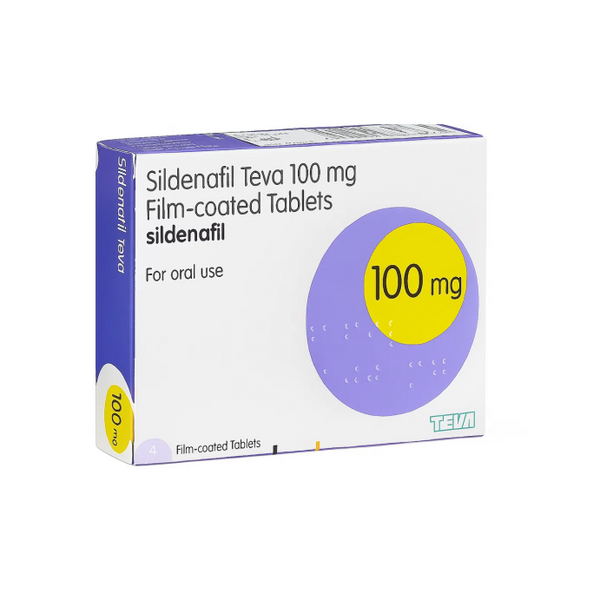
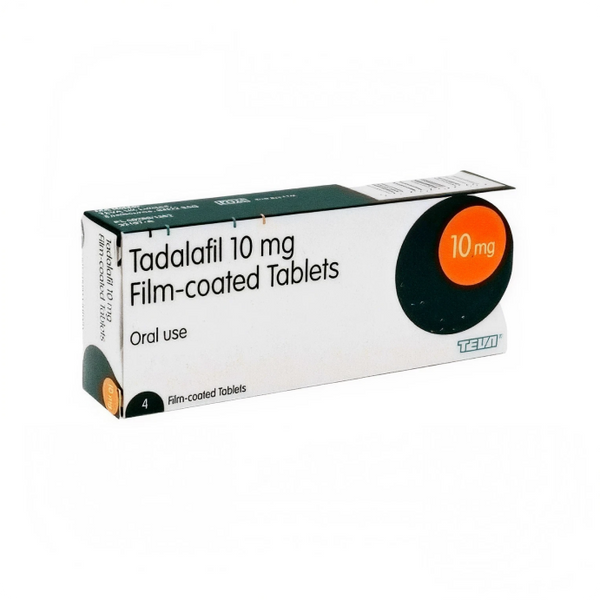
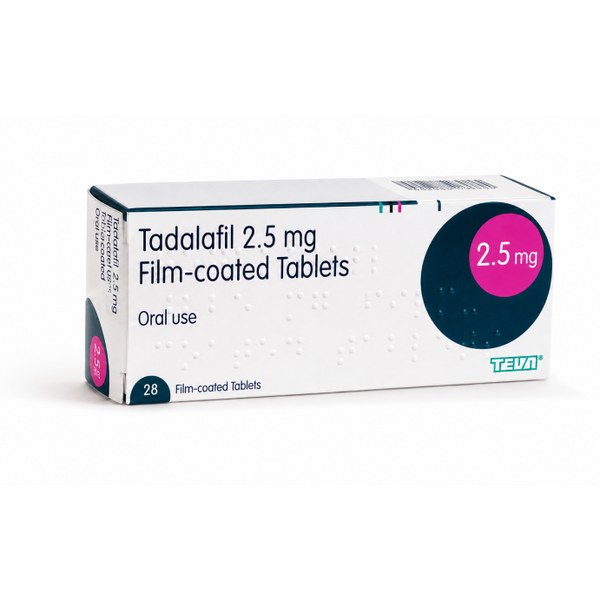
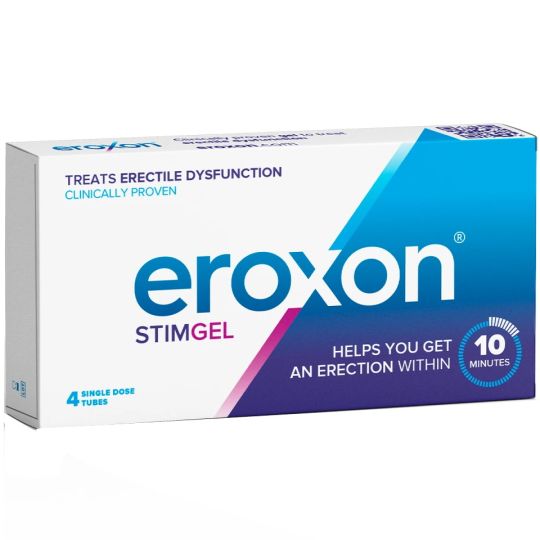
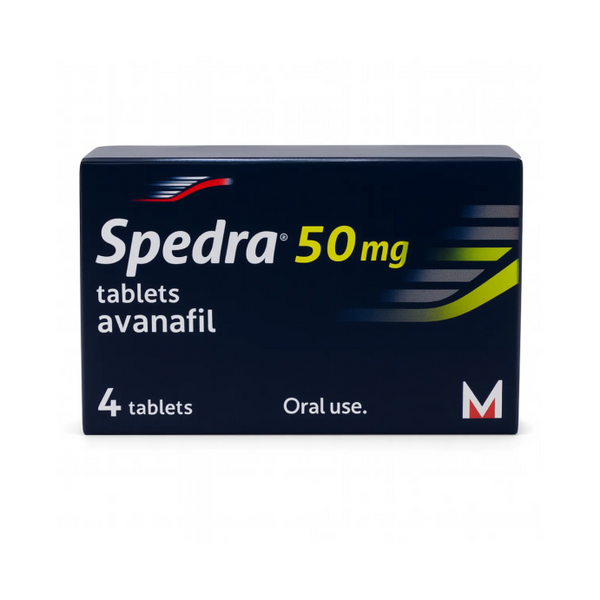
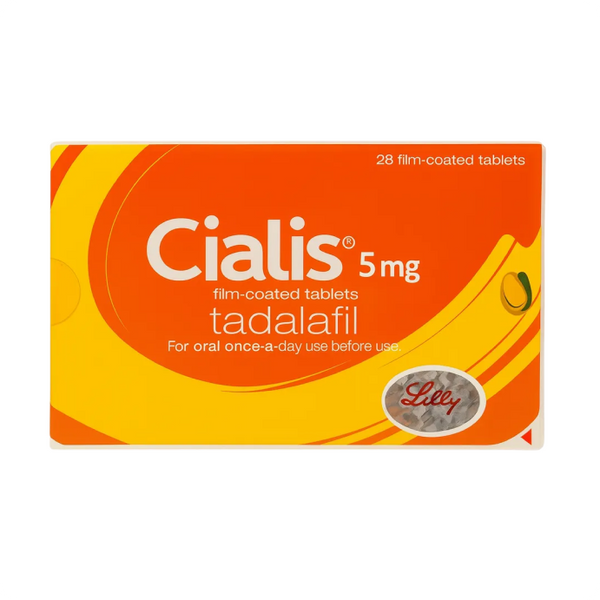
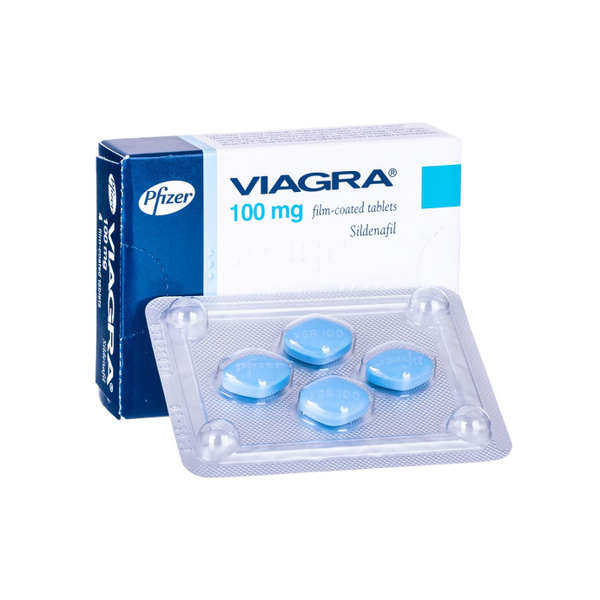
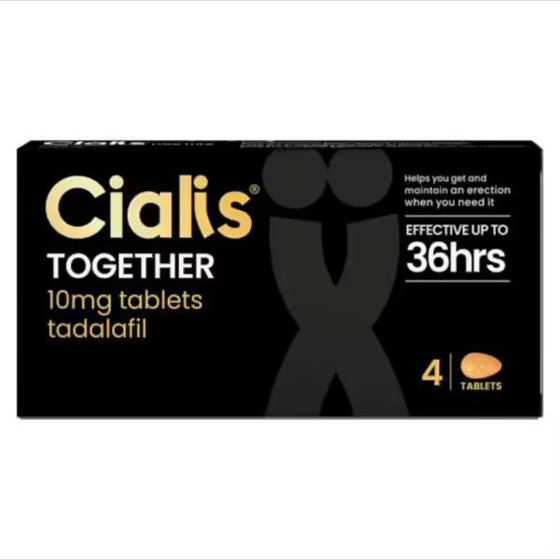
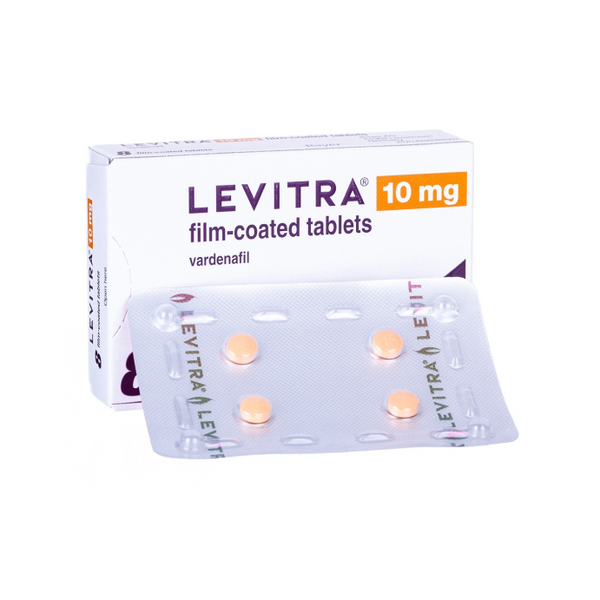
Treatment includes oral medicines such as PDE5 inhibitors, which are first-line treatment for ED and enhance the normal erectile response to sexual stimulation. Sildenafil is one example. Other options include vacuum erection devices, which can produce erections suitable for intercourse in many men, and intracavernosal injections such as alprostadil, which can also be effective but require appropriate instruction and can cause side effects including penile pain or a prolonged erection. Testosterone treatment may be considered when clinically significant testosterone deficiency has been confirmed. In more severe or treatment-resistant cases, a penile prosthesis may be considered when other treatments have failed or are unsuitable.
Lifestyle changes also matter. Regular physical activity, weight management where appropriate, stopping smoking, moderating alcohol and addressing other cardiovascular risk factors can improve erectile function and overall health. For many men, the most effective approach combines treatment for the underlying cause with an appropriate ED treatment.
When Should a Man Seek Help for Impotence?
It is generally worth seeking medical advice if erectile difficulties are persistent or recurrent, have appeared suddenly, or are affecting your confidence, relationships, wellbeing or sexual function. It's particularly important to seek assessment if you have risk factors such as high blood pressure, high cholesterol or diabetes, because ED can sometimes be associated with underlying health conditions. Seek urgent medical care if an erection is painful and does not go down, particularly if it lasts 4 hours or more, or if ED occurs alongside chest pain, breathlessness or dizziness during physical activity or intimacy.
Frequently Asked Questions
Is male impotence the same as erectile dysfunction?
What is the most common cause of impotence in men?
What does sudden male impotence usually mean?
Can male impotence be cured?
How is male impotence usually treated?
Can impotence in men happen suddenly with no warning?
Is impotence in men always related to age?
Can stress alone cause male impotence?
Where can I get help for ED or male impotence?
Is it normal to feel embarrassed about male impotence?
Does male impotence get worse if left untreated?
Can young men experience male impotence too?
Is Erectile Dysfunction Permanent? The Honest Answer
Can Tiredness Cause Erectile Dysfunction? Sleep & ED
Related Posts


Viagra Pharmacy UK: How Sildenafil Supply Works

Do You Need a Prescription for Viagra in the UK?

Can You Buy Viagra Over the Counter in the UK?


Viagra Price UK: Understanding Sildenafil Costs