What Are Impotence Symptoms (Erectile Dysfunction)?
- Online consultation with UK-registered prescribers if you decide treatment could help
- Registered UK pharmacy, with discreet and secure ordering
- A range of licensed treatment options, offered only where clinically appropriate
- Practical, judgement-free guidance to help you recognise the signs and know when to seek advice
Impotence, more often called erectile dysfunction (ED) in clinical settings, is one of the most common health concerns affecting adult men, yet many people are unsure whether what they are experiencing actually counts as a symptom worth mentioning to anyone. A single difficult episode is common and rarely means much on its own.
A pattern that repeats, or that starts to affect your confidence or relationships, is different, and it is worth understanding what the recognised symptoms actually look like.
This guide walks through the physical and emotional signs of impotence, how physical and psychological patterns tend to differ, what else these symptoms can sometimes point to, and when it is worth speaking to a GP or pharmacist.
Key things to know
- Impotence means regularly finding it difficult to get or keep an erection firm enough for intercourse.
- Symptoms can be occasional or persistent, and physical, emotional, or a mix of both.
- Erections that happen on waking or alone but not with a partner may suggest that psychological or situational factors are contributing.
- A gradual, ongoing change may be more suggestive of a physical contributor, although psychological and physical factors can occur together.
- Impotence can sometimes be an early sign of cardiovascular issues, which is why persistent symptoms are worth discussing with a GP or pharmacist.
- Most cases can be properly assessed and, where appropriate, treated.
What Is Impotence (Erectile Dysfunction)?
Impotence describes a regular or repeated difficulty getting or keeping an erection that is firm enough for intercourse. It is different from a single one-off difficulty, which almost every man experiences at some point and which is rarely a cause for concern. It is also a separate issue from things like premature ejaculation or reduced libido, although these can sometimes occur alongside impotence.
Impotence becomes more common with age, but it is not an inevitable part of getting older, and it is not something you simply have to live with. Understanding your own pattern of symptoms is usually the first useful step, whether you go on to seek advice or not.
The Main Physical Symptoms of Impotence
Physical symptoms of impotence generally relate to how consistently and how firmly you are able to achieve an erection.
Difficulty getting an erection
This can mean struggling to get an erection at all in a given situation, or finding that arousal does not translate into an erection the way it used to, difficulty getting an erection is one of the main symptoms of erectile dysfunction.
Difficulty getting an erection is one of the main symptoms of erectile dysfunction, and ED becomes more common with age.
Difficulty maintaining an erection
Some men find they can get an erection but struggle to maintain an erection before or during intimacy. This is one of the most frequently reported patterns and can affect intimate experiences even when arousal itself feels normal.
Reduced firmness or partial erections
An erection that happens but never becomes fully firm, sometimes described as feeling "partial," is a recognised physical symptom, separate from not getting an erection at all.
Loss of morning erections
Involuntary erections during sleep or on waking do not rely on arousal or a partner being present. A noticeable change in the frequency of waking erections can provide useful information about the pattern of ED, although it does not by itself establish a physical cause. It is worth mentioning if you speak to a GP or pharmacist.
Emotional and Psychological Symptoms
Impotence is not only physical. ED can also have emotional and psychological effects, which may occur alongside physical symptoms or develop as a result of ongoing erection difficulties.
Reduced desire (low libido)
A drop in interest, or reduced desire, can occur alongside impotence, though low interest and erection difficulty are separate symptoms with potentially different causes, covered further in the FAQs below.
Performance-related worry
Tension or anticipatory anxiety about whether an erection will happen is extremely common, and it can make the difficulty worse by adding pressure to an already stressful situation; these and other psychological issues can intensify erectile difficulty, and that pressure can also interfere with arousal.
Avoiding intimacy
Some men start avoiding situations where the difficulty might come up, which can create distance in a relationship even when the underlying cause is manageable.
Impact on confidence and relationships
Ongoing symptoms are commonly linked to reduced self-esteem and can put strain on a relationship, particularly if the topic feels difficult to raise. They can also affect mental health, and cognitive behavioral therapy can help when psychological causes are part of the issue.
Physical vs Psychological Patterns: What Your Symptoms Might Suggest
Certain patterns can offer a useful clue as to whether an underlying physical cause or a psychological cause is more likely to be involved, though only a proper assessment can confirm this.
| Pattern you notice | What it may suggest |
|---|---|
| Erections happen on waking or alone, but not with a partner | Psychological or situational factors may be contributing |
| Erections are difficult in most situations, including on waking | A physical contributor may be involved |
| Sudden onset after a specific stressful event or life change | Psychological or situational factors may be contributing |
| Gradual decline over months or years | A physical contributor may be involved |
| Difficulty limited to one relationship or situation | Psychological or situational factors may be contributing |
| Difficulty occurs consistently across situations | A physical contributor may be more likely, although mixed causes are possible |
In general, problems that occur consistently across different situations may make a physical contributor more likely, but symptoms alone cannot reliably distinguish physical from psychological ED.
How Impotence Differs From Related Issues
Impotence is sometimes used loosely to describe several different problems, so it helps to separate it from two issues it is commonly confused with.
Premature ejaculation
Premature ejaculation is a separate condition where arousal, orgasm and ejaculation happen more quickly than a man or his partner would like. An erection can be entirely normal while this happens, which is why it is a distinct issue from impotence rather than a version of it, even though the two can occasionally occur together and both can affect confidence and relationships in similar ways.
Low libido
Low libido means reduced interest in intimacy or lower desire, rather than a physical difficulty achieving or maintaining an erection. Some men with a healthy libido still experience impotence, and some men with reduced libido have no erection difficulties at all. The two often get mentioned in the same breath, but they do not always share the same cause, and they can affect intimate experiences in different ways, so treating one does not automatically resolve the other.
How Often Do Symptoms Need to Happen Before It Counts as Impotence?
There is no single cut-off, but as a general guide, symptoms that recur regularly over several weeks, rather than a one-off episode linked to tiredness, stress or alcohol, are more likely to warrant assessment.
If you are finding it happens more often than not, or the pattern of erectile dysfunction symptoms is getting worse over time, that is usually a sign it is worth looking into rather than waiting to see if it resolves on its own.
What Causes These Symptoms?
Impotence symptoms can reflect the causes of erectile dysfunction, including physical factors, psychological factors, or a combination of both.
Physical causes
Reduced blood flow to the penis is one of the most common underlying mechanisms, and it is often linked to underlying health conditions and chronic health conditions such as high blood pressure, high cholesterol, diabetes, vascular disease, poor circulation, or cardiovascular disease.
Hormonal factors, including low testosterone, nerve-related conditions such as spinal cord injury, and certain prescribed medicines, including some used for blood pressure or mood, can also contribute.
Physical contributors can include vascular disease, diabetes, neurological conditions, hormonal disorders and certain medicines, with the likelihood of some causes increasing with age.
Psychological causes
Stress, anxiety, low mood and relationship difficulties are all recognised contributors because they can affect physical response, and they can occur on their own or alongside a physical cause. A common pattern is that an initial episode, whatever caused it, leads to worry about it happening again, and that worry itself becomes part of what keeps the difficulty going. When psychological factors are part of the picture, support such as counselling or specialist therapy may also help.
Lifestyle-related factors
Smoking, high alcohol intake, physical inactivity, excess weight and poor sleep can contribute to factors associated with erectile dysfunction, including cardiovascular and metabolic health. These are not necessarily the sole cause of ED, but addressing them may improve erectile function in some men and can support wider health.
Impotence as an Early Warning Sign for Other Health Conditions
Because erectile function depends heavily on healthy blood-vessel function, ED can sometimes appear alongside or before clinically recognised cardiovascular disease.
This is one of the reasons persistent erection problems can sometimes be an early sign of heart disease, rather than an isolated issue. It does not mean something else is definitely wrong, but it is a good reason not to ignore symptoms that keep recurring, particularly if you also have other risk factors that could affect cardiovascular health, such as high blood pressure, high cholesterol or diabetes.
When Should You Seek Advice About Impotence Symptoms?
It is generally worth speaking to a GP or pharmacist if you are experiencing erectile dysfunction, especially if:
- Symptoms have been happening regularly for several weeks or more.
- The difficulty is affecting your confidence, relationship or wellbeing.
- You have noticed a reduction in morning erections alongside other symptoms.
- You have risk factors such as high blood pressure, high cholesterol or diabetes.
- You have started a new medicine around the same time symptoms began.
- Symptoms are ongoing and you need help to diagnose erectile dysfunction properly rather than guessing at the cause.
Symptoms that need more urgent attention
A painful erection that lasts 4 hours or longer is a medical emergency and requires urgent treatment. If erection difficulties occur alongside chest pain, severe breathlessness, fainting or other symptoms suggesting a medical emergency, seek emergency care by calling 999.
How Impotence Is Usually Assessed
A GP, pharmacist or online prescriber will typically start by taking a medical history, alongside asking about the pattern of your symptoms (how often, in what circumstances, and for how long), your general health, any medicines you are taking, and lifestyle factors such as smoking and alcohol.
Depending on what comes up, this may include checking blood pressure, and sometimes blood tests to look at cholesterol, blood sugar or hormone levels, which can help identify any underlying physical cause.
The aim is to understand what is likely to be driving your particular symptoms and broader health, rather than treating impotence as one single problem with one single cause.
Treatment Options Once Symptoms Are Confirmed
If an assessment confirms that treatment could help, several options may be considered.
Depending on your symptoms and medical history, this may include blood pressure measurement and selected blood tests, such as glucose, cholesterol or hormone testing where clinically appropriate.
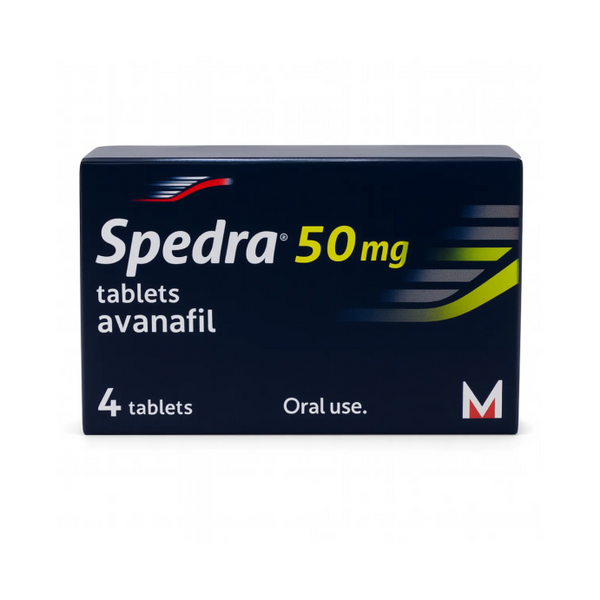
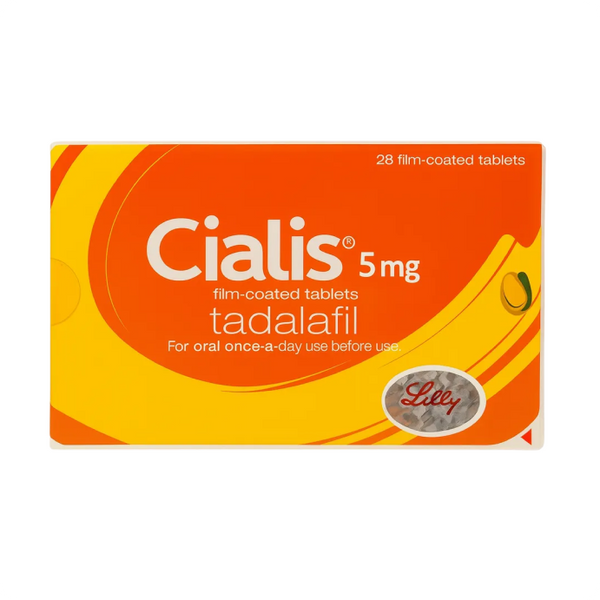
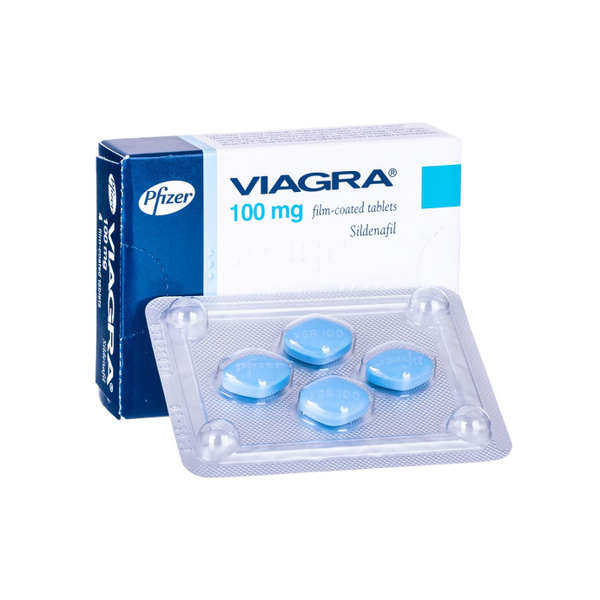
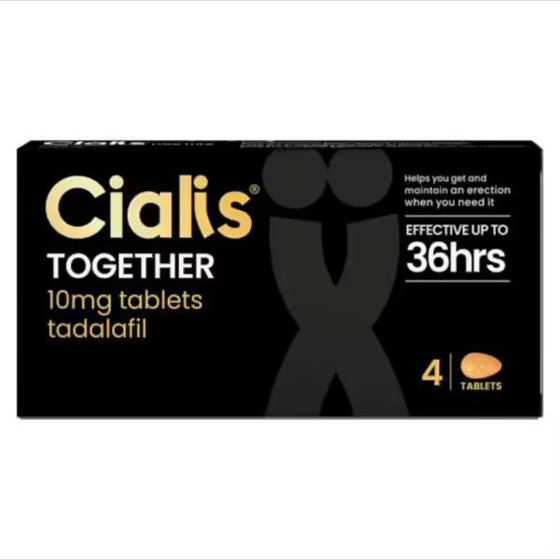
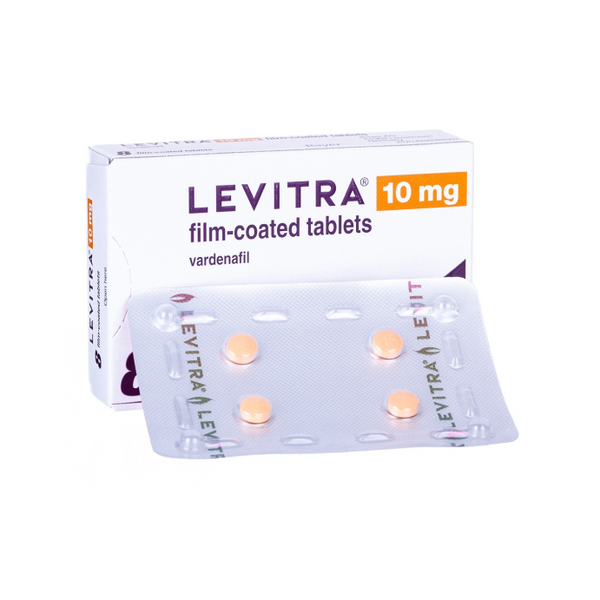
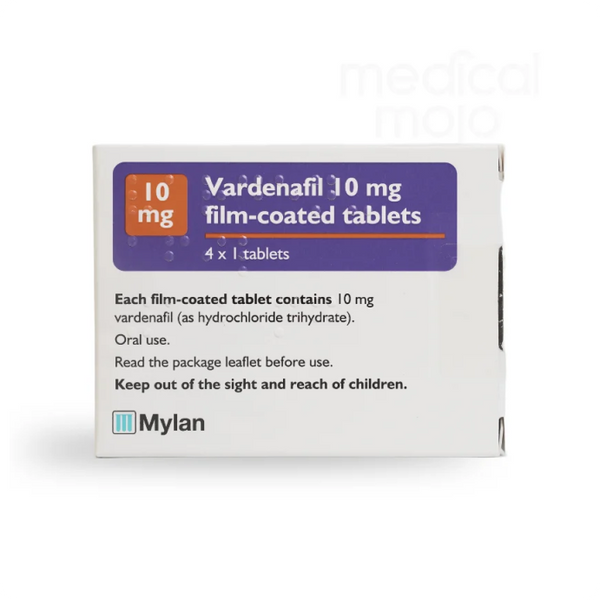
Tablet treatments, known as PDE5 inhibitors, are commonly used as a first-line treatment for ED when they are clinically appropriate. How well they work varies between individuals and depends partly on the underlying cause and how the medicine is used. If one medicine does not work well enough or causes troublesome side effects, a healthcare professional can discuss whether another option is more suitable.
Other treatments are available when tablets are unsuitable or do not provide enough benefit. These may include vacuum erection devices, injectable or topical medicines, and, in selected cases, penile implants. The appropriate option depends on the individual's health, preferences and response to treatment.
Keeping Track of Your Symptoms
Before speaking to anyone, it can help to spend a couple of weeks simply noticing your own pattern, since this is often exactly what a GP, pharmacist or online prescriber will ask about first. Useful details include how often the difficulty happens, whether it is linked to a particular situation or partner, whether morning erections are still happening, whether anything changed around the time it started (a new medicine, a stressful period, a change in drinking), and whether the pattern is stable, improving or getting worse. None of this replaces a proper assessment, but turning up with a clear picture of your own symptoms usually makes that assessment quicker and more useful.
Self-Help and Lifestyle Steps While You Decide What to Do
Alongside any advice from a healthcare professional, some general lifestyle steps are commonly recommended, and in some men these may improve erectile function when symptoms are linked to modifiable factors:
- Stopping smoking, which can improve cardiovascular and vascular health.
- Moderating alcohol intake.
- Building in regular physical activity.
- Working towards a healthy weight.
- Managing stress where possible, including through relaxation techniques or talking therapies.
- Prioritising sleep.
- Talking openly with a partner, which can ease performance-related pressure on its own.
These steps won't resolve every case, particularly where a physical cause needs specific treatment, but they are a reasonable starting point and support any treatment you go on to have, including helping support erections that are firm enough for intimacy.
Medical Disclaimer
This article provides general information about erectile dysfunction (ED), its symptoms, possible causes and available treatment options. It is not intended to diagnose ED, identify the cause of your symptoms or replace advice from a qualified healthcare professional.
Erectile difficulties can have different physical, psychological or medication-related causes, and symptoms alone cannot reliably determine the underlying cause. If symptoms are persistent, recurrent or concerning, speak to a GP, pharmacist or other appropriately qualified healthcare professional for assessment.
Do not stop, reduce or change any prescribed medicine because you are experiencing erectile difficulties. Speak to the healthcare professional responsible for your care about any concerns regarding your medication.
Treatment suitability varies between individuals and depends on your medical history, symptoms and current medicines. A healthcare professional can advise whether treatment is appropriate for you.
Frequently Asked Questions
Q: What is usually the first sign of impotence?
Q: Does experiencing impotence occasionally mean something is seriously wrong?
Q: Is it still impotence if I can get an erection alone but not with a partner?
This pattern may suggest that psychological or situational factors are contributing, although it does not rule out physical contributors.
Q: Does losing morning erections mean something is wrong?
Q: Can stress and anxiety alone cause impotence symptoms?
Q: Is a low libido the same as impotence?
Q: At what age do impotence symptoms usually start?
Q: Can younger men experience impotence symptoms?
If you are experiencing erectile dysfunction at a younger age and symptoms persist, it is worth getting assessed to help rule out an underlying physical cause.
Q: When should I speak to a GP or pharmacist about impotence symptoms?
Q: Are impotence symptoms linked to other health conditions?
How to Prevent Erectile Dysfunction: UK Guide
ED Medical Abbreviation: What Does It Stand For?
Related Posts


Cheap Tadalafil UK: How to Compare Prices Safely