How to Prevent Erectile Dysfunction: Practical Steps to Reduce Your Risk
- Understand which ED risk factors you may be able to change.
- Learn how cardiovascular and metabolic health affect erections.
- Get practical guidance on exercise, weight, smoking and medicines.
- GPhC-registered UK online pharmacy with UK-registered prescribers.
Erectile dysfunction (ED) cannot always be prevented, and it can result from both physical and psychological factors, but several important risk factors can be reduced or better controlled. Looking at the causes of erectile dysfunction can help frame prevention, particularly where the underlying cause relates to cardiovascular or metabolic health, including diabetes, high blood pressure and obesity.
The key is to think beyond the symptom itself. Normal erectile function depends partly on healthy blood vessels, circulation, nerves and wider metabolic health. Conditions affecting these systems can therefore increase the likelihood of ED.
NICE evidence identifies inactivity, obesity, smoking, excess alcohol, hypercholesterolaemia and metabolic syndrome among relevant modifiable risk factors. It also notes that modifying these factors may reduce the risk of erectile dysfunction.
Prevention does not mean there is a guaranteed routine that ensures ED will never happen. Ageing, medical conditions, prescribed medicines, mental health factors and other contributors may still play a role. The practical goal is to reduce avoidable risk while recognising persistent changes early.
Key Things to Know
- ED cannot always be prevented.
- Cardiovascular health and erectile function are closely connected.
- Regular physical activity and healthy weight management may reduce modifiable risk.
- Smoking, raised cholesterol and metabolic problems can increase risk.
- Diabetes can contribute to erectile dysfunction.
- Some prescribed medicines may contribute to erection difficulties.
- Never stop a prescribed medicine yourself because ED develops.
- Persistent ED deserves assessment rather than being dismissed or hidden.
Can Erectile Dysfunction Be Prevented?
You can reduce some of the risk factors associated with erectile dysfunction, but no lifestyle change can guarantee that ED will never develop.
This distinction matters because searches for how to prevent erectile dysfunction often produce overly simple promises. Erectile function depends on several systems working together, so there is rarely one single preventive measure.
Some risk factors are modifiable. Smoking, physical inactivity, excess weight and poorly controlled cardiovascular or metabolic risk can potentially be addressed. Other factors, including some medical conditions and necessary medicines, may be less avoidable.
A realistic prevention strategy therefore has three parts: protect cardiovascular and metabolic health, identify potentially modifiable contributors, and seek assessment when a persistent change appears.
Why Is Cardiovascular Health Important for Preventing ED?
Healthy blood vessels are important for normal erectile function, which is why cardiovascular risk reduction is one of the most useful areas to focus on when considering ways to prevent ED.
NICE evidence notes increasing evidence that erectile dysfunction can be an early manifestation of coronary and peripheral vascular disease. It identifies several shared risk factors, including obesity, smoking, lack of exercise, raised cholesterol and metabolic syndrome.
This does not mean that developing ED proves you have cardiovascular disease. It means the same factors that affect blood vessels elsewhere in the body can also affect erectile function.
Prevention should therefore include attention to:
- Blood pressure
- Cholesterol
- Blood glucose and diabetes risk
- Smoking
- Body weight
- Physical activity
- Overall cardiovascular risk
Managing these areas has benefits that extend well beyond erectile function.
Does Exercise Help Prevent Erectile Dysfunction?
Regular physical activity is one of the most practical modifiable factors to address. NICE evidence specifically identifies lack of exercise among ED risk factors and highlights exercise as part of lifestyle risk reduction.
Physical activity supports cardiovascular fitness, weight management and metabolic health. These factors are relevant because erection difficulties can occur alongside conditions that impair blood-vessel function.
The aim is not to find a special exercise that guarantees protection from ED. A sustainable pattern of regular activity is more useful than an extreme short-term programme.
If you have cardiovascular disease, significant mobility limitations or another medical condition affecting exercise, the appropriate activity level should be considered individually.
Can Maintaining a Healthy Weight Reduce ED Risk?
Maintaining a healthier weight may help reduce modifiable ED risk, particularly when excess weight occurs alongside cardiovascular or metabolic risk factors.
NICE evidence identifies obesity and metabolic syndrome among factors associated with erectile dysfunction and highlights weight reduction as part of lifestyle modification.
Weight is not the sole cause of ED, and people of any body size can experience erection difficulties. The more useful focus is metabolic health rather than assuming that a number on the scales directly predicts erectile function.
Weight management may also support blood pressure, cholesterol and blood glucose control, which makes it relevant to a broader prevention strategy.
How Important Is Diabetes Prevention and Management?
Diabetes is an important consideration because long-term changes affecting blood vessels and nerves can contribute to erectile dysfunction.
NICE specifically includes discussion of erectile dysfunction as part of the annual review for adults with type 2 diabetes when relevant.
If you already have diabetes, the goal is not to assume ED will inevitably develop. Follow your agreed diabetes management plan and raise persistent erection difficulties during your regular healthcare reviews.
For people without diagnosed diabetes, maintaining a healthy lifestyle and attending appropriate medical checks can help identify blood-glucose problems earlier.
Can Stopping Smoking Help Prevent ED?
Smoking is a modifiable ED risk factor because it can damage blood vessels and contribute to cardiovascular disease.
NICE evidence includes smoking among the factors associated with erectile dysfunction and supports lifestyle risk reduction.
Stopping smoking cannot guarantee that erection difficulties will never occur, particularly if other contributing conditions are already present. However, reducing an established cardiovascular risk factor is a sensible part of reducing avoidable ED risk.
The same principle applies to prevention generally: improving one risk factor helps, but the overall health picture matters more than any single change.
Can Managing Blood Pressure Help Reduce ED Risk?
Managing high blood pressure is an important part of protecting cardiovascular health and may also help reduce factors associated with erectile dysfunction. ED and cardiovascular disease share several risk factors, so blood pressure should be considered as part of the wider health picture rather than in isolation.
NICE recommends assessing cardiovascular risk alongside factors such as blood pressure, cholesterol, smoking status and diabetes.
If you already take medicine for high blood pressure, continue it as prescribed. Do not stop or alter treatment because you develop erection difficulties. A healthcare professional can review whether your symptoms could be related to your underlying condition, your medicine or another factor.
Why Does Cholesterol Matter for Erectile Function?
Raised cholesterol can contribute to cardiovascular disease by affecting the health of blood vessels. Because normal erectile function depends partly on adequate blood flow, managing cholesterol is relevant when considering how to prevent ED.
NICE evidence identifies hypercholesterolaemia as one of the modifiable risk factors associated with erectile dysfunction.
Reducing cardiovascular risk is more useful than trying to target erectile function with one isolated lifestyle change. Depending on your circumstances, this may involve improving diet and physical activity, stopping smoking and following treatment recommended for raised cholesterol or other cardiovascular risk factors.
Do not stop cholesterol-lowering medicine because you develop ED without discussing the problem with a healthcare professional.
Does Alcohol Affect the Risk of Erectile Dysfunction?
Alcohol can contribute to erection difficulties, particularly when intake is high. Reducing excessive alcohol consumption is therefore a sensible part of a wider strategy for protecting cardiovascular and general health.
The important point is moderation rather than assuming that avoiding one drink or food will prevent erectile dysfunction completely.
If erection difficulties occur mainly after drinking alcohol, this may be useful information to mention when discussing your symptoms with a healthcare professional.
Can Stress and Emotional Wellbeing Affect Erectile Function?
Yes. Erectile function is influenced by psychological as well as physical health. Persistent stress, anxiety and low mood can contribute to erection difficulties, sometimes alongside physical risk factors.
This means prevention should not focus exclusively on blood pressure, weight and cholesterol.
Practical measures that support emotional wellbeing can form part of an overall approach. These may include maintaining regular physical activity, improving sleep routines, addressing persistent stress and seeking appropriate professional support when emotional difficulties are affecting daily life.
Psychological factors and physical conditions can also occur together. It is therefore unhelpful to assume that ED must be entirely physical or entirely psychological without assessment.
Can Medicines Cause Erectile Dysfunction?
Some prescribed medicines can contribute to erection difficulties. If symptoms begin after starting or changing a medicine, this is worth discussing with a healthcare professional.
The important safety rule is simple: do not stop, reduce or change a prescribed medicine yourself in an attempt to prevent ED.
The medicine may be controlling an important underlying condition, and stopping it could create greater health risks. A prescriber can review the timing of your symptoms, why the medicine is required and whether another explanation or management option needs consideration.
This is particularly relevant for people taking several medicines, because the underlying health conditions being treated may themselves contribute to ED.
Can Corticosteroids Affect Erectile Function?
There is no established way to guarantee that erectile dysfunction can be prevented while taking a prescribed corticosteroid. If erection difficulties develop during treatment, do not change or stop the corticosteroid without medical advice.
Corticosteroids are used for a range of inflammatory and immune-related conditions, and treatment decisions depend on the reason the medicine was prescribed, how long it is required and the individual's wider health.
If you notice a persistent change after starting treatment, tell your prescriber. They can consider whether the medicine, the underlying condition or another health factor may be contributing.
This approach is safer than attempting to prevent a possible adverse effect by altering prescribed treatment yourself.
Can Regular Health Checks Help Prevent Erectile Dysfunction?
Health checks cannot guarantee prevention, but identifying cardiovascular and metabolic risk factors early may help address conditions associated with ED before they become more advanced.
Useful areas to monitor where clinically appropriate include:
- Blood pressure
- Cholesterol
- Blood glucose
- Cardiovascular risk
- Body weight and waist measurements
- Current medicines
- Smoking status
- Physical activity
NICE recommends QRISK3 when assessing cardiovascular risk in people with erectile dysfunction because this tool includes ED as a risk factor.
The value of regular assessment is therefore broader than preventing erection difficulties. It can identify potentially modifiable risks affecting long-term cardiovascular health.
What Cannot Be Prevented?
Not every case of erectile dysfunction is preventable. Even someone who exercises regularly, does not smoke, maintains a healthy weight and manages cardiovascular risk appropriately may still develop ED.
Potential contributors can include ageing, neurological conditions, hormonal problems, necessary medicines and other medical conditions.
This is why advice promising to prevent ED completely is misleading.
A more realistic goal is to reduce modifiable risks and recognise persistent symptoms early. Prevention should not become self-blame if erection difficulties still develop.
What Are the Most Practical Ways to Prevent ED?
There is no single method, but a combined approach to cardiovascular, metabolic and psychological health offers the most sensible prevention strategy.
A practical prevention framework is:
- Stay physically active. Regular activity supports cardiovascular and metabolic health.
- Avoid smoking. Smoking is an established modifiable cardiovascular and ED risk factor.
- Work towards a healthy weight where appropriate. This may improve several metabolic risk factors at the same time.
- Manage blood pressure, cholesterol and diabetes. Follow agreed treatment and monitoring plans.
- Avoid excessive alcohol intake. High intake can contribute to erection difficulties and wider health problems.
- Look after emotional wellbeing. Persistent stress, anxiety and low mood can affect erectile function.
- Review persistent changes. Do not assume recurring ED is simply ageing or something that must be accepted.
- Take prescribed medicines correctly. If you suspect a medicine is contributing, request a review rather than stopping it yourself.
These steps cannot guarantee that erectile dysfunction will never occur. They instead address several of the modifiable factors associated with ED while supporting wider long-term health.
What Should You Do If Erectile Dysfunction Starts Despite Prevention Efforts?
If erection difficulties keep happening despite healthy lifestyle habits, the next step is assessment rather than trying increasingly restrictive prevention strategies. Erectile dysfunction can have several contributing factors, and not all of them can be controlled through lifestyle changes.
A healthcare professional can consider when the problem started, whether it is persistent, your cardiovascular and metabolic health, current medicines and other relevant factors.
Developing ED does not mean that your prevention efforts have failed. Exercise, avoiding smoking, weight management and good cardiovascular care still provide important wider health benefits even when erection difficulties occur.
When Should You Get Erectile Dysfunction Checked?
Persistent or recurrent erection difficulties, or a noticeable change in erectile function, are worth discussing with a healthcare professional. This is particularly important when you also have cardiovascular risk factors such as high blood pressure, diabetes, raised cholesterol or smoking history.
NICE recommends QRISK3 for formal cardiovascular risk assessment where appropriate. The tool considers factors including age, smoking, blood pressure, diabetes and erectile dysfunction, helping clinicians assess wider cardiovascular risk rather than viewing ED as an isolated problem.
Assessment does not mean that a serious condition will necessarily be found. Its purpose is to identify potentially modifiable causes and decide whether further investigation or management is appropriate.
Can Treating an Underlying Health Problem Help?
Yes. When erectile dysfunction is associated with an underlying condition or cardiovascular risk factor, managing that issue appropriately may form an important part of the overall approach.
For example, diabetes, hypertension and abnormal cholesterol can affect vascular health. Following an agreed management plan for these conditions supports long-term health and may address factors that also contribute to erectile difficulties.
However, treatment results vary between individuals. Managing one health condition does not guarantee that ED will disappear because several factors may be involved at the same time.
Do not alter prescribed treatment in an attempt to improve erectile function without speaking to the healthcare professional responsible for your care.
Should You Take ED Medicine to Prevent Erectile Dysfunction?
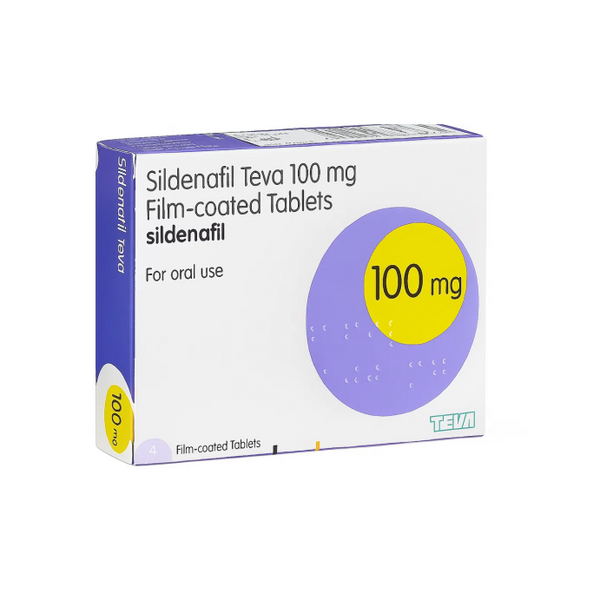
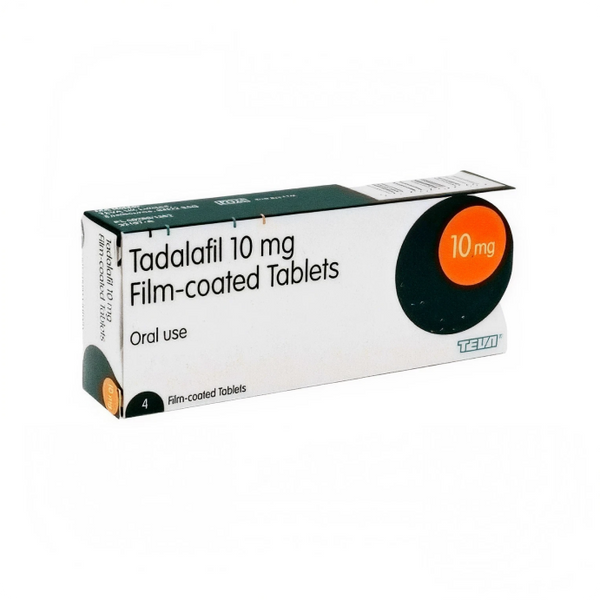
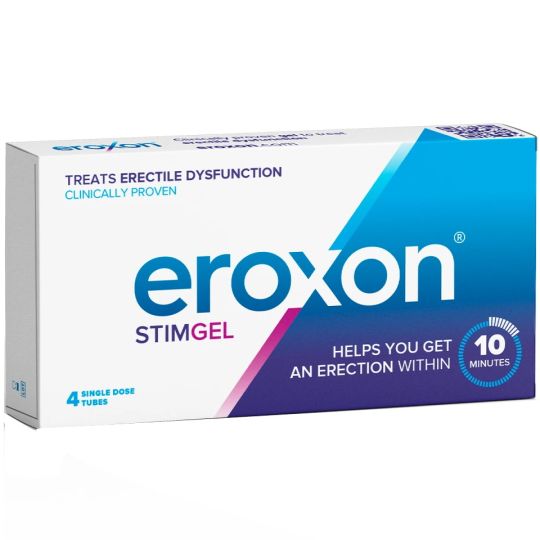
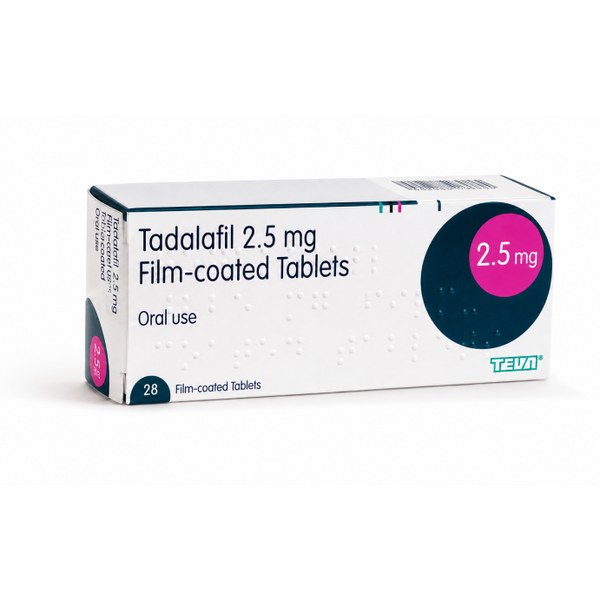
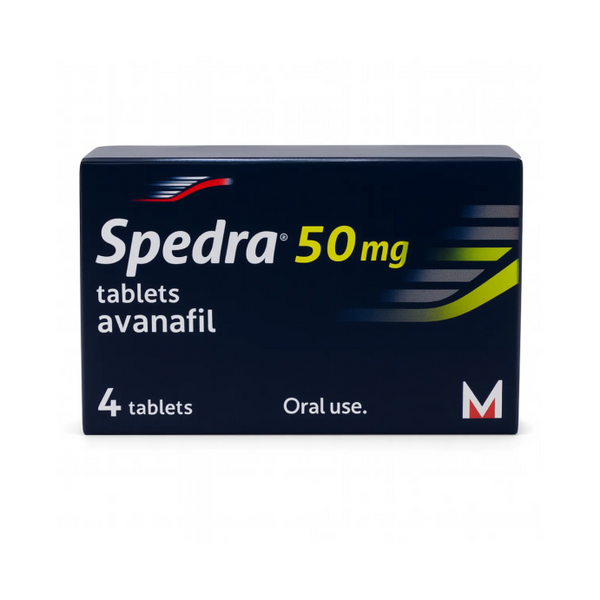
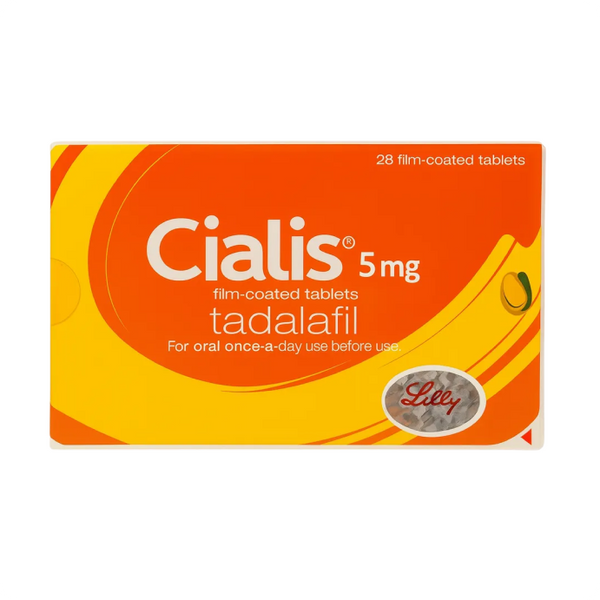
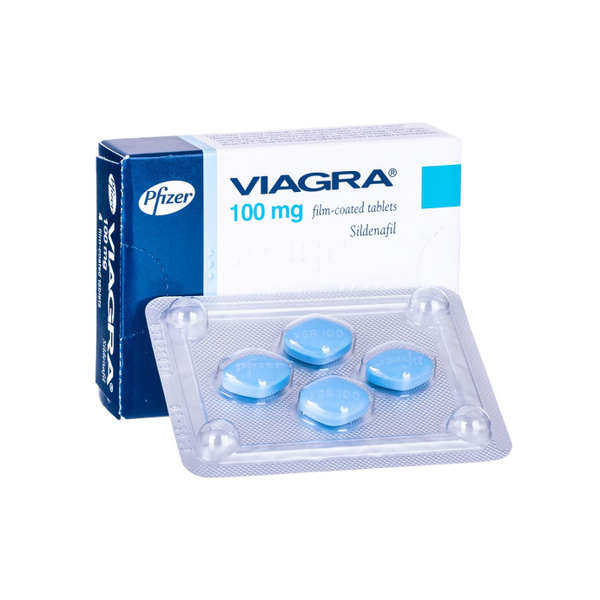
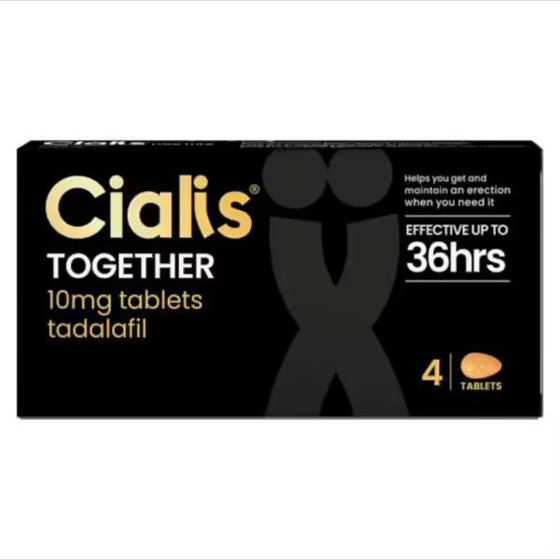
ED medicines should not be taken simply as a preventive measure when there is no clinical indication for treatment.
Medicines used for erectile dysfunction are intended to manage an existing problem in people for whom treatment is suitable. They do not replace cardiovascular risk management, physical activity, smoking cessation or appropriate management of diabetes and blood pressure.
Treatment suitability depends on an individual clinical assessment. Your prescriber will determine whether treatment is appropriate based on your symptoms, medical history and current medicines.
Taking medicine obtained from an unknown or unregulated source also carries additional risks. The MHRA reported in February 2026 that approximately 19.5 million doses of illegally traded ED medicines had been seized in the UK between 2021 and 2025, including 4.4 million doses during 2025.
How Can You Avoid Unsafe ED Products Online?
Use appropriately regulated routes if you need assessment or treatment. Products supplied through unknown websites, social media or messaging services may be unauthorised or falsified.
The MHRA warns that illegally supplied ED medicines can contain too much or too little active ingredient, or other undeclared substances. This can be particularly risky for people with cardiovascular conditions, high blood pressure or those taking other medicines.
The MHRA provides a service for checking suspicious online medicine sellers. Websites appearing on its Not Recommended list may be supplying medicines illegally.
For people seeking help online, the safer approach is a legitimate clinical assessment followed by treatment only when appropriate.
A Practical ED Prevention Checklist
There is no guaranteed way to prevent erectile dysfunction, but addressing modifiable health risks provides a sensible long-term strategy.
Use this checklist as a general health framework:
- Stay physically active.
- Avoid smoking.
- Maintain a healthy weight where appropriate.
- Keep alcohol intake within recommended limits.
- Attend appropriate blood pressure and cardiovascular checks.
- Manage diabetes according to your agreed care plan.
- Address raised cholesterol where clinically indicated.
- Look after emotional wellbeing and persistent stress.
- Take prescribed medicines as directed.
- Request a medication review if erection difficulties begin after a treatment change.
- Do not use unregulated medicines or supplements claiming guaranteed results.
- Seek assessment when erection difficulties persist.
The aim is risk reduction, not guaranteed prevention. Some causes of ED remain possible even when you follow a healthy lifestyle.
Medical Disclaimer
This article provides general information about reducing modifiable risk factors associated with erectile dysfunction. It does not diagnose ED, identify its cause or determine whether treatment is suitable for an individual.
Do not stop, reduce or otherwise alter prescribed medicines because you are concerned about erectile dysfunction. Speak to an appropriately qualified healthcare professional if symptoms develop or persist.
Treatment suitability depends on an individual clinical assessment. Your prescriber will determine the appropriate treatment where treatment is needed.
Conclusion
If you are asking how to prevent erectile dysfunction, the most accurate answer is that ED cannot always be prevented, but several important risk factors can be reduced.
The strongest practical approach is to protect your cardiovascular and metabolic health. Regular physical activity, avoiding smoking, maintaining a healthy weight where appropriate and managing blood pressure, cholesterol and diabetes can address factors associated with erectile dysfunction.
Medication awareness also matters. If erection difficulties begin while you are taking a prescribed medicine, including a corticosteroid, do not stop treatment yourself. Ask for a medication and health review instead.
Prevention should never become a promise that healthy habits will guarantee normal erectile function. Age, medical conditions, medicines and other factors can still contribute.
If ED does develop repeatedly, treat it as useful health information rather than something to ignore. Appropriate assessment can identify potentially manageable factors and determine whether further investigation or treatment is appropriate.
Frequently Asked Questions
Q: How do you prevent erectile dysfunction?
Q: What are the main ways to prevent ED?
Q: Can exercise prevent erectile dysfunction?
Q: Can losing weight prevent ED?
Q: Can stopping smoking reduce the risk of ED?
Q: Can diabetes cause erectile dysfunction?
Q: How can I avoid erectile dysfunction while taking a corticosteroid?
Q: Can blood pressure medicine cause ED?
Q: Does erectile dysfunction mean I have cardiovascular disease?
Q: Should I take ED medicine before I develop erectile dysfunction?
Q: When should I seek help for erectile dysfunction?
Can You Reverse Erectile Dysfunction? The Honest Answer
Impotence Symptoms: Recognising the Signs of ED
Related Posts


Cheap Tadalafil UK: How to Compare Prices Safely