What Does ED in Medical Terms Stand For?
- Understand exactly what "ED" means in medical terminology and how the abbreviation is used in healthcare.
- Get terminology explained in a clear format relevant to adults looking for healthcare information in the UK.
- Learn the meaning of commonly used terms such as organic ED, psychogenic ED, vasculogenic ED and IIEF-5.
- Understand how "ED" appears in medical records, consultations, prescriptions and patient information without unnecessary medical jargon.
If you have come across the abbreviation "ED" in a medical context, whether on paperwork, in an article, or from a healthcare professional, it most commonly stands for erectile dysfunction. In medical terms, it describes repeated difficulty getting or keeping an erection firm enough for intercourse, and it is the term commonly used in clinical practice, diagnosis, prescribing, and patient information.
For adults in the UK trying to understand ED terminology, whether you are reading about symptoms, comparing treatment information, or considering an online consultation. This page explains what the abbreviation means, how it is defined and classified, how it differs from older terms such as impotence, what else ED can sometimes stand for in medicine, and how the term appears in prescribing and diagnosis. Knowing that helps you read medical information accurately, speak more clearly with a clinician, and make better-informed decisions if you decide to explore treatment through UK-registered prescribers, a registered UK pharmacy, and licensed options offered only where clinically appropriate.
Key things to know
- ED is a commonly used medical abbreviation for erectile dysfunction.
- It is the term used in clinical, pharmacy and prescribing contexts, and has largely replaced the older word "impotence" in professional use.
- ED describes a repeated pattern of difficulty, not a single occasion
- The letters "ED" are used for other things in wider medical contexts, so it is worth checking the context you saw it in.
- ED is described and classified using recognised clinical language, not guesswork
What Does "ED" Stand For?
In a medical context, ED often stands for erectile dysfunction. In medical terms, it describes difficulty getting or maintaining an erection sufficient for sexual activity, and it is the term commonly used in clinical practice, diagnosis, prescribing, and patient information.
You will see the abbreviation used in a few different ways depending on context: as shorthand in patient information ("treatment for ED"), as part of a formal description in clinical notes, and increasingly in general conversation, since it is now the more commonly used term outside clinical settings too.
Defining ED in Medical Terms
Formally, ED is defined as the consistent or recurrent inability to achieve or maintain an erection sufficient for intimate activity and satisfactory performance. Three words in that definition do a lot of work:
- Consistent or recurrent rules out occasional erection trouble, which is common and is not considered ED on its own
- Achieve or maintain covers both not getting an erection at all and losing one before or during intercourse
- Sufficient is a functional description rather than a fixed measurement, since what's "sufficient" is about the erection working for its purpose, not a specific standard
This is why a proper description of ED usually asks about a pattern over time, rather than a single episode. In formal terms, erectile dysfunction ED may be classified as primary or secondary, and most cases are secondary.
How ED Is Classified in Medical Records
Beyond the everyday abbreviation, ED has a formal place in international disease classification. Under the World Health Organization's ICD-10 system, the category "male erectile dysfunction" is classified under code N52, within the genitourinary chapter. This kind of coding exists mainly for clinical documentation, referral and record-keeping purposes rather than anything a patient needs to know day to day, but it is a useful confirmation that ED is a recognised, well-defined clinical entity rather than an informal label.
Is "ED" the Same as "Impotence"?
Broadly, yes. "Impotence" is the older, more general word, and "erectile dysfunction" is the more precise clinical term that replaced it in professional use. The shift happened because "impotence" was seen as vague and, for some men, carried more negative connotations, while "erectile dysfunction" describes the specific functional difficulty involved without wider implications. In everyday use the words are still often used interchangeably, and you will see both on this site depending on context, but "ED" is the term you are more likely to encounter in a clinical setting, on a prescription, or in patient information leaflets.
How Is "ED" Used in a Medical or Clinical Setting?
In practice, you might see or hear "ED" used in several places:
- In a consultation, where a GP, pharmacist or online prescriber may use it as shorthand once the topic has been raised, review your medical history, and may perform a physical exam when assessing ED
- On patient information leaflets for licensed treatments, where it appears in the product's approved indication
- In clinical notes or referral letters, as standard shorthand within andrology and urology, the medical fields that cover this area
- In online health information and assessment questionnaires, where it's used interchangeably with "erectile dysfunction" for brevity
Assessment also looks for health conditions, and erectile dysfunction can be linked to wider health problems and underlying health issues such as cardiovascular disease, high blood pressure, heart disease, and diabetes.
ED can precede cardiac events by several years.
Men with untreated diabetes can be more likely to experience ED, and some antidepressants, blood pressure medications, and certain sleep disorders can also contribute.
Seeing "ED" used this way is simply shorthand. It does not imply a more or less serious version of the condition than seeing the term written out in full.
How Severity of ED Is Described
ED is not treated as a single, uniform experience. Clinically, severity is often assessed using a short, validated set of questions, commonly a five-item index, that produces a score used to describe the difficulty as mild, mild-to-moderate, moderate or severe.
This matters because the word "ED" on its own does not tell you how significant a particular case is. Two men can both accurately be described as having ED while experiencing very different day-to-day difficulties. A proper assessment, rather than the label itself, is what helps establish severity and possible causes.
Other Things "ED" Can Stand For in Medical Contexts
Because it is only two letters, "ED" is not unique to this condition, and it is worth being aware of the other common medical uses so you can check you have got the right one from context:
| Where you might see it | What it usually means |
|---|---|
| Hospital signage, appointment letters | Emergency Department |
| Pharmacology and dosing literature | Effective Dose (as in ED50, a dosing concept) |
| Mental health information | Eating Disorder |
| This site, and most men's health content | Erectile Dysfunction |
If you have arrived here searching for one of the other meanings, the surrounding context of whatever you were reading (a hospital letter, a dosing chart, a mental health resource) is usually the quickest way to confirm which one applies.
Related Medical Terms and Causes of Erectile Dysfunction You Might See Alongside "ED"
A few related terms come up often enough alongside "ED" that it is worth knowing what they mean:
- Andrology: the branch of medicine focused on male reproductive and urological health, the specialty ED usually sits within
- Urology: the wider surgical specialty covering the urinary tract and male reproductive system, which andrology sits within
- Organic ED: erection difficulty with a primarily physical cause, such as circulation or hormones, an erection is a neurovascular process involving the brain, nerves, hormones, muscles, and blood vessels, and stroke or spinal cord injuries can disrupt the nerve signals involved
- Psychogenic ED: erection difficulty with a primarily psychological cause, including psychological causes such as stress, anxiety, or other psychological factors that can disrupt arousal
- Vasculogenic ED: a specific type of organic ED caused by reduced blood flow, one of the most common physical causes, where problems affecting blood vessels are often involved, atherosclerosis can restrict blood flow and contribute to ED
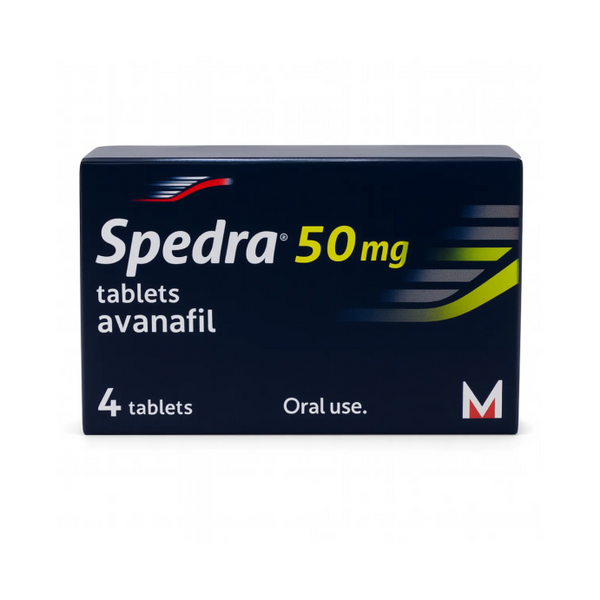
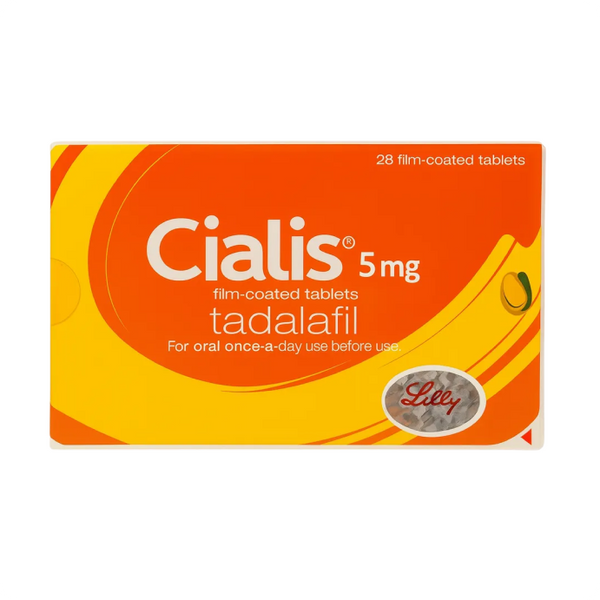
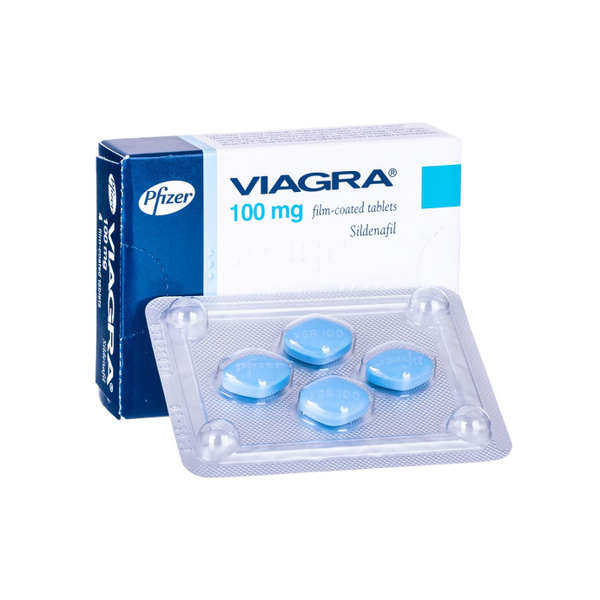
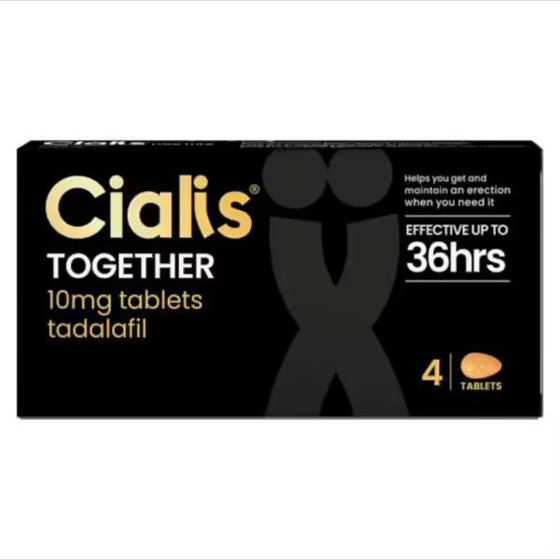
- PDE5 inhibitor: the class of oral medications most commonly prescribed as a first-line option for ED, which help increase blood flow
- Hypogonadism: a clinical term for lower-than-typical testosterone levels, one possible underlying cause of ED
- IIEF-5: a short, validated questionnaire commonly used during an assessment to help describe how significant a case of ED is.
ED can have physical, psychological or mixed causes, so these terms are not always completely separate categories.
How the Term Is Used in Prescribing and Dispensing
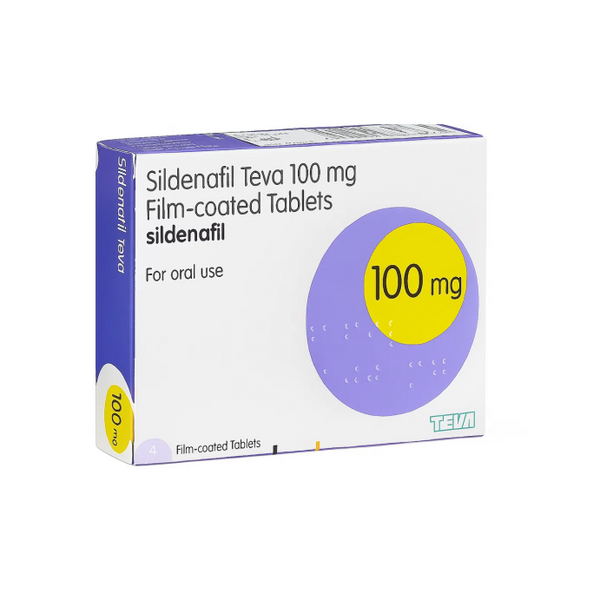
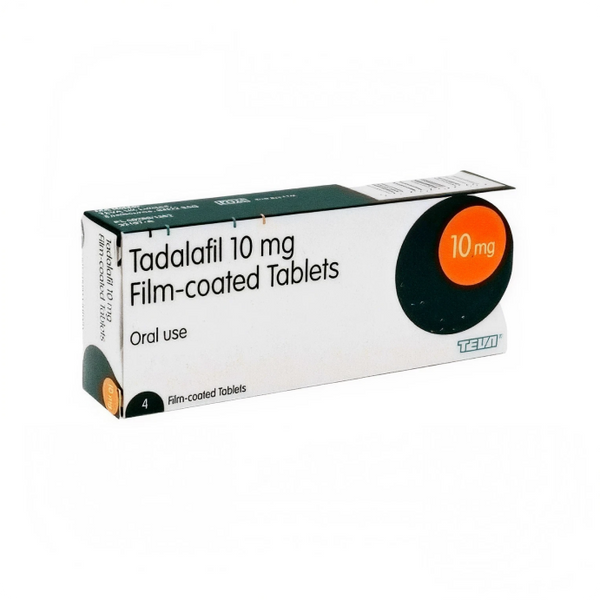
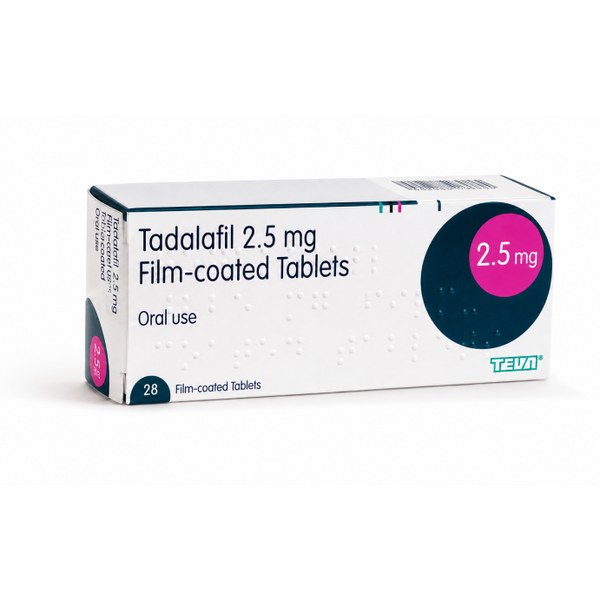
Once treatment enters the conversation, "ED" tends to appear again in a slightly different way. It is used when discussing licensed treatments intended to improve erectile function, in the assessment questions an online prescriber asks before issuing a prescription, and on dispensing labels and patient information leaflets.
PDE5 inhibitors are commonly used as a first-line treatment for ED when clinically appropriate. Where clinically indicated, testosterone replacement therapy may be considered when testosterone deficiency is confirmed. Treatment is also about supporting overall wellbeing, not only erections.
Seeing "for the treatment of ED" in this context means exactly what it says: the medicine is intended to treat this specific, defined difficulty, assessed on an individual basis. While some people look to supplements or over-the-counter medicines, licensed prescription medicines are assessed for safety and suitability individually, and psychological counselling can help with performance anxiety when psychological factors are involved.
How Common Is ED?
Published clinical evidence suggests erectile dysfunction is common, although estimates vary between studies. One often-cited study found that 52% of men aged 40 to 70 reported some degree of erectile dysfunction, while another found a prevalence of around 19% across men aged 30 to 80, rising sharply with age.
Advancing age, obesity, smoking, and poorer cardiovascular health among the major risk factors. Heavy alcohol use and smoking are also recognised lifestyle risk factors for ED. Weight loss and regular cardiovascular exercise can improve erectile function.
Whatever the exact figure in any one study, ED is consistently described as common rather than rare, which is part of why it has such well-established clinical terminology and a recognised place in general medical language.
Common Misconceptions About the Term "ED"
A few assumptions tend to follow the term around, and it is worth clearing them up.
"ED means it is psychological"
Not necessarily. ED can be physical, psychological, or a mix of both, and the term itself does not specify which. This is one reason an assessment matters more than the label.
"ED means it is permanent"
Not usually. Many cases are linked to a specific, identifiable and often manageable cause, such as a medicine, a lifestyle factor, or a temporary period of stress, rather than a fixed, lifelong condition.
"ED only affects older men"
It becomes more common with age, but younger men can and do experience it, often for different reasons than older men typically do.
"Having ED once means you have ED"
A single difficult episode does not meet the clinical definition, which specifically requires a consistent or recurrent pattern.
Why the Terminology and Treatment Options Matter When You are Looking for Help
Knowing the correct term is not just a technicality. Searching with the right language usually gets you to more accurate, more clinically grounded information, rather than generic or reassurance-only content, and persistent ED can be an early warning sign of cardiovascular disease, with men who have ED also facing a higher risk of heart disease. It also makes it easier to describe what you are experiencing accurately if you do decide to speak to someone, since "ED" and its related terms (organic, psychogenic, mild, moderate) are the language a GP, pharmacist or online prescriber will use to make sense of your particular pattern of symptoms.
Where to Go From Here
If you are trying to work out whether what you are experiencing fits this definition, it is worth reading about the specific signs and patterns involved, especially if ongoing symptoms are affecting intimate experiences or leading to relationship problems.
If problems persist, seek medical advice so you can address erectile dysfunction safely and identify any underlying cause. From there, understanding possible causes and what an assessment involves can help you decide whether it is worth speaking to a GP, pharmacist or online prescriber when the goal is improving physical function.
Frequently Asked Questions
Q: What does ED stand for in medical terms?
Q: Is ED a formal medical diagnosis or just a general term?
Q: Is "ED" always short for erectile dysfunction in medical writing?
Q: What is the difference between "impotence" and "ED"?
Q: Does having ED mean there is always a physical cause?
Q: How is the severity of ED usually described?
Q: Is ED the same as low libido?
Q: What does "organic" or "psychogenic" mean when used with ED?
Q: Why do healthcare professionals use "ED" instead of "impotence"?
Q: Where can I find out more about the actual erectile dysfunction symptoms of ED?
Q: Does ED have its own classification code?
Q: Does the term "ED" imply the cause is psychological?
Impotence Symptoms: Recognising the Signs of ED
What Causes Impotence? Understanding Erectile Dysfunction
Related Posts


Cheap Tadalafil UK: How to Compare Prices Safely