How Erectile Function Works, and How to Improve It
- Explains the actual mechanism, from nerve signal to blood flow, so the advice makes sense
- Separates changes with real evidence behind them from the ones that only sound plausible
- Sets out what normal looks like by age, using verified prevalence figures
- Explains the index of erectile function honestly, including what NICE does not define
Erectile function depends on nerve signalling, blood flow, smooth muscle relaxation and hormonal factors. A nerve signal triggers the release of chemicals including nitric oxide in erectile tissue, the blood vessels relax, blood flow increases and pressure within the tissue helps maintain rigidity.
Improving erectile function means addressing the factors that interfere with these processes. Exercise, weight management and stopping smoking can support vascular health, while reviewing medicines can identify treatments that may be contributing. Supplements should not be relied on as established treatment for erectile dysfunction.
This page covers how erectile function works, which nerves control it, what normal looks like by age, what causes poor erectile function including male dysfunction and underlying health conditions, how it is measured, and what improves it, including medical treatments and lifestyle changes to treat high blood pressure and other contributing factors.
Key things to know
- Erectile function depends on a nerve signal, healthy arteries, and enough hormonal drive to start the process.
- Nitric oxide begins an erection. Anything that damages the vessel lining reduces how much is available.
- NICE defines erectile dysfunction as the persistent inability to attain and maintain an erection.
- The NICE evidence summary names taking exercise and losing weight as the lifestyle changes men with erectile dysfunction should be counselled on.
- Erectile difficulties become more common with age, but this is not simply an unavoidable effect of getting older. Vascular health, medicines and other health conditions become increasingly important contributors.
- The international index of erectile function is a 15-item questionnaire, and NICE publishes no score bands defining mild, moderate or severe.
- NICE notes that erectile dysfunction may be an early manifestation of coronary artery and peripheral vascular disease.
How erectile function works
Erectile function is a controlled increase in blood flow, held in place by pressure. Three systems must co-operate: the nerves carrying the signal, the arteries delivering the blood, and the hormonal background. The sequence runs in five steps:
- A signal arrives, carried by nerve pathways from the brain and spinal cord to the pelvis. This involves the nervous system.
- Nitric oxide is released into the erectile tissue, mainly from the vessel lining and from nerve endings, increasing blood supply to the penis.
- Cyclic GMP rises. Nitric oxide triggers this second chemical, which does the mechanical work of relaxing the artery walls to increase blood flow.
- The artery walls relax. Cyclic GMP relaxes the smooth muscle, arteries widen, and blood fills the tissue faster than the veins can drain it, improving blood flow necessary for a penile erection.
- Pressure holds it. The expanding tissue compresses the draining veins, which maintains rigidity rather than partial filling.
An enzyme called PDE5 breaks cyclic GMP down again, which is how an erection ends. Every step can fail independently, and which one fails determines what will help. Causes of erectile dysfunction (ED) often involve issues with blood supply, nerve function, or hormonal imbalances such as low testosterone. Other causes include chronic diseases, certain medical treatments, and mental health conditions.
What nerves control erectile function?
Two nerve systems control erectile function, working in opposition, plus a third carrying sensation.
Parasympathetic pathways arising from the sacral spinal cord are important in initiating and maintaining erection by promoting relaxation of smooth muscle and increased penile blood flow.
Sympathetic pathways also contribute to sexual function and are involved in detumescence. The pudendal nerve carries penile sensation and supplies the pelvic-floor muscles, which can contribute to erectile rigidity.
Which nerves control erections, and why their route matters
The practical point is where these nerves run. The pelvic nerves supplying erectile tissue pass close to the prostate, which is why prostate surgery can affect erectile function even when the blood vessels are healthy.
NICE quality standards for prostate cancer name impotence among the adverse effects of treatment, and state that people affected should be referred to specialist services, including erectile dysfunction services.
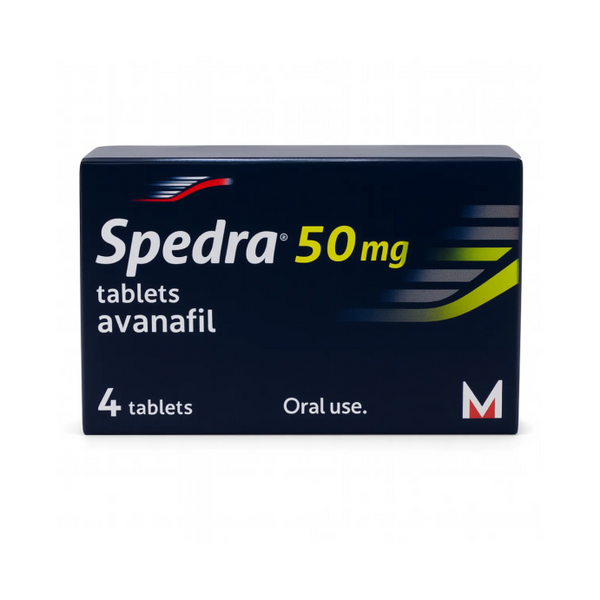
Trial data shows how much nerve involvement matters. In avanafil trials described in the NICE evidence summary, response on the main endpoint was 57.1% for avanafil 100mg against 27.0% for placebo among 646 participants in a general population, but only 23.4% against 8.9% among 298 men after prostate surgery. Same medicine, very different outcome, because it acts on blood flow and the problem was the signal.
Nitric oxide and erectile function
Nitric oxide is an important signalling molecule in erection. The endothelium helps produce it, and conditions such as high blood pressure, high cholesterol, high blood glucose and smoking can impair endothelial function.
Most comes from the endothelium, the thin lining of the blood vessels, damaged by raised blood pressure, high cholesterol, high blood sugar, smoking, and illicit drugs. Damage to the lining reduces nitric oxide at the first step.
That is the mechanism connecting erectile function to general health. The NICE evidence summary lists the risk factors erectile dysfunction shares with cardiovascular disease: lack of exercise, obesity, smoking, high cholesterol, metabolic syndrome, and medical conditions such as diabetes and sickle cell anemia. Every one damages the endothelium.
Additional factors causing erectile dysfunction include prescription drugs such as blood pressure medications and hormone imbalances like low testosterone or thyroid hormone abnormalities. Pelvic surgery and neurological conditions including multiple sclerosis can also impair nerve impulses essential for normal function.
Why PDE5 matters
PDE5 inhibitors slow the breakdown of cyclic GMP, helping to enhance the natural erectile response to sexual stimulation. They do not repair the underlying vascular or nerve problem
What is normal erectile function?
There is no single target level of erectile function that is considered normal for everyone. Occasional difficulty can happen for many reasons. Persistent or recurrent difficulty, particularly when it represents a clear change from your usual function, is more important clinically. Three markers are more useful than any score:
- Morning erections still occurring, since they happen without conscious input
- Consistency, meaning most occasions are unaffected
- Stability, meaning nothing has changed markedly in the past year
Normal erectile function by age
Erectile difficulties become more common with age. NICE cites a European population study in which prevalence increased from 2.3% to 53.4% across the age range studied, with 19.2% of men aged 30 to 80 affected overall. Another study cited by NICE found that 52% of men aged 40 to 70 reported some degree of erectile dysfunction.
These figures describe population patterns, not what an individual man should expect. A new or persistent change in erectile function should not automatically be dismissed as normal ageing.
| Age band | What tends to change | What is not normal |
|---|---|---|
| Under 40 | Little change; difficulty usually situational | Consistent difficulty, or reduced morning erections |
| 40s | Slightly longer to respond; recovery time lengthens | A marked drop over months |
| 50s | More men carry vascular risk factors and take medicines | Difficulty on most occasions |
| 60s and over | Established vascular change is more common | Assuming nothing can be done |
Read the age columns as background, not permission. A gradual lengthening of recovery time is expected; a marked change over months is not, at any age.
Does erectile function decline with age?
Erectile difficulties become more common with age, but ageing itself is not the only explanation. Vascular risk factors, diabetes, medicines, hormonal factors and other health conditions become more common with age and can contribute to erectile dysfunction. What accumulates is the damage, not the age: two men of 60 with different cardiovascular health will have very different erectile function, which is why the modifiable factors matter at every age.
Male dysfunction is often linked to these vascular changes, as well as to other health conditions such as diabetes, which affects nerve and blood vessel function. A thorough history can help identify contributing factors, including psychological stress or medication side effects.
Maintaining good health involves addressing these underlying issues, alongside lifestyle changes and medical interventions when necessary.
What affects erectile function?
Five systems, and a problem in any one produces the same symptom. Identifying which is involved is what makes improvement possible.
| System | What can go wrong | What may help |
|---|---|---|
| Arteries | Narrowing or impaired endothelial function | Risk-factor treatment and lifestyle changes |
| Nerves | Injury from surgery, diabetes, or neurological disease | Treat the underlying cause where possible; response to ED treatment may vary |
| Hormones | Confirmed low testosterone or thyroid disorders | Treat the underlying abnormality where appropriate |
| Medicines | Some medicines can contribute | Review with the prescriber |
| Mood and stress | Anxiety, stress and other psychological factors | Address the psychological or relationship factors involved |
What causes poor erectile function?
Erectile dysfunction can have vascular, neurological, hormonal, medication-related or psychological causes, and more than one factor may be involved. NICE identifies conditions including diabetes and hypertension, prostate surgery, psychological factors and some medicines as potential causes.
What causes reduced erectile function over time?
Erectile function can change over time as vascular risk factors, chronic conditions, medicines, psychological factors and other health issues develop or change. Raised blood pressure, high cholesterol, diabetes and smoking are among the cardiovascular risk factors associated with erectile dysfunction.
Medicines that reduce erectile function
This is the most reversible cause and the most frequently missed. The NICE evidence summary names antihypertensive drugs among the causes, and thiazide-like diuretics and beta blockers have the longest recognised association.
In a Drug Safety Update published on 11 May 2026, the MHRA strengthened warnings for finasteride and dutasteride, stating that difficulty having an erection is among the side effects that may persist even after treatment is stopped.
Other medications affecting hormone levels or nerve function can also contribute to erectile dysfunction symptoms. It is important to diagnose erectile dysfunction accurately, to identify any underlying cause such as peyronie's disease or more serious health conditions.
Never stop a prescribed medicine on your own to test this, because stopping blood pressure or heart medication carries real risk. Take the question to the prescriber, who can often switch within the same treatment step.
Additional considerations
Psychological factors such as performance anxiety and stress can further worsen erectile dysfunction symptoms. Hormone therapy, including testosterone replacement therapy, may be considered when low testosterone is confirmed by blood tests. Penile implants or a vacuum erection device are options for treatment for erectile dysfunction when other approaches are ineffective.
Addressing physical problems like high blood pressure, diabetes, and vascular disease is essential, as these affect the blood flow to the penis and overall health. Managing psychological factors alongside physical examination and appropriate treatment can improve outcomes and quality of life.
Consulting a healthcare professional to diagnose male dysfunction early can also help detect more serious health conditions, ensuring comprehensive care and better management.
Lifestyle modifications such as improving diet, engaging in regular physical activity, and avoiding alcohol on an empty stomach can also support better erectile function and overall health.
How is erectile function measured?
Through a questionnaire rather than a device. No routine blood test or scan measures erectile function, so assessment relies on structured questions plus tests that look for causes.
The index of erectile function: what the IIEF is
The international index of erectile function, shortened to IIEF, is the instrument used in research and sometimes in clinics. The NICE evidence summary describes it as "a 15-item questionnaire, self-administered measure of erectile function" covering several domains, one being erectile function itself, assessed by 6 of the 15 items. NICE records trial eligibility requiring "an International Index of Erectile Function (IIEF) erectile function domain score of 5 to 25". A shorter five-item version exists.
The IIEF is a copyrighted clinical instrument, so a legitimate copy comes through a clinician rather than an unattributed download. Scoring it yourself has limited value, because the number means little without the history and tests alongside it.
What does the IIEF score mean?
Less than most pages claim. The score measures severity and tracks change, useful before and after treatment, but it does not diagnose or determine treatment.
NICE publishes no score bands defining where mild ends and moderate begins. Those terms appear in NICE trial descriptions, but the specific cut-offs presented online as official UK classification are not drawn from NICE or MHRA guidance.
Treat a score as a baseline to measure against later, not a verdict. Treatment suitability depends on an individual clinical assessment.
How to improve erectile function
The most useful approach is to address modifiable cardiovascular risk factors, review medicines and other contributing factors, and use appropriate medical treatment when needed. The NICE evidence summary states that all men with erectile dysfunction should receive appropriate counselling on risk reduction and lifestyle modification, particularly taking exercise or losing weight. A separate NICE evidence summary states that addressing lifestyle and other possible causes must precede or accompany any drug treatment. Read that second point carefully: not "instead of" treatment but "before or alongside".
How to improve erectile function naturally
In order of how much difference each tends to make:
- Review your medicines with a prescriber, particularly anything started in the year before the change.
- Get regular physical activity, one of the two changes NICE names specifically.
- Reach and hold a healthier weight, the other one.
- Stop smoking, which directly damages the endothelium that produces nitric oxide.
- Reduce alcohol, which lowers blood pressure and dulls the nerve signal.
- Get blood pressure, cholesterol and blood glucose properly controlled.
- Protect sleep, which affects the nerve signalling and the hormonal background.
NICE specifically highlights exercise and weight loss as lifestyle measures to discuss with men with ED. Other sensible measures include stopping smoking, moderating alcohol, managing cardiovascular risk factors and reviewing medicines. Supplements should not be presented as established treatments for ED without good clinical evidence.
Does exercise improve erectile function?
Yes, and it is one of only two lifestyle changes NICE names, the evidence summary specifying exercise or weight loss in its counselling recommendation.
The mechanism is arterial. Regular aerobic activity improves endothelial function, where nitric oxide is produced, a slow effect measured over months rather than a same-week change. Exercise enhances blood vessel flexibility and promotes healthy circulation, both crucial for improving erectile function. One honest limit: exercise improves the trajectory and slows further damage, but where arteries are already narrowed it helps without reversing what is there.
Does losing weight improve erectile function?
Yes. Excess weight sits behind several risk factors NICE lists, including metabolic syndrome and raised cholesterol, so weight loss addresses more than one contributor at once. It also tends to improve blood pressure and blood glucose control, both of which independently affect erectile function. Expect months rather than weeks, and expect improvement to track the metabolic changes rather than the scales.
Does quitting smoking improve erectile function?
Yes, though gradually, because the damage is to the blood vessels themselves. NICE names smoking among the risk factors erectile dysfunction shares with cardiovascular disease. Stopping halts further endothelial damage and improves circulation over months without rapidly reversing established narrowing, so expect gradual improvement plus prevention of further decline.
How to improve erectile function after 40 and after 50
The actions are the same but the priorities shift. To improve erectile function after 40, start with a medicine review and a general health check, because most men in this group with a new change have at least one modifiable factor: blood pressure, weight, alcohol, or a recent prescription.
After 40 or 50, the same basic approach applies: review medicines, assess cardiovascular risk factors and address lifestyle factors such as physical activity, weight, smoking and alcohol. If symptoms suggest a hormonal problem, a healthcare professional may also consider appropriate hormone testing.
How to improve erectile function without medication
For many men this is realistic, provided the cause is reversible. Medicine related, alcohol related, sleep related and stress related reductions frequently improve without any prescription once the driver is dealt with. Where the cause is established arterial narrowing or nerve damage, non-drug approaches improve the trajectory rather than solving the immediate problem. The realistic timeline:
| Change | What to expect |
|---|---|
| Reducing alcohol | Improvement may occur if alcohol is contributing |
| Improving sleep | May help when poor sleep is contributing |
| Medicine review | Function may improve if a medicine is contributing |
| Stopping smoking | Supports vascular health and may improve erectile function |
| Weight loss and exercise | Can improve cardiovascular risk factors and may improve erectile function |
| Treating blood pressure or glucose | Helps address underlying health risks and may improve function |
Can erectile function be restored?
Sometimes fully, more often substantially, depending on which step failed. Three realistic outcomes:
- Erectile dysfunction can improve. Common with medicine related and lifestyle related causes.
- Substantial improvement with treatment, where the cause persists but responds well. The usual outcome for vascular causes, including those linked to male.
- Partial improvement, where nerve pathways have been damaged. Response to oral medications is measurably lower here.
Erectile function can improve substantially when an underlying, treatable cause is identified and addressed. How much recovery is possible depends on the cause, its duration and the person's overall health. Some men improve considerably with lifestyle changes or treatment, while others may continue to need ongoing treatment.
Loss of erectile function after prostate treatment
This is where restoration is slowest and least complete. Nerve tissue disturbed during treatment recovers gradually where it recovers at all, over months rather than weeks. The avanafil figures quantify it: 23.4% response after prostate surgery against 57.1% in a general population, same medicine, same dose. That is a real reduction, not a reason to expect nothing.
NICE quality standards state that people with adverse effects of prostate cancer treatment should be referred to specialist services, including erectile dysfunction services. That route is worth asking about rather than managing alone.
Erectile function and cardiovascular health
Erectile dysfunction and cardiovascular disease share important vascular risk factors, and NICE notes that ED may be an early manifestation of coronary or peripheral vascular disease. This is one reason persistent ED can warrant assessment of cardiovascular risk factors.
The reason is anatomical: the arteries supplying erectile tissue are narrower than the coronary arteries, so the same narrowing shows there sooner, sometimes years before cardiac symptoms.
Get blood pressure, cholesterol and blood glucose measured before concluding the problem is only local. Chasing the symptom while leaving those unchecked wastes the early warning.
How to maintain erectile function long term
Maintaining erectile function is the same work as protecting your arteries, done continuously rather than in a burst. Five things hold the gains:
- Keep blood pressure, cholesterol and blood glucose well controlled.
- Stay physically active rather than exercising only in short bursts.
- Work towards a healthy weight and maintain it where possible.
- Speak to your prescriber if erectile function changes after starting a new medicine.
- Take persistent erectile difficulties seriously, particularly because they can be associated with cardiovascular risk factors.
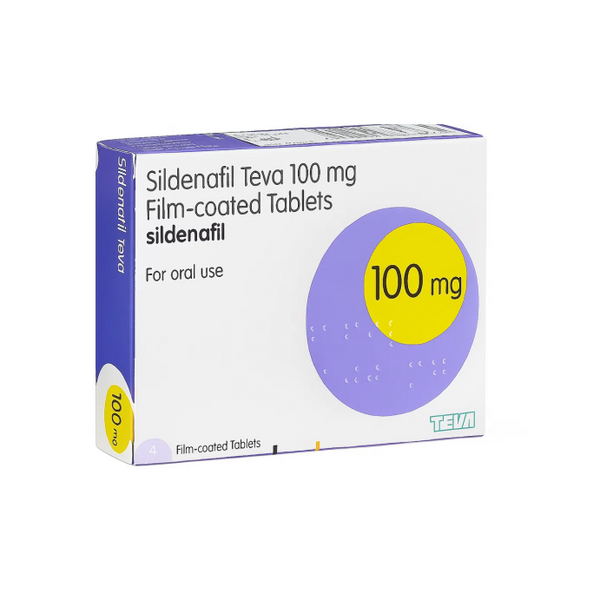
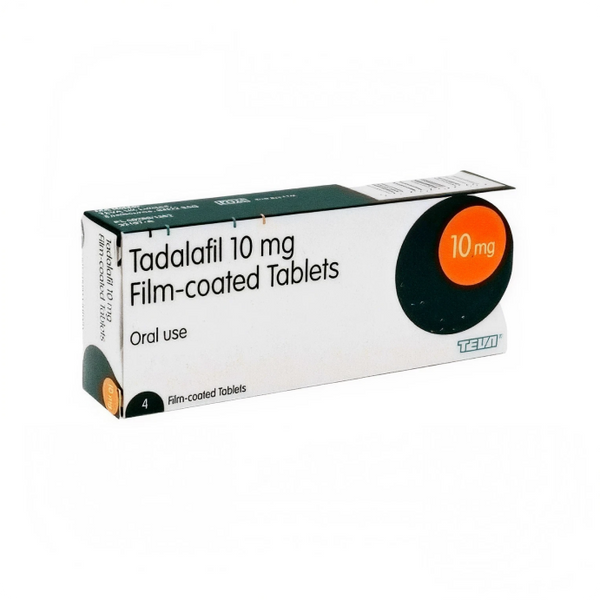
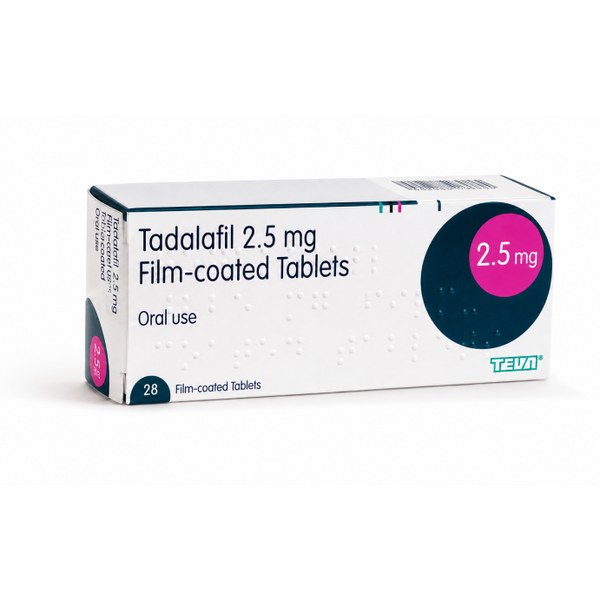
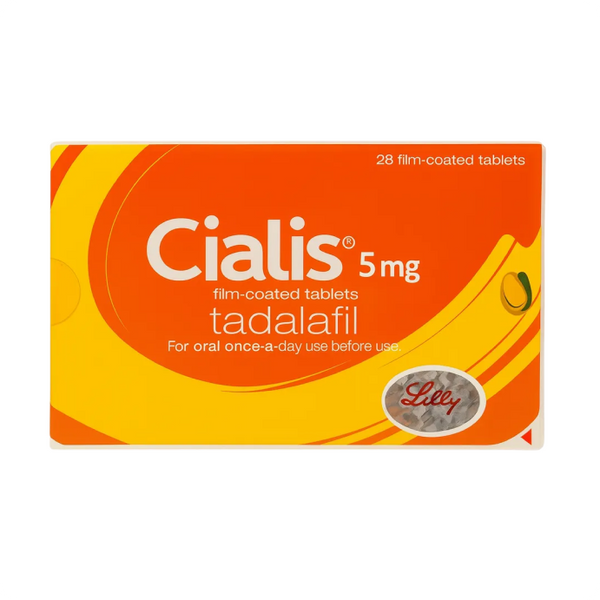
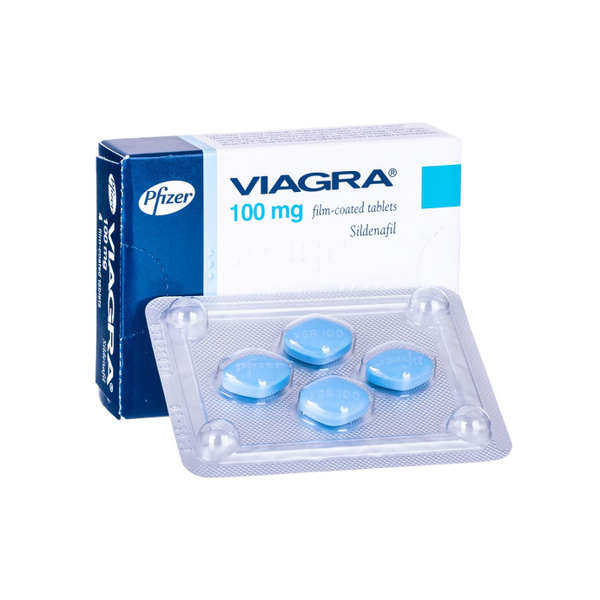
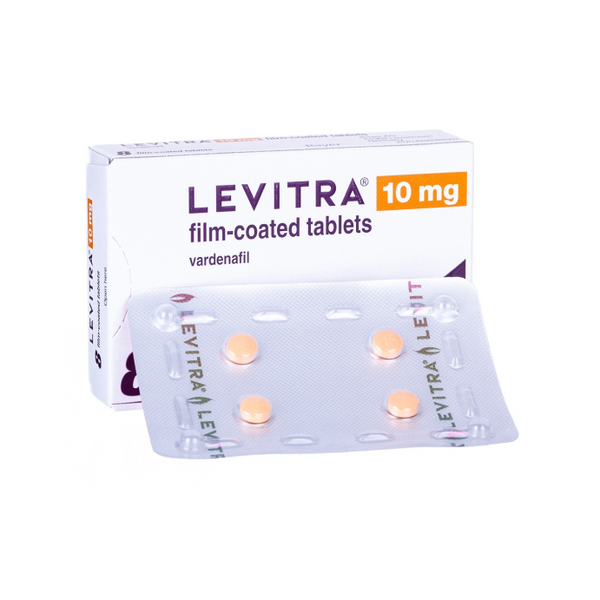
Where medication is part of the picture, the NICE evidence summary describes oral PDE5 inhibitors as usual first-line treatment including: avanafil, sildenafil, tadalafil or vardenafil. , provided there are no contraindications or important drug interactions.
Sildenafil may not work fully after the first attempt. In the MHRA assessment data for sildenafil 50 mg, 40.8% of men reported improved erectile function after the first dose, rising to 78.4% after several doses. This means that one disappointing attempt does not necessarily show that the treatment will not work.
Treatment suitability depends on an individual assessment, including your health, other medicines and possible underlying causes. PDE5 inhibitors work by enhancing the natural erectile response and require sexual stimulation; they do not cause an erection spontaneously.
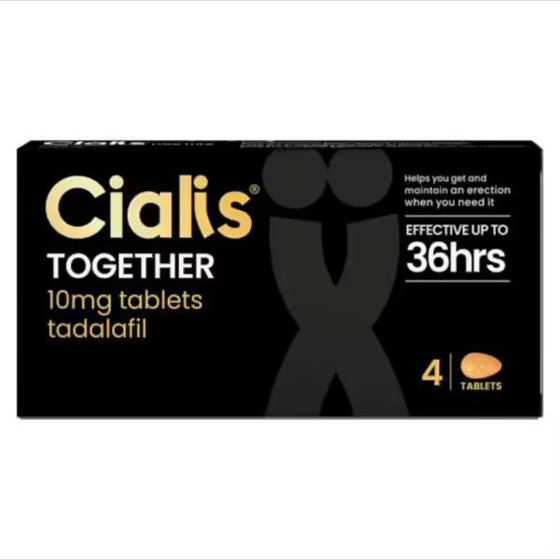
Common PDE5 inhibitors include sildenafil, tadalafil, vardenafil and avanafil. Tadalafil has a longer window of effectiveness, with its effects potentially maintained for up to 36 hours.
Before starting treatment, a healthcare professional should review your medical history and medicines to identify contraindications and important interactions. This is particularly important if you take nitrates or certain other medicines that can interact with PDE5 inhibitors. They may also assess conditions such as cardiovascular disease, diabetes or hormonal problems that could be contributing to erectile difficulties.
Lifestyle changes remain an important part of managing erectile dysfunction. Regular physical activity, weight management, stopping smoking and limiting alcohol can support cardiovascular health and may improve erectile function. NICE specifically recommends counselling on risk reduction and lifestyle modification, particularly exercise or weight loss. Pelvic-floor exercises may also help some men improve the ability to maintain an erection.
If oral medicines are unsuitable or do not provide enough benefit, other treatments may include vacuum erection devices, alprostadil treatments, penile injections or, in selected cases, penile implants. The most appropriate option depends on the cause of the erectile problem and the individual's preferences and circumstances.
Psychological factors, such as stress, anxiety and relationship difficulties can also contribute to erectile problems or make them worse. Addressing these through counselling or therapy can enhance treatment outcomes. Open communication with healthcare professionals and partners is encouraged to support holistic management.
In summary, managing erectile function involves a comprehensive approach combining medical treatments, lifestyle changes, and psychological support under professional guidance to achieve the best possible results.
Red flags: when to get checked rather than self manage
Seek advice promptly if any of the following apply:
- Chest pain, breathlessness or palpitations, especially on exertion
- Pain in the calves or thighs when walking that eases with rest
- A change in erectile function within weeks of starting a new medicine
- Unexplained weight loss, excessive thirst or frequent urination
- Persistent low mood, or thoughts of harming yourself
- Any change in the shape or curvature of the penis, or pain
- An erection lasting more than four hours, known as priapism, which needs urgent medical attention
The first two matter because of the cardiovascular overlap above. Reduced erectile function can be the first noticeable sign of a circulation problem.
One caution on buying without assessment. In February 2026 the MHRA reported seizing around 19.5 million doses of illegal erectile dysfunction pills between 2021 and 2025, stating that such products "may contain no active ingredient, the wrong dose, hidden drugs or toxic ingredients", and can be especially dangerous for people with heart disease or high blood pressure.
Effective treating erectile dysfunction includes addressing lifestyle factors such as smoking cessation, weight loss, and managing chronic conditions like high blood pressure and diabetes. Pelvic floor exercises can also improve erection problems by strengthening muscles involved in maintaining rigidity.
These treatments have a high success rate, with around 70% to 80% of men responding positively. Cialis, for example, can last up to 36 hours in the body, offering a longer window for activity.
Psychological factors such as stress and anxiety can worsen erectile dysfunction and impact confidence and relationships. Managing these through counseling or therapy can improve outcomes. Additionally, discussing concerns openly with a healthcare professional.
When considering treatment, healthcare providers will review medical history, medications, and perform physical examinations to rule out other causes of dysfunction. Proper diagnosis is crucial for effective management and to fix erectile dysfunction safely.
For men with persistent erection problems or other complications, devices like vacuum erection devices or penile implants may be recommended. Penile implants have a satisfaction rate of approximately 85%, providing a surgical option when other treatments fail.
Overall, improving erectile function involves a comprehensive approach addressing vascular health, psychological wellbeing, and appropriate medical treatments under professional supervision.
To find out whether treatment is appropriate alongside the changes on this page, you can check your eligibility for erectile dysfunction treatment through an online consultation with UK registered prescribers.
Medical Disclaimer
This article is general information and does not replace personalised medical advice. It gives no dosing instructions and should not be used to self-diagnose, self-prescribe, self-medicate, or to start, stop or change any medicine. If you have persistent or worsening erectile difficulties, speak with a healthcare professional to identify possible underlying causes. If you experience chest pain, an erection lasting more than four hours, sudden vision loss or sudden hearing loss, seek urgent medical attention.
Frequently Asked Questions
What nerves control erectile function?
What is normal erectile function?
What causes poor erectile function?
How do I improve erectile function naturally?
Does exercise improve erectile function?
Does losing weight improve erectile function?
Does quitting smoking improve erectile function?
Can erectile function be restored?
What does the IIEF score mean?
How do I maintain erectile function long term?
ED vs Low Libido: The Difference and What It Means
How to Improve Erectile Function: What Actually Works
Related Posts


Cheap Tadalafil UK: How to Compare Prices Safely