ED vs Low Libido: Why the Difference Matters and What to Do
- Separates two problems that are constantly confused, and explains why it changes treatment
- Says plainly that PDE5 tablets do nothing for low libido, and why
- Covers the medicines that reduce libido, including the MHRA's May 2026 safety update
- Sets out which blood tests are worth asking for and when
ED and low libido are two different problems, and telling them apart is useful when seeking help. Erectile dysfunction involves difficulty achieving or maintaining an erection, while low libido means a reduced desire for sexual activity. They can occur separately or together.
That distinction matters because PDE5 inhibitor tablets used to treat erectile dysfunction work on the physiological processes involved in erections, they do not directly increase sexual desire. Someone whose main problem is reduced desire therefore needs an assessment of the factors affecting libido rather than assuming an ED medicine will address it.
This page explains the difference between ED and low libido, what causes loss of libido in men, which medicines and conditions are involved, which blood tests matter, and what helps each problem.
Key things to know
- Libido means desire and drive. Erectile dysfunction means the erection fails. They are separate symptoms that often appear together.
- NICE defines erectile dysfunction as the persistent inability to attain and maintain an erection. That definition is about erections, not about desire.
- PDE5 inhibitors treat erectile difficulties by improving the physiological response involved in erections, they do not directly increase sexual desire.
- Low testosterone, psychological factors, medicines, sleep problems, lifestyle factors and long-term health conditions can all contribute to reduced libido.
- In May 2026 the MHRA strengthened warnings that finasteride and dutasteride are associated with reduced libido, erectile dysfunction and low mood, and that these may persist after treatment is stopped.
- Never stop an antidepressant abruptly. NICE warns that stopping suddenly can cause withdrawal symptoms.
- A blood test for testosterone should be taken in the morning, and it is only one part of the picture.
ED vs low libido: what is the difference?
Erectile dysfunction means difficulty achieving or maintaining an erection, while low libido means reduced sexual desire. ED can have physical, psychological, medication-related or mixed contributors.
NICE describes erectile dysfunction as the persistent inability to attain and maintain an erection. Read that carefully: it says nothing about desire. A man can have normal libido and severe ED, or normal erections and almost no libido. They are caused differently and treated differently.
| Feature | Erectile dysfunction | Low libido |
|---|---|---|
| The core problem | The erection fails | The desire has faded |
| Morning erections | May change depending on the cause | May remain unchanged, but can also be affected by stress, sleep and other factors |
| Main causes | Blood vessels, nerves, medicines | Hormones, mood, medicines, fatigue |
| Key blood tests | Cholesterol, glucose/HbA1c and other tests where indicated. Blood pressure is also assessed | Testosterone, thyroid, general health screen |
| Do PDE5 tablets help? | Yes, when ED is present and the medicine is clinically appropriate | No |
| Typical onset | May be gradual or sudden depending on the cause | May be gradual or linked to a specific trigger |
| First thing to check | Medical history, medicines and relevant cardiovascular risk factors | Medicines and mood |
The difference between ED and low libido in one sentence
With ED you want to and cannot. With low libido you could but do not particularly want to. If both occur together, there may be more than one contributing factor, but they can also share the same underlying cause.
That last point is the most commonly missed. Loss of libido and erectile dysfunction frequently coexist, and when they do, treating only the erection leaves half the problem in place.
What causes loss of libido in men?
Several broad groups of factors can contribute to low libido, including hormonal, psychological, medication-related, lifestyle and general health factors. Male low libido causes overlap heavily, and most men have more than one.
| Cause group | Examples | How quickly it can change |
|---|---|---|
| Hormonal | Low testosterone, thyroid problems | Slowly, over months |
| Psychological | Low mood, depression, anxiety, stress, relationship difficulties | Can shift quickly either way |
| Medication | Finasteride, dutasteride, antidepressants, some blood pressure medicines | Weeks after a prescriber changes it |
| Lifestyle | Poor sleep, heavy alcohol use, overtraining, excess weight | Weeks to months |
| General illness | Long term conditions, chronic pain, recovery from illness | Follows the underlying condition |
Notice what is not in that table: age on its own. Age changes the hormonal and vascular background, but "I am just getting older" is a description rather than a cause.
Low testosterone and low libido
Reduced libido is a recognised feature of low testosterone, but it has many possible causes. Testosterone testing may be considered when the symptoms and clinical history suggest possible testosterone deficiency.
Male hypogonadism, the medical term for testosterone deficiency caused by inadequate testicular testosterone production, is a recognised clinical condition with its own assessment and treatment considerations.
Other symptoms can include reduced energy, changes in mood, reduced muscle mass or other features of testosterone deficiency, but these are not required for low testosterone to be considered.
Does low testosterone cause low libido?
It can. Reduced libido is a recognised symptom of testosterone deficiency, but low libido has many other possible causes, including psychological factors, medicines, relationship difficulties, sleep problems and other health conditions.
Testosterone is generally measured in a morning blood sample because levels vary throughout the day and are typically higher in the morning. An afternoon measurement may therefore be less suitable for assessing possible testosterone deficiency. A single borderline result will usually need to be repeated before a diagnosis is made or treatment is considered.
Treating confirmed testosterone deficiency is a prescriber-led decision that requires appropriate monitoring; it is not something to arrange through a supplement. Testosterone obtained outside a regulated prescribing route may carry risks because the product's quality, contents and appropriate use may not be assured.
Medication causing loss of libido
Medicines are an important and potentially reversible contributor to reduced libido, and are frequently overlooked because the connection is not obvious.
The clearest current example comes from the regulator. In a Drug Safety Update published on 11 May 2026, the MHRA strengthened warnings for finasteride and dutasteride, prescribed for hair loss and prostate enlargement. The updated advice states these medicines are associated with reduced libido, difficulty having an erection and ejaculation problems, and that these effects may persist after treatment is stopped.
The same update carries a separate and serious warning. The MHRA states that finasteride is associated with low mood, depression and suicidal thoughts. For finasteride 1mg, patients are told to stop the medicine immediately if they develop depression or suicidal thoughts. For finasteride 5mg and dutasteride, patients are told to contact their doctor as soon as possible.
That matters here because it creates a double effect. The medicine can reduce libido directly, and it can lower mood, which reduces libido again.
Other groups that come up repeatedly include antidepressants, some blood pressure medicines and treatments that lower hormone levels. The NICE evidence summary names antihypertensive drugs among the causes affecting function.
Antidepressants and loss of libido
This is common enough that NICE tells prescribers to raise it before treatment starts, not after.
NICE guidance on depression in adults recommends that when choosing an antidepressant, the prescriber asks which side effects the person would particularly want to avoid, giving weight gain, sedation and effects on function as examples. It also tells prescribers to monitor for side effects and harms during treatment.
So if reduced libido began after starting an antidepressant, that is a recognised effect and a legitimate reason to ask for a review. Medicines within the class differ, and a change is sometimes possible without losing the benefit.
One absolute rule. Never stop an antidepressant abruptly to test whether it is responsible. NICE warns that stopping suddenly, missing doses or not taking a full dose can cause withdrawal symptoms, and recommends gradual reduction instead.
Stress and loss of libido
Stress can reduce sexual desire, and the effect may vary with circumstances. Some people notice libido improving when stress decreases, while persistent stress can contribute to longer-lasting changes in sexual desire.
If reduced libido continues despite improvement in circumstances, or occurs alongside persistent low mood or other symptoms, it is worth discussing with a healthcare professional.
Low libido and tiredness
When reduced libido occurs alongside persistent fatigue, it is worth considering whether there is an underlying health, sleep, psychological, hormonal or medication-related contributor.
Persistent fatigue can occur with conditions such as thyroid disorders, diabetes, anaemia, sleep apnoea, depression and testosterone deficiency, so the wider symptom pattern helps determine whether further assessment or blood tests are appropriate.
Sudden loss of libido in men
A sudden change in libido can sometimes be linked to a recent trigger, such as a new medicine, significant stress, a change in mood, illness or disrupted sleep. However, the timing alone cannot determine the cause.
The usual triggers, in rough order of how often they explain it:
- A new medicine, or a dose change to an existing one.
- A significant life stress, including bereavement, job loss or financial pressure.
- The onset of low mood or depression, which often reduces libido before the mood change is recognised.
- Acute illness or recovery from illness, where drive returns as health does.
- A period of heavy drinking or badly disrupted sleep.
If you can date the change to within a fortnight, work backwards through your prescriptions first. That is the fastest reversible cause when it applies.
Loss of libido in men over 40 and over 50
Libido tends to decline gradually with age, but a marked drop is not a normal part of getting older and should be investigated rather than accepted.
Age matters mainly because of what accumulates alongside it. More men in their forties and fifties are on long term medication, carrying excess weight, managing raised blood pressure or living with undiagnosed diabetes. Each affects drive independently of age.
The NICE evidence summary gives a sense of how steeply the related problem rises, citing a European population study finding erectile dysfunction in 19.2% of men aged 30 to 80, with an age related increase from 2.3% to 53.4%.That increase is thought to reflect the greater prevalence of vascular and other health conditions with age, rather than age being the only factor.
For loss of libido in men over 40, the most productive first step is a medicine review plus a general health check. For loss of libido in men over 50, add a testosterone level to that if fatigue and low mood are also present.
Can low libido cause erectile dysfunction?
Low sexual desire can contribute to difficulty achieving or maintaining an erection because sexual interest and arousal are important parts of the erectile response. This does not necessarily mean that the blood vessels or nerves are abnormal, but it also does not rule out physical contributors.
The mechanism explains it. An erection begins with nerve signals releasing nitric oxide into the erectile tissue, relaxing the smooth muscle in the arteries so blood can flow in. Desire generates those signals, so reducing the signal reduces the response without anything being damaged.
That is why the two problems are so often tangled. A man with low libido may report erectile difficulty, be given a tablet that improves blood flow, and find it makes little difference, because the limiting factor was never the blood flow.
Does erectile dysfunction cause low libido?
Frequently, and this is the direction people miss. Repeated difficulty is discouraging and avoidance follows, so over months a mechanical problem becomes a reduced wish to attempt anything.
Repeated difficulty with erections can reduce confidence, lead to avoidance and contribute to lower sexual desire. If the reduction in desire is mainly a consequence of the erectile difficulty, treating the ED may help improve sexual confidence and interest.
Is low libido a medical condition?
Reduced libido is a symptom rather than a disease, in the way tiredness is. That does not make it trivial or mean there is nothing to find.
It becomes a medical matter when it is persistent, represents a clear change from your own normal, and causes distress or comes with other symptoms. Those are the circumstances in which investigation finds something.
What it is not is a fixed characteristic or a personal failing. Libido varies enormously between individuals and across a lifetime, and there is no target figure to measure against. The useful comparison is your own baseline.
Low libido blood test UK: what gets checked
The tests depend on your symptoms and medical history rather than following one fixed panel. Depending on the clinical picture, a prescriber may consider:
| Test | What it looks for | Notes |
|---|---|---|
| Testosterone | Hypogonadism | Morning sample, usually repeated if borderline |
| Thyroid function | Under or overactive thyroid | Both can reduce drive |
| HbA1c or blood glucose | Diabetes | Often undiagnosed at this point |
| Full blood count | Anaemia | A common cause of fatigue |
| Lipid profile | Cholesterol | If erectile difficulty is present too |
| Prolactin | Pituitary causes | Where testosterone is low and unexplained |
Alongside the bloods, expect a review of every medicine you take, questions about mood and sleep, and blood pressure. That combination finds a cause in a substantial proportion of cases.
One caveat. A normal set of results does not mean the difficulty is imagined. It means the common physical causes have been excluded, which shifts attention towards mood, stress, sleep and medication.
Low libido treatment UK: what actually helps
Low libido treatment UK options follow the cause, and there is no single tablet for libido in the way there is for erections. That is why identifying the cause comes first.
What works, by cause:
- Medication related. A prescriber review and, where appropriate, a switch. Often the fastest resolution of all.
- Low testosterone. Confirmed deficiency is treated under prescriber supervision with monitoring. Not a supplement decision.
- Low mood or depression.Treating depression or low mood may improve sexual desire when mood is contributing.
- Sleep and alcohol. Improving sleep and reducing excessive alcohol intake may help when these are contributing.
- Weight and inactivity. The NICE evidence summary states that all men with erectile dysfunction should receive counselling on risk reduction and lifestyle modification, particularly exercise or weight loss. The same changes support hormonal health.
- Stress and relationship difficulties. Addressing the situation, sometimes with professional support.
Can low libido be reversed?
Often, when the cause is reversible, and that describes most cases. Medication related, mood related, sleep related and alcohol related reductions commonly resolve once the driver is dealt with.
Low libido can improve when an underlying reversible contributor is identified and addressed. The outcome depends on the cause, and some people may need longer-term management rather than complete resolution.
So reversibility maps onto cause. The question is not whether low libido can be reversed but which of the five cause groups yours sits in.
How to increase libido in men
The evidence based options mostly involve removing what is suppressing drive rather than adding something to stimulate it:
- Review your medicines with a prescriber, starting with anything begun in the months before the change
- Address sleep, since insufficient sleep affects the hormonal environment directly
- Reduce alcohol, which suppresses drive and disrupts sleep at once
- Get regular physical activity and work towards a healthier weight
- Treat low mood rather than waiting for it to lift
- Get the basics tested, particularly if fatigue is also present
Supplements marketed specifically to increase libido are not established licensed treatments for low libido, and evidence for many such products is limited.Some sold online have been found to contain undeclared prescription drugs, which is a real risk rather than a theoretical one.
Why ED tablets do not treat low libido
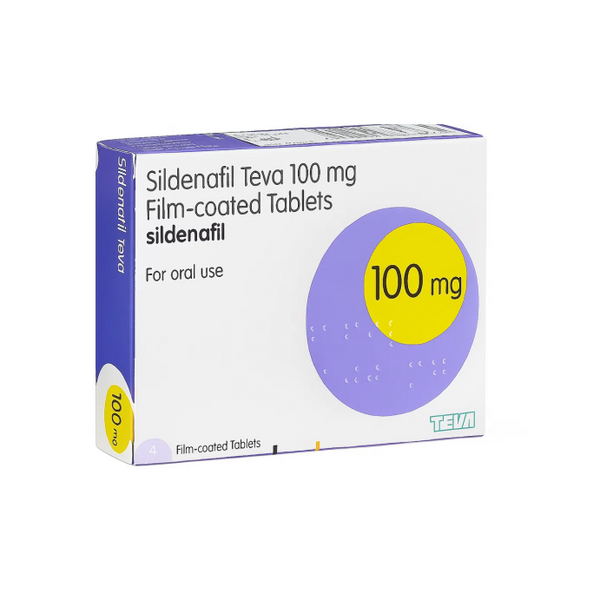
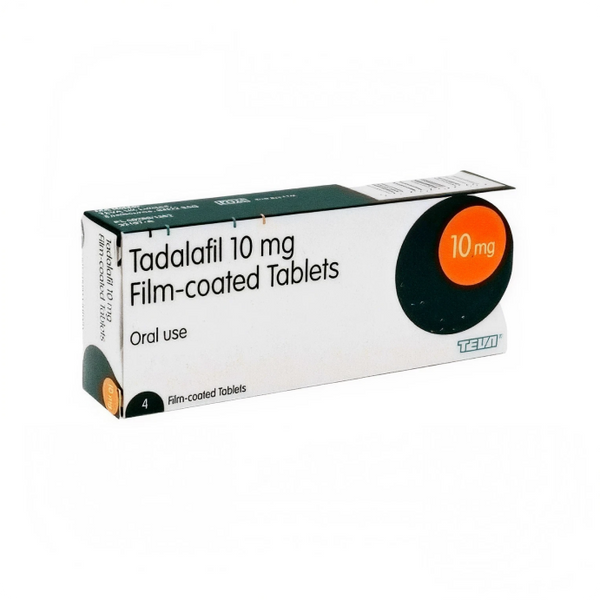
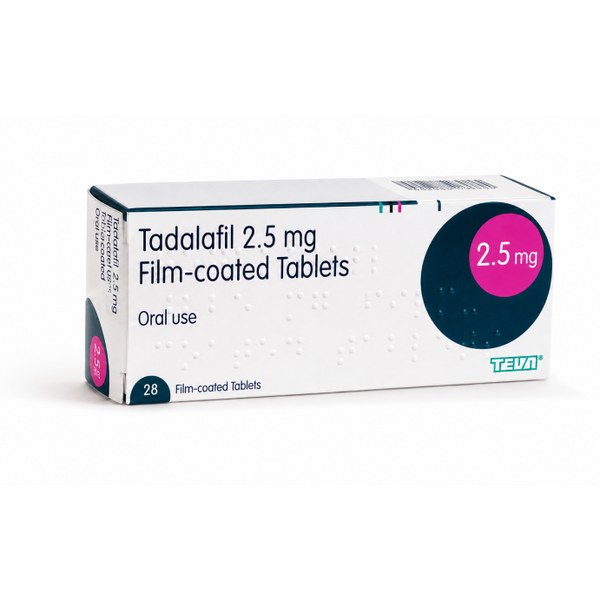
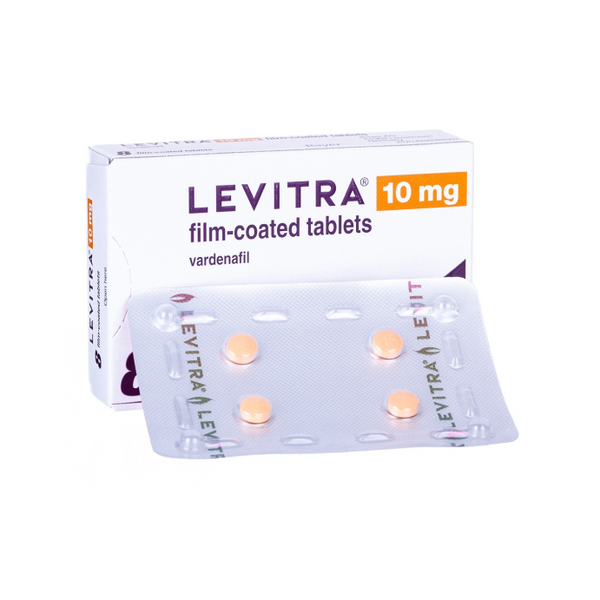
PDE5 inhibitor tablets slow the breakdown of a signalling chemical called cyclic GMP, keeping the penile arteries relaxed so blood can flow in. Their primary action is to support the physiological process involved in achieving and maintaining an erection.
They do not raise testosterone, lift mood or create desire. NICE describes first line drug treatment for erectile dysfunction as an oral PDE5 inhibitor, and the condition it names is erectile dysfunction, not reduced libido.
If reduced desire is the main problem, a PDE5 inhibitor would not be expected to increase libido. . If it is both, treating the erection may help the secondary discouragement while leaving the drive issue untouched. For more, see our guide to what an ED pill is and how ED pills work.
Treatment suitability depends on an individual clinical assessment. Your prescriber will determine the appropriate treatment, and these medicines should only be used under the supervision of an appropriately qualified prescriber. Results vary between individuals.
If you are prescribed topical testosterone
One safety point that is easy to miss. In a Drug Safety Update published on 25 January 2023, the MHRA warned that testosterone applied to the skin can transfer to another person through physical contact, which "can lead to increased blood testosterone levels in the other person".
The advice is specific: wash your hands with soap and water after applying, cover the application site with clean clothing once dry, and wash the site before physical contact with anyone else. This matters particularly where children are in the household.
When to see a doctor about low libido
Seek an assessment if reduced libido has persisted for several months, represents a clear change from your normal, or comes with any of the following. Persistent fatigue that sleep does not fix
- Unexplained weight loss, excessive thirst or frequent urination.
- Reduced muscle mass, loss of body hair or breast tissue changes.
- Headaches or changes in vision alongside reduced libido.
- Difficulty with erections too, particularly if morning erections have reduced.
- Low mood, depression or thoughts of harming yourself.
- Reduced libido or low mood that began after starting finasteride or dutasteride.
The last two carry specific urgency. Speak to a healthcare professional promptly rather than waiting for it to pass.Seek prompt medical advice if low mood or thoughts of self-harm develop, or if reduced libido or other sexual side effects begin after starting finasteride or dutasteride. If you have thoughts of harming yourself or feel at immediate risk, seek urgent help.
Headaches or visual changes alongside reduced libido are worth mentioning specifically, because that combination can point to a pituitary cause needing investigation.
If erectile difficulty is part of the picture, you can check your eligibility for erectile dysfunction treatment through an online consultation with UK registered prescribers, and a legitimate service will ask about your mood, medicines and general health first.
Medical Disclaimer
This article is general information and does not replace personalised medical advice. It gives no dosing instructions and should not be used to self-diagnose, self-prescribe, self-medicate, or to start, stop or change any medicine.
Reduced libido can have several causes, some hormonal and some needing medical investigation. Suitability for any treatment depends on an individual clinical assessment by an appropriately qualified prescriber, who will consider your medical history, current medicines, mood and general health. Results vary between individuals.
Never stop an antidepressant or any other prescribed medicine abruptly. If you are experiencing low mood, depression or thoughts of harming yourself, speak to a healthcare professional. If you experience chest pain, an erection lasting more than four hours, sudden vision loss or sudden hearing loss, seek urgent medical attention.
Frequently Asked Questions
What is the difference between ED and low libido?
Can low libido cause erectile dysfunction?
Does erectile dysfunction cause low libido?
What causes loss of libido in men?
Does low testosterone cause low libido?
What blood tests are done for low libido in the UK?
Which medicines cause loss of libido?
Do antidepressants cause loss of libido?
Why has my libido disappeared suddenly?
Can low libido be reversed?
How can I increase my libido?
Will ED tablets help my low libido?
When should I see a doctor about low libido?
How Is ED Diagnosed? The Tests and What to Expect
How to Improve Erectile Function: What Actually Works
Related Posts


Cheap Tadalafil UK: How to Compare Prices Safely