Is There an Operation for ED? Surgery, Implants and When They Are Used
- Answers the question directly: operations exist, and this page says exactly where they sit
- Separates the two very different operations, implant surgery and vascular surgery, which most pages blur together
- Quotes what NICE actually says about each, including where the evidence is judged inadequate
- Explains what to work through before surgery is on the table at all
Yes, surgery is an option for some men with ED, but the procedures are very different. Penile implant surgery places a device inside the body to produce rigidity mechanically. Vascular procedures aim to restore blood flow through narrowed or damaged arteries. They have different roles, and neither is usually a starting treatment.
Surgery sits at the end of the pathway. NICE evidence summaries describe oral PDE5 inhibitors as first-line pharmacotherapy, while noting that the underlying treatment guidance came from European Association of Urology guidance.
This page covers what each surgical procedure involves, who it is for, the recovery and risks including possible complications like infection rates and device malfunction, whether it is permanent, what the evidence shows, and what to work through first when tablets do not seem to be working.
One thing to be clear about. EveryDayMeds is a GPhC registered pharmacy and online prescribing service. We do not provide surgery. This page is information, not a route to an operation, and surgical treatment is arranged through a specialist service.
Key things to know
- There are two operations for ED: implanting a device, and vascular surgery to widen narrowed arteries.
- NICE describes implant surgery as an option for men who have not responded to medicines or who want a permanent solution.
- Vascular surgery for ED is not routine treatment in the UK. NICE judged the evidence for angioplasty and stenting "inadequate in quantity and quality" and said the procedure should only be used in research.
- Implant surgery is permanent. It replaces the natural erectile mechanism rather than repairing it, and it cannot be undone.
- NICE lists non-surgical options that come before surgery, including vacuum devices and alprostadil given by injection, into the urethra or as a cream.
- Most men who feel tablets have failed have not exhausted them. MHRA documentation for sildenafil 50mg records 40.8% reporting improved function after the first dose, rising to 78.4% after several doses.
- Penile implants are medical devices. Under Great Britain's post-market surveillance rules introduced on 16 June 2025, manufacturers must report serious incidents to the MHRA within specified time limits, including no later than 15 days for other serious incidents.
Is there an operation for ED?
Yes. Two types of ED surgery exist in the UK, and the difference between them matters more than anything else on this page.
ED implant surgery, also called a penile prosthesis, places a device inside the body. It does not repair blood flow or nerve signalling but produces rigidity mechanically, which is why it works even when the arteries and nerves cannot.
Vascular surgery, sometimes called revascularisation, tries to restore blood flow through narrowed arteries. It attempts to fix the underlying problem rather than work around it.
The NICE overview for the vascular procedure lists what is available when conservative approaches do not work: "vacuum erection devices, intracavernosal or intraurethral prostaglandin, and penile prostheses", or surgical revascularisation. Three non-surgical options appear before either operation.
So the honest answer to "is there a surgery for ED" is yes, but one of the two operations is established treatment and the other is not.
When is surgery used for ED?
Penile implant surgery may be considered when other treatments are unsuitable or unsuccessful, and for men who prefer a permanent treatment option after discussion with a specialist. Those are the two situations NICE describes.
The NICE evidence summary sets out the sequence. It describes first line therapy as "oral treatment with selective phosphodiesterase type 5 (PDE5) inhibitors (sildenafil, tadalafil and vardenafil)", then states that "other treatment options include vacuum erection devices and intracavernous, intraurethral and topical alprostadil". Only after that does it say "surgical implantation of a penile prosthesis may be considered in men who fail pharmacotherapy or who want a permanent solution".
The treatment order NICE describes
| Step | What it involves | General position |
|---|---|---|
| Causes and contributing factors | Cardiovascular risk factors, medicine and relevant health conditions | Address where appropriate |
| First-line pharmacotherapy | Oral PDE5 inhibitor tablets, where suitable | Non-surgical |
| Other treatment | Vacuum device, alprostadil by injection, into the urethra, or as a cream | Non-surgical |
| Penile Implant surgery | Device placed surgically inside the penis | Permanent surgical treatment |
| Vascular surgery | Revascularisation or selected endovascular procedures | Highly selected, angioplasty/stenting for refractory atherosclerotic ED is research-only under NICE |
Why surgery comes last
Because the non-surgical options are generally reversible, whereas penile implant surgery permanently changes the erectile mechanism. That makes it important to assess and address reversible causes before surgery is considered.
Implant surgery alters the natural erectile tissue to make room for the device, and that step is not reversible. If a reversible factor such as a contributing medicine or an untreated health condition is contributing to ED, it is important to address that before considering irreversible surgery.
ED surgery options
There are fewer options than the internet suggests: two operations, plus one procedure that is not routine treatment in the UK.
| Option | What it does | UK position |
|---|---|---|
| Inflatable penile implant | Fluid moves into cylinders from a pump to produce rigidity on demand | Established surgical option |
| Malleable implant | Semi-rigid rods provide rigidity | Established surgical option |
| Arterial revascularisation surgery | Attempts to restore arterial blood flow | Rare, highly selected cases |
| Angioplasty and stenting | Balloon or stent opens a narrowed pelvic artery | NICE: research only for refractory atherosclerotic ED |
| Venous surgery | Attempts to reduce blood leaking away | Not established routine treatment |
Shockwave therapy is not surgery, and it should not be presented as an established surgical treatment for ED. Stem-cell and platelet-based injections should not be presented as established licensed treatments for ED in the UK.
Penile implant surgery
An implant is a device placed inside the body that produces rigidity mechanically. It is the operation people usually mean by "ED surgery" and has the strongest position in the NICE sequence. It does not restore nerve signalling or improve blood flow, but replaces the hydraulic step that natural erectile function relies on, which is why it works when nothing else has, and why it is a bigger decision than any tablet.
What a penile prosthesis is
A penile prosthesis is an implanted medical device made up of one or two cylinders placed inside the erectile tissue, with either a manual pump mechanism or a bendable internal structure. Both types are intended to remain implanted long term, although removal or revision may sometimes be needed because of complications or device failure. A penile implant in the UK is fitted by a specialist surgical service, not arranged through a pharmacy.
Inflatable penile implant
An inflatable penile implant uses fluid moved by a small pump to fill cylinders inside the erectile tissue. Squeezing the pump produces rigidity and releasing it returns the device to rest.
It gives the most natural change between resting and rigid states, which is why it is more commonly chosen. It is also more mechanically complex, with more parts that can fail over time.
Malleable implant
A malleable implant uses semi-rigid rods, with no pump and no fluid. It is bent up for use and down at rest, and stays wherever it is placed.
Fewer moving parts means fewer mechanical failures. The trade-off is a permanently firm device, which some men find harder to conceal and less comfortable day to day.
Who penile implant surgery is considered for
Men for whom other treatments have not worked, or who want a permanent solution rather than something used on each occasion.
Three groups come up most often:
- Penile implant surgery may be considered for men with severe ED when other suitable treatments have not provided an acceptable result, are unsuitable, or are not acceptable to the individual. This can include men with ED related to conditions affecting the nerves, blood vessels or erectile tissues, but suitability is assessed individually by a specialist.
- Men with established arterial disease, where blood flow cannot be restored well enough for a tablet to help.
- Men who have tried the other options and found the vacuum device or the injection route unacceptable in daily use.
NICE quality standards for prostate cancer name impotence among the adverse effects of treatment, and state that people affected should be referred to specialist services, including erectile dysfunction services. That is where an implant discussion would properly happen.
ED surgery risks
Implant surgery carries the risks of any implanted device, plus the risks of the operation. The specifics belong with a surgeon, but the categories are worth knowing before that conversation.
- Infection is an important complication and may require removal of the device, although specialist management varies depending on the circumstances.
- Mechanical failure. Devices with moving parts can fail, and the inflatable type has more of them. Failure means further surgery.
- Erosion or migration. The device can move or wear against surrounding tissue.
- Loss of the natural mechanism. The operation alters the erectile tissue permanently. Removing an implant does not restore the natural erectile mechanism, and further surgery can make subsequent reconstruction more complex.
- Anaesthetic and general surgical risks, including bleeding and delayed healing.
- Change in sensation or in length. Some men notice a difference from before surgery.
The last two are most often left out of pages promoting the procedure, and they most affect whether a man is glad he had it done.
ED surgery recovery
Recovery varies, but patients usually need a period of healing before returning to normal activity and using the implant for intercourse. BAUS patient information states that the prosthesis can generally be used for intercourse at around six weeks after surgery, although individual advice may differ.
Is ED surgery permanent?
A penile implant is intended as a permanent treatment. The device can be removed or revised if necessary, but removal does not restore the natural erectile mechanism.
Two clarifications matter.
Permanent does not mean maintenance free. Devices can fail mechanically and may need revision surgery.
Permanent means the decision is one way. Tablets can be stopped, a vacuum device put away, an injection declined. An implant cannot be undone, which is the strongest reason to be certain the reversible causes have been dealt with first.
Vascular surgery is different. It aims to restore natural function rather than replace it, so the natural mechanism is retained, but the arteries can narrow again.
Vascular surgery for erectile dysfunction
Vascular surgery for erectile dysfunction attempts to restore blood flow through narrowed arteries. In the UK it is not routine treatment, and one version has a specific NICE position most pages do not mention.
The NICE overview describes the procedure: "A catheter is introduced percutaneously through the femoral artery and guided into the narrowed target artery (usually the internal pudendal or common penile artery)." The narrowing is then widened with a balloon or held open with a stent.
What NICE says about angioplasty and stenting for ED
NICE assessed this procedure and concluded the evidence was not good enough for routine use: "current evidence on the safety and efficacy of angioplasty and stenting to treat peripheral arterial disease causing refractory erectile dysfunction is inadequate in quantity and quality" and "this procedure should only be used in the context of research".
That is a specific, checkable statement, and the most important fact on this page for anyone offered the procedure privately. NICE also set out what future research would need to record: patient selection criteria, procedural success measured by imaging and blood flow, validated erectile dysfunction scoring, how long the effect lasts, and all complications. It described the condition as erectile dysfunction that has not responded to standard treatments, so the procedure was assessed for exactly the group most likely to be looking for an operation.
Does ED surgery work? What the evidence shows
Implants reliably produce rigidity, because they do it mechanically. For vascular procedures the published figures are modest and short term. The two case series NICE reviewed give the clearest available numbers:
| Study | Participants | Procedure | Outcome at 6 months |
|---|---|---|---|
| Series 1 | 30 | Drug-eluting stents | IIEF total score improved from 40.4 to 52.9, 59% of 27 assessed improved by 4 or more points on the erectile function domain, 33% developed re-narrowing |
| Series 2 | 20 | Balloon angioplasty | IIEF-5 score improved from 10.0 to 15.2, 60% achieved clinical success |
Read those carefully. Fifty patients in total, six months of follow-up, and a third of the stented group re-narrowed inside that window. On safety, the first series reported no deaths or major adverse events, and the second one flow-limiting arterial dissection, resolved during the procedure.
The studies were small and only followed patients for six months, while restenosis occurred in part of the stented group. NICE therefore concluded that there was not enough evidence to establish the procedure's safety and effectiveness for routine use.
How implants are regulated in the UK
An implant is a medical device, not a medicine, so it is regulated differently from tablets. That determines what safety monitoring exists after the operation.
Great Britain's medical device regulation was substantially reformed on 16 June 2025. Manufacturers must now collect and assess real world safety and performance data on how their devices behave in everyday use, and serious incidents must be reported to the MHRA within 15 days, reduced from 30. The MHRA has described the aim as strengthening oversight of devices once they are in use, so risks are identified earlier.
Two points follow. The reforms strengthened post-market surveillance by requiring manufacturers to actively monitor device safety and performance and by shortening some serious-incident reporting deadlines. And because problems are reported through the MHRA, it is reasonable to ask a surgical team how device issues are reported and what happens if a device fails.
Types of penile implants and how they work
There are two main types of penile prosthesis surgery commonly performed in the UK: inflatable penile prosthesis and malleable prostheses. Inflatable implants involve inserting two cylinders into the corpora cavernosa, connected to a fluid reservoir placed in the lower abdomen and a pump located in the scrotum. When the pump is activated, fluid moves from the reservoir into the cylinders, producing a rigid erection firm enough for activity. A release valve allows the fluid to return to the reservoir, returning the penis to a flaccid state. Malleable prostheses consist of semi-rigid rods that maintain a rigid penis at all times and can be manually positioned as needed.
Surgical procedure and anesthesia
Penile prosthesis surgery is usually performed under general anaesthetic or spinal anaesthesia. The operation typically lasts 75 to 90 minutes. During the procedure, the surgeon makes an incision either above or below the penis and inserts the implant components into the corpus cavernosum, the spongy tissue responsible for natural erections. The fluid reservoir is placed in the lower abdomen or retropubic space. After implantation, the device is tested for proper function before closing the incision.
Indications for penile prosthesis surgery
Penile implant surgery is considered for men with severe erectile dysfunction who have not responded to oral medications, vacuum devices, or other medical treatments. It is also indicated for those with underlying conditions such as Peyronie's disease, spinal cord injury, or cardiovascular disease that impair natural erectile function.
Post-operative care and recovery
Following surgery, patients typically stay in the hospital overnight. They are advised to avoid heavy lifting and strenuous activity for 7 to 14 days to prevent complications. Showering is usually permitted 24 hours after surgery, and scrotal support is recommended once the sterile dressing is removed. Patients are instructed to use the scrotal pump several times daily to prevent migration of the device and to become familiar with its operation. Follow-up appointments occur at two and six weeks to monitor healing and device function.
Potential risks and complications
As with any surgery, penile prosthesis implantation carries potential risks. These include infection, which may require implant removal to prevent further complications. Mechanical failure of the inflatable implant can occur, necessitating revision surgery. Erosion or migration of the device is also possible. Other risks include pain, changes in penile sensation, and possible shortening of the penis due to tissue alteration. Pain medication is typically prescribed to manage discomfort during recovery.
Longevity and patient satisfaction
Penile implants are designed for long-term use, but they can eventually require revision or replacement because of mechanical failure or other complications. BAUS patient information reports that more than 85% of devices are still functioning at 10 years. Satisfaction is generally high, but outcomes vary between individuals.
Lifestyle changes and medical treatments
Before considering surgery, addressing underlying conditions such as cardiovascular disease through lifestyle changes and medical treatments is crucial. Managing cardiovascular risk factors and other contributing health conditions is an important part of ED care and should be addressed before surgery is considered. Psychological factors also play a significant role in erectile dysfunction, and counseling or therapy may be beneficial alongside medical management.
How penile prosthesis work in relation to natural erection
A natural erection involves blood flow into the corpora cavernosa, spongy tissue that fills with blood to create rigidity. Penile prosthesis works by mechanically replicating this process, inflatable implants fill cylinders within the corpora cavernosa to produce a rigid erection, while malleable implants provide constant rigidity. Because the implant produces rigidity mechanically, it does not depend on the normal nerve and blood-flow mechanisms required for a natural erection.
Preventing infection and long-term care
Preventing infection is critical in penile implant surgery. Preoperative physical examination ensures no active infections are present, and perioperative antibiotic prophylaxis is standard. Patients are advised on wound care and signs of infection post-surgery. Long-term care includes patients receiving advice on wound care, signs of infection and device use, with follow-up arranged by the surgical team. Patients should avoid heavy lifting and strenuous activity during recovery to reduce the risk of device displacement.
By understanding the types of penile implants, surgical process, risks, and post-operative care, men can make informed decisions about this treatment option for severe erectile dysfunction.
ED treatment when tablets do not work
Before surgery is considered, it is worth checking whether the tablet has had a fair trial and whether other factors could be affecting the response.
Why tablets sometimes appear not to work
Four reasons account for most apparent failures, and none means surgery.
- Not enough attempts. MHRA documentation for sildenafil 50mg records 40.8% reporting improved function after the first dose, rising to 78.4% after several doses. Judging on one attempt is judging too early.
- An unaddressed cause. The NICE evidence summary states it is important to identify any underlying disease or condition that may be causing erectile dysfunction. A tablet working against uncontrolled blood pressure or blood glucose is working uphill.
- A contributing medicine. In a Drug Safety Update published on 11 May 2026, the MHRA strengthened warnings for finasteride and dutasteride, stating that difficulty having an erection is among the side effects that may persist even after treatment is stopped. Some blood pressure treatments are also recognised contributors. Never stop a prescribed medicine on your own, but do raise it with a prescriber.
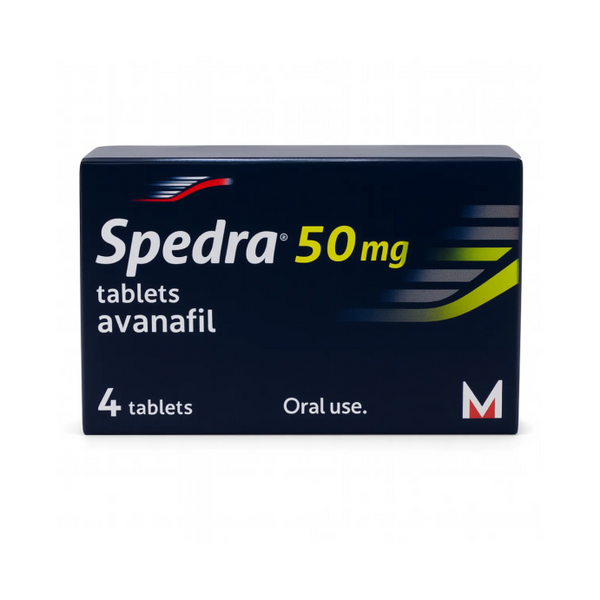
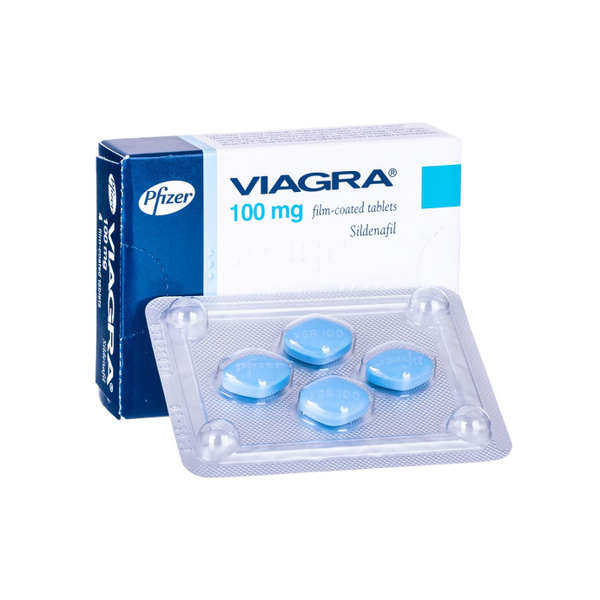
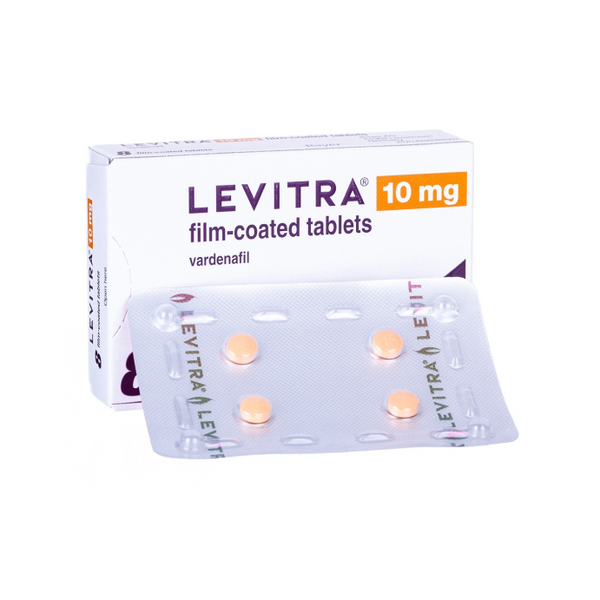
- The wrong medicine for the person. NICE describes four PDE5 inhibitors as the first-line treatment: avanafil, sildenafil, tadalafil and vardenafil. They differ in how they are taken and how long they act, and one not suiting someone does not mean the class has failed.
Non-surgical options before surgery
These options do not involve the permanent anatomical changes associated with penile implant surgery: vacuum erection devices, and alprostadil given by intracavernosal injection, into the urethra, or as a topical cream.
These matter because they are reversible. Trying a vacuum device or an alprostadil route and disliking it costs nothing permanent, while an implant cannot be undone. Anyone considering an operation should be able to say which of these they have tried and why each was ruled out.
Which ED pill is right for you
There is no single answer, and no medicine in the group can be called better than the others as a general statement. What differs is how each is taken, how long it acts, and how it fits alongside your other medicines and health conditions.
That is a clinical decision, not a shopping decision. Treatment suitability depends on an individual clinical assessment, and your prescriber will determine the appropriate treatment after reviewing your medical history, current medicines and cardiovascular health. Results vary between individuals.
For how the tablets work and what distinguishes them, see our guide to what an ED pill is and how ED pills work.
Surgery for erectile dysfunction in the UK: how the process runs
Surgery is reached through specialist assessment, not requested directly. The sequence is worth knowing.
Assessment of the cause - medical history, cardiovascular risk factors and medication review.
Addressing treatable contributors- where appropriate, such as relevant health conditions or medicines.
A suitable trial of first-line treatment - where clinically appropriate.
Considering other non-surgical options - if needed.
Specialist assessment - if ED remains troublesome despite appropriate treatment.
Discussion of surgery - including implant type, benefits, risks, recovery and the permanent nature of the treatment.
The important point is that surgery should follow appropriate assessment and discussion of reversible and non-surgical options, rather than being treated as a first step.
Red flags: when to seek advice rather than research operations
Seek advice promptly if any of the following apply:
- Chest pain, breathlessness or palpitations, especially on exertion
- Pain in the calves or thighs when walking that eases with rest
- A change in erectile function within weeks of starting a new medicine
- Unexplained weight loss, excessive thirst or frequent urination
- Any change in the shape or curvature of the penis, or pain
- An erection lasting more than four hours, known as priapism, which needs urgent medical attention
- Fever, swelling, spreading redness or discharge after any implant surgery, which needs urgent assessment
The first two matter because the NICE evidence summary notes that erectile dysfunction may be an early manifestation of coronary artery and peripheral vascular disease. ED can sometimes be an early marker of cardiovascular or peripheral vascular disease because penile arteries are relatively small and may become symptomatic before disease is recognised elsewhere.
One caution on buying without assessment. In February 2026 the MHRA reported seizing around 19.5 million doses of illegal erectile dysfunction pills between 2021 and 2025, stating that such products "may contain no active ingredient, the wrong dose, hidden drugs or toxic ingredients", and can be especially dangerous for people with heart disease or high blood pressure. The same caution applies to any procedure offered without assessment.
To find out whether prescribed treatment is appropriate before surgery becomes a question, you can check your eligibility for erectile dysfunction treatment through an online consultation with UK registered prescribers.
Medical Disclaimer
This article is general information and does not replace personalised medical advice. It gives no dosing instructions and should not be used to self diagnose, self prescribe, self medicate, or to start, stop or change any medicine.
EveryDayMeds is a GPhC registered pharmacy and online prescribing service. We do not provide surgical treatment. Nothing on this page is an offer of surgery, a recommendation for a specific procedure or device, or a substitute for assessment by a surgeon.
Surgical information here is general and is not a description of what will happen in any individual case. Risks, recovery and outcomes vary with the person, the device and the procedure, and must be discussed with a specialist. Suitability for any prescribed treatment depends on an individual clinical assessment by an appropriately qualified prescriber. Results vary between individuals.
If you experience chest pain, an erection lasting more than four hours, sudden vision or hearing loss, or signs of infection after surgery, seek urgent medical attention.
Frequently Asked Questions
Is there an operation for ED?
When is surgery used for ED?
What are the ED surgery options?
How does an inflatable penile implant differ from a malleable one?
Does ED surgery work?
What are the risks of ED surgery?
What is recovery from ED surgery like?
Is ED surgery permanent?
What are the options for ED treatment when tablets do not work?
Are penile implants regulated in the UK?
How to Improve Erectile Function: What Actually Works
ED Treatment Options: How the Right One Is Chosen
Related Posts


Cheap Tadalafil UK: How to Compare Prices Safely