How to Get Stronger Erections: A Practical Guide
- Online consultation with UK-registered prescribers if lifestyle changes are not enough on their own
- GPhC-registered pharmacy dispensing genuine, UK-sourced medication
- A proper clinical assessment before any treatment is recommended
- Ongoing clinical support if your treatment plan needs to change
A loss of erection strength, where erections feel less firm than they used to rather than not happening at all, is a common experience and often responds well to practical changes rather than needing to jump straight to medication. This guide focuses on what you can actually do: specific exercises, lifestyle changes, and an honest look at what does not reliably work, alongside knowing when it is worth a proper assessment instead of continuing to try things alone.
Key Things to Know
- Reduced erection firmness may improve with targeted exercise and lifestyle changes, depending on the underlying cause.
- Pelvic floor exercises have evidence supporting a potential benefit for erectile function in some men.
- Improvement from lifestyle changes builds gradually over weeks to months, not overnight.
- Many products marketed to improve erection strength do not have reliable evidence behind them, and some carry genuine safety risks.
- If practical changes are not enough on their own, that is a normal next step to raise with a prescriber, not a sign you have done something wrong.
What Does "Losing Erection Strength" Actually Mean?
This usually describes erections that still happen but feel less firm than before, or that start well and then lose firmness before you'd want them to, rather than a complete inability to get an erection. It is a common pattern and sits on the same spectrum as erectile dysfunction (ED) more broadly, without necessarily being the more severe end of it. If you want a fuller breakdown of the range of possible underlying causes, that is covered in more depth elsewhere. This guide focuses specifically on what you can practically do about it. Both patterns can have several possible causes, so the same lifestyle measures may be helpful, but a proper assessment may be appropriate if the problem persists.
Pelvic Floor Exercises for Stronger Erections
Pelvic floor exercises are one practical approach with evidence suggesting they may improve erectile function in some men. The pelvic floor muscles contribute to maintaining penile rigidity, so strengthening them may support erectile function.
How to Do Pelvic Floor Exercises
Start by identifying the right muscles: these are the ones you'd use to stop the flow of urine midstream, or to stop yourself passing wind. Use this only to identify the muscles. Do not regularly practise the exercises while urinating, as this can interfere with normal bladder emptying.
Once you can identify them, the basic exercise is a squeeze-and-hold: tighten those muscles, hold for a few seconds, then release for the same length of time. A typical approach is a set of around 10 repetitions, done a few times a day, gradually building the hold time as it becomes easier. Consistency matters more than intensity here, doing a moderate number regularly outperforms doing a large number occasionally.
It is worth being careful not to also tighten your stomach, thighs or buttocks while doing this, since the exercise is specifically about isolating the pelvic floor muscles rather than a general full-body clench. Doing the exercise while lying down can make it easier to isolate the right muscles when you are first learning the movement, before trying it seated or standing once it feels more natural.

How Long Before You Notice a Difference
As with most exercise-based approaches, improvement builds gradually rather than immediately, typically over several weeks of consistent practice rather than days. This is worth knowing going in, so a lack of change in the first week or two is not mistaken for the approach not working.
Cardiovascular Exercise and Blood Flow
Because erection strength depends heavily on blood flow, general cardiovascular exercise, the kind that raises your heart rate and challenges your fitness over time, supports the same blood vessel health that erectile function relies on. This is not about a specific workout aimed at erections directly, it is a genuine, well-established route to better vascular health generally, which has a direct knock-on benefit here. Regular moderate activity, sustained over months, tends to matter more than occasional intense effort. There is no need for a highly specific type of exercise here, walking briskly, cycling, swimming or any activity that raises your heart rate consistently all contribute to the same underlying benefit, so the best choice is realistically whichever one you will actually keep doing.
Lifestyle Changes That Support Erection Strength
A handful of lifestyle factors are consistently linked to erectile function, largely through their shared effect on blood vessel health. Reducing smoking and high alcohol intake, maintaining a healthy weight, and prioritising consistent, good-quality sleep all genuinely support erection strength over time. None of these produce an overnight change, but the cumulative effect over weeks and months is real and well recognised.
Sleep in particular is worth calling out specifically, since it is easy to overlook. Poor sleep affects hormone levels, including those relevant to erectile function, and general sleep disruption is increasingly recognised as relevant to erection quality, not just energy levels the next day. A consistent sleep schedule can support better sleep quality and overall health, both of which may be relevant to erectile function.
Weight is worth mentioning specifically too, since its effect on erection strength runs through more than one route at once: it affects blood vessel health directly, and can also affect hormone levels relevant to erectile function. This means weight-related improvement often shows up as a combination of several smaller benefits rather than one single mechanism, an important lifestyle factor for overall cardiovascular and metabolic health.
Common Mistakes That Slow Progress
A few patterns tend to undermine otherwise good efforts. Trying to change everything at once, rather than picking a couple of consistent habits, often leads to burnout within a few weeks rather than lasting change. Expecting a fast result and giving up when nothing has changed after a few days is another common one, since none of the genuinely effective approaches here work that quickly. Doing pelvic floor exercises inconsistently, in bursts followed by weeks of nothing, also blunts the benefit compared with a steadier, more modest routine. And relying on a single change, most often diet alone, while ignoring sleep, alcohol or activity levels, tends to produce a smaller result than addressing several factors together, even modestly.
Diet's Role
Diet supports erection strength mainly through the same blood vessel health route as exercise, with an eating pattern built around vegetables, whole grains, fish and unsaturated fats being the most consistently supported approach. This is covered in much more depth, including a specific look at low-carbohydrate approaches, in a dedicated guide if you want to go further into what to eat and what to limit.
What does not Reliably Work
It is worth being direct about this, since a lot of what is marketed for erection strength does not hold up. No supplement has robust evidence of reliably improving erection strength on its own, and some products marketed this way carry genuine safety risks, including some found to contain undisclosed medication at unverified doses. A dedicated look at this, including which specific ingredients are commonly marketed and why the evidence for them is weak, is covered in more detail separately. The short version here: consistent exercise, sleep, and cardiovascular health changes have real evidence behind them. Most quick-fix products marketed alongside them do not. It is also worth being sceptical of dramatic before-and-after claims or guaranteed-results marketing generally, since a genuine, evidence-based approach improves things gradually and realistically rather than promising a complete transformation on a fixed timeline.
When Lifestyle Changes are not Enough
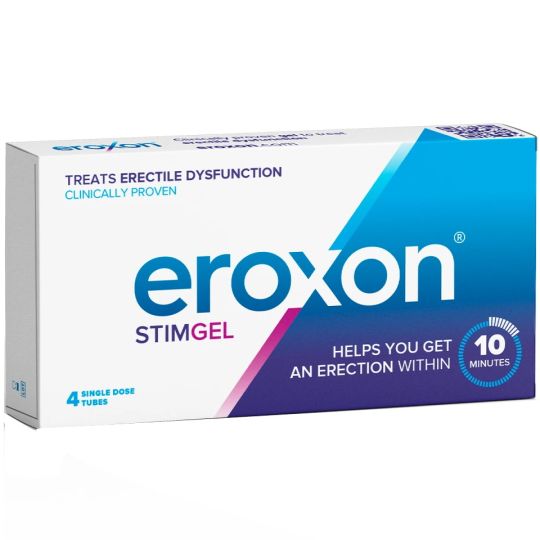
Practical changes genuinely help many men, but they do not resolve every case on their own, and that is not a failure on your part if it does not fully resolve things for you. Where lifestyle changes alone are not giving you the result you want, or where an underlying medical cause needs ruling out, a proper clinical assessment can identify what else might help, including medication options, without you needing to give up on the lifestyle changes that are still worth continuing either way.
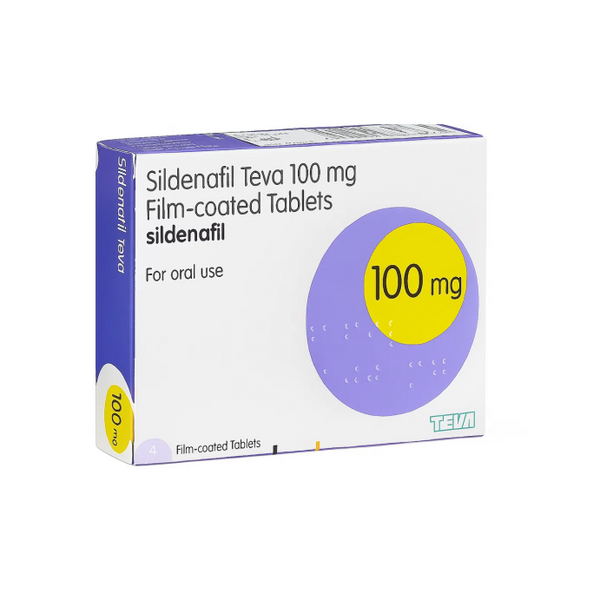
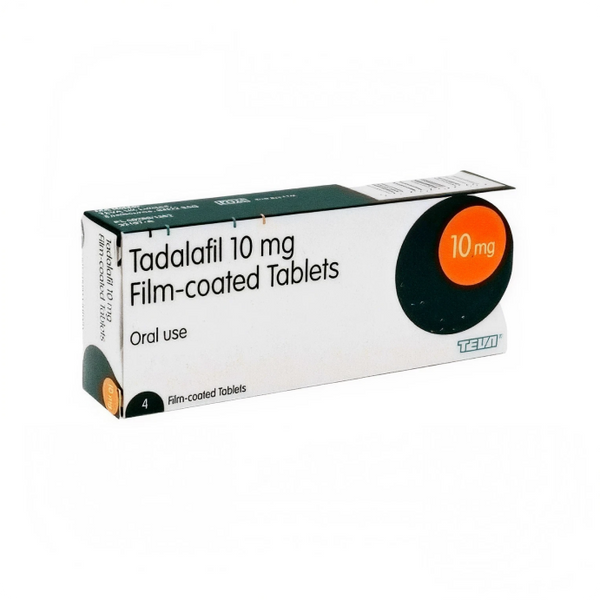
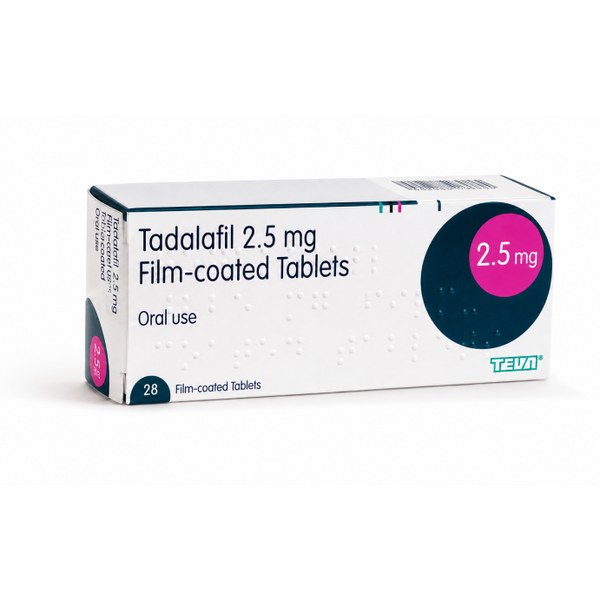
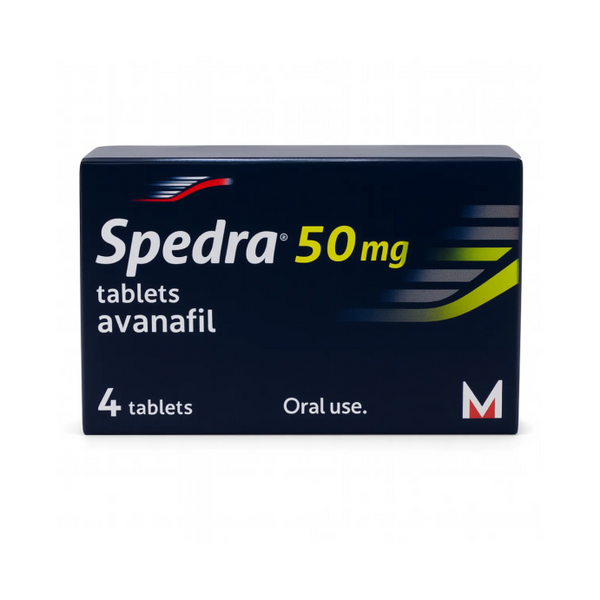
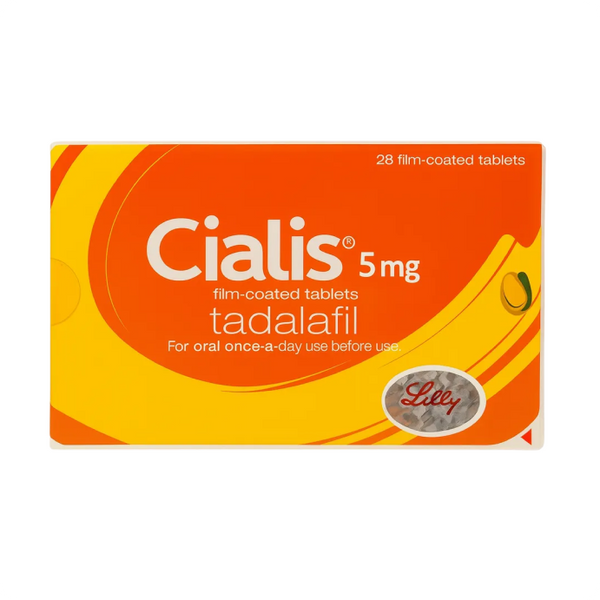
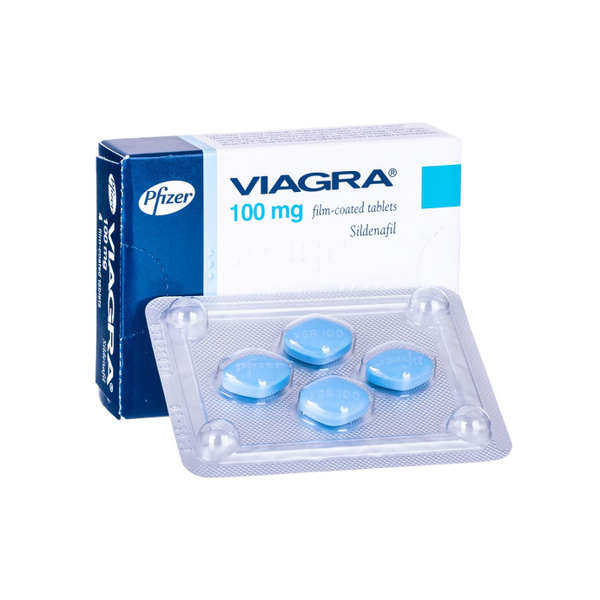
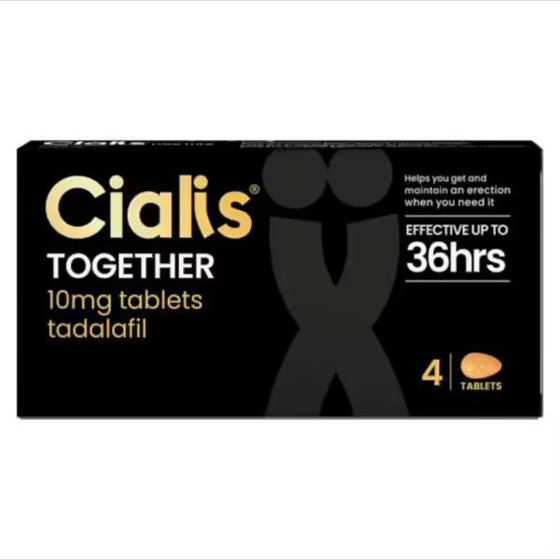
The two are not mutually exclusive, and many men do best with a combination rather than choosing one approach over the other. It is also worth knowing that starting a medical treatment does not mean you have failed at the lifestyle side of things, or that the effort was wasted. A treatment such as a PDE5 inhibitor tablet works alongside better vascular health rather than needing you to have achieved it first, and many men find the two together give a more reliable result than either approach used on its own.
Building a Realistic Routine
The most effective approach is usually the one you can actually sustain, rather than the most intensive one you can manage for a short burst. Picking two or three changes to focus on consistently, rather than trying to overhaul everything at once, tends to produce better results because it is more sustainable. Tracking progress loosely, such as noticing general trends over weeks rather than expecting a specific, measurable change by a set date, also helps manage expectations realistically while the underlying changes take effect. A useful way to start is choosing one change from the exercise side, such as pelvic floor training or regular cardiovascular activity, and one from the lifestyle side, such as improved sleep or reduced alcohol intake, and giving both a genuine, consistent go for a few weeks before adding anything further. This tends to be more sustainable and easier to stick with than attempting every recommendation in this guide simultaneously from day one.
| Approach | What it targets | Realistic timeframe |
|---|---|---|
| Pelvic floor exercises | Firmness retention, particularly the "starts-then-fades" pattern | Several weeks of consistent practice |
| Cardiovascular exercise | General blood vessel health | Weeks to months, cumulative |
| Reduced alcohol and smoking | Blood vessel health | Weeks to months |
| Improved sleep | Hormone levels, general vascular health | Can help within weeks, cumulative |
| Dietary changes | Blood vessel health, weight, blood sugar | Months, cumulative |
| Medication (if needed) | Direct support for the erection process itself | Depends on the treatment and individual response |
Medical Disclaimer
This page is for general information only and is not a substitute for a one-to-one clinical assessment. It does not cover every possible cause of reduced erection strength and should not be used to self-diagnose or to start, stop or change any medication. If you experience an erection lasting more than 4 hours, this is a medical emergency: seek immediate care at A&E or call 999.
Frequently Asked Questions
Q: Can you actually get stronger erections naturally?
Q: Do pelvic floor exercises really help erection strength?
Q: How often should I do pelvic floor exercises?
Q: How long does it take to notice stronger erections from exercise?
Q: Do supplements help with erection strength?
Q: Can diet alone give you stronger erections?
Q: Why do my erections feel weaker than they used to?
Q: Is a loss of erection strength the same as erectile dysfunction?
Q: Can exercise alone fix erection strength, or do I need medication too?
Q: How do I know if I am doing pelvic floor exercises correctly?
Q: Does smoking affect erection strength?
Q: When should I see a prescriber instead of just trying lifestyle changes?
Q: Can age affect how much lifestyle changes can help erection strength?
Q: Is it normal for erection strength to vary day to day?
Spedra 100mg (Avanafil): Dosage, Side Effects, Price
Erectile Dysfunction in Your 40s: What to Know
Related Posts


Viagra Pharmacy UK: How Sildenafil Supply Works

Do You Need a Prescription for Viagra in the UK?

Can You Buy Viagra Over the Counter in the UK?


Viagra Price UK: Understanding Sildenafil Costs