Getting Only Semi-Erect in Your 40s: Causes and What to Expect
- Online consultation with UK-registered prescribers to identify what is behind your symptoms.
- GPhC-registered pharmacy dispensing genuine, UK-sourced medication.
- A proper clinical assessment before any treatment is recommended.
- Ongoing clinical support if your treatment plan needs to change.
If you can only get semi erect in your 40s, that is common, but it still points to reduced erection firmness on the same spectrum as erectile dysfunction rather than something to dismiss as "just age." For men in their 40s who are noticing weaker erections, less reliable firmness, or changes in erection quality, the key question is not whether it happens, but why it is happening and whether anything underlying needs attention.
This guide explains what can change in your 40s that affects erectile function, when a semi-erect erection is within normal variation versus something worth an assessment, and the physical and psychological factors that can contribute, including vascular health, hormones, medication effects, lifestyle, and stress. It also looks at how erection changes in your 40s differ from other ages, what assessment usually involves, and what treatment options may help. Because erection problems in this decade can sometimes be an early sign of vascular or metabolic issues, checking them properly can improve both sexual function and wider health rather than leaving a treatable cause unnoticed.
Key Things to Know
- Erectile difficulty becomes more common through your 40s, but it is not the norm, and persistent difficulty is worth a proper assessment rather than being assumed to be age alone.
- Your 40s can be a useful time to review vascular and metabolic risk factors, particularly if erection difficulties are persistent.
- A pattern of reduced firmness, rather than complete inability, is common and falls on the same spectrum as erectile dysfunction more broadly.
- Causes at this age are often mixed, a combination of physical and psychological factors, rather than purely one or the other.
- Effective treatment options exist regardless of the specific cause, and getting checked now can catch something worth addressing early.
Is Erectile Dysfunction Normal in Your 40s?
Some degree of change is common and not automatically a cause for concern. Some changes in erection quality can occur with age, but persistent erectile difficulties should not automatically be attributed to ageing alone. This is worth knowing so a one-off or occasional difficulty is not mistaken for something more serious, while a persistent, ongoing pattern is still worth taking seriously rather than assumed to simply be age catching up with you. It is also worth knowing that this rise through the decades is not a sudden switch that flips at a specific age, it is a gradual trend, which is part of why comparing yourself to a specific number rather than paying attention to your own pattern over time is not especially useful.
What Changes in Your 40s That Can Affect Erections
A few things commonly shift during this decade, often together rather than in isolation.
Blood Flow and Vascular Health Start to Matter More
Blood pressure, cholesterol and blood sugar are important aspects of vascular and metabolic health, and problems with these can contribute to erectile difficulties at any age.
Since an erection depends heavily on blood flow, this is one of the more significant factors behind why erectile difficulty becomes more common at this stage of life.
This is part of why erectile difficulty is sometimes described as a useful early signal rather than purely a nuisance symptom. Erectile dysfunction can sometimes appear before other cardiovascular symptoms, which is one reason persistent ED may prompt a review of cardiovascular risk.
Gradual Hormonal Changes
Testosterone levels can gradually decline with age, although the extent varies considerably between individuals. Low testosterone can affect sexual desire and may contribute to erectile difficulties in some men, but it is not usually the only explanation for a sudden or significant change in erections. If symptoms such as reduced libido are present, a clinician may consider testosterone testing as part of the wider assessment rather than assuming that age-related hormone changes are responsible.
New Medications
If you have recently started a medicine for blood pressure, cholesterol, depression or another condition, some of these can contribute to erectile difficulty as a side effect, including some medicines used to treat depression. If a change coincided with starting a new medication, that is a useful detail to raise with your prescriber and review with a healthcare professional rather than stopping treatment on your own.

Accumulated Lifestyle Effects
Smoking, alcohol intake, inactivity and weight all have a cumulative effect on blood vessel health, and your 40s is often when years of these factors start to show a measurable impact, even if none of them have changed recently.
Stopping smoking can improve cardiovascular health, regular aerobic activity supports vascular health, and maintaining a healthy weight can reduce cardiovascular and metabolic risk.
Life-Stage Psychological and Mental Health Factors
Career pressure, family responsibilities, relationship changes and general life stress are all common features of this decade for many men, and stress and anxiety are recognised contributors to erectile difficulty in their own right, either as the main cause or alongside a physical one. Stress, anxiety and low mood can interfere with sexual arousal and erectile function.
Comparing Yourself to Where You Were Before
One useful way to think about a change in your 40s is comparing your current pattern to your own baseline, rather than to some assumed standard for your age. A gradual, modest change that has stayed roughly stable for a while is a different situation to a clear, noticeable decline over a shorter period, and the second is generally more worth prompt attention than the first, even though both are worth mentioning at an assessment eventually. Your own history is more informative than any general statistic about what is typical for your age group.
Why Your 40s Is a Useful Time to Get Checked
Erectile dysfunction can be one of the earliest visible signs of cardiovascular disease, and sometimes an early sign of heart disease, sometimes appearing before other symptoms are noticed, because the blood vessels involved are smaller and can show the effects of narrowing earlier than the larger vessels supplying the heart.
This makes your 40s a particularly useful window: catching a vascular risk factor now, at an earlier stage, gives you more time to address it than waiting until later decades when the same underlying issue may have progressed further.
Framed this way, an assessment is not just about the erectile difficulty itself, it is an opportunity to find out more about your broader health at a stage when there is still plenty of time to act on whatever it reveals, and one of the main benefits of getting checked in your 40s is identifying underlying conditions or an underlying health condition early, which is a meaningfully different way to think about it than viewing it purely as an embarrassing or inconvenient symptom to manage around.
Semi-Erections: What Does This Actually Mean?
A pattern where you can get an erection but it does not reach full firmness, sometimes described as a semi-erection, is a common presentation and sits on the same spectrum as erectile dysfunction more broadly, rather than being a separate or lesser issue.
It is different from a complete inability to get an erection at all, but both physical causes and psychological causes can sit behind this pattern, alongside vascular, hormonal, medication-related or lifestyle factors, and the same assessment process applies to understand why it is harder to maintain an erection, not just whether an erection happens at all.
It is worth mentioning the specific pattern at your assessment too, whether the firmness is reduced throughout, or starts normally and then fades, since these two variations can sometimes point towards slightly different underlying factors, even though both are approached in broadly the same way.
Some men describe this as erection trouble or ongoing erection issues when firmness is reduced rather than completely absent. However, the pattern alone cannot determine the underlying cause.
Is ED in Your 40s Different From Other Ages?
The causes of erectile dysfunction can vary with age, but there is no single pattern that applies to every age group. Psychological factors such as stress and performance anxiety may be important in younger men, while vascular, metabolic, medication-related and other physical factors generally become more common as people get older.
Your 40s can be a point where several factors overlap. Lifestyle and cardiovascular risk factors may become more relevant while stress, relationships and other psychological factors can still play an important role. This is why it is better to look at your individual symptoms and health rather than assuming the cause based on age alone.
What to Do Next
If erectile difficulties are persistent or keep happening, they should be properly assessed rather than simply left to see if they resolve on their own. A clinician may review your medical history, current medications, lifestyle and cardiovascular risk, and may carry out a physical examination or arrange blood tests where appropriate. Testosterone testing may also be considered if your symptoms or assessment suggest it could be relevant.
There's no need to wait until the problem becomes significant before raising it. Ongoing difficulty with sexual activity, even if the change seems mild, is still a valid reason to seek a review, and identifying any contributing factors earlier can make them easier to address.
Treatment Options
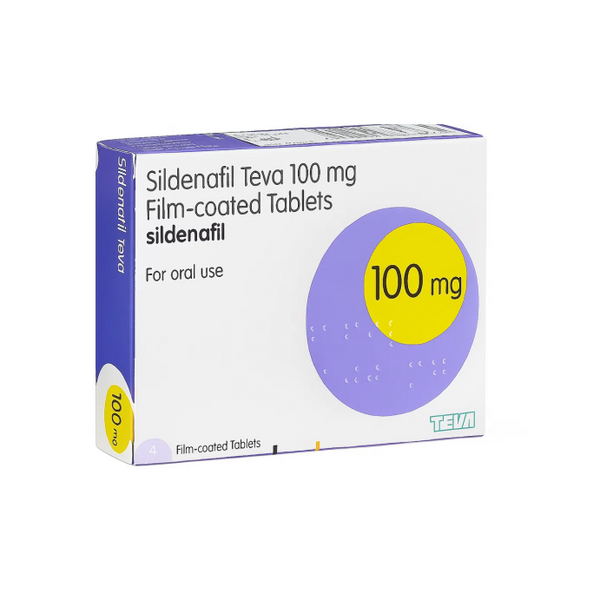
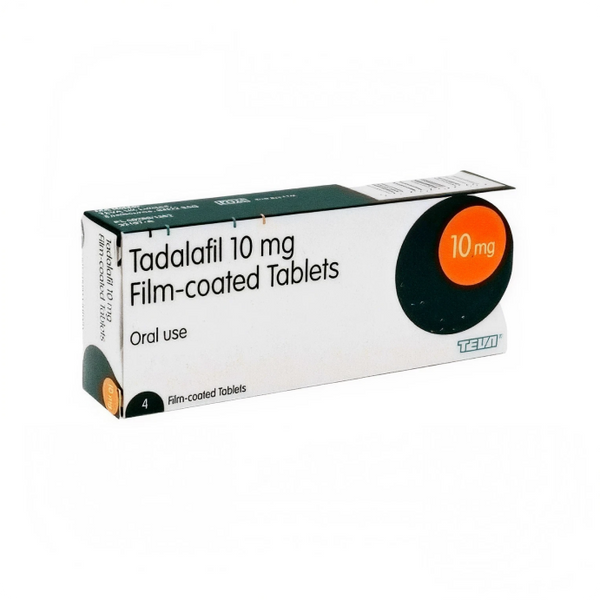
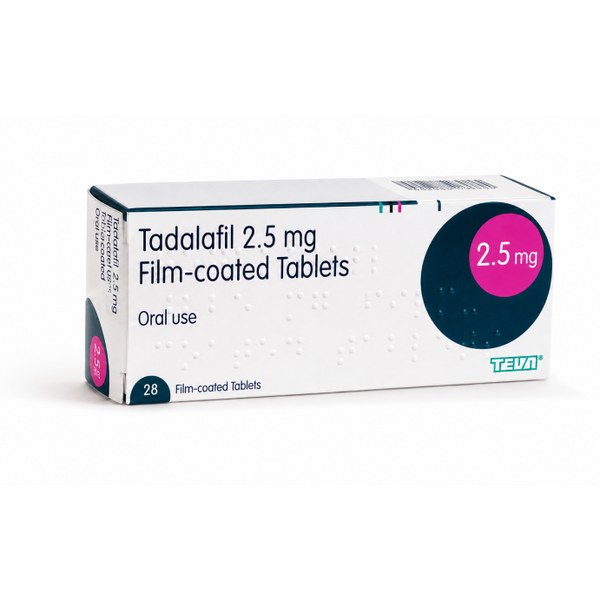
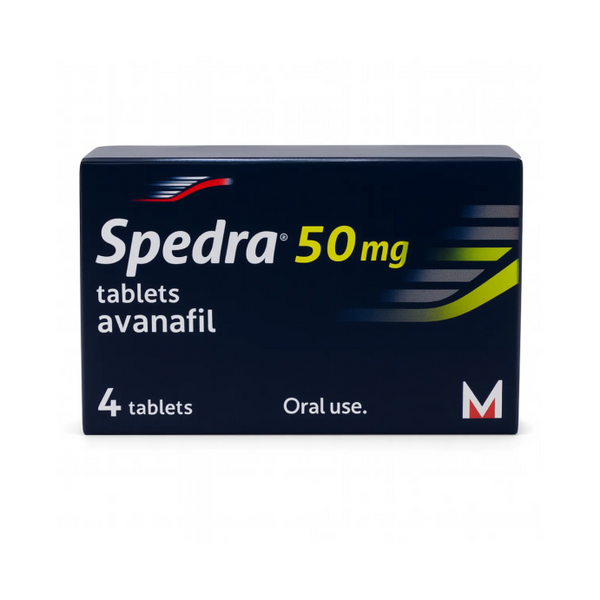
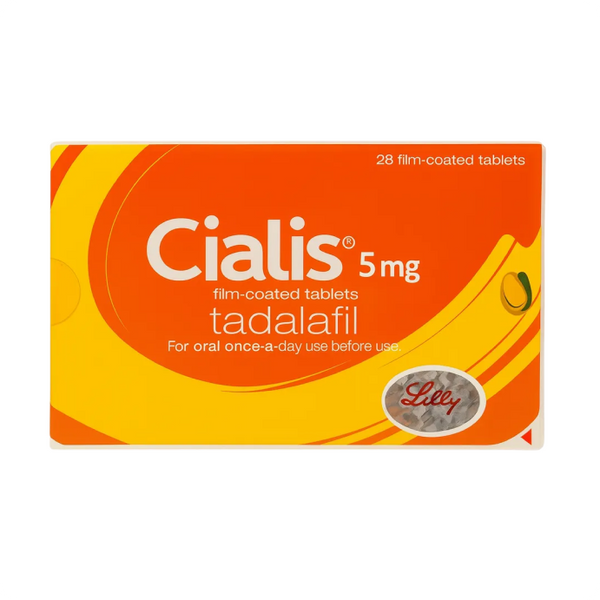
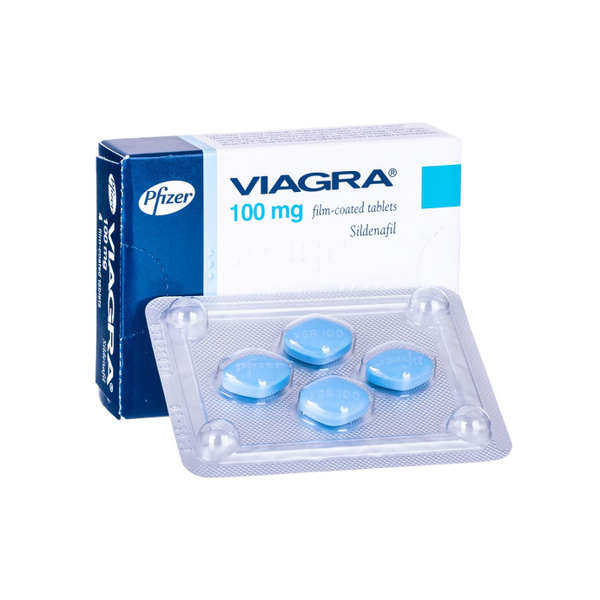
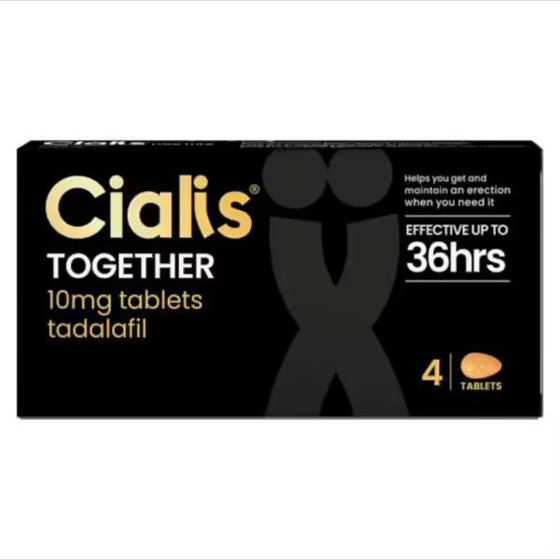
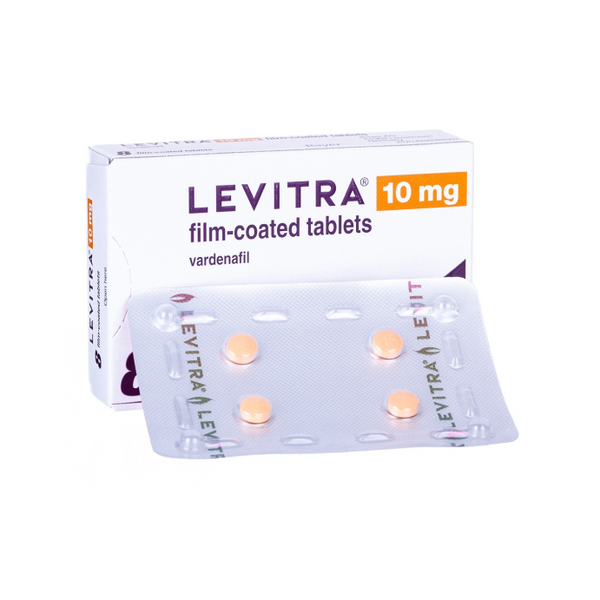
Standard ED treatments remain relevant in your 40s, including PDE5 inhibitors such as sildenafil and tadalafil, vacuum erection devices, and psychological support where stress or anxiety is contributing. PDE5 inhibitors work alongside sexual stimulation to support the body's natural erectile response, while vacuum devices work mechanically to draw blood into the erectile tissue.
If an underlying vascular, metabolic, hormonal, medication-related or psychological factor is identified, addressing that factor is also an important part of treatment. Lifestyle changes can be continued alongside medical treatment where appropriate, rather than being treated as alternatives to one another. The right combination depends on the underlying cause, your other health conditions and which treatments are suitable for you.
There is no reason to assume you need a different, more complicated approach simply because of your age. The same well-established options that work at any age remain the starting point, with the specific combination tailored to what your individual assessment actually finds rather than to a general assumption about what men in their 40s typically need.
| Age range | Typical pattern | What's worth knowing |
|---|---|---|
| 20s-30s | Psychological, lifestyle, medication and physical factors can all contribute | Persistent ED still deserves assessment |
| 40s | Physical and psychological factors may overlap | Cardiovascular and metabolic risk factors are worth considering |
| 50s and beyond | Physical and vascular factors may become more common | Psychological and relationship factors can still contribute |
Medical Disclaimer
This page is for general information only and is not a substitute for a one-to-one clinical assessment. It does not cover every possible cause and should not be used to self-diagnose or to start, stop or change any medication. If you experience an erection lasting more than 4 hours, this is a medical emergency: seek immediate care at A&E or call 999.
Frequently Asked Questions
Q: Is it normal to get erectile dysfunction in your 40s?
Q: Why does erectile dysfunction start in your 40s for some men?
Q: What does it mean if I can only get semi-erect?
Q: Should I be worried about erectile dysfunction in my 40s?
Q: Can stress cause erectile dysfunction in your 40s specifically?
Q: Is erectile dysfunction in your 40s more physical or psychological?
Q: Can low testosterone cause erectile dysfunction in your 40s?
Q: What tests should I expect at an assessment in my 40s?
Q: Can erectile dysfunction in your 40s be a sign of a heart problem?
Q: Is erectile dysfunction treatment different for men in their 40s?
Q: Can new medication cause erectile dysfunction in your 40s?
Q: How is erectile dysfunction in your 40s different from your 20s?
Q: Can lifestyle changes help erectile dysfunction that started in your 40s?
Q: Does erectile dysfunction in your 40s mean I am getting old?
Q: Will erectile dysfunction in your 40s get worse if I do not address it?
How Can You Get Stronger Erections Naturally? A Practical Guide
Spedra 100mg Side Effects: Common and Serious
Related Posts


Viagra Pharmacy UK: How Sildenafil Supply Works

Do You Need a Prescription for Viagra in the UK?

Can You Buy Viagra Over the Counter in the UK?


Viagra Price UK: Understanding Sildenafil Costs