How to Fix Erectile Dysfunction (and Why There is No Single Universal Fix)
- Online consultation with UK-registered prescribers to find what actually fits your situation
- Registered UK pharmacy, with discreet and secure ordering
- A range of licensed treatment options, offered only where clinically appropriate
- A straight answer, not a one-size-fits-all "fix"
"How do I fix ED" is a completely reasonable question, but it carries an assumption worth checking first: that ED is one problem with one fix, like a flat tyre. It is not. There is no single universal fix for erectile dysfunction. ED is a symptom, not a single condition, and what actually resolves it depends entirely on what is causing it in your case, sometimes that means short-term symptom treatment, and sometimes it means finding and addressing an underlying physical or psychological issue. That is not a dodge, it is the honest reason a page that just handed you "the fix" would be lying to you.
If you are dealing with erectile dysfunction and want to fix it properly rather than chase quick fixes, this page is for you. It explains what ED is, why the right approach depends on the cause, what can genuinely help quickly, what may lead to longer-term improvement, how to assess possible causes, which treatment options are worth considering, which marketed "fixes" to be sceptical of, when to get medical help, and where stress, pressure, lifestyle, and mental health fit in. Getting this right matters because ED is common, but it is also complex: the wrong assumption can waste time, increase anxiety, and keep you stuck with treatments that do not solve the actual problem.
Key things to know
- There is no single fix that works the same way for every man, because ED itself does not have a single cause.
- Something that works quickly (such as a tablet used for a specific occasion) is not the same as something that addresses the underlying issue.
- "Fix it fast" and "fix it permanently" often pull in different directions, and it is worth knowing which one you actually want.
- Several genuine treatment routes exist, and the right one is matched to your specific cause, not chosen at random.
- If you have tried something that claimed to be an instant, permanent fix and it did not work, that is not a personal failure, it likely was not a real fix to begin with.
Why "Fix ED" Is not as Simple as It Sounds
Fixing something usually means repairing a single, identifiable fault. ED does not work like that, because the same symptom, difficulty getting or keeping an erection, can come from circulation, hormones, nerve function, psychological factors, medicines, or some combination of these.
Two men with identical symptoms can need completely different things to actually resolve it. This is why "how to fix ED" does not have one universal answer, the honest answer is closer to "it depends what is causing yours," and working that out is the actual first step, not a delay tactic.
Is There a Quick Fix?
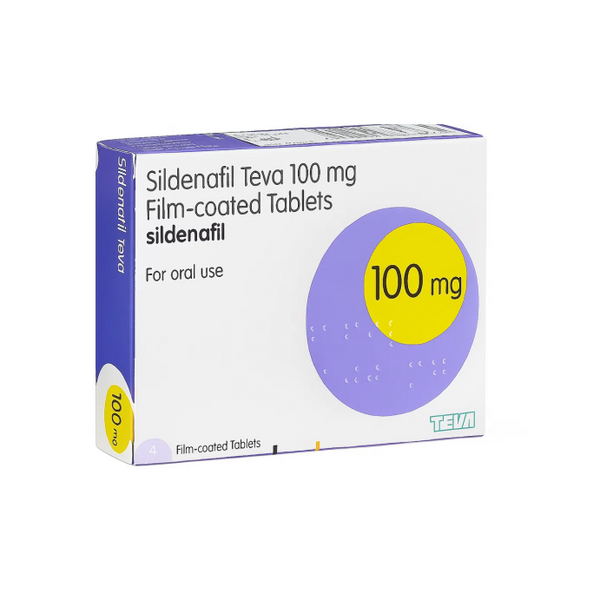
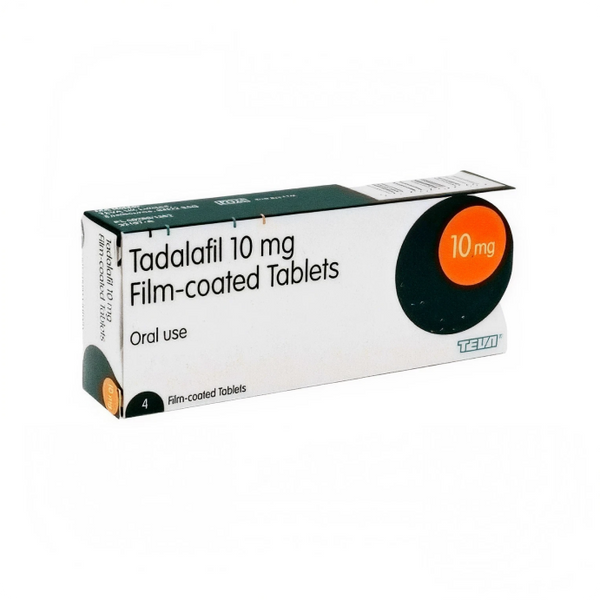
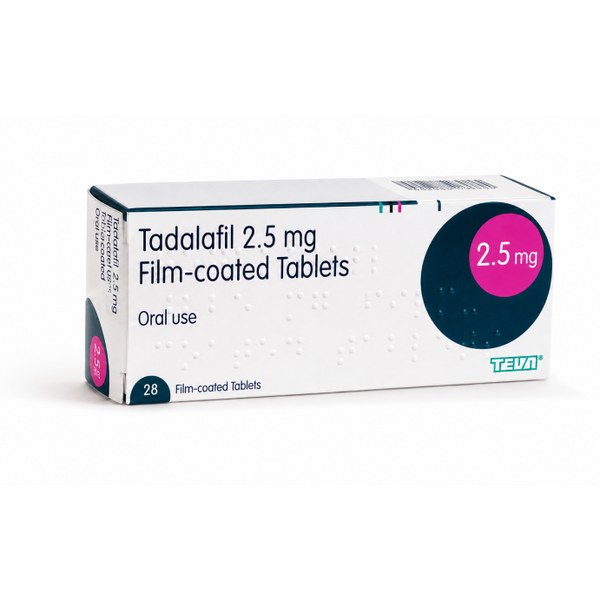
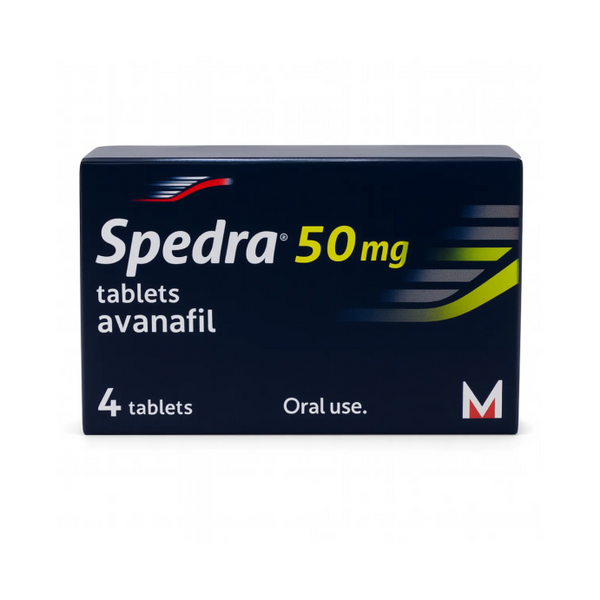
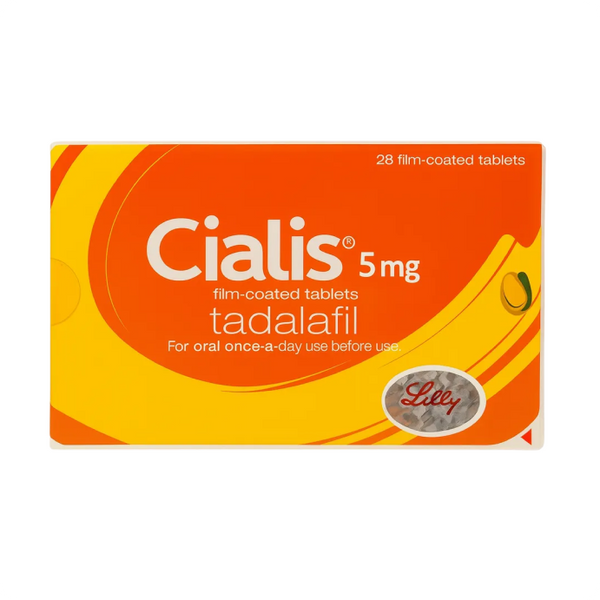
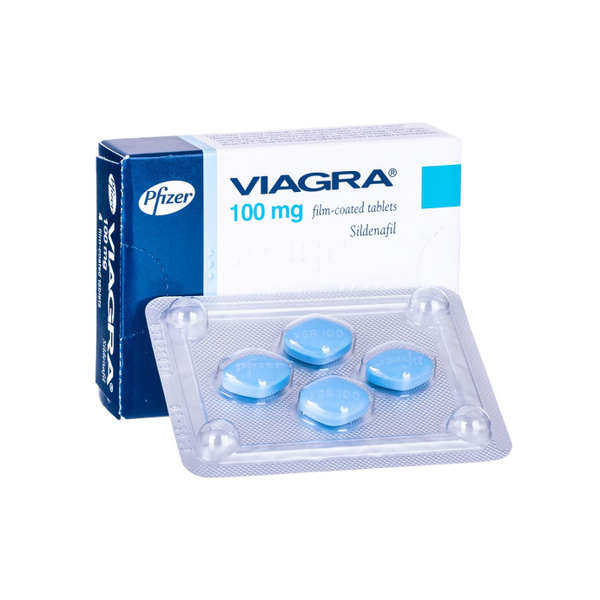
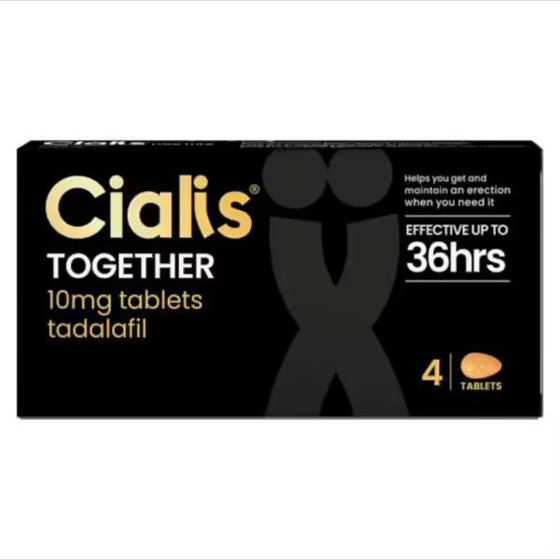
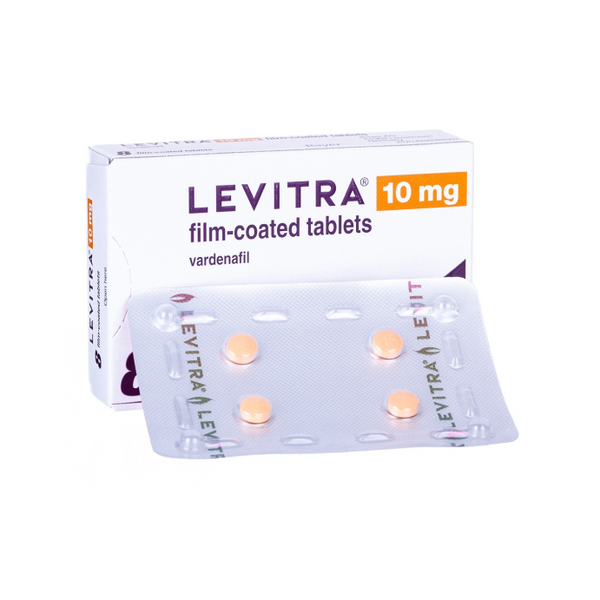
If you are specifically searching "fix ED fast" or "fix ED now," here is the direct answer: tablet treatments (PDE5 inhibitors) can help you get and maintain an erection for a specific occasion, provided there is sexual stimulation. In that narrow sense, yes, something can work relatively quickly. But that is not the same as fixing ED. PDE5 inhibitors improve erectile function rather than addressing every possible underlying cause.
Sildenafil, vardenafil and avanafil generally have a shorter window of effectiveness, while tadalafil can remain effective for up to 36 hours. The exact timing varies between medicines and individuals. Common side effects include headaches and flushing. Confusing "worked tonight" with "fixed" is one of the common misunderstandings around this topic.
What Can Help Tonight vs What Actually Fixes It
| If you want | What that actually looks like | Does it address the underlying cause? |
|---|---|---|
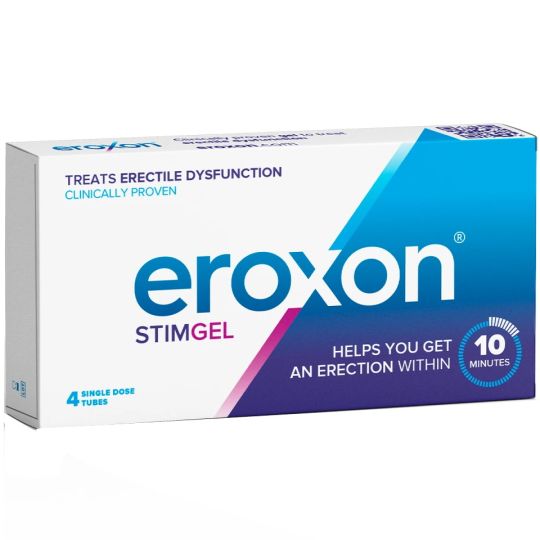
| Something that works for a specific occasion | A prescribed tablet (PDE5 inhibitor) or other oral medications, or a vacuum device, used as needed. These are common treatments for erectile dysfunction | No, it manages the symptom on that occasion |
| A lasting improvement where the cause is a removable trigger | Quitting smoking, cutting back on alcohol, addressing a specific stressor | Yes, if that trigger is genuinely the main cause |
| A lasting improvement where the cause is an ongoing condition | Managing underlying health conditions like diabetes can improve erections, alongside ED-specific treatment that may still be needed | Partially, it is managed rather than fully resolved, similar to the condition itself |
| Resolution of a psychological cause | Addressing the anxiety, stress or situational trigger directly, sometimes with support | Yes, if that is genuinely the main driver |
How People Actually Go About Treating Erectile Dysfunction, Step by Step
Step 1: Notice the pattern, not just the occasion
A single difficult episode does not usually mean you have ED. What matters is whether erection difficulties are persistent or keep happening.
Step 2: Get an assessment to diagnose erectile dysfunction rather than guessing
Because the cause determines the fix, an assessment (GP, pharmacist or online prescriber) is what actually identifies which situation you are in, rather than trying treatments at random and hoping one sticks.
A clinician may diagnose erectile dysfunction through medical history questions, including your sexual history, and a physical exam, with regular check-ups also helping monitor health conditions linked to ED and sexual health.
When an underlying physical cause is suspected, blood tests may also be used to look for underlying problems, such as low testosterone or thyroid disorders, when appropriate.
Step 3: Match the approach to the cause, including mental health factors
Once the likely cause is understood, treatment is chosen accordingly: a tablet, a non-medicine option, addressing an underlying condition, or a combination, rather than picking whichever option is most heavily marketed as "the fix." When underlying physical factors are involved, clinicians may suggest lifestyle changes such as losing weight, quitting smoking, moderating alcohol intake and getting regular exercise. These changes can improve overall health and, in some men, improve erectile function. Regular aerobic exercise can support sexual health and erectile function, while a healthy diet can support cardiovascular health and the blood vessels involved in erections.
Regular aerobic exercise can enhance sexual health and erectile function by improving blood flow, and a heart-healthy Mediterranean-style diet high in fruits and vegetables supports blood vessels and erectile health.
Step 4: Give it a realistic timeline
Symptom-managing options (tablets, vacuum devices) show their effect immediately. Cause-addressing changes (lifestyle, managing a condition, resolving a stressor) typically take weeks to a few months to show through. Judging a lifestyle change by a tablet's timeline, or vice versa, is a common reason people wrongly conclude "nothing works." If cause-directed changes are not enough, effective medical treatments are available for erectile dysfunction.
"Fixes" That Get Marketed But Do not Really Fix Anything
Because "fix ED" is such a heavily searched phrase, it attracts a lot of marketing that does not hold up. A few worth being sceptical of:
- Supplements claiming to "fix" or "cure" ED: most are not backed by reliable evidence, are not regulated as medicines, and some can interact with other medicines. Some over the counter medicines or supplement-style products may also contain unregulated ingredients or undeclared prescription medicines. That is one reason erectile dysfunction medicines should come through proper prescribing rather than risky self-selection.
- Devices claiming a guaranteed permanent fix: regulatory marking (UKCA or CE) confirms manufacturing and safety standards, not that a device fixes ED for everyone who uses it.
- "Latest breakthrough" claims: newer does not automatically mean better or more proven. Genuinely emerging options, like low-intensity shockwave therapy, still have developing evidence and are not established as a routine first-line treatment in UK care. Options promoted outside a clinical trial can still be unproven.
- Anything promising the same fix works for every man: given how differently ED can present and what can cause it, a genuine one-size-fits-all fix is not realistic, and claims like this are a reasonable reason to be sceptical of a source.
- "Try this one trick" style content: genuine treatment involves an assessment and, usually, more than one factor. Content that reduces "fixing ED" to a single trick or habit is oversimplifying something that, for most men, has more than one moving part.
None of this means nothing works, quite the opposite, several genuine options exist. It just means the ones that actually work are the ones matched to your specific situation, not the ones with the boldest marketing claim.
When "Fixing It Yourself" Is not Enough
It is worth getting an assessment rather than continuing to self-manage if:
- You have tried lifestyle changes consistently for several weeks without meaningful improvement.
- You are relying on tablets or devices for every occasion without addressing why the difficulty is happening at all.
- You have risk factors such as high blood pressure, high cholesterol or diabetes, as erectile dysfunction can be an early sign of cardiovascular disease or underlying heart disease linked to other health conditions.
- The difficulty is affecting your confidence, relationship or wellbeing in the meantime.
- You have genuinely tried to work out the cause yourself and are not getting anywhere.
Fixing It Does not Have to Be a Solo Project
Because "how do I fix this" tends to feel like a private problem to solve alone, it is easy to skip a step that genuinely helps: talking to a partner about what is going on, and involving a partner can reduce pressure and make it easier to spot whether relationship dynamics are contributing. Trying to manage everything silently, particularly while also chasing a quick fix, often adds pressure rather than removing it. Being straightforward about what you are dealing with, and that you are looking into it, tends to ease the exact performance-related anxiety that can make things harder in the meantime. If relationship issues are part of the problem, psychological counselling can help.
Fixing It When You Do not Know Why It is Happening Yet
If you are not sure what is causing it, that is a completely normal starting point, not a problem. If you are experiencing erectile dysfunction, it is worth knowing that it can affect younger men too and should not automatically be dismissed as an age-related problem.
A reasonable approach is to notice a few things over a couple of weeks: whether it happens in every situation or only some, whether morning erections are still happening, whether anything changed around when it started (a new medicine, a stressful period, a change in drinking), and whether it is getting better, worse, or staying the same. In younger men, anxiety is the most common cause of erection problems, but an underlying physical issue still should not be assumed away.
None of this replaces a proper assessment, but it gives you, and whoever you speak to, something concrete to work from instead of just "it is not working."
Why the "Quick Fix" Mindset Can Work Against You
Searching for a fast fix is not unreasonable, most people want a problem solved quickly. But with ED specifically, that mindset can backfire in a particular way: Performance-related worry, stress, anxiety and depression can all contribute to erectile difficulties, and depression can also reduce libido.
So putting pressure on a single occasion to "prove the fix worked" can add exactly the kind of anxiety that makes things harder, not easier. This is one of the more common self-reinforcing loops in psychological ED, an initial difficulty causes worry, the worry makes the next occasion harder, and the search for an instant fix adds even more pressure to a situation that is already under pressure. Recognising this loop, and taking some of the urgency out of any single occasion, is sometimes genuinely part of what helps, alongside whatever else is going on. Stress reduction through mindfulness or therapy can help, and cognitive behavioral therapy may be useful for psychological ED.
Can ED Be Fixed Permanently?
Sometimes, it depends entirely on the cause rather than on which product or method you use. Where a specific, removable trigger is behind it, a particular medicine, heavy drinking, a period of high stress, resolving that trigger can lead to a genuinely lasting fix. Where the cause is an ongoing condition, ED is usually something that is managed long-term rather than permanently fixed outright, in the same way the condition itself is managed. Anything promising a universal permanent fix regardless of cause is making a claim that is not how this actually works.
When to Seek Help Sooner Rather Than Later
Most ED symptoms are not an emergency, but a few situations need urgent attention. A painful erection that lasts more than 3 to 4 hours needs immediate medical care because prolonged erections can cause permanent damage. If you develop chest pain, severe breathlessness, fainting or other concerning symptoms during sexual activity, seek urgent medical help. In the UK, call 999 for a medical emergency.
Medical disclaimer
This article is for general information only and is not intended to replace medical advice, diagnosis, or treatment from a qualified healthcare professional. Erectile dysfunction can have different physical and psychological causes, and the appropriate treatment depends on the individual. If you have persistent or recurring erection problems, speak to a GP, pharmacist, or other qualified healthcare professional for appropriate assessment and advice. Do not start, stop, or change medicines or treatments based solely on information in this article. If you experience a prolonged or painful erection, chest pain, severe breathlessness, fainting, or another medical emergency, seek urgent medical attention.
Frequently Asked Questions
Q: Can you actually fix ED, or just manage it?
Q: How can I fix ED fast?
Q: Is there a way to fix ED now, tonight?
Q: How do you fix ED permanently?
Q: What is the best way to fix impotence?
Q: Can lifestyle changes fix ED on their own?
Q: Why did not the "fix" I tried actually work?
Q: Do supplements marketed to "fix" ED actually work?
Q: How long does it take to actually fix ED, not just manage it?
Q: Is it normal to need more than one attempt to fix it?
Q: Can worrying about ED make it harder to fix?
Q: Where do I actually start if I want to fix ED?
ED Treatment: What Actually Works and How It is Chosen
ED Medication: Types, How It Works and How to Get It
Related Posts


Cheap Tadalafil UK: How to Compare Prices Safely