Erectile Dysfunction Medication: A Complete Guide
- Online consultation with UK-registered prescribers to find the right medication for you
- GPhC-registered pharmacy dispensing genuine, UK-sourced medication
- A proper clinical assessment before any medication is recommended
- Ongoing clinical support if your treatment plan needs to change
Erectile dysfunction (ED) medication refers to prescription-only medicines used to help men get and keep an erection firm enough for satisfactory activity. In the UK, the main options are PDE5 inhibitor tablets, and they work by supporting the body's natural response to stimulation rather than creating an erection independently.
Erectile dysfunction is common, particularly with increasing age, so understanding the treatment options matters
For adult men in the UK looking for safe, effective ED treatment through a private consultation and prescription service, this guide explains what ED medication is, how it works, the different types available, whether it can be combined with medicines for other conditions such as premature ejaculation, the side effects and suitability checks to know about, possible interactions with other medications or health conditions, and how to get erectile dysfunction medication safely.
Key Things to Know
- ED medication supports your body's natural response to sexual stimulation. It does not work without that, and it does not increase desire on its own.
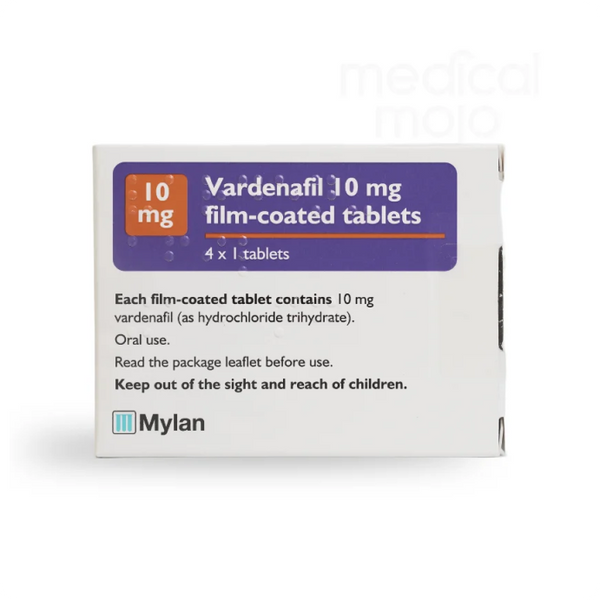
- The main UK options are sildenafil, tadalafil, vardenafil and avanafil, all from the same medicine class but with different timing profiles.
- ED medication and premature ejaculation medication are usually two separate medicines addressing two separate mechanisms, not one combined product.
- A proper clinical assessment is needed before any ED medication is prescribed, since age, stress and anxiety, and other underlying factors can all contribute to ED, and it is not suitable for everyone.
- Buying from an unregulated seller is a genuine safety risk. Always check if a pharmacy is GPhC-registered.
What Is ED Medication?
ED medication is a class of prescription-only medicines, called PDE5 inhibitors or erectile dysfunction tablets, used to treat erectile dysfunction. They do not create an erection by themselves. They support the process your body already uses in response to stimulation, which is why they only work alongside it rather than on their own.
The name PDE5 inhibitor describes exactly what these medicines do: they inhibit an enzyme called PDE5.
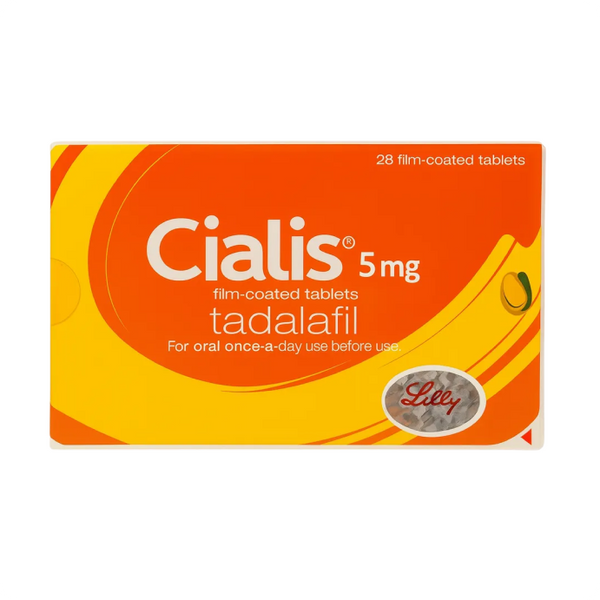
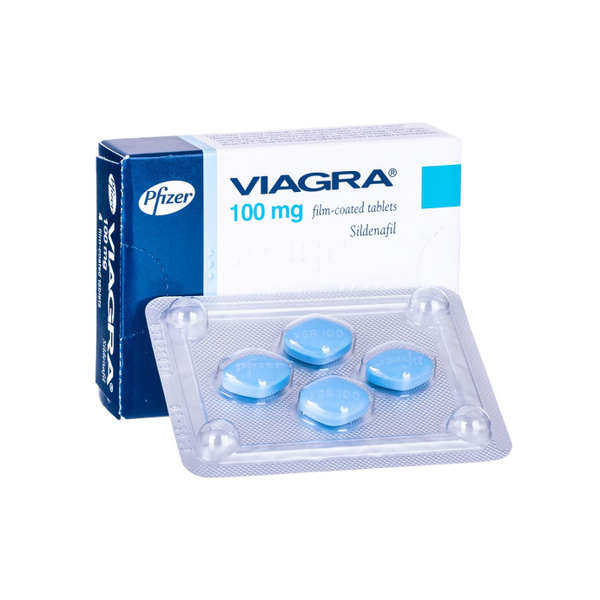
Every medication in this class works on the same target, which is why they are grouped together clinically even though they are sold under different names and have different timing profiles. Common examples include sildenafil (Viagra) and tadalafil (Cialis). None of them are hormonal, and none of them are a form of contraception, they act specifically on the mechanism behind an erection. These medicines are generally well tolerated when prescribed appropriately, but they are not suitable for everyone and can interact with other medicines.
How Does ED Medication Work?
During stimulation, the body releases a chemical signal that relaxes blood vessels in the penis, relaxes blood vessels in the penis, increasing blood flow. An enzyme called PDE5 normally breaks this signal down fairly quickly. ED medication blocks PDE5, increasing blood flow so the signal lasts longer and an erection is easier to get and keep. This is also why these medicines do not increase desire or cause an erection with no stimulation at all, the underlying trigger still has to be there. The goal is to help you maintain an erection long enough for sexual intercourse.
It is worth being clear about what this means in practice: ED medication will not work if you take it and nothing else happens. It is not a switch that overrides your body, it is support for a process that has to start naturally first. This is a common misunderstanding, and it is part of why some men assume a medication "did not work" when the actual issue was expectation rather than the medication itself. PDE5 inhibitors are established treatments for erectile dysfunction.
Types of ED Medication
There are four PDE5 inhibitors licensed in the UK, and while they all work the same way, they differ in how quickly they start working and how long they last. There is no single option that is best for everyone. The choice depends on your health, treatment goals, frequency of sexual activity, and how you respond to the medicine.
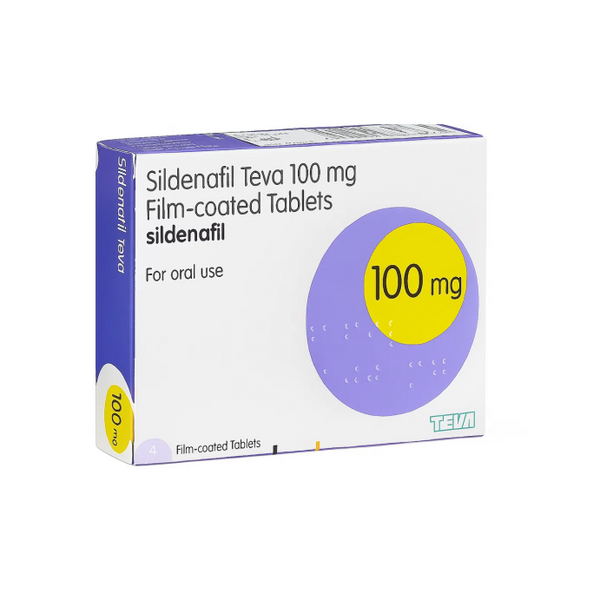
Sildenafil
Sildenafil usually starts working within about 30 to 60 minutes and is commonly taken around an hour before sex. Its effects can last for several hours, although this varies between people.
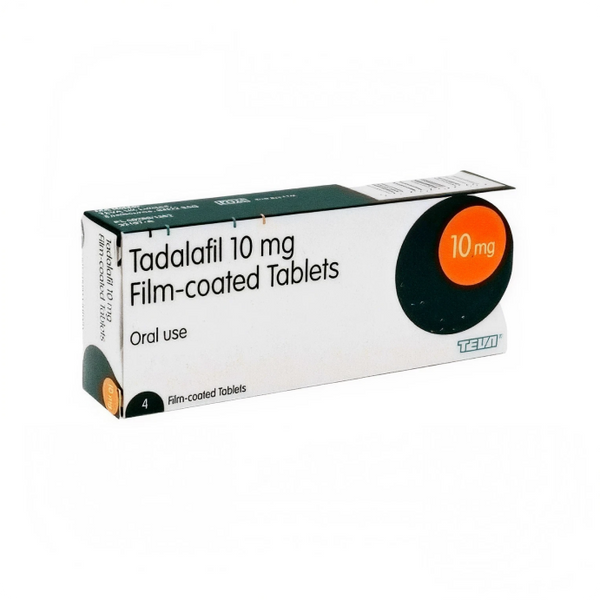
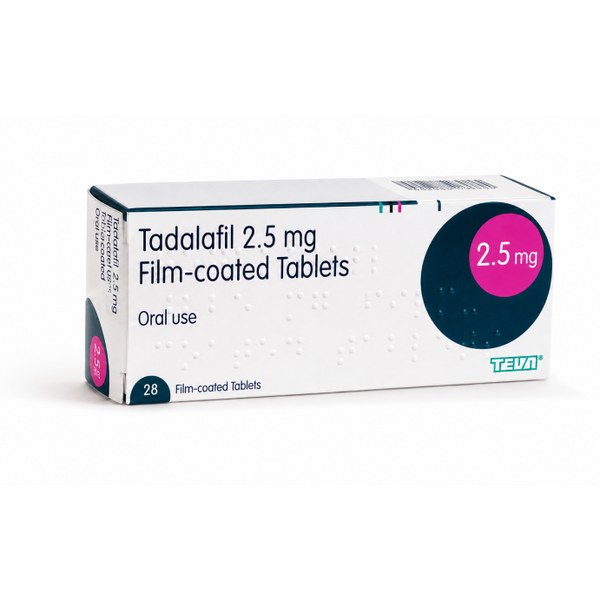
Tadalafil
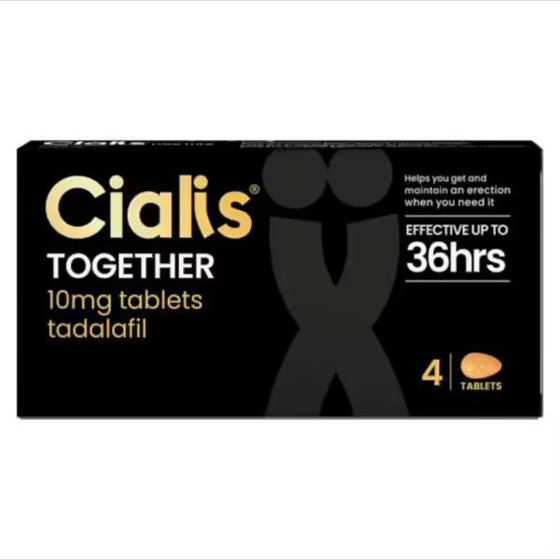
Tadalafil, including tadalafil (Cialis), lasts considerably longer, up to 36 hours, and its absorption is not significantly affected by food. This longer window is why it is sometimes described as offering more flexibility around timing, though it works via the same mechanism as the others.
Vardenafil
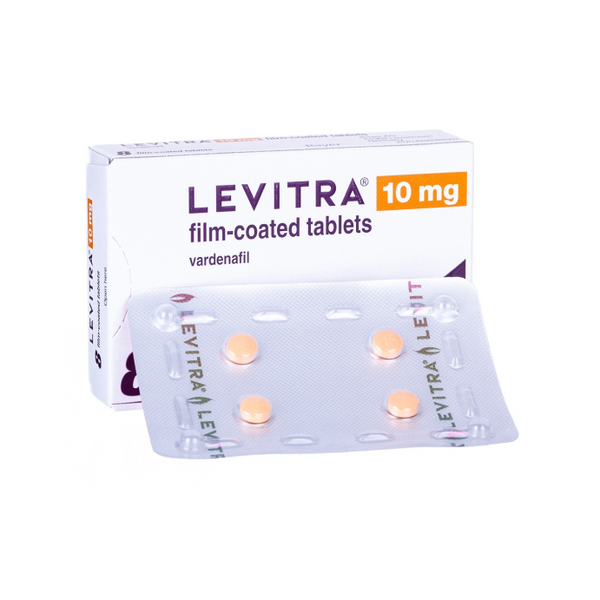
Vardenafil has a broadly similar onset to sildenafil and can be effective for several hours.
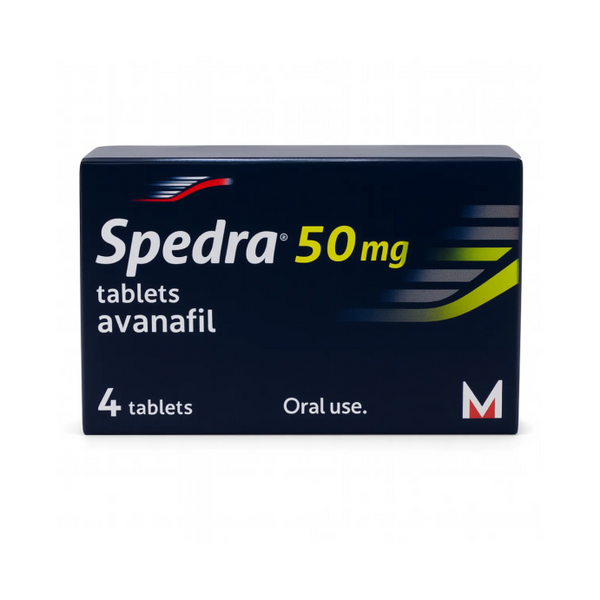
Avanafil
Avanafil can start working relatively quickly and is usually taken 15 to 30 minutes before sexual activity.
| Medication | Typical duration | Food effect |
|---|---|---|
| Sildenafil | Starts in about 30-60 minutes. Effects last several hours | High-fat meal can delay onset |
| Tadalafil | Starts from about 30 minutes. Window up to 36 hours | Not significantly affected by food |
| Vardenafil | Starts from about 30 minutes. Effective for several hours | High-fat meal can delay onset |
| Avanafil | Usually taken 15-30 minutes before sexual activity | High-fat meal can delay onset |
Which one, if any, is appropriate for you depends on an individual clinical assessment, not a personal preference for timing alone. Your prescriber will take your health, current medication and the underlying cause into account before recommending one.
Can You Treat PE and ED With the Same Medication?
Not usually with a single product. Premature ejaculation (PE) and ED are two separate conditions with two separate mechanisms. In the UK practice when both conditions need treatment, they may require different treatments, depending on the individual's symptoms and assessment. ED drugs such as sildenafil or tadalafil for the erection difficulty, and a PE-specific medication for the timing difficulty, if both apply to you.
It is genuinely common for both to occur together, sometimes because anxiety about one makes the other worse, so it is worth mentioning both at your assessment rather than treating them as unrelated. A prescriber can advise on whether treating both is appropriate and how, based on your specific situation, rather than assuming one combined product covers everything.
This is also a good example of why a proper assessment matters more than picking a medication by name. Two men who both search "ED medication" can walk away with genuinely different prescriptions once a prescriber has actually looked at what is going on, because dose selection matters too, as higher doses of PDE5 inhibitors can increase the risk of side effects, and that is the assessment working as intended rather than a sign of inconsistency.
ED Medication Side Effects
Like any medication, ED medication, or ED tablets, can cause side effects, most commonly headache, flushing, indigestion and a stuffy nose, related to the same blood-vessel effect that helps with the erection itself.
Tadalafil specifically can cause back or muscle pain in some men, appearing later than the other effects and settling on its own.
Most ED medications are well-tolerated. Rare but serious problems can include a prolonged or painful erection (priapism), severe low blood pressure, and sudden changes in vision or hearing.
For a full breakdown of side effects by medication type and what to do about them, that deserves its own dedicated read rather than a partial list here.
Most side effects are mild and settle without needing to stop treatment, but they are worth mentioning at a follow-up rather than simply tolerating something that is genuinely bothering you. A prescriber reviewing your plan can sometimes address a side effect by adjusting the dose or trying a different medication in the same class, rather than assuming you have to choose between the side effect and no treatment at all.
Who Should Not Take ED Medication
ED medication is not suitable for everyone. It should not be taken alongside nitrate medication. Some heart conditions mean sexual activity or PDE5 inhibitors may not be appropriate, so cardiovascular history needs to be assessed before prescribing.
Certain other medicines, particularly alpha-blockers used for blood pressure or prostate symptoms, can also interact, and severe liver or kidney problems may affect which option is appropriate. This is exactly why a proper clinical assessment needs to happen first, rather than a self-selected purchase based on the name of the medication alone.
ED Medication and Other Health Conditions
ED medication does not exist in isolation from the rest of your health, and a proper assessment takes that into account rather than treating the prescription as a standalone decision.
Diabetes and high blood pressure are both closely linked to ED and are managed with their own medicines, some of which can themselves affect erectile function, as can certain medications, so your prescriber needs the full picture of what you are taking.
Recurrent erection problems can sometimes be a marker of cardiovascular or other health problems, so they should not be ignored.
Diabetes is strongly associated with ED, with erectile difficulties becoming more common as diabetes and its complications develop.
High cholesterol can impair blood flow and contribute to ED.
Mental health medication matters too: some antidepressants can contribute to ED, and mental health problems can also play a role, so any change to how those are managed should go through the prescriber responsible for that medicine, never adjusted independently because of an ED prescription.
Lifestyle changes such as quitting smoking, reducing alcohol intake, and losing weight can help improve erectile dysfunction.
What If ED Medication Does not Work?
This is common and worth knowing about before you start, not just after. Around 40% of men stop their first prescribed medication because it is not effective enough, and that is not a dead end, it is a normal part of finding the right fit.
The usual next step is going back to your prescriber to review the dose, try a different medication within the same class, or consider a non-medication option such as a vacuum pump, rather than assuming nothing will help. These devices physically draw blood into the penis to facilitate an erection.
Other ed treatments may include alprostadil, a prostaglandin E1 analogue available in some settings as an injection or intra-urethral treatment.
Testosterone replacement therapy may also be considered if testosterone deficiency is identified.
Low-intensity shockwave therapy is being studied and may provide some benefit in selected men, but it is not a routine first-line treatment and the evidence remains less established than for PDE5 inhibitors.
Taking more than the amount prescribed, or combining more than one ED medication, is not a safe way to try to improve results and should never be done without medical advice.
How to Get ED Medication
The safe route is a proper assessment from a UK-registered prescriber, either in person or through an online consultation, covering your medical history, current medication, lifestyle and relevant risk factors, before anything is prescribed, including alternatives such as avanafil (Spedra), depending on what is appropriate for you.
Always check that any online pharmacy is GPhC-registered before ordering. Buying from an unregulated seller is a genuine risk, since counterfeit ED medication can contain the wrong dose, the wrong ingredient, or nothing effective at all, and there is no way to verify what you are actually taking from an unverified source. This applies whether the seller is a website, a social media account, or an in-person contact, none of that changes the underlying risk of not knowing what is actually in the tablet.
If your first medication does not work well enough, that is common and not a dead end. It is a reason to go back to your prescriber to review the dose, try a different medication, or consider a non-medication option, rather than assuming nothing will help. If one option is unsuitable, another approved generic treatment or branded option may be reviewed by the prescriber.
Medical Disclaimer
This page is for general information only and is not a substitute for a one-to-one clinical assessment. It does not cover every possible medication, interaction or contraindication, and should not be used to self-diagnose or to start, stop or change any medication. If you have an erection that lasts more than 4 hours, this is a medical emergency: seek immediate medical care at A&E or call 999.
Frequently Asked Questions
What does ED medication mean?
What does ED medication actually do?
Can you take PE and ED medication together?
What are the main types of ED medication?
How do I get ED medication?
Is it safe to buy ED medication online?
What are the side effects of ED medication?
Does ED medication work for everyone?
Can I take ED medication with blood pressure medication?
How quickly does ED medication start working?
Can ED medication be taken every day?
Does food affect how ED medication works?
Can I try more than one type of ED medication?
Is ED medication a long-term treatment or a one-off?
How to Fix ED: Why There is No One Universal Fix
Can ED Be Cured? Curable vs Treatable, Explained
Related Posts


Cheap Tadalafil UK: How to Compare Prices Safely