How Long Does ED Last? Recovery Timelines by Cause and Treatment
- Gives real timeline ranges by cause instead of one vague answer for everything
- Publishes the MHRA figure most pages miss: some men needed up to eight separate doses
- Separates causes that resolve on a timeline from causes that are managed rather than timed
- States clearly when waiting is the wrong choice, and what to do instead
How long ED lasts depends entirely on what is causing it, and the honest range runs from a few days to indefinitely. That sounds unhelpful until you split it by cause, at which point the timelines become specific.
Erectile dysfunction linked to a temporary trigger, such as heavy drinking, stress, poor sleep or a contributing medicine, may improve once that factor is addressed. Erectile dysfunction linked to vascular or nerve problems is different: it may need ongoing management rather than a simple countdown, although treatment can still improve erectile function.
So the useful question is which of those two groups you are in. This page sets out the timelines for each cause, how quickly treatment works, and when waiting is the wrong choice.
Treatment methods vary widely, from lifestyle changes like quitting smoking, maintaining a healthy weight, and increasing blood flow through regular exercise, to medical treatments including erectile dysfunction medication, testosterone replacement therapy, penile implants, vacuum pumps, and surgical treatment. Early diagnosis helps discover underlying medical problems that may be contributing to erectile dysfunction symptoms, allowing for targeted treatment.
Lifestyle changes are a cornerstone of overcoming erectile dysfunction. Quitting smoking, reducing alcohol intake, and managing stress can significantly improve erectile function. Medical treatment options such as oral medications (PDE5 inhibitors), injections, and other treatments can stimulate blood flow and help regain erectile strength. In some cases, permanent erectile dysfunction may occur, especially when caused by irreversible nerve or vascular damage, but many men experience erectile dysfunction recovery with appropriate interventions.
Overall, how long erectile dysfunction lasts depends on the cause, the presence of underlying health conditions, and how promptly treatment methods are applied to fix erectile dysfunction and improve erectile function.
Key things to know
- There is no single duration for erectile dysfunction. The timeline is set by the cause, not by the condition.
- Reversible causes such as alcohol, poor sleep, stress and a contributing medicine may improve once the underlying factor is addressed.
- Vascular causes are usually managed rather than counted down to a fixed recovery date. Erectile function can improve with treatment and cardiovascular risk-factor management, although the underlying vascular disease may not be completely reversible.
- MHRA documentation records that sildenafil 50mg "normally takes between 30 to 60 minutes to work".
- MHRA documentation reports improved function after the first dose in 40.8% of men receiving sildenafil 50mg, while some men reported improvement only after several doses, with results reported across up to eight doses.
- NICE defines erectile dysfunction as the persistent inability to attain and maintain an erection, so occasional difficulty is not the condition and does not need a recovery timeline.
- A gradual and persistent change in erectile function should not simply be left to see whether it improves, because ED can be associated with cardiovascular and other underlying health problems.
How long does ED last?
From a few days to indefinitely, and the cause decides which. The table below is the most direct answer this page can give.
| Cause | Typical timeline once addressed |
|---|---|
| Heavy drinking period | May improve over days to weeks if alcohol was a major contributor |
| Poor sleep | May improve once sleep improves |
| Short term stress or worry | May improve as the stressor settles, persistent anxiety can prolong symptoms |
| A contributing medicine | May improve after a prescriber reviews or changes the medicine |
| Untreated blood glucose or blood pressure | Improvement depends on how well the underlying condition is controlled |
| Smoking | Improvement may occur after stopping, but the timeframe varies |
| Excess weight and inactivity | Improvement may occur with sustained lifestyle change |
| Established arterial narrowing | Usually managed on an ongoing basis, treatment may improve erectile function |
| Nerve damage | Recovery varies widely and may be incomplete |
Two things to read out of that table.
The first few rows are the causes most likely to have a noticeable change once the trigger is addressed. The later rows are less predictable and may require ongoing treatment rather than a fixed recovery period.
The bottom two rows do not have a timeline, and any page that gives one for them is guessing. They are managed rather than cured, which is a different thing from being hopeless.
How long does ED take to go away?
The question arrives in many forms and the answer is the same for all of them. If you are asking how long ED takes to go away, the answer still depends on the cause. Temporary problems may improve once the trigger passes, while vascular, neurological or other underlying causes may need ongoing treatment. "Impotence" is an older term for erectile dysfunction, so the same principle applies.
How long does temporary ED last?
Temporary erectile difficulty may improve over days or weeks when it is linked to an identifiable, passing trigger such as heavy drinking, poor sleep, illness, stress or a contributing medicine.
A pattern that is persistent, worsening or occurring on most occasions deserves assessment rather than simply waiting. Changes in morning or spontaneous erections can be useful information to mention to a clinician, but they do not by themselves establish the cause.
Does ED go away on its own?
Sometimes, if the underlying cause is temporary and goes away. Erectile difficulty linked to alcohol, poor sleep, short-term stress or an illness may improve when the trigger settles.
If a medicine is contributing, a prescriber may need to review the treatment rather than simply waiting for the problem to disappear.
Where ED is linked to vascular disease or another ongoing condition, it is more likely to need assessment and treatment rather than simply resolving on its own. ED can also be associated with cardiovascular risk factors, so persistent symptoms are worth discussing with a healthcare professional.
Cardiovascular disease is a common cause erectile dysfunction happens, as it restricts blood flow to the penile tissue.
Erectile dysfunction affects a significant portion of men, with over 50% of men aged 40 to 70 experiencing symptoms to some degree. The condition can overlap with other dysfunctions such as premature ejaculation, which may require combined treatment approaches.
Lifestyle factors play a crucial role in both the development and recovery from erectile dysfunction. Quitting smoking, reducing alcohol consumption, maintaining a healthy weight, and regular exercise improve blood vessel health and hormone balance, helping to combat erectile dysfunction and improve overall health.
Emerging treatments like focused shockwave therapy and pelvic floor rehabilitation show promise in improving erectile function by enhancing blood flow and nerve function. Meanwhile, traditional treatments like PDE5 inhibitors remain effective for many men.
For men experiencing psychological ED, addressing mental health through counseling or cognitive behavioral therapy alongside erectile dysfunction self care practices can significantly improve outcomes. Engaging a supportive partner in therapy can also enhance recovery.
Overall, while some cases of erectile dysfunction may be permanent due to irreversible nerve or vascular damage, many men can overcome ED or substantially improve their condition with timely diagnosis, appropriate treatment, and lifestyle changes. Consulting healthcare professionals early is essential to prevent progression and optimize recovery.
Recovery timelines by cause
The single most useful thing you can do is work out which cause applies, because that sets the timeline.
How long does ED last after quitting alcohol?
Improvement may occur over days to weeks when alcohol is the main contributor, although the timeframe varies.
Alcohol contributes in two ways.It can interfere with the nervous and vascular processes involved in erections, and heavier drinking can also contribute to longer-term health problems that affect erectile function.
The UK Chief Medical Officers' guidance, published in August 2016, states that "to keep health risks from alcohol to a low level it is safest not to drink more than 14 units a week on a regular basis", and that anyone regularly drinking that much should "spread your drinking evenly over 3 or more days".
Two caveats. If drinking has been heavy over years rather than weeks, some effect may be through nerve or vascular damage, which recovers more slowly or not fully. And if reducing alcohol produces no change over several weeks, it was probably not the main driver, which is useful information rather than a failure.
In addition, alcohol-related erectile dysfunction often overlaps with other physical and psychological causes, including mental health conditions and underlying cardiovascular disease, which can affect recovery time.
Improving blood flow through lifestyle changes such as regular exercise and a diet rich in fruits and vegetables supports maintaining erectile function during recovery. Addressing any digestive and kidney diseases or other chronic conditions is also important, as these can contribute to the erectile dysfunction problem.
Overall, quitting alcohol is a key step in treating erectile dysfunction, but comprehensive care that includes diagnosis of erectile dysfunction and tailored erectile dysfunction treatments is necessary to cure erectile dysfunction permanently or significantly improve symptoms.
How long does stress related ED last?
Days to weeks once the stressor eases, but longer where an anticipatory loop has formed. That second part is what most pages leave out.
Stress and anxiety can interfere with the processes needed for an erection, including through increased sympathetic nervous-system activity. Once the original stressor settles, erectile function may improve, but worry about performance can sometimes keep the problem going.
When the stressor passes, that direct effect passes with it, often within days. The complication is that a run of difficult occasions can produce worry about the next one, and that worry acts through the same adrenaline pathway independently of the original stress. The loop can outlast its cause by months.
Breaking it needs two things: the physical contributors checked and dealt with, so nothing real is feeding the worry, and enough successful occasions to reset the expectation. This is also where treatment can help indirectly, by removing the uncertainty that sustains the loop.
How long does ED last after a medicine change?
Usually weeks after a prescriber review, and this is the fastest fix on the list when it applies.
The NICE evidence summary names antihypertensive drugs among the causes of erectile dysfunction, and thiazide-like diuretics and beta blockers have the longest recognised association. In a Drug Safety Update published on 11 May 2026, the MHRA strengthened warnings for finasteride and dutasteride, stating that difficulty having an erection is among the side effects that may persist even after treatment is stopped.
That sets an important expectation. For most medicines, stopping or switching resolves the effect within weeks. For finasteride and dutasteride specifically, the MHRA states the effect may persist after stopping, so no timeline should be promised.
Never stop a prescribed medicine on your own to find out. Stopping a blood pressure or heart medicine carries real risk. Take the question to the prescriber, who can often switch within the same treatment step.
How long does ED last when the cause is vascular?
This is where the question changes shape. Vascular erectile dysfunction is often managed over time rather than given a fixed recovery date. Erectile function may improve when cardiovascular risk factors are addressed, but the amount and speed of improvement vary.
- Blood pressure, cholesterol and blood glucose: controlling these can support vascular health and erectile function.
- Stopping smoking: reduces an important cardiovascular risk factor and may improve erectile function over time.
- Weight loss and regular activity: can improve cardiovascular health and may improve erectile function.
- PDE5 inhibitors: can improve erections when they are suitable, but they do not remove the underlying cardiovascular risk factors.
NICE's evidence summary notes that ED shares risk factors with cardiovascular disease and may sometimes be an early manifestation of vascular disease
How long does ED last after prostate treatment?
Recovery after prostate cancer treatment can take months or longer, and the degree of recovery varies considerably between individuals and according to the treatment received.
Nerve tissue disturbed during treatment recovers gradually if it recovers at all. In avanafil trials described in the NICE evidence summary, response on the main endpoint was 57.1% against 27.0% for placebo among 646 participants in a general population, but 23.4% against 8.9% among 298 men after prostate surgery.
Lower, but not nothing. NICE quality standards state that people with adverse effects of prostate cancer treatment should be referred to specialist services, including erectile dysfunction services, and that route is worth asking about rather than waiting alone.
Additional factors influencing duration and recovery
Age is associated with a higher likelihood of erectile dysfunction and with conditions that can contribute to it, but age alone does not determine how long recovery will take.
Older men tend to experience longer-lasting erectile dysfunction due to age-related vascular and neurological changes. Conditions like atherosclerosis, which narrows arteries, are common physical causes leading to prolonged erectile dysfunction.
Psychological erectile dysfunction, linked to stress, anxiety, or depression, can often improve more rapidly with appropriate counseling or cognitive behavioral therapy. Engaging in therapy and addressing psychological factors can reduce the duration of erectile dysfunction related to mental health.
Lifestyle habits such as smoking contribute heavily to male dysfunction by damaging blood vessels and reducing blood flow. Quitting smoking can improve erectile function within weeks to months, supporting recovery.
Neurological disorders that affect nerve function may cause chronic erectile dysfunction due to nerve damage, often requiring specialized treatment. Hormone replacement therapy may assist in improving symptoms where appropriate.
Erectile dysfunction depends on multiple factors including vascular health, nerve function, hormonal balance, and psychological wellbeing.
Using devices such as vacuum erection devices (penis pumps) can aid in achieving an erection by creating a vacuum that increases blood flow, providing an alternative or adjunct to medication.
How long for ED medication to work?
Within about an hour for a single dose, but possibly several separate occasions before you know whether it works for you. Those are two different questions and confusing them is the most common reason people conclude treatment has failed.
How long does a single dose take to work?
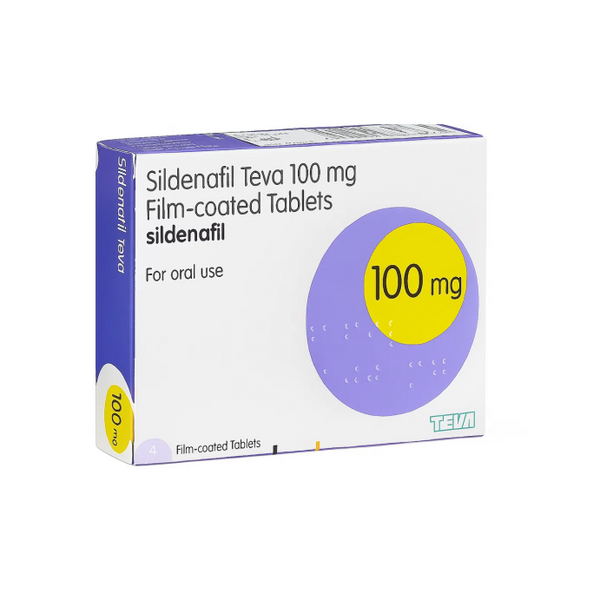
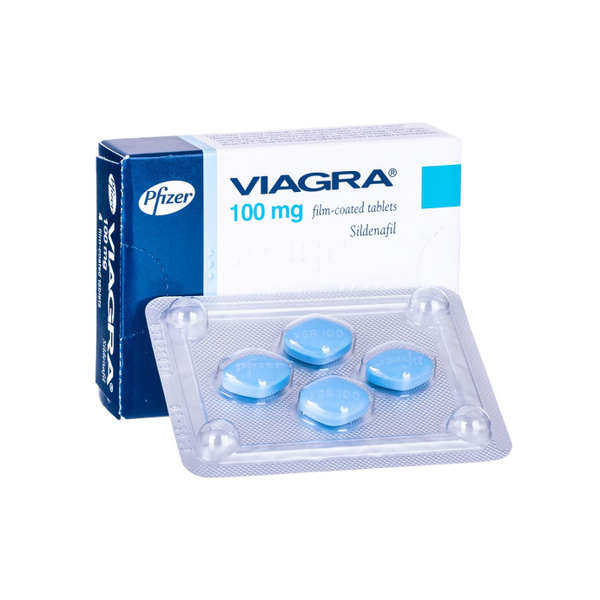
MHRA documentation for sildenafil 50mg states that it "normally takes between 30 to 60 minutes to work", that "maximum observed plasma concentrations are reached within 30 to 120 minutes", and that it "was effective at various times post-dose from less than 1 hour to up to 4 hours".
So the window is roughly half an hour to an hour for onset, with effect observed across a period of up to four hours, and it can be taken up to four hours in advance rather than immediately beforehand.
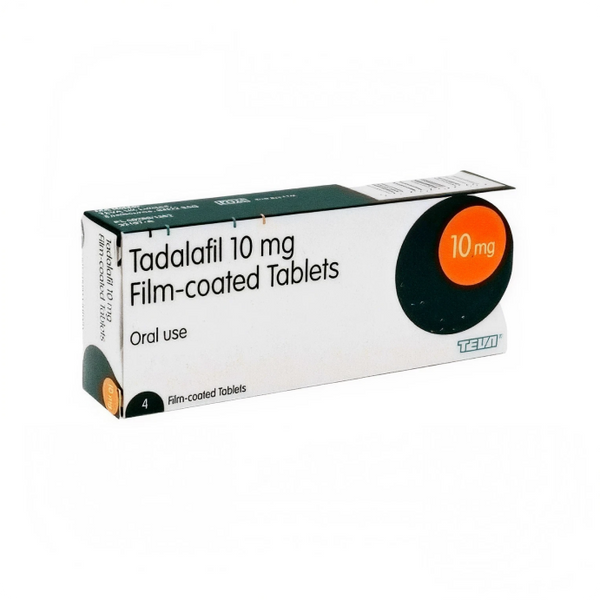
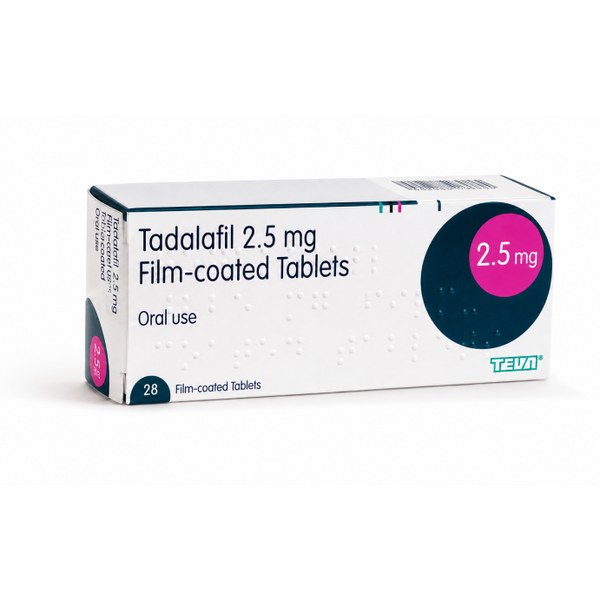
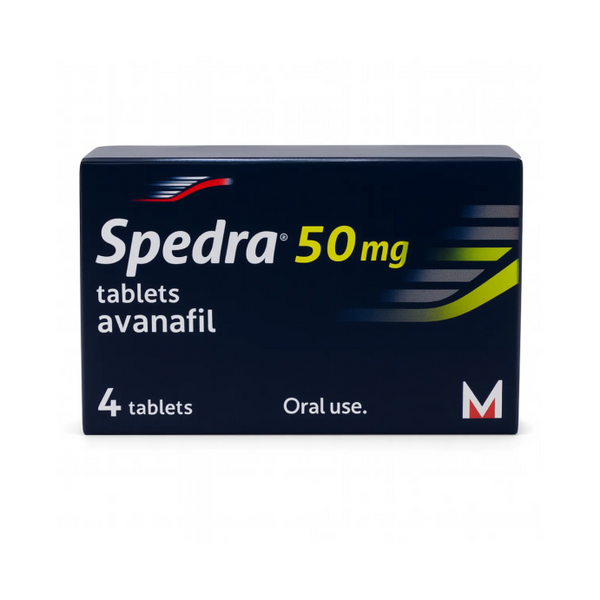
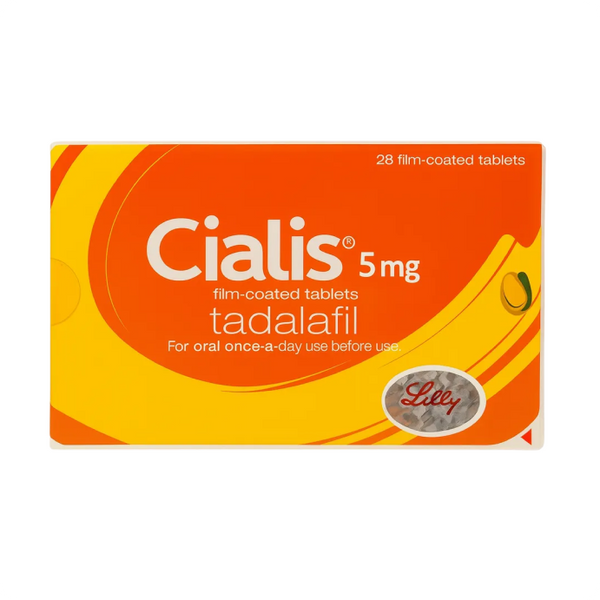
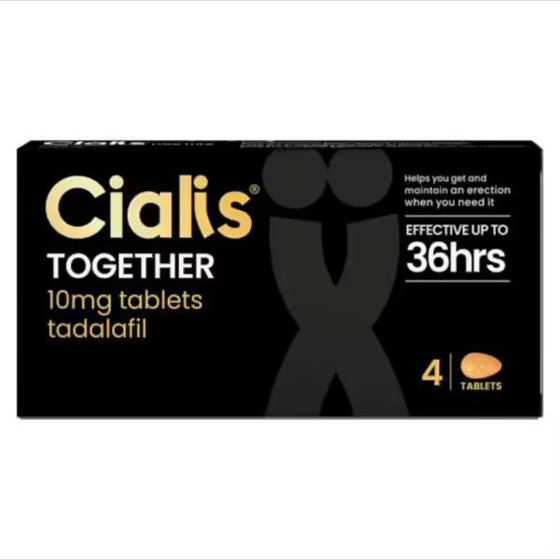
Other medicines in the group differ. Tadalafil acts for considerably longer and also comes in a lower strength daily form, which removes timing from the question entirely. Your prescriber will determine the appropriate treatment.
How many attempts before you know?
More than one, and possibly several. This is the figure most pages omit and it is the most useful number on this page.
MHRA documentation for sildenafil 50mg states that it normally takes between 30 and 60 minutes to work. The same documentation reports effectiveness at various times after dosing, from less than one hour to up to four hours.
The figures should be read together: some men respond on the first occasion, while others may need several separate attempts before improvement is reported. The MHRA documentation reports results across up to eight doses.
Never take more than one tablet in a day to speed this up, and never double up on an occasion that did not work. Persistence here means more separate occasions, not more tablets.
What to do if treatment does not work
Go back to the prescriber rather than escalating on your own. MHRA documentation states plainly that anyone who has taken it as directed "and are still not able to get and keep an erection" should talk to their pharmacist or doctor.
Three things a prescriber can do that you cannot: review whether the cause has been identified and treated, review whether another medicine is contributing, and consider whether a different option is appropriate. Treatment suitability depends on an individual clinical assessment.
Can ED be reversed?
Sometimes fully, more often partially, and it depends on which step of the process failed. Reversal and management are both real outcomes and neither is failure.
Three realistic outcomes:
- Full reversal. This may happen when the underlying cause is temporary and successfully removed.
- Substantial improvement with treatment. The cause persists but responds. The usual outcome for vascular causes.
- Partial improvement. Nerve pathways have been damaged. Response to tablets is measurably lower, as the avanafil figures above show.
Is ED permanent?
ED is not necessarily permanent, but whether it can be reversed depends on its cause. Erectile dysfunction can often be treated successfully, although treatment does not always cure the underlying problem.
Permanent cause does not mean permanent symptom. Established arterial narrowing does not reverse, but the symptom it produces frequently responds to treatment. A cause that stays does not mean a problem that stays.
Untreated does not mean untreatable. If the cause has not been assessed, it is not possible to know whether the problem will resolve, improve or require ongoing treatment.
How long does it take to reverse ED?
Improvement may happen relatively quickly when a temporary cause is removed, while changes linked to cardiovascular health, weight, physical activity or other underlying conditions may take longer. The exact timeframe varies considerably between individuals.
A realistic plan may therefore involve both short-term steps that address immediate contributors and longer-term changes that improve overall health and erectile function.
ED recovery time: what makes it faster or slower
Four factors do most of the work, and three of them are things you can influence.
| Factor | Faster recovery | Slower recovery |
|---|---|---|
| How long it has been present | Weeks or a few months | Years, especially untreated |
| Number of causes | One identifiable driver | Several acting together |
| Whether the cause is removable | Alcohol, sleep, a medicine | Established arterial or nerve change |
| Whether other conditions are controlled | Blood pressure, glucose and cholesterol at target | Untreated or poorly controlled |
The most common reason recovery is slower than expected is the second row. Several small contributors together produce the same symptom as one large one, so removing only one gives only partial improvement.
The most common reason it is faster than expected is the third row. People underestimate how often a single removable cause is behind it, particularly a medicine started in the year before the change.
When waiting is the wrong choice
If there is an obvious temporary trigger, it may be reasonable to see whether symptoms improve as that trigger settles. However, persistent, worsening or unexplained ED should be assessed rather than simply left untreated.
Seek advice promptly if any of the following apply:
- The change has been gradual and near total over months, with morning erections reduced or absent
- Chest pain, breathlessness or palpitations, especially on exertion
- Pain in the calves or thighs when walking that eases with rest
- A change within weeks of starting a new medicine
- Unexplained weight loss, excessive thirst or frequent urination
- Pain when you get an erection, or a lump or change in shape or curvature
- An erection lasting more than four hours, known as priapism, which needs urgent medical attention
- Persistent low mood, or thoughts of harming yourself
The first three are on that list because of the cardiovascular overlap. Where erectile dysfunction is an early vascular signal, the value of that signal is entirely in acting on it early.
If you are considering ED treatment, speak to a GP, pharmacist or appropriately qualified prescriber so that your symptoms, medical history and current medicines can be assessed. Avoid buying ED medicines from unauthorised online sellers. The MHRA advises checking that an online pharmacy is properly registered.
To find out whether treatment is appropriate for you, alongside dealing with the cause, you can check your eligibility for erectile dysfunction treatment through an online consultation with UK registered prescribers. EveryDayMeds is a GPhC registered pharmacy, and clinical assessment happens before supply.
Medical Disclaimer
This article provides general information and does not replace personalised medical advice. It should not be used to self-diagnose, self-prescribe, self-medicate, or start, stop or change any medicine.
The timelines described are general patterns, not predictions for any individual. Recovery depends on the cause, how long the problem has been present, and other health conditions and medicines. Erectile dysfunction can have several causes, some of which may require medical assessment.
Whether a particular treatment is suitable depends on an individual clinical assessment by an appropriately qualified healthcare professional, who can consider your medical history, current medicines and cardiovascular health. Results vary between individuals.
Never take more than the prescribed amount of any medicine, and never take an extra dose because a previous dose did not appear to work.
Seek urgent medical attention if you experience chest pain, an erection lasting more than four hours, sudden vision loss or sudden hearing loss.
Frequently Asked Questions
How long does ED last?
How long does erectile dysfunction last?
How long does temporary ED last?
Does ED go away on its own?
How long does ED last after quitting alcohol?
How long does stress related ED last?
How long does it take to reverse ED?
How long for ED medication to work?
How many times should I try ED treatment before deciding it does not work?
What should I do if ED treatment does not work?
Can ED be reversed?
Is ED permanent?
How long does ED take to cure after a medicine change?
ED in Young Men: How Common It Is and Why
Can't Get Fully Erect? Soft Erection Causes
Related Posts


Cheap Tadalafil UK: How to Compare Prices Safely