Can't Get Fully Erect? What Causes Soft Erections and How to Fix Them
If you can get partially erect but not fully, the erection process is starting but is not producing enough rigidity. That can happen for several reasons, including reduced blood flow, medication effects, alcohol, psychological factors, hormonal problems or nerve-related problems.
Here is what partial rigidity usually means. The nerve signal arrives, the tissue responds, and blood enters the arteries. What does not happen is enough inflow to reach the pressure that seals the draining veins. Without that seal, the tissue fills but never becomes fully rigid. So the problem is the volume of blood flow, not the signal.
This distinction matters because several established ED treatments work by improving the erectile response, while addressing underlying health and lifestyle factors can also help. The right treatment depends on the cause.
This page covers what a soft erection is, what causes it, what different patterns point to, and what genuinely helps. It also discusses the importance of consulting a health clinic or using an online doctor service for proper assessment and treatment. Addressing mental health problems and psychological conditions alongside physical problems is crucial for overall well being and improving erection problems.
Key things to know
- Partial rigidity is a common way that erectile difficulties can present.
- Partial rigidity can be associated with reduced blood flow, but medicines, alcohol, psychological factors, hormonal problems and nerve-related conditions can also contribute.
- Objective erectile-function testing can use a 60% rigidity threshold in specific measurements, but this is not a universal definition of how hard an erection should feel.
- MHRA documentation states that psychological causes account for about 1 in 10 cases of ED. It also notes that ED can have both physical and psychological contributors, so the figure should not be treated as a strict physical-versus-psychological split.
- NICE defines erectile dysfunction as the persistent inability to attain and maintain an erection. Occasional softness is not the condition.
- MHRA documentation states that "drinking excessive alcohol can temporarily reduce a man's ability to get an erection".
- A change in morning or spontaneous erections is useful information to mention to a healthcare professional, particularly when erectile difficulties are persistent.
What is a soft erection?
A soft erection means the process has started but has not produced or maintained enough rigidity. Problems at different points in this process can contribute. In clinical terms it is partial tumescence: the tissue engorges without achieving the internal pressure that produces firmness.
The mechanism is worth understanding once, because it explains everything else on this page.
- A nerve signal reaches the pelvis and triggers release of a chemical into the erectile tissue.
- The artery walls relax and blood flows in faster than the veins drain it.
- The expanding tissue compresses the draining veins, sealing the outflow.
- Pressure builds, and that pressure is what produces rigidity rather than mere filling.
A soft erection is step four not completing. Steps one and two are working, which is why partial rigidity happens at all, and step three is not reached because inflow was not strong enough to compress the veins.
Understanding this process helps when diagnosing erectile dysfunction impotence, as it highlights the role of vascular and neurological factors in causing erectile dysfunction.
If you are experiencing painful erection or premature ejaculation alongside soft erections, these symptoms may indicate underlying health conditions or psychogenic erectile dysfunction, and consulting a health clinic is advisable. Mental health conditions such as depression and emotional issues can also contribute to erectile dysfunction impotence by affecting desire and self esteem.
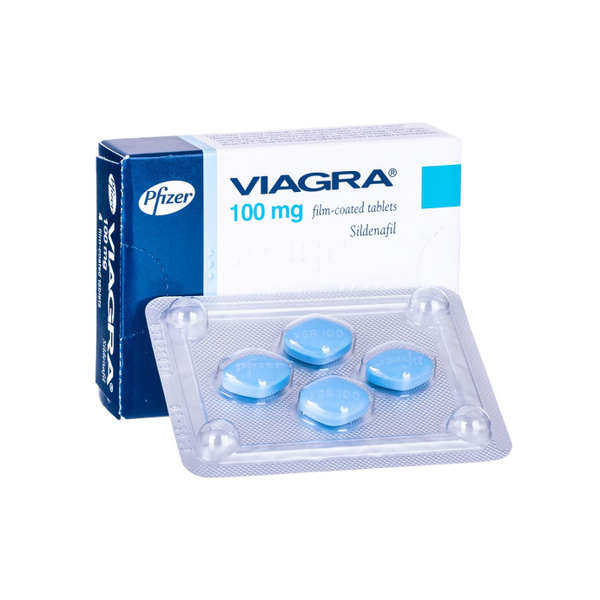
Medical treatments include PDE-5 inhibitors like viagra, vacuum pumps, and other treatment methods such as sound waves therapy. Therapy and cognitive behavioural therapy can address psychological causes. The national health service provides guidelines and access to these treatments, often after a thorough history and clinical assessment to diagnose erectile dysfunction and its underlying cause.
Maintaining a healthy weight, quitting smoking, and making certain lifestyle changes can improve vascular health and help in treating erectile dysfunction. Taking medication for other health conditions may sometimes cause erectile dysfunction, so a review of all medicines is important. Younger men may experience psychogenic erectile dysfunction more often, while older men are more likely to have physical causes.
If first line treatments are ineffective, options like alprostadil injections or penile implants may be considered after specialist referral.
What "not fully erect" actually means
It means the process starts correctly and stops short, which is different from the process not starting.
The question arrives in many wordings and the answer is the same for all of them. "Not fully erect", "partially erect" and "not hard enough" generally describe the same basic complaint: an erection develops but does not reach or maintain the firmness needed for satisfactory sex.
Two features tell you more than the wording does. Whether it happens on most occasions or only some, and whether morning erections are still occurring. Those two answers change the assessment more than any description of firmness.
The 60% rigidity threshold
Objective tests can measure penile rigidity rather than treating erections as simply "hard" or "not hard". In nocturnal penile tumescence and rigidity testing, a recorded erection reaching at least 60% rigidity for a specified duration is used as an indicator of a functional erectile mechanism.
This does not mean that 60% is a universal target for how firm an erection should feel. In everyday life, a consistent change from your usual erectile function is more useful to discuss with a healthcare professional.
Two things follow from that, and both are useful.
Full rigidity is not the clinical standard. The measured threshold sits well below maximum firmness, so an erection does not have to be at its absolute hardest to count as working.
But a threshold implies a scale. Rigidity is measurable rather than binary, which is why "soft erection" is a real clinical observation and not just a subjective complaint. If you feel you are consistently below where you used to be, that is a legitimate thing to raise.
Why is my erection not hard enough?
There are several possible reasons, including reduced blood flow, diabetes, high blood pressure, high cholesterol, certain medicines, alcohol, psychological factors and nerve or hormonal problems.
The NICE evidence summary identifies physical causes such as diabetes, hypertension and radical prostatectomy, as well as psychological or emotional causes and certain medicines.
Because ED can be associated with cardiovascular and metabolic conditions, checking factors such as blood pressure, cholesterol and blood glucose may be appropriate rather than assuming the problem is psychological.
Soft erection causes
The causes divide by how quickly they can be removed, which is more useful than dividing them by organ system.
| Cause | What it does to rigidity | How reversible |
|---|---|---|
| Reduced arterial inflow | Not enough flow to reach the sealing pressure | Improvable, rarely fully reversed |
| Raised blood pressure or cholesterol | Damages the vessel lining, reducing the chemical signal | Improvable with control |
| Raised blood glucose or diabetes | Affects both vessels and nerves over time | Improvable with control |
| A contributing medicine | Interferes with the signal or the vessels | Frequently reversible |
| Alcohol | Lowers blood pressure and dulls the signal | Reversible |
| Smoking | Damages the lining that produces the signal | Halted by stopping |
| Poor sleep | Affects nerve signalling and hormonal background | Reversible |
| Stress, anxiety or low mood | Adrenaline keeps arteries constricted | Often reversible |
| Nerve damage | Weakens the signal that starts the process | Rarely reversed, treatment still helps |
The top three rows are where most persistent partial rigidity comes from. The next four are where most quick improvements come from.
Semi erect only, or half erect not full: what that pattern points to
Consistent partial rigidity on most occasions points to a physical cause. Partial rigidity that varies, with some occasions unaffected, points to something situational.
That distinction does more work than the degree of firmness. Here is how to read your own pattern.
| Pattern | What it may suggest | What to do |
|---|---|---|
| Partial erections on most occasions | An ongoing physical, psychological or medication-related contributor | Arrange an assessment |
| Partial erections but normal spontaneous erections | A situational or psychological contributor may be involved, but this does not rule out physical causes | Consider stress, medicines and other contributors |
| Partial erections only sometimes | Situational factors such as stress, tiredness or alcohol may contribute | Look for patterns and address obvious triggers |
| Started after a new prescription | A medicine-related effect is possible | Discuss it with the prescriber, do not stop it yourself |
| Gradual reduction over months or years | An underlying health or vascular contributor is possible | Arrange an assessment |
Morning or spontaneous erections can provide useful information, but they do not by themselves identify whether the cause is vascular, psychological, hormonal or medication-related.
Why partial rigidity can still respond to treatment
Because two of the three requirements are already met, and treatment acts on the third.
Partial rigidity does not mean that treatment cannot help. PDE5 inhibitors are established first-line pharmacological treatments for ED when appropriate, and other options include vacuum erection devices and alprostadil.
Response varies considerably between individuals and depends on the underlying cause. The MHRA's sildenafil documentation reports improved function after the first dose in 40.8% of men receiving sildenafil 50mg, with some men reporting improvement only after several doses, across up to eight doses. NICE evidence also shows that treatment response can differ in men with more severe or post-prostatectomy ED.
Partial rigidity usually sits in the first group rather than the second, which is why the outlook is reasonable.
Vacuum erection devices can be effective for many men, with European guideline evidence cited by NICE reporting efficacy of up to 90% for achieving rigidity sufficient for vaginal penetration. Intracavernosal alprostadil is also an established option, with the same evidence reporting efficacy above 70%. Results vary by treatment and individual.
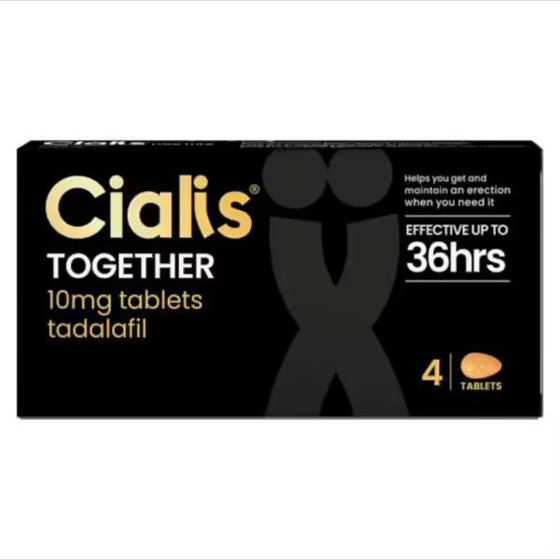
Tadalafil is notable for its longer duration, lasting up to 36 hours, providing flexibility around timing.
Psychological factors such as performance anxiety and unresolved relationship conflicts can also contribute to erectile difficulties. Psychological support, including counselling or cognitive behavioural therapy where appropriate, can form part of treatment.
Lifestyle factors play a significant role as well. Regular cardiovascular exercise improves blood flow and vascular health, aiding in maintaining erections. Adopting a heart-healthy diet, quitting smoking, and limiting alcohol intake to no more than 14 units per week support better vascular function. Men who cycle excessively (over three hours per week) may experience worsened symptoms, so adjusting cycling habits can be beneficial.
Consulting a health clinic or healthcare professional is important to assess all potential causes, including medical history, medications, and cardiovascular health. A thorough history and discussion of any psychological or relational factors help tailor treatment effectively.
These combined approaches address the physical and psychological aspects of erectile dysfunction, improving the ability to keep an erection and enhancing overall wellbeing.

What causes soft erections in more detail
Four groups account for nearly all of it, and three of them are things that can be changed.
Arterial and metabolic causes
The vessel lining produces the chemical that widens the arteries. Raised blood pressure, raised cholesterol, raised blood glucose and smoking all damage that lining, so less of the chemical is available and less blood arrives.
This is why partial rigidity is frequently the first noticeable version of a wider circulation problem. The NICE evidence summary notes that erectile dysfunction may be an early manifestation of coronary artery and peripheral vascular disease, and the arteries involved are narrower than the coronary arteries, so narrowing shows there sooner.
That is the strongest argument for getting the numbers measured rather than treating the symptom alone.
Medicines that cause weak erections
Medication-related ED can sometimes improve when the contributing medicine is reviewed or changed.
The NICE evidence summary names antihypertensive drugs among the causes, and thiazide-like diuretics and beta blockers have the longest recognised association. In a Drug Safety Update published on 11 May 2026, the MHRA strengthened warnings for finasteride and dutasteride, stating that difficulty having an erection is among the side effects that may persist even after treatment is stopped.
Never stop a prescribed medicine on your own to test this. Stopping a blood pressure or heart medicine carries real risk. Take the question to the prescriber, who can often switch within the same treatment step.
One question worth asking yourself: did anything change in your prescriptions in the year before the firmness changed?
If you attend a health clinic or consult a healthcare professional, they will take a detailed sexual history and review any medicines you are taking that might affect erectile function. This thorough assessment helps identify other causes and tailor the treatment to your needs.
Sexual desire can also be impacted by certain medications, and addressing this with your healthcare provider can improve overall health and quality of life.
Additionally, psychological support such as therapy or cognitive behavioural therapy may be recommended, especially if emotional or relational factors are contributing to the difficulties.
Consulting with a health clinic or an online doctor service ensures you receive appropriate guidance and access to effective treatments including PDE-5 inhibitors, vacuum pumps, or alprostadil injections when suitable.
Understanding the role of a sexual partner in treatment and therapy can also be important, as relationship dynamics may influence erectile function and treatment outcomes.
Many websites offer information on erectile dysfunction, but only those affiliated with official UK health services should be trusted for accurate guidance and safe treatment options.
In cases where medication is not effective or suitable, other causes such as low testosterone levels or Peyronie's disease may be investigated by specialists.
At least some men benefit from a combination of medical treatment, lifestyle changes, and psychological support to achieve the best results.
Alcohol, smoking and sleep
All three act on rigidity directly, and all three are reversible.
Alcohol, smoking and poor sleep can all contribute to erectile difficulties, although they do so in different ways.
MHRA documentation states that excessive alcohol can temporarily reduce a man's ability to get an erection and recommends lifestyle changes including regular exercise, reducing stress, stopping smoking and avoiding excessive alcohol.
Addressing these factors can support overall cardiovascular and sexual health, although the amount and speed of improvement varies between individuals.
Stress and low mood: the one in ten figure
Psychological causes are real, physiological, and less common than most people assume.
MHRA documentation states that psychological causes account for about 1 in 10 cases of ED.
That should not be interpreted as meaning that ED is either purely physical or purely psychological. The MHRA also notes that physical and psychological factors can coexist. Psychological contributors such as anxiety, depression, performance anxiety and life stress are therefore still important to assess.
There is also a loop worth naming. Reduced firmness produces worry about the next occasion, and that worry then reduces firmness independently of whatever started it. Breaking the loop usually needs the physical contributors dealt with first, so that nothing real is feeding it.
How to get fully erect: what actually helps
Two things together: increase the inflow, and remove what is reducing it. Both matter and the second is not optional.
The NICE evidence summary states that all men with erectile dysfunction should receive appropriate counselling on risk reduction and lifestyle modification, particularly taking exercise or losing weight, and a separate NICE evidence summary states that addressing lifestyle and other possible causes must precede or accompany drug treatment. Before or alongside, not instead of.
How to fix soft erections without medication
In order of how much difference each tends to make, and all four are supported by the MHRA lifestyle list above.
- Review your medicines with a prescriber, particularly anything started in the year before the change. Do not stop anything yourself.
- Reduce alcohol. MHRA documentation states excessive alcohol can temporarily reduce the ability to get an erection, so this is one of the faster changes available.
- Stopping smoking removes an important ongoing cardiovascular risk factor and may improve erectile function over time.
- Exercise regularly and reduce stress, both named in the MHRA lifestyle list, and get blood pressure, cholesterol and blood glucose properly controlled.
What is absent is deliberate. No supplement or food product should be presented as a proven treatment for ED without appropriate clinical evidence. The MHRA material cited here specifically highlights exercise, stress reduction, stopping smoking and avoiding excessive alcohol.
Expect timelines to differ by change. Alcohol and sleep can improve within days to weeks. Smoking, weight and metabolic control improve over months, because the vessel lining changes at that pace.
Weak erection causes and treatment
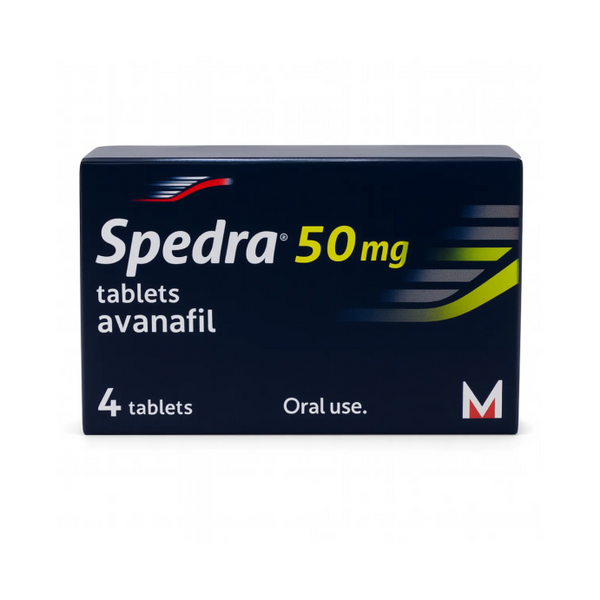
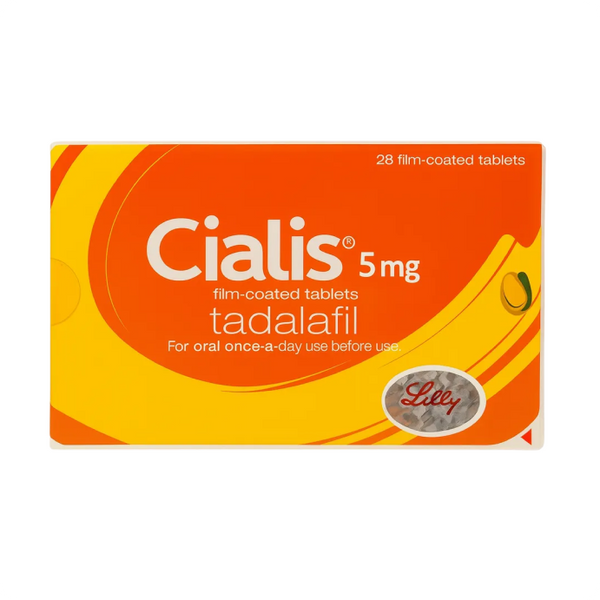
Where treatment is appropriate, the NICE evidence summary describes first line drug treatment as an oral PDE5 inhibitor, naming avanafil, sildenafil, tadalafil and vardenafil.
These medicines do not create the signal. They slow the enzyme that ends an erection, so the body's own signal goes further and more inflow is available. For partial rigidity specifically, that is a direct match to the missing element.
Treatment suitability depends on an individual clinical assessment, and these medicines should only be used under the supervision of an appropriately qualified prescriber. Results vary between individuals.
One absolute limit. MHRA documentation states that sildenafil cannot be used at the same time as nitrates or nitric oxide donors, because the combination can lead to a dangerous fall in blood pressure. It also states that anyone taking alpha blockers must consult their doctor first. If you take a nitrate such as glyceryl trinitrate, this group is not an option, and no dose makes it one.
What to expect from treatment
Not necessarily an immediate answer on the first attempt. MHRA documentation for sildenafil 50mg states that it "normally takes between 30 to 60 minutes to work", and separately that while "for most men, Sildenafil 50 mg will work the first or second time they try it", some men "only reported improvements after several (up to 8) doses".
So a single occasion that produced only partial improvement is not a verdict. Do not take extra doses or increase the dose yourself because one attempt did not work. Persistence means more separate occasions, not more tablets.
If it has been taken as directed and firmness is still not adequate, MHRA documentation says to talk to a pharmacist or doctor rather than escalating alone. That is the right route, because a prescriber can review the cause, other medicines and other options.
The two question fitness check MHRA documentation uses
Before treatment, MHRA documentation applies a simple physical check: "can you walk briskly for 20 minutes or climb 2 flights of stairs without getting breathless?"
The question is intended as a simple screen of cardiovascular fitness for sexual activity. MHRA assessment material says men who become very breathless or develop chest pain with light or moderate physical activity should not use sildenafil without appropriate medical assessment.
Ask it of yourself honestly before anything else. If the answer is no, or if you experience chest pain or significant breathlessness with activity, seek medical advice before starting ED treatment.
Red flags: when to be assessed rather than manage it yourself
Seek advice promptly if any of the following apply:
- You cannot walk briskly for 20 minutes or climb two flights of stairs without becoming breathless.
- Chest pain, breathlessness or palpitations, especially on exertion.
- Pain in the calves or thighs when walking that eases with rest.
- Erectile firmness has gradually and persistently reduced, particularly if there has also been a change in spontaneous or morning erections.
- A change within weeks of starting a new medicine.
- Unexplained weight loss, excessive thirst or frequent urination.
- Pain when you get an erection, or a lump or change in shape or curvature.
- An erection lasting more than four hours, which needs urgent medical attention.
- Persistent low mood, or thoughts of harming yourself.
For the pattern where an erection starts and then goes rather than never reaching full firmness, see our guide to what it means when you cannot get erect, which covers the other symptom patterns in detail.
If you are considering ED treatment, speak to a GP, pharmacist or appropriately qualified prescriber so that your symptoms, medical history and current medicines can be assessed. Avoid buying ED medicines from unauthorised online sellers.
To find out whether treatment is appropriate for you, alongside dealing with the cause, you can check your eligibility for erectile dysfunction treatment through an online consultation with UK registered prescribers. EveryDayMeds is a GPhC registered pharmacy, and clinical assessment happens before supply.
Medical Disclaimer
This article is general information and does not replace personalised medical advice. It gives no dosing instructions and should not be used to self diagnose, self prescribe, self medicate, or to start, stop or change any medicine.
The physiology described here is a general explanation rather than a diagnostic guide. Reduced firmness can have several causes, some of which need medical investigation, and the patterns described are general tendencies rather than rules. Suitability for any treatment depends on an individual clinical assessment by an appropriately qualified prescriber, who will consider your medical history, current medicines and cardiovascular health. These medicines should only be used under the supervision of an appropriately qualified prescriber. Results vary between individuals.
Never take more than the prescribed amount of any medicine, and never take an extra tablet to make up for one that did not appear to work.
Seek urgent medical attention if you experience chest pain, an erection lasting more than four hours, sudden vision loss or sudden hearing loss.
Frequently Asked Questions
What is a soft erection?
I can't get fully erect. What does that mean?
Why is my erection not hard enough?
What does semi erect only or half erect not full mean?
What are the main soft erection causes?
Is a soft erection still erectile dysfunction?
How much rigidity is normal?
Do morning erections tell me anything?
How do I get fully erect again?
How do I fix soft erections without medication?
Does alcohol cause soft erections?
Will treatment make an erection fully firm?
Can partial erections still respond to treatment?
How Long Does ED Last? Recovery Timelines
Is ED Temporary or Permanent? How to Tell
Related Posts


Cheap Tadalafil UK: How to Compare Prices Safely