How Do You Know If You Have ED?
- Clear, judgement-free signs to help you work out whether what you are noticing fits the pattern of ED.
- Understand the difference between a one-off and a genuine, ongoing problem.
- See the physical and psychological causes side by side, at any age.
- When you are ready, online consultation with UK-registered prescribers is here, with no pressure to act now.
You likely have ED if you regularly, not just occasionally, find it difficult to get or keep an erection firm enough for relationship activity, or if your erections have become noticeably softer or shorter lived than they used to be, over a period of weeks or more. A single difficult episode, especially after alcohol, poor sleep or a stressful day, is not the same thing, and it is not unusual.
Erectile dysfunction, or ED, describes a pattern, not a single event. The rest of this page walks through how to recognise that pattern in your own experience, what commonly causes it, why it can happen at any age including in your late teens, and what actually happens if you decide to get checked.
What Counts as Erectile Dysfunction?
Erectile dysfunction is the repeated or ongoing difficulty getting or keeping an erection firm enough for satisfactory relationship activity. "Repeated" and "ongoing" are the operative words here. Difficulty on one occasion is common and, on its own, is not usually a sign of ED.
Is It Normal to Struggle Sometimes?
Yes. Tiredness, alcohol, an unfamiliar situation, nerves with a new partner or a stressful week can all get in the way of an erection on any given occasion. This happens to most men at some point and does not need investigating by itself. What matters is whether it keeps happening.
How Long Before It Counts as ED?
There is no single fixed time cut-off. A prescriber will look at the overall pattern, how often it happens and whether it is causing distress or affecting your sex life. If erection problems keep happening, it is worth speaking to a healthcare professional.
The Main Erectile Dysfunction Symptoms
There are four signs prescribers look for most closely, and they can appear alone or together.
Difficulty Getting an Erection
Difficulty getting an erection despite sexual stimulation can be a sign of ED when it happens repeatedly. Getting an erection but being unable to maintain it long enough for satisfactory sexual activity can be a sign of ED.
A Softer Erection Than Before
Some men can still get an erection but notice it is consistently less firm than it used to be. This is still a recognised sign of ED, not just the more obvious "nothing happens at all" version.
Losing It Partway Through
Losing an erection before you intend to can also be a sign of ED when it happens repeatedly.
A Drop in Desire
Reduced interest or lower physical desire alongside any of the signs above is common, but it is not required for diagnosis. It can be a cause of the erection problem, an effect of it, or unrelated, and is worth mentioning to a prescriber rather than trying to work out alone. Depression can also reduce libido and affect relationship performance, which may contribute to erection problems.
Physical or Psychological? How To Tell the Difference
There is a general pattern prescribers use to weigh up whether a physical or psychological cause is more likely, although the two often overlap and a proper assessment is needed to be sure.
| Pattern | Points more to a physical cause | Points more to a psychological cause |
|---|---|---|
| Onset | May develop gradually, particularly with some health conditions | May appear suddenly, particularly around stress or a specific event |
| Consistency | May occur across different situations | May occur mainly in particular situations |
| Morning or night-time erections | May be reduced, but this is not diagnostic | May still be present |
| Desire | May be unchanged or reduced depending on the cause | May be unchanged or reduced |
| Typical risk factors | Diabetes, cardiovascular risk factors, neurological conditions or some medicines | Stress, anxiety, low mood or relationship difficulties |
Why is it Often Both
Many men experience some overlap between the two. Erections are part of a complicated process involving both the mind and body. A single physical trigger, such as tiredness or alcohol, can lead to a difficult experience. Worry about it happening again can then increase anxiety and make future erections more difficult, even after the original trigger has passed. Physical and psychological factors can therefore reinforce each other.
Common Causes of ED
Causes generally fall into four overlapping groups: underlying health conditions, medicines, lifestyle factors, and mental health or stress.
Health Conditions Linked to ED
Conditions that affect blood flow, such as diabetes, high blood pressure and high cholesterol, are among the most common physical causes, because they can restrict flow to the penis. Heart disease and coronary heart disease can also be an underlying health condition linked to ED. Hormonal changes, including low testosterone, and thyroid problems, as well as neurological conditions that affect nerve signalling, can also play a role in some medical conditions.
Medicines That Can Cause ED
Some medicines for blood pressure, some antidepressants, and a number of other prescribed medicines can cause erectile dysfunction or contribute to erection problems as a side effect. If you think a medicine you are taking might be responsible, do not stop taking it on your own. Speak to whoever prescribed it first, so an alternative can be considered safely if needed.
Lifestyle Factors
Smoking, high alcohol intake, low physical activity, poor sleep and failing to maintain a healthy weight are all linked to a higher likelihood of ED, largely because they affect the same blood vessels involved in an erection, while healthier habits can improve blood flow as well as reduce risk; this also includes avoiding illegal drugs.
Stress, Anxiety and Mental Health
Everyday stress, performance anxiety, low mood, relationship tension, and other mental health issues are genuine, common causes of ED in their own right, not just something to check once a physical cause has been ruled out, and ongoing mental health problems can make symptoms worse. Counselling, psychosexual therapy or cognitive behavioural therapy may help when psychological factors contribute.
Why Do I Have ED at 17, 18 or 19? ED in Younger Men
Erection difficulties can occur in younger men, and occasional difficulties are often linked to factors such as anxiety, stress, tiredness or alcohol. Persistent or complete difficulty can have other causes, including physical or psychological health problems, so it should not automatically be assumed to be age-related.
Is ED in Your Teens or Early 20s Normal?
A single difficult episode, particularly with a new partner, after drinking, or when anxious or overtired, is common at this age and is not on its own a sign that anything is wrong.
Common Causes at This Age
Possible contributors at this age include performance anxiety or nerves, alcohol, stress, poor sleep, smoking or vaping, and recreational drugs. Physical causes are less common in younger people but can occur, so if erections are absent in every situation, including alone or on waking, it is still worth getting checked rather than assuming age rules it out.
If You are Under 18
This page and EveryDayMeds' online consultation service are intended for adults. If you are under 18 and worried about erection problems, speak to your GP or another appropriate healthcare professional.
Can a Quiz Tell You If You Have ED?
A self-assessment questionnaire can be a genuinely useful starting point for organising your thoughts, but it cannot diagnose you on its own.
What a Self-Assessment Covers
The kind of questionnaire prescribers use typically asks about confidence in getting an erection, how firm it usually is, how easily it is maintained, how much difficulty you experience during physical activity, and how often you are satisfied with the outcome. Answering honestly gives you and a prescriber a useful, structured starting point.
Why a Quiz Is not a Diagnosis
A questionnaire cannot examine you, check your blood pressure, review the medicines you are taking, review your medical history or relationship history, or arrange blood tests, and all of these can matter for finding the actual cause. It also cannot reliably tell the difference between a physical and a psychological cause on its own, which is exactly the distinction that determines what happens next.
It is also common to look for other people's experiences online before deciding whether what you are going through counts as ED. That can be reassuring, since ED is far more common than most men assume, but everyone's cause of erectile dysfunction is different, so someone else's story cannot tell you what is causing your own symptoms or what is likely to help.
When To See a Prescriber
A genuine, ongoing pattern of any of the four main signs above is worth raising with a prescriber, and a small number of situations need prompt attention.
Red Flags That Need Prompt Attention
Seek urgent medical attention if erection problems occur with symptoms such as chest pain, severe breathlessness, sudden weakness or numbness, difficulty speaking, or sudden changes in vision. These symptoms may indicate a separate urgent medical problem. An erection that remains painful or lasts for around 4 hours or more can be priapism and requires emergency treatment.
ED as an Early Warning Sign
Erectile dysfunction can sometimes be an early marker of cardiovascular disease, so persistent erection problems are worth discussing with a healthcare professional, particularly when cardiovascular risk factors are present.
What Happens Next If It Is ED
If a prescriber agrees your symptoms fit the pattern of ED, the next step is a proper assessment rather than an immediate prescription.
Assessment and Questions You Might Be Asked
Expect questions about how long it has been happening, as the prescriber will look at possible contributing factors, including your general health, lifestyle, medicines, whether symptoms happen with a relationship partner or in every situation, your physical health, and cardiovascular risk factors such as blood pressure, cholesterol, and whether you smoke. Depending on what comes up, a prescriber may also suggest blood tests or a physical check before deciding on next steps.
Treatment Options
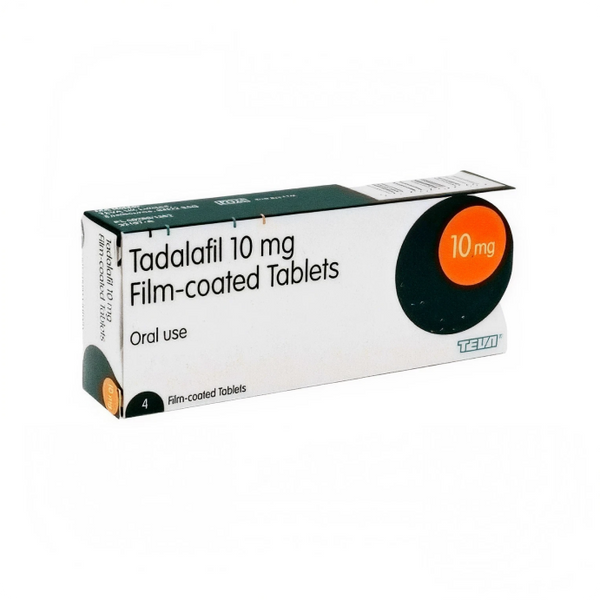
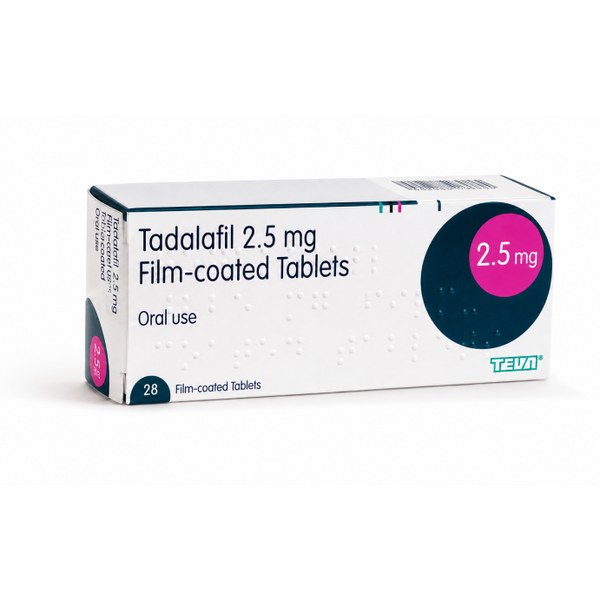
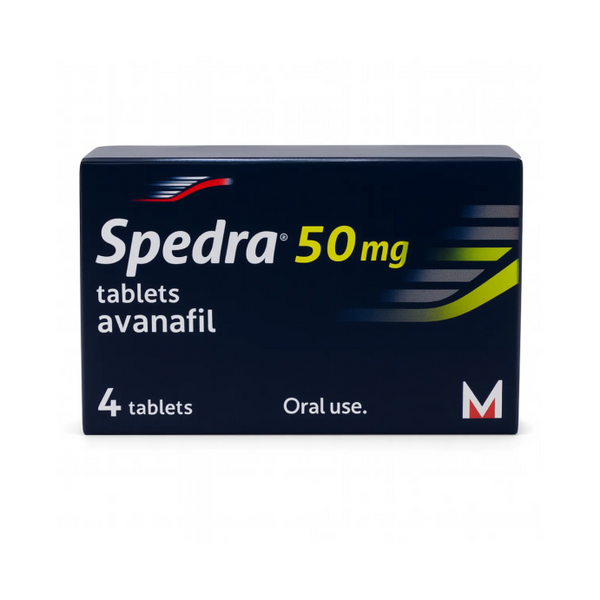
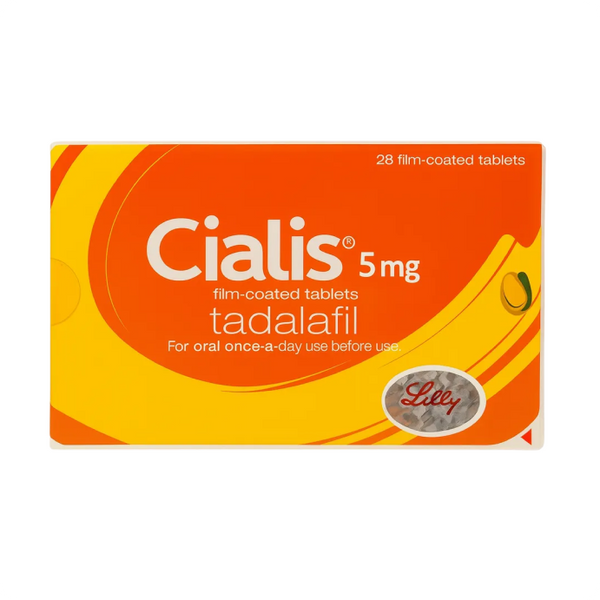
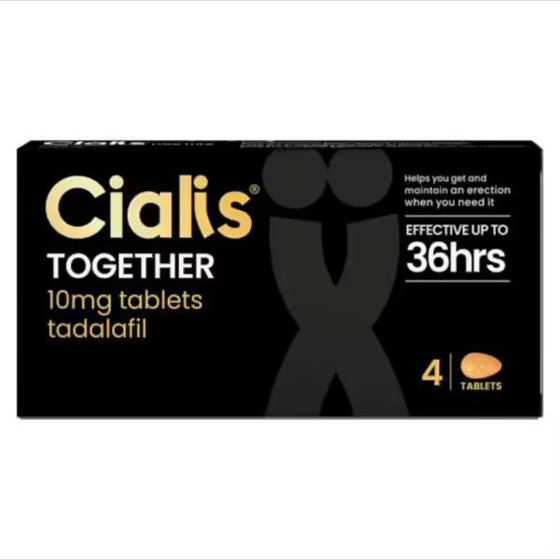
Treatment depends on the underlying cause. Oral medications from the PDE5 inhibitor group are the most familiar first-line option once a prescriber has assessed you, though they are not the only option.
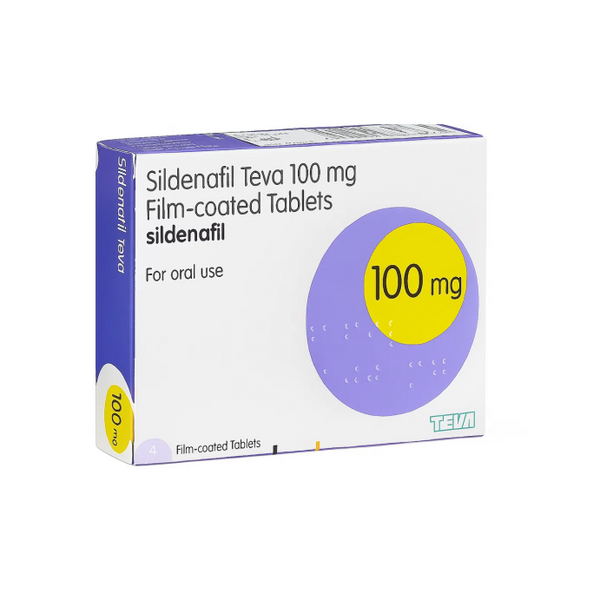
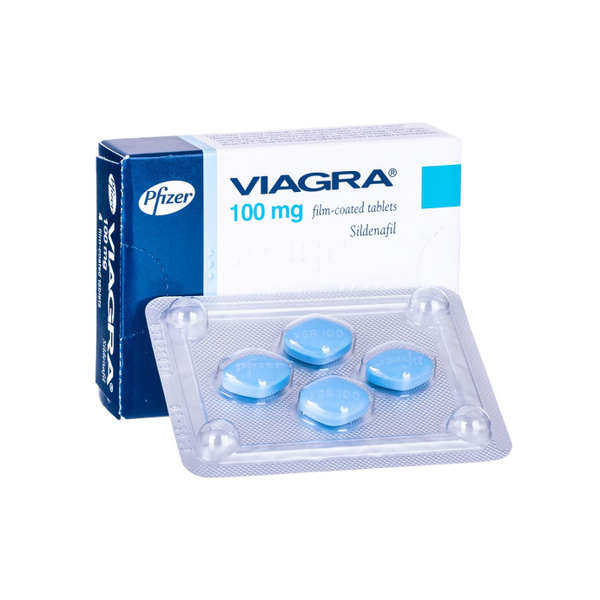
Sildenafil is a PDE5 inhibitor that helps increase blood flow to the penis during sexual stimulation. Oral medications treat erectile dysfunction in at least two-thirds of cases. Intracavernosal alprostadil is another option and can be effective when PDE5 inhibitors are unsuitable or have not worked.
Non-drug options such as vacuum erection devices exist too, and are worth knowing about: NICE's evidence summary reports efficacy of around 56% to 84% for PDE5 inhibitors, depending on the drug and dose.
It is also worth knowing that around 40% of men stop their first PDE5 inhibitor because it has not worked well enough for them, so needing to try something different is a normal part of finding what works, not a sign that treatment has failed.
If you decide you want to explore treatment, you can start an online consultation with UK-registered prescribers when you are ready, with no obligation to act on it today.
Frequently Asked Questions
Q: How do I know if I have ED, or if it was just a one-off?
Q: What are the first signs of ED?
Q: Can stress or anxiety alone cause ED?
Q: Why do I have ED at 17, 18 or 19?
Q: Is it normal to lose an erection during physical activity sometimes?
Q: Can an ED quiz or questionnaire tell me if I have ED?
Q: Does having ED mean something is wrong with my heart?
Q: What questions will a prescriber ask me about ED?
Q: Do I need blood tests to check for ED?
Q: What if lifestyle changes or a first treatment do not help?
Erectile Dysfunction Therapy: Treatment Options That Work in the UK
Can Not Get an Erection? Common Causes and What Helps
Related Posts


Cheap Tadalafil UK: How to Compare Prices Safely