Erectile Dysfunction Therapy: The Full Range of Options, and What to Do When Tablets Are Not Enough
- Covers every main erectile dysfunction therapy used in the UK, from tablets and talking therapy to vacuum devices, pelvic floor training and prescriber-led options
- Explains what to do when tablets alone have not worked, which is the single most common reason people start looking for ED therapy
- Built around UK regulation, including how to check a pharmacy on the GPhC register and how to spot medicines and devices being sold illegally
- Online consultation with UK-registered prescribers, with treatment decided after a clinical assessment rather than a tick-box form
Most people who search for impotence therapy, or therapy for erectile dysfunction, are not starting from scratch. They have usually tried something already, often a tablet, and it either did not work, did not work reliably, or worked without fixing the thing that was actually wrong. That gap is the reason the word therapy comes into it at all.
Erectile dysfunction can be managed with medical, lifestyle and psychological approaches, so ED therapy is broader than a prescription alone. It includes tablets, prescriber-led treatments, vacuum devices, pelvic floor exercise, talking therapy and treatment of the underlying cause behind the symptom. Each option works differently, suits a different type of patient and carries its own evidence and safety considerations. For men in the UK, especially those who have not had satisfactory results from tablets, this guide explains the main ED therapy options used in the UK, how clinical assessment shapes treatment, and how to buy treatment safely online. Because erectile dysfunction can be a sign of an underlying health problem as well as a relationship-related symptoms, understanding the full range of therapies can help you improve erections and make better decisions about your wider health.
Key things to know
Erectile dysfunction is a symptom, not a disease in itself, so identifying the cause matters as much as choosing a treatment
Tablets are the usual first option in the UK, but they are not the only one, and they are not a permanent fix for an underlying cause
Around 40% of men discontinue their first phosphodiesterase type 5 inhibitor because it did not work well enough, according to evidence published by NICE, so a disappointing first attempt is common rather than unusual
Talking therapy, pelvic floor training and vacuum devices are all legitimate options, not fringe alternatives
Any treatment should follow a clinical assessment, because erection difficulty can be the first visible sign of a circulatory or metabolic problem
What People Actually Mean by ED Therapy
The phrase gets used in three different ways, and they are worth separating before anything else.
The first meaning is medical treatment of any kind, which is how most search engines interpret it. Under this heading sit oral tablets, prescriber-led injectable and urethral treatments, and devices.
The second meaning is psychological therapy, sometimes called talking therapy or counselling, and it can include ED therapy. This is what clinicians usually mean by the word, and it addresses anxiety, relationship strain, low confidence and the loop where one difficult occasion makes the next one more likely, while also helping couples communicate better about sex and relationship difficulties.
The third meaning is physical rehabilitation, most commonly pelvic floor muscle training, which is a genuine therapy in the physiotherapy sense of the word: a programme you follow rather than a product you take.
Therapy for impotence, to use the older term, has historically implied the psychological version. Modern practice treats the two as overlapping rather than separate, because the physical and psychological sides feed each other. Anxiety can increase sympathetic nervous-system activity, which can make it harder to achieve or maintain an erection. A difficult experience can then reinforce the anxiety. That loop is the reason a purely physical fix sometimes disappoints and a purely psychological approach sometimes stalls.
Why Erections Fail: The Chain That Has to Work
An erection depends on a chain of events, and a break anywhere in the chain produces the same outward result. Understanding which link has failed is what makes ED therapy targeted rather than trial and error.
The four links
- Nerves. Arousal signals travel from the brain and the local nerves, triggering the release of nitric oxide. Damage from diabetes, spinal injury or pelvic surgery interrupts the signal.
- Blood flow. Nitric oxide relaxes the smooth muscle of the blood vessels, allowing blood to fill the erectile tissue. Narrowed or stiffened arteries limit how much can get there.
- Structure. The tissue has to trap the blood once it arrives. If it leaks back out, an erection starts but is not sustained.
- Hormones, desires and mood. Testosterone influences desire, and low mood, stress and fatigue reduce the drive that starts the chain, psychological causes such as performance anxiety and depression can do the same.
Erectile dysfunction can sometimes be an early marker of cardiovascular disease because the penile arteries are smaller than many other arteries and may be affected by vascular disease before more obvious cardiovascular symptoms appear. Anyone with new, persistent difficulty should have their cardiovascular and metabolic risk factors assessed, which may include blood pressure, blood glucose and cholesterol, depending on their clinical history.
First-Line ED Therapy: Oral Tablets
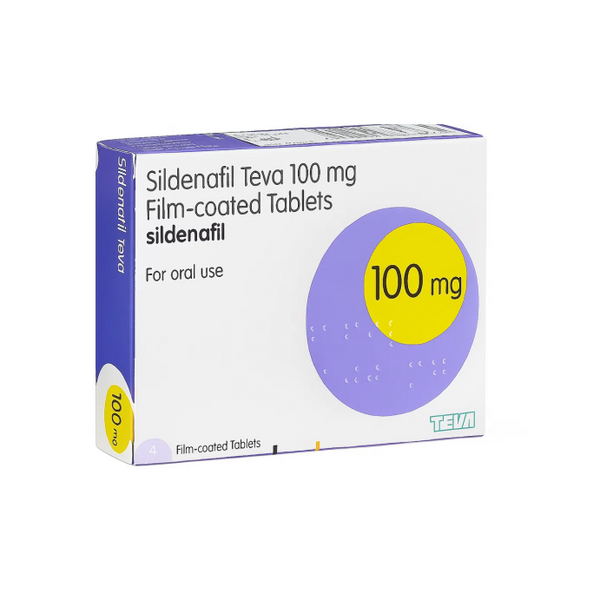
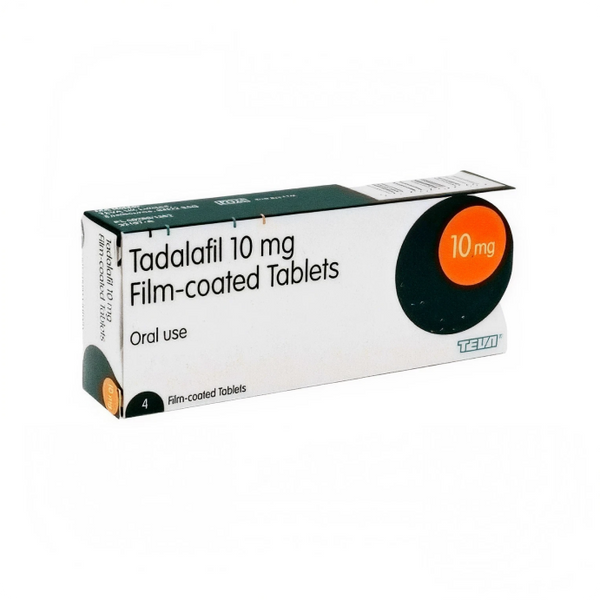
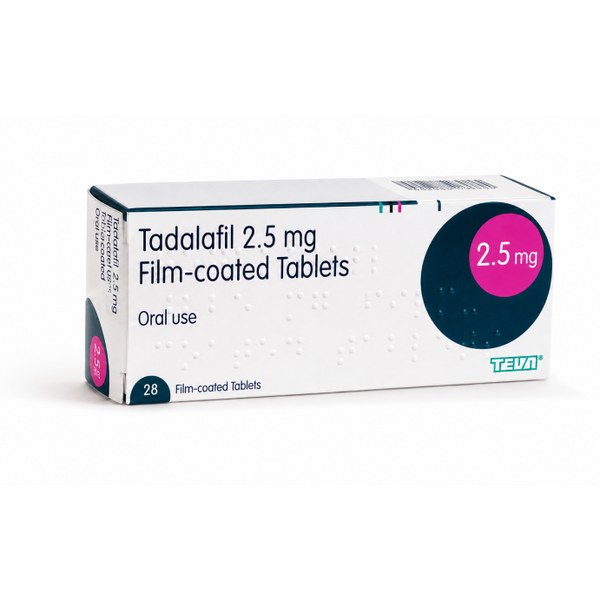
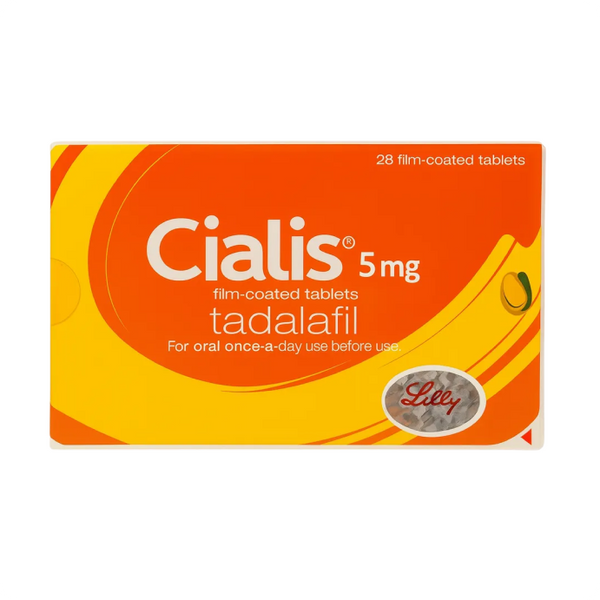
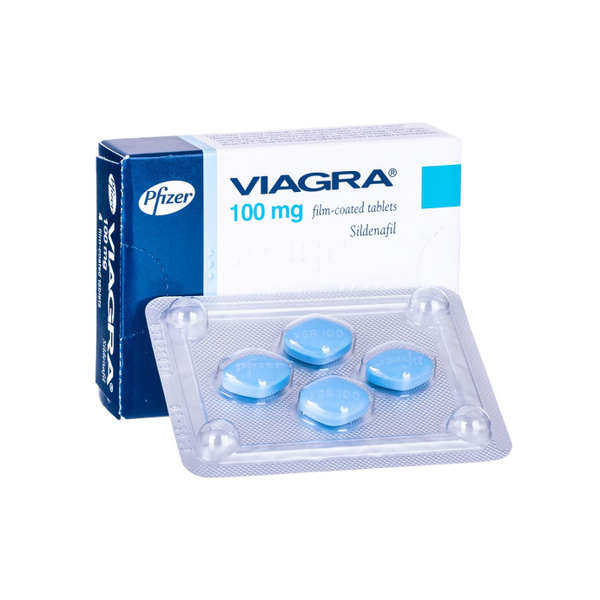
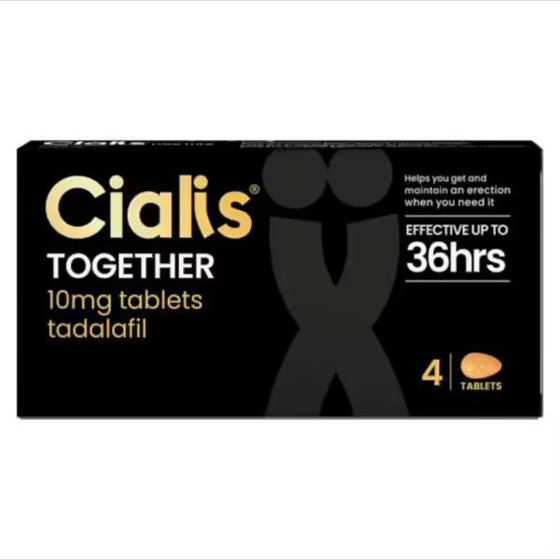
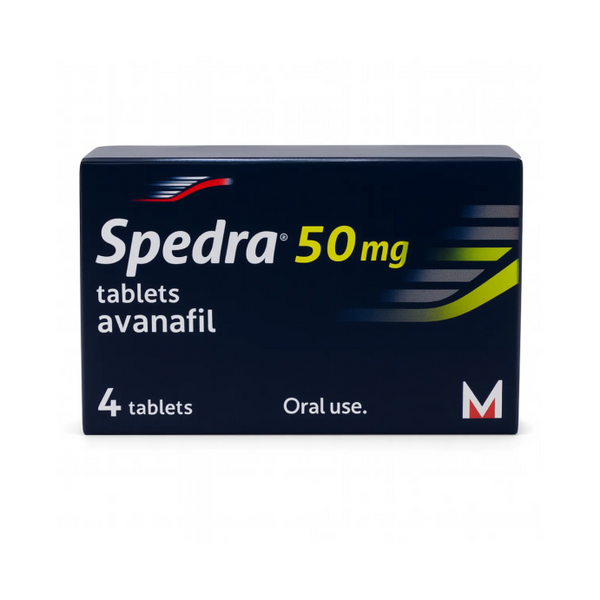
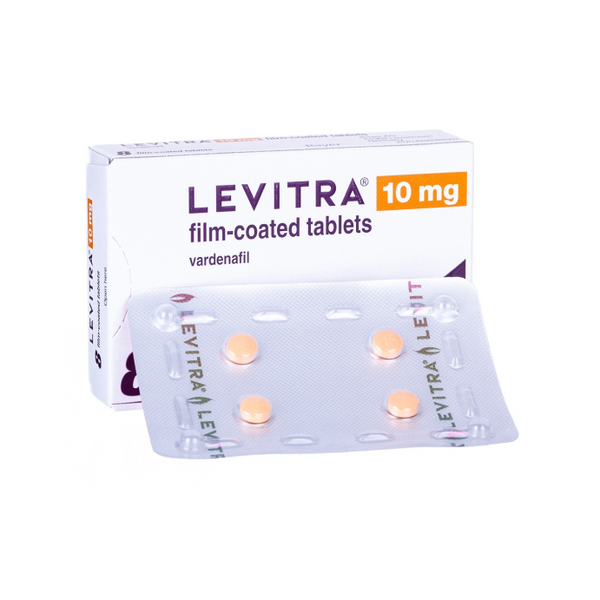
Phosphodiesterase type 5 inhibitors, the group containing sildenafil, tadalafil, vardenafil and avanafil, are the usual starting point in the UK and are typically first-line oral medicines for treating erectile dysfunction. NICE evidence summaries describe them as first-line pharmacotherapy where there is no contraindication, and note reported response rates of roughly 56% to 84% depending on the drug and dose.
They work by protecting the chemical signal rather than creating it. Arousal produces nitric oxide, which raises cyclic GMP, which relaxes the vessels. PDE5 inhibitors enhance blood flow by blocking the PDE5 enzyme so nitric oxide signalling lasts longer. The practical consequence is the single most misunderstood point about this class of medicine: they do not create arousal and they do nothing on their own. A tablet taken without physical stimulation will not produce an erection, and someone who expects otherwise will conclude the treatment failed when it was never given the conditions to work during sexual activity.
They also differ from each other in ways that matter to real life. Sildenafil is generally effective for around 4 hours, while tadalafil can remain effective for up to 36 hours. Avanafil generally has a relatively rapid onset. Choosing between them is a prescriber decision based on your health, your other medicines and how you would actually use the treatment, including common options such as sildenafil (Viagra) and tadalafil (Cialis).
Who needs a careful assessment first
Tablets in this class are dangerous with nitrates, nicorandil and riociguat, and with recreational nitrates, because the combined effect on blood pressure can be severe. They also need proper assessment in anyone with recent heart problems, very low or very high blood pressure, severe liver impairment, or who takes alpha-blockers, because certain medicines and other medical conditions can affect whether tablets are safe or appropriate. None of this means treatment is off the table. It means the assessment is the part that keeps it safe, which is why a legitimate service will sometimes say no.
When Tablets Have Not Worked
This is where most people looking for ED therapy actually are. Evidence published by NICE suggests around 40% of men stop their first PDE5 inhibitor because of a lack of efficacy. Before concluding that this class of medicine does not work for you, there are four common and fixable explanations, and your prescriber should also check for underlying conditions and other medicines that may be contributing before choosing the right treatment.
The four things to check first
- Not enough attempts. Response often improves over several separate occasions rather than appearing perfectly on the first one. Judging a medicine on a single disappointing evening is the commonest mistake.
- Timing and food. A heavy, fatty meal delays absorption of sildenafil considerably. Taking a tablet immediately after a large dinner is a different experience from taking it on a lighter stomach.
- The wrong expectation. As above, arousal is still required. Several people who describe a total failure have in fact been waiting for the tablet to do the whole job.
- The wrong medicine for the situation. If spontaneity is the problem, a short-acting option will always feel like it is failing, and a longer-acting one may not.
If those have all been addressed and the result is still poor, that is genuinely useful information rather than a dead end. It tells the prescriber to look harder at the cause, review other medicines that may be contributing, and consider the options below.
Psychological Therapy and Performance Anxiety
Talking therapy is the treatment people most often skip and most often need. It is particularly relevant when erections are normal on waking or alone but fail with a relationship partner, when difficulty started suddenly after a specific event, or when the problem is confined to one relationship or setting.
Those patterns can suggest that psychological factors are contributing, although physical and psychological causes can coexist.
Psychological approaches can include cognitive behavioural therapy (CBT), psychosexual therapy and counselling. These approaches may help address performance anxiety, low self-esteem, relationship difficulties and unhelpful thoughts surrounding sexual activity.
For men with both physical and psychological contributors, combining medical treatment with psychological or psychosexual therapy may be helpful.
Pelvic Floor Muscle Training
Pelvic floor muscle training may help some men with erectile dysfunction, but it is not suitable as a universal treatment and the evidence is less established than for PDE5 inhibitors. A physiotherapist with pelvic-health expertise can help identify and correctly exercise the relevant muscles.
It is most likely to help where the pattern is an erection that starts and then fades, which suggests a problem with retention rather than inflow. It requires no medicine, has no interactions, and costs nothing beyond time. It also demands consistency over weeks or months, which is why supervision from a physiotherapist trained in pelvic health produces better results than following a random online routine. If you are going to try one non-drug therapy first, this is a reasonable place to start.
Vacuum Erection Devices and Penile Implants
A vacuum erection device, also called a vacuum pump or penis pump, draws blood into the erectile tissue mechanically using a plastic tube over the penis and a pump, then a rubber ring to maintain the erection. It bypasses the chemical signalling chain entirely, which is exactly why it is useful when that chain is damaged.
The efficacy figures are striking. NICE's evidence summary reports efficacy of up to 90% in men using vacuum erection devices, although response figures are not directly comparable across different treatments and studies. The trade-off is not effectiveness but acceptability, since the process is mechanical and requires preparation. Devices should include a vacuum limiter to prevent injury, and instruction genuinely matters here, which is one context where a demonstration video has a legitimate role.
Vacuum devices are commonly used after pelvic or prostate surgery, in nerve damage, and by people who cannot take PDE5 inhibitors because of their other medicines. They may be used as an alternative to medicines or alongside other treatments, depending on the individual's circumstances.
Shockwave Therapy and Regenerative Claims
Low-intensity shockwave therapy is heavily marketed in the UK, usually privately, and it deserves an honest paragraph rather than either dismissal or hype. As a therapy for erectile dysfunction, the proposed mechanism is that low-intensity shockwave therapy uses sound waves to stimulate blood flow in the penis and may help improve blood flow by encouraging new blood vessels to form, addressing an underlying physical cause rather than the episode.
The evidence is genuinely mixed. A 2025 Cochrane review included 21 randomised trials involving 1,357 men. It found that low-intensity shockwave therapy may produce a small improvement in erectile function, but confidence in the evidence was low because of methodological limitations, inconsistency and differences between treatment protocols.
Two practical points matter more than the debate. If you are considering a shockwave device, check that it is legally placed on the UK market and that the manufacturer and device meet the applicable MHRA requirements. CE-marked devices can still be accepted in Great Britain under current transitional arrangements, depending on the device and conformity route.
Comparing the Main ED Therapy Options
| Therapy | How it is used | Reported response | Main considerations |
|---|---|---|---|
| PDE5 inhibitor tablets | Taken orally, on demand or daily depending on the medicine | Around 56% to 84% depending on drug and dose | Part of the wider treatments for erectile dysfunction, which can also include pumps, lifestyle changes, and surgical treatment where appropriate, requires arousal to work and is unsafe with nitrates, nicorandil and riociguat |
| Psychological therapy | Sessions over weeks, alone or as a couple | Not directly comparable, best for anxiety-driven patterns | Slower, but treats the cause rather than the episode |
| Pelvic floor training | Daily exercise programme over months | Most useful where erections start then fade | Free and interaction-free, but needs sustained effort |
| Vacuum erection device | Mechanical device used before intimacy | Up to 90% | Requires preparation, needs a vacuum limiter for safety |
| Alprostadil, injectable | Self-administered after clinical training | More than 70%, intracavernosal injections can work within 5 to 20 minutes | Second line, clinician-initiated, priapism risk, can produce an erection independently of normal nerve signals |
| Alprostadil, intraurethral | Pellet inserted into the urethra, the tube that carries urine | Roughly 30% to 66% | Less invasive than injection, urethral suppositories involve inserting a pellet of medication using an applicator |
| Low-intensity shockwave | Course of clinic sessions | Evidence limited and inconsistent | Not routine UK care, check device type and MHRA registration |
Treating the Cause, Not Only the Episode
Every therapy above manages the symptom. Only one approach changes the trajectory, and that is treating what is driving it through lifestyle changes and medical care that address erectile dysfunction itself.
Weight, blood glucose, blood pressure, cholesterol, smoking, alcohol intake and sleep all influence the health of small blood vessels, and therefore erectile function, so clinicians may suggest lifestyle measures such as exercise, losing weight, quitting smoking, and eating a diet high in fruits and vegetables to improve cardiovascular health, general health, overall health, and its function, better sleep quality can help too.
Where excess weight and metabolic health conditions are part of the picture, addressing them through a structured programme of medically supervised weight loss can improve far more than one symptom.
Several commonly prescribed medicines can also contribute, including some blood pressure treatments and antidepressants, which is a conversation to have with the prescriber rather than a reason to stop anything on your own, while also reviewing broader health conditions as part of the same assessment.
This is also why erection difficulty should not be treated as a purely private inconvenience. It is frequently the earliest visible sign that the circulatory system needs attention, and acting on that signal is often more valuable than the erection itself.
ED Therapy Videos, YouTube and Online Education
A large share of searching around this subject is educational rather than transactional. People want to see how a device is used, understand what a pelvic floor contraction should feel like, or hear the topic discussed by someone who is not embarrassed by it. That is a reasonable instinct, and video is genuinely useful for technique.
It is worth being deliberate about which parts of ED therapy education a video can and cannot cover.
What video does well
- Demonstrating vacuum device assembly and the use of a constriction ring
- Showing what a pelvic floor exercise involves and how to avoid bracing the wrong muscles
- Explaining the mechanism of a treatment class in plain terms
- Normalising the subject, which reduces the delay before people seek help
Where it falls short
- No video can examine you, check your blood pressure or review your other medicines
- Product-sponsored content rarely presents the evidence against a device
- Videos promoting supplements or unlicensed medicines are common, and the MHRA reported disrupting more than 1,500 websites and social-media accounts illegally selling medical products in 2025.
- Protocols shown in clinic-based footage may not match the home device being advertised alongside it
- Online videos cannot review your medical history or personal health concerns
Use video for technique and understanding. Use a clinical assessment for the decision itself.
Finding ED Therapy Near You
Searches for local ED therapy, including terms tied to specific towns and cities, are extremely common, and a good proportion of the results returned are based outside the UK. Location matters more than people expect, because both the legal status of a treatment and the regulator differ by country. A clinic listing in another country is not evidence that the same option is available or lawful here.
In the UK there are three practical routes. A GP can review your medical history, relationship history, and underlying health conditions, arrange blood tests where needed, and prescribe. A specialist urology or andrology service may provide or arrange second-line treatments such as alprostadil and vacuum-device assessment. A registered online pharmacy service can assess and supply oral treatment where that is appropriate.
Whichever route you use, the assessment is the part that counts. Online should mean a genuine clinical review by a prescriber, with two-way communication and the possibility of being turned down, not a questionnaire that everyone approves. A legitimate service should assess whether treatment is clinically appropriate and should be willing to decline supply when it is not.
Buying ED Treatment Safely in the UK
The counterfeit market for erectile dysfunction medicines is one of the largest in the country. The MHRA seized roughly 19.5 million doses of illegal erectile dysfunction medicines between 2021 and 2025, with seized products found to contain no active ingredient, the wrong dose, or contaminants.
Before ordering anything, check the following.
- The pharmacy appears on the GPhC register, which lists registered pharmacies and pharmacy professionals in Great Britain.
- A prescriber reviews your information before supply, and there is a route to ask questions.
- Prescription-only medicines and their prices are not advertised openly to the public, which is not permitted in the UK.
- The site gives a real street address and a registered company name.
- There is no pressure to buy in bulk, no crypto-only payment, and no promise that no prescription is needed.
At EveryDayMeds you complete an online consultation with UK-registered prescribers, and treatment is issued only where it is clinically appropriate. You can start the process through the erectile dysfunction consultation.
What ED Therapy Costs and What Affects the Price
Costs vary by treatment type rather than by provider alone, and the structure is worth understanding before comparing figures.
| What you are paying for | What it usually includes | What to check |
|---|---|---|
| Oral treatment | The medicine itself, plus the clinical review | Whether the price is per tablet or per pack, and the pack size |
| Consultation | Assessment by a prescriber | Whether it is charged separately or included |
| Devices | The device, rings and instruction | Whether replacement rings are included |
| Clinician-led treatments | Training session plus the medicine | Number of follow-up appointments needed |
| Course-based therapies | A set number of sessions | Total course cost, not the per-session headline |
| Delivery | Dispatch after approval | Standard timescale against any paid upgrade |
Two comparisons mislead more than any others. A per-tablet price is not comparable to a per-pack price, and a per-session price for a course-based therapy is not comparable to the cost of a full course. Compare the total cost of the complete treatment, over a realistic period of use.
Frequently Asked Questions
Q: What is ED therapy?
Q: Is therapy for impotence the same as taking tablets?
Q: How long does erectile dysfunction therapy take to work?
Q: Can talking therapy fix erectile dysfunction on its own?
Q: Are ED therapy videos on YouTube reliable?
Q: Do pelvic floor exercises really help erectile dysfunction?
Q: What happens if tablets do not work for me?
Q: Is shockwave therapy available in the UK?
Q: Can I get ED therapy near me without seeing someone in person?
Q: Does erectile dysfunction mean something is wrong with my heart?
Erectile Dysfunction Causes: The Complete UK Guide
How Do You Know If You Have ED? Signs & Causes UK
Related Posts


Cheap Tadalafil UK: How to Compare Prices Safely