Can Not Get an Erection? Causes, Treatments & When to Seek Help
- Understand the most common reasons an erection does not happen, from a one-off to a repeated pattern.
- See the difference between "it happened once" and "it keeps happening".
- Clear red flags for when to get help promptly, and what is safe to wait and watch.
- Online consultation with UK-registered prescribers, available when you decide you want it.
If you can not get an erection right now, common explanations include alcohol, tiredness, stress, an unfamiliar situation, or simply being distracted. These causes are common, usually temporary, and do not mean anything is seriously wrong. If it has started happening repeatedly, or you have noticed "I can not get an erection anymore" compared with how things used to be, that is a different and equally common pattern worth understanding properly, and this page covers both.
Erections depend on a coordinated response between your brain, nerves, hormones and blood vessels. Almost anything that disrupts one part of that chain, even briefly, can stop an erection from happening. The rest of this page explains what is most likely going on, how to tell a one-off from a genuine pattern, and what to do either way.
Why Can I Not Get an Erection? The Most Common Immediate Causes
Most single episodes of not being able to get an erection usually come down to one of five ordinary, temporary causes, even though the broader causes of erectile dysfunction can be physical, psychological, or linked to other contributing factors.
| Cause | How it gets in the way | Usually a one-off or a pattern |
|---|---|---|
| Alcohol | Depresses the nervous system and blunts the physical arousal response, even when it does not affect confidence | Usually a one-off, tied to that occasion |
| Tiredness or poor sleep | Can affect sexual interest and erectile function, particularly when sleep problems persist | One-off if occasional, pattern if sleep stays poor |
| Stress or anxiety in the moment | Triggers a stress response that works against the blood vessel relaxation an erection needs | One-off if situational, pattern if anxiety persists |
| An unfamiliar situation or new partner | Nerves and self-consciousness can override the physical arousal response | Usually a one-off, tends to ease with familiarity |
| Distraction | Attention on work, worry or anything else competes with the focus arousal needs | Usually a one-off |
Alcohol
Alcohol depresses the central nervous system and directly blunts the physical response needed for an erection, even on an occasion when it also makes you feel more relaxed or confident.
Tiredness and Poor Sleep
Erections naturally occur during sleep, and poor or insufficient sleep can affect erectile function and sexual wellbeing. One bad night is unlikely to matter much on its own. Weeks of poor sleep is a different story.
Stress and Anxiety in the Moment
Stress activates the body's fight-or-flight response, which can interfere with the physiological processes needed for an erection. This is a genuine physical response, not simply "being in your head."
An Unfamiliar Situation or New Partner
Nerves, self-consciousness or simply not being fully relaxed with someone new can get in the way, even when there is no underlying problem at all. This can happen with your partner in a new or unfamiliar situation even when there is no physical cause. This is extremely common and tends to ease as the situation becomes more familiar.
Distraction
An erection needs a degree of mental focus. Worrying about work, money, an argument, or anything else competing for your attention can be enough to interrupt it on any given occasion.
None of these five causes need treatment on their own. The more relevant question is what happens next: for most men, a single difficult occasion passes without becoming a pattern. It only tends to turn into a longer-lasting problem when worry about the original occasion starts to interfere with the next one, which is covered below.
"I Can Not Get an Erection Anymore": When It is a Change, Not a One-Off
Noticing that you can not get an erection anymore, when you previously could without difficulty, is a meaningfully different situation from a single difficult occasion, and repeated difficulty can point to erectile dysfunction symptoms, so it is worth taking seriously rather than assuming it will simply pass.
What "Anymore" Usually Signals
The word "anymore" points to a change over time rather than an isolated event which is the distinction between a one-off difficulty and the repeated or ongoing problems generally described as erectile dysfunction.
How Gradual vs Sudden Onset Helps Explain It
If the change happened gradually, over months, and now affects getting or maintaining an erection in most or all situations, including alone or on waking, a physical contribution may be more likely and is worth having checked. Anatomical conditions such as Peyronie's disease can cause painful or curved erections and may affect sexual function. If it started suddenly, especially after a specific stressful event, or varies a lot depending on the situation, psychological or situational factors may be contributing, although a proper assessment is the only reliable way to determine the cause.
Struggling to Get an Erection Regularly? Physical Causes To Consider
Regular difficulty getting an erection, across most situations, is often linked to one or more physical factors or physical problems that affect blood flow, hormones or nerve signalling.
Health Conditions
Diabetes, high blood pressure and high cholesterol are among the most common physical causes, and these medical conditions and other chronic health conditions can affect the blood vessels an erection depends on. Low testosterone and other hormonal changes, including issues with thyroid hormone, along with neurological conditions that affect nerve signalling, can also play a role. A clinician may consider testosterone testing when symptoms or the clinical history suggest a possible hormonal cause.
Medicines
Certain medicines for blood pressure, some antidepressants, and a number of other prescribed treatments can cause erectile dysfunction as a side effect. Do not stop taking medication or a prescribed treatment on your own if you suspect this. Speak to whoever prescribed it, so an alternative can be considered safely if one is needed.
Lifestyle
Smoking, high alcohol intake, low physical activity, poor sleep and carrying significant excess weight are all associated with a higher likelihood of erection problems. Stopping smoking, exercising regularly and adopting a heart-healthy diet may improve erectile function and wider cardiovascular health. Illegal and recreational drugs can also contribute to erection difficulty. Men who cycle for more than three hours a week may benefit from taking a break or reviewing saddle setup if symptoms are ongoing.
Age
The likelihood of a physical cause increases with age, but physical causes are not exclusive to older men, and younger men should not ignore issues linked to conditions such as heart disease just because psychological causes are statistically more likely for them.
Erectile dysfunction is common, particularly as men get older; the MHRA estimates that it affects around half of men aged 40 to 70. Persistent erectile dysfunction can sometimes be associated with cardiovascular disease and may warrant assessment of cardiovascular risk factors.
Psychological Causes Behind Difficulty Getting an Erection
Psychological factors can contribute to erectile dysfunction, particularly when stress, anxiety, low mood or relationship difficulties are present. They can occur alongside physical causes rather than only after physical causes have been ruled out.
Performance Anxiety
Once an erection does not happen on one occasion, worrying about it happening again can itself become the reason it keeps happening. This anxiety loop can contribute to ongoing erection difficulty, and psychological or psychosexual therapy may help when anxiety is a significant factor.
Stress, Low Mood and Relationship Factors
Everyday stress, low mood, anxiety and relationship difficulties can affect erections directly, separately from specific performance anxiety. Depression can also reduce libido and affect erectile function. These factors are worth mentioning to a prescriber alongside any physical symptoms. Ongoing ED can also affect self-confidence and add stress, which may reinforce the cycle.
Is This Erectile Dysfunction (ED), or Something Else?
If difficulty getting or maintaining an erection keeps happening, or the pattern is getting worse rather than better, those are reasons to discuss it with a healthcare professional. If it has happened once or twice and is clearly linked to something like alcohol, tiredness or a stressful day, it usually does not need investigation on its own.
- Frequency: most attempts, not just one or two.
- Duration: several weeks or more, not a single week.
- Trend: staying the same or getting worse, not improving as the original trigger passes.
What To Do If You Can not Get an Erection
What helps depends on whether this is a one-off moment or a pattern that has been building.
In the Moment
Trying harder rarely helps and often makes things worse, because the effort and worry themselves interfere with the response you are trying to force. Stopping, taking the pressure off, and not treating a single occasion as proof of a bigger problem is usually the most useful immediate step. Reaching for more alcohol to relax is unlikely to help either, since alcohol is itself one of the most common causes of the same problem.
If It Keeps Happening
Note roughly how often it is happening, whether it happens in every situation or only some, and whether anything else has changed, such as a new medicine, a health condition, or a stressful period.
That information is exactly what a prescriber will ask about, and having it ready makes the conversation quicker and more useful.
If it keeps happening, there are effective ways to manage erectile dysfunction, including medication, lifestyle changes and counselling, depending on the cause.
Red Flags: When To Get Help Promptly
Most causes of not being able to get an erection are not urgent, but some associated symptoms need prompt attention. Seek urgent medical attention if erection problems occur alongside chest pain, severe breathlessness, sudden weakness or numbness, difficulty speaking, or sudden changes in vision. These symptoms may indicate a separate urgent medical problem. An erection that remains painful or lasts around 4 hours or more, known as priapism, is a medical emergency and needs immediate treatment.
What Happens If You See a Prescriber
Assessment
Expect questions about how long it has been happening, whether it happens in every situation or only some, your general health and lifestyle, any medicines you take, smoking, alcohol use and cardiovascular risk factors such as blood pressure and cholesterol.
A prescriber may also suggest blood tests or a physical examination, depending on what comes up, to help identify possible underlying health conditions or medication-related causes. None of this requires you to have already worked out whether the cause is physical or psychological, that is the point of the assessment, not something you need to diagnose yourself beforehand.
Treatment Options
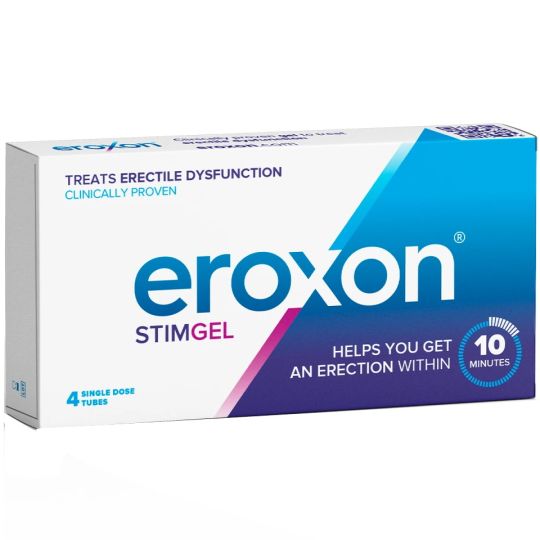
Treatment depends on the underlying cause, and a prescriber will discuss what is suitable for you as part of your wider physical health care rather than a single default option.
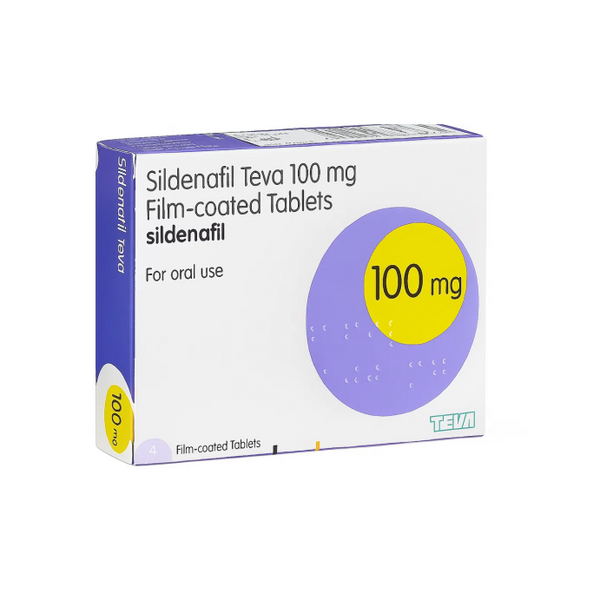
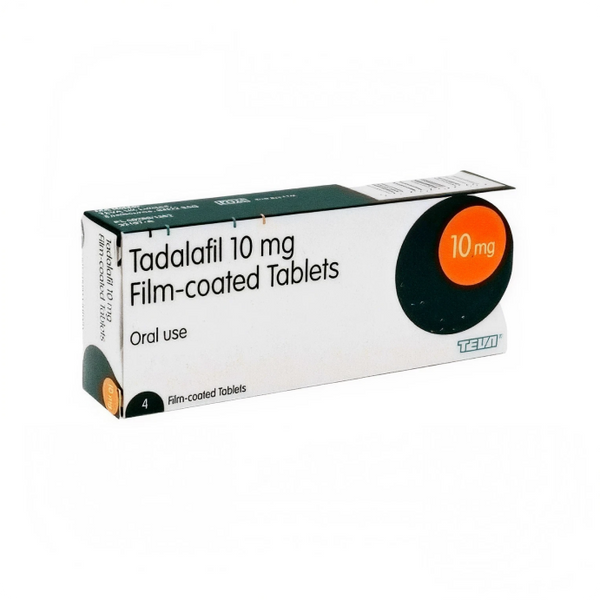
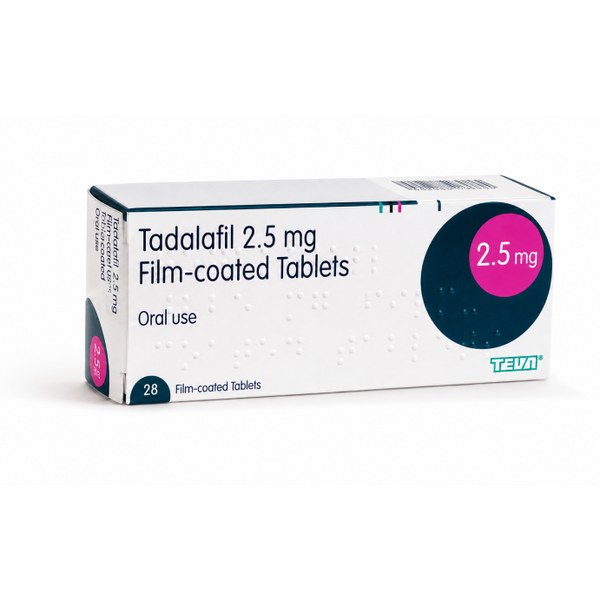
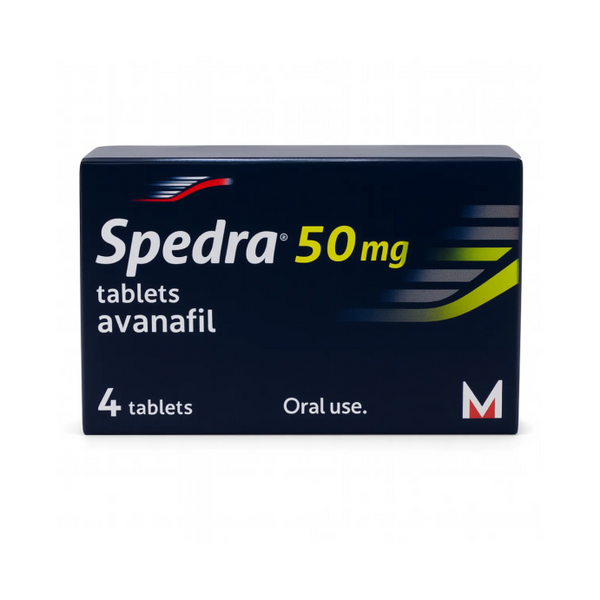
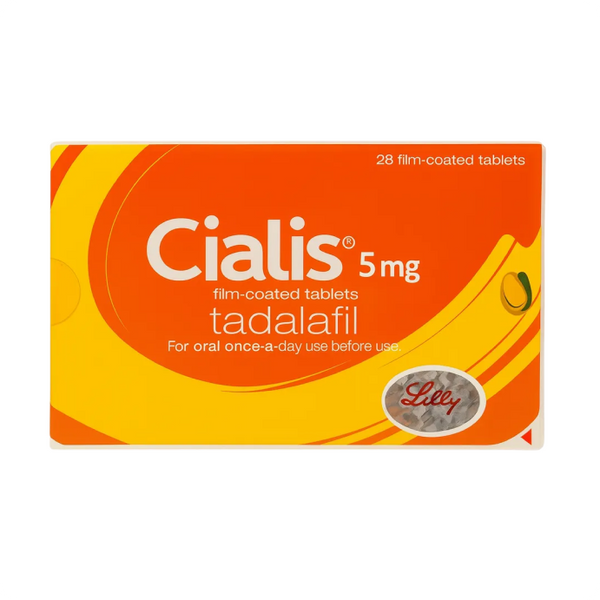
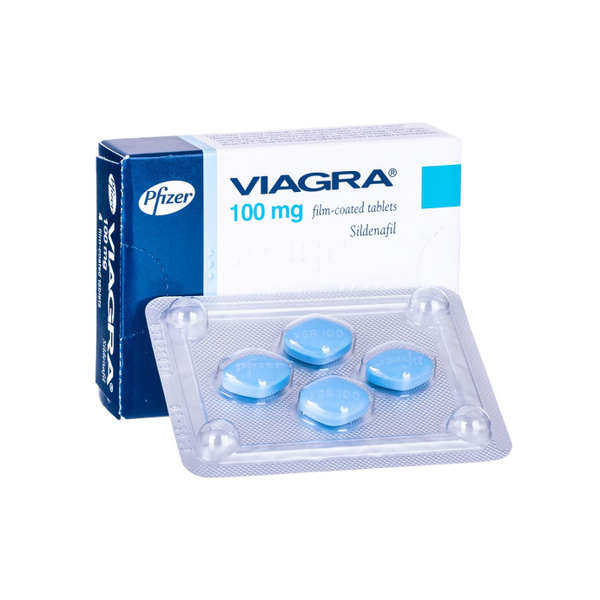
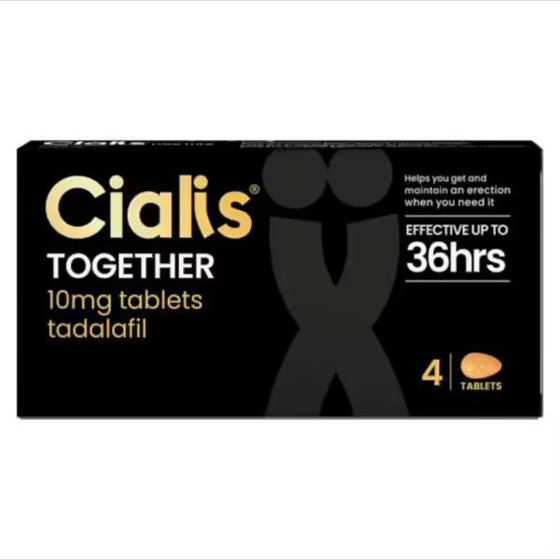
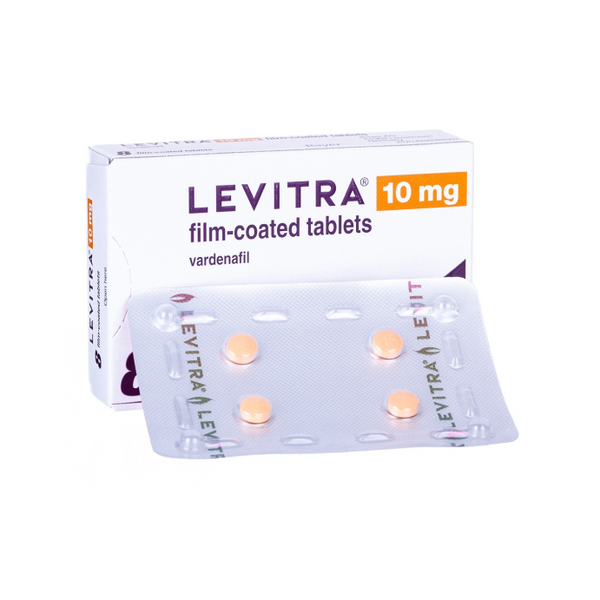
Tablets from the PDE5 inhibitor group are the most familiar option once you have been assessed. These medicines increase blood flow to the penis but require sexual stimulation rather than causing an automatic erection.
An online doctor service can also assess remotely whether prescription treatment is appropriate for you. NICE's evidence summary reports efficacy of around 56% to 84% with PDE5 inhibitors, depending on the drug and dose.
Tadalafil can remain effective for up to 36 hours. They are not the only erectile dysfunction treatments, though, and the right choice depends on your health, symptoms and response to treatment.
Non-drug options such as vacuum erection devices, sometimes called a vacuum pump, are also available, and NICE's evidence summary reports efficacy of up to 90%, although figures from different treatments and studies are not directly comparable.
Other options include alprostadil injections, which can be effective when PDE5 inhibitors are unsuitable or have not worked.
Some people also need specialist advice after cancer treatments or with conditions such as Peyronie's disease. It is also possible for a first treatment not to suit you: around 40% of men in the evidence reviewed have been reported to discontinue their first PDE5 inhibitor because of inadequate efficacy, and trying an alternative is a normal part of treatment.
Surgery and penile implants, including inflatable implants, are generally reserved for cases where other treatment options are unsuitable or unsuccessful.
Hormone treatment may be considered when a confirmed hormonal deficiency is contributing to the problem. If you would like to explore treatment, you can start an online consultation with UK-registered prescribers when you are ready, with no obligation to act on it today.
Frequently Asked Questions
Q: Why can I not get an erection tonight when it is usually fine?
Q: I can not get an erection anymore. Does that mean I have ED?
Q: Can stress alone stop me getting an erection?
Q: Why do I struggle to get an erection with a new partner but not otherwise?
Q: Is it normal to be unable to get an erection sometimes?
Q: Can medicines cause difficulty getting an erection?
Q: How long should I wait before getting checked?
Q: Can worrying about it make it worse?
Q: What questions will a prescriber ask?
Q: What if the first treatment I try does not work?
How Do You Know If You Have ED? Signs & Causes UK
Husband or Boyfriend Has ED? A Partner's Guide
Related Posts


Cheap Tadalafil UK: How to Compare Prices Safely