Is Erectile Dysfunction Curable? Curable vs Treatable, Explained
- Online consultation with UK-registered prescribers to find out what applies to your situation
- Registered UK pharmacy, with discreet and secure ordering
- A range of licensed treatment options, offered only where clinically appropriate
- A precise answer, not a vague yes or no
"Is ED curable" and "is ED treatable" sound like the same question, but they are not, and mixing them up is where a lot of confusion around this topic comes from.
Erectile dysfunction is almost always treatable, but whether it is curable depends entirely on the underlying cause: some causes can be resolved, while others need ongoing management.
Treatable means something can be managed or improved.
Curable means the underlying problem goes away and stays away without ongoing intervention.
For men dealing with erectile dysfunction and trying to work out what to expect from treatment, that distinction matters. It shapes whether the right next step is lifestyle change, medication, treatment of a specific health issue, or a proper assessment to find out what is driving the problem in the first place.
Below, we will look at which causes of ED are more likely to be curable, which are usually managed rather than cured, how age affects that picture, common myths about ED "cures", and when to seek professional help so you can set realistic expectations and choose an effective way forward.
Key things to know
- "Curable" and "treatable" are different things, and ED fits both categories depending on the cause.
- Effective treatments are available for most men with ED, although the most appropriate option depends on the cause and the individual.
- Whether it is curable, meaning it resolves for good without ongoing management, depends on the specific cause.
- Some causes are genuinely curable, including without medication in certain cases.
- Other causes are managed long-term rather than cured, which is not a lesser outcome, it is simply how those causes work.
"Curable" vs "Treatable": What the Words Actually Mean for Erectile Dysfunction
These two words get used interchangeably in everyday conversation, but clinically they describe different things. Treatable means an effective intervention exists, tablets, devices, addressing an underlying condition, that improves or resolves the symptom while it is being used or applied. Curable means the underlying cause itself is resolved, so the problem does not return once treatment stops. A condition can be highly treatable without being curable (managed long-term, like many chronic conditions), or it can be genuinely curable once the right cause is identified and addressed. ED sits across both categories depending on what is driving it in your particular case, which is why "is ED curable or treatable" does not have one single answer for everyone.
So, Is ED Curable?
Sometimes, yes, and the deciding factor is the cause, not the severity of the symptom or how long it has been happening.
When ED is genuinely curable
Where ED is caused mainly by a specific, identifiable and removable factor, addressing that factor may lead to a lasting improvement or resolution of the erectile difficulty. This can include a medicine that is contributing to ED, heavy alcohol use, a period of significant stress, or a hormone problem where the underlying cause can be corrected. Whether erectile function fully returns depends on the individual and whether there are other contributing factors.
When ED is treatable but not, in the strict sense, curable
Where ED is linked to an ongoing condition, diabetes, cardiovascular disease, high blood pressure, atherosclerosis, or age-related changes in blood flow, it is usually managed rather than cured outright, in the same way the underlying condition itself is managed rather than cured. This does not mean treatment does not work well.
Treatment can still produce substantial and lasting improvement, even when the underlying condition itself needs ongoing management.
ED can also be a sign of underlying health conditions, including undiagnosed cardiovascular issues, rather than only a sexual symptom.
Curable, Treatable or Managed: A Cause-by-Cause Breakdown
| Cause | Realistic outcome | Why |
|---|---|---|
| Medicine-induced (e.g. certain blood pressure or mood medicines) | Often curable | May improve or resolve if the medicine is confirmed as the main cause and can safely be changed or adjusted under medical supervision. |
| Heavy alcohol use or smoking | Often curable | May improve as the contributing lifestyle factor is addressed, although other causes may also need treatment. |
| Situational stress or a specific psychological trigger | Often curable | May resolve when the underlying stress, anxiety or psychological trigger is successfully addressed. |
| Low testosterone with an identifiable, correctable cause | Sometimes curable | Depends on whether the underlying hormonal cause itself can be corrected |
| Diabetes-related | Usually treatable, managed long-term | Vascular and nerve changes from diabetes can lead to blood flow problems and are generally managed rather than reversed |
| Cardiovascular disease-related | Usually treatable, managed long-term | Underlying vascular disease can affect the blood vessels that support erectile function, so heart and erection issues often overlap |
| Age-related vascular change | Usually treatable, managed long-term | Usually managed rather than reversed when age-related or vascular changes are contributing. |
Is ED Curable Without Medication or Through Lifestyle Changes?
In some cases, yes. Where lifestyle or psychological factors are contributing, changes such as quitting smoking, losing weight where appropriate, moderating alcohol, exercising regularly, and addressing stress or anxiety may improve or sometimes resolve erectile difficulties. Pelvic-floor muscle training may also help some men with ED, although the evidence is still developing.
Where a diagnosed medical condition is affecting blood flow, nerves or hormones, medication or other clinical treatment may be needed, while lifestyle changes can support that treatment rather than replace it. Counselling or other psychological support can help when anxiety, stress or other psychological factors are contributing. The most reliable way to understand which approach applies to you is through an appropriate assessment rather than guessing from the symptoms alone.
Can ED Be Cured Permanently?
"Permanently" is really asking the same underlying question in different words: does the cause go away for good, or does it need ongoing management? Where a removable cause is fully addressed, the improvement can genuinely last, in that sense, permanently. Where an ongoing condition is behind it, the honest framing is not "permanently cured" but "well managed, indefinitely," which can still mean very good or normal erectile function for some men, even though ongoing treatment is needed.
Does Age Affect Whether ED Is Curable?
Broadly, yes, though it is a pattern rather than a rule for every individual.
Younger men may have psychological, situational or lifestyle-related contributors, while physical and vascular factors become more common with age. Neither pattern is absolute, so an individual assessment matters more than assumptions based on age.
Older men, and men with existing health conditions, more often have a physical, vascular or age-related component, which more often falls into the managed-long-term category.
Neither pattern is absolute, an older man can have a fully curable, medication-triggered cause, and a younger man can have a genuine underlying vascular or hormonal condition, which is exactly why an individual assessment matters more than assumptions based on age.
Why "Is It Curable" Is not Always the Most Useful Question
It is a completely reasonable thing to want to know, but it is worth holding lightly, because a condition that is "only" treatable rather than curable is not a worse outcome for most men.
Well-managed, ongoing treatment for a condition like diabetes-related ED can mean consistently normal erectile function for years, which, from a day-to-day perspective, looks and feels the same as a cure.
ED can also affect self-esteem and lead to anxiety, which is part of why "is it curable?" is not the only useful question. It can also affect a man's personal life, relationships, and broader sexual health even when it is treatable. The distinction matters clinically and for setting realistic expectations, but it should not be read as "treatable" being a consolation prize compared to "curable."
What Does "Cured" Actually Look Like Day to Day?
It is rarely a single dramatic moment where a diagnosis is lifted. More often, in practical terms, it means being able to get an erection and maintain an erection reliably again as the underlying cause resolves, with tablets or other symptom-managing treatment no longer needed because the difficulty simply is not happening anymore, and, if you had been tracking your pattern, a clear, sustained shift rather than one good week.
If you are hoping for a specific moment where someone confirms you are "cured," that is not usually how this works. The evidence is a lasting return of normal sexual function in day-to-day life, not a single test or announcement.
Common Misconceptions About Curing ED
A few assumptions tend to muddy this question, and they are worth addressing directly.
"If a tablet works, it means ED is not curable"
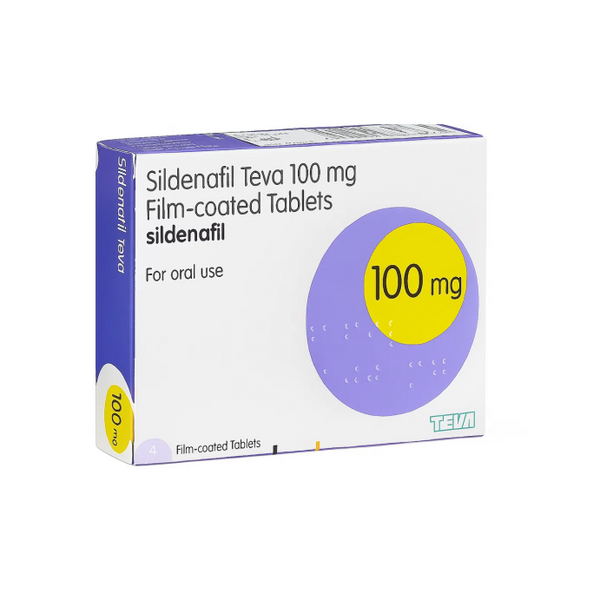
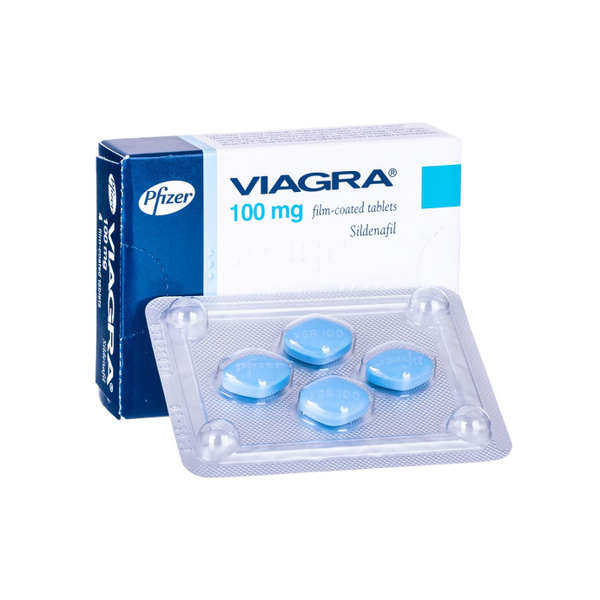
Not necessarily. A tablet working well tells you the ED treatment is effective, not whether the underlying cause is a removable one, because PDE-5 medicines help increase blood flow during sexual stimulation rather than settle the question of curability. Sildenafil and other PDE5 inhibitors can be effective treatments for ED, but responding to treatment does not tell you whether the underlying cause is curable. Some men who respond well to tablets while addressing a removable cause alongside them (stopping smoking, managing stress) eventually find they need treatment less often or not at all, which is what a genuine cure looks like in practice, not a dramatic single moment.
"ED always gets worse over time and is never curable"
This is not accurate as a blanket statement. It is true that some causes, particularly age-related vascular change, tend to be progressive, but plenty of cases are linked to causes that improve, resolve, or respond very well to treatment rather than worsening indefinitely.
"One supplement or trick can permanently cure ED"
Products marketed this way rarely have reliable evidence behind them, and given how many different causes ED can have, a genuine single universal cure is not realistic. Claims like this are a reasonable reason to be sceptical of a source.
"If it is not cured, treatment has failed"
Managing a condition long-term is not a failure of treatment, it is simply how many causes of ED, and many health conditions generally, actually work. The measure of success is normal function being achieved and maintained, not whether the underlying cause has technically disappeared. In many cases, erectile dysfunction treated successfully still needs ongoing management, and that is still a good outcome.
What Determines Whether Your ED Is Curable
A few factors genuinely influence where your own situation is likely to sit on the curable-to-managed spectrum: how long the difficulty has been happening (a recent onset linked to an identifiable trigger is more often curable than a very gradual, long-standing change), whether there is a clear, single, identifiable cause versus several overlapping factors, whether any contributing medical conditions are themselves reversible or are chronic and ongoing, and how consistently any recommended lifestyle or treatment changes are followed.
What determines curability cannot be worked out from symptoms alone, because to diagnose erectile dysfunction properly means identifying whether there is an underlying physical cause, a psychological cause, or both.
Persistent erection problems can point to an underlying physical issue, especially when the difficulty is consistent rather than occasional.
None of these can be assessed accurately from a symptom description alone, which is why the practical next step is the same whatever the underlying answer turns out to be.
If erection problems are persistent or keep recurring, it is worth seeking medical advice rather than waiting for them to resolve on their own, particularly if they are affecting your sex life or wellbeing.
How to Find Out Which Applies to You
Since the answer depends entirely on cause, the practical next step is the same regardless of which outcome you are hoping for: an assessment with a GP, pharmacist or online prescriber, covering the pattern of your symptoms, general health, current medicines, lifestyle, sexual history and, where appropriate, a physical examination.
This is what actually identifies whether you are in a genuinely curable situation, a managed-long-term situation, or somewhere that needs further investigation, rather than trying to work it out from a symptom checklist alone.
In practice, treating erectile dysfunction starts with identifying whether the problem is physical, psychological, medication-related or mixed, rather than guessing.
Details such as whether symptoms occur with a partner, during masturbation or only in certain situations can help clarify why erectile dysfunction happens.
When to Seek Medical Advice Sooner Rather Than Later
Most ED symptoms are not an emergency, but if the problem keeps happening, seek medical advice rather than waiting indefinitely. Ongoing erectile dysfunction can sometimes be linked to an underlying health issue that is better assessed sooner.
An erection that is painful and lasts more than 3 to 4 hours needs immediate medical attention because prolonged erections can cause permanent damage. If you develop chest pain, severe breathlessness, fainting or other concerning symptoms during sexual activity, seek urgent medical help. In the UK, call 999 for a medical emergency.
Frequently Asked Questions
Q: Is erectile dysfunction curable?
Q: Is ED treatable even if it is not curable?
Q: Is ED curable or treatable?
Q: Can ED be cured permanently?
Q: Is ED curable without medication?
Q: Can a young man's ED be cured?
Q: Is diabetes-related ED curable?
Q: If ED can not be cured, is treatment still worth it?
Q: How do I find out if my ED is curable?
Q: Does stopping smoking or drinking actually cure ED, or just help?
Q: How will I know if my ED is actually cured, not just being managed by treatment?
Q: Is it worth trying to find out if my ED is curable, or should I just start treatment?
ED Medication: Types, How It Works and How to Get It
Low Testosterone and Erectile Dysfunction: Can Low T Cause ED?
Related Posts


Cheap Tadalafil UK: How to Compare Prices Safely