Can Erectile Dysfunction Be Cured Permanently?
If you are searching for an erectile dysfunction cure, you may want to know whether ED can disappear permanently rather than simply being managed whenever sexual activity is planned. The answer depends largely on what is causing the erection problem.
Some cases of erectile dysfunction can improve significantly when an underlying and reversible cause is treated. For example, lifestyle factors, psychological difficulties, certain medicines and poorly controlled health conditions can sometimes contribute to ED. In other cases, erectile dysfunction may need ongoing treatment rather than having a single permanent cure. Current clinical guidance therefore focuses on identifying underlying causes, addressing reversible risk factors and selecting appropriate treatment.
There is also no medically established "simple trick to cure ED" that works for everyone. Claims promising an instant, guaranteed or permanent erectile dysfunction cure should be treated cautiously. Effective treatment depends on whether the problem is mainly vascular, hormonal, neurological, psychological, medication-related or caused by several factors at the same time.
This guide explains what can realistically cure or improve ED, which treatments help erections, what lifestyle changes can make a difference and what the evidence currently says about newer ED treatments.
Can Erectile Dysfunction Be Cured?
Yes, erectile dysfunction can sometimes be reversed, but it cannot always be permanently cured.
Erectile dysfunction is considered a symptom rather than a single disease with one cause, and it is common among men aged 40 to 70. European urology guidance notes that ED can be linked to modifiable or reversible factors as well as underlying cardiovascular, endocrine, metabolic, neurological and psychological conditions.
This means two men with apparently similar erection problems or other ED symptoms may need completely different approaches, because different factors can cause erectile dysfunction and it can sometimes be the first sign of cardiovascular disease.
For example, psychogenic ED associated predominantly with performance anxiety may improve significantly when the anxiety is successfully treated.
Hormonal factors, including low testosterone or thyroid problems may contribute to sexual symptoms and erectile difficulties.
A person whose ED is linked to smoking, obesity, physical inactivity or poorly controlled cardiovascular risk factors may improve after addressing those underlying conditions.
Neurogenic ED can happen when nerve signals are disrupted, including after a spinal injury. Conversely, significant nerve injury, advanced vascular disease or changes following pelvic surgery may require ongoing treatment.
Premature ejaculation can also overlap with ED, but it is a separate condition and may need its own assessment and treatment.
Therefore, when asking "how can you cure ED?", the first question should usually be: what is causing it?
Is There a Permanent Erectile Dysfunction Treatment or Cure?
There is no single treatment that guarantees a permanent cure for erectile dysfunction in every patient.
Whether erectile function can return without ongoing treatment depends on the underlying cause and its reversibility. Erectile dysfunction is considered a symptom rather than a standalone disease, and many underlying conditions can cause it. Current ED management guidance recommends identifying underlying medical conditions, treating modifiable risk factors and tailoring therapy to the individual's needs rather than applying one universal treatment.
Someone whose erectile dysfunction is caused primarily by a reversible factor may experience lasting improvement after that factor is corrected. Someone with established damage to the nerves or blood vessels involved in erections may instead require ongoing erectile dysfunction treatment.
It is therefore useful to distinguish between:
Reversing the cause: treating erectile dysfunction by addressing the main driver, which may involve psychogenic ED, hormonal ED, vascular causes such as atherosclerosis, or neurogenic ED, so erections improve naturally.
Managing ED: using oral medicines or other medical treatments to help achieve an erection even though the underlying susceptibility to ED remains.
Many effective ED medicines fall into the second category. Common first-line oral medications are prescribed after medical assessment. They can improve erectile function when used correctly, but they do not necessarily eliminate the original cause of ED.
For example, someone whose erection difficulty is driven by performance anxiety may improve with psychological support, whereas reduced desire can suggest a different driver. A spinal injury is one example of a neurological cause. Premature ejaculation can coexist with ED, but it is a separate condition.
Is There a Simple Trick or Oral Medication to Cure ED?
People frequently search for a simple trick to cure ED, but there is no single exercise, food, drink, supplement or home technique proven to permanently cure every type of erectile dysfunction.
Erections depend on communication between the brain, nerves, hormones and blood vessels. Because ED can develop when any of these systems are affected, expecting one simple technique to correct every possible cause is unrealistic. Treating erectile dysfunction often means combining cause-based care with medical treatments.
That does not mean simple changes are useless.
Regular physical activity, quitting smoking, losing excess weight where appropriate and addressing cardiovascular risk factors can improve erectile function in some populations. Current European guidance recommends beginning lifestyle changes and risk-factor modification before or alongside other ED treatments, and clinicians may also suggest lifestyle measures as part of a broader plan.
The most useful "simple" step is therefore not a secret technique. It is identifying factors that may be contributing to ED and addressing them systematically, while recognising that oral medicines such as PDE5 inhibitors are first-line erectile dysfunction treatments when appropriate and can significantly improve erectile function, although they do not remove every underlying cause.
How to Cure ED by Treating the Underlying Cause and Making Lifestyle Changes
The best chance of achieving lasting improvement comes from finding out why erectile dysfunction is occurring.
Persistent erection problems can be associated with cardiovascular disease risk factors, diabetes, obesity, hormonal problems, psychological conditions, certain medicines and other medical issues. A proper ED assessment can include a medical history, sexual history, physical examination and relevant blood tests. Clinicians use this information to diagnose erectile dysfunction and identify the underlying cause. European guidance recommends considering glucose, lipid levels and total testosterone when identifying reversible risks and possible causes.
Treating the underlying problem may then form part of the ED treatment plan.
Can Lifestyle Changes Cure Erectile Dysfunction?
Lifestyle changes can improve erectile function in some men, particularly where vascular or metabolic risk factors contribute to the problem. They should not, however, be advertised as a guaranteed permanent cure.
The NHS advises measures including losing weight if overweight, eating a healthy diet, exercising daily, stopping smoking and limiting alcohol as ways that may help with erection problems. A diet high in fruits and vegetables supports erectile health, and a heart-healthy diet supports vascular function and helps manage high blood pressure and cholesterol.
European urology guidance similarly reports evidence that physical activity, weight reduction and management of cardiovascular risk factors may improve function.
Changes worth considering include:
- increasing regular physical activity
- stopping smoking
- reducing excessive alcohol intake
- maintaining a healthy weight
- improving cardiovascular health
- managing diabetes, blood pressure and cholesterol appropriately
- reducing stress where possible
- improving sleep quality
The potential improvement will depend on how strongly these factors are contributing to the ED.
Can Exercise Cure ED?
Exercise is one of the better-supported lifestyle measures for improving erectile health, particularly when poor cardiovascular health or inactivity contributes to the problem.
The connection makes biological sense because erections depend heavily on adequate blood flow. Cardiovascular exercise can improve general cardiovascular fitness and may help reduce several risk factors associated with vascular erectile dysfunction.
European guidance concludes that lifestyle modification, including regular exercise and reductions in BMI where appropriate, can improve erectile function.
Exercise should nevertheless be considered part of a broader treatment strategy rather than an instant ED cure.
If someone has cardiovascular disease, significant health problems or has been inactive for a long period, it may be sensible to obtain medical advice before beginning intensive exercise.
Can Weight Loss Improve Erectile Dysfunction?
For men who are overweight or living with obesity, weight reduction may improve some of the metabolic and vascular factors associated with erectile dysfunction.
Excess weight is associated with conditions including type 2 diabetes, hypertension and cardiovascular disease, all of which can contribute to problems with erectile function.
Current urology guidance includes weight reduction among lifestyle interventions that can improve function in selected men with ED.
Weight loss is therefore most useful when excess weight or related metabolic problems are contributing to ED rather than as a universal cure.
Can Stopping Smoking Help Cure ED?
Smoking can damage blood vessels and contribute to cardiovascular disease, making it a relevant risk factor for erectile dysfunction.
Because adequate penile blood flow is necessary for an erection, stopping smoking can form an important part of managing vascular ED.
The NHS specifically recommends stopping smoking as one of the lifestyle measures that may help with erection problems.
Smoking cessation also has substantial benefits beyond sexual health, including reducing cardiovascular and respiratory risks.
Can Reducing Alcohol Improve Erections?
Excessive alcohol consumption can contribute to erection difficulties. Temporary erection problems after heavy drinking are common, while prolonged excessive alcohol intake can also affect general health.
Reducing excessive alcohol consumption may therefore improve erectile performance in some individuals, particularly when alcohol is contributing to the problem.
The NHS includes limiting alcohol intake among the lifestyle approaches that may help erection problems.
If alcohol is only one of several factors contributing to ED, however, reducing alcohol may need to be combined with other treatment.
Can Stress or Anxiety-Related ED Be Cured?
Psychological erectile dysfunction can sometimes improve substantially when the underlying psychological factor is successfully addressed.
Stress, anxiety, depression and concerns about performance can all interfere with the signals involved in arousal. One erection difficulty can also create anxiety about the next encounter, resulting in a cycle of performance anxiety and further ED.
The NHS states that counselling and therapy can help when erection problems are linked to emotional or mental-health difficulties.
European guidance recommends cognitive behavioural therapy when indicated and notes that combining psychological treatment with medical treatment can maximise outcomes.
For someone whose ED is predominantly psychological, resolving these factors may lead to major or lasting improvement.
Can Treating Low Testosterone Cure ED?
Low testosterone can contribute to sexual symptoms in some men, but testosterone treatment is not a universal cure for erectile dysfunction.
ED has many potential causes, and many men with erectile dysfunction have testosterone levels that do not require testosterone replacement.
Clinical assessment may include testosterone testing when appropriate. European guidance recommends evaluating total testosterone as part of identifying potentially reversible factors and notes that men with confirmed hypogonadism may benefit from appropriate testosterone treatment.
Testosterone should therefore be used only when there is an appropriate clinical indication rather than being taken as a general ED treatment.
Can Changing Medication Cure Erectile Dysfunction?
Certain medications, including some antidepressants, blood pressure tablets and prostate treatments, may contribute to dysfunction.
If erectile problems began after starting or changing a medicine, it is worth discussing this with a healthcare professional. However, you should not stop prescribed medication without medical advice.
Where a medicine is contributing to ED, a clinician may be able to review the dose, switch treatment or determine whether another approach is appropriate.
European guidance identifies drug-related factors as among the potentially modifiable contributors to erectile dysfunction.
What Is the Main Medical Treatment for Erectile Dysfunction?
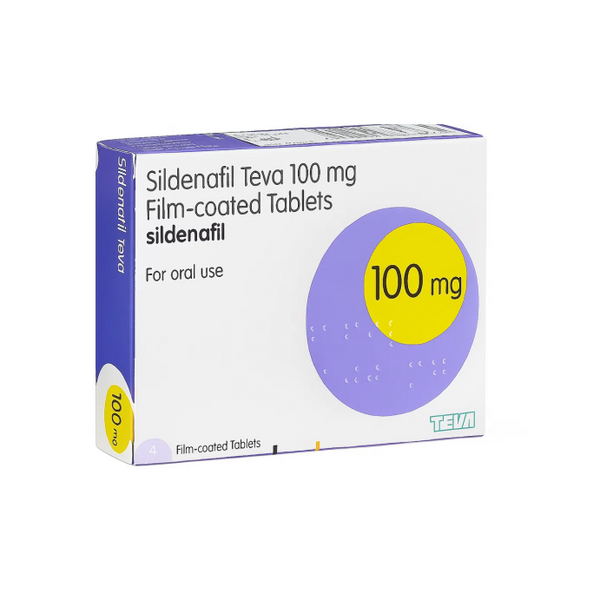
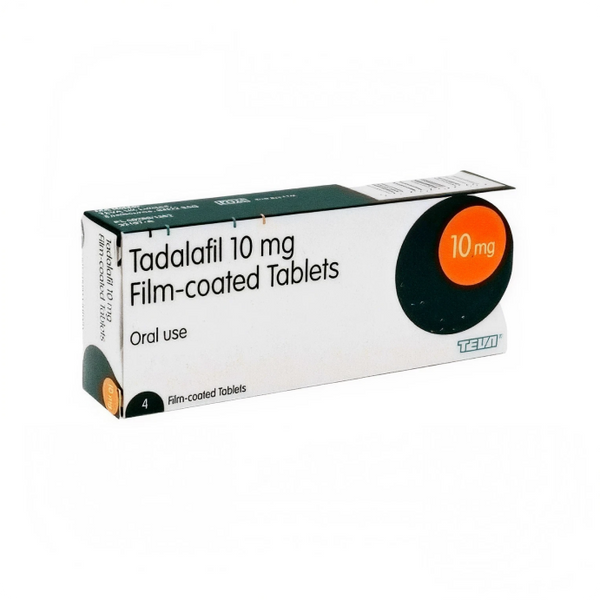
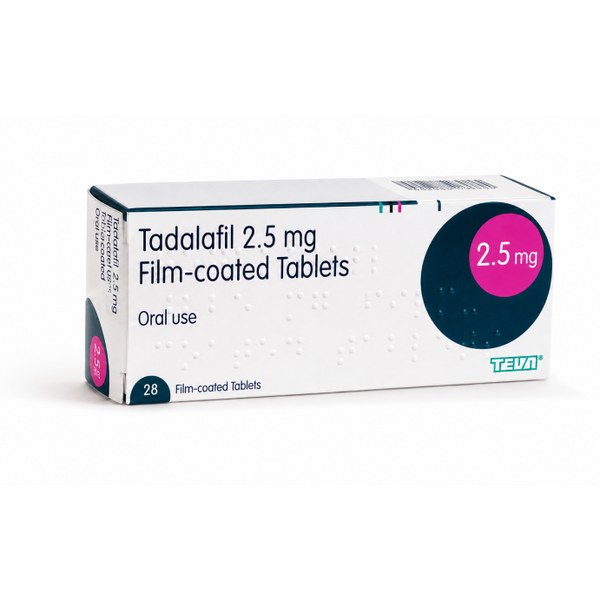
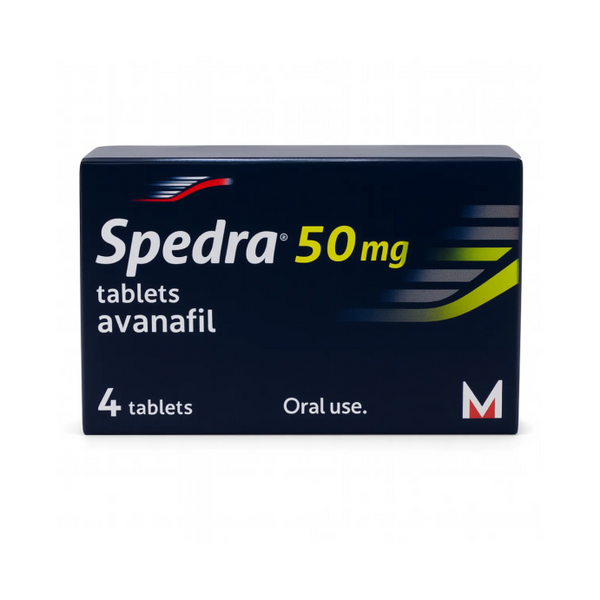
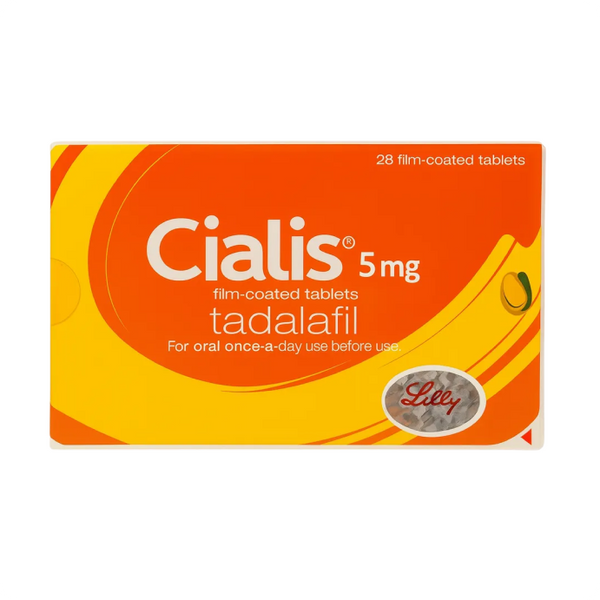
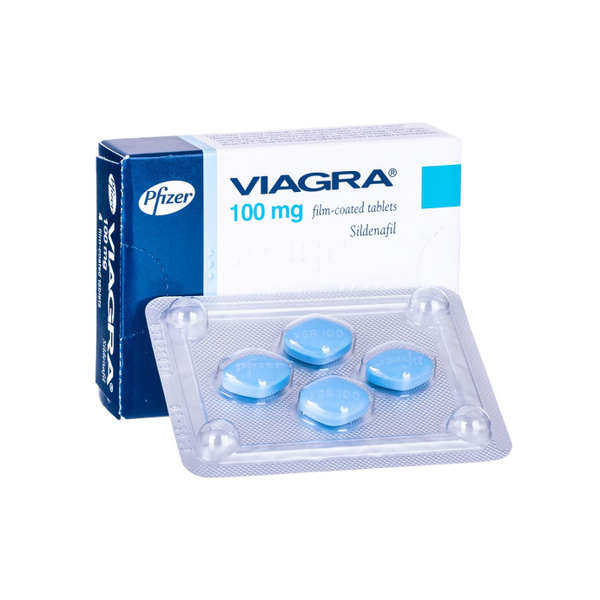
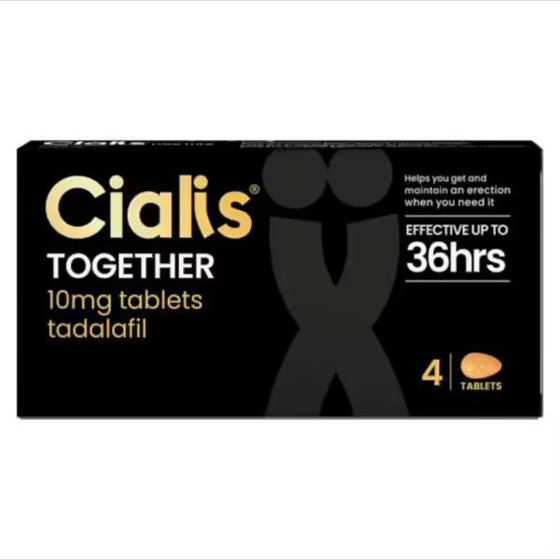
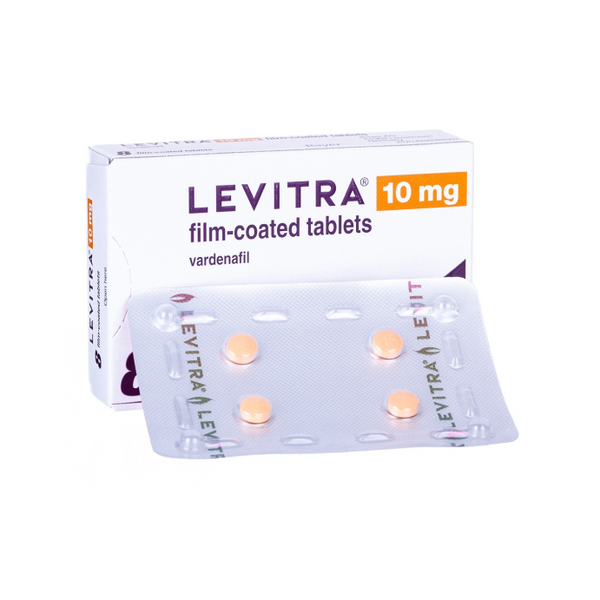
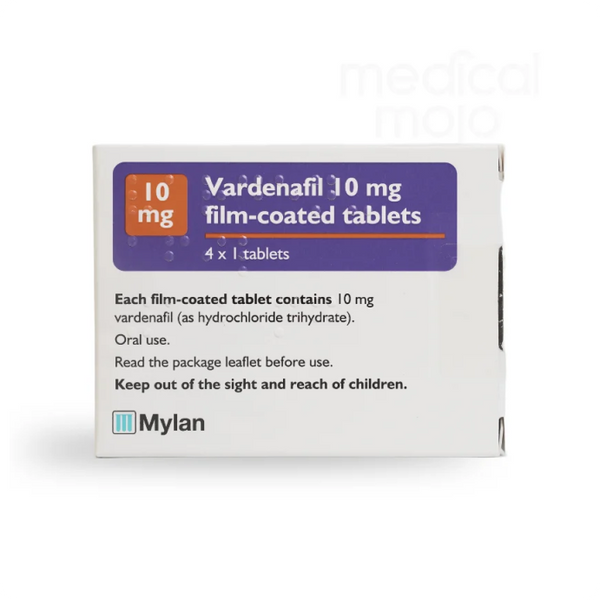
Medicines known as PDE5 inhibitors are the main established oral treatments for erectile dysfunction.
These include:
- Sildenafil
- Tadalafil
- Vardenafil
- Avanafil
The NHS lists PDE5 inhibitors among the main treatments for ED, while NICE and European guidance support PDE5 inhibitors as established first-line pharmacological therapy when they are medically appropriate.
These medicines help increase blood flow within the penis and work in response to sexual stimulation rather than causing an erection automatically.
Importantly, they usually manage erectile dysfunction rather than permanently curing its cause.
If someone stops taking the medicine while the underlying cause remains, erection problems may return.
Why ED Tablets Do Not Always Mean an ED Cure
Successful ED medication can make erections significantly more reliable without correcting the condition responsible for the problem.
This distinction is important for users searching for "cures for ED".
For example, if narrowed blood vessels resulting from long-standing cardiovascular risk factors are contributing to ED, medicine may improve erections while those underlying vascular risks still require management.
For this reason, ED treatment should ideally combine symptom treatment with appropriate assessment of the underlying cause.
Persistent erectile dysfunction can provide an opportunity to review cardiovascular and metabolic health rather than treating it only as a performance issue. European guidelines recognise that ED shares several risk factors with cardiovascular disease.
Are ED Medicines Safe for Everyone?
No. ED medicines are not suitable for everyone.
A particularly important contraindication involves nitrate medicines. PDE5 inhibitors and nitrates can both lower blood pressure, and combining them can lead to dangerous hypotension. UK guidance describes this combination as contraindicated. Some recreational drugs, including 'poppers' containing nitrates, can also interact dangerously with PDE5 inhibitors.
Other medical conditions and medicines can also affect suitability.
A clinical assessment should therefore consider existing medicines, cardiovascular health and other relevant conditions before ED treatment is supplied.
What If ED Tablets Do Not Work?
Not responding to the first ED tablet does not mean erectile dysfunction cannot be treated.
Correct use matters, and some patients initially believe medication has failed when factors such as timing, stimulation, dose or method of use may be contributing.
European guidance specifically recommends explaining how PDE5 inhibitors should be used because incorrect use or inadequate information is a common reason for lack of response.
If tablets remain ineffective or unsuitable after appropriate assessment, additional treatments are available.
Vacuum Pumps for Erectile Dysfunction
A vacuum erection device creates negative pressure around the penis, drawing blood into erectile tissue and producing an erection. A penis pump is another common name for this device.
The NHS states that vacuum pumps work for many men and may be considered where medicine is unsuitable or ineffective.
A tension ring can then be used to help maintain the erection. Published data report that vacuum erection devices can produce erections satisfactory for intercourse in up to 90% of men.
Vacuum devices are a treatment rather than necessarily a permanent cure, because an erection device generally needs to be used again when required.
Alprostadil for Erectile Dysfunction
Alprostadil is another established option when oral ED medicines are unsuitable or ineffective.
Depending on the formulation and clinical circumstances, it can be administered locally rather than taken as a standard oral PDE5 inhibitor.
NICE recognises topical alprostadil as a treatment option, while European guidance also includes topical, intraurethral, penile injections and intracavernosal approaches in ED management. Intracavernosal alprostadil is effective for many men with ED, including some who do not respond adequately to oral medicines.
A healthcare professional can determine whether this type of treatment is appropriate.
Can Penile Implants Permanently Treat ED?
Penile prosthesis surgery is generally considered when other treatments are unsuitable, ineffective or when an appropriately informed patient prefers a definitive surgical option.
An implant can provide a reliable mechanical way to achieve penile rigidity, but describing it as a cure of the underlying disease is not entirely accurate. The vascular, nerve or other condition that originally caused ED may still exist.
European guidelines strongly support penile prosthesis implantation when other treatments fail or according to informed patient preference.
Surgery requires specialist assessment because implants have potential complications, including infection and mechanical failure.
What Is the New ED Cure?
There is currently no universally accepted new ED cure that has replaced established erectile dysfunction treatments.
Research is ongoing into approaches intended to improve or regenerate erectile function rather than temporarily facilitating erections. These include low-intensity shockwave therapy, platelet-rich plasma, stem-cell approaches and other experimental treatments.
However, the evidence differs substantially between these therapies.
Current European guidelines state that several novel ED treatments still require further large, blinded, placebo-controlled studies before reliable clinical recommendations can be made.
Patients should therefore be cautious about advertising that describes experimental therapy as a guaranteed permanent cure.
Can Shockwave Therapy Cure Erectile Dysfunction?
Low-intensity shockwave therapy (LI-SWT) has received considerable attention as a potential restorative treatment for certain forms of vascular ED.
Current European guidance reports that LI-SWT can produce a mild improvement in erectile function in men with vasculogenic ED. It gives only a weak recommendation for its use in selected patients, including some men with mild vascular ED or poor responses to PDE5 inhibitors.
This distinction matters.
Shockwave therapy should not be described as a proven permanent cure for every man with ED. Outcomes vary, evidence remains more limited than for established first-line treatments and appropriate patient selection is important.
Does PRP Cure Erectile Dysfunction?
Platelet-rich plasma, often abbreviated to PRP, has been investigated as a regenerative treatment for erectile dysfunction.
Some trials have reported improvements, while other controlled research has failed to demonstrate a clear advantage over placebo.
European guidance currently concludes that evidence remains insufficient to recommend PRP for routine clinical practice and states that intracavernosal PRP should be used only in a clinical trial setting.
PRP should therefore not be regarded as an established permanent ED cure.
Can Stem Cells Cure Erectile Dysfunction?
Stem-cell therapy is another area of active research.
Early clinical trials have investigated whether injected stem cells might help restore damaged erectile tissue. However, studies differ substantially in the type of cells used, treatment protocols and patient groups.
Current European guidelines state that available evidence is insufficient to draw definitive conclusions about effectiveness or make a clinical recommendation for stem-cell treatment of ED.
Stem-cell treatment should therefore be considered experimental rather than a proven cure.
Are Herbal or Natural ED Cures Effective?
There is no herbal medicine currently established as a guaranteed cure for erectile dysfunction.
Some supplements have been studied, but evidence is generally weaker than for established ED therapies. European guidelines note that evidence supporting herbal and natural supplements is limited, with any improvements from certain supplements generally expected to be mild.
There is also a safety issue with unregulated products marketed online as enhancement or "herbal" ED remedies.
In February 2026, the MHRA warned against buying unauthorised erectile dysfunction medicines online, noting that such products may contain no active ingredient, the wrong dose, hidden drugs or potentially harmful ingredients.
Avoid assuming that a product is safe simply because it is labelled "natural."
How to Cure Erectile Dysfunction Safely
For someone trying to determine how to cure erectile dysfunction, the safest strategy is to approach ED in stages.
First, determine whether erection difficulties are occasional or persistent. Stress, tiredness and alcohol can cause temporary erection problems, while recurring ED deserves further assessment; some men may still be able to get an erection in some situations but struggle in others, which can suggest a psychological component.
Next, identify potential causes and reversible risk factors, including the causes of erectile dysfunction linked to medical, lifestyle and psychological contributors. This can include reviewing cardiovascular health, diabetes risk, medicines, hormone problems, smoking, alcohol consumption, weight, physical activity and psychological wellbeing.
Treatment can then be tailored appropriately.
For some men, correcting the underlying problem may significantly restore natural erectile function. For others, a combination of lifestyle measures and medical ED treatment may provide the best long-term results.
When Should You Get Medical Advice About ED?
You should consider seeking medical advice when erection problems keep happening rather than occurring only occasionally. It should also be assessed if it repeatedly affects intercourse or is affecting your intimate life.
The NHS recommends assessment for persistent erectile dysfunction because treatment can usually help and an underlying health condition may need to be investigated.
Getting assessed is particularly important when ED occurs alongside:
- diabetes
- high blood pressure
- high cholesterol
- cardiovascular disease
- symptoms suggesting hormone problems
- new medication
- significant anxiety or depression
- previous pelvic or prostate surgery
Symptoms that happen mainly with a partner but not in other situations can sometimes point towards psychological factors.
Finding the cause can help determine whether the ED is potentially reversible or likely to require ongoing treatment.
Medical Disclaimer
This article is for general informational and educational purposes only. It is not intended to provide medical advice, diagnosis or treatment, and it should not be used as a substitute for consultation with a qualified healthcare professional.
Erectile dysfunction (ED) can have many possible causes, including cardiovascular, metabolic, hormonal, neurological, psychological and medication-related factors. Persistent or recurrent erection problems may sometimes be associated with an underlying health condition that requires assessment. A healthcare professional can help determine the possible cause and recommend appropriate treatment.
Information about medicines, including PDE5 inhibitors such as sildenafil, tadalafil, vardenafil and avanafil, is provided for general information only. These medicines are not suitable for everyone and can interact with other medicines or medical conditions. In particular, PDE5 inhibitors must not be taken with nitrate medicines because the combination can cause a dangerous fall in blood pressure. Do not start, stop or change any prescription medicine without speaking to an appropriate healthcare professional.
Information about emerging or experimental treatments, including shockwave therapy, platelet-rich plasma (PRP) and stem-cell treatments, reflects the current state of evidence discussed in this article and should not be interpreted as proof that these treatments are established cures for ED.
If you have persistent or recurrent erectile difficulties, or are concerned about your symptoms, speak to a GP, pharmacist or other appropriately qualified healthcare professional. Seek urgent medical attention for any severe or unexpected symptoms.
Information and guidance can change as medical evidence and clinical recommendations develop. Always check current guidance and product information before making decisions about your health or treatment.
Frequently Asked Questions
Q: What is the fastest way to cure ED?
Q: What is the simple trick to cure ED?
Q: Can ED cure itself?
Q: How can you cure ED naturally?
Q: Can erectile dysfunction be cured permanently without medication?
Q: Can psychological erectile dysfunction be cured?
Q: Does sildenafil cure erectile dysfunction?
Q: Does tadalafil cure ED permanently?
Q: What are the most effective treatments for erectile dysfunction?
Q: Is there a new permanent ED cure?
Q: Can ED Really Be Cured? The Bottom Line
Some forms of ED may improve substantially or even resolve when an underlying reversible cause is successfully treated. Lifestyle changes, better cardiovascular health, medication review and treatment of psychological factors can all make a meaningful difference in appropriately selected patients.
Other men will need ongoing treatments such as PDE5 inhibitors, vacuum erection devices, locally administered medicines or specialist interventions to maintain reliable erectile function.
Claims of an instant simple trick to cure ED, guaranteed natural cure or universally effective permanent cure for erectile dysfunction should therefore be approached with caution.
The most effective route is to identify the cause first and then use evidence-based treatment suited to that cause. This provides a better chance of improving erectile function while also identifying health problems that may otherwise go untreated.
What Is Erectile Dysfunction? A Complete Guide
Erectile Dysfunction Treatment: Your Complete UK Guide
Related Posts


Cheap Tadalafil UK: How to Compare Prices Safely