What Is Erectile Dysfunction? Causes, Symptoms and Treatment Explained
Erectile dysfunction (ED) is the persistent difficulty getting or keeping an erection firm enough for satisfactory intimate activity. It is a common health condition affecting adult men, becomes more likely with age, and many cases can be assessed and treated.
This guide covers what erectile dysfunction actually is, the physical and psychological factors that can cause it, how to recognise it, why it is worth taking seriously rather than working around, and the treatment options available through a proper clinical assessment.
Key Things to Know
- Erectile dysfunction (ED) means an ongoing pattern of difficulty, not an occasional one-off caused by tiredness, stress or alcohol.
- It becomes more common with age but is not an inevitable part of ageing, and it rarely has just one single cause.
- Erectile dysfunction can have more than one contributing factor, including physical and psychological factors.
- ED can be one of the earliest visible signs of an underlying cardiovascular problem, which is why a proper assessment includes a cardiovascular risk check.
- Effective treatment options exist beyond tablets, including devices and specialist therapies.
- An erection lasting more than 4 hours is a medical emergency and needs immediate attention, not a routine appointment.
What Is Erectile Dysfunction?
Erectile dysfunction is the persistent inability to get or maintain an erection sufficient for satisfactory intimate activity. The word "persistent" matters. An erection that does not go to plan once in a while, particularly after a stressful day, a heavy night out or simple tiredness, is not erectile dysfunction. ED describes an ongoing or recurrent pattern rather than an isolated incident. It becomes worth assessing when erection difficulties keep happening.
Many men also notice a change in firmness rather than a complete inability to get an erection at all, and some notice the problem in some situations but not others. Both patterns fall under the same clinical definition.
Erectile Dysfunction and Impotence: Is There a Difference?
"Impotence" is simply the older, more informal term for the same condition. Erectile dysfunction is the term used in current clinical practice because it describes the specific problem more precisely: difficulty with erections, rather than a broader and less clearly defined idea of intimate function. If you have seen either word used, they refer to the same thing.
Occasional Difficulty vs Ongoing Erectile Dysfunction
Almost every man experiences an erection that does not go as expected at some point, usually linked to stress, tiredness, alcohol or simply being distracted. This is normal and not something to be concerned about. It becomes worth assessing when the difficulty is regular rather than occasional, or when it is affecting confidence, mood or relationships.
How Common Is Erectile Dysfunction?
Erectile dysfunction is common and becomes more common with age. However, it is not an inevitable part of getting older and can affect men at different ages.
What Causes Erectile Dysfunction?
Most cases of erectile dysfunction have more than one contributing cause rather than a single explanation. An erection depends on a chain of events involving nerve signals, blood flow and psychological state all working together, so a problem at almost any point in that chain can affect the outcome.
Physical (Vascular) Causes
Vascular problems are an important physical contributor to erectile dysfunction. Because an erection depends on blood flowing into the penis, anything that affects the blood vessels can affect erectile function. Conditions linked to this include high blood pressure, high cholesterol and diabetes.
Hormonal Causes
Low testosterone (sometimes called hypogonadism) can reduce both desire and erectile function. It is one of the reasons for a proper clinical assessment for erectile dysfunction that may include testosterone testing where clinically appropriate.
Neurological and Structural Causes
Erections rely on nerve signals travelling between the brain and the pelvis. Conditions that affect these nerve pathways, such as multiple sclerosis, or injury to the pelvic area, can interrupt that signal and cause erectile dysfunction as a result.
Psychological Causes
Stress, anxiety (including anxiety about performance itself), low mood and relationship difficulties can all contribute to erectile dysfunction, either as the main cause or alongside a physical one. The pattern of erections during sleep, on waking and in different situations can provide useful information during a clinical assessment, but it does not by itself establish the cause.
Medication-Related Causes
Certain medicines, including some used for blood pressure and depression, can list erectile dysfunction as a side effect. This should never be a reason to stop or change a prescribed medicine without speaking to the prescriber who prescribed it, since stopping some treatments abruptly carries its own risks.
Lifestyle Factors
Smoking, high alcohol intake, low levels of physical activity and carrying significant excess weight are all recognised contributors, largely because of the effect they have on blood vessel health over time.
Why Most Cases Have More Than One Cause
Because these categories can overlap in real life, some men have what clinicians describe as 'mixed aetiology': more than one contributing factor. This is worth knowing because it means a single quick fix rarely tells the whole story, and a proper assessment is more useful than guessing.
Erectile Dysfunction and Your Heart: Why It Matters
Erectile dysfunction can sometimes be an early clinical marker of cardiovascular disease. ED and cardiovascular disease share several vascular risk factors, and ED can sometimes appear before clinically recognised cardiovascular disease.
This is precisely why NICE guidance for assessing erectile dysfunction recommends a cardiovascular risk assessment as standard, rather than treating erectile dysfunction as an isolated inconvenience to work around. A proper assessment should consider relevant cardiovascular risk factors rather than treating ED in isolation.

Recognising the Symptoms of Erectile Dysfunction
The main symptom of erectile dysfunction is a persistent difficulty getting or keeping an erection firm enough for satisfactory intimate activity. This can show up in different ways: reduced firmness, an erection that does not last, or being unable to get an erection at all. It is worth noting that erectile dysfunction is a different issue from a reduced desire (loss of libido) and from ejaculation problems such as premature ejaculation, although more than one of these can occur together.
When to Seek Medical Advice
It is worth arranging an assessment if:
- The difficulty has been happening regularly for several weeks or more.
- It started suddenly, particularly alongside a new medicine or a change in your general health.
- It is affecting your confidence, mood or relationships.
One symptom needs emergency attention rather than a routine appointment: an erection that lasts longer than 4 hours (priapism) is a medical emergency. This needs immediate care, so go to A&E or call 999 rather than waiting to arrange a consultation.
How Is Erectile Dysfunction Diagnosed?
A proper assessment should consider your medical history, medicines, lifestyle, relevant physical findings, cardiovascular risk and, where appropriate, testosterone levels.
The point of a genuine clinical assessment is that it should be able to identify men for whom a particular treatment is not suitable, or for whom something else needs investigating first, rather than simply processing every request the same way. This is also why erectile dysfunction should be assessed by an appropriately qualified healthcare professional.
What to Expect at Your Assessment
An assessment does not need to mean an awkward in-person conversation if that feels like a barrier to seeking help. An online consultation with a UK-registered prescriber can cover many of the same questions about your medical history, current medicines, lifestyle and relevant risk factors, before any treatment is considered. If your answers suggest something needs a closer look, a proper assessment should say so rather than moving straight to a prescription regardless.
Treating Erectile Dysfunction: What Are the Options?
There is a range of effective treatment options for erectile dysfunction, and treatment suitability depends on an individual clinical assessment rather than a single default answer. The right option depends on the underlying cause, your general health, and what you are looking for from treatment.
First-Line Treatment: PDE5 Inhibitor Tablets
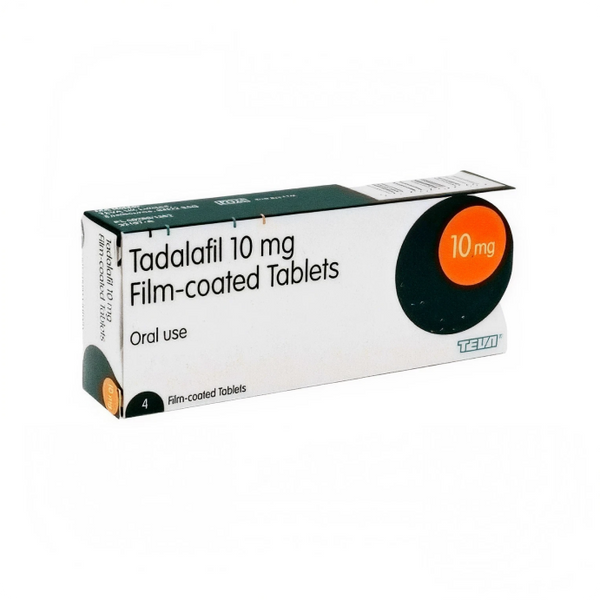
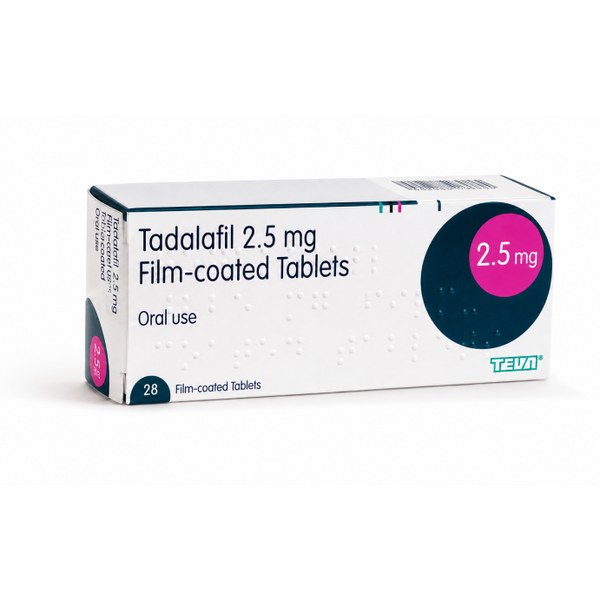
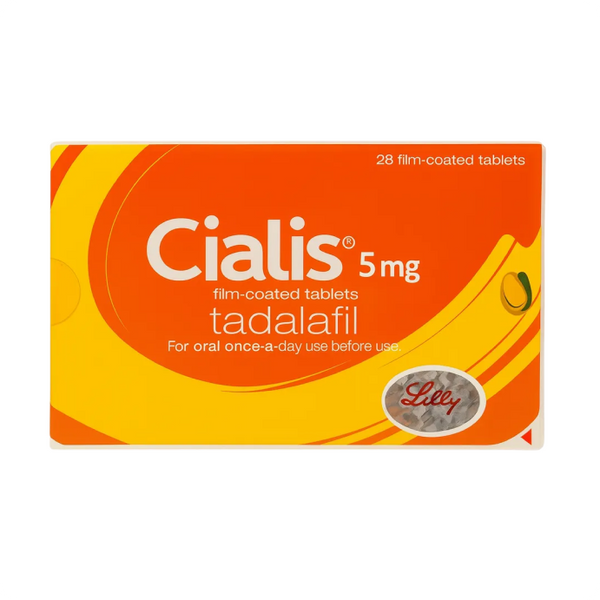
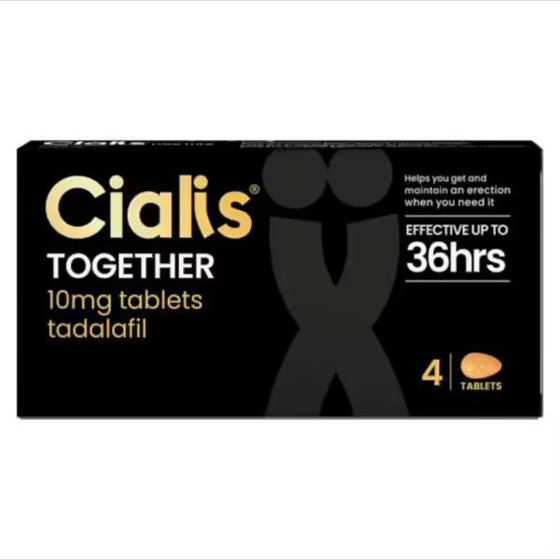
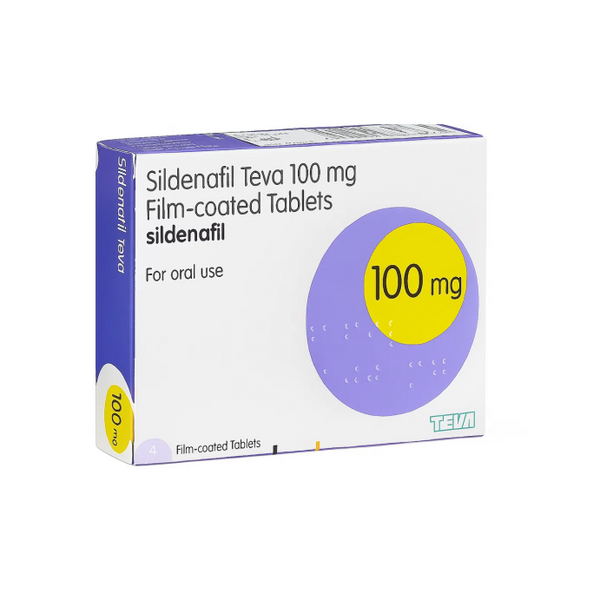
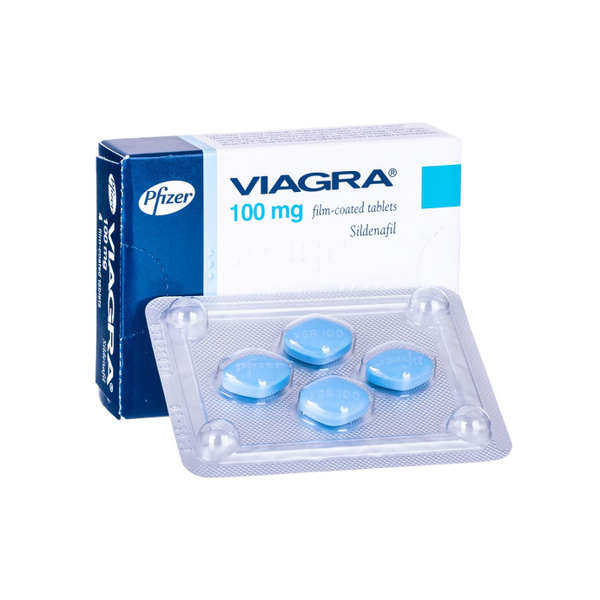
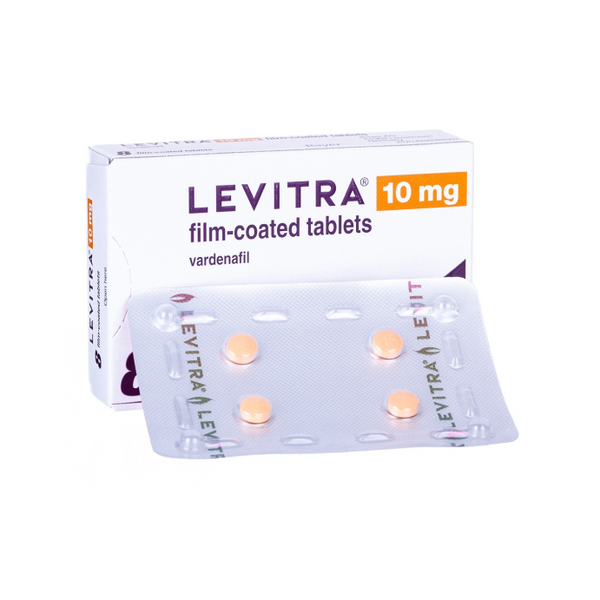
Tablets such as sildenafil and tadalafil belong to a class of medicine called PDE5 inhibitors. They work by supporting the natural process behind an erection rather than creating one independently, which is why they only work alongside stimulation. PDE5 inhibitors are effective for many men, although response varies between individuals and depends on factors such as the medicine, dose and underlying cause. Some men find that their first prescribed tablet is not effective enough or causes side effects. This is a reason to review the treatment plan with a prescriber rather than assume that other options will not work.
Your prescriber will determine which medicine and dose, if any, is appropriate for you based on your individual assessment.
Non-Drug and Device-Based Options
Vacuum erection devices work mechanically rather than with medicine: the device draws blood into the penis, and a constriction ring holds it there. Published evidence suggests vacuum erection devices can produce erections suitable for intercourse in a high proportion of men. Devices should be used according to the manufacturer's instructions, including any built-in safety limits. Pelvic floor exercises may also help some men with erectile dysfunction.
Second-Line and Specialist Treatments
Alprostadil is a treatment that acts directly on the erectile tissue rather than relying on the nerve signal that PDE5 inhibitor tablets need, which means it can work in some cases where tablets have not. It is available as an injection, a small pellet inserted into the urethra, or a cream, and is generally started under specialist supervision because of a risk of a prolonged erection. According to NICE's evidence review, response rates are above 70% for the injected form and between 30% and 66% for the urethral form. Alprostadil should only be combined with another erectile dysfunction treatment if specifically advised by a healthcare professional.
Psychological and Relationship-Based Support
Where stress, anxiety or relationship factors are contributing to erectile dysfunction, psychological support such as structured talking therapy or couples-based counselling can genuinely help, either on its own or alongside a physical treatment. This is a legitimate treatment route in its own right, not a last resort.
| Treatment option | How it works | Typical response rate* |
|---|---|---|
| PDE5 inhibitor tablets (e.g. sildenafil, tadalafil) | Supports the natural erection process; needs stimulation to work | 56% to 84% |
| Vacuum erection device | Draws blood into the penis mechanically, held in place by a constriction ring | Up to 90% |
| Intracavernosal alprostadil injection | Acts directly on erectile tissue | Above 70% |
| Intraurethral alprostadil | Absorbed through the urethra | 30% to 66% |
*Figures from NICE's evidence review of erectile dysfunction treatments. Individual results vary and treatment suitability depends on an individual clinical assessment.
Medical Disclaimer
This page is for general information only and is not a substitute for a one-to-one clinical assessment. It does not cover every possible cause, treatment or interaction, and it should not be used to self-diagnose or to start, stop or change any medicine. Erectile dysfunction can be linked to underlying health conditions, and persistent or recurrent difficulty should be assessed by an appropriately qualified healthcare professional. If you experience an erection lasting more than 4 hours, this is a medical emergency: seek immediate care at A&E or call 999.
Frequently Asked Questions
What is erectile dysfunction?
Is impotence the same thing as erectile dysfunction?
What is the most common cause of erectile dysfunction?
Can erectile dysfunction be a sign of a more serious health problem?
How is erectile dysfunction treated?
Can lifestyle changes improve erectile dysfunction?
Is erectile dysfunction a normal part of getting older?
What if erectile dysfunction tablets don't work for me?
Can erectile dysfunction happen in younger men?
When should I see a prescriber about erectile dysfunction?
Does erectile dysfunction affect desire as well?
Is erectile dysfunction linked to diabetes?
Related Posts


Cheap Tadalafil UK: How to Compare Prices Safely