Erectile Dysfunction and Relationships: A Partner's Guide
- Understand why ED happens and why it is often not about you or the relationship.
- Practical, judgement-free guidance on how to talk about it without adding pressure.
- Know the signs worth a professional assessment, and how to raise it supportively.
- When your partner is ready, online consultation with UK-registered prescribers may be an option for them.
If your husband, boyfriend or partner has erectile dysfunction, or ED, the most important things to know are that it's common, it is rarely about you or your relationship, and how you both respond to it matters more than the erection problem itself. ED affects a large proportion of men at some point, and it is often manageable once the underlying cause has been assessed and appropriate treatment or support is provided.
This page is written for the partner, not the person experiencing ED, and covers how to recognise what might be going on, how to talk about it without adding pressure, what actually helps, and when it is worth suggesting a professional assessment.
Does My Husband or Boyfriend Have ED?
You can not diagnose erectile dysfunction in someone else, but there are patterns worth noticing, and a respectful way to ask rather than guess.
Signs You Might Notice
Repeated difficulty trying to get an erection or maintain an erection, avoiding physical intimacy more than usual, seeming anxious, embarrassed or withdrawn around it, or making excuses to avoid the topic can all be signs, especially if this is a change from how things were before. In some cases, avoiding a relationship can also be a sign if it seems driven by embarrassment or worry rather than lack of interest.
Why You Can not Diagnose It For Him
None of these signs are proof on their own. Reduced interest can have other explanations, including stress, low mood, or something unrelated to ED entirely, and only he knows what he's actually experiencing. Trying to work it out by watching for signs, without talking to him, risks getting it wrong and adding pressure either way.
How To Ask, Without Making It Worse
Raise it away from the moment it happens, in a calm, private setting, and focus on open communication rather than a direct question about performance. Something like "I have noticed this may be affecting intimacy lately, and I want to support you if it has been worrying you. Is everything okay?" opens a conversation. A direct question asked immediately after a difficult moment may create more embarrassment or pressure than a conversation at another time.
Is It Something I Did? Why ED Is Rarely About the Relationship
No. ED has many physical and psychological causes, and it is often unrelated to whether your partner finds you attractive or wants to be with you.
The Physical and Psychological Causes
Physical causes include health conditions that affect blood flow, such as diabetes, high blood pressure, high cholesterol and stroke, hormonal changes including low testosterone, neurological conditions that affect nerve signalling, and certain medications that can cause erectile dysfunction as a side effect, including some for blood pressure and some antidepressants.
Psychological causes, which are especially common in men under 40, can affect men of all ages, including young men, not just older men, and include stress, anxiety, low mood, relationship tension, performance anxiety and low self esteem; these are just as real and just as treatable as physical causes, not "just in his head" in any dismissive sense.
Lifestyle factors such as smoking, which can damage blood vessels, high alcohol intake, poor sleep and low physical activity can contribute to either, and unhealthy habits can also worsen erectile dysfunction.
Why Pressure and Frustration Can Make It Worse
Once ED happens, worry about it happening again can itself contribute to further difficulty, creating a cycle of anxiety and erection problems.
This is a well-recognised anxiety loop, and it works the same way from the other side of the relationship: visible disappointment, frustration, or repeated questions about what is wrong, even when completely understandable, can add exactly the kind of pressure that keeps the cycle going, because erectile dysfunction affects both partners emotionally, not only the person with symptoms. This is not about you managing your own reactions perfectly. It is a useful context for why gentler approaches tend to work better than direct or frequent ones.
New Relationship, New Boyfriend, Same Question: Is This Normal Early On?
Yes, ED can appear more readily with a new partner, and it usually does not mean what it feels like it means.
Why ED Can Show Up More With a New Partner
An unfamiliar situation naturally brings more self-consciousness and performance pressure, and that alone can be enough to interrupt an erection even when there is no underlying problem and no lack of attraction. For some men it tends to ease as the relationship becomes more familiar and the pressure eases with it.
How Long Does It Usually Take to Ease?
There is no fixed timeline, and it depends heavily on how the early occasions are handled between you. Where it is not turned into a bigger conversation than it needs to be, and is not repeated as a source of tension, it tends to settle naturally as familiarity and trust build.
When it becomes something either person is anxious about going into future occasions, the anxiety itself can keep it going for longer than the original nerves would have on their own.
What It Does Not Mean
It does not reliably predict how your physical relationship will go as you both get more comfortable, and it is not evidence about how he feels about you. Reading too much into an early, isolated occasion is one of the most common and most unnecessary sources of worry in a new relationship.
How To Talk About It Without Making Things Worse
The way a conversation happens matters as much as whether it happens at all.
What Helps
Choose a calm, private moment away from the bedroom, use language that separates him from the problem, such as "this" rather than "you," and make clear the goal is understanding, support, and preserving emotional intimacy, not solving it on his behalf or extracting a promise to fix it immediately. Supportive wording also helps the conversation feel safer whether you are speaking as a spouse.
What Tends To Make It Worse
Bringing it up in the moment it happens, comparing him to a previous partner or an earlier version of the relationship, repeatedly asking if something is wrong, or trying to reassure him by minimising it ("it does not matter") when he has not said that is what he needs, can all add pressure rather than take it away.
| Approach | Tends to help | Tends to add pressure |
|---|---|---|
| Timing | A calm, private moment away from when it happened | Raising it immediately, in the moment |
| Language | "This" or "it," separating him from the problem | "You," framed as something he is doing or failing to do |
| Comparisons | None | Referencing a previous partner or an earlier point in the relationship |
| Frequency | Raised once, then space given to respond | Asked repeatedly across days or weeks |
| Reassurance | Offered once he has shared how he feels | Given before he has said what he needs, which can feel dismissive |
How ED Affects a Relationship, and Managing Erectile Dysfunction as a Couple
ED affects both people in a relationship, not just the person experiencing it, and acknowledging that honestly tends to help rather than hinder.
The Emotional Side for Both of You
It is common for the person with ED to feel embarrassed, inadequate or anxious about disappointing you, and equally common for a partner to feel confused, rejected or unsure whether it is safe to bring up. Neither reaction means anything is wrong with the relationship. Both are normal responses to a situation neither of you chose.
Staying Connected While It is Being Sorted Out
Closeness and connection do not have to depend on one specific outcome while ED is being worked through. Intimacy can still be part of your romantic activity without centering everything on penetrative activity. Lower-pressure options like touch and kissing can help you stay close without turning every moment into a performance test. Some couples find that taking the pressure off for a while makes intimacy feel easier while the underlying cause is being assessed and treated.
Looking After Your Health and Yourself Too
Your own feelings about this are valid and worth attention as well, not just his. Feeling confused, hurt, or unsure how to act are all reasonable responses, and it is fine to talk them through with someone you trust, or your own GP if it is affecting your mental health more broadly, rather than carrying them alone. Supporting a partner well is easier when you are not managing your own reaction in silence at the same time, and individual therapy can help if navigating ED is affecting your wellbeing or the relationship more widely.
When To Suggest Getting Help
A pattern that has lasted several weeks or more, rather than a one-off occasion, is generally worth a professional assessment.
Signs It is Worth a Professional Assessment
If difficulty is happening on most attempts, if it keeps happening, if it is getting worse rather than better, or if it is affecting his confidence or your relationship more broadly, these are all reasonable reasons to suggest getting it looked at properly rather than waiting to see if it resolves on its own.
Ongoing erection problems can sometimes point to an underlying health condition.
Erectile dysfunction can sometimes be associated with underlying cardiovascular disease. Regular check-ups can help identify underlying causes instead of assuming it will pass on its own.
How To Suggest It Supportively
Frame it as something you would support him doing for himself, not something you need him to do for you or the relationship. "Would it help to talk to a healthcare provider about it?" tends to land better than "you should see someone about this," especially since professional medical advice can help him understand that there are effective treatments and more than one treatment option.
What Treatment Looks Like, and What Your Role Is
Treatment works well for most men, and your role is support, not management.
The Assessment
A prescriber will ask about how long it has been happening, whether it happens in every situation or only some, general health, lifestyle, any medicines he takes, his medical history, erectile history, and cardiovascular risk factors such as blood pressure, cholesterol, smoking, or possible cardiovascular disease, and may suggest a blood test or a physical check to look for underlying health issues depending on what comes up. This is between him and a prescriber. You do not need to be involved in the details for it to work, and he does NOT need to have worked out for himself in advance whether the cause is physical or psychological. That is what the assessment is for. Regular aerobic activity and other lifestyle changes as part of a healthy lifestyle can improve erectile function and overall physical health, so that often comes up too.
Treatment Options, Including ED Therapy
Treatment depends on the underlying cause.
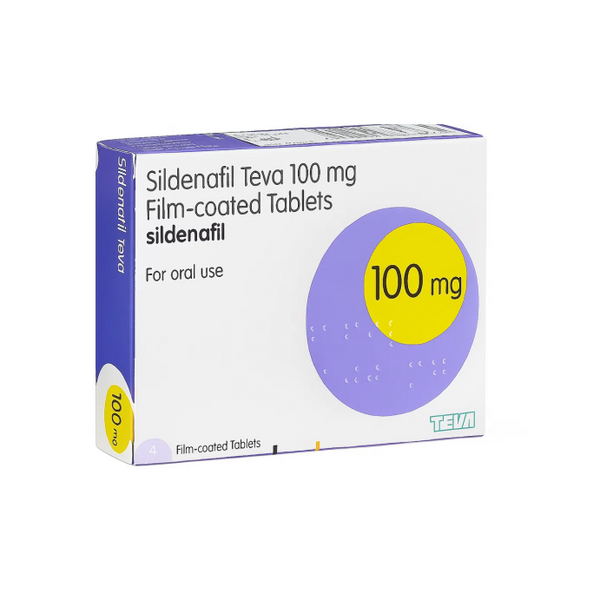
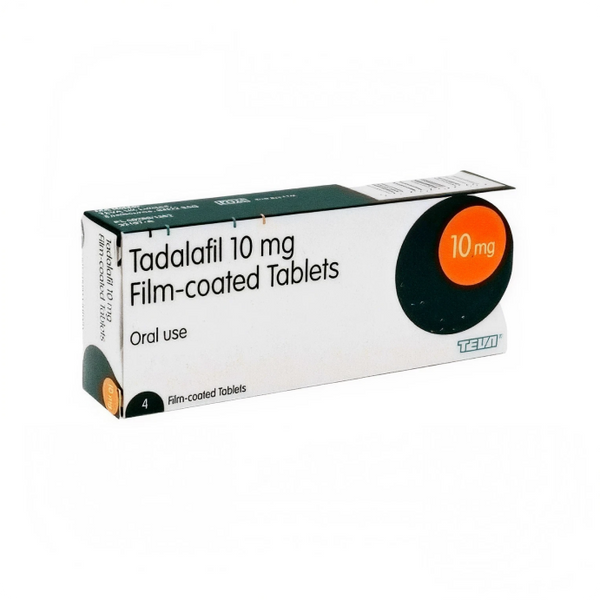
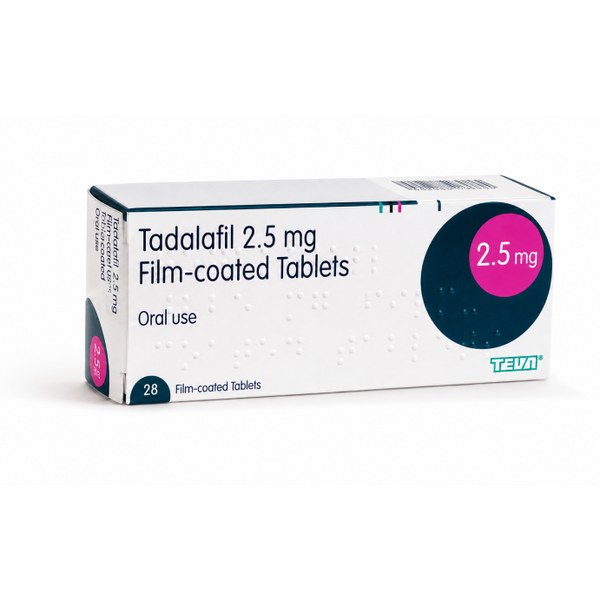
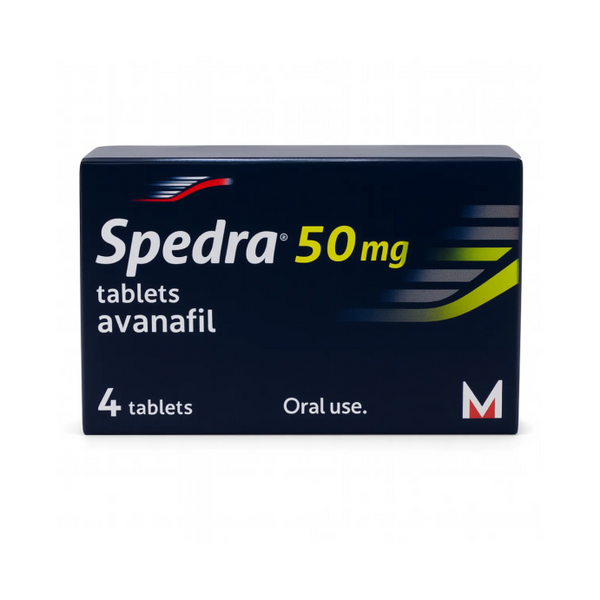
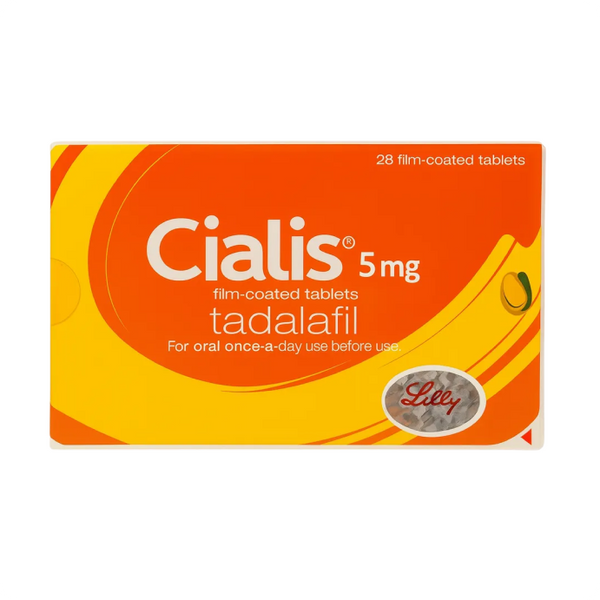
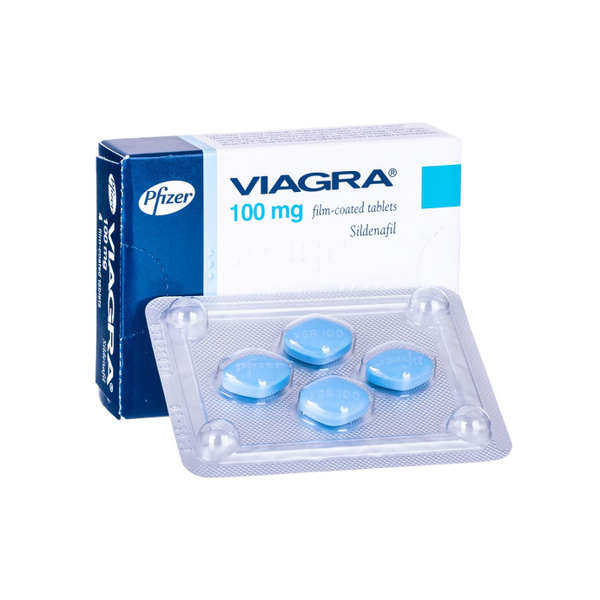
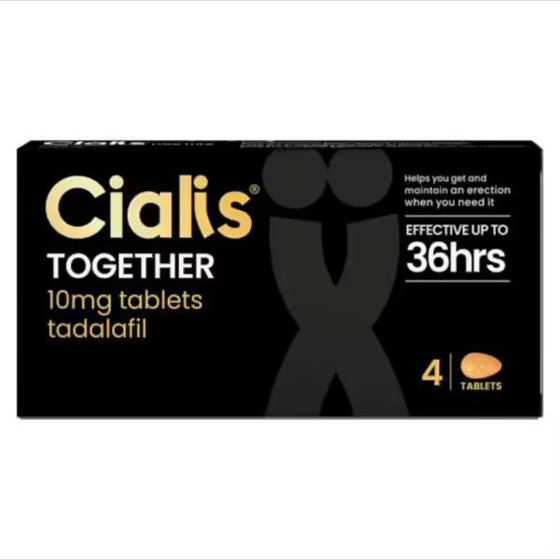
Common first-line options include prescription medicines from the PDE5 inhibitor group, including sildenafil and tadalafil, once he has been assessed.
These medicines increase blood flow to the penis but still require sexual stimulation and do not automatically cause an erection.
Non-drug options such as vacuum erection devices also exist, creating a vacuum that draws blood into the penis and can be effective for many men.
If a first treatment does not work well enough, a prescriber can review how it is being used, adjust the approach or consider another treatment. Psychological or psychosexual therapy can also help, especially where performance anxiety or other psychological factors are involved.
What You Can and Can not Do To Help
You can offer support, patience and a low-pressure environment. That kind of support can help improve erectile function. You can not diagnose him, decide for him that he needs treatment, or fix it through reassurance alone.
Treatment only works once he wants it for himself, and that timing has to be his to choose. When he is ready, online consultation with UK-registered prescribers is available for him to use, and seeking treatment is often easier when there is open support rather than pressure.
Medical Disclaimer
This article is for general informational purposes only and is not intended to diagnose, treat or prevent erectile dysfunction or any other medical condition. Erectile dysfunction can have a range of physical, psychological and medication-related causes, so persistent or recurrent erection problems should be discussed with a qualified healthcare professional. Do not stop, start or change any medication based on information in this article. Treatment should be recommended by a healthcare professional after an appropriate assessment. If you are concerned about your partner's symptoms, encourage them to seek professional medical advice rather than trying to diagnose the cause yourself.
Frequently Asked Questions
Q: Does my husband or boyfriend have ED, or is something else going on?
Q: Is it my fault that my partner has ED?
Q: My new boyfriend has ED. Does that mean he is not attracted to me?
Q: How do I bring up ED without embarrassing him or making it worse?
Q: Should I mention ED to him, or wait for him to bring it up?
Q: Can stress in our relationship be causing his ED?
Q: What should I Not do if my partner has ED?
Q: How common is ED, and is it likely to be permanent?
Q: When should we get professional help?
Q: What can I do to support him through treatment?
Can Not Get an Erection? Common Causes and What Helps
Erectile Dysfunction Treatment UK: Your Options
Related Posts


Cheap Tadalafil UK: How to Compare Prices Safely