Struggling to Maintain Erection: Why It Happens and What Helps
Getting an erection but then losing it before or during sex is what "struggling to maintain an erection" usually means: you can become erect, but cannot keep the erection firm enough for sexual activity. Keeping an erection involves continued blood flow and mechanisms that help restrict blood leaving the penis, but losing an erection can have many possible causes, including anxiety, alcohol, medicines, reduced arousal, vascular or neurological factors, and other health conditions.
For adult men in the UK dealing with this during sexual activity, this page explains what normally keeps an erection going, what commonly interferes with it, how doctors tell the difference between trouble maintaining an erection and other erectile problems, and which options may help, including pelvic floor exercises, medication timing, vacuum devices, and support for anxiety. It is a common and treatable issue, but it can affect confidence, relationships, and sexual wellbeing, so understanding the cause is the first step towards choosing the right treatment.
Key things to know
- Difficulty maintaining an erection is a specific pattern, distinct from difficulty getting one in the first place.
- Keeping an erection depends on continued blood inflow, adequate relaxation of the erectile tissue and mechanisms that restrict blood leaving the penis.
- Possible causes include anxiety or loss of arousal, alcohol, certain medicines, vascular or neurological factors, hormonal problems and other health conditions. A specific vascular problem affecting venous outflow is one possible cause but cannot be diagnosed from this symptom alone.
- Pelvic-floor muscle exercises may help some men with erectile dysfunction, although the evidence is not strong enough to say they are specifically suited to this pattern.
- It is common and often treatable, although persistent erection problems can sometimes be linked to an underlying health condition and are worth discussing with a healthcare professional.
Not Getting One vs Not Keeping One: Why the Erectile Dysfunction Distinction Matters
Difficulty getting an erection can involve problems with arousal, blood flow, nerve signalling, hormones or psychological factors. Difficulty maintaining one can involve many of the same factors, as well as loss of arousal or problems with the mechanisms that restrict blood leaving the penis. The two patterns can overlap, so describing exactly what happens can help with assessment.
How an Erection Is Normally Maintained
Getting an erection involves increased blood flow into the erectile tissue and relaxation of smooth muscle within the penis. As the erectile tissue fills, pressure within it helps compress veins and restrict blood leaving the penis, which helps maintain rigidity. Sexual stimulation and ongoing nerve signalling are also important. Difficulty maintaining an erection can result when any of these processes is disrupted
Achieving vs Maintaining: Causes at a Glance
| If the difficulty is mainly about | Causes more often involved |
|---|---|
| Getting an erection at all | Reduced blood flow to start with, low arousal, some hormonal factors, some psychological factors |
| Keeping an erection once started | Venous leak, anxiety part way through, alcohol, medication timing, low testosterone, nerve-related sensation changes |
| Both, in different situations | A combination of physical, psychological, relationship or lifestyle factors |
Common Reasons You Might Lose an Erection Partway Through
Venous leak (venogenic ED)
Venogenic erectile dysfunction, sometimes called veno-occlusive dysfunction, occurs when the mechanisms that restrict blood leaving the penis do not work adequately. It is one possible physical cause of difficulty maintaining an erection, but symptoms alone cannot reliably diagnose it. If a vascular cause is suspected, a healthcare professional can decide whether specialist assessment or testing is appropriate.
Anxiety, psychological causes, and losing focus part way through
Arousal needs to be sustained, not just reached once, and anxiety, along with other psychological causes such as stress or low mood, activates a stress response that works directly against the blood flow involved in maintaining it. This can create a self-reinforcing loop: losing an erection once can cause worry about it happening again, and that worry can make it harder to maintain arousal the next time. When psychological factors are contributing, counselling or psychological approaches such as cognitive behavioural therapy may help.
Medication timing
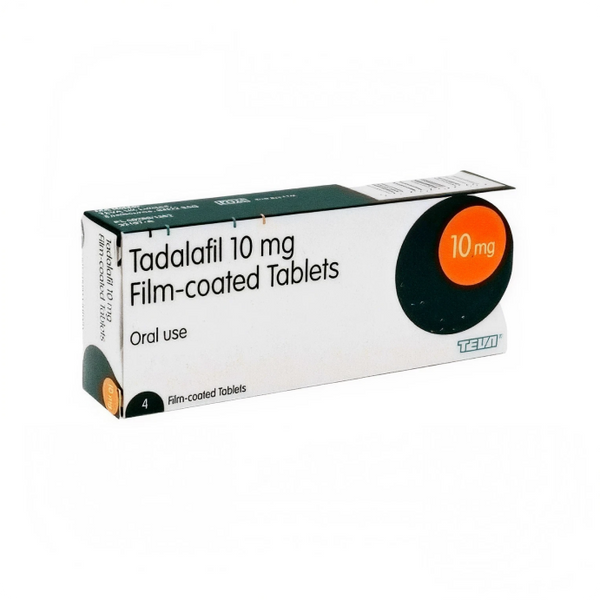
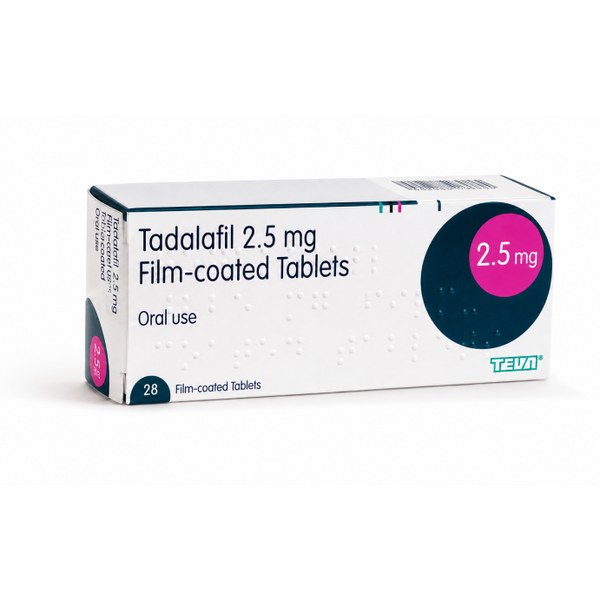
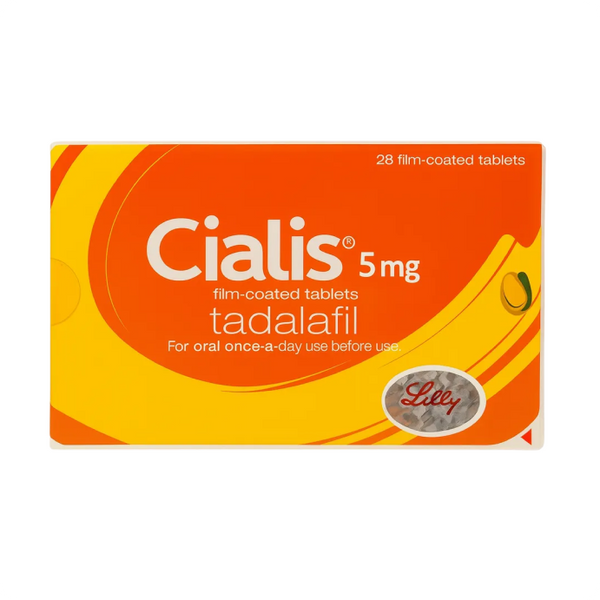
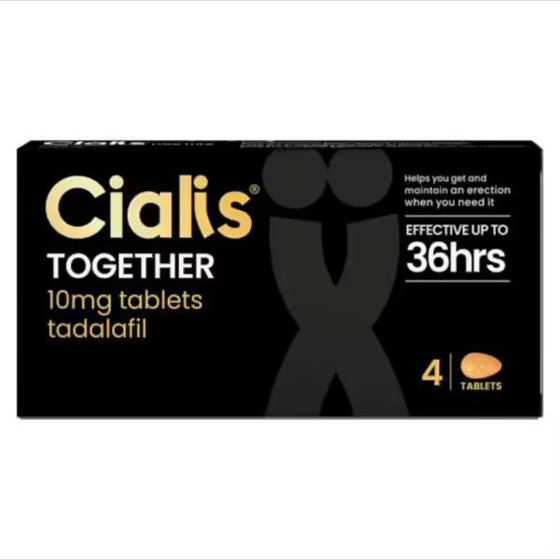
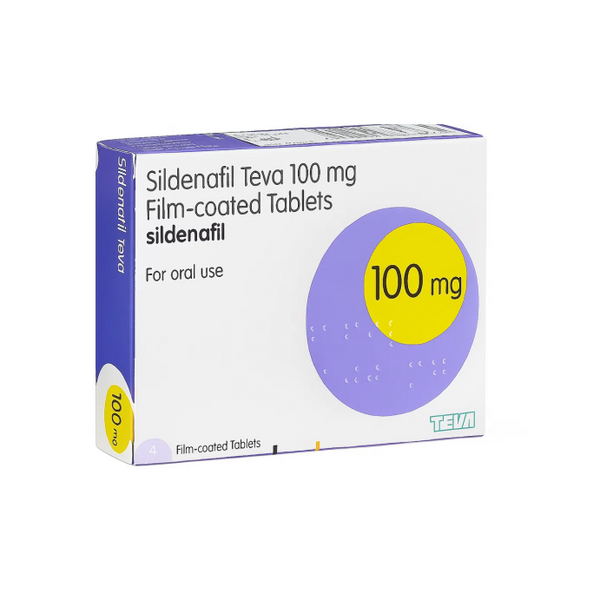
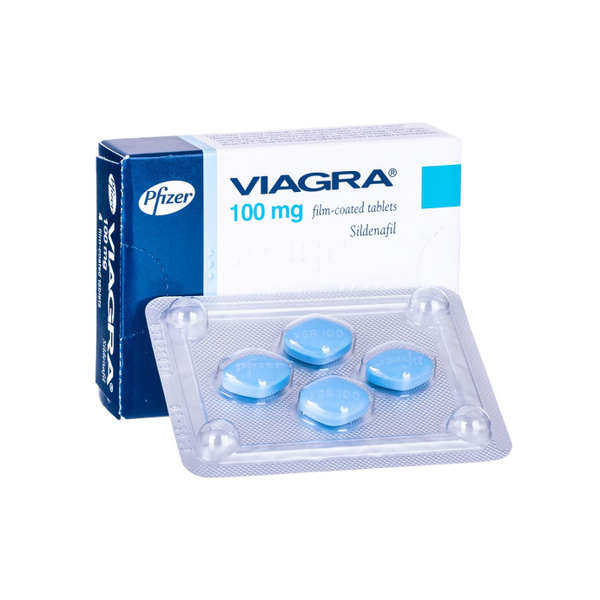
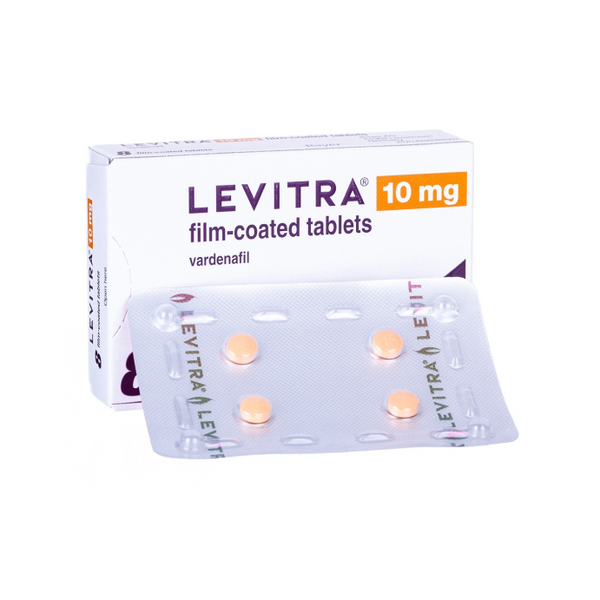
If synthetic medicines called PDE5 inhibitors are involved, they are used to enhance blood flow to treat erectile dysfunction, but their effects taper over time rather than switching off abruptly, and taking a tablet too far in advance, or expecting it to sustain things well beyond its effective window, can look like "losing" an erection when it is really the medicine's effect naturally reducing. Timing it appropriately relative to when it is needed is worth discussing with whoever prescribed it. Sildenafil is effective in at least two-thirds of cases, but results still depend on timing and context. Tadalafil can last up to 36 hours, which is why timing discussions differ by tablet.
Alcohol
Alcohol can interfere with the nervous-system signals and arousal needed for an erection, and larger amounts can make it harder to get or maintain one. Recreational drugs can also affect sexual function and may interact dangerously with ED medicines.
Reduced sensation or nerve-related factors
Some neurological conditions can disrupt the nerve signals involved in sexual arousal and erectile function. For example, multiple sclerosis and spinal cord disorders can contribute to ED.
Low testosterone
Low testosterone can affect sexual desire and may contribute to erectile difficulties in some men. It should be diagnosed using appropriate blood testing rather than symptoms alone. Testosterone treatment is generally considered when clinically confirmed testosterone deficiency is contributing to symptoms.
Situational and relationship-specific factors
If the difficulty happens only in certain situations, with a particular partner, or during some sexual experiences but not others, that pattern can provide useful information during an assessment. Psychological or situational factors may be contributing, but this pattern does not by itself rule out a physical cause.

How Is Venous Leak Actually Diagnosed?
If you are experiencing erectile dysfunction and a venous cause is suspected, particularly where there is a positional pattern or the difficulty is consistent and unresponsive to other explanations, a proper workup to diagnose erectile dysfunction may include a physical examination, a review of your medical history and sexual history, blood tests to look for physical problems or other factors linked to the underlying cause.
Where appropriate, specialist imaging such as a Doppler ultrasound of blood flow during an induced erection.
This is not something every man with this symptom needs, it is generally reserved for cases where the pattern is persistent and other, more common explanations have been considered first, especially as part of a broader sexual health assessment, if you are struggling to maintain erection, consultation with a healthcare professional is recommended rather than trying to diagnose erectile dysfunction yourself.
Tracking the Pattern Before You Get It Checked
A few details are worth noting over a couple of weeks if you are planning to seek advice: tracking the pattern can help identify an underlying health condition or a medication trigger before assessment. Note whether the difficulty happens from the start or develops partway through, whether it is linked to a particular position, partner or situation, whether it happens with every attempt or only sometimes, and whether anything changed around when it started, including prescription medicines or blood pressure medications started, stopped or adjusted at the same time. This is not a substitute for an assessment, but it gives whoever you speak to a clearer picture than "it does not stay hard," and can genuinely speed up working out the likely cause.
Is This the Same as a "Weak" Erection?
Related, but not identical. A weak or partial erection describes firmness at any point, including from the start. Difficulty maintaining specifically describes something that starts adequately and then reduces or is lost, often part way through. There is real overlap, since some of the same causes (venous leak, anxiety) can produce either pattern, but if you are trying to describe your own erection problems accurately, noticing whether the difficulty is present from the start or develops partway through is a useful detail because it can point to different causes of erectile dysfunction.
What Actually Helps With Maintaining an Erection
Pelvic floor exercises
Pelvic-floor muscle training may help some men with erectile dysfunction. Because these muscles contribute to penile rigidity, strengthening them may be useful, but current evidence is not strong enough to say that pelvic-floor exercises specifically treat the pattern of losing an erection after it has started.
A vacuum erection device
A vacuum erection device draws blood into the penis to produce an erection, while a constriction ring helps keep blood in place. It can therefore help both with achieving and maintaining an erection. Vacuum devices are a non-drug treatment option for ED and can be useful when medicines are unsuitable or ineffective.
Addressing the anxiety loop directly
Where worrying about losing the erection is part of the pattern, addressing that anxiety as part of your wider mental health, sometimes with support, directly interrupts the loop rather than leaving it to resolve on its own. Where performance anxiety or relationship difficulties are contributing, counselling or psychological treatment can help break the cycle of worry and erection loss.
Reviewing medication timing
If a prescribed tablet is involved, a prescriber can advise on timing it more effectively relative to when it is needed, and explain that it still requires sexual stimulation to work as intended rather than causing an erection automatically.
An assessment for venous leak
If the assessment suggests a possible vascular cause, a healthcare professional can decide whether specialist testing is appropriate. Venogenic ED is a clinical diagnosis that should not be made from symptoms alone
When to Seek Advice
It is worth getting an assessment if difficulty maintaining an erection keeps happening, particularly if it is affecting your confidence or relationship or if you have risk factors such as high blood pressure, high cholesterol or diabetes. Lifestyle changes such as stopping smoking, exercising regularly, maintaining a healthy weight and reducing excessive alcohol intake can support overall vascular health. Seek urgent medical help if an erection is painful and lasts more than 3 to 4 hours, or if erection problems occur alongside chest pain, severe breathlessness or other potentially serious symptoms.
Frequently Asked Questions
Why can't I maintain an erection even though I can get one?
What is the difference between struggling to get an erection and struggling to keep one?
What is venous leak and how does it relate to this?
Can anxiety alone cause me to lose an erection partway through?
Do pelvic floor exercises actually help with this specific pattern?
Does alcohol specifically affect maintaining an erection more than getting one?
Could my tablet be wearing off too early?
Is losing an erection during intercourse a sign of something serious?
Does a vacuum device help with maintenance specifically, or just getting an erection?
Is this pattern the same as having a weak erection?
Should I be worried if this only happens in certain positions?
When should I get this checked rather than just monitoring it?
Erectile Dysfunction Research: What Studies Show
Chronic Pain and Erectile Dysfunction: Causes & ED Link
Related Posts


Viagra Pharmacy UK: How Sildenafil Supply Works

Do You Need a Prescription for Viagra in the UK?

Can You Buy Viagra Over the Counter in the UK?


Viagra Price UK: Understanding Sildenafil Costs